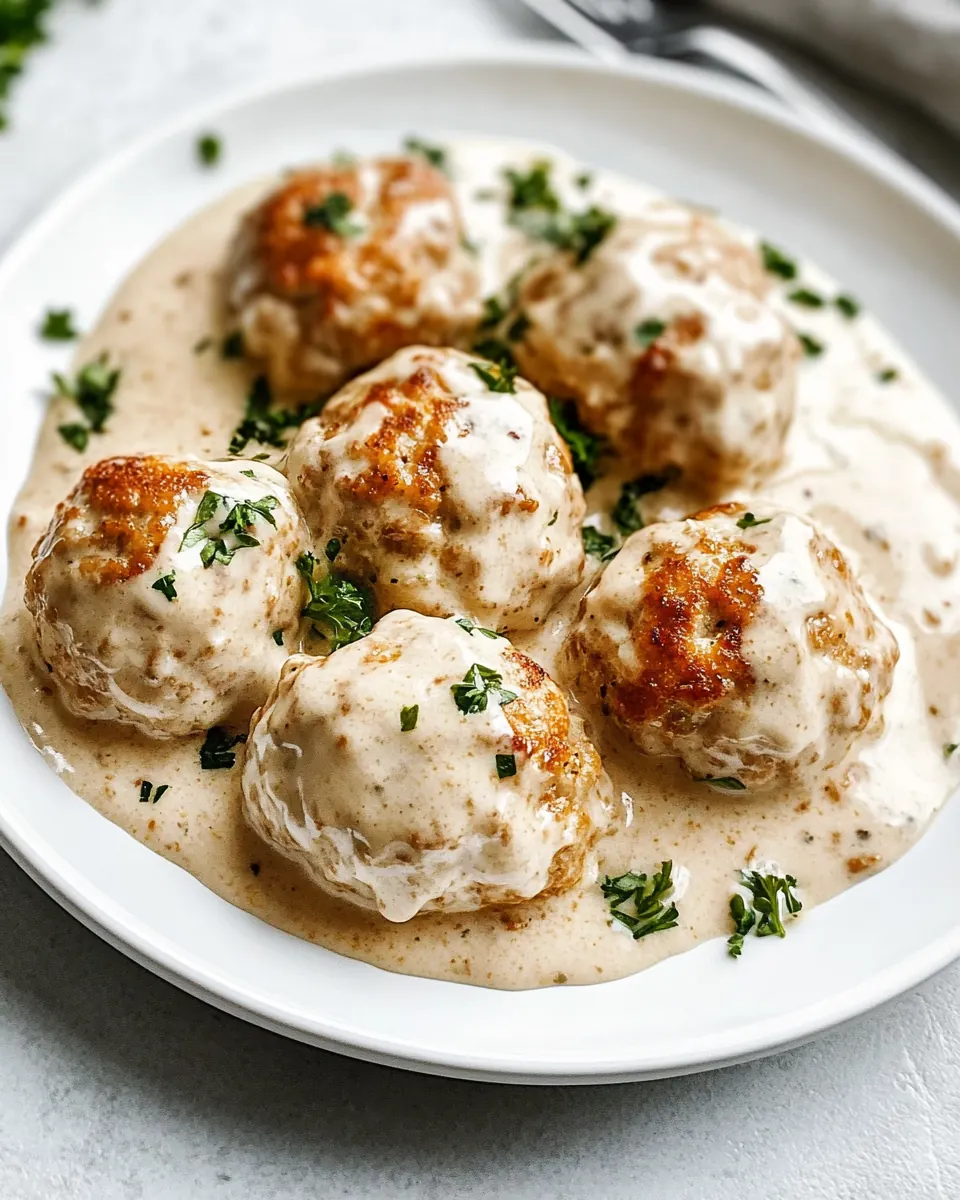
Ranch Chicken Meatballs
Ranch Chicken Meatballs came into my weekday rotation on a chaotic Tuesday night when I needed something comforting, fast, and a little nostalgic. I remember standing at the counter with a tired grocery bag on one shoulder and a cranky delivery of takeout on the way, thinking I could do better with a few pantry staples and a block of cream cheese. The first bite confirmed it: tender chicken meat wrapped around a creamy center, brightened by ranch seasoning and fresh parsley. It felt like a hug, only portable.
I make these whenever I want guests to think I spent more time than I actually did. They’re also my secret weapon for dinner parties where people graze, because the meatballs stay juicy and the sauce clings in all the best places. I learned to balance salt carefully after one batch turned out too salty for my tastes, so now I always reach for low sodium chicken broth and taste the sauce as it melds. These meatballs are forgiving, and that’s part of their charm, whether you’re a confident cook or someone who avoids recipes with more than five steps.
Recipe Snapshot
40 mins
20 mins
20 mins
Easy
400 kcal
American
Keto, Gluten-Free
Dinner
Skillet, Mixing bowl, Tongs, Whisk, Baking sheet, Parchment paper, Measuring cups
The Magic of This Ranch Chicken Meatballs
They are comfort food with personality
I love how these Ranch Chicken Meatballs deliver familiar comfort but with a bright, tangy ranch profile that keeps them from feeling heavy. The creamy center from the cream cheese makes each bite velvet smooth, while the parmesan cheese adds savory depth. When friends come over, people comment on the texture within the first minute.
Fast and weeknight friendly
We can have this on the table in under an hour, and that speed doesn’t sacrifice flavor. I appreciate recipes that respect the clock, because evenings are for family and stories, not endless chopping. Browning in a skillet creates quick caramelization, boosting aroma and taste without complicated steps.
Flexible and forgiving
I’m a fan of recipes that let you adjust on the fly, and these meatballs are exactly that. If the mixture feels too wet, a gentle hand while forming helps, and using low sodium chicken broth gives control over final saltiness. You can scale the batch up or down, and the technique still works.
Perfect for gatherings
Because the meatballs hold up well, they’re ideal for buffets or casual parties. I often keep toothpicks nearby and set the skillet on the table, because nothing brings people together faster than a shared skillet of glossy, sauced meatballs. It’s an easy headline dish when you want to impress without fuss.
Flavor balance and texture contrast
The combination of tender ground chicken, crunchy toasted exterior, and silky, ranch-infused sauce creates tension in the best way. I love the contrast between the quick sear that gives a faint crisp and the soft, creamy center. It’s the kind of dish where every element earns its place.
Ingredients Required for Ranch Chicken Meatballs
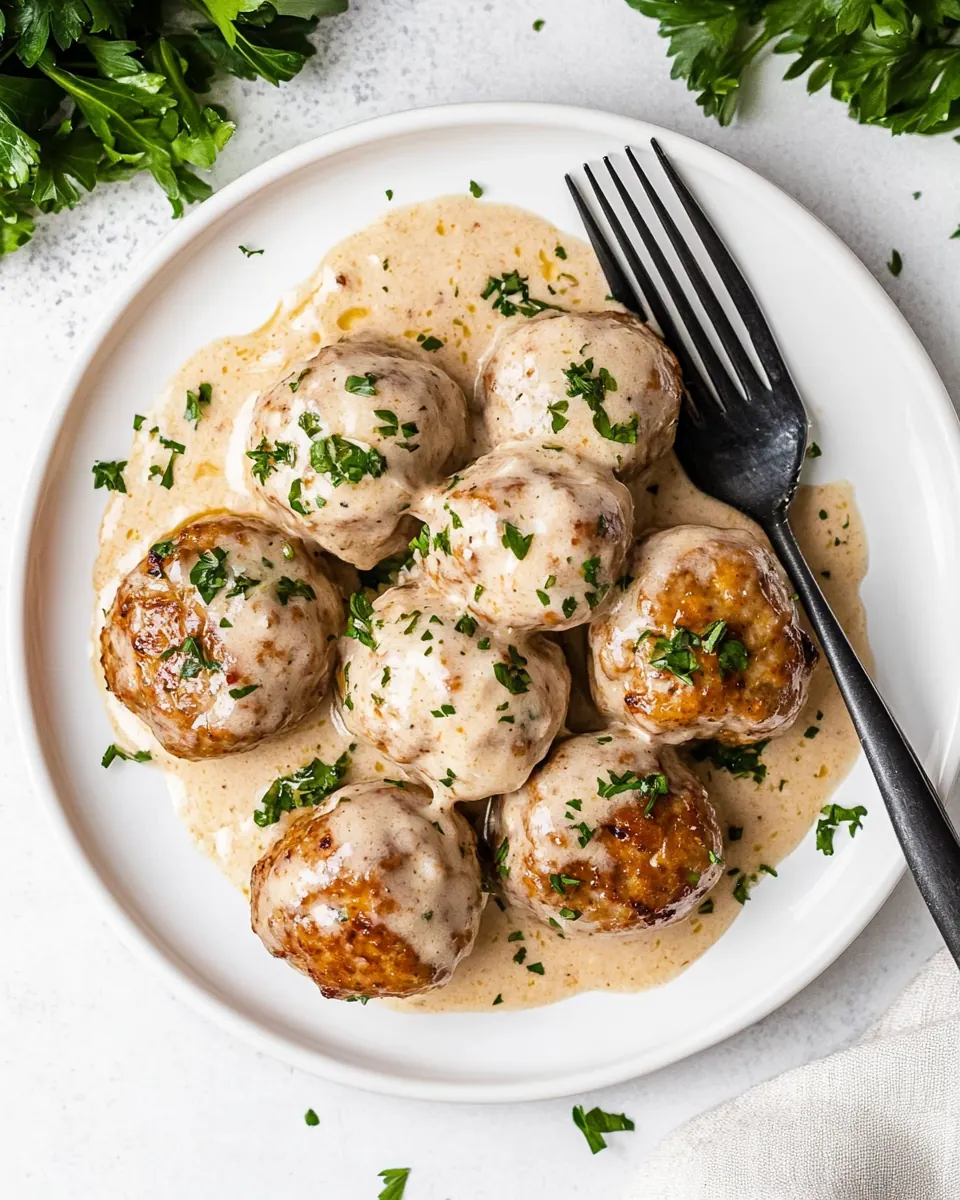
These ingredients are chosen for texture and balance. The binders hold the meatballs together, the cheeses add savory richness, and the seasonings bring that classic ranch tang. I consider the key players to be the ground chicken for tenderness, the parmesan cheese for umami, and the cream cheese for creamy meltiness. Together they create meatballs that are moist, flavorful, and saucy enough to please a crowd.
- 1 pound ground chicken: Bind together the meat mixture and add moisture, helping meatballs hold their shape while providing a tender texture when cooked.
- 1 egg: Provide structure and additional binding to the mixture, contributing to a firmer interior and helping ingredients adhere during cooking.
- 1/2 cup panko breadcrumbs: Add light crispness and absorb excess moisture, giving the meatballs a lighter, less dense texture while enhancing browning.
- 1 cup freshly grated parmesan cheese: Contribute savory, umami-rich saltiness and a nutty, tangy depth that amplifies overall flavor and helps season the meat mixture.
- 1/2 teaspoon Italian seasoning: Impart an herby, Mediterranean aroma and flavor that complements the chicken and other seasonings, adding subtle complexity.
- 1/2 teaspoon garlic powder: Offer concentrated garlic flavor without fresh texture, strengthening the savory profile and enhancing overall depth of the meatballs.
- 1/2 teaspoon onion powder: Provide mild savory onion notes that round out the seasoning profile and boost aromatic complexity without adding bulk.
- Pepper to taste: Season to personal taste by adding subtle heat or balancing flavors; freshly ground pepper sharpens and brightens the mixture.
- 2 tablespoons olive oil for frying: Facilitate browning and prevent sticking during frying, contributing a rich mouthfeel and helping exterior develop a crisp, golden crust.
- 1 cup low sodium chicken broth see note: Add savory liquid for simmering or thinning a sauce, infusing gentle chicken flavor while keeping the meatballs moist during cooking.
- 1 tablespoon ranch seasoning I prefer Hidden Valley: Deliver bold, tangy, herbed seasoning that defines the ranch flavor profile, instantly seasoning the meatballs with familiar ranch notes.
- 1 clove garlic minced: Bring fresh pungent garlic aroma and bite, enhancing complexity and contributing a bright, savory lift to the finished meatballs.
- 8 ounces cream cheese (a block of Philly) softened: Introduce creamy richness and tangy silkiness that melds with the chicken to create a luscious, cohesive interior and sauce when melted.
- 1 tablespoon chopped fresh parsley: Garnish with fresh, bright herbal notes and a pop of color that enhances aroma and provides a finishing contrast to the rich meatballs.
Cooking Instructions for Ranch Chicken Meatballs
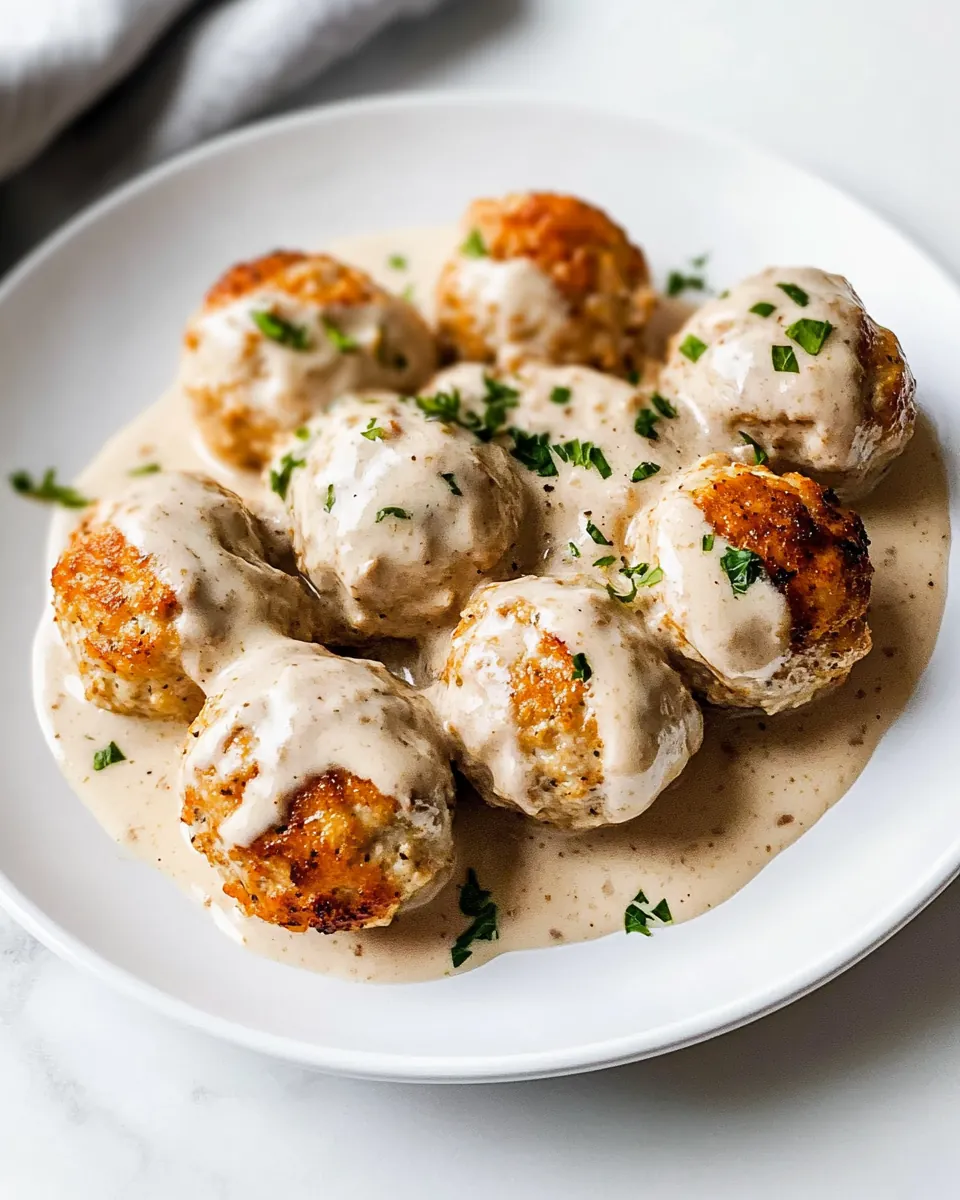
These instructions guide you through assembly, searing, and saucing with hands on, sensory cues so you feel confident at every stage. I like to keep the rhythm steady, working in batches to preserve a hot pan for good browning and finishing in a glossy ranch cream sauce that clings to each meatball.
- Add all the meatball ingredients except for the olive oil to a fairly large prep bowl. Using your hands, mix everything together well, but don't overwork the mixture. The mixture will be quite wet. Form 1" meatballs (it'll make around 30 or so). Place them on a parchment paper lined baking sheet for easy clean-up.: The bowl will quickly fill with aromas of parmesan cheese and dried herbs, and your hands are the best tool to fold them together gently. As you press and fold, you should feel the mixture coming together yet still yielding slightly, indicating moisture balance. If it feels overly sticky, rest it briefly while you prepare the pan, because chilling tightens proteins and makes forming easier. A common error is over-mixing, which can make meatballs dense and tough rather than tender.
- Microwave the cream cheese in 20-30 second intervals until very soft. Cut it into smaller pieces.: As you combine the components, notice how the texture evolves from separated to cohesive, with the panko breadcrumbs absorbing moisture and the egg binding. Stop once the ingredients are evenly distributed, since excessive kneading will compact the ground chicken and yield a chewy interior instead of a soft one. If you feel resistance, pause and reassess rather than forcing it, which is a frequent pitfall.
- Add the olive oil to a skillet and let it heat up for a few minutes over medium-high heat. Fry the meatballs in two batches until they're browned all over (about 5 min/batch). I use tongs to turn them quickly and easily. They will brown quite fast, so turn them often. If needed, add another splash of olive oil to the skillet for the second batch. Transfer meatballs to a plate once they're browned.: A wet mix means the final meatballs will be juicy, and the panko breadcrumbs and parmesan cheese will stabilize them during cooking. When forming, wet or lightly oiled hands help shape without tearing. If the mix seems excessively loose, refrigerate it for 10 to 15 minutes to firm up; failing to do so can cause meatballs to fall apart when seared.
- Turn the burner off for a couple of minutes so that the pan gets a chance to cool a bit. If there's a lot of excess oil in the skillet, drain it, but leave the browned pieces (don't wipe out the pan).: Rolling small, uniform meatballs ensures even cooking and a high surface area for browning. Aim for consistent size by using a measuring spoon or a cookie scoop if you have one, and place each formed ball on a lined sheet. Uneven sizes can lead to undercooked centers or overbrowned exteriors, a common issue when eyeballing.
- Add the chicken broth, ranch seasoning, garlic, and cream cheese to the skillet and cook, over medium heat, stirring often (you may want to use a whisk), until it's melted into a smooth sauce. This will take a few minutes. If the sauce is getting too thick, add a splash more water or chicken broth.: The parchment keeps the meatballs from sticking and catches any stray crumbs, while the sheet offers a tidy staging area. Arrange them with a little space so they do not squash each other. Skipping this step often results in a messy preparation and makes transfer to the skillet trickier.
- Add the meatballs back to the skillet and cook for another 5 minutes or so until they're cooked through (165 F), giving them the occasional stir. You may need to turn the heat down if it's bubbling a lot. Stir in the parsley and enjoy immediately.: Warming the cream cheese in short bursts prevents separation and makes it easier to melt into a smooth sauce later. Cut it into smaller pieces once softened to encourage even melting. Overheating can cause graininess, so watch closely and stir between intervals to gauge texture.
- Cut it into smaller pieces: Smaller chunks of softened cream cheese melt more rapidly and uniformly when added to the pan, helping you achieve a velvety sauce without lumps. The pieces should be pliable rather than rock hard, and breaking them down now saves time and prevents cold pockets that resist melting. A typical misstep is adding large cold chunks that never fully incorporate.
- Add the olive oil to a skillet and let it heat up for a few minutes over medium-high heat: Heating the olive oil creates a surface that will sear and brown the meatballs quickly, generating aromatic fond. You want the oil shimmering but not smoking, a cue that the pan is ready. If you rush this step and the oil is not hot enough, the meatballs will soak oil instead of browning.
- Fry the meatballs in two batches until they're browned all over (about 5 min/batch): As meatballs hit the hot oil, listen for an immediate sizzle and watch for golden crust development, which takes roughly five minutes per batch. Turning them often helps achieve even color without burning, and tongs make this easy. Crowding the pan is a common mistake, which lowers temperature and prevents proper browning.
- I use tongs to turn them quickly and easily: Tongs give precise control and protect the meatballs from breaking. When you turn them, you should see a deep golden exterior that resists sticking, a sign of good caramelization. Using a fork instead can pierce the meatball, releasing juices and drying the interior, so opt for tongs when possible.
- They will brown quite fast, so turn them often: The rapid browning means you need to pay attention, watching for even color development on all sides. The smell at this stage will be nutty and inviting, signaling the Maillard reaction at work. If you let one side sit too long, it can char, producing a bitter note that masks the delicate ranch flavors.
- If needed, add another splash of olive oil to the skillet for the second batch: Adding a little more olive oil before the second batch replenishes the pan and ensures consistent browning. The second batch benefits from the residual fond, which builds flavor. Forgetting to top up the oil can lead to uneven searing and sticking.
- Transfer meatballs to a plate once they're browned: Resting the browned meatballs on a plate keeps them warm and frees the pan for sauce building. The browned bits left behind are valuable for flavor, so resist the instinct to scrap the pan clean. A misstep here is placing the meatballs somewhere they steam and lose crispness; keep them uncovered briefly.
- Turn the burner off for a couple of minutes so that the pan gets a chance to cool a bit: Letting the pan cool slightly prevents the sauce components from breaking or separating when added. This brief pause preserves texture and allows the residual heat to be more manageable for combining dairy. Adding cold dairy to an excessively hot pan can result in grainy sauce.
- If there's a lot of excess oil in the skillet, drain it, but leave the browned pieces (don't wipe out the pan): Removing excess oil avoids a greasy sauce while keeping the fond for flavor. Use a ladle to remove oil or carefully tilt the pan away from the fond. Scrubbing the pan would discard those concentrated browned bits that create depth in the sauce, which is a frequent beginner error.
- Add the chicken broth, ranch seasoning, garlic, and cream cheese to the skillet and cook, over medium heat, stirring often (you may want to use a whisk), until it's melted into a smooth sauce: The smell will shift to tangy, herby creaminess as the ranch seasoning and garlic bloom in the warm broth and the softened cream cheese melts in. Stirring steadily and using a whisk helps emulsify the sauce and prevent lumps. If lumps form, lower the heat and stir gently until they disappear; rushing can cause separation.
- This will take a few minutes: Give the sauce time to come together, watching for a sheen and velvety consistency that coats the back of a spoon. If the sauce becomes too thick, add a splash more chicken broth or water to loosen it to your preference. A frequent mistake is turning the heat too high, which causes the sauce to bubble and split.
- If the sauce is getting too thick, add a splash more water or chicken broth: Adjusting viscosity ensures the sauce clings without becoming gummy. Adding liquid slowly allows you to control the final texture. Pouring too much at once dilutes flavor, so add incrementally and taste as you go.
- Add the meatballs back to the skillet and cook for another 5 minutes or so until they're cooked through (165 F): Returning the meatballs to the sauce lets them finish cooking while absorbing flavor; you should hear gentle bubbling and see the sauce cling to their surfaces. Use a thermometer to confirm the interior reaches 165 F , the safe temperature for chicken . Rushing this stage can leave centers underdone, especially with tightly packed small meatballs.
- Giving them the occasional stir: Occasional stirring ensures even exposure to the sauce and prevents sticking, but avoid constant agitation which can break the meatballs. The sauce should coat and glaze, not boil aggressively. Overstirring is a common issue that damages the exterior coating.
- You may need to turn the heat down if it's bubbling a lot: Gentle simmering is ideal to finish the cook without reducing the sauce too rapidly. Lower heat maintains a creamy texture while keeping the meatballs tender. Leaving it at high heat risks scorching the sauce and creating bitter notes.
- Stir in the parsley and enjoy immediately: Fresh parsley brightens the final plate with a pop of color and a clean herbaceous note. Serve right away while warm, so the sauce is silky and the texture is at its best. Holding these meatballs too long off heat will cause the sauce to thicken and the exterior to soften.
Recipe Variations about Ranch Chicken Meatballs
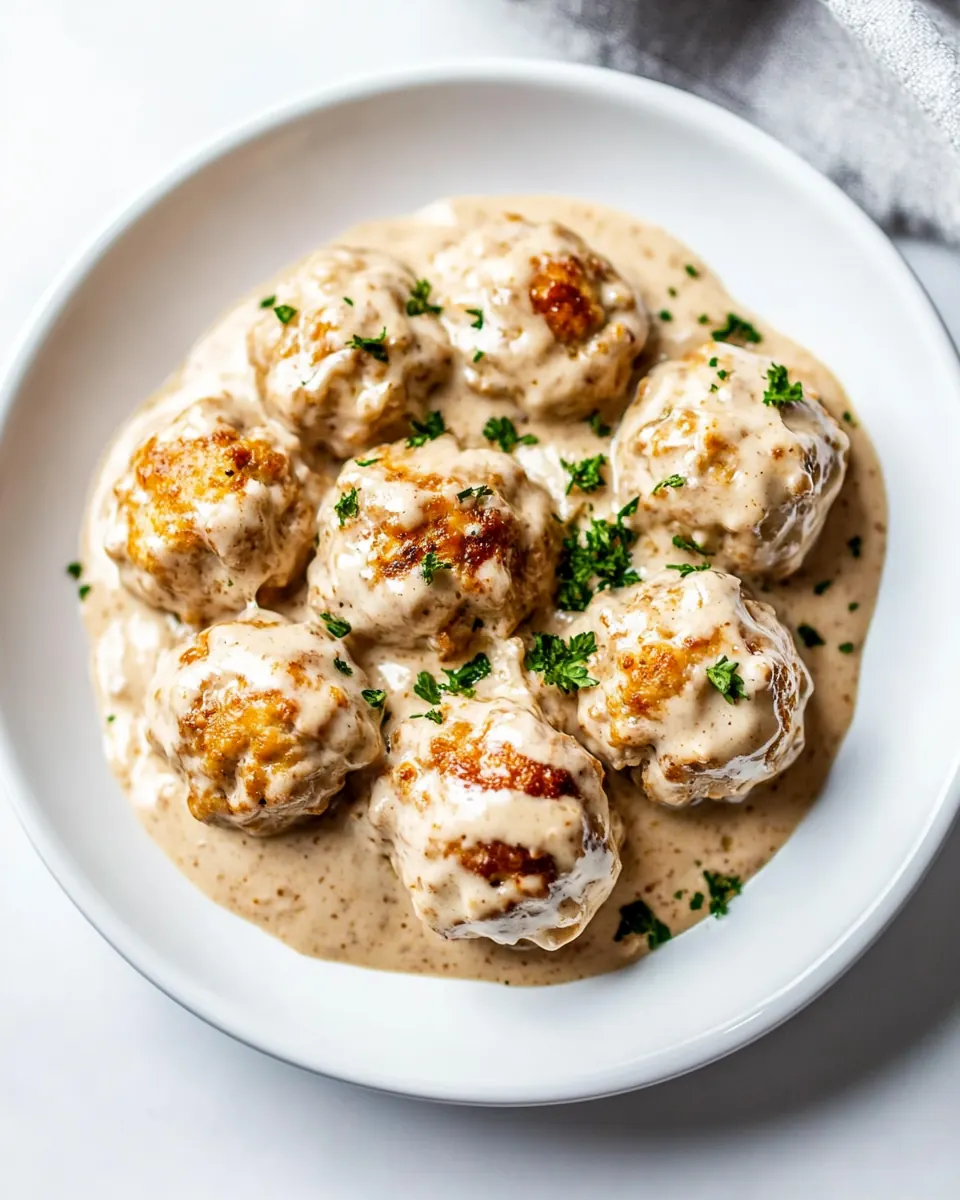
If you want to tweak the flavor profile or presentation, there are several reliable variations that work well without changing the core technique. Below are several detailed tips to help you adapt the dish for texture, salt control, or a different crowd.
- Make it milder Use low sodium chicken broth and reduce the ranch seasoning slightly, then taste the sauce before serving to avoid an overly salty finish.
- Increase creaminess Stir in the softened cream cheese slowly and whisk constantly while it melts, adding a tablespoon of broth at a time to achieve the desired silkiness without thinning the sauce too much.
- Keep them juicy Do not overwork the ground chicken during mixing and consider chilling the formed meatballs briefly if the mix is too soft before searing, which helps them hold shape.
- Make ahead Prepare the meatballs and refrigerate them on the parchment lined tray for a few hours before frying; this can save time on the day you plan to serve and helps them brown more evenly.
- Adjust portion size For appetizers, form smaller meatballs and reduce final simmer time slightly; they will cook faster and still absorb the ranch cream sauce beautifully.
What to Serve With Ranch Chicken Meatballs
These meatballs pair well with simple sides and make both casual dinners and party spreads shine. Below are serving ideas, storage guidance, and occasion suggestions to help you plan the full meal.
- Over rice Serve the sauced meatballs over plain steamed rice to soak up the creamy ranch sauce, making the meal hearty and universally appealing, ideal for weeknight dinners.
- With pasta Toss short pasta like rotini or penne with the meatballs and sauce so the sauce clings to every twist, creating a comforting dinner that feeds a family easily.
- On a platter Arrange meatballs on a warm platter with toothpicks for parties, letting guests help themselves while the aroma invites everyone to gather around the table.
- With roasted vegetables Pair with oven roasted vegetables for a balanced plate, using the sauce sparingly to keep the veggies crisp and bright alongside the creamy meatballs.
- Meal prep Store cooled meatballs and sauce separately in airtight containers for up to three days, reheating gently on the stove to maintain sauce texture and avoid separation.
- Occasions These are great for casual family dinners, potlucks, or a Ramadan iftar where a flavorful, comforting protein is appreciated and easy to serve to a group.
- Seasonal pairings In colder months, serve with warm pasta or mashed potatoes for comfort; in warmer months, pair with a light grain and quick roasted vegetables to keep the plate bright.
FAQ
Conclusion
What makes these Ranch Chicken Meatballs special is the balance of textures and the creamy ranch forward sauce that clings to each tender bite. They are quick enough for a weeknight but satisfying enough for guests, delivering both comfort and bright herb notes in every mouthful. Give them a try the next time you want a simple, crowd pleasing meal that still feels a bit special, and don’t be surprised if they become a requested repeat at your table.
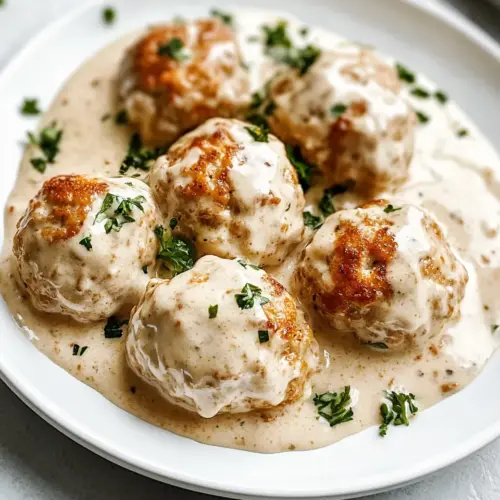
Ranch Chicken Meatballs
Equipment
- Skillet
- Mixing Bowl
- Tongs
- Whisk
- Baking Sheet
- Parchment Paper
- Measuring Cups
Ingredients
- 1 pound ground chicken Bind together the meat mixture and add moisture, helping meatballs hold their shape while providing a tender texture when cooked.
- 1 egg Provide structure and additional binding to the mixture, contributing to a firmer interior and helping ingredients adhere during cooking.
- 1/2 cup panko breadcrumbs Add light crispness and absorb excess moisture, giving the meatballs a lighter, less dense texture while enhancing browning.
- 1 cup freshly grated parmesan cheese Contribute savory, umami-rich saltiness and a nutty, tangy depth that amplifies overall flavor and helps season the meat mixture.
- 1/2 teaspoon Italian seasoning Impart an herby, Mediterranean aroma and flavor that complements the chicken and other seasonings, adding subtle complexity.
- 1/2 teaspoon garlic powder Offer concentrated garlic flavor without fresh texture, strengthening the savory profile and enhancing overall depth of the meatballs.
- 1/2 teaspoon onion powder Provide mild savory onion notes that round out the seasoning profile and boost aromatic complexity without adding bulk.
- Pepper to taste Season to personal taste by adding subtle heat or balancing flavors; freshly ground pepper sharpens and brightens the mixture.
- 2 tablespoons olive oil for frying Facilitate browning and prevent sticking during frying, contributing a rich mouthfeel and helping exterior develop a crisp, golden crust.
- 1 cup low sodium chicken broth see note Add savory liquid for simmering or thinning a sauce, infusing gentle chicken flavor while keeping the meatballs moist during cooking.
- 1 tablespoon ranch seasoning I prefer Hidden Valley Deliver bold, tangy, herbed seasoning that defines the ranch flavor profile, instantly seasoning the meatballs with familiar ranch notes.
- 1 clove garlic minced Bring fresh pungent garlic aroma and bite, enhancing complexity and contributing a bright, savory lift to the finished meatballs.
- 8 ounces cream cheese (a block of Philly) softened Introduce creamy richness and tangy silkiness that melds with the chicken to create a luscious, cohesive interior and sauce when melted.
- 1 tablespoon chopped fresh parsley Garnish with fresh, bright herbal notes and a pop of color that enhances aroma and provides a finishing contrast to the rich meatballs.
Instructions
- Add all the meatball ingredients except for the olive oil to a fairly large prep bowl. Using your hands, mix everything together well, but don't overwork the mixture. The mixture will be quite wet. Form 1" meatballs (it'll make around 30 or so). Place them on a parchment paper lined baking sheet for easy clean-up.: The bowl will quickly fill with aromas of parmesan cheese and dried herbs, and your hands are the best tool to fold them together gently. As you press and fold, you should feel the mixture coming together yet still yielding slightly, indicating moisture balance. If it feels overly sticky, rest it briefly while you prepare the pan, because chilling tightens proteins and makes forming easier. A common error is over-mixing, which can make meatballs dense and tough rather than tender.
- Microwave the cream cheese in 20-30 second intervals until very soft. Cut it into smaller pieces.: As you combine the components, notice how the texture evolves from separated to cohesive, with the panko breadcrumbs absorbing moisture and the egg binding. Stop once the ingredients are evenly distributed, since excessive kneading will compact the ground chicken and yield a chewy interior instead of a soft one. If you feel resistance, pause and reassess rather than forcing it, which is a frequent pitfall.
- Add the olive oil to a skillet and let it heat up for a few minutes over medium-high heat. Fry the meatballs in two batches until they're browned all over (about 5 min/batch). I use tongs to turn them quickly and easily. They will brown quite fast, so turn them often. If needed, add another splash of olive oil to the skillet for the second batch. Transfer meatballs to a plate once they're browned.: A wet mix means the final meatballs will be juicy, and the panko breadcrumbs and parmesan cheese will stabilize them during cooking. When forming, wet or lightly oiled hands help shape without tearing. If the mix seems excessively loose, refrigerate it for 10 to 15 minutes to firm up; failing to do so can cause meatballs to fall apart when seared.
- Turn the burner off for a couple of minutes so that the pan gets a chance to cool a bit. If there's a lot of excess oil in the skillet, drain it, but leave the browned pieces (don't wipe out the pan).: Rolling small, uniform meatballs ensures even cooking and a high surface area for browning. Aim for consistent size by using a measuring spoon or a cookie scoop if you have one, and place each formed ball on a lined sheet. Uneven sizes can lead to undercooked centers or overbrowned exteriors, a common issue when eyeballing.
- Add the chicken broth, ranch seasoning, garlic, and cream cheese to the skillet and cook, over medium heat, stirring often (you may want to use a whisk), until it's melted into a smooth sauce. This will take a few minutes. If the sauce is getting too thick, add a splash more water or chicken broth.: The parchment keeps the meatballs from sticking and catches any stray crumbs, while the sheet offers a tidy staging area. Arrange them with a little space so they do not squash each other. Skipping this step often results in a messy preparation and makes transfer to the skillet trickier.
- Add the meatballs back to the skillet and cook for another 5 minutes or so until they're cooked through (165 F), giving them the occasional stir. You may need to turn the heat down if it's bubbling a lot. Stir in the parsley and enjoy immediately.: Warming the cream cheese in short bursts prevents separation and makes it easier to melt into a smooth sauce later. Cut it into smaller pieces once softened to encourage even melting. Overheating can cause graininess, so watch closely and stir between intervals to gauge texture.
- Cut it into smaller pieces: Smaller chunks of softened cream cheese melt more rapidly and uniformly when added to the pan, helping you achieve a velvety sauce without lumps. The pieces should be pliable rather than rock hard, and breaking them down now saves time and prevents cold pockets that resist melting. A typical misstep is adding large cold chunks that never fully incorporate.
- Add the olive oil to a skillet and let it heat up for a few minutes over medium-high heat: Heating the olive oil creates a surface that will sear and brown the meatballs quickly, generating aromatic fond. You want the oil shimmering but not smoking, a cue that the pan is ready. If you rush this step and the oil is not hot enough, the meatballs will soak oil instead of browning.
- Fry the meatballs in two batches until they're browned all over (about 5 min/batch): As meatballs hit the hot oil, listen for an immediate sizzle and watch for golden crust development, which takes roughly five minutes per batch. Turning them often helps achieve even color without burning, and tongs make this easy. Crowding the pan is a common mistake, which lowers temperature and prevents proper browning.
- I use tongs to turn them quickly and easily: Tongs give precise control and protect the meatballs from breaking. When you turn them, you should see a deep golden exterior that resists sticking, a sign of good caramelization. Using a fork instead can pierce the meatball, releasing juices and drying the interior, so opt for tongs when possible.
- They will brown quite fast, so turn them often: The rapid browning means you need to pay attention, watching for even color development on all sides. The smell at this stage will be nutty and inviting, signaling the Maillard reaction at work. If you let one side sit too long, it can char, producing a bitter note that masks the delicate ranch flavors.
- If needed, add another splash of olive oil to the skillet for the second batch: Adding a little more olive oil before the second batch replenishes the pan and ensures consistent browning. The second batch benefits from the residual fond, which builds flavor. Forgetting to top up the oil can lead to uneven searing and sticking.
- Transfer meatballs to a plate once they're browned: Resting the browned meatballs on a plate keeps them warm and frees the pan for sauce building. The browned bits left behind are valuable for flavor, so resist the instinct to scrap the pan clean. A misstep here is placing the meatballs somewhere they steam and lose crispness; keep them uncovered briefly.
- Turn the burner off for a couple of minutes so that the pan gets a chance to cool a bit: Letting the pan cool slightly prevents the sauce components from breaking or separating when added. This brief pause preserves texture and allows the residual heat to be more manageable for combining dairy. Adding cold dairy to an excessively hot pan can result in grainy sauce.
- If there's a lot of excess oil in the skillet, drain it, but leave the browned pieces (don't wipe out the pan): Removing excess oil avoids a greasy sauce while keeping the fond for flavor. Use a ladle to remove oil or carefully tilt the pan away from the fond. Scrubbing the pan would discard those concentrated browned bits that create depth in the sauce, which is a frequent beginner error.
- Add the chicken broth, ranch seasoning, garlic, and cream cheese to the skillet and cook, over medium heat, stirring often (you may want to use a whisk), until it's melted into a smooth sauce: The smell will shift to tangy, herby creaminess as the ranch seasoning and garlic bloom in the warm broth and the softened cream cheese melts in. Stirring steadily and using a whisk helps emulsify the sauce and prevent lumps. If lumps form, lower the heat and stir gently until they disappear; rushing can cause separation.
- This will take a few minutes: Give the sauce time to come together, watching for a sheen and velvety consistency that coats the back of a spoon. If the sauce becomes too thick, add a splash more chicken broth or water to loosen it to your preference. A frequent mistake is turning the heat too high, which causes the sauce to bubble and split.
- If the sauce is getting too thick, add a splash more water or chicken broth: Adjusting viscosity ensures the sauce clings without becoming gummy. Adding liquid slowly allows you to control the final texture. Pouring too much at once dilutes flavor, so add incrementally and taste as you go.
- Add the meatballs back to the skillet and cook for another 5 minutes or so until they're cooked through (165 F): Returning the meatballs to the sauce lets them finish cooking while absorbing flavor; you should hear gentle bubbling and see the sauce cling to their surfaces. Use a thermometer to confirm the interior reaches 165 F , the safe temperature for chicken . Rushing this stage can leave centers underdone, especially with tightly packed small meatballs.
- Giving them the occasional stir: Occasional stirring ensures even exposure to the sauce and prevents sticking, but avoid constant agitation which can break the meatballs. The sauce should coat and glaze, not boil aggressively. Overstirring is a common issue that damages the exterior coating.
- You may need to turn the heat down if it's bubbling a lot: Gentle simmering is ideal to finish the cook without reducing the sauce too rapidly. Lower heat maintains a creamy texture while keeping the meatballs tender. Leaving it at high heat risks scorching the sauce and creating bitter notes.
- Stir in the parsley and enjoy immediately: Fresh parsley brightens the final plate with a pop of color and a clean herbaceous note. Serve right away while warm, so the sauce is silky and the texture is at its best. Holding these meatballs too long off heat will cause the sauce to thicken and the exterior to soften.
Notes
- Make it milder Use low sodium chicken broth and reduce the ranch seasoning slightly, then taste the sauce before serving to avoid an overly salty finish.
- Increase creaminess Stir in the softened cream cheese slowly and whisk constantly while it melts, adding a tablespoon of broth at a time to achieve the desired silkiness without thinning the sauce too much.
- Keep them juicy Do not overwork the ground chicken during mixing and consider chilling the formed meatballs briefly if the mix is too soft before searing, which helps them hold shape.
- Make ahead Prepare the meatballs and refrigerate them on the parchment lined tray for a few hours before frying; this can save time on the day you plan to serve and helps them brown more evenly.
- Adjust portion size For appetizers, form smaller meatballs and reduce final simmer time slightly; they will cook faster and still absorb the ranch cream sauce beautifully.