Lemon Meringue Pie
Lemon Meringue Pie has been the centerpiece of so many of my sunlit gatherings, and the first sentence of this story always brings back the aroma of warm citrus and caramelized sugar. I remember the first time I dared to make it for a group of friends who love bright flavors, and how the glossy, cloudlike meringue sat proudly over the tart, spoonable lemon curd. That first bite sparked a dozen questions, and a few compliments I still repeat with a smile.
Over the years I refined my approach, learning when the filling should cling just so, and how the crisp pie crust must cradle the custard without going soggy. There was a rainy afternoon when I experimented with extra zest, and the kitchen was filled with a fresh citrus perfume that made everyone linger by the counter. Another time I overwhipped the egg whites and discovered subtle technique changes that transformed the texture of the top layer into sculptural peaks. Those lessons are stitched into this recipe.
Recipe Snapshot
55 mins
30 mins
25 mins
Medium
320 kcal
American
Gluten-Free, Low FODMAP
Desserts
Medium saucepan, Small bowl, Large mixing bowl, Electric mixer, Whisk, Wire rack, Prebaked pie crust
The Magic of This Lemon Meringue Pie
Bright, balanced flavor
I adore how Lemon Meringue Pie brings a lively contrast between the tart lemon filling and the pillowy meringue. I often tell guests that the interplay of sweet and tart is what keeps people coming back for another forkful. The acidity wakes the palate, while the sugar and butter add a round, comforting backbone.
Texture drama on every forkful
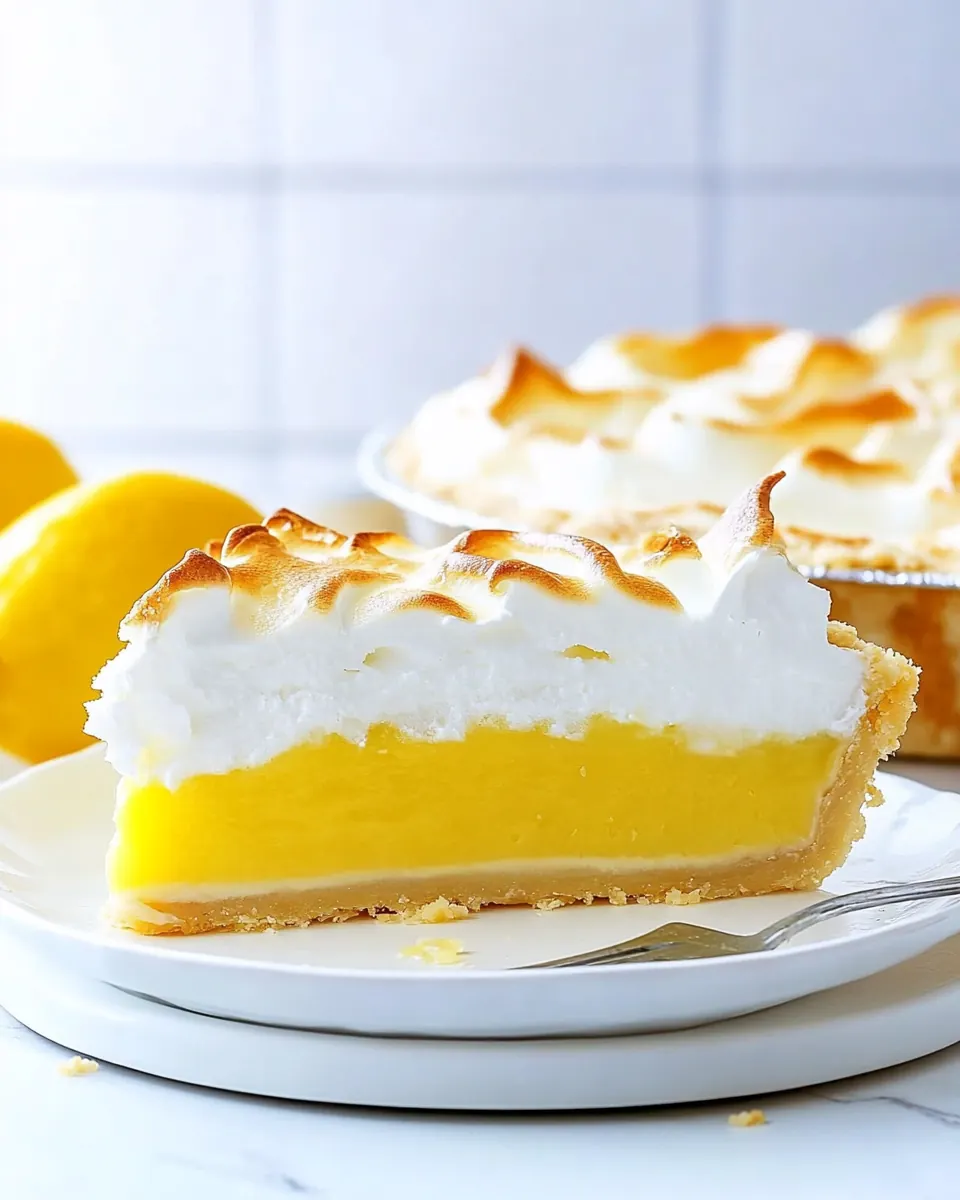
There is something deeply satisfying about a crisp, prebaked pie crust giving way to a silky, warm filling and then a cloudlike top that yields into soft peaks. I love that this recipe gives you multiple textures without complicated steps, and I usually point out the satisfying break between crust and custard as a sign of success.
Showstopper presentation
I make this when I want a dessert that looks celebratory but is actually approachable to execute. The glossy, lightly browned tips of the meringue make a striking centerpiece, and guests often pause before the first slice because it looks special. I learned simple decorating moves that make it feel artisanal, and they only take a spoon and a confident wrist.
Reliable technique for steady results
I’ve built this method so you can count on consistent results. From tempering the egg yolks to sealing the meringue to the crust, each step reduces the chance of separation or weeping. I still make small adjustments depending on humidity, but the core technique is forgiving and repeatable.
Comfort and nostalgia
For me, Lemon Meringue Pie is not just a dessert, it’s a memory maker. People associate it with family dinners and holiday tables, and serving it always sparks conversation. I love that it’s both a classic and a fresh statement at the same time.
What You’ll Need for Lemon Meringue Pie
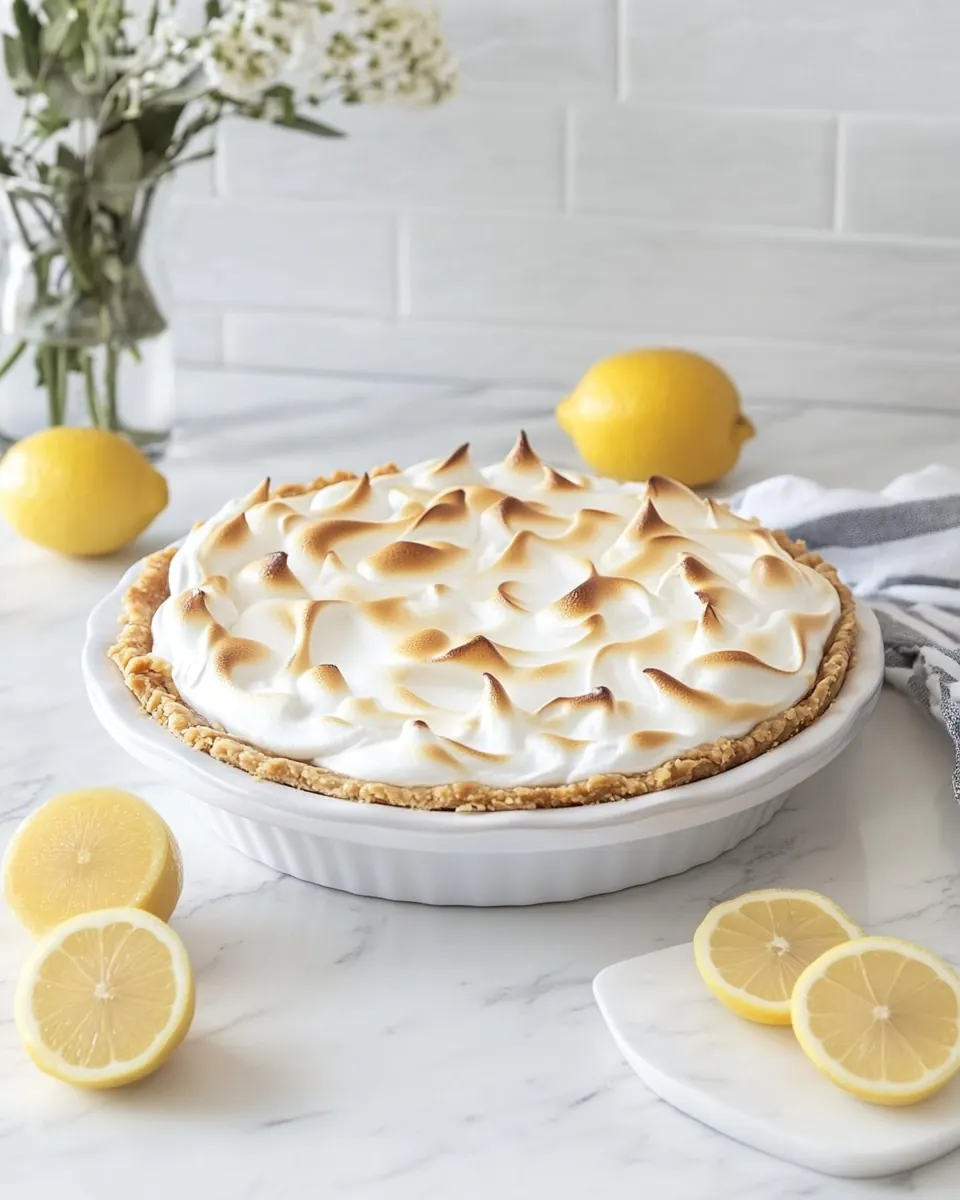
These ingredients are a tight team where each player performs a clear role. The structural elements like the pie crust and thickening starches give the filling its body, the citrus creates the bright backbone, and the egg whites transform into an airy cap that keeps things light. I focus on quality in the key items, because a fragrant lemon and fresh eggs make a noticeable difference.
- 1 cup granulated sugar: Provide sweetness and structure to balance tart lemon flavors; granulated sugar dissolves into the filling and caramelizes slightly during baking. Enhance mouthfeel and help stabilize egg-based custard for a smooth, cohesive texture.
- 2 1/2 tablespoons all-purpose flour: Act as a light thickening agent to help set the lemon filling and prevent it from being overly runny. Contribute a small amount of structure without making the custard heavy, ensuring a silky consistency.
- 3 tablespoons cornstarch: Thicken and stabilize the lemon curd by gelatinizing when heated with liquid, creating a glossy, firm filling. Prevent curdling of eggs by helping to evenly distribute heat and absorb excess moisture.
- 2 pinch salt: Provide a subtle flavor contrast and enhance the overall taste with a pinch of salt; salt also helps to balance sweetness in the filling. Strengthen the perceived flavors and slightly improve the custard's texture by moderating sweetness.
- 1 1/3 cups water: Dilute and dissolve dry thickeners and sugar while carrying lemon flavor; water is heated to activate cornstarch and flour for the curd. Help control concentration and temperature during cooking to achieve the right custard consistency.
- 1/2 cup lemon juice: Deliver primary tartness and citrus flavor to define the pie’s character while reacting with sugar and egg yolks to form the curd. Provide acidity that helps set the custard and brightens the overall dessert profile.
- 1 tablespoon lemon zest: Contribute concentrated citrus oils and aromatic brightness that enhance the lemon flavor and provide a fresh scent. Add depth to the filling with a citrusy nuance that complements the juice’s acidity.
- 2 1/2 tablespoons unsalted butter: Enrich the filling with fat for a silkier mouthfeel and add a mild, creamy flavor; butter also helps create a glossy finish. Soften the curd slightly and bind flavors, improving spreadability and richness.
- 5 large egg yolks: Thicken and enrich the lemon curd by providing emulsifying proteins and fats; egg yolks create a custard when tempered with hot liquid. Stabilize the filling’s texture and contribute a rich, velvety color and flavor.
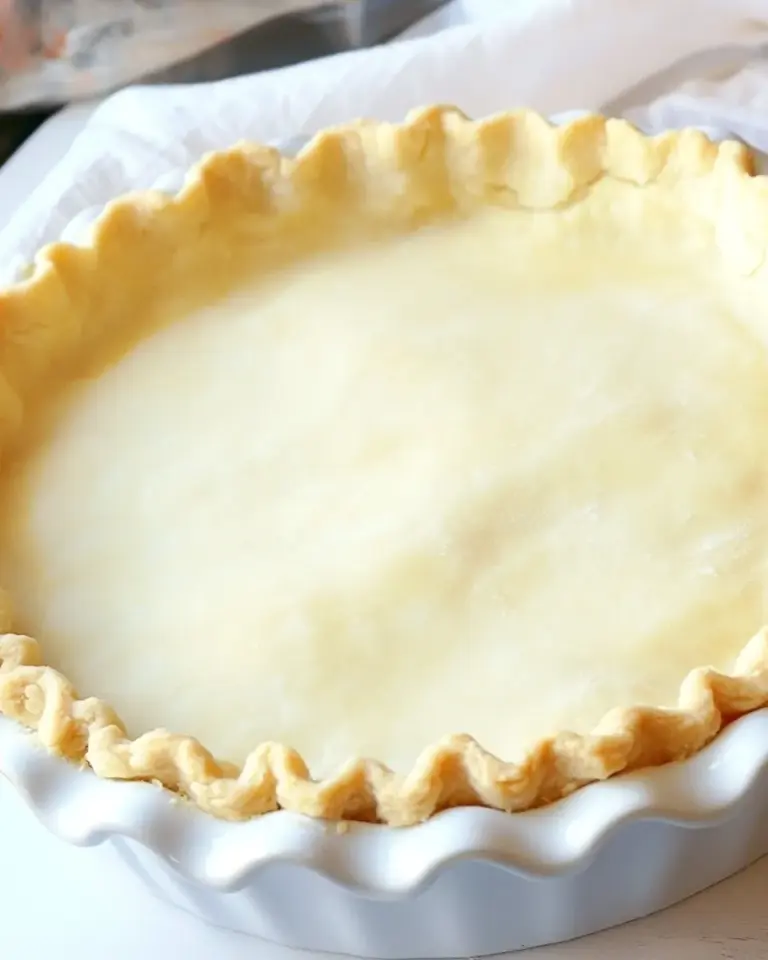
- 19 inch prebaked pie crust: Serve as the foundational vessel for the pie, offering a crisp, baked base that contrasts the creamy filling and airy meringue. Provide structural support to hold the curd and meringue layers while adding buttery, flaky flavor.
- 4 large egg whites: Create a stable, voluminous meringue topping when whipped into foam, incorporating air to form light peaks that brown attractively. Dry protein in whites coagulates during baking to set the topping and provide a cloud-like texture.
- 1/4 teaspoon cream of tartar: Stabilize whipped egg whites by strengthening the foam and preventing weeping, aiding in achieving glossy, stiff peaks. Acidic action helps preserve volume during baking and improves meringue texture.
- 1/3 cup granulated sugar: Add concentrated sweetness to the meringue while helping to stiffen and stabilize the beaten egg whites; sugar dissolves to create a glossy finish. Aid in caramelization and browning of the meringue surface during baking.
Cooking Method for Lemon Meringue Pie
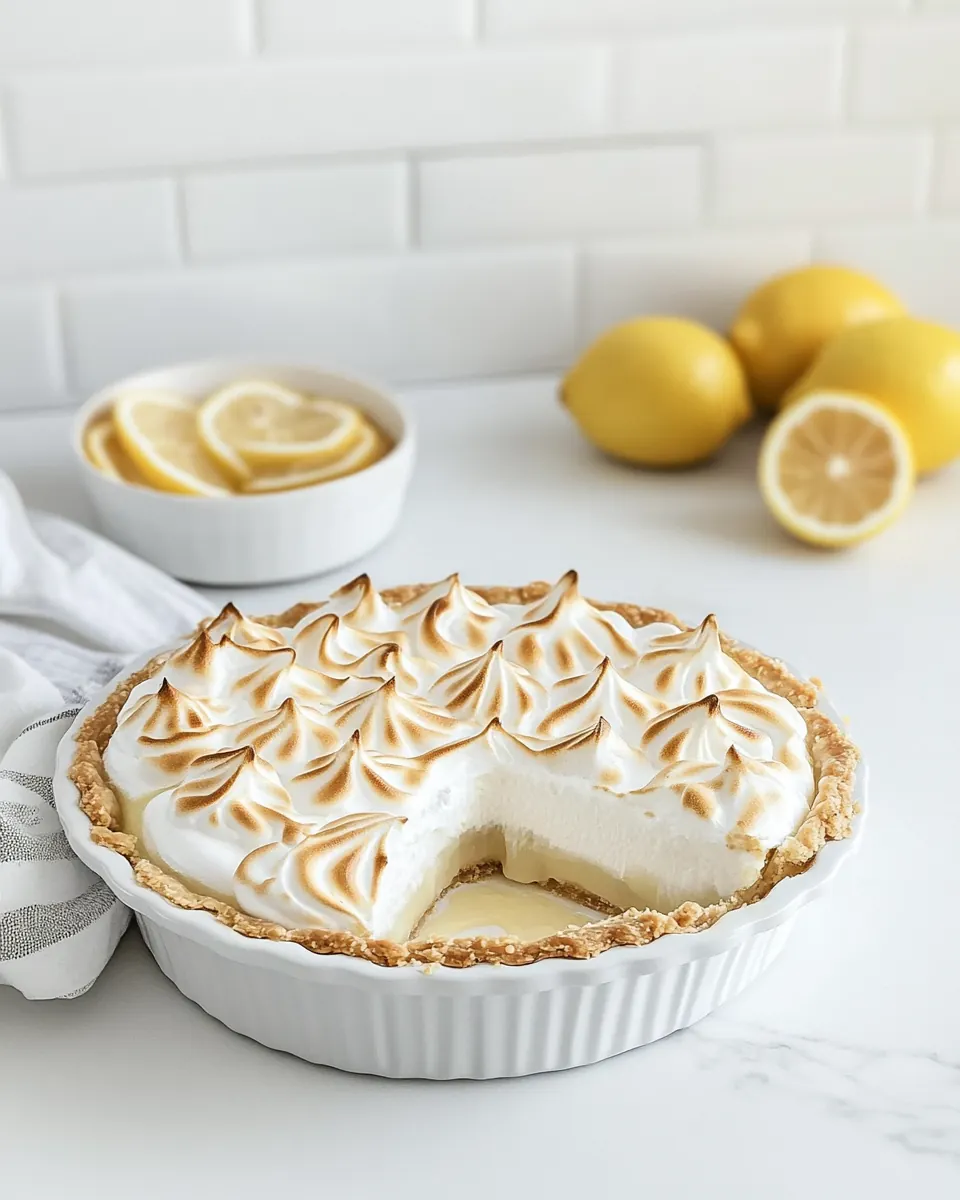
I like to walk through this as a calm, sequential process that honors the sensory cues. The goal is a satiny filling and a meringue with sculpted peaks. Take your time with each transition so you can feel confident about texture and temperature.
- In a medium saucepan, whisk together 1 cup sugar, the flour, cornstarch, and salt.: You will notice the dry mixture takes on a uniform pale color and a slightly powdery scent. This step matters because evenly combined dry ingredients prevent lumps later. If you skip thorough whisking, you might end up with clumps that are hard to dissolve, so whisk patiently until everything looks homogenous.
- Stir in water, lemon juice, and lemon zest. Cook over medium-high heat, stirring frequently, until mixture comes to a boil. Remove from heat and stir in butter.: As the liquid warms, citrus oils from the lemon zest will perfume the pan and the mixture will begin to thicken and become glossy when it approaches boiling. Stirring frequently prevents scorching on the bottom, which would add a faint burnt note that is undesirable. If you notice any sticking or brown bits, lower the heat and scrape the pan gently to avoid bitterness.
- In a small bowl, beat the egg yolks. Gradually whisk in a spoonful of the hot sugar mixture to temper the yolks. Whisk the tempered yolks into the saucepan.: The tempered yolk will warm and lose resistance without scrambling; you will see the yolk blend seamlessly into the hot mixture. Tempering is crucial because adding the yolks cold to hot liquid will cause curdled bits. If you are in a rush and skip tempering, the filling can develop stringy cooked egg ribbons that ruin the texture.
- Bring to a boil and continue to cook while stirring constantly, until thick. Pour filling into the baked pie shell.: The filling will move from glossy to noticeably thicker, coating the back of a spoon. You should see steam and hear a gentle bubbling that signals the starches are activating. Cook until the mixture holds a trail on the spoon, then remove it from the heat and pour into the prebaked pie crust . Overcooking will make the curd too firm, so watch for the visual clue of thickness rather than timing alone.
- In a large bowl, beat the egg whites with electric mixers until frothy. Add cream of tartar.: The egg whites will change from clear and viscous to white and foamy, with a sound like a soft rushing as air is incorporated. Starting with clean, dry equipment helps the foam form properly. If your bowl has any fat residue, the whites will refuse to expand, so ensure everything is spotless before you begin.
- Gradually add 1/3 cup sugar, a spoonful at a time, until fully incorporated. Continue beating until stiff peaks form.: The small amount of acid will stabilize the foam and make it less likely to collapse. You will see the whites become firmer and glossier over the next minutes. Skipping this can make the foam delicate and prone to weeping, especially in humid environments.
- Spread meringue onto the hot lemon filling, ensuring it touches the edges of the crust to seal. Create decorative peaks with the back of a spoon.: As you add the sugar , the texture transforms, and the whites will become glossy and hold their shape when the whisk is lifted. Add the sugar slowly so it dissolves fully into the foam; undissolved sugar can weigh the foam down and create a grainy finish. If you rush and dump the sugar, you risk deflating the meringue.
- Bake in a preheated oven at 325° F for 15-25 minutes or until the meringue is lightly browned. Cool to room temperature on a wire rack.: At this point the meringue will stand in firm peaks with a satiny sheen, and the bowl will feel cool from the incorporated air. This structure is important because it creates height and insulation for the filling. Underwhipping leaves a loose meringue that will slide off the filling, so stop only when the peaks hold firmly.
- Spread meringue onto the hot lemon filling, ensuring it touches the edges of the crust to seal. Create decorative peaks with the back of a spoon: When you spread the meringue , press it right to the edge to form a seal, which prevents separation and weeping. Working quickly you will notice the contrast of warm filling beneath and the cool, glossy surface above. A common error is leaving an air gap between filling and meringue, which invites moisture to collect and leak.
- Bake in a preheated oven at 325 F for 15 to 25 minutes or until the meringue is lightly browned. Cool to room temperature on a wire rack: The oven will sing a gentle heat and the meringue tips will toast to a pale gold, releasing a toasted sugar aroma. Watch closely in the final minutes because browning can happen quickly. After baking, cooling on a rack prevents condensation from forming underneath. If you rush to chill it while very hot, you risk creating steam that will make the crust soggy.
Expert Tips about Lemon Meringue Pie
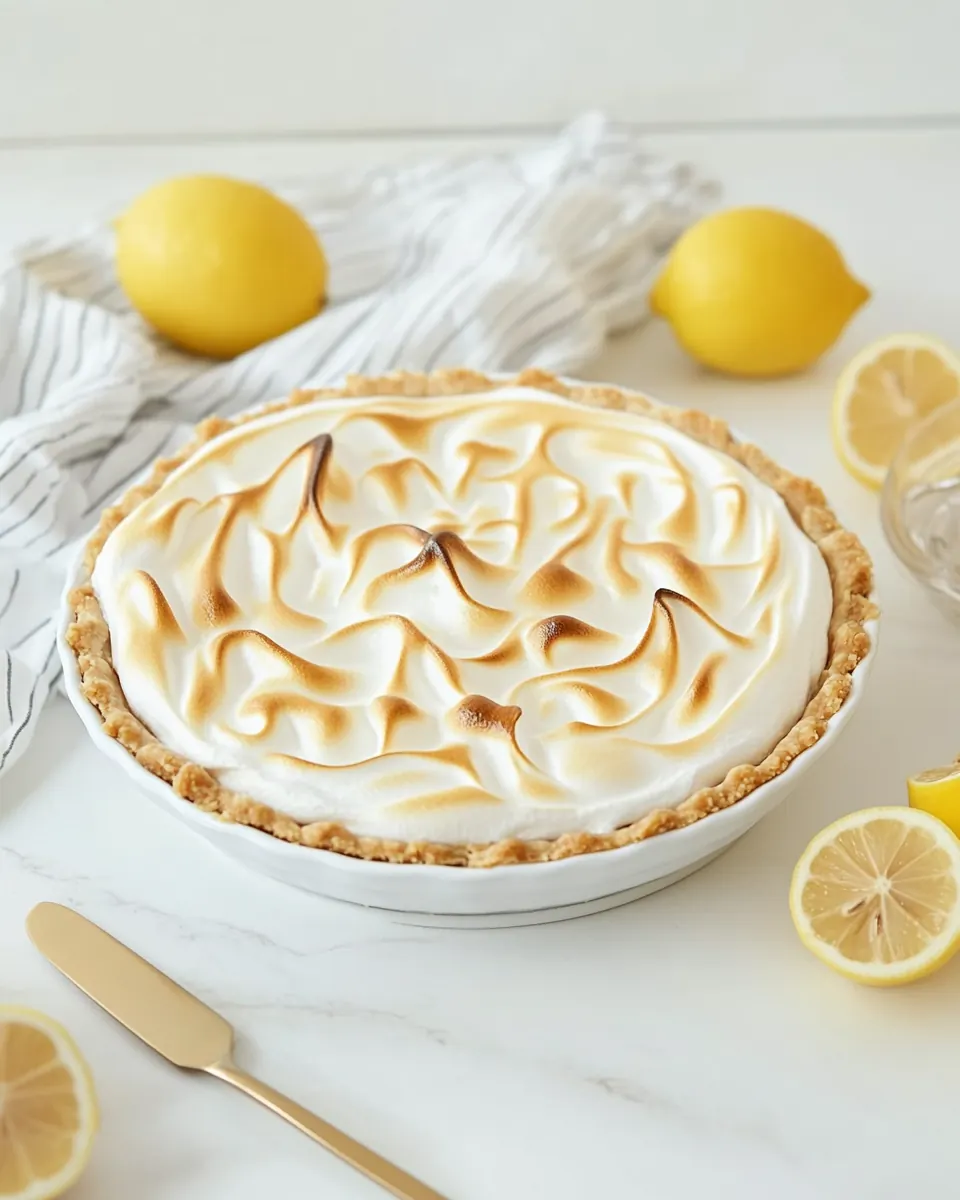
I like to offer practical tips that save time and elevate results. These are techniques I rely on whenever I want consistent texture and a picture worthy finish.
- Bring eggs to room temperature, this allows the egg whites to trap more air and yields a taller, more stable meringue.
- Whisk dry ingredients thoroughly, taking time to combine flour and cornstarch prevents clumps and ensures a smooth curd.
- Temper slowly, always add a small amount of hot filling to the egg yolks before combining to prevent curdling and maintain a silky texture.
- Seal meringue to crust, press the meringue into the edge of the prebaked shell to stop steam from creating sogginess.
- Gently brown, watch the oven closely in the final minutes to get a golden top without overbaking the delicate foam.
- Cool on a rack, allow the pie to reach room temperature uncovered so condensation does not form under the meringue.
Pairing Suggestions for Lemon Meringue Pie
This dessert shines when served thoughtfully. I like to suggest pairings that either complement the pie’s brightness or provide a contrasting texture. Think casual gatherings, afternoon tea, or festive occasions where a refreshing finish is desired.
- Light tea service, pair slices with herbal or green tea to keep the palate fresh and let the citrus notes take center stage.
- Fruit plate, serve with fresh berries for a colorful contrast and an extra burst of natural sweetness.
- Creamy accompaniment, a small dollop of lightly sweetened whipped cream can soften the tartness if some guests prefer milder flavors.
- Celebratory dessert, Lemon Meringue Pie works well for spring gatherings, holiday tables, or any time you want a stunning centerpiece dessert.
- Storage tips, keep slices loosely covered in the refrigerator for up to two days, but serve soon so the meringue retains its light texture.
FAQ
Conclusion
Lemon Meringue Pie stands out because it combines a bright, silky filling with a light, sculpted meringue for a multi textured experience. Give this recipe a try to enjoy the balance of tart lemon and sweet, airy topping that makes every slice memorable. Share it at a spring gathering or a cozy evening, and savor how the crisp crust, smooth curd, and cloudlike top come together to create a dessert that feels both classic and celebratory.

Lemon Meringue Pie
Equipment
- Medium Saucepan
- Small Bowl
- Large Mixing Bowl
- Electric Mixer
- Whisk
- Wire Rack
- Prebaked pie crust
Ingredients
- 1 cup granulated sugar Provide sweetness and structure to balance tart lemon flavors; granulated sugar dissolves into the filling and caramelizes slightly during baking. Enhance mouthfeel and help stabilize egg-based custard for a smooth, cohesive texture.
- 2 1/2 tablespoons all-purpose flour Act as a light thickening agent to help set the lemon filling and prevent it from being overly runny. Contribute a small amount of structure without making the custard heavy, ensuring a silky consistency.
- 3 tablespoons cornstarch Thicken and stabilize the lemon curd by gelatinizing when heated with liquid, creating a glossy, firm filling. Prevent curdling of eggs by helping to evenly distribute heat and absorb excess moisture.
- 2 pinch salt Provide a subtle flavor contrast and enhance the overall taste with a pinch of salt; salt also helps to balance sweetness in the filling. Strengthen the perceived flavors and slightly improve the custard's texture by moderating sweetness.
- 1 1/3 cups water Dilute and dissolve dry thickeners and sugar while carrying lemon flavor; water is heated to activate cornstarch and flour for the curd. Help control concentration and temperature during cooking to achieve the right custard consistency.
- 1/2 cup lemon juice Deliver primary tartness and citrus flavor to define the pie’s character while reacting with sugar and egg yolks to form the curd. Provide acidity that helps set the custard and brightens the overall dessert profile.
- 1 tablespoon lemon zest Contribute concentrated citrus oils and aromatic brightness that enhance the lemon flavor and provide a fresh scent. Add depth to the filling with a citrusy nuance that complements the juice’s acidity.
- 2 1/2 tablespoons unsalted butter Enrich the filling with fat for a silkier mouthfeel and add a mild, creamy flavor; butter also helps create a glossy finish. Soften the curd slightly and bind flavors, improving spreadability and richness.
- 5 large egg yolks Thicken and enrich the lemon curd by providing emulsifying proteins and fats; egg yolks create a custard when tempered with hot liquid. Stabilize the filling’s texture and contribute a rich, velvety color and flavor.
- 19 -inch prebaked pie crust Serve as the foundational vessel for the pie, offering a crisp, baked base that contrasts the creamy filling and airy meringue. Provide structural support to hold the curd and meringue layers while adding buttery, flaky flavor.
- 4 large egg whites Create a stable, voluminous meringue topping when whipped into foam, incorporating air to form light peaks that brown attractively. Dry protein in whites coagulates during baking to set the topping and provide a cloud-like texture.
- 1/4 teaspoon cream of tartar Stabilize whipped egg whites by strengthening the foam and preventing weeping, aiding in achieving glossy, stiff peaks. Acidic action helps preserve volume during baking and improves meringue texture.
- 1/3 cup granulated sugar Add concentrated sweetness to the meringue while helping to stiffen and stabilize the beaten egg whites; sugar dissolves to create a glossy finish. Aid in caramelization and browning of the meringue surface during baking.
Instructions
- In a medium saucepan, whisk together 1 cup sugar, the flour, cornstarch, and salt.: You will notice the dry mixture takes on a uniform pale color and a slightly powdery scent. This step matters because evenly combined dry ingredients prevent lumps later. If you skip thorough whisking, you might end up with clumps that are hard to dissolve, so whisk patiently until everything looks homogenous.
- Stir in water, lemon juice, and lemon zest. Cook over medium-high heat, stirring frequently, until mixture comes to a boil. Remove from heat and stir in butter.: As the liquid warms, citrus oils from the lemon zest will perfume the pan and the mixture will begin to thicken and become glossy when it approaches boiling. Stirring frequently prevents scorching on the bottom, which would add a faint burnt note that is undesirable. If you notice any sticking or brown bits, lower the heat and scrape the pan gently to avoid bitterness.
- In a small bowl, beat the egg yolks. Gradually whisk in a spoonful of the hot sugar mixture to temper the yolks. Whisk the tempered yolks into the saucepan.: The tempered yolk will warm and lose resistance without scrambling; you will see the yolk blend seamlessly into the hot mixture. Tempering is crucial because adding the yolks cold to hot liquid will cause curdled bits. If you are in a rush and skip tempering, the filling can develop stringy cooked egg ribbons that ruin the texture.
- Bring to a boil and continue to cook while stirring constantly, until thick. Pour filling into the baked pie shell.: The filling will move from glossy to noticeably thicker, coating the back of a spoon. You should see steam and hear a gentle bubbling that signals the starches are activating. Cook until the mixture holds a trail on the spoon, then remove it from the heat and pour into the prebaked pie crust . Overcooking will make the curd too firm, so watch for the visual clue of thickness rather than timing alone.
- In a large bowl, beat the egg whites with electric mixers until frothy. Add cream of tartar.: The egg whites will change from clear and viscous to white and foamy, with a sound like a soft rushing as air is incorporated. Starting with clean, dry equipment helps the foam form properly. If your bowl has any fat residue, the whites will refuse to expand, so ensure everything is spotless before you begin.
- Gradually add 1/3 cup sugar, a spoonful at a time, until fully incorporated. Continue beating until stiff peaks form.: The small amount of acid will stabilize the foam and make it less likely to collapse. You will see the whites become firmer and glossier over the next minutes. Skipping this can make the foam delicate and prone to weeping, especially in humid environments.
- Spread meringue onto the hot lemon filling, ensuring it touches the edges of the crust to seal. Create decorative peaks with the back of a spoon.: As you add the sugar , the texture transforms, and the whites will become glossy and hold their shape when the whisk is lifted. Add the sugar slowly so it dissolves fully into the foam; undissolved sugar can weigh the foam down and create a grainy finish. If you rush and dump the sugar, you risk deflating the meringue.
- Bake in a preheated oven at 325° F for 15-25 minutes or until the meringue is lightly browned. Cool to room temperature on a wire rack.: At this point the meringue will stand in firm peaks with a satiny sheen, and the bowl will feel cool from the incorporated air. This structure is important because it creates height and insulation for the filling. Underwhipping leaves a loose meringue that will slide off the filling, so stop only when the peaks hold firmly.
- Spread meringue onto the hot lemon filling, ensuring it touches the edges of the crust to seal. Create decorative peaks with the back of a spoon: When you spread the meringue , press it right to the edge to form a seal, which prevents separation and weeping. Working quickly you will notice the contrast of warm filling beneath and the cool, glossy surface above. A common error is leaving an air gap between filling and meringue, which invites moisture to collect and leak.
- Bake in a preheated oven at 325 F for 15 to 25 minutes or until the meringue is lightly browned. Cool to room temperature on a wire rack: The oven will sing a gentle heat and the meringue tips will toast to a pale gold, releasing a toasted sugar aroma. Watch closely in the final minutes because browning can happen quickly. After baking, cooling on a rack prevents condensation from forming underneath. If you rush to chill it while very hot, you risk creating steam that will make the crust soggy.
Notes
- Bring eggs to room temperature, this allows the egg whites to trap more air and yields a taller, more stable meringue.
- Whisk dry ingredients thoroughly, taking time to combine flour and cornstarch prevents clumps and ensures a smooth curd.
- Temper slowly, always add a small amount of hot filling to the egg yolks before combining to prevent curdling and maintain a silky texture.
- Seal meringue to crust, press the meringue into the edge of the prebaked shell to stop steam from creating sogginess.
- Gently brown, watch the oven closely in the final minutes to get a golden top without overbaking the delicate foam.
- Cool on a rack, allow the pie to reach room temperature uncovered so condensation does not form under the meringue.