Quinoa Tabbouleh
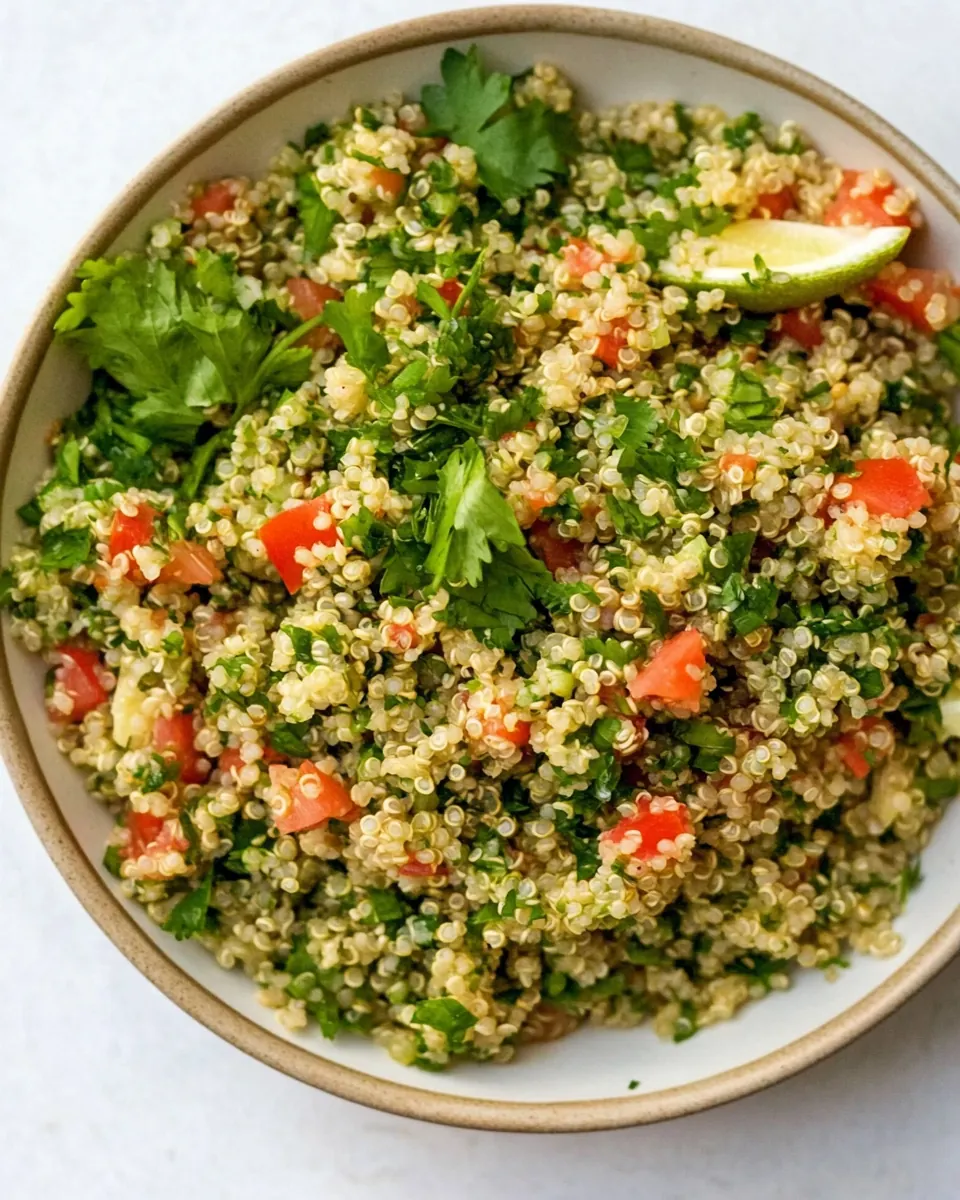
Quinoa Tabbouleh is one of those recipes I reach for when I want something bright, satisfying, and a little unexpected on the table. The first time I made it I was chasing a summer harvest of herbs and a bag of quinoa in the pantry, and the result felt like a small celebration on a plate. I remember standing over the counter, chopping parsley until my fingers smelled like a garden, while the quinoa steamed gently on the stove.
Over the years I have adapted this into my regular rotation because it travels well, sits confidently at a picnic, and plays nicely with so many main dishes. I love that it keeps well, and that the flavors actually improve if you let it rest. Every time I toss it together I enjoy the contrast between the fluffy, slightly nutty quinoa and the crisp, cooling bite of fresh cucumber and herbs. It makes me think of easy dinners with friends, lazy weekend lunches, and quick additions to a weeknight plate when I want something wholesome that does not demand a lot of fuss.
Recipe Snapshot
25 mins
15 mins
10 mins
Easy
220 kcal
Mediterranean
Vegan, Gluten-Free
Salads
Saucepan, Fine mesh strainer, Large bowl, Fork
The Beauty of This Quinoa Tabbouleh
Fresh Herb Forward
I adore how the parsley and mint dominate the flavor profile here, giving the salad a fragrant lift that makes every forkful feel lively. When I chop a full cup of flat-leaf parsley and a small heap of mint, the aroma alone tells me the salad will be remarkable. Herbs bring brightness without fat, so the dish tastes light, even when tossed with olive oil.
Textural Contrast
What keeps me coming back is the texture play. The tiny, fluffy grains of cooked quinoa provide a chewy, nutty base that pairs beautifully with crunchy cucumber and the juicy pop of tomato. That contrast makes each bite interesting, and it holds up well when served chilled or at room temperature.
Reliable Make Ahead
I often make this a day in advance because the flavors meld and deepen in the fridge. The lemony dressing softens the quinoa and tames any raw edge from the herbs, so it feels even more cohesive the next day. For busy hosts, this is a dream, because you can finish prep early and relax before guests arrive.
Versatile Serving Options
You can treat Quinoa Tabbouleh as a main for a light lunch, a side for grilled vegetables, or a bed for roasted chickpeas. I appreciate how adaptable it is, whether I want a simple vegetarian meal or a colorful accompaniment for a larger spread. It also pairs beautifully with Mediterranean spreads like hummus and pita.
Healthy and Satisfying
This salad gives you a balanced bite of whole grain, fresh produce, and healthy olive oil, which feels nourishing without being heavy. I reach for it when I want to eat well without compromising on flavor, and it never leaves me feeling deprived.
Key Ingredients for Quinoa Tabbouleh
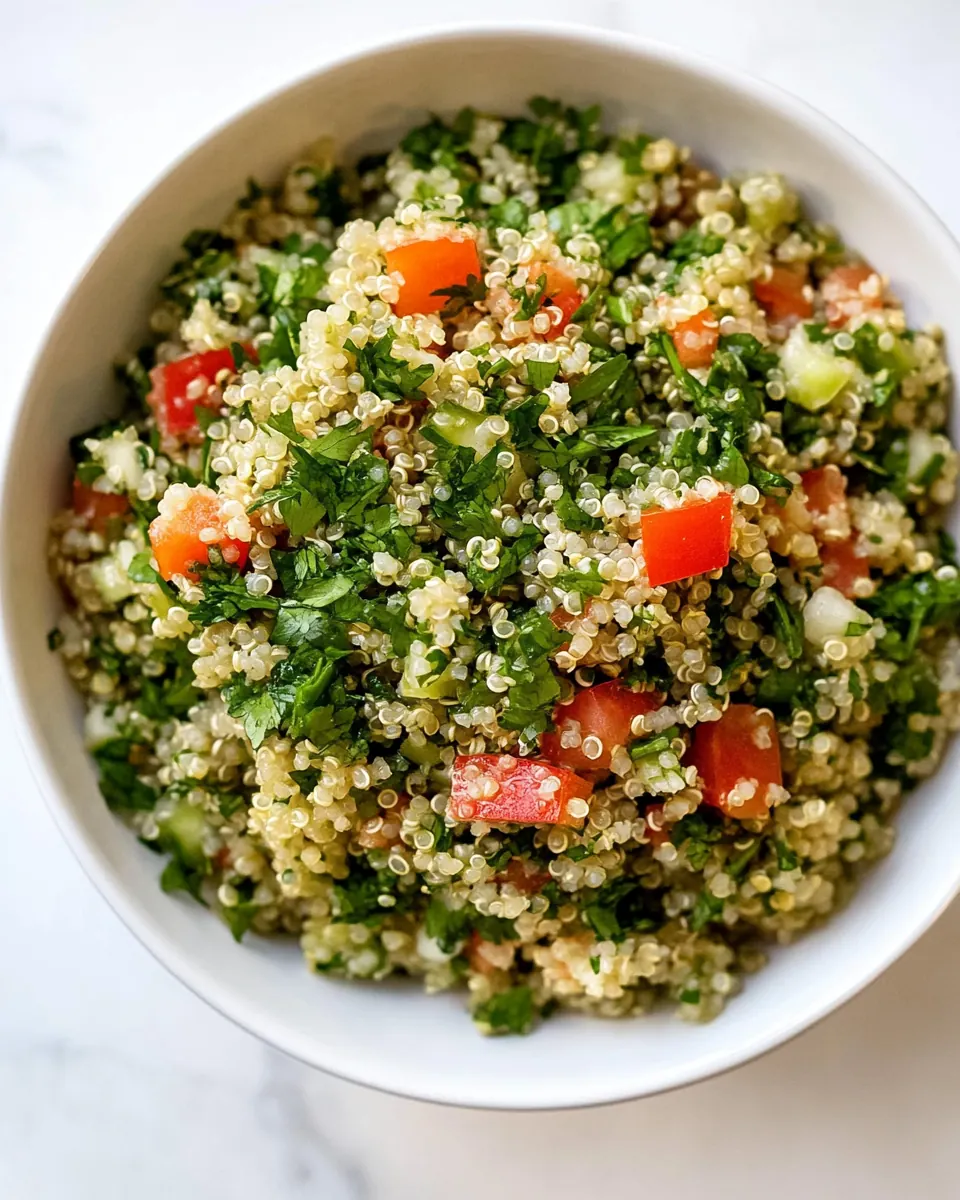
The philosophy behind these ingredients is simple, they each play a clear role. The quinoa forms a fluffy, protein rich base that absorbs the bright, acidic dressing. Fresh herbs like parsley and mint bring aromatic lift, while the crunchy cucumber and juicy tomato add texture and freshness. A little olive oil smooths everything together and lemon juice keeps the flavors lively.
- 1 cup uncooked quinoa: Cooked until fluffy and light, provides the nutty, protein-rich base that soaks up dressing and herbs for texture and substance in the salad.
- 1/4 cup extra virgin olive oil: Adds a fruity, peppery richness and healthy fats to bind flavors; whisk with lemon and salt to create a balanced vinaigrette that coats the grains and vegetables.
- 1 1/2 teaspoons fine sea salt (divided; I use Real Salt brand): Season sparingly to enhance all flavors and help balance acidity; divide between cooking liquid and dressing to ensure quinoa is properly seasoned and bright.
- 3 tablespoons lemon juice: Brightens the salad with tangy acidity and helps tenderize herbs and vegetables; combine with olive oil and salt to make a refreshing dressing that lifts the whole dish.
- 1 garlic clove: Imparts a pungent, savory bite when minced and mixed into the dressing, marrying with lemon and oil to add depth and aromatic complexity.
- 1 medium cucumber, diced: Contributes a cooling, crisp crunch and mild vegetal flavor that contrasts with herbs and tomato, adding refreshing texture to each bite.
- 1 large tomato, diced (see notes): Offers juicy acidity and slight sweetness that complements herbs and grains; dice and mix gently to distribute moistness without making the salad soggy.
- 3 green onions, chopped: Provides a mild oniony bite and subtle crunch; chop finely to distribute sharp, bright notes throughout the salad without overpowering delicate herbs.
- 1 cup flat-leaf parsley, chopped: Delivers a fragrant, slightly bitter herbaceous backbone; chop coarsely or finely to release bright, green flavors that define the tabbouleh character.
- 1/4 cup fresh mint, minced: Lends a cool, sweetly aromatic accent when minced finely, amplifying freshness and adding complexity to the herb-forward profile of the salad.
Cooking Method for Quinoa Tabbouleh
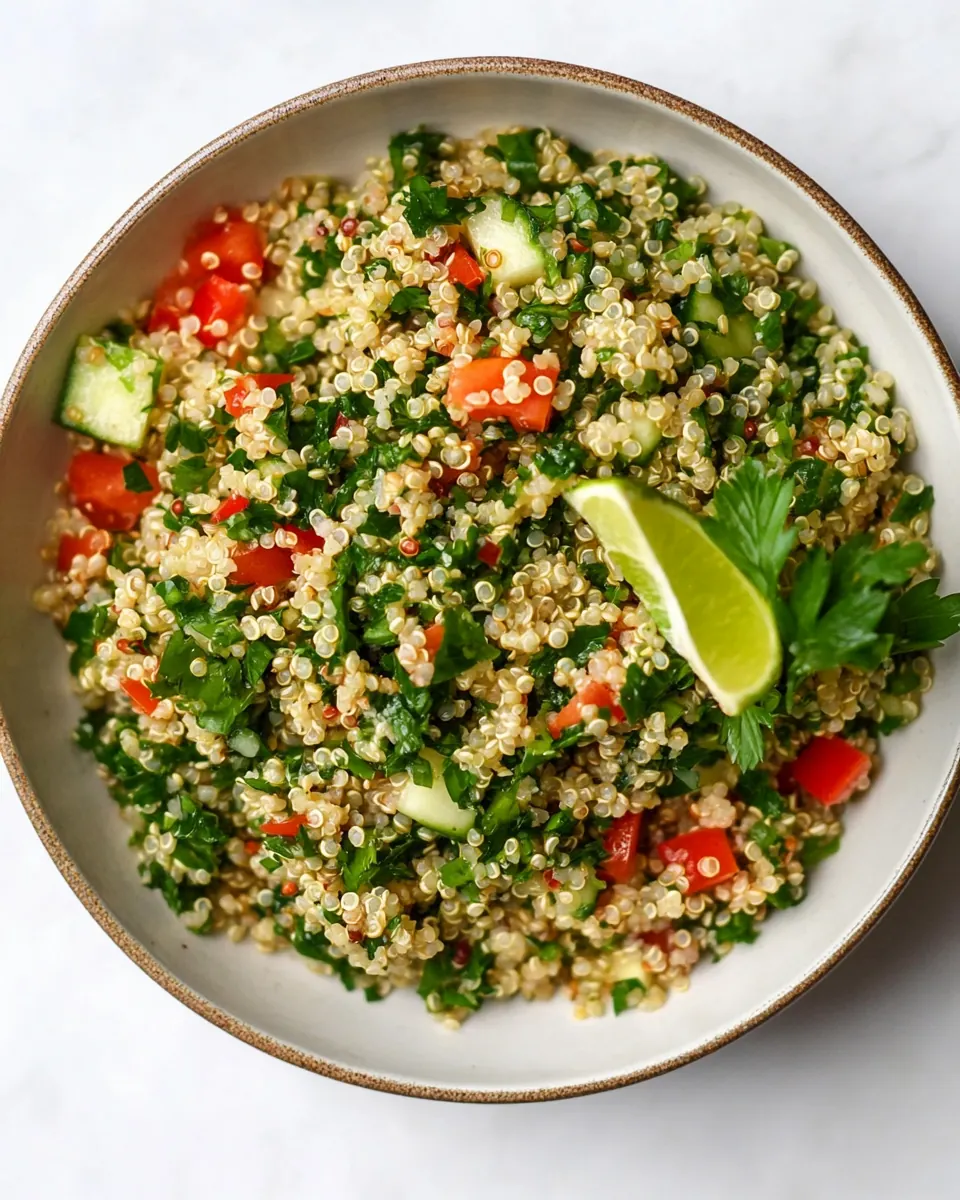
I like to keep the cooking straightforward, giving attention to small details that make a big difference. Below I walk you through each stage from rinsing the grains to tossing the salad, with sensory cues and troubleshooting tips so you feel confident at every turn.
- To cook the quinoa, rinse it under running water in a fine mesh strainer for 30 seconds. This will help remove any bitter flavor. Transfer the drained quinoa to a saucepan and cover it with 1 1/2 cups of fresh water. Add in a 1/2 teaspoon of salt and bring the liquid to a boil.: The sound of the water and the sight of clear runoff tell you the rinsing is effective, and the rinse removes the bitter natural coating on quinoa . This matters because un rinsed quinoa can taste soapy or sharp, which masks the delicate herb notes. A common mistake is rushing the rinse, which can leave a residual bitterness, so let the water run until it looks clear and the grains move freely in the strainer.
- Once the liquid is boiling, lower the heat to a gentle simmer and cover the pot. Set a timer for 10 minutes. When the timer goes off, remove the pan from the heat but keep the lid on for 5 more minutes. This will let the quinoa finish cooking without burning to the bottom of the pan. Then remove the lid and fluff the quinoa with a fork.: When you add the water, notice how the grains settle and swell slightly as they absorb moisture. Using measured water ensures the quinoa cooks to a tender but not mushy texture, which is essential for a salad. One thing to avoid is adding too much water, which can make the grains soggy and affect the salad's overall consistency.
- While the quinoa cooks, add the olive oil, lemon juice, garlic, and 1/2 teaspoon of salt to a large bowl. You can also add in the chopped cucumber, tomato, green onions, parsley, and mint. Once the quinoa has cooled slightly, add it to the bowl.: As the pot comes to a boil you may smell a gentle, toasty note from the quinoa , and the salted water seasons the entire grain. This first seasoning step is important because it infuses the center of the grain. Do not skip salting the cooking water, as under seasoned grains can make the finished salad flat tasting.
- Stir well, so everything is evenly coated in the dressing. Then season with another 1/2 teaspoon of salt, if needed. (If the salad tastes bland, you know it needs more salt! I always use 1 1/2 teaspoons total.) You can serve this right away, or let it chill in the fridge until you're ready to serve.: A gentle simmer keeps the cooking even, and covering the pot traps steam so the quinoa cooks through without drying out. You want to see a slow, steady ripple rather than a vigorous boil, which can agitate the grains and break them apart. A frequent error is using too high heat, which risks scorching the bottom before the center is done.
- Leftover quinoa tabbouleh can be stored in an airtight container in the fridge for up to 5 days. Brighten up the flavor with an extra squeeze of lemon juice or a pinch of salt, if needed. (Cold food will have a more muted flavor when compared to serving it at room temperature.): The quiet ticking of the timer gives you permission to focus on prep while the quinoa cooks. Ten minutes usually yields tender grains with a small white spiral visible, the characteristic sign of doneness. Overcooking will make the grains collapse and lose their distinct texture, so stick close to the timing.
- When the timer goes off, remove the pan from the heat but keep the lid on for 5 more minutes: The gentle carryover steam finishes cooking the quinoa evenly and prevents scorching on the bottom. You will notice the steam scent intensify briefly, and the grains will finish plumping. A common slip is lifting the lid too soon, which can cool the grains and interrupt the resting process.
- Then remove the lid and fluff the quinoa with a fork: Fluffing separates the grains and releases trapped steam, yielding a light, airy texture. The fork motion should be gentle, raking through so the grains remain distinct rather than compacted. If you mash aggressively you risk making it paste like, so be light handed.
- While the quinoa cooks, add the olive oil, lemon juice, garlic, and 1/2 teaspoon of salt to a large bowl: The aroma of crushed garlic with fresh lemon will bloom in the bowl, and whisking these together creates a cohesive dressing that coats each grain. This emulsion helps distribute flavor evenly and prevents pockets of oil or lemon. A mistake is adding cold quinoa directly to an un emulsified dressing, which can lead to uneven coating.
- You can also add in the chopped cucumber, tomato, green onions, parsley, and mint: As you fold these fresh ingredients in, notice the contrast of colors and textures, and the scent of herbs mingling with citrus. Adding the vegetables and herbs before combining with warm grains helps the flavors marry and lets the dressing coat everything uniformly. Avoid chopping the vegetables too large, which can throw off balance and make the salad uneven in each bite.
- Once the quinoa has cooled slightly, add it to the bowl: The warmth from the quinoa helps the dressing and herbs release their flavors, but you do not want to add it piping hot or the greens will wilt and the texture will change. Aim for a slightly warm temperature so herbs stay vibrant. The typical misstep is adding very hot grains, which results in limp herbs and a flatter tasting salad.
- Stir well, so everything is evenly coated in the dressing: As you toss, watch how the dressing adheres and the salad takes on a glossy sheen, a sign of even coating. Proper tossing ensures each bite contains a balance of grain, herb, and dressing. If the salad tastes bland after tossing, the easy fix is a delicate sprinkle of additional salt or lemon to brighten it.
- Then season with another 1/2 teaspoon of salt, if needed: Tasting and adjusting is the final act of craftsmanship; salt amplifies the vegetables and rounds the flavors. Because salt perception changes with temperature, taste after chilling and again before serving, and adjust sparingly. Over salting is the usual pitfall here, so add gradually and re taste.
- You can serve this right away, or let it chill in the fridge until you're ready to serve: Serving immediately showcases the fresh herb textures, while chilling lets flavors meld for a more unified profile. Both are valid, and your choice depends on whether you want crisp herbs or a more integrated flavor. Avoid freezing, which destroys the fresh textures.
- Leftover quinoa tabbouleh can be stored in an airtight container in the fridge for up to 5 days: Stored properly you will notice the flavors mellow and integrate over time, and a quick squeeze of lemon before serving will revive brightness. Keep it chilled and in a sealed container to preserve the herbs and avoid refrigerator odors. A common oversight is leaving it uncovered, which can dry it out.
Making Adjustments
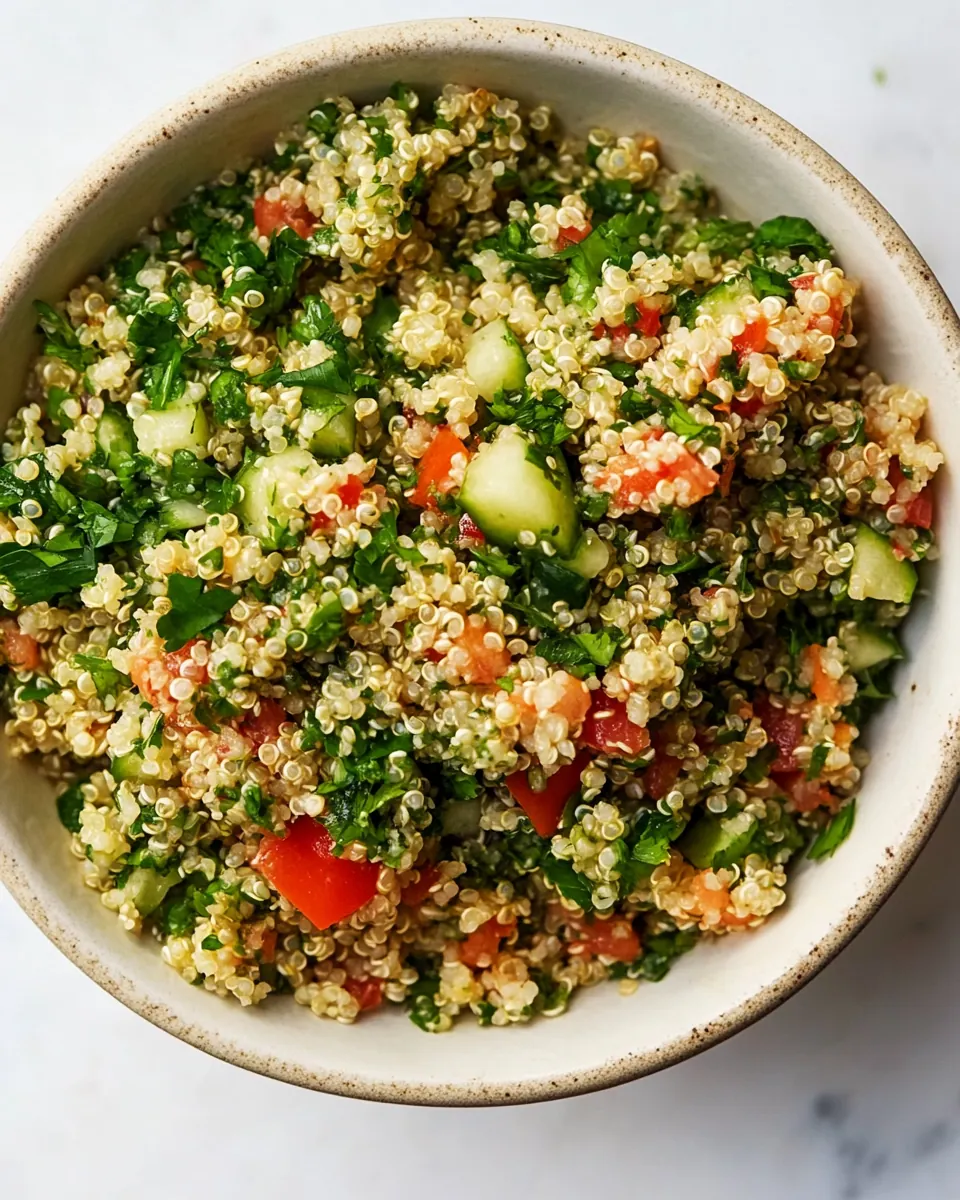
I like to offer practical tweaks so you can adapt this salad to what you have on hand and the occasion. Below are focused tips to adjust texture, flavor, and components while keeping the core identity of the dish intact.
- Boosting protein: If you want more substance, serve the salad alongside roasted chickpeas or pile on seeded legumes, but do not add ingredients that are not listed in the original recipe itself.
- Herb intensity: Increase or decrease the amount of parsley and mint to suit your palate, mint will add a cooling lift while parsley keeps the profile herbaceous.
- Tomato swaps: When large tomatoes are not at their peak, use cherry tomatoes halved for sweetness and better texture stability.
- Dressing balance: If the salad tastes flat, add an extra splash of fresh lemon juice, and if it feels sharp, a drizzle more olive oil smooths the edges.
- Make ahead strategy: Prepare the quinoa and dressing separately, chop the vegetables, then combine shortly before serving to maximize herb freshness.
Serving Ideas for Quinoa Tabbouleh
Quinoa Tabbouleh is wonderfully adaptable when it comes to serving, and you can dress it up for gatherings or keep it simple for everyday meals. I often pair it with warm flatbreads or use it as a bed for roasted vegetables, and the following ideas outline several practical and seasonal ways to present it.
- Light lunch option: Serve a generous scoop of Quinoa Tabbouleh with a side of hummus and warm pita for an easy midday meal that feels balanced and satisfying.
- Picnic or potluck: Pack the salad chilled in a wide container so the herbs stay bright, and bring lemon wedges for guests to freshen flavors before serving.
- Family dinner side: Place a bowl of the salad next to grilled vegetables or a roasted protein to add freshness and a contrasting texture to the plate.
- Ramadan and special occasions: Its light, refreshing nature makes it a good option for breaking fasts or for a communal spread, complementing richer dishes.
- Storage and make ahead: Store in an airtight container for up to five days, and revive flavors with a squeeze of lemon and a pinch of salt before serving.
- Seasonal pairings: In spring and summer, pair with fresh greens and grilled produce; in cooler months, serve alongside warm roasted roots to add brightness.
FAQ
Conclusion
Quinoa Tabbouleh stands out for its bright herb flavors, satisfying quinoa base, and effortless versatility. Give it a try when you want a fresh, nourishing dish that works as a light main or a colorful side. I hope this recipe finds a regular place on your table, and that you enjoy the lively combination of textures and citrusy brightness it brings to any meal.
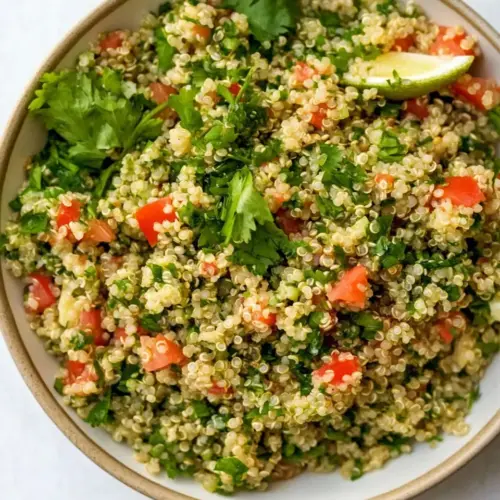
Quinoa Tabbouleh
Equipment
- Saucepan
- Fine-mesh strainer
- Large Bowl
- Fork
Ingredients
- 1 cup uncooked quinoa Cooked until fluffy and light, provides the nutty, protein-rich base that soaks up dressing and herbs for texture and substance in the salad.
- 1/4 cup extra virgin olive oil Adds a fruity, peppery richness and healthy fats to bind flavors; whisk with lemon and salt to create a balanced vinaigrette that coats the grains and vegetables.
- 1 1/2 teaspoons fine sea salt (divided; I use Real Salt brand) Season sparingly to enhance all flavors and help balance acidity; divide between cooking liquid and dressing to ensure quinoa is properly seasoned and bright.
- 3 tablespoons lemon juice Brightens the salad with tangy acidity and helps tenderize herbs and vegetables; combine with olive oil and salt to make a refreshing dressing that lifts the whole dish.
- 1 garlic clove Imparts a pungent, savory bite when minced and mixed into the dressing, marrying with lemon and oil to add depth and aromatic complexity.
- 1 medium cucumber, diced Contributes a cooling, crisp crunch and mild vegetal flavor that contrasts with herbs and tomato, adding refreshing texture to each bite.
- 1 large tomato, diced (see notes) Offers juicy acidity and slight sweetness that complements herbs and grains; dice and mix gently to distribute moistness without making the salad soggy.
- 3 green onions, chopped Provides a mild oniony bite and subtle crunch; chop finely to distribute sharp, bright notes throughout the salad without overpowering delicate herbs.
- 1 cup flat-leaf parsley, chopped Delivers a fragrant, slightly bitter herbaceous backbone; chop coarsely or finely to release bright, green flavors that define the tabbouleh character.
- 1/4 cup fresh mint, minced Lends a cool, sweetly aromatic accent when minced finely, amplifying freshness and adding complexity to the herb-forward profile of the salad.
Instructions
- To cook the quinoa, rinse it under running water in a fine mesh strainer for 30 seconds. This will help remove any bitter flavor. Transfer the drained quinoa to a saucepan and cover it with 1 1/2 cups of fresh water. Add in a 1/2 teaspoon of salt and bring the liquid to a boil.: The sound of the water and the sight of clear runoff tell you the rinsing is effective, and the rinse removes the bitter natural coating on quinoa . This matters because un rinsed quinoa can taste soapy or sharp, which masks the delicate herb notes. A common mistake is rushing the rinse, which can leave a residual bitterness, so let the water run until it looks clear and the grains move freely in the strainer.
- Once the liquid is boiling, lower the heat to a gentle simmer and cover the pot. Set a timer for 10 minutes. When the timer goes off, remove the pan from the heat but keep the lid on for 5 more minutes. This will let the quinoa finish cooking without burning to the bottom of the pan. Then remove the lid and fluff the quinoa with a fork.: When you add the water, notice how the grains settle and swell slightly as they absorb moisture. Using measured water ensures the quinoa cooks to a tender but not mushy texture, which is essential for a salad. One thing to avoid is adding too much water, which can make the grains soggy and affect the salad's overall consistency.
- While the quinoa cooks, add the olive oil, lemon juice, garlic, and 1/2 teaspoon of salt to a large bowl. You can also add in the chopped cucumber, tomato, green onions, parsley, and mint. Once the quinoa has cooled slightly, add it to the bowl.: As the pot comes to a boil you may smell a gentle, toasty note from the quinoa , and the salted water seasons the entire grain. This first seasoning step is important because it infuses the center of the grain. Do not skip salting the cooking water, as under seasoned grains can make the finished salad flat tasting.
- Stir well, so everything is evenly coated in the dressing. Then season with another 1/2 teaspoon of salt, if needed. (If the salad tastes bland, you know it needs more salt! I always use 1 1/2 teaspoons total.) You can serve this right away, or let it chill in the fridge until you're ready to serve.: A gentle simmer keeps the cooking even, and covering the pot traps steam so the quinoa cooks through without drying out. You want to see a slow, steady ripple rather than a vigorous boil, which can agitate the grains and break them apart. A frequent error is using too high heat, which risks scorching the bottom before the center is done.
- Leftover quinoa tabbouleh can be stored in an airtight container in the fridge for up to 5 days. Brighten up the flavor with an extra squeeze of lemon juice or a pinch of salt, if needed. (Cold food will have a more muted flavor when compared to serving it at room temperature.): The quiet ticking of the timer gives you permission to focus on prep while the quinoa cooks. Ten minutes usually yields tender grains with a small white spiral visible, the characteristic sign of doneness. Overcooking will make the grains collapse and lose their distinct texture, so stick close to the timing.
- When the timer goes off, remove the pan from the heat but keep the lid on for 5 more minutes: The gentle carryover steam finishes cooking the quinoa evenly and prevents scorching on the bottom. You will notice the steam scent intensify briefly, and the grains will finish plumping. A common slip is lifting the lid too soon, which can cool the grains and interrupt the resting process.
- Then remove the lid and fluff the quinoa with a fork: Fluffing separates the grains and releases trapped steam, yielding a light, airy texture. The fork motion should be gentle, raking through so the grains remain distinct rather than compacted. If you mash aggressively you risk making it paste like, so be light handed.
- While the quinoa cooks, add the olive oil, lemon juice, garlic, and 1/2 teaspoon of salt to a large bowl: The aroma of crushed garlic with fresh lemon will bloom in the bowl, and whisking these together creates a cohesive dressing that coats each grain. This emulsion helps distribute flavor evenly and prevents pockets of oil or lemon. A mistake is adding cold quinoa directly to an un emulsified dressing, which can lead to uneven coating.
- You can also add in the chopped cucumber, tomato, green onions, parsley, and mint: As you fold these fresh ingredients in, notice the contrast of colors and textures, and the scent of herbs mingling with citrus. Adding the vegetables and herbs before combining with warm grains helps the flavors marry and lets the dressing coat everything uniformly. Avoid chopping the vegetables too large, which can throw off balance and make the salad uneven in each bite.
- Once the quinoa has cooled slightly, add it to the bowl: The warmth from the quinoa helps the dressing and herbs release their flavors, but you do not want to add it piping hot or the greens will wilt and the texture will change. Aim for a slightly warm temperature so herbs stay vibrant. The typical misstep is adding very hot grains, which results in limp herbs and a flatter tasting salad.
- Stir well, so everything is evenly coated in the dressing: As you toss, watch how the dressing adheres and the salad takes on a glossy sheen, a sign of even coating. Proper tossing ensures each bite contains a balance of grain, herb, and dressing. If the salad tastes bland after tossing, the easy fix is a delicate sprinkle of additional salt or lemon to brighten it.
- Then season with another 1/2 teaspoon of salt, if needed: Tasting and adjusting is the final act of craftsmanship; salt amplifies the vegetables and rounds the flavors. Because salt perception changes with temperature, taste after chilling and again before serving, and adjust sparingly. Over salting is the usual pitfall here, so add gradually and re taste.
- You can serve this right away, or let it chill in the fridge until you're ready to serve: Serving immediately showcases the fresh herb textures, while chilling lets flavors meld for a more unified profile. Both are valid, and your choice depends on whether you want crisp herbs or a more integrated flavor. Avoid freezing, which destroys the fresh textures.
- Leftover quinoa tabbouleh can be stored in an airtight container in the fridge for up to 5 days: Stored properly you will notice the flavors mellow and integrate over time, and a quick squeeze of lemon before serving will revive brightness. Keep it chilled and in a sealed container to preserve the herbs and avoid refrigerator odors. A common oversight is leaving it uncovered, which can dry it out.
Notes
- Boosting protein: If you want more substance, serve the salad alongside roasted chickpeas or pile on seeded legumes, but do not add ingredients that are not listed in the original recipe itself.
- Herb intensity: Increase or decrease the amount of parsley and mint to suit your palate, mint will add a cooling lift while parsley keeps the profile herbaceous.
- Tomato swaps: When large tomatoes are not at their peak, use cherry tomatoes halved for sweetness and better texture stability.
- Dressing balance: If the salad tastes flat, add an extra splash of fresh lemon juice, and if it feels sharp, a drizzle more olive oil smooths the edges.
- Make ahead strategy: Prepare the quinoa and dressing separately, chop the vegetables, then combine shortly before serving to maximize herb freshness.