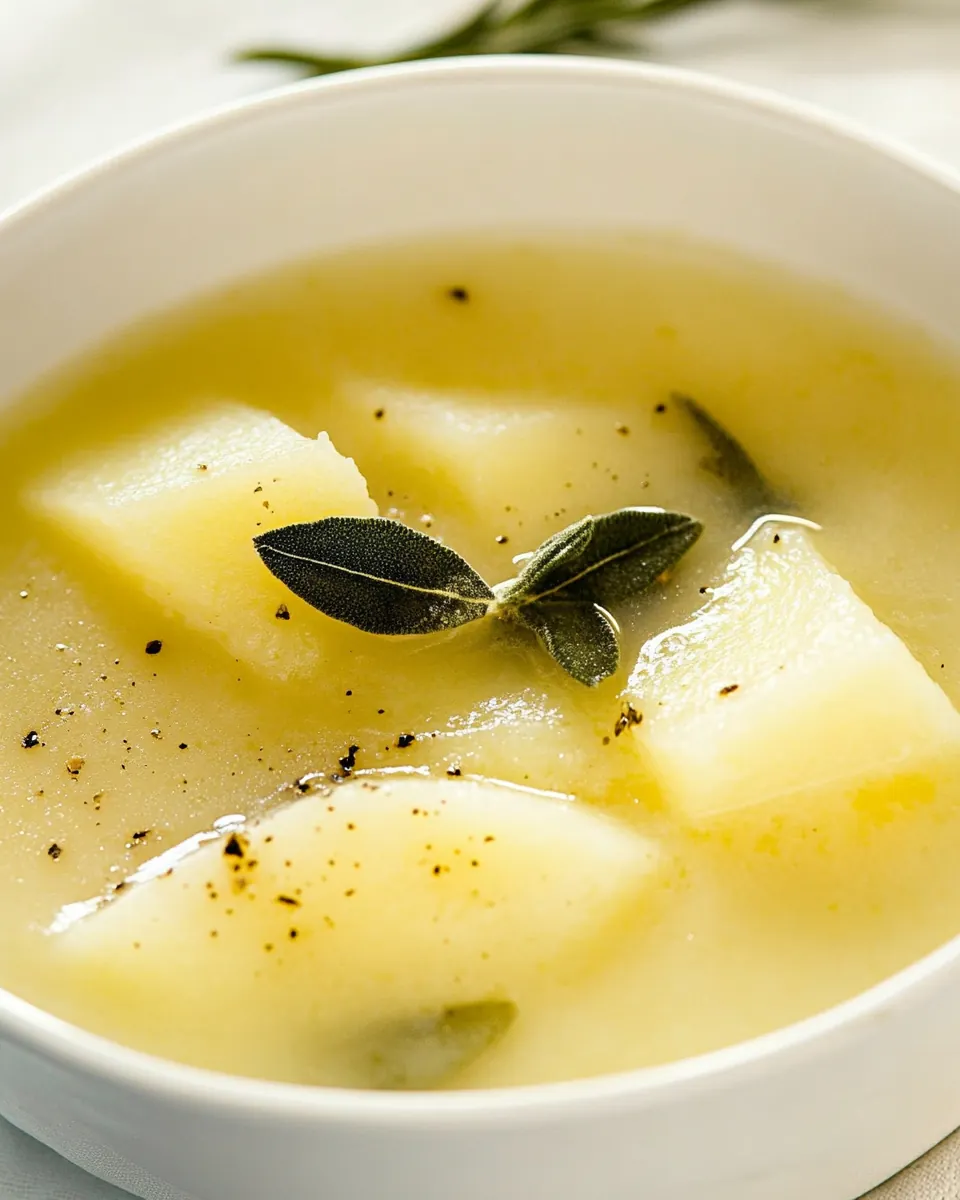
Steckruebensuppe German Turnip Soup
Steckruebensuppe German Turnip Soup has been one of those bowls that warmed my hands and my memory on the coldest winter evenings. I first met this soup at my neighbor’s kitchen, where she ladled steaming, pale broth into enamel bowls while the radiator clanked and snow melted off her boots. The aroma of softened turnip and melting butter felt like a welcome note of home, and I remember thinking how simple ingredients can sing when treated with care.
Years later, I recreate that quiet scene in my own tiny kitchen. I like how Steckruebensuppe German Turnip Soup carries a subtle earthy sweetness, and how a splash of beef broth lifts the flavor without complicating the process. When I need comfort that does not demand a long recipe, this soup appears in my rotation. The texture can be brothy or slightly velvety if you choose to stir in a little corn starch at the end, and either way it feels honest and satisfying.
There are afternoons when I serve this to friends with crusty bread and we talk about small domestic victories, and other nights when it is my solo companion with a single spoon and a book. I love that Steckruebensuppe German Turnip Soup can be scaled up or down without losing its spirit. Every time I make it, I notice new nuances, from the peppery lift of freshly ground black pepper to the comforting roundness that butter gives the broth. It is a recipe that invites low fuss and high reward.
Recipe Snapshot
30 mins
10 mins
20 mins
Easy
150 kcal
German
Gluten-Free, Low FODMAP
Soups
Pot, Knife, Cutting board, Spoon
Why This Steckruebensuppe German Turnip Soup Is a Winner
Pure, regional character
What drew me first to Steckruebensuppe German Turnip Soup is its strong sense of place. The recipe celebrates the humble turnip, and you taste the vegetable‘s gentle sweetness and earthiness rather than masking it. I love how this simplicity feels authentic and honest, and it reminds me of winter markets where roots are the stars.
Fast and accessible
I often need dinner on the table quickly, and this soup answers that call. With just a few minutes of prep and a short simmer, the flavors come together. The short timeline makes it a reliable choice for busy weeknights, and I appreciate that you can adapt the texture in the final minutes.
Flexible for diets
Because the recipe uses either beef broth or vegetable stock, I can easily make it vegetarian. That swap is a small change that opens the dish to more diners without losing its essential taste. I like offering choices to guests, and this soup accepts them gracefully.
Comfort without heaviness
There is comfort here, but it is not cloying. The broth is warming, not overwhelming, and a touch of butter offers an indulgence that feels measured. For those who want creaminess, a modest amount of corn starch can round the mouthfeel, while others will prefer the lighter, clear soup.
Kid friendly and elegant
I have served this to children and to friends who love seasonal cooking. It manages to be approachable and refined at once. The pepper and salt are easy to adjust, and the texture can be tuned to the table. I always enjoy watching skeptical eaters take a first spoonful and then ask for more.
Main Ingredients for Steckruebensuppe German Turnip Soup
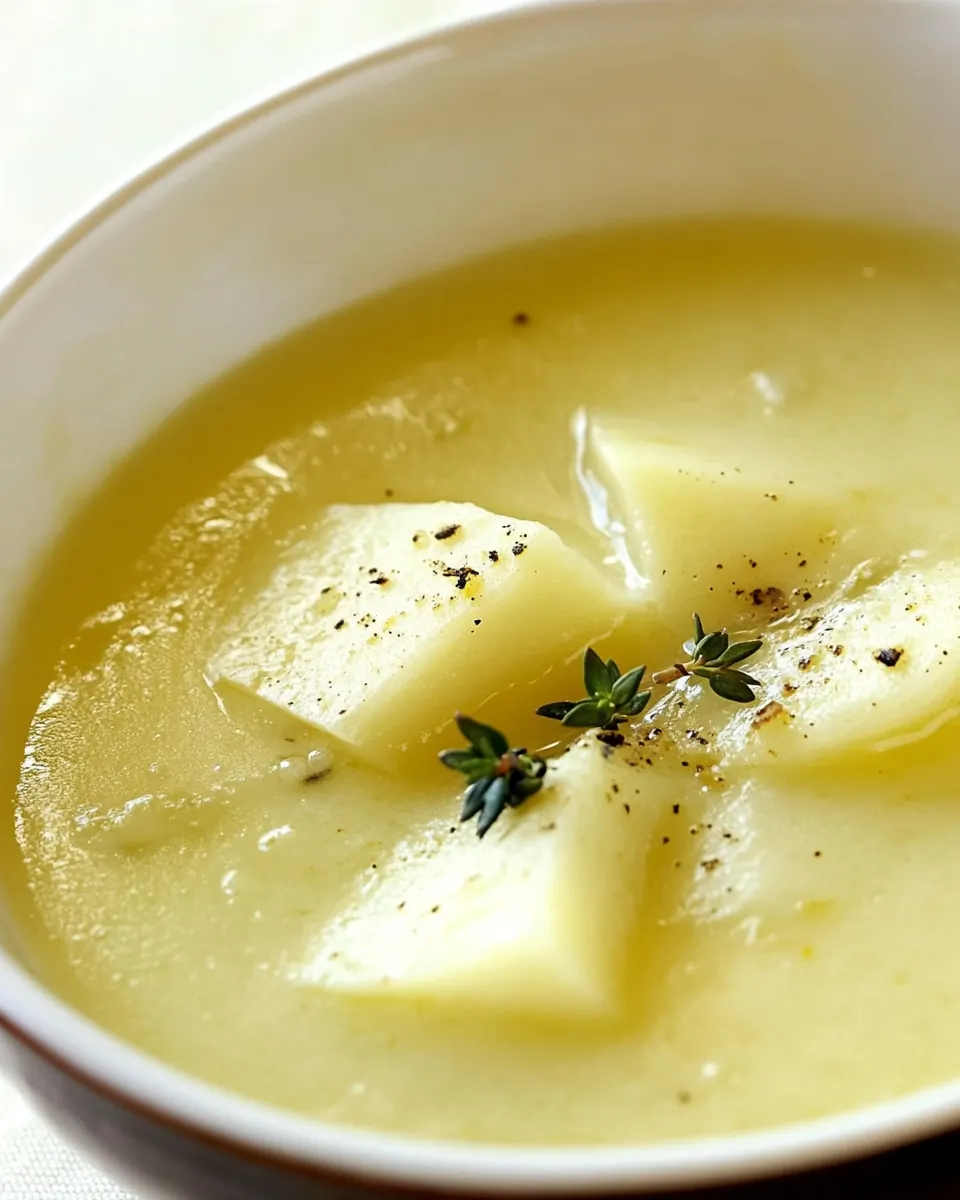
These ingredients are intentionally few, so each one plays a role. The philosophy is to let the turnip shine, supported by a little butter for richness and a well chosen stock for depth. The optional corn starch lets you decide whether the soup should be a clear, restorative broth or a slightly thicker, spoonable stew.
- 1 large turnip: Peel and cube to provide a mildly sweet, earthy base for the soup; cooks down to add body and a subtle root vegetable flavor that defines the dish.
- 2 tbsp butter: Melt to sauté and develop flavor; adds a rich mouthfeel and helps carry aromatics while enriching the soup's overall texture.
- 1/4 tsp salt: Season lightly to enhance natural flavors and balance sweetness; helps bring out savory notes without overpowering the delicate profile of the turnip.
- black pepper: Season coarsely to taste and add depth; provides aromatic heat and a finishing contrast that brightens the soup when added gradually.
- 1 cup beef broth (or vegetable broth for the vegetarian version): Simmer to create the cooking liquid and infuse flavor; supplies savory depth and allows the turnip to soften while forming the soup's broth base.
- 2 tbsp corn starch (, only if you prefer a creamier texture) (optional): Dissolve as needed to thicken the soup for a creamier consistency; provides a smooth texture when whisked into a portion of cold liquid before adding to the hot soup.
How to Cook Steckruebensuppe German Turnip Soup
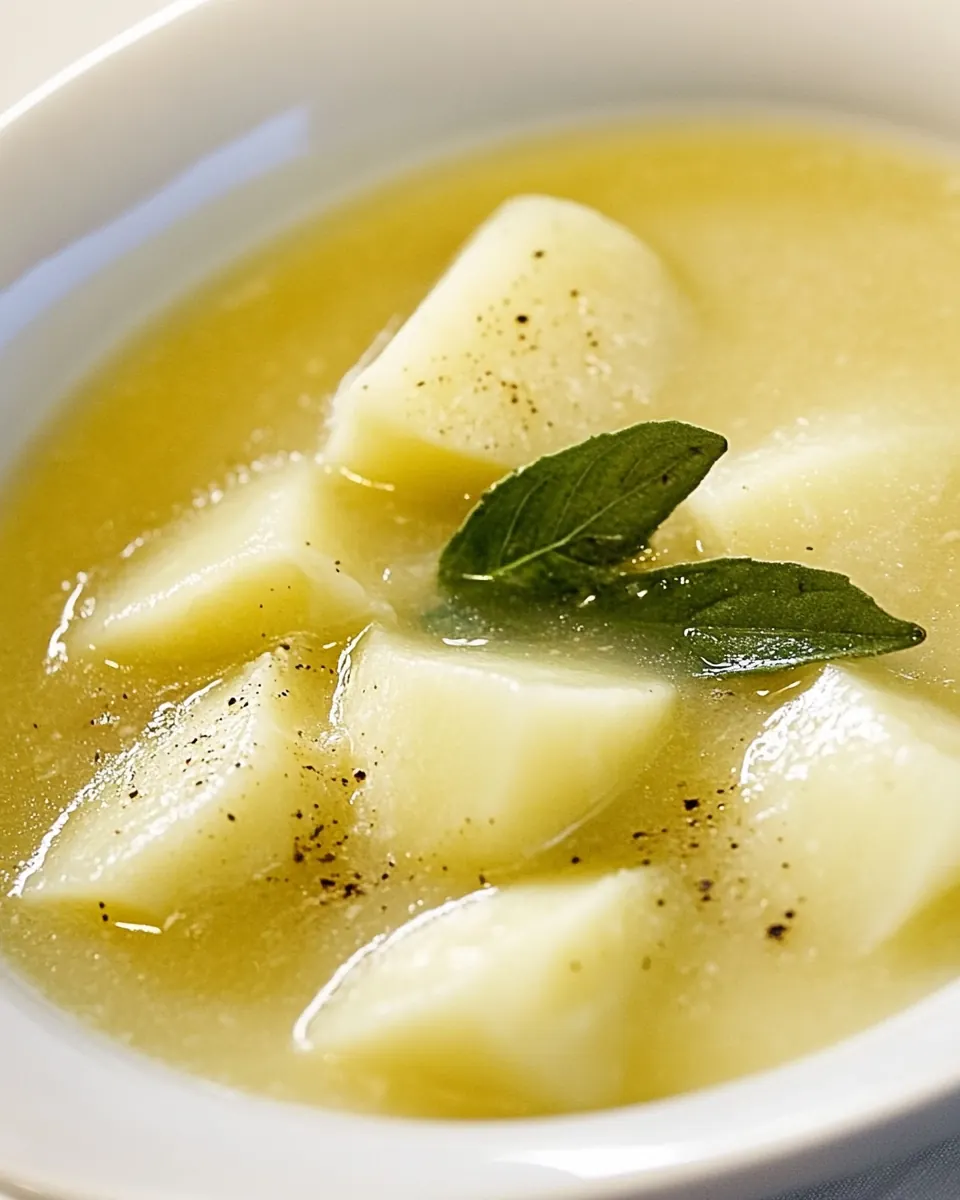
Cooking this soup is straightforward, but paying attention to sensory cues makes a huge difference. Below I expand each direction into detailed, tactile guidance so you can feel confident at every step.
- Cut the turnip into small cubes. Cook them in a pot of boiling water for about 5-10 minutes until they become soft.: The scent here is fresh and slightly sharp as you slice into the turnip , and the visual cue is uniform pale cubes that will cook evenly. Use a steady knife and a stable cutting board to make similar sized pieces, because consistency avoids some chunks undercooking while others fall apart. A common mistake is cutting pieces that are too large which leads to uneven cooking; aim for bite sized cubes so each piece softens at the same rate. Your hands will feel the cool, firm texture and you may notice a faint earthy aroma as the root is exposed. Keep a bowl of cold water nearby if you need to rinse any dirt away, and pat the cubes dry so they do not water down the pot at the start.
- Drain away the water and stir in the beef broth, salt, pepper and butter and simmer for another 10 minutes. Tip: you can drain some of the excess liquid away.: As the cubes hit the rolling boil the kitchen will fill with a gentle vegetal steam and the pot will sing with high, lively bubbles. You're looking for the cubes to become tender when pierced with a fork; the sound of a lively simmer will calm to a gentler simmer as the heat stabilizes. This step softens the turnip and releases flavors into the water, creating a base for the soup. Avoid overboiling, which can make the pieces fall apart and produce a cloudy broth. If the cubes seem to need more time, test every few minutes to find the sweet spot between tender and collapsed.
- If you like a creamier texture, you can add 1-2 tablespoons of corn starch (or potato starch) during the last 5 minutes of cooking. This will turn the soup into a creamy turnip stew.: You will notice a brief pause in aroma as you drain, then a richer, meatier steam when the beef broth (or vegetable broth) hits the pot. The butter will melt into the liquid, creating a glossy surface and rounding the flavor. Simmering for ten minutes allows the flavors to marry, and you can watch the liquid move gently, tiny ripples giving way to occasional bubbles. Stir occasionally so heat distributes evenly and the turnip absorbs the broth. A common error is adding all seasonings at once and not tasting; I advise tasting halfway through to balance seasoning. If the broth seems too thin, you can simmer an extra few minutes to concentrate flavor, but keep an eye on texture so nothing breaks down too far.
- If you like a creamier texture you can add 1 to 2 tablespoons of corn starch or potato starch during the last 5 minutes of cooking: When you add the dissolved corn starch , the aroma barely changes, but the mouthfeel transforms from thin to silky. Make a slurry first with cold water to prevent lumps, then stir it into the simmering soup; you will observe the liquid thicken and cling more to the turnip pieces. The why here is simple, starch gelatinizes with heat, increasing viscosity and creating that pleasing coat on the spoon. One frequent pitfall is adding undissolved starch which creates grainy lumps, so always mix thoroughly before combining. Keep stirring gently as the soup reaches its final simmer and remove from heat once you have your desired creaminess to avoid over-thickening.
Make It Your Own
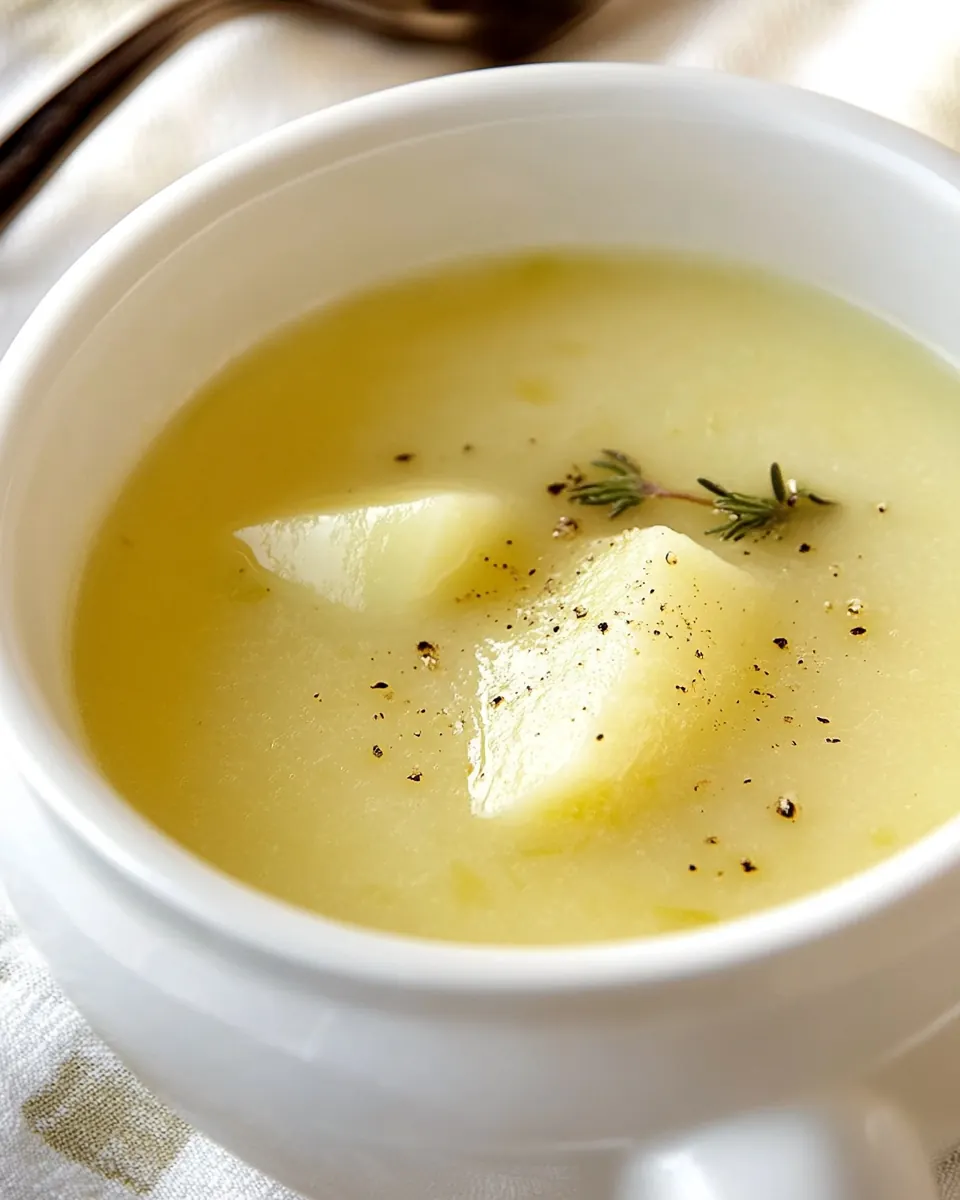
I like leaving a few ways to personalize this soup so it fits your pantry and mood. The tips below cover texture choices, broth swaps, and serving touches that respect the simple soul of the recipe while letting you add your voice.
- Adjust the texture: If you want a brothier finish, skip the corn starch and simmer gently until the flavors concentrate. For a creamier result, dissolve 1 to 2 tablespoons of corn starch in cold water and stir it in during the last five minutes to create a silky mouthfeel without adding cream.
- Choose your stock wisely: Beef broth imparts a savory depth that makes the soup feel heartier, while a good vegetable stock keeps it light and vegetarian friendly. I often try both when I want to compare how the soup’s character changes.
- Mind the seasoning rhythm: Add a portion of the salt early, then adjust toward the end after the broth has reduced, so you avoid over seasoning. Freshly ground black pepper at the finish brightens the bowl and lifts the subtle sweetness of the turnip.
- Cube size matters: Smaller, uniform cubes cook faster and create a cohesive texture. If you prefer chunkier bites, leave them a touch larger, but remember that larger pieces will take longer to soften and may not absorb as much broth flavor.
- Finish with butter for richness: A final swirl of chilled butter at the end adds sheen and rounds the flavors beautifully. Add it off the heat and stir until melted to preserve its delicate texture.
What Goes Well With This Steckruebensuppe German Turnip Soup
This soup is versatile for winter meals and small gatherings, and these serving ideas help you pair it thoughtfully. Below I list pairings and serving notes, including storage tips that respect the soup’s texture and flavor profile.
- Crusty bread or rolls: A warm, robust loaf is perfect for dipping into the broth and is a simple, classic accompaniment that complements the soup’s gentle flavors.
- Light salad for contrast: A crisp green salad with a bright vinaigrette offsets the soup’s softness, adding a fresh textural contrast and balancing the meal.
- Occasions: This is ideal for quiet winter dinners, casual weeknights, or as a starter on a seasonal holiday table. It also works well during Ramadan if you need a gentle starter to break a fast.
- Storage tips: Cool the soup promptly, store in airtight containers for up to three days in the refrigerator, and reheat gently to avoid breaking down the turnip further. If thickened with corn starch, you may need to thin slightly with a splash of broth when reheating.
- Seasonal pairing: Serve it in winter when roots are at their peak, and pair with roasted root vegetables or simple boiled potatoes for a full, comforting menu.
FAQ
Conclusion
This recipe stands out because it celebrates a single winter root in a simple, soulful bowl. Give Steckruebensuppe German Turnip Soup a try when you want something quick, comforting, and true to seasonal flavors. It is approachable for cooks of any level and forgiving to small tweaks, so grab a pot and enjoy a cozy, warming bowl.
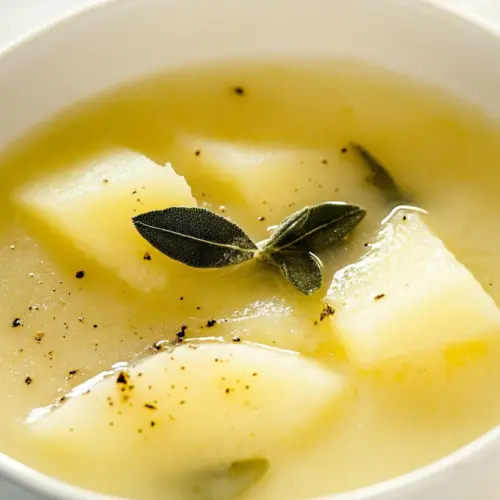
Steckruebensuppe German Turnip Soup
Equipment
- Pot
- Knife
- Cutting Board
- Spoon
Ingredients
- 1 large turnip Peel and cube to provide a mildly sweet, earthy base for the soup; cooks down to add body and a subtle root vegetable flavor that defines the dish.
- 2 tbsp butter Melt to sauté and develop flavor; adds a rich mouthfeel and helps carry aromatics while enriching the soup's overall texture.
- 1/4 tsp salt Season lightly to enhance natural flavors and balance sweetness; helps bring out savory notes without overpowering the delicate profile of the turnip.
- black pepper Season coarsely to taste and add depth; provides aromatic heat and a finishing contrast that brightens the soup when added gradually.
- 1 cup beef broth (or vegetable broth for the vegetarian version) Simmer to create the cooking liquid and infuse flavor; supplies savory depth and allows the turnip to soften while forming the soup's broth base.
- 2 tbsp corn starch (optional, only if you prefer a creamier texture) Dissolve as needed to thicken the soup for a creamier consistency; provides a smooth texture when whisked into a portion of cold liquid before adding to the hot soup.
Instructions
- Cut the turnip into small cubes. Cook them in a pot of boiling water for about 5-10 minutes until they become soft.: The scent here is fresh and slightly sharp as you slice into the turnip , and the visual cue is uniform pale cubes that will cook evenly. Use a steady knife and a stable cutting board to make similar sized pieces, because consistency avoids some chunks undercooking while others fall apart. A common mistake is cutting pieces that are too large which leads to uneven cooking; aim for bite sized cubes so each piece softens at the same rate. Your hands will feel the cool, firm texture and you may notice a faint earthy aroma as the root is exposed. Keep a bowl of cold water nearby if you need to rinse any dirt away, and pat the cubes dry so they do not water down the pot at the start.
- Drain away the water and stir in the beef broth, salt, pepper and butter and simmer for another 10 minutes. Tip: you can drain some of the excess liquid away.: As the cubes hit the rolling boil the kitchen will fill with a gentle vegetal steam and the pot will sing with high, lively bubbles. You're looking for the cubes to become tender when pierced with a fork; the sound of a lively simmer will calm to a gentler simmer as the heat stabilizes. This step softens the turnip and releases flavors into the water, creating a base for the soup. Avoid overboiling, which can make the pieces fall apart and produce a cloudy broth. If the cubes seem to need more time, test every few minutes to find the sweet spot between tender and collapsed.
- If you like a creamier texture, you can add 1-2 tablespoons of corn starch (or potato starch) during the last 5 minutes of cooking. This will turn the soup into a creamy turnip stew.: You will notice a brief pause in aroma as you drain, then a richer, meatier steam when the beef broth (or vegetable broth) hits the pot. The butter will melt into the liquid, creating a glossy surface and rounding the flavor. Simmering for ten minutes allows the flavors to marry, and you can watch the liquid move gently, tiny ripples giving way to occasional bubbles. Stir occasionally so heat distributes evenly and the turnip absorbs the broth. A common error is adding all seasonings at once and not tasting; I advise tasting halfway through to balance seasoning. If the broth seems too thin, you can simmer an extra few minutes to concentrate flavor, but keep an eye on texture so nothing breaks down too far.
- If you like a creamier texture you can add 1 to 2 tablespoons of corn starch or potato starch during the last 5 minutes of cooking: When you add the dissolved corn starch , the aroma barely changes, but the mouthfeel transforms from thin to silky. Make a slurry first with cold water to prevent lumps, then stir it into the simmering soup; you will observe the liquid thicken and cling more to the turnip pieces. The why here is simple, starch gelatinizes with heat, increasing viscosity and creating that pleasing coat on the spoon. One frequent pitfall is adding undissolved starch which creates grainy lumps, so always mix thoroughly before combining. Keep stirring gently as the soup reaches its final simmer and remove from heat once you have your desired creaminess to avoid over-thickening.
Notes
- Adjust the texture: If you want a brothier finish, skip the corn starch and simmer gently until the flavors concentrate. For a creamier result, dissolve 1 to 2 tablespoons of corn starch in cold water and stir it in during the last five minutes to create a silky mouthfeel without adding cream.
- Choose your stock wisely: Beef broth imparts a savory depth that makes the soup feel heartier, while a good vegetable stock keeps it light and vegetarian friendly. I often try both when I want to compare how the soup's character changes.
- Mind the seasoning rhythm: Add a portion of the salt early, then adjust toward the end after the broth has reduced, so you avoid over seasoning. Freshly ground black pepper at the finish brightens the bowl and lifts the subtle sweetness of the turnip.
- Cube size matters: Smaller, uniform cubes cook faster and create a cohesive texture. If you prefer chunkier bites, leave them a touch larger, but remember that larger pieces will take longer to soften and may not absorb as much broth flavor.
- Finish with butter for richness: A final swirl of chilled butter at the end adds sheen and rounds the flavors beautifully. Add it off the heat and stir until melted to preserve its delicate texture.