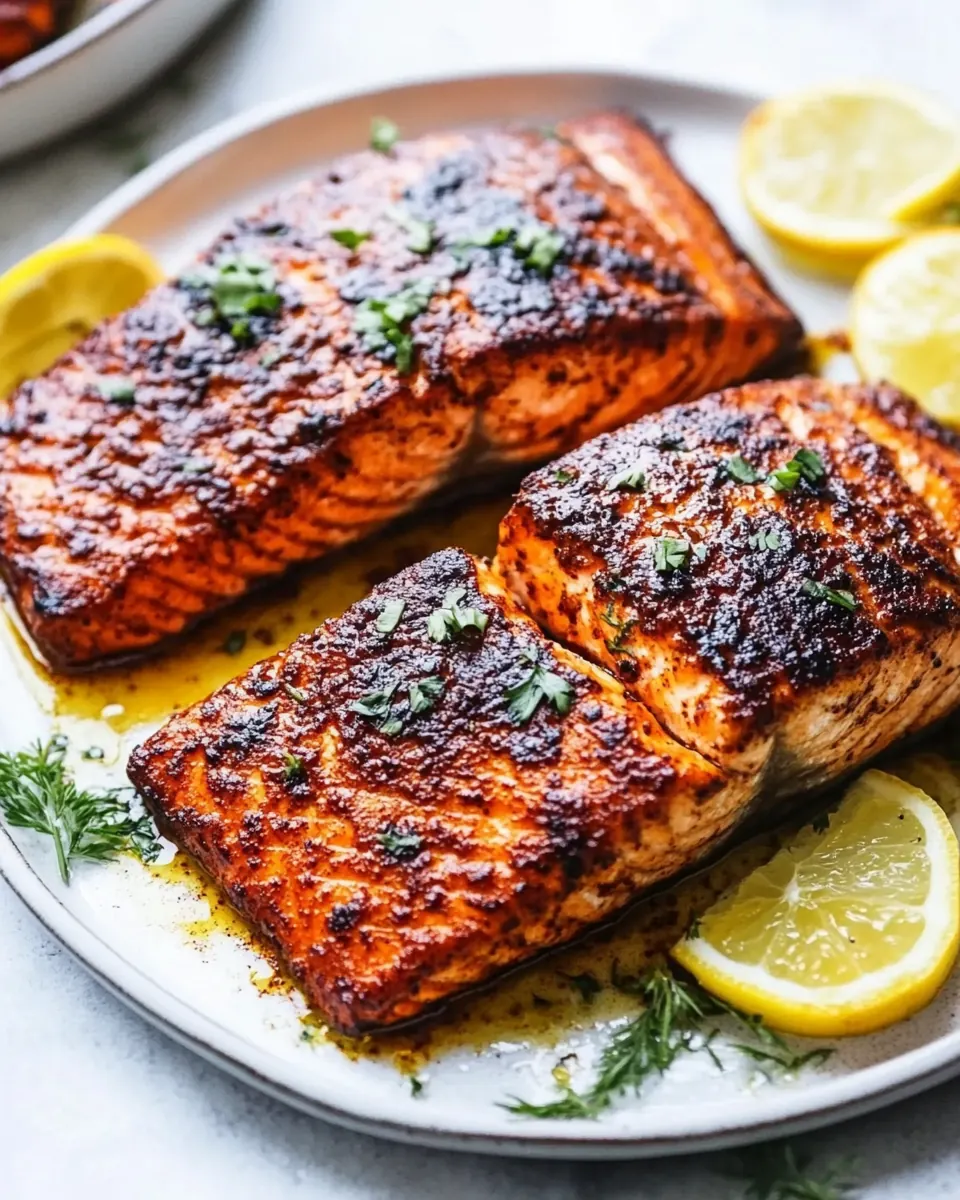
Easy and Amazing Blackened Salmon
Easy and Amazing Blackened Salmon arrived in my life on a frantic weeknight when the fridge held more ambition than groceries, and I needed something bold that would feel like a treat without drama.
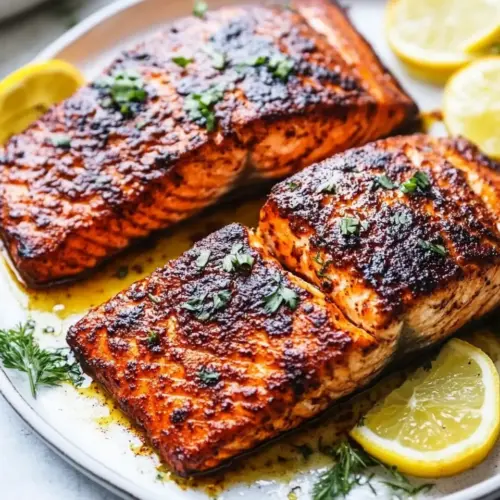
I remember standing at the stove, the apartment steamy from the skillet, as the aroma of toasted spices curled through the air. The first bite was a revelation, a crisp crust giving way to a buttery, flaky center that tasted of the sea and spice. Ever since that evening, this dish has been my go to when I want to impress but keep things uncomplicated. I love how it turns simple salmon into a centerpiece, and how the process forces me to focus on timing, texture, and small details that make a big difference.
Friends often ask me how I get such a satisfying crust without overcooking the fish, and I always smile because the trick is in the skillet and the confidence to flip at the right moment. I rarely tweak the core approach, though I do enjoy adjusting the seasoning to suit company. That sense of quick, reliable success is exactly why I pull out this recipe for weeknight dinners, casual date nights, and when I want a protein that feels celebratory but not fussy.
Recipe Snapshot
25 mins
15 mins
10 mins
Easy
300 kcal
American
Keto, Gluten-Free
Dinner
Nonstick skillet, Instant read thermometer, Tongs
What Sets This Easy and Amazing Blackened Salmon Apart
Bold flavor with minimal fuss
I love how Easy and Amazing Blackened Salmon creates a restaurant quality crust with almost no effort. The spice blend clings to the salmon, forming a peppery, fragrant coating that contrasts beautifully with the tender flesh. You get intense taste without a long ingredient list, which is why I reach for this recipe when I want big impact fast.
Fast enough for weeknights
From my experience, this recipe fits into a hurried evening perfectly. With a short sear and a quick finish, dinner appears on the table in under half an hour. It feels indulgent yet practical, a rare combo that keeps me cooking on busy days.
Versatile on the plate
One reason I adore this dish is how well it pairs with so many sides. Whether I toss together a quick salad, steam some greens, or roast simple vegetables, the salmon stands up to heartier accompaniments and lighter ones alike. That flexibility means I can tailor dinner to the season or the mood without reworking the main event.
Reliable technique builds confidence
There is satisfaction in mastering the pan sear and timing the flip, and that confidence transfers to other proteins. Once you feel how the crust forms and how the salmon gives when done, you’ll tackle other recipes with more assurance. I intentionally teach that awareness in this recipe, because every small victory in the kitchen matters to me.
Healthy but indulgent
I appreciate that the dish balances health and flavor. The salmon delivers rich protein and beneficial fats, while the blackened seasoning adds character without excess calories. It’s a way to enjoy something that feels decadent, but still fits into a mindful eating plan.
Main Ingredients for Easy and Amazing Blackened Salmon
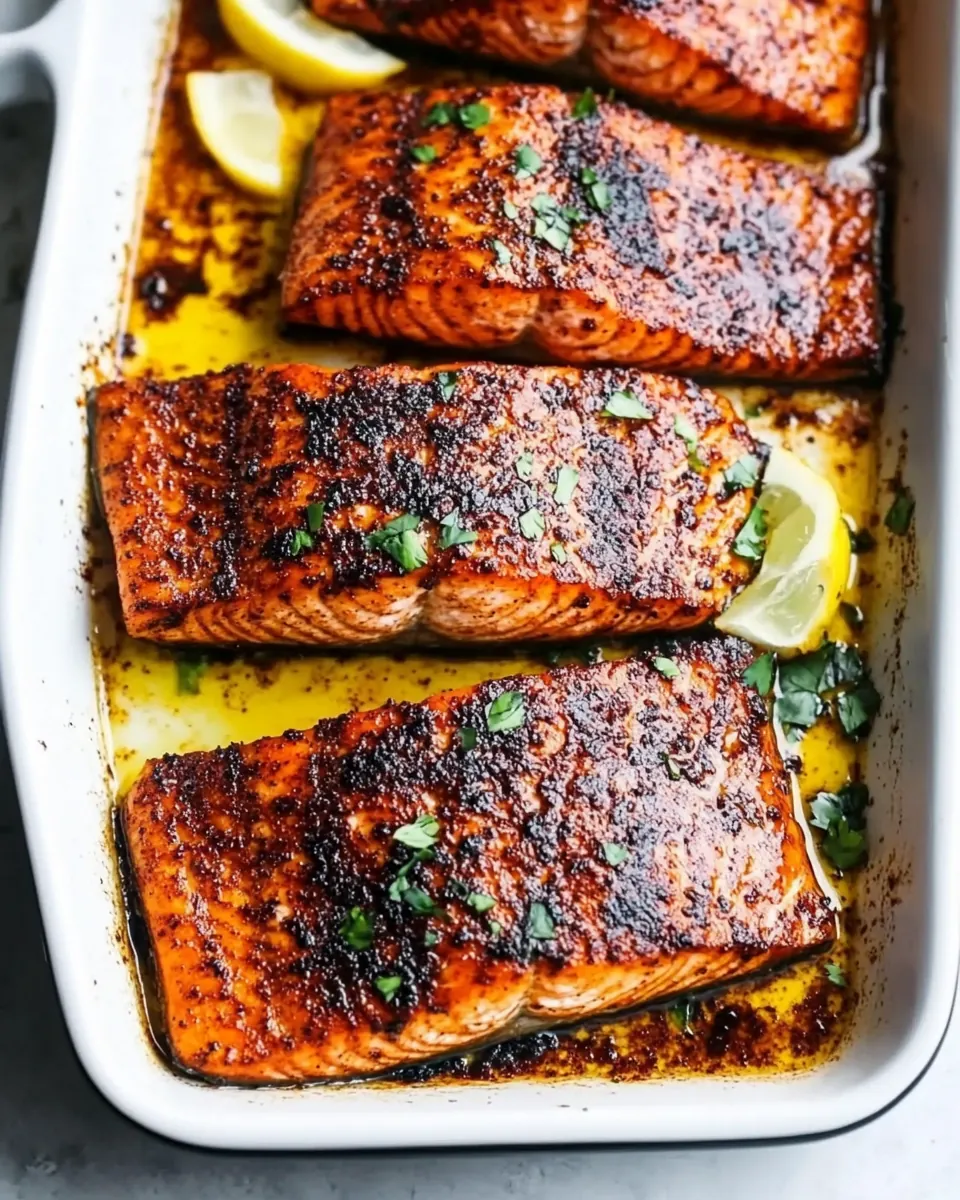
These ingredients are intentionally lean and purposeful. The trio of salmon, olive oil, and blackened seasoning work together to create texture, moisture, and the signature crunchy spice crust. The fish is the star, the oil helps distribute heat and seasoning, and the rub adds that toasty, smoky profile.
- 1 pounds salmon filets: Provide a firm, oily flesh that serves as the main protein and foundation of the dish; cooks quickly and develops a crisp exterior when blackened, while remaining moist inside if not overcooked.
- 1 tablespoon olive oil: Add a light, fragrant fat that helps transfer heat and promote even browning; lightly coats the fish to help the seasoning adhere and prevents sticking during high-heat searing.
- 1 tablespoon blackened seasoning: Deliver intense smoky, spicy flavor that forms a dark, flavorful crust when seared; season thoroughly to balance heat and aromatics and elevate the salmon without overwhelming it.
The Method for Easy and Amazing Blackened Salmon
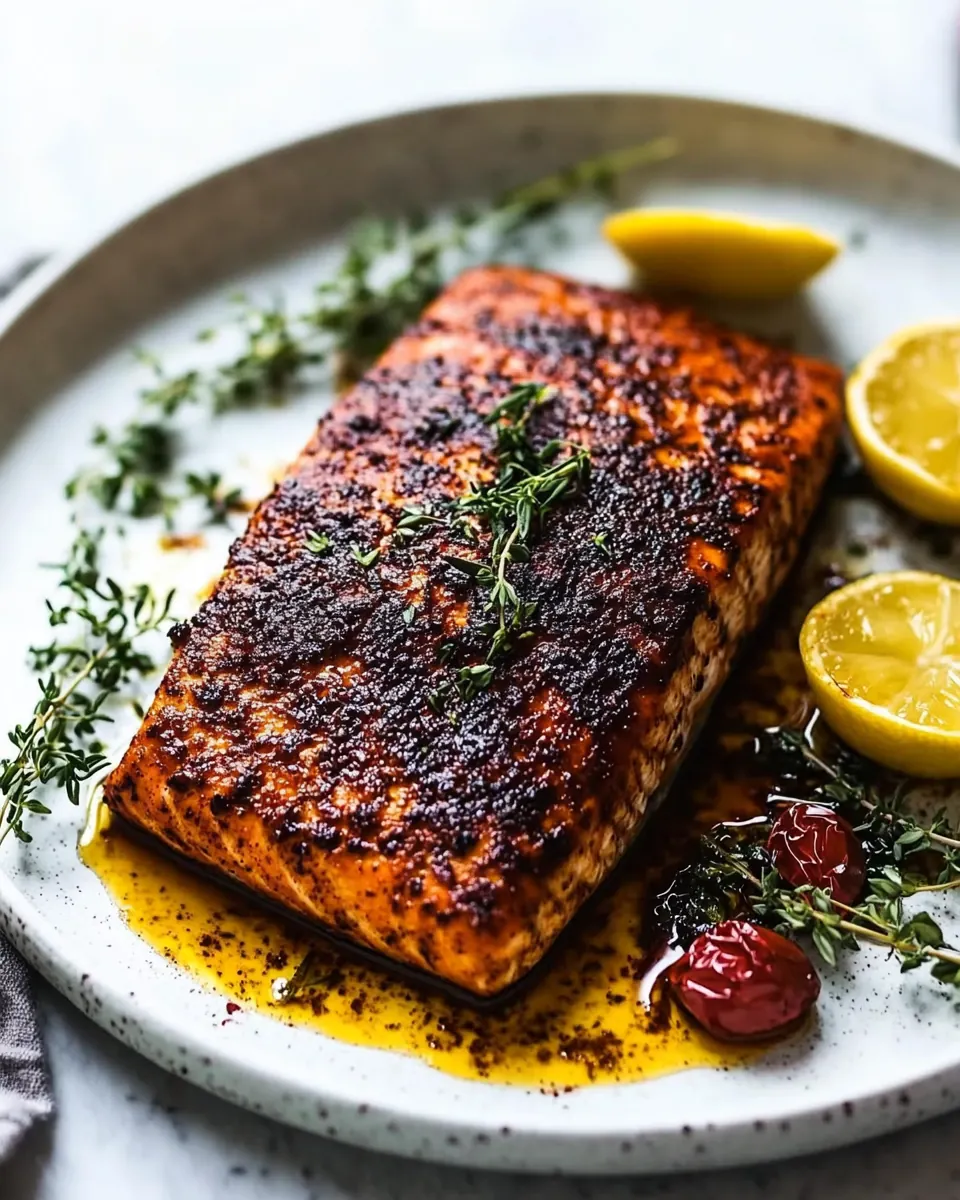
The method is straightforward but requires attention, especially when you hear the initial sizzle. I like to speak through the process like a friend by the stove, encouraging you to notice texture and sound. These steps will guide you from a shimmering pan to a perfectly crusted fillet.
- Preheat a 12 or 14-inch nonstick skillet over medium-high heat.: As the pan warms, you should hear a faint hum of quiet heat and see the surface become uniformly warm, sometimes with a faint shimmer. This preheat is crucial because placing salmon into a hot pan creates an immediate sear that locks moisture inside, resulting in a crisp exterior and a silky interior. A common mistake is starting with a cold or just warm skillet, which causes the fish to release moisture and stick, producing a dull, soft crust. If you are unsure, hover your hand a few inches above the pan to sense radiating heat, or sprinkle a drop of water to see if it dances across the surface.
- Rub 1 pound salmon filets with 1 tablespoon olive oil. Rub about 1 tablespoon blackened seasoning on the salmon.: When you spread the oil across the surface, the flesh will take on a gentle sheen and the oil helps the blackened seasoning adhere. The tactile act of rubbing distributes fat and prepares the fish to brown evenly. You want a thin, even coat, not a pool of oil, because excess oil can smoke and carry burned flavors. A frequent error is over oiling which causes spattering and uneven crust formation. Patting the fish dry first ensures the oil clings where it should, promoting better texture.
- Place the salmon skin side up and cook for about 3-4 minutes. Carefully flip and cook for an additional 3-4 minutes or until the salmon is opaque and flakes easily, and reaches the internal temperature of 145 degrees Fahrenheit.: As you press the seasoning into the surface, the scent will intensify, releasing peppery and smoky notes that promise a lively crust. Even pressure ensures the spice forms a compact layer that will toast in the pan rather than slide off. Avoid piling on too much rub because burned spices can taste acrid and overpower the natural flavor of the salmon . If some seasoning falls away, tuck it back onto the fillet rather than adding more; conservation of balance is key.
- Place the salmon skin side up and cook for about 3 to 4 minutes: Upon contact, you will hear a bright sizzle and see the edges begin to color, showing the crust is forming. The top will shift from glossy to slightly matte as moisture tightens. This stage sets the crust, so resist moving the fish; flipping too soon tears the surface and prevents a proper sear. A typical slip is nudging the fillet before it has released from the pan which results in sticking and a ragged crust. Look for a sharp change at the edge where the flesh turns from translucent to opaque.
- Carefully flip and cook for an additional 3 to 4 minutes or until the salmon is opaque and flakes easily, and reaches the internal temperature of 145 degrees Fahrenheit: After flipping, the second side will make a gentler sizzle and the aroma becomes deeply toasty. You should notice the crust firming and the center giving slightly under gentle pressure. Cooking to the specified temperature ensures food safety and a flaky texture, but be mindful that carryover heat will continue to finish the fish after you remove it from the skillet. A common mistake is overcooking which yields dry flakes and dulls the seasoning; to avoid this, remove the fillet when a thermometer probes the thickest part and reads just under the target, allowing residual heat to complete the process.
Recipe Notes about Easy and Amazing Blackened Salmon
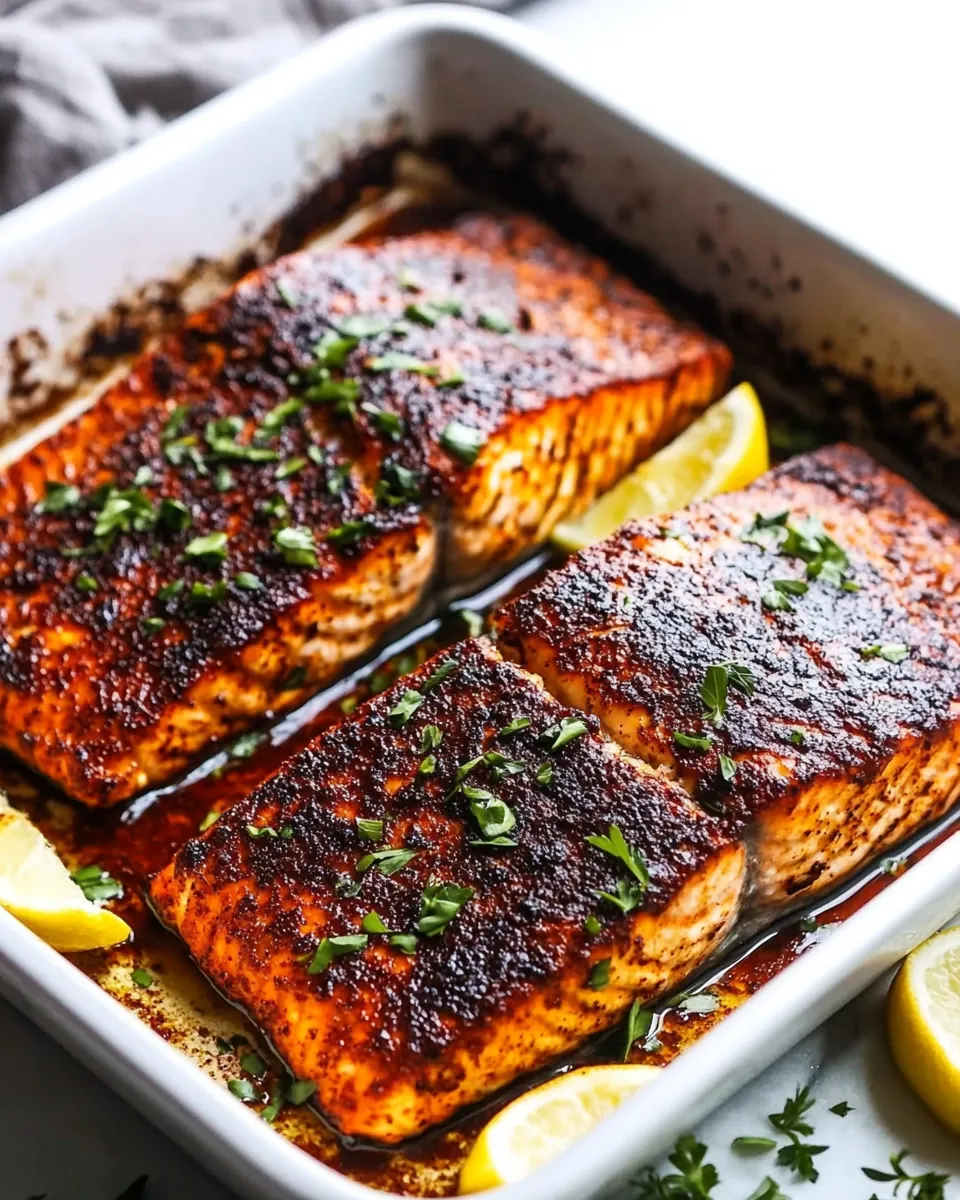
I like to keep notes handy because a few small adjustments transform a good sear into a great one. Below are practical tips I use every time I cook this recipe to ensure consistent results and to help you adapt for equipment and portion size.
- Preheat thoroughly Ensure your nonstick skillet is uniformly hot before adding the salmon, this creates the instant sear that forms the blackened crust and seals in juices.
- Dry the fish Pat the fillets very dry with paper towel before oiling, excess surface moisture prevents browning and can lead to a steamed texture instead of a crisp one.
- Use moderate oil One tablespoon of olive oil is sufficient for a pound of salmon; too much oil will pool and cause uneven browning or smoking.
- Monitor your heat If the seasoning begins to burn and smell acrid, lower the heat slightly to cook through without charring the spices.
- Check doneness with a thermometer Aim for 145 degrees Fahrenheit internal at the thickest point to ensure safe, flaky fish while avoiding dryness; remember carryover heat will raise the temperature a few degrees after resting.
What to Serve With Easy and Amazing Blackened Salmon
I often build a full plate around this salmon by pairing it with contrasting textures and complementary flavors. Here are thoughtful serving ideas and occasions when this dish shines.
- Simple green salad A crisp, lightly dressed salad offsets the spice with freshness, making it ideal for a light dinner.
- Steamed or roasted vegetables Seasonal vegetables provide color and balance, and they make the meal feel more substantial for family dinners.
- Rice or grains A bed of rice or whole grains absorbs juices and spices, suitable for casual weeknight meals and meal prep lunches.
- Special occasion dinner Plate the blackened salmon with elegant sides for a date night or celebratory meal where you want impact without extensive effort.
- Storage tips Cool leftovers quickly and refrigerate in an airtight container for up to two days; reheat gently to preserve texture.
- Seasonal pairing In warm months I serve with citrus accoutrements, while in colder months I lean toward roasted root vegetables to create a comforting plate.
FAQ
Conclusion
This recipe shines because it turns simple ingredients into an impressive, deeply flavored dish with minimal time and fuss. Give it a try when you want a quick weeknight winner that still feels special, and you will likely find it becoming a go to in your rotation. The balance of a crisp, spiced exterior and a moist, flaky interior makes this blackened salmon satisfying for everyday meals and small celebrations alike.
Easy and Amazing Blackened Salmon
Equipment
- nonstick skillet
- Instant read thermometer
- Tongs
Ingredients
- 1 pounds salmon filets Provide a firm, oily flesh that serves as the main protein and foundation of the dish; cooks quickly and develops a crisp exterior when blackened, while remaining moist inside if not overcooked.
- 1 tablespoon olive oil Add a light, fragrant fat that helps transfer heat and promote even browning; lightly coats the fish to help the seasoning adhere and prevents sticking during high-heat searing.
- 1 tablespoon blackened seasoning Deliver intense smoky, spicy flavor that forms a dark, flavorful crust when seared; season thoroughly to balance heat and aromatics and elevate the salmon without overwhelming it.
Instructions
- Preheat a 12 or 14-inch nonstick skillet over medium-high heat.: As the pan warms, you should hear a faint hum of quiet heat and see the surface become uniformly warm, sometimes with a faint shimmer. This preheat is crucial because placing salmon into a hot pan creates an immediate sear that locks moisture inside, resulting in a crisp exterior and a silky interior. A common mistake is starting with a cold or just warm skillet, which causes the fish to release moisture and stick, producing a dull, soft crust. If you are unsure, hover your hand a few inches above the pan to sense radiating heat, or sprinkle a drop of water to see if it dances across the surface.
- Rub 1 pound salmon filets with 1 tablespoon olive oil. Rub about 1 tablespoon blackened seasoning on the salmon.: When you spread the oil across the surface, the flesh will take on a gentle sheen and the oil helps the blackened seasoning adhere. The tactile act of rubbing distributes fat and prepares the fish to brown evenly. You want a thin, even coat, not a pool of oil, because excess oil can smoke and carry burned flavors. A frequent error is over oiling which causes spattering and uneven crust formation. Patting the fish dry first ensures the oil clings where it should, promoting better texture.
- Place the salmon skin side up and cook for about 3-4 minutes. Carefully flip and cook for an additional 3-4 minutes or until the salmon is opaque and flakes easily, and reaches the internal temperature of 145 degrees Fahrenheit.: As you press the seasoning into the surface, the scent will intensify, releasing peppery and smoky notes that promise a lively crust. Even pressure ensures the spice forms a compact layer that will toast in the pan rather than slide off. Avoid piling on too much rub because burned spices can taste acrid and overpower the natural flavor of the salmon . If some seasoning falls away, tuck it back onto the fillet rather than adding more; conservation of balance is key.
- Place the salmon skin side up and cook for about 3 to 4 minutes: Upon contact, you will hear a bright sizzle and see the edges begin to color, showing the crust is forming. The top will shift from glossy to slightly matte as moisture tightens. This stage sets the crust, so resist moving the fish; flipping too soon tears the surface and prevents a proper sear. A typical slip is nudging the fillet before it has released from the pan which results in sticking and a ragged crust. Look for a sharp change at the edge where the flesh turns from translucent to opaque.
- Carefully flip and cook for an additional 3 to 4 minutes or until the salmon is opaque and flakes easily, and reaches the internal temperature of 145 degrees Fahrenheit: After flipping, the second side will make a gentler sizzle and the aroma becomes deeply toasty. You should notice the crust firming and the center giving slightly under gentle pressure. Cooking to the specified temperature ensures food safety and a flaky texture, but be mindful that carryover heat will continue to finish the fish after you remove it from the skillet. A common mistake is overcooking which yields dry flakes and dulls the seasoning; to avoid this, remove the fillet when a thermometer probes the thickest part and reads just under the target, allowing residual heat to complete the process.
Notes
- Preheat thoroughly Ensure your nonstick skillet is uniformly hot before adding the salmon, this creates the instant sear that forms the blackened crust and seals in juices.
- Dry the fish Pat the fillets very dry with paper towel before oiling, excess surface moisture prevents browning and can lead to a steamed texture instead of a crisp one.
- Use moderate oil One tablespoon of olive oil is sufficient for a pound of salmon; too much oil will pool and cause uneven browning or smoking.
- Monitor your heat If the seasoning begins to burn and smell acrid, lower the heat slightly to cook through without charring the spices.
- Check doneness with a thermometer Aim for 145 degrees Fahrenheit internal at the thickest point to ensure safe, flaky fish while avoiding dryness; remember carryover heat will raise the temperature a few degrees after resting.