Pumpkin Pound Cake
Pumpkin Pound Cake has been my go to when autumn calls for something comforting and slightly nostalgic.
I still remember the first time I baked this cake for a small neighborhood gathering, carrying the warm bundt pan through crunchy leaves while the smell of pumpkin and spice trailed behind me. The recipe felt both humble and special, a one bowl wonder that begged for a thick slice and a cup of something warm. Over the years I’ve tweaked the balance of dark brown sugar and granulated sugar, learned to coax out excess moisture from the pumpkin puree, and settled on a glaze that makes every bite sing.
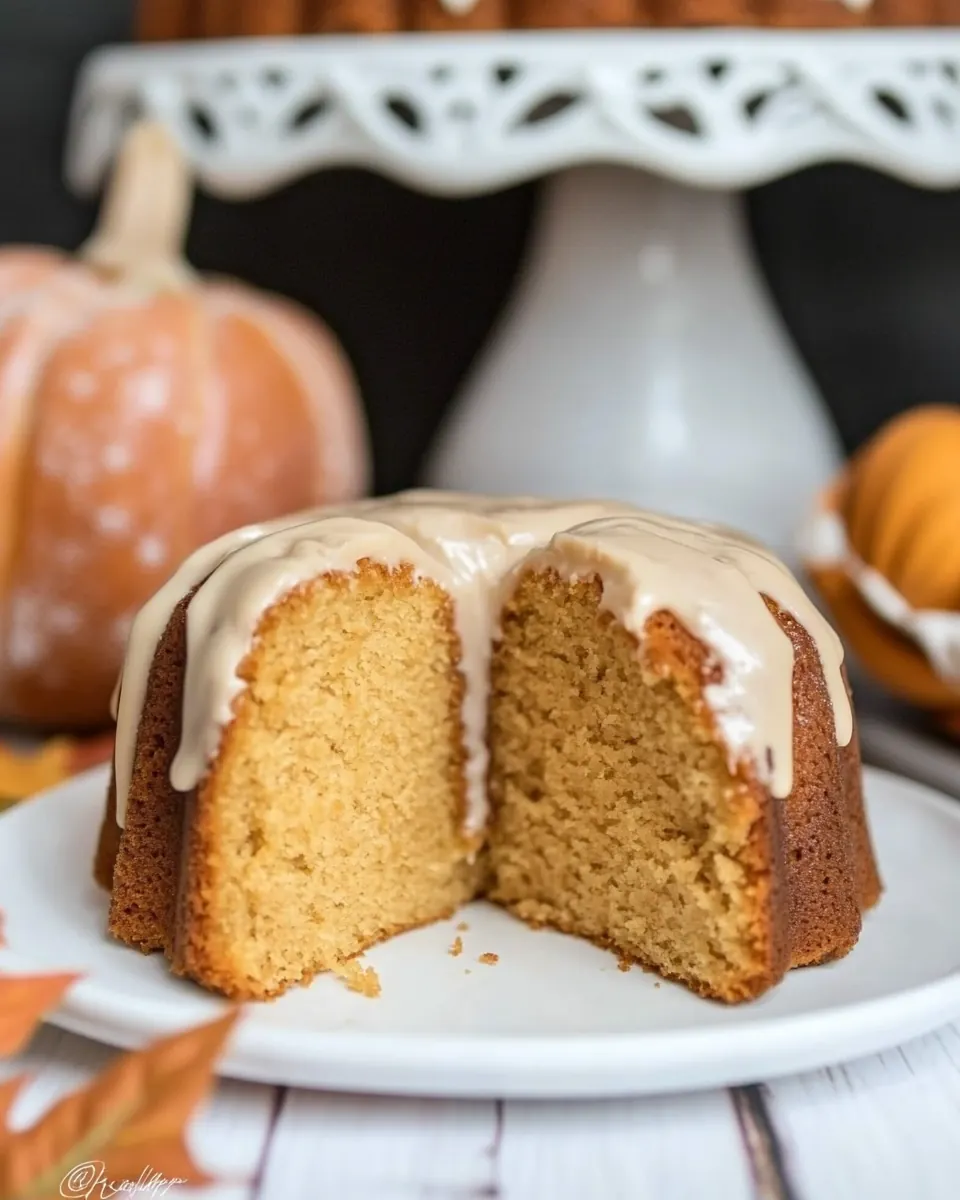
When I make Pumpkin Pound Cake now, I think about texture first, then aroma. That golden crumb, the tender crumb that holds moisture without feeling dense, comes from paying attention to simple moves like alternating dry and wet additions. Serving it feels like offering a small, edible memory. Friends tell me it tastes like slow afternoons and wrapped sweaters, though I prefer to say it tastes like honest baking done right.
Recipe Snapshot
1 hr 5 mins
10 mins
55 mins
Medium
320 kcal
American
Gluten-Free, Low FODMAP
Desserts
Bundt pan, Mixing bowls, Whisk, Electric mixer, Wire cooling rack
Why This Pumpkin Pound Cake Is So Good
Rich, familiar flavor profile
I love how pumpkin creates depth without overpowering the cake. The blend of pumpkin pie spice with both sugars and a touch of vanilla extract gives a warmly spiced aroma that fills the kitchen as it bakes. Each slice carries a balanced sweetness that never feels cloying.
Moist but structured crumb
The combination of butter, eggs, and alternating all purpose flour with low fat buttermilk produces a cake that holds together beautifully. I appreciate that it slices cleanly for hosting, yet stays tender enough to be fork tender, giving a satisfying mouthfeel.
Versatile presentation
Whether you pour the simple glaze on top or leave the cake unadorned, this recipe adapts. I often make smaller bundts for gifting, and once used the batter in mini loaves, each option delivering that same cozy flavor. The glaze adds a glossy finish that complements the cake without stealing the show.
Beginner friendly techniques
The steps are straightforward, making this a great bake for cooks building confidence. From draining the pumpkin puree to knowing when the center is set, these approachable moves teach reliable habits. I’ve coached friends through it over the years, and they always come away feeling proud.
Seasonal crowd pleaser
This is the kind of recipe I bring to fall gatherings, especially around Thanksgiving. Its aroma announces the season, yet it remains simple enough to pair with many menus. It travels well, and it freezes nicely if you want to save a slice for later.
Ingredients Overview for Pumpkin Pound Cake
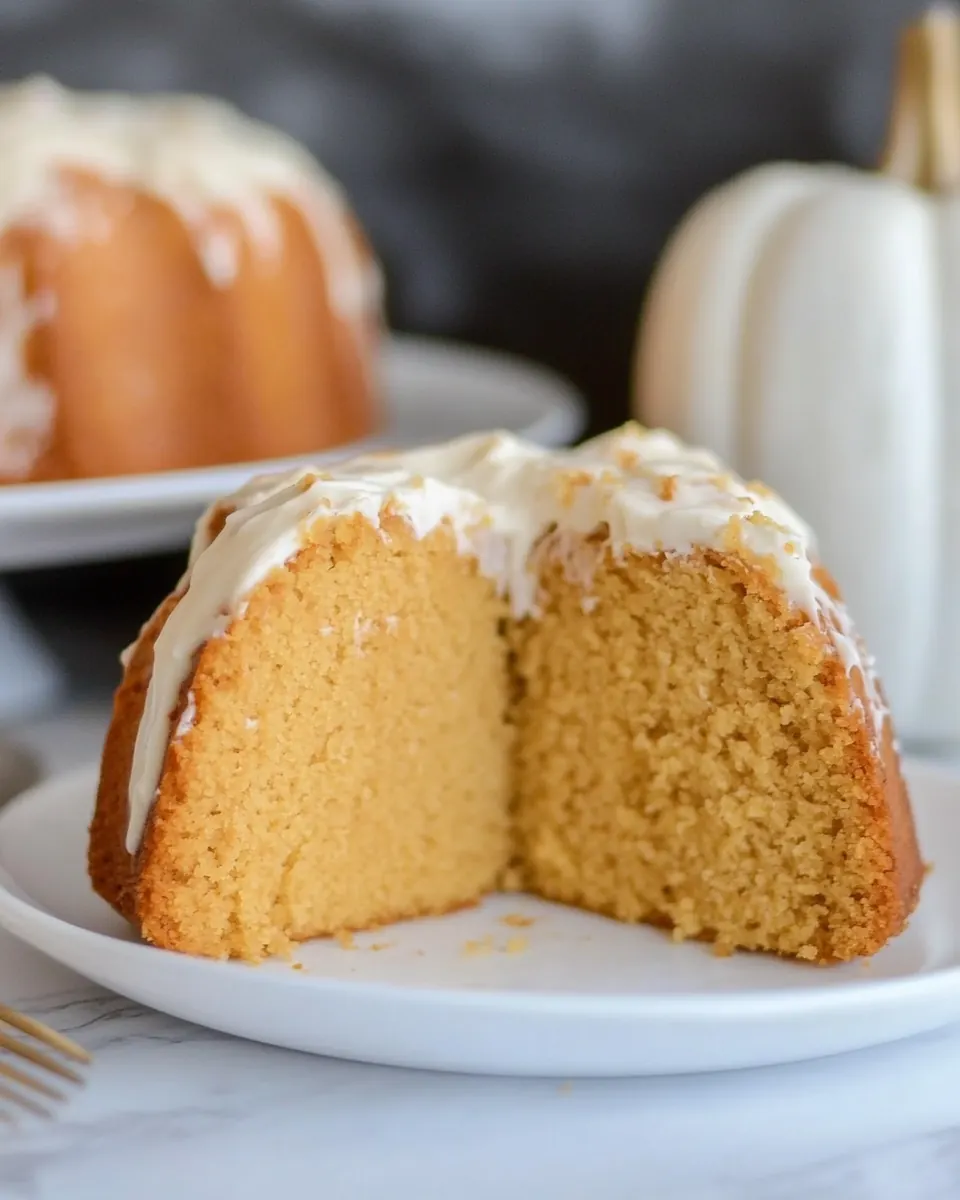
These ingredients are a study in balance, each playing a distinct role. The pumpkin puree provides moisture and that earthy pumpkin flavor. The pairing of dark brown sugar and granulated sugar brings both molasses depth and clean sweetness. All purpose flour and leaveners set the structure, while butter, eggs, and buttermilk create richness and tenderness. The glaze rounds everything out with a sugary sheen.
- 1 15 ounce can pumpkin puree: Provide smooth, concentrated pumpkin flavor and moistness to the cake batter, contributing natural sweetness and color. Use pure pumpkin puree for consistent texture and to bind dry ingredients, enhancing the cake's dense crumb.
- 1 1/2 teaspoon pumpkin pie spice: Add warm, aromatic spice blend notes to the batter, enhancing traditional pumpkin flavor without overwhelming sweetness. Sprinkle evenly to ensure balanced spice throughout the loaf.
- 1 teaspoon baking powder: Leaven the dense pound cake gently by producing carbon dioxide when heated, helping create a lighter crumb. Sift or mix thoroughly with dry ingredients to distribute evenly.
- 1/2 teaspoon baking soda: React with acidic ingredients to produce lift and a tender crumb, complementing baking powder’s action. Measure precisely to avoid soapy or metallic aftertastes and ensure proper rise.
- 1/2 teaspoon salt: Enhance overall flavor and balance sweetness while strengthening the gluten structure slightly. Dissolve fully into the batter to promote even distribution of taste.
- 3/4 cup dark brown sugar: Contribute deep molasses flavor and moistness to the cake, enriching color and caramel notes. Cream with butter to incorporate air and help create a tender texture.
- 3/4 cup granulated sugar: Provide bulk sweetness and structure while promoting browning and crisping of the crust. Blend with sugars and fats to help trap air for a finer crumb.
- 1/2 cup butter room temperature: Add richness, flavor, and fat that tenderize the cake crumb while aiding in creaming with sugar for structure. Ensure room temperature for even incorporation into the batter.
- 4 large eggs room temperature: Introduce structure, stability, and moisture while aiding emulsification and leavening interaction. Bring to room temperature so eggs combine smoothly and provide a uniform texture.
- 1 teaspoon vanilla extract: Deliver sweet floral vanilla aroma and flavor to complement pumpkin and spices. Add to batter for balanced flavor depth.
- 3 cup all-purpose flour: Supply the bulk of dry structure and texture for the pound cake, forming the gluten network when mixed with liquids. Sift or whisk to remove lumps and ensure even incorporation.
- 3/4 cup low fat buttermilk: Contribute acidity and a slight tang to tenderize the crumb and react with baking soda for lift. Use low fat buttermilk to help keep the loaf moist without excess fat.
- 1 cup powdered sugar: Create a smooth, sweet glaze or icing that adds surface sweetness and sheen once sifted and mixed. Combine with milk and melted butter to form a pourable consistency.
- 2 tablespoons milk: Thin the powdered sugar to the desired glaze consistency while adding a bit of dairy richness and aiding spreadability. Add gradually to reach a drizzle that coats without running off.
- 1/2 teaspoon vanilla extract: Impart a gentle vanilla background note to the glaze, enhancing overall sweetness and aroma. Use in the icing to round out flavors and tie the glaze to the cake.
- 2 tablespoons butter melted and cooled: Introduce shine, flavor, and a silky mouthfeel to the glaze while aiding in smooth pourability. Cool melted butter slightly before whisking into powdered sugar to prevent clumping.
- 1/2 teaspoon pumpkin pie spice: Sprinkle extra pumpkin spice on the finished glaze or batter to boost warm, aromatic notes and visual appeal. Use sparingly to avoid overpowering the cake's balanced flavors.
Step by Step Guide for Pumpkin Pound Cake
These steps are straightforward but detailed. I like to pace myself, paying attention to the sensory cues that indicate progress. Read each step fully before starting to avoid surprises, and keep your tools and ingredients nearby.
- Preheat oven to 350 degrees. Lightly coat a 10 inch tube or bundt pan (see note) with cooking spray with flour.: Your kitchen will begin to fill with a gentle warmth and the faint scent of dry heat as the oven climbs to 350 degrees , signaling the start of transformation. Greasing and flouring the pan creates a barrier that prevents sticking and encourages a clean release, which matters most with bundt shapes. One common mistake is skimping on the coating, leading to torn cake when unmolding, so be thorough and pay attention to nooks in the pan. Listen for the oven's click as it reaches temperature, and verify with an oven thermometer if you have one to ensure accurate baking conditions. Visually inspect the pan after coating to confirm even coverage, especially in the tube and fluted edges. If batter seems especially sticky later, you can line the bottom with a small parchment round for extra protection.
- Spread pumpkin over 2 layers of paper towels to drain some moisture. Cover with an additional 2 layers of paper towels. Change top layer a couple of times over a 10 minute period. Scrape puree in a small bowl and set aside.: You'll notice a slightly watery liquid releasing from the pumpkin puree , which can make a cake too wet if not addressed. The paper towels absorb excess moisture, leaving a denser, more concentrated puree that contributes flavor without compromising structure. Press gently and swap the top sheets a few times during the ten minute window to speed draining. A common error is skipping this step, which often results in a gummy crumb; taking the extra time ensures the batter holds together. The texture you want is thick and not syrupy, and the aroma will intensify slightly once some water is removed. Scrape into a bowl using a flexible spatula to collect every bit, since the solids carry important flavor and color.
- Whisk together flour, pumpkin pie spice, baking powder, baking soda and salt in a medium bowl and set aside.: As you sift and whisk these dry elements, you will smell the blend of warm spices blooming and see the pale flour lighten and aerate, which helps create an even crumb. Combining ingredients evenly prevents pockets of leavener that could cause uneven rise, and it distributes the spice so every bite tastes consistent. A frequent mistake here is under mixing the dry ingredients, leading to streaks of spice or uneven texture, so whisk until uniform. The baking powder and baking soda are measured to balance lift and browning, and salt levels influence overall flavor development. Keep the bowl nearby for easy alternation with wet additions later.
- In a large bowl, mix the sugars and butter, beating until well blended. Add the eggs one at a time, beating until incorporated into mixture.: When you cream butter with dark brown sugar and granulated sugar , you trap tiny air pockets that help the cake rise, and the mixture should turn lighter and slightly fluffy. Adding the eggs one by one ensures stable emulsification and reduces the chance of curdling, creating a smooth batter. Pay attention to texture changes during mixing; the batter should look homogenous and glossy. Over beating after adding eggs can incorporate too much air, which may cause the cake to collapse, so stop once the mixture is even. The smell will become richer, and you might notice a caramel like scent from the brown sugar melding with butter. If your butter was not fully softened, you'll encounter lumps, so bring it to room temperature first.
- Beat in pumpkin and vanilla. Add the flour mixture and buttermilk alternately to the sugar mixture, beginning and ending with the flour.: At this stage, the warm, earthy scent of pumpkin melds with the sweet, fragrant notes of vanilla extract . Alternating additions of the dry mix and the buttermilk allows gentle incorporation, preventing overdevelopment of gluten which would make the cake tough. Start and finish with the all purpose flour to maintain structure while keeping the crumb tender. A typical misstep is dumping all liquids at once, which can lead to uneven batter and lumps; alternate in thirds for best results. Watch for the batter's consistency, which should be thick but pourable. The sound of your mixer will change slightly as the batter thickens; slow the speed when near the end to avoid splatter.
- Pour batter into the prepared pans and bake for 35-55 minutes depending on pan size (see note). Check by inserting a wooden toothpick into the cake, and if it’s clean, it’s done! Cool in pan for 10 minutes before inverting it to a wire cooling rack. Let cool completely.: As the cake bakes, a warm spicy aroma will fill your kitchen and the top will take on a deep golden brown hue. The correct doneness test is a wooden toothpick emerging clean or with a few moist crumbs, not wet batter, and the edges will start to pull away slightly from the pan. Cooling the cake in the pan allows it to set and prevents it from breaking apart when unmolding; rushing this often causes cracks or crumbling. Once inverted, the cake should sound hollow when tapped lightly and feel springy to the touch. If the center sinks, it may indicate under baking or oven temperature variance. Allow complete cooling before glazing to prevent the glaze from sliding off or melting into the crumb.
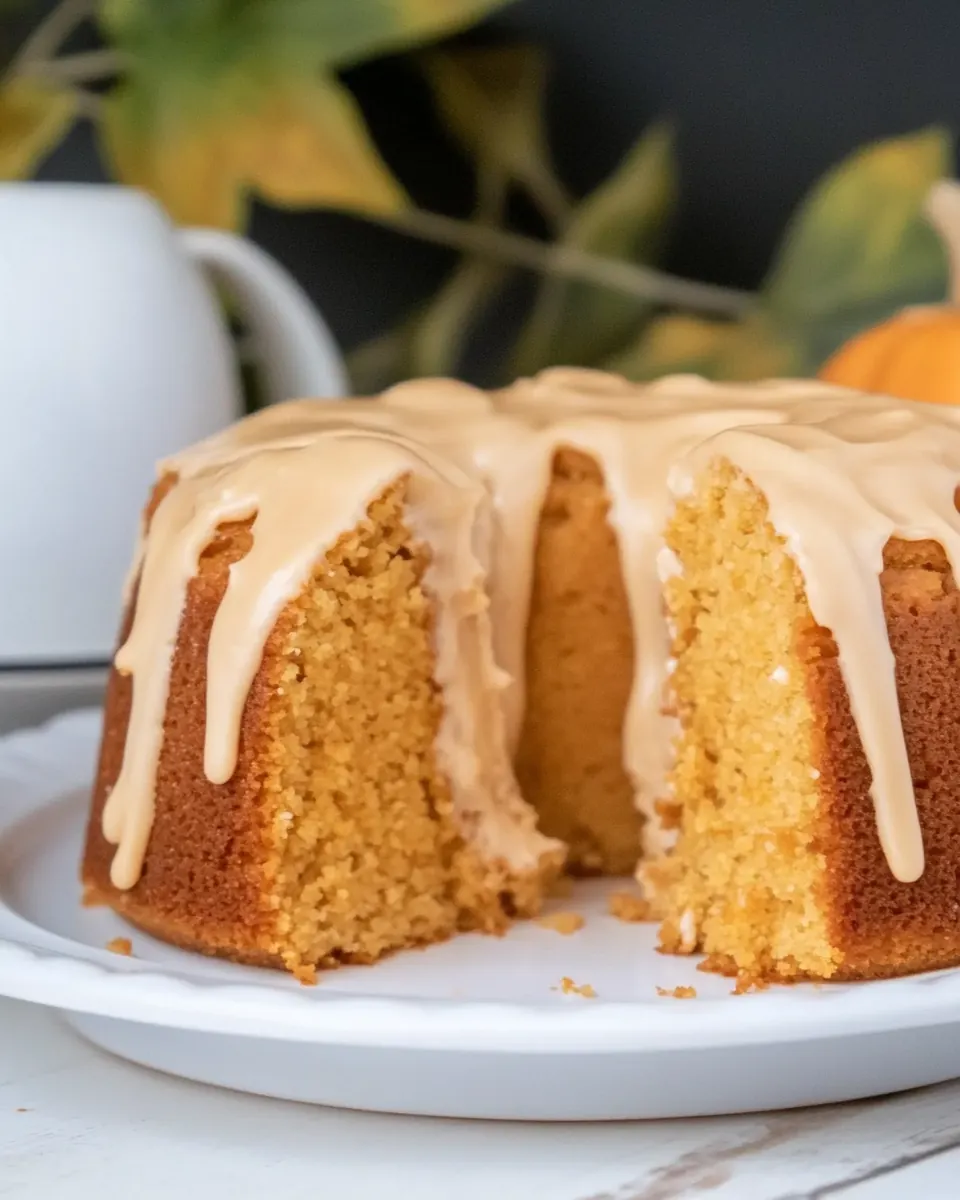
- For Glaze: The glaze will bring a sweet, glossy finish that contrasts with the spiced interior, and whisking ingredients together should produce a smooth, pourable sauce. You will notice a silky sheen and a sweet, buttery aroma once the powdered sugar , milk , vanilla extract , and melted butter are combined. A common issue is glaze that is too thick or too thin; adjust by adding a teaspoon of milk at a time to thin, or a little more powdered sugar to thicken. The right consistency drizzles slowly and sets with a slight crust. Drizzle with a spoon for control, and consider a light sprinkle of pumpkin pie spice while the glaze is tacky for extra aroma.
- Whisk all ingredients together until the glaze is smooth. Drizzle over cake.: As you whisk, the texture should transition from lumpy to glossy and homogenous, and the smell will become gently sweet with a hint of vanilla. Pouring the glaze over the cooled Pumpkin Pound Cake creates a thin, even coating that slightly firms as it sets, adding visual appeal and a touch of extra sweetness. Avoid glazing while the cake is warm, which will cause the glaze to run off; patience here preserves the look and flavor balance. If the glaze sets too quickly, work in small sections to maintain control. The final result should look polished and inviting, with the glaze catching light on ridges of the bundt surface.
Recipe Variations about Pumpkin Pound Cake
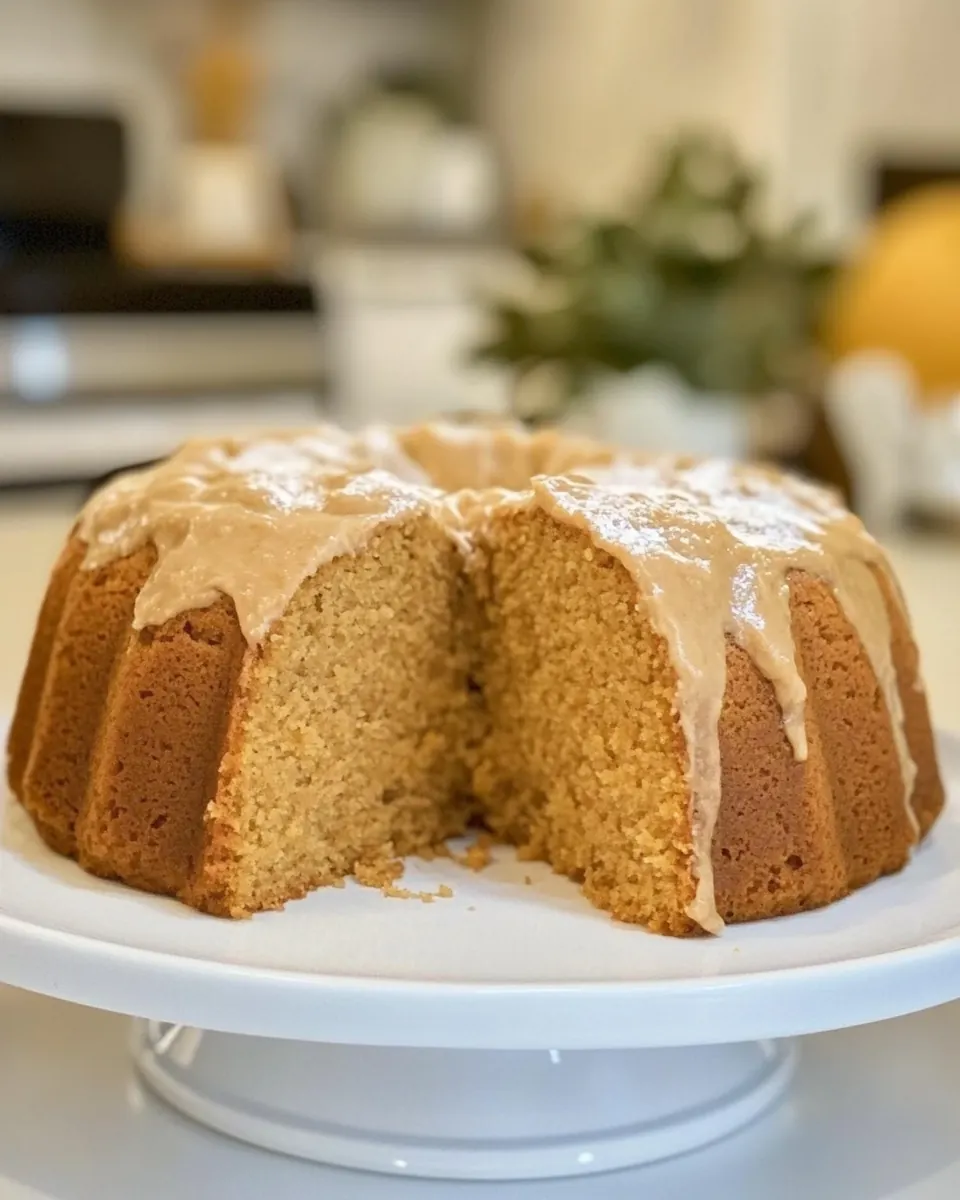
I like to think of variations as simple pivots that change presentation without altering the soul of the cake. Below are ideas that keep the basic method intact while offering different serving experiences.
- Mini loaves option Use the batter to make mini loaves for gifting or easy portioning, which shortens bake time and gives a giftworthy touch.
- Two small bundt cakes Split the batter into two smaller bundt pans to create shareable cakes that look elegant on a table and bake more evenly.
- Simple glaze Keep the powdered sugar glaze as written for a classic finish that complements the spiced cake without overpowering it.
- Extra spice topping Dust a pinch of pumpkin pie spice over the glaze while it is tacky to boost aroma and presentation.
- Make ahead Bake in advance, then wrap tightly and freeze slices for up to one month, thawing slowly for best texture.
Side Dish Ideas for Pumpkin Pound Cake
This cake plays nicely across many occasions, from afternoon tea to holiday dessert tables. Below are serving suggestions, pairing ideas, and practical storage notes to help you present the cake with confidence.
- Casual coffee break Serve slices with hot coffee or tea for a cozy afternoon treat, the cake’s spices complement warm beverages.
- Holiday dessert Bring the cake to Thanksgiving or fall gatherings where its nostalgic spice will fit seamlessly into a larger spread.
- Brunch addition Offer thin slices alongside fruit and yogurt for a varied brunch table that balances sweet and bright elements.
- Gift slices Package mini loaf slices or small bundt cakes for neighbors or hosts, wrapped in parchment and tied with twine for a thoughtful touch.
- Storage tips Keep leftover cake covered at room temperature for two to three days, refrigerate up to one week, or freeze well wrapped for up to one month; thaw slowly to preserve moisture.
- Seasonal pairing Pair with warm spiced beverages and simple whipped cream for an autumnal presentation that highlights the cake’s spice notes.
FAQ
Conclusion
What makes this Pumpkin Pound Cake special is its balance of warm spices, moist crumb, and a simple glaze that ties everything together. I encourage you to try it because it’s forgiving, approachable, and reliably crowd pleasing. Baking this cake is an invitation to slow down for a little while, enjoy the aroma, and share slices with people you care about.
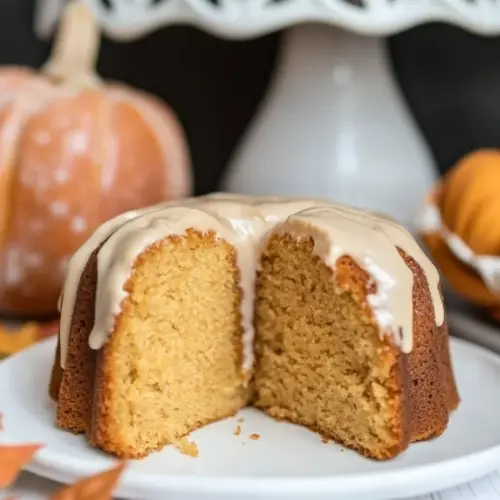
Pumpkin Pound Cake
Equipment
- Bundt Pan
- Mixing Bowls
- Whisk
- Electric Mixer
- wire cooling rack
Ingredients
- 1 15 ounce can pumpkin puree Provide smooth, concentrated pumpkin flavor and moistness to the cake batter, contributing natural sweetness and color. Use pure pumpkin puree for consistent texture and to bind dry ingredients, enhancing the cake's dense crumb.
- 1 1/2 teaspoon pumpkin pie spice Add warm, aromatic spice blend notes to the batter, enhancing traditional pumpkin flavor without overwhelming sweetness. Sprinkle evenly to ensure balanced spice throughout the loaf.
- 1 teaspoon baking powder Leaven the dense pound cake gently by producing carbon dioxide when heated, helping create a lighter crumb. Sift or mix thoroughly with dry ingredients to distribute evenly.
- 1/2 teaspoon baking soda React with acidic ingredients to produce lift and a tender crumb, complementing baking powder’s action. Measure precisely to avoid soapy or metallic aftertastes and ensure proper rise.
- 1/2 teaspoon salt Enhance overall flavor and balance sweetness while strengthening the gluten structure slightly. Dissolve fully into the batter to promote even distribution of taste.
- 3/4 cup dark brown sugar Contribute deep molasses flavor and moistness to the cake, enriching color and caramel notes. Cream with butter to incorporate air and help create a tender texture.
- 3/4 cup granulated sugar Provide bulk sweetness and structure while promoting browning and crisping of the crust. Blend with sugars and fats to help trap air for a finer crumb.
- 1/2 cup butter room temperature Add richness, flavor, and fat that tenderize the cake crumb while aiding in creaming with sugar for structure. Ensure room temperature for even incorporation into the batter.
- 4 large eggs room temperature Introduce structure, stability, and moisture while aiding emulsification and leavening interaction. Bring to room temperature so eggs combine smoothly and provide a uniform texture.
- 1 teaspoon vanilla extract Deliver sweet floral vanilla aroma and flavor to complement pumpkin and spices. Add to batter for balanced flavor depth.
- 3 cup all-purpose flour Supply the bulk of dry structure and texture for the pound cake, forming the gluten network when mixed with liquids. Sift or whisk to remove lumps and ensure even incorporation.
- 3/4 cup low fat buttermilk Contribute acidity and a slight tang to tenderize the crumb and react with baking soda for lift. Use low fat buttermilk to help keep the loaf moist without excess fat.
- 1 cup powdered sugar Create a smooth, sweet glaze or icing that adds surface sweetness and sheen once sifted and mixed. Combine with milk and melted butter to form a pourable consistency.
- 2 tablespoons milk Thin the powdered sugar to the desired glaze consistency while adding a bit of dairy richness and aiding spreadability. Add gradually to reach a drizzle that coats without running off.
- 1/2 teaspoon vanilla extract Impart a gentle vanilla background note to the glaze, enhancing overall sweetness and aroma. Use in the icing to round out flavors and tie the glaze to the cake.
- 2 tablespoons butter melted and cooled Introduce shine, flavor, and a silky mouthfeel to the glaze while aiding in smooth pourability. Cool melted butter slightly before whisking into powdered sugar to prevent clumping.
- 1/2 teaspoon pumpkin pie spice Sprinkle extra pumpkin spice on the finished glaze or batter to boost warm, aromatic notes and visual appeal. Use sparingly to avoid overpowering the cake's balanced flavors.
Instructions
- Preheat oven to 350 degrees. Lightly coat a 10 inch tube or bundt pan (see note) with cooking spray with flour.: Your kitchen will begin to fill with a gentle warmth and the faint scent of dry heat as the oven climbs to 350 degrees , signaling the start of transformation. Greasing and flouring the pan creates a barrier that prevents sticking and encourages a clean release, which matters most with bundt shapes. One common mistake is skimping on the coating, leading to torn cake when unmolding, so be thorough and pay attention to nooks in the pan. Listen for the oven's click as it reaches temperature, and verify with an oven thermometer if you have one to ensure accurate baking conditions. Visually inspect the pan after coating to confirm even coverage, especially in the tube and fluted edges. If batter seems especially sticky later, you can line the bottom with a small parchment round for extra protection.
- Spread pumpkin over 2 layers of paper towels to drain some moisture. Cover with an additional 2 layers of paper towels. Change top layer a couple of times over a 10 minute period. Scrape puree in a small bowl and set aside.: You'll notice a slightly watery liquid releasing from the pumpkin puree , which can make a cake too wet if not addressed. The paper towels absorb excess moisture, leaving a denser, more concentrated puree that contributes flavor without compromising structure. Press gently and swap the top sheets a few times during the ten minute window to speed draining. A common error is skipping this step, which often results in a gummy crumb; taking the extra time ensures the batter holds together. The texture you want is thick and not syrupy, and the aroma will intensify slightly once some water is removed. Scrape into a bowl using a flexible spatula to collect every bit, since the solids carry important flavor and color.
- Whisk together flour, pumpkin pie spice, baking powder, baking soda and salt in a medium bowl and set aside.: As you sift and whisk these dry elements, you will smell the blend of warm spices blooming and see the pale flour lighten and aerate, which helps create an even crumb. Combining ingredients evenly prevents pockets of leavener that could cause uneven rise, and it distributes the spice so every bite tastes consistent. A frequent mistake here is under mixing the dry ingredients, leading to streaks of spice or uneven texture, so whisk until uniform. The baking powder and baking soda are measured to balance lift and browning, and salt levels influence overall flavor development. Keep the bowl nearby for easy alternation with wet additions later.
- In a large bowl, mix the sugars and butter, beating until well blended. Add the eggs one at a time, beating until incorporated into mixture.: When you cream butter with dark brown sugar and granulated sugar , you trap tiny air pockets that help the cake rise, and the mixture should turn lighter and slightly fluffy. Adding the eggs one by one ensures stable emulsification and reduces the chance of curdling, creating a smooth batter. Pay attention to texture changes during mixing; the batter should look homogenous and glossy. Over beating after adding eggs can incorporate too much air, which may cause the cake to collapse, so stop once the mixture is even. The smell will become richer, and you might notice a caramel like scent from the brown sugar melding with butter. If your butter was not fully softened, you'll encounter lumps, so bring it to room temperature first.
- Beat in pumpkin and vanilla. Add the flour mixture and buttermilk alternately to the sugar mixture, beginning and ending with the flour.: At this stage, the warm, earthy scent of pumpkin melds with the sweet, fragrant notes of vanilla extract . Alternating additions of the dry mix and the buttermilk allows gentle incorporation, preventing overdevelopment of gluten which would make the cake tough. Start and finish with the all purpose flour to maintain structure while keeping the crumb tender. A typical misstep is dumping all liquids at once, which can lead to uneven batter and lumps; alternate in thirds for best results. Watch for the batter's consistency, which should be thick but pourable. The sound of your mixer will change slightly as the batter thickens; slow the speed when near the end to avoid splatter.
- Pour batter into the prepared pans and bake for 35-55 minutes depending on pan size (see note). Check by inserting a wooden toothpick into the cake, and if it’s clean, it’s done! Cool in pan for 10 minutes before inverting it to a wire cooling rack. Let cool completely.: As the cake bakes, a warm spicy aroma will fill your kitchen and the top will take on a deep golden brown hue. The correct doneness test is a wooden toothpick emerging clean or with a few moist crumbs, not wet batter, and the edges will start to pull away slightly from the pan. Cooling the cake in the pan allows it to set and prevents it from breaking apart when unmolding; rushing this often causes cracks or crumbling. Once inverted, the cake should sound hollow when tapped lightly and feel springy to the touch. If the center sinks, it may indicate under baking or oven temperature variance. Allow complete cooling before glazing to prevent the glaze from sliding off or melting into the crumb.
- For Glaze: The glaze will bring a sweet, glossy finish that contrasts with the spiced interior, and whisking ingredients together should produce a smooth, pourable sauce. You will notice a silky sheen and a sweet, buttery aroma once the powdered sugar , milk , vanilla extract , and melted butter are combined. A common issue is glaze that is too thick or too thin; adjust by adding a teaspoon of milk at a time to thin, or a little more powdered sugar to thicken. The right consistency drizzles slowly and sets with a slight crust. Drizzle with a spoon for control, and consider a light sprinkle of pumpkin pie spice while the glaze is tacky for extra aroma.
- Whisk all ingredients together until the glaze is smooth. Drizzle over cake.: As you whisk, the texture should transition from lumpy to glossy and homogenous, and the smell will become gently sweet with a hint of vanilla. Pouring the glaze over the cooled Pumpkin Pound Cake creates a thin, even coating that slightly firms as it sets, adding visual appeal and a touch of extra sweetness. Avoid glazing while the cake is warm, which will cause the glaze to run off; patience here preserves the look and flavor balance. If the glaze sets too quickly, work in small sections to maintain control. The final result should look polished and inviting, with the glaze catching light on ridges of the bundt surface.
Notes
- Mini loaves option Use the batter to make mini loaves for gifting or easy portioning, which shortens bake time and gives a giftworthy touch.
- Two small bundt cakes Split the batter into two smaller bundt pans to create shareable cakes that look elegant on a table and bake more evenly.
- Simple glaze Keep the powdered sugar glaze as written for a classic finish that complements the spiced cake without overpowering it.
- Extra spice topping Dust a pinch of pumpkin pie spice over the glaze while it is tacky to boost aroma and presentation.
- Make ahead Bake in advance, then wrap tightly and freeze slices for up to one month, thawing slowly for best texture.