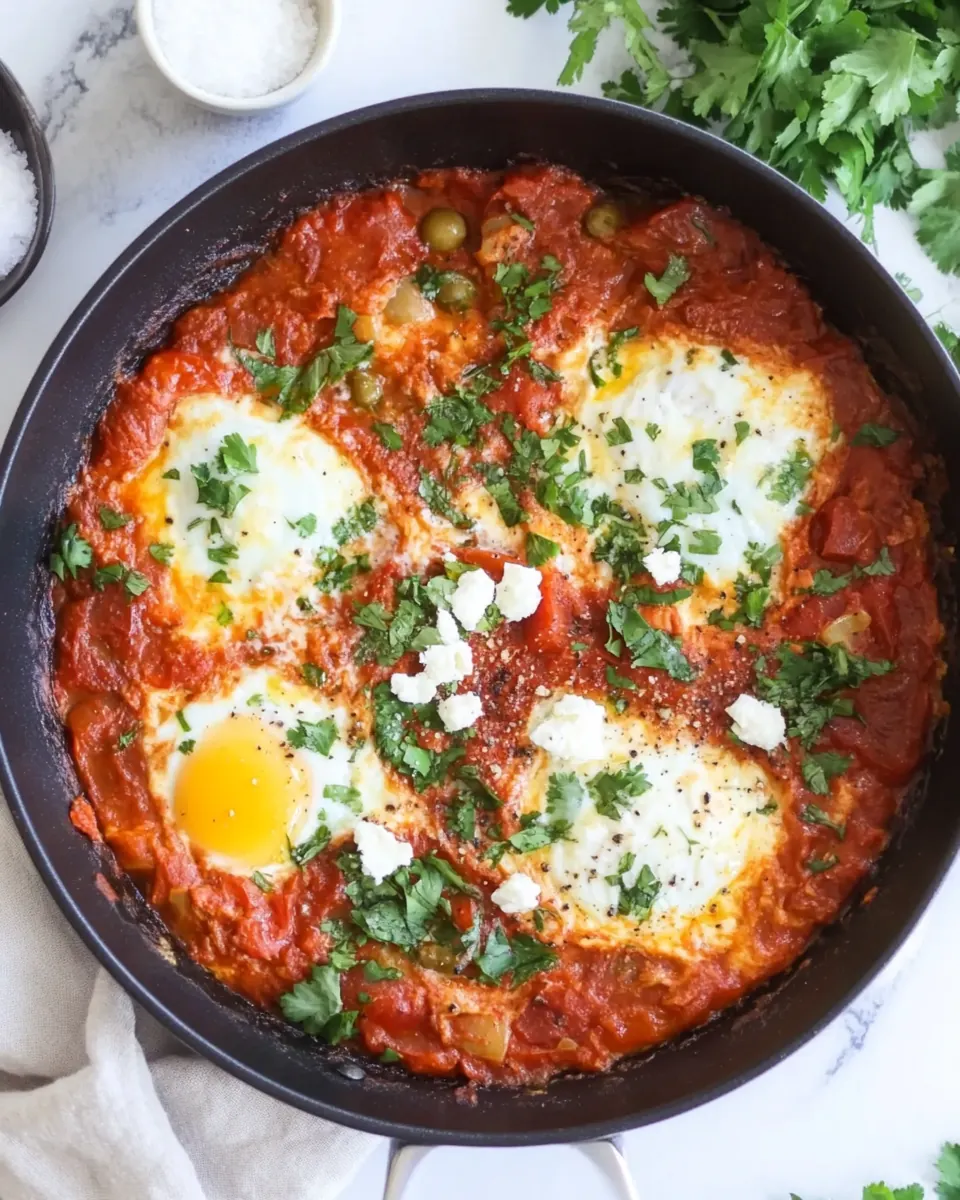
Easy Shakshuka
Easy Shakshuka is the kind of dish I turn to when I want something vibrant, comforting, and quick to pull together on a weeknight. The first time I made this, I remember the apartment filled with the scent of warm paprika and sautéing onion, and I kept sneaking back to the stove to watch the sauce bubble and deepen. That memory sticks with me, because this recipe is as much about the small, satisfying moments at the stove as it is about the end result.
Over the years I’ve tweaked the balance of spices and the way I nestle the eggs into the tomato bed, and each variation felt like a gentle nudge toward something reliably wonderful. I like how simple ingredients can combine to deliver a dish that feels special without pretension. When friends come over, I often serve this straight from the pan, and the communal act of breaking into the runny yolk always makes the meal feel like an event.
Recipe Snapshot
25 mins
10 mins
15 mins
Easy
250 kcal
Mediterranean
Keto, Paleo
Breakfast
Large pan, Spoon, Knife, Cutting board
Why We Love This Easy Shakshuka
Bold, simple flavors that sing
I love how Easy Shakshuka relies on a handful of pantry staples to create an intense, layered tomato sauce. The sweetness of the red bell pepper and the savoriness of the onion play off the smokiness of the paprika, producing a sauce that tastes far more complex than the effort involved.
Speed without sacrificing depth
One great reason I keep this recipe in my rotation is how quickly it comes together. From chopping to the first fragrant sizzle takes only a few minutes, yet the sauce develops a deep, comforting personality as it simmers. That means you get big flavor with minimal fuss, perfect for easy weeknight dinners.
Customizable to the mood
I’ve served Easy Shakshuka with runny eggs for brunch and with firmer yolks for a hearty dinner. You can tweak doneness, and the herbs at the end make a surprising difference. The finishing touch of fresh cilantro and parsley brightens every spoonful and keeps it feeling fresh.
Comfort in every spoonful
There is something deeply reassuring about a warm bowl of tomato and egg, especially when the sauce is just tomatoey enough to soak into bread or pita. This recipe delivers that cozy, homey satisfaction, making it an excellent pick when you need food that both comforts and impresses.
Great for sharing and scaling
I often double the quantities when hosting, because the method scales cleanly and plating from one pan encourages conversation. It also reheats well, and the flavors sometimes even deepen overnight, making it an efficient choice when you want to feed a small crowd without fuss.
Ingredients Overview for Easy Shakshuka
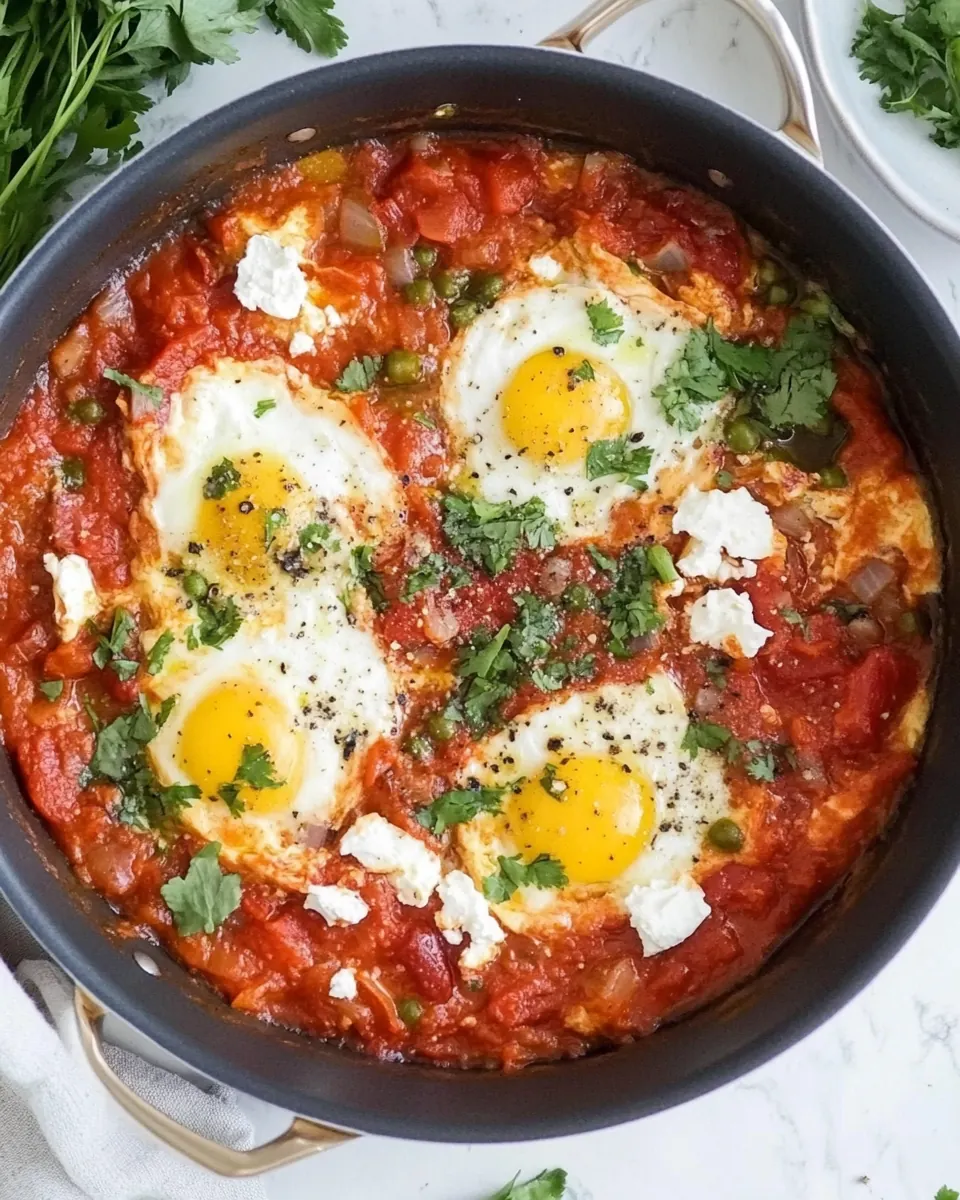
The ingredient list for Easy Shakshuka is intentionally short but each item plays a decisive role. The tomatoes form the saucy backbone, while the onion and red bell pepper build sweetness and texture. Spices like paprika and cumin add warmth and depth, and the eggs bring richness and structure. Fresh cilantro and parsley at the end add bright contrast so the dish never feels heavy.
- 1 tablespoon olive oil: Use to gently sauté aromatics and prevent sticking; adds a fruity, slightly peppery richness to the base of the dish. Helps carry and meld the spices, creating a glossy surface for the tomato sauce to build upon.
- 1 onion, finely diced: Finely diced to provide sweetness and body; softens into a caramelized base that balances tomatoes and spices. Releases natural sugars while sweating with the pepper and garlic to create depth of flavor.
- 1 red bell pepper, finely diced: Finely diced to contribute a bright, sweet crunch that softens when cooked; offers a vegetal sweetness that complements the tomato acidity. Provides color and texture variation while absorbing spices and oil.
- 3 cloves garlic: Crush or mince to release pungent, aromatic oils; infuses the sauce with savory depth and a sharp garlicky bite. Adds umami and helps bridge the flavors of onion, pepper, and tomato.
- 2 teaspoons paprika: Sprinkle to lend warm, smoky sweetness and vibrant color; enhances the tomato's natural flavors and pairs well with cumin. Balances acidity and gives the dish its characteristic subtle smokiness.
- 1 teaspoon cumin: Add to provide earthy, slightly bitter warmth that complements the paprika; deepens the savory profile of the sauce. Works with other spices to create a layered, North African-inspired seasoning.
- 1/2 teaspoons salt: Season to enhance overall flavor and suppress bitterness; brings out the sweetness of vegetables and tomatoes. Adjust amount to taste and ensure the dish tastes balanced before serving.
- 28 ounces crushed tomatoes: Pour in as the saucy backbone of the dish; supplies acidity, sweetness, and body to simmer into a thick, flavorful stew. Acts as the cooking medium for eggs and spices, creating a rich tomato base.
- 6 eggs: Crack gently into wells in the simmering sauce to poach; offers rich, creamy yolks that meld with the tomato base when cooked. Provides the main protein and a silky texture that contrasts with the chunky sauce.
- Freshly chopped cilantro: Garnish freshly chopped to add a bright, citrusy-herb finish; contributes a lively, slightly citrus flavor that lifts the tomato and spice flavors. Sprinkle over just before serving for aromatic freshness and color contrast.
- Freshly chopped parsley: Garnish freshly chopped to introduce a clean, slightly peppery herb note and vibrant green color; complements cilantro and softens the richness of eggs. Scatter over the finished dish to enhance aroma and visual appeal.
Putting Together Easy Shakshuka
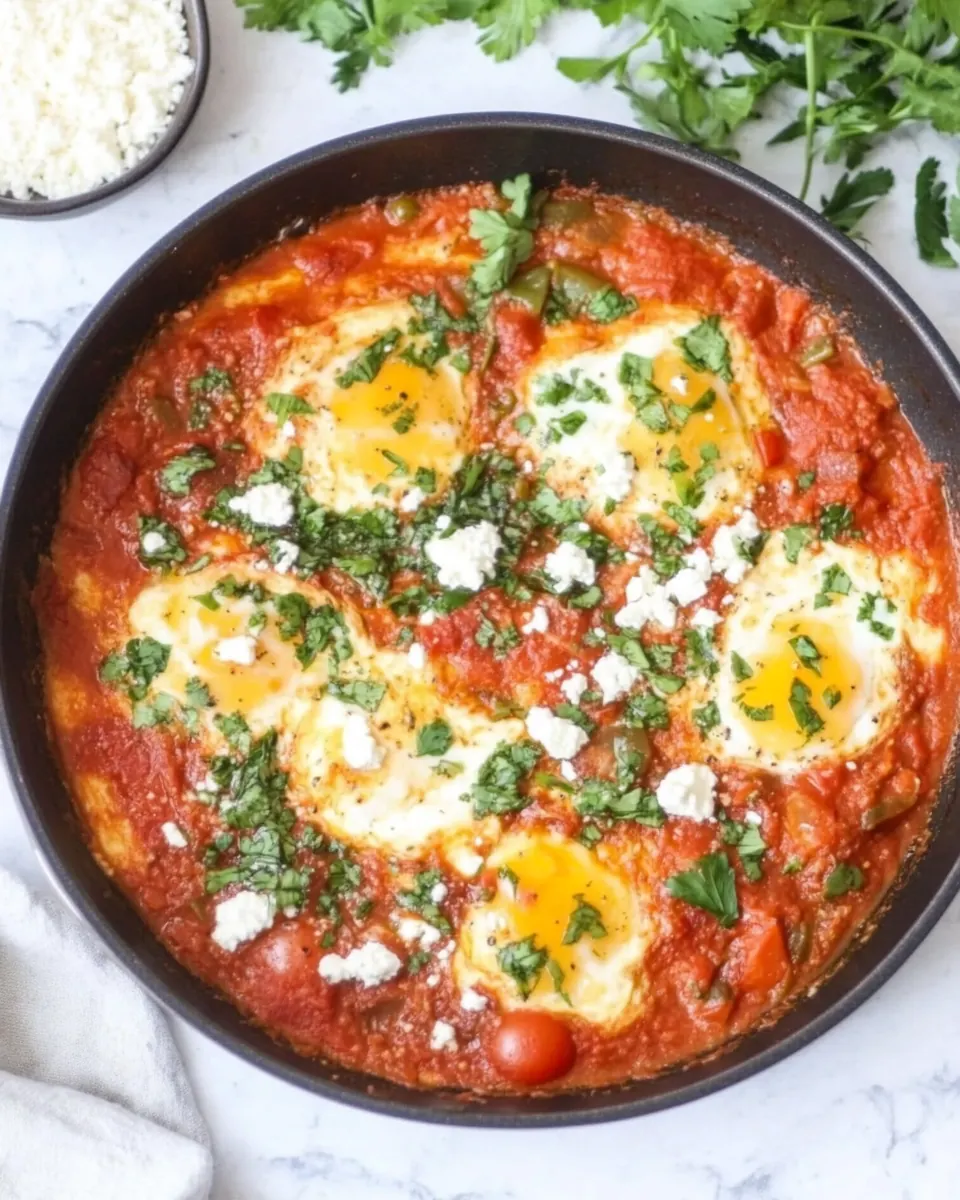
Bringing Easy Shakshuka together is a rhythmic, sensory process where aroma and texture guide you. The following steps will walk you through the precise sequence, and the expanded descriptions will help you sense when each stage is done. Keep a medium heat, stay present at the stove, and enjoy how the dish evolves.
- Heat the olive oil in a large pan over medium heat. Once hot add the onion, bell pepper. Saute around 3-5 minutes or until the onion is clear.: The moment the olive oil becomes shimmering, it releases a faint fruity aroma and forms a slick surface that helps the onion and red bell pepper sizzle gently. You should hear a soft, steady hiss as the diced vegetables hit the pan. This initial sound is reassuring, signaling that the pan is at the right temperature for even cooking. Visually, the pan should glisten, not smoke. If the oil smokes, lower the heat immediately to avoid a burnt flavor. The correct oil temperature allows the edges of the vegetables to soften and develop a slight golden edge without charring, which builds depth in the final sauce.
- Stir in the garlic, paprika, cumin, and salt. Then add the crushed tomatoes and mix to combine. Reduce heat to low.: As you add the diced onion and red bell pepper , stir to coat them in the warm oil so they start releasing moisture and aroma. You will notice a gentle steam rising as their sugars begin to awaken, and the sound will shift to a softer sizzle as they soften. Cook them until the onion turns translucent and the red bell pepper becomes tender, roughly three to five minutes. This stage is crucial because properly softened vegetables meld into the sauce rather than remaining as raw bits. Avoid crowding the pan, because overcrowding traps steam and prevents caramelization which adds flavor complexity.
- Use the back of a spoon to create a hole, then crack an egg to fill the hole. Repeat with each egg. Then cover the pan and cook until the eggs reach your desired level of doneness. Cooking time can vary, but I find a minimum 3-5 minutes gives me an over easy egg, 6-8 is over medium, and 9-12 will make an over hard egg.: During these minutes you should smell the sweetening of the onion , and the edges may take on a faint golden tint that promises depth. Stir occasionally to ensure even cooking and to prevent any pieces from sticking and burning. If the pan looks dry, add a splash of additional olive oil to keep the vegetables glossy. A common mistake is rushing this step, leaving the onion tasting raw, which makes the sauce feel thin instead of full bodied.
- Cooking time can vary, but I find a minimum 3-5 minutes gives me an over easy egg, 6-8 is over medium, and 9-12 will make an over hard egg.: When you add the garlic and spices, they bloom in the residual heat and oil, releasing fragrant steam that signals flavor activation. You may notice the aroma of paprika and cumin deepen almost immediately, creating a warm, inviting scent. Keep the pan moving to prevent the garlic from sticking and turning bitter. Blooming spices this way ensures their oils are released, which layers the sauce with nuanced warmth rather than a flat seasoning.
- Garnish the top with a generous amount of chopped cilantro and parsley and serve warm with pita or just dig in with a fork.: Pour in the crushed tomatoes and stir so the sauce becomes a cohesive, bubbling mixture. The texture should shift to a velvety, gentle boil, and the color will deepen to a vibrant red. Simmering at a low heat lets water evaporate slowly and concentrates the tomato flavor, while the aromatics meld into the sauce. If the sauce seems too thin, allow it to reduce uncovered a little longer, stirring occasionally to prevent sticking. Over reducing will make it too thick and pasty, so aim for a spoon coating consistency that still moves fluidly in the pan.
- Reduce heat to low: Lowering to low maintains a gentle simmer that lets flavors marry without aggressive bubbling. At low heat, you will see small, steady bubbles and steam rising softly, a visual cue the sauce is melding rather than breaking apart. This gentle environment helps the spices steep into the tomatoes, producing a harmonious base for the eggs . If you keep the heat too high, the sauce can separate and taste cooked rather than balanced, so monitor the bubbles and adjust as needed.
- Use the back of a spoon to create a hole: Press the back of a spoon into the sauce to form little wells, feeling the resistance of the thickened tomato as you go. These hollows should be just deep enough to cradle the egg white without letting it touch the hot pan, which helps keep the whites tender and avoids overbrowning. The tactile feedback of spooning the sauce helps you make uniform wells. A common error is making wells too shallow, which causes the egg whites to spread thin and cook unevenly.
- Then crack an egg to fill the hole: Crack each egg separately into a small bowl first if you want to check for shell pieces, then gently slide it into the prepared well. You will hear a delicate plop as the egg lands, and the glossy yolk will sit snugly above the red sauce. The contrast between the golden yolk and the bright tomato is visually striking and signals the cooking approach. Be gentle to keep yolks intact if you prefer them runny, and if a yolk breaks, fish out any shell and continue; broken yolks still make a delicious result but change the final texture.
- Repeat with each egg: Space the eggs evenly so they have room to set without merging, which helps for even doneness. As you add the final eggs the surface of the sauce should look studded with glossy pockets that will cook into creamy centers. Maintaining even spacing also makes serving tidy, preventing accidental breaking of yolks when plating. If the pan is crowded, consider using two pans to keep the eggs from overlapping.
- Then cover the pan and cook until the eggs reach your desired level of doneness: Covering traps gentle steam that finishes cooking the egg whites while leaving yolks at your preferred consistency. You will hear a soft hush as steam accumulates, and when you lift the lid you should see the whites set and the yolks still glossy for runny centers. Timing depends on your taste, so peek early and often. Avoid leaving the lid on too long because residual heat will continue cooking the eggs even after you remove the pan.
- Cooking time can vary, but I find a minimum 3 to 5 minutes gives me an over easy egg, 6 to 8 is over medium, and 9 to 12 will make an over hard egg: These ranges are based on the ambient heat and the thickness of your sauce, and you will notice a visual progression from slightly wobbly yolks to firm centers. For over easy, the yolk should still jiggle when you nudge the pan; for over hard it should be fully set with no wobbly motion. A frequent mistake is relying only on time without checking visually, since stove heat varies; trust your eyes and a small poke with the spoon to confirm doneness.
- Garnish the top with a generous amount of chopped cilantro and parsley and serve warm with pita or just dig in with a fork: The final sprinkle of fresh cilantro and parsley adds bright, herbal contrast and a pop of color that makes each bite feel lighter. You should smell the fresh herbs immediately, offering a cooling counterpoint to the warm spices. Serve straight from the pan or spoon onto plates with bread to soak up the tomato and yolk. A common serving mistake is adding herbs too early; do it at the end so they maintain freshness and visual appeal.
Tips and Variations
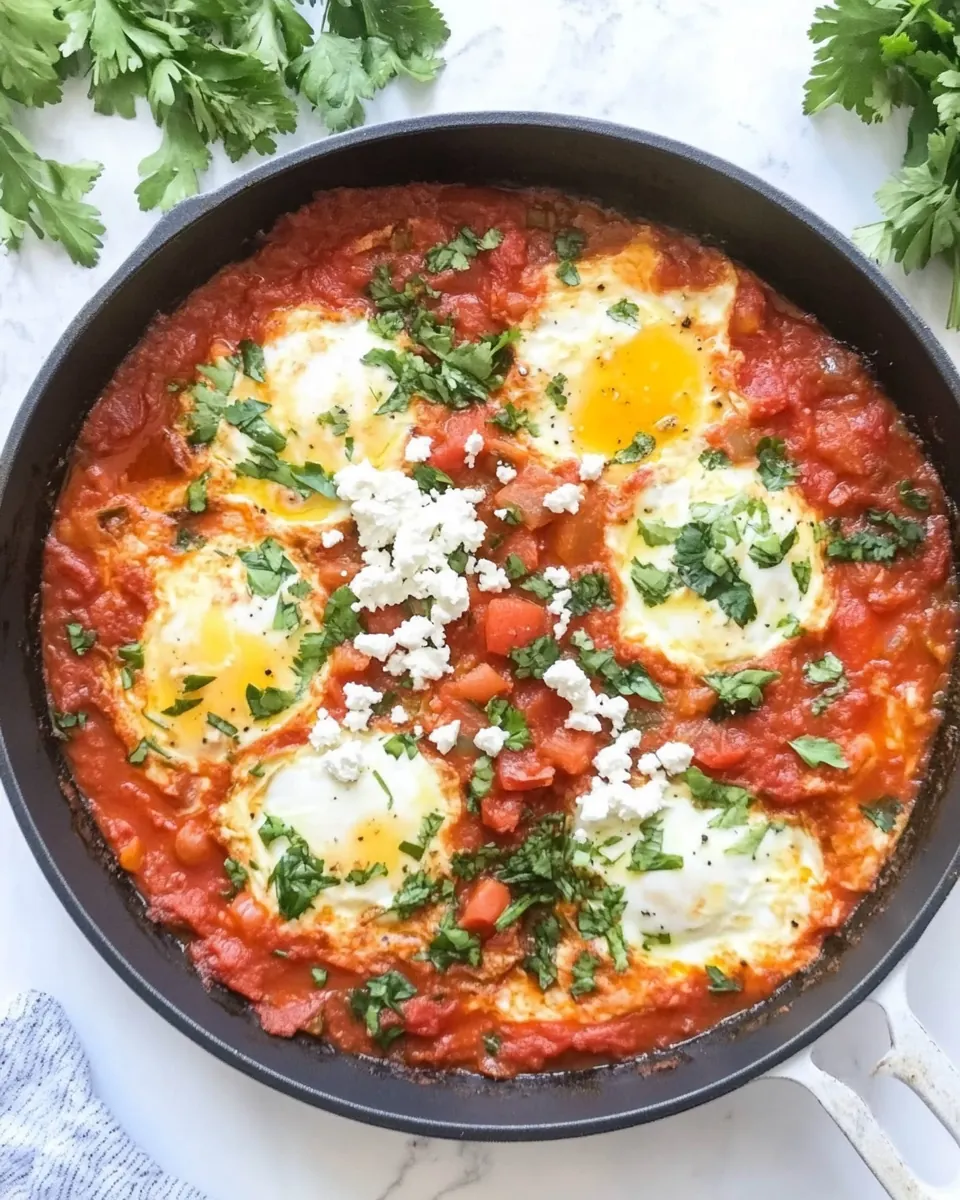
This section gathers practical ideas and variations to help you make Easy Shakshuka your own. Read through the tips and pick a couple that suit your pantry, timing, or the mood of the meal.
- Use room temperature eggs to ensure they poach more evenly in the sauce and reduce the shock of cold whites hitting hot liquid.
- Toast spices briefly before adding the crushed tomatoes to amplify their aroma, but watch closely because garlic can burn quickly.
- Simmer to thicken the sauce if it seems watery, a longer gentle simmer concentrates flavors and helps the sauce cling to bread.
- Check canned tomato salt before seasoning, and adjust the added salt to avoid an overly salty final dish.
- Serve with warm pita or crusty bread to soak up the saucy bits and enjoy the full contrast of textures and temperatures.
Perfect Pairings for Easy Shakshuka
Easy Shakshuka pairs beautifully with simple, fresh sides that echo the dish’s vibrant flavors. Whether you are planning a casual breakfast, a leisurely brunch, or a relaxed dinner, the following serving ideas help you build a complete meal around the pan.
- Warm pita or flatbread torn into pieces is the classic companion, perfect for dipping into the tomato and yolk and creating delightful textural contrasts.
- Light salads made from crisp greens and a lemony dressing provide a refreshing counterpoint that balances the savory richness of the eggs and sauce.
- Olives and pickles on the side add briny notes that cut through the acidity and highlight the spices in the tomato base.
- Labneh or plain yogurt spooned alongside offers cooling creaminess that pairs especially well if you prefer a spicier paprika level.
- Seasonal fruit like sliced oranges or pomegranate seeds bring sweet brightness that complements the savory profile and make the meal feel more celebratory.
- Occasions This recipe is perfect for breakfast, brunch, or an easy dinner, and it scales well for small gatherings or a relaxed Ramadan if you are looking for a comforting meal after fasting.
- Storage tips Refrigerate leftovers in an airtight container for up to two days; reheat gently on the stovetop to preserve texture, and consider adding a splash of water to loosen the sauce.
- Seasonal pairings In cooler months, serve with heartier bread and warm tea; in warmer months, pair with a crisp salad and chilled beverages for a lighter feel.
FAQ
Conclusion
This version of Easy Shakshuka shines because it combines simple pantry ingredients into something bright, comforting, and deeply satisfying. Give it a try the next time you want an easy meal that feels both homey and a little special. I hope it becomes one of those go to dishes you turn to when you want big flavor with minimal effort, and that sharing it brings the same small moments of warmth it has for me.
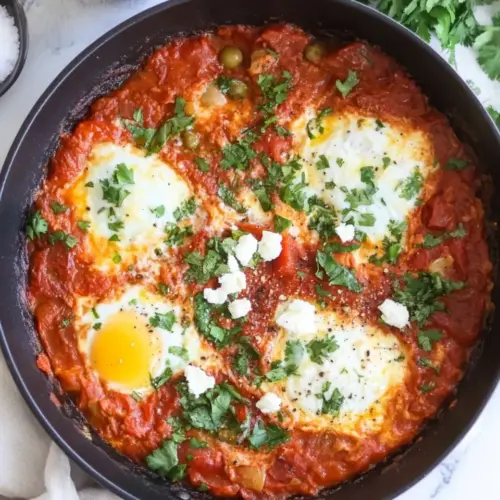
Easy Shakshuka
Equipment
- Large Pan
- Spoon
- Knife
- Cutting Board
Ingredients
- 1 tablespoon olive oil Use to gently sauté aromatics and prevent sticking; adds a fruity, slightly peppery richness to the base of the dish. Helps carry and meld the spices, creating a glossy surface for the tomato sauce to build upon.
- 1 onion, finely diced Finely diced to provide sweetness and body; softens into a caramelized base that balances tomatoes and spices. Releases natural sugars while sweating with the pepper and garlic to create depth of flavor.
- 1 red bell pepper, finely diced Finely diced to contribute a bright, sweet crunch that softens when cooked; offers a vegetal sweetness that complements the tomato acidity. Provides color and texture variation while absorbing spices and oil.
- 3 cloves garlic Crush or mince to release pungent, aromatic oils; infuses the sauce with savory depth and a sharp garlicky bite. Adds umami and helps bridge the flavors of onion, pepper, and tomato.
- 2 teaspoons paprika Sprinkle to lend warm, smoky sweetness and vibrant color; enhances the tomato's natural flavors and pairs well with cumin. Balances acidity and gives the dish its characteristic subtle smokiness.
- 1 teaspoon cumin Add to provide earthy, slightly bitter warmth that complements the paprika; deepens the savory profile of the sauce. Works with other spices to create a layered, North African-inspired seasoning.
- 1/2 teaspoons salt Season to enhance overall flavor and suppress bitterness; brings out the sweetness of vegetables and tomatoes. Adjust amount to taste and ensure the dish tastes balanced before serving.
- 28 ounces crushed tomatoes Pour in as the saucy backbone of the dish; supplies acidity, sweetness, and body to simmer into a thick, flavorful stew. Acts as the cooking medium for eggs and spices, creating a rich tomato base.
- 6 eggs Crack gently into wells in the simmering sauce to poach; offers rich, creamy yolks that meld with the tomato base when cooked. Provides the main protein and a silky texture that contrasts with the chunky sauce.
- Freshly chopped cilantro Garnish freshly chopped to add a bright, citrusy-herb finish; contributes a lively, slightly citrus flavor that lifts the tomato and spice flavors. Sprinkle over just before serving for aromatic freshness and color contrast.
- Freshly chopped parsley Garnish freshly chopped to introduce a clean, slightly peppery herb note and vibrant green color; complements cilantro and softens the richness of eggs. Scatter over the finished dish to enhance aroma and visual appeal.
Instructions
- Heat the olive oil in a large pan over medium heat. Once hot add the onion, bell pepper. Saute around 3-5 minutes or until the onion is clear.: The moment the olive oil becomes shimmering, it releases a faint fruity aroma and forms a slick surface that helps the onion and red bell pepper sizzle gently. You should hear a soft, steady hiss as the diced vegetables hit the pan. This initial sound is reassuring, signaling that the pan is at the right temperature for even cooking. Visually, the pan should glisten, not smoke. If the oil smokes, lower the heat immediately to avoid a burnt flavor. The correct oil temperature allows the edges of the vegetables to soften and develop a slight golden edge without charring, which builds depth in the final sauce.
- Stir in the garlic, paprika, cumin, and salt. Then add the crushed tomatoes and mix to combine. Reduce heat to low.: As you add the diced onion and red bell pepper , stir to coat them in the warm oil so they start releasing moisture and aroma. You will notice a gentle steam rising as their sugars begin to awaken, and the sound will shift to a softer sizzle as they soften. Cook them until the onion turns translucent and the red bell pepper becomes tender, roughly three to five minutes. This stage is crucial because properly softened vegetables meld into the sauce rather than remaining as raw bits. Avoid crowding the pan, because overcrowding traps steam and prevents caramelization which adds flavor complexity.
- Use the back of a spoon to create a hole, then crack an egg to fill the hole. Repeat with each egg. Then cover the pan and cook until the eggs reach your desired level of doneness. Cooking time can vary, but I find a minimum 3-5 minutes gives me an over easy egg, 6-8 is over medium, and 9-12 will make an over hard egg.: During these minutes you should smell the sweetening of the onion , and the edges may take on a faint golden tint that promises depth. Stir occasionally to ensure even cooking and to prevent any pieces from sticking and burning. If the pan looks dry, add a splash of additional olive oil to keep the vegetables glossy. A common mistake is rushing this step, leaving the onion tasting raw, which makes the sauce feel thin instead of full bodied.
- Cooking time can vary, but I find a minimum 3-5 minutes gives me an over easy egg, 6-8 is over medium, and 9-12 will make an over hard egg.: When you add the garlic and spices, they bloom in the residual heat and oil, releasing fragrant steam that signals flavor activation. You may notice the aroma of paprika and cumin deepen almost immediately, creating a warm, inviting scent. Keep the pan moving to prevent the garlic from sticking and turning bitter. Blooming spices this way ensures their oils are released, which layers the sauce with nuanced warmth rather than a flat seasoning.
- Garnish the top with a generous amount of chopped cilantro and parsley and serve warm with pita or just dig in with a fork.: Pour in the crushed tomatoes and stir so the sauce becomes a cohesive, bubbling mixture. The texture should shift to a velvety, gentle boil, and the color will deepen to a vibrant red. Simmering at a low heat lets water evaporate slowly and concentrates the tomato flavor, while the aromatics meld into the sauce. If the sauce seems too thin, allow it to reduce uncovered a little longer, stirring occasionally to prevent sticking. Over reducing will make it too thick and pasty, so aim for a spoon coating consistency that still moves fluidly in the pan.
- Reduce heat to low: Lowering to low maintains a gentle simmer that lets flavors marry without aggressive bubbling. At low heat, you will see small, steady bubbles and steam rising softly, a visual cue the sauce is melding rather than breaking apart. This gentle environment helps the spices steep into the tomatoes, producing a harmonious base for the eggs . If you keep the heat too high, the sauce can separate and taste cooked rather than balanced, so monitor the bubbles and adjust as needed.
- Use the back of a spoon to create a hole: Press the back of a spoon into the sauce to form little wells, feeling the resistance of the thickened tomato as you go. These hollows should be just deep enough to cradle the egg white without letting it touch the hot pan, which helps keep the whites tender and avoids overbrowning. The tactile feedback of spooning the sauce helps you make uniform wells. A common error is making wells too shallow, which causes the egg whites to spread thin and cook unevenly.
- Then crack an egg to fill the hole: Crack each egg separately into a small bowl first if you want to check for shell pieces, then gently slide it into the prepared well. You will hear a delicate plop as the egg lands, and the glossy yolk will sit snugly above the red sauce. The contrast between the golden yolk and the bright tomato is visually striking and signals the cooking approach. Be gentle to keep yolks intact if you prefer them runny, and if a yolk breaks, fish out any shell and continue; broken yolks still make a delicious result but change the final texture.
- Repeat with each egg: Space the eggs evenly so they have room to set without merging, which helps for even doneness. As you add the final eggs the surface of the sauce should look studded with glossy pockets that will cook into creamy centers. Maintaining even spacing also makes serving tidy, preventing accidental breaking of yolks when plating. If the pan is crowded, consider using two pans to keep the eggs from overlapping.
- Then cover the pan and cook until the eggs reach your desired level of doneness: Covering traps gentle steam that finishes cooking the egg whites while leaving yolks at your preferred consistency. You will hear a soft hush as steam accumulates, and when you lift the lid you should see the whites set and the yolks still glossy for runny centers. Timing depends on your taste, so peek early and often. Avoid leaving the lid on too long because residual heat will continue cooking the eggs even after you remove the pan.
- Cooking time can vary, but I find a minimum 3 to 5 minutes gives me an over easy egg, 6 to 8 is over medium, and 9 to 12 will make an over hard egg: These ranges are based on the ambient heat and the thickness of your sauce, and you will notice a visual progression from slightly wobbly yolks to firm centers. For over easy, the yolk should still jiggle when you nudge the pan; for over hard it should be fully set with no wobbly motion. A frequent mistake is relying only on time without checking visually, since stove heat varies; trust your eyes and a small poke with the spoon to confirm doneness.
- Garnish the top with a generous amount of chopped cilantro and parsley and serve warm with pita or just dig in with a fork: The final sprinkle of fresh cilantro and parsley adds bright, herbal contrast and a pop of color that makes each bite feel lighter. You should smell the fresh herbs immediately, offering a cooling counterpoint to the warm spices. Serve straight from the pan or spoon onto plates with bread to soak up the tomato and yolk. A common serving mistake is adding herbs too early; do it at the end so they maintain freshness and visual appeal.
Notes
- Use room temperature eggs to ensure they poach more evenly in the sauce and reduce the shock of cold whites hitting hot liquid.
- Toast spices briefly before adding the crushed tomatoes to amplify their aroma, but watch closely because garlic can burn quickly.
- Simmer to thicken the sauce if it seems watery, a longer gentle simmer concentrates flavors and helps the sauce cling to bread.
- Check canned tomato salt before seasoning, and adjust the added salt to avoid an overly salty final dish.
- Serve with warm pita or crusty bread to soak up the saucy bits and enjoy the full contrast of textures and temperatures.