30 Minute Stovetop Chicken Broccoli and Rice Casserole
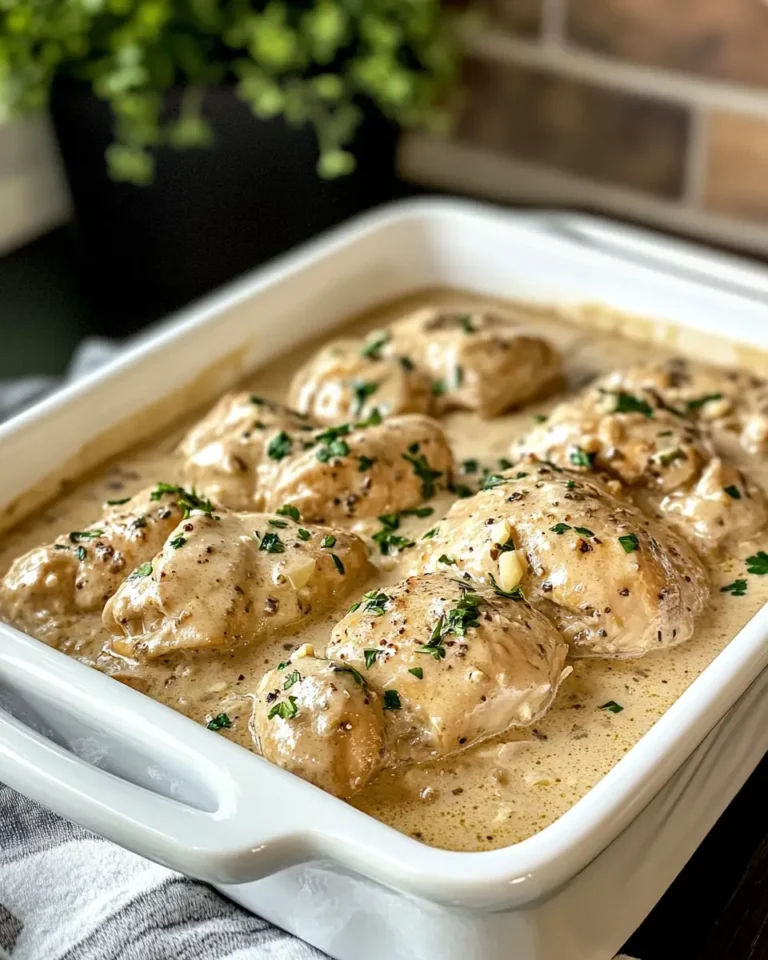
30 Minute Stovetop Chicken Broccoli and Rice Casserole has been one of those weeknight rescues for me, the recipe I turn to when life is loud and the family needs something warm, filling, and honest on the table. I remember the first time I made it on a rainy evening, juggling a conference call and a kiddo with a scraped knee. The skillet bubbled away while I patched a knee, and by the time the tears were dried, dinner smelled like comfort and practicality. That memory still makes this dish feel like a small domestic victory.
I like how this casserole behaves, reliably forgiving when you swap a jarred spice or nudge the simmer a touch longer. It’s one of those recipes that rewards small attentions, the kind you can give between other tasks. Every time I stir the pot I think about texture, and how the creamy base, tender rice, and slightly crisp-tender broccoli play well with browned chicken and melted cheddar cheese. It’s simple cooking with a bit of theater.
Recipe Snapshot
30 mins
5 mins
25 mins
Medium
400 kcal
American
Gluten-Free, Low FODMAP
Dinner
Large high sided skillet, Whisk, Lid
Why You Need This 30 Minute Stovetop Chicken Broccoli and Rice Casserole
I love the speed and simplicity
Honestly, few recipes fit into chaotic evenings like 30 Minute Stovetop Chicken Broccoli and Rice Casserole. I can get dinner started and still check homework or fold a load of laundry while it simmers. The abbreviated timeline doesn’t pressure me to rush textures, because the method is designed to build flavor quickly.
Comfort without canned shortcuts
This dish skips condensed soup in favor of a proper roux, so you get a creamy, homemade texture. I appreciate making a sauce from scratch because it tastes brighter and cleaner, and you control the salt and richness.
Balanced textures and flavors
Crunch from the lightly cooked broccoli meets creamy, cheesy rice and tender chicken. I like that each bite can have a little bite from the vegetable and softness from the rice, which keeps the meal interesting.
Flexible and family friendly
We often adapt this casserole to what we have on hand. Swapping boneless skinless chicken breasts for thighs or using a different long grain rice works fine. It’s a recipe that invites gentle substitutions while still delivering reliably.
Make ahead and reheat beautifully
I appreciate how leftovers store well, and I can portion them for easy lunches. Reheating in the microwave or a gentle oven restores the comfort, making it a practical choice for busy weeks.
Ingredients Required for 30 Minute Stovetop Chicken Broccoli and Rice Casserole

These ingredients are straightforward pantry and fridge staples that, together, build a creamy, satisfying casserole. The key players are the chicken for savory protein, the rice for body, the broth and roux for a silky sauce, and the broccoli and cheddar cheese for texture and richness. Each item plays a clear role, and their balance keeps the dish comforting without feeling heavy.
- 2 tablespoons olive oil: Heat and sauté in a skillet to provide the cooking fat that prevents sticking and helps brown aromatics and protein, adding depth of flavor.
- 1/2 cup yellow or white onion, diced small: Dice finely and sweat until translucent to contribute mild sweetness and savory complexity that forms the flavor base for the casserole.
- 1 pound boneless skinless chicken breasts, diced into bite-sized pieces (boneless skinless thighs may be substituted): Dice into bite–sized pieces and brown to supply the primary protein and hearty texture, offering savory richness and substance to the dish.
- 1/2 teaspoons salt, or to taste: Season to enhance overall flavor balance and to bring out the savory notes of the chicken and vegetables without overpowering other ingredients.
- 1/2 teaspoon freshly ground black pepper, or to taste: Grind freshly and adjust to taste to add bright, pungent heat and help balance the richness of the butter, cheese, and broth.
- 3 to 5 cloves garlic, finely minced: Mince finely and sauté briefly to release aromatic oils that boost savory depth and complement both the onion and chicken.
- 4 tablespoons unsalted butter, half of 1 stick: Melt and incorporate to create a velvety base for the sauce, adding richness and helping the flour emulsify into a smooth gravy.
- 1/3 cup flour: Whisk in to thicken the sauce, forming a roux that gives body to the casserole and helps the liquid cling to the rice and broccoli.
- 1/3 cup all-purpose whole milk: Stir in to loosen the roux and form a creamy sauce, contributing mild dairy flavor while helping bind ingredients together.
- 2 1/3 cups reduced sodium chicken broth, divided: Measure and divide to provide the savory, flavorful liquid that cooks the rice and infuses the casserole with concentrated chicken flavor.
- 1/4 to 1/2 teaspoon onion powder: Sprinkle sparingly to add an extra layer of onion flavor without the texture of fresh onion, enhancing the overall savory profile.
- 1 cup long grain rice, dry and uncooked (I used jasmine rice, basmati is another good option; do not use brown rice, wild rice, sushi rice, minute rice, etc.): Add dry and cook until tender to supply bulk and absorb the seasoned broth, creating the starchy base that makes the casserole filling.
- 2 cups broccoli florets, fresh strongly recommended, but frozen that have been thawed and drained may be substituted: Cut into florets and fold in near the end to contribute bright color, crisp-tender texture, and fresh vegetal contrast to the rich dish.
- 1 1/2 cups shredded cheddar cheese, divided: Shred and divide to melt into the hot casserole, providing creamy, sharp cheesy flavor and a gooey finish that binds the components.
- Fresh parsley, for garnishing (optional): Garnish lightly if desired to provide fresh herbal brightness and color contrast, lifting the richness of the finished casserole.
How to Make 30 Minute Stovetop Chicken Broccoli and Rice Casserole

This process walks you through quick searing, building a proper roux, and a gentle simmer so the rice finishes tender while the flavors marry. Keep your attention on textures and smells, and give the sauce time to thicken before adjusting.
- To a large, high-sided skillet (or my favorite stainless steel + lid) add the olive oil, onions, chicken, evenly sprinkle with salt and pepper, and cook over medium-high heat for about 5 minutes; stir very frequently and flip the chicken to ensure even cooking.: You will hear a steady sizzle as the chicken hits the hot oil, and the aroma of cooking meat and softened onion will fill the kitchen, signaling Maillard flavor development. Aim for lightly browned edges on the chicken , which translate to deeper savory notes in the finished casserole, and watch that the onion becomes translucent without burning so it melts into the sauce later. If pieces are uneven in size, some will cook faster than others, so try to keep them uniform; a common mistake is overcrowding the skillet, which lowers the pan temperature and leads to gray steamed meat instead of brown seared pieces. If you notice the pan steaming instead of sizzling, raise the heat slightly and move pieces to a warmer spot in the pan to regain a good sear.
- Add the garlic and cook for 1 minute; stir constantly.: When you add the minced garlic , the smell will become sharply aromatic and fragrant, a sign it is releasing its essential oils into the fat. Stir constantly so the garlic warms evenly and becomes soft without browning, because browned garlic turns bitter and will alter the sauce flavor. Keep the pan moving and pull it off heat briefly if bubbles are very aggressive; under high heat the garlic can scorch within seconds, and that is the primary pitfall at this stage.
- Remove the chicken and onions from the skillet and set aside in a bowl or on a plate.: As you transfer the browned chicken and softened onion , you will notice fond, the browned bits sticking to the skillet, which hold concentrated flavor. Setting them aside protects them from overcooking while you make the roux. Be mindful not to scrape too aggressively and burn those bits, but do keep them in the pan for deglazing later when you add liquid. A mistake here is leaving the residual heat too high and returning the meat too soon, which can cause overcooking; keep the reserved mix warm but off the direct heat.
- Roux– Add the butter and heat to melt; stir constantly to encourage the butter to melt and not burn.: The butter should foam and become glossy as it melts, releasing a warm, nutty aroma if it begins to lightly brown. Maintaining a medium to medium low heat prevents the butter from scorching, and constant stirring creates an even base for the next step. If your pan is too hot, the butter will brown unevenly and can impart a burnt note; reduce the temperature if it starts to foam aggressively or smell toasted.
- Evenly sprinkle the flour over the melted butter, and cook for 30 seconds; whisk constantly.: At this short cook time the raw flour taste will begin to fade and the mixture will form a sandy paste, an important stage for a smooth sauce. The texture should change from glossy butter to a cohesive roux that clings to your whisk. The why here is crucial: undercooked flour will leave a pasty or grainy mouthfeel in the finished casserole. Common troubleshooting is not stirring enough; small lumps form when flour is added and not combined quickly, so whisk vigorously to avoid lumps.
- While whisking, slowly add the milk, 1/3 cup broth, and continue to whisk and cook for 30 more seconds, or until a thick paste has formed. Roux Tips– Do not shortcut the step of making a roux, make sure to cook the flour sufficiently so your final casserole don't have a raw flour taste, and make sure you end up with a thick paste. Because no canned or condensed soups are used, the roux is essential to help ensure your casserole thickens up properly.: As you add the liquid gradually, the roux will loosen and become glossy, evolving into a velvety base that coats the back of a spoon. The aroma will move from floury to pleasantly buttery and savory. If you pour all the liquid at once, the roux can seize and clump; add slowly while whisking to maintain a smooth consistency. A frequent error is rushing this step, which leads to lumps and a less refined sauce, so be patient and keep whisking until the mixture is uniform and slightly thickened.
- Add back in the cooked chicken and onion mixture to the roux, dry rice, and slowly add in the remaining 2 cups broth.: As you reintroduce the browned chicken and softened onion , they will meld into the creamy base and release juices that deepen the sauce. Stir gently to combine the dry rice so each grain is coated; this helps the rice absorb the flavorful liquid evenly. Adding the rest of the broth slowly allows you to observe the sauce consistency and avoid a too watery base. A common problem is uneven rice distribution, which produces patches of undercooked grains; stir to distribute the rice before simmering, but avoid vigorous stirring once simmering begins as that can make the grains break down.
- Bring to a boil, and once boiling, reduce the heat so that mixture will simmer, and cover with a lid. Allow the mixture to gently simmer over low heat for about 15 minutes, or until the rice is tender. Rice Cooking Tips– Rice needs both time + liquid to soften. A. If after 15 minutes or so, the rice is still hard, keep simmering until it's not. B. If there is no more liquid left but the rice is still hard, add about 1/3 cup additional broth, and simmer covered for about 5 more minutes, or until soft and done. C. If after about 15 minutes of simmering, the mixture is still soupy yet the rice has already cooked through and is soft, uncover the skillet and turn up the heat and bring the mixture to a more rapid simmer with the lid off to allow some of the excess liquid to steam off and evaporate.: You will hear a gentle bubbling and see steam escaping the lid, and the aroma will deepen as the rice hydrates and swells. The visual cue is that the grains look plump and opaque, which signals doneness. If the mixture is still watery but the rice seems done, uncovering helps evaporate excess liquid and concentrate flavors. A typical pitfall is lifting the lid too often, which releases heat and lengthens cooking time; trust the clock and check gently near the end.
- Stir in the broccoli florets (vegetable tip– cauliflower florets or a combo of broccoli + cauliflower will also work), 1 cup shredded cheddar cheese, and continue to cook over low heat for about 3 minutes, or until broccoli is as tender as desired. Broccoli Tips– If you like your broccoli on the crisp-tender side, 3 minutes will likely be fine. If you like more well done broccoli, you may want to simmer for 5-6 minutes. If you're using frozen broccoli, it's likely already very mushy so just add it with the cheese, stir to combine, and immediately move onto step 10, so you're just warming it and not actually cooking it.: When you fold in the fresh broccoli , the green color will brighten dramatically and the steam will carry a vegetal fragrance. The melted cheddar cheese will start to swirl into the sauce, adding creaminess and tang. Texture matters here; undercooked broccoli will be too firm and compete with the tender rice , while overcooked florets will turn mushy and muddy the dish. A common mistake is adding frozen broccoli without draining well, which introduces extra water and can make the casserole soupy.
- Evenly sprinkle the remaining 1/2 cup shredded cheese (or a little more if you'd like) over the top, cover with a lid, and just let it sit for about 1-2 minutes and the cheese will melt from the carryover heat. Want a crispy topping? See Notes.: The residual heat will gently melt the final layer of cheddar cheese into a glossy, appetizing blanket that pulls in strings when you scoop a serving. Letting it rest covered concentrates heat and ensures even melting without overheating, which can split the cheese. If you seek a crunchy contrast, the crispy topping note in the recipe gives an oven or broiler option; just be careful handling an oven proof skillet, and watch closely under the broiler to avoid burning the crumbs.
- Optionally garnish with fresh parsley and serve immediately. Leftovers will keep airtight in the fridge for up to 5 days or in the freezer for up to 4 months. Reheat gently in the microwave as desired. I store leftovers in individually sized containers for ease of storage and reheating.: A final sprinkle of fresh parsley adds an herbaceous lift and bright color, making the dish feel finished and fresh. Serve straight from the skillet for a rustic presentation. If storing leftovers, cool slightly, then transfer to airtight containers and refrigerate; reheating gently in the microwave or a low oven helps preserve texture. Avoid reheating too aggressively or the cheese may separate and the rice can dry out.
Variations to Try

I like experimenting with small changes to keep this casserole interesting. Below are practical variations and ideas that respect the original structure while offering different textures and flavor accents. Each tip begins with a bold phrase to make it quick to scan.
- Panko Crispy Topping — Toss 1/2 cup panko breadcrumbs with 3 tablespoons melted butter and sprinkle over the top before crisping under the broiler or in a hot oven. This adds a crunchy contrast to the creamy interior, but watch closely under high heat to avoid burning.
- Swap to thighs for extra richness — Use boneless skinless thighs instead of breasts for a juicier, more forgiving protein. Thighs handle reheating well and bring slightly deeper flavor, just make sure they are diced uniformly so they cook at the same rate.
- Cheese blends — Mix sharp cheddar with a milder melting cheese like Colby for a creamier, more nuanced melt. Combining cheeses can prevent separation and give a balanced tang, but keep quantities similar to maintain the sauce consistency.
- Rice variations — Stick to long grain rice such as jasmine or basmati for fluffy grains that absorb sauce well. Avoid brown or quick cook rice unless you adjust liquid and timing, because they require different handling and will change texture.
- Make it herb forward — Stir chopped fresh herbs like parsley into the finished casserole for brightness. Add them at the end to preserve flavor and color, because heat will dull fresh herbs rapidly.
Accompaniments for 30 Minute Stovetop Chicken Broccoli and Rice Casserole
This casserole pairs easily with simple sides and suits several occasions from busy weeknights to casual gatherings. Below I outline serving ideas, storage guidance, and occasions where it shines. Each list item highlights practical phrases to help you plan plating and make ahead choices.
- Light green salad for balance — A crisp salad with a bright vinaigrette offsets the casserole’s creaminess and adds refreshing texture. Serve alongside to cut through the richness and add a cold contrast to the warm, cheesy dish.
- Steamed vegetables for variety — Offer extra steamed or roasted vegetables like carrots or green beans for color and fiber. These sides keep the meal balanced and are easy to prepare while the casserole simmers.
- Weeknight dinner occasions — This recipe works well for busy weeknight dinners when time is limited and you want something filling that still feels homemade. It reheats nicely for lunches during the week, making it a practical family favorite.
- Meal prep and storage — Store leftovers in airtight containers in the fridge for up to 5 days, or freeze portions for up to 4 months. For freezing, cool quickly and portion into freezer safe containers; thaw overnight in the fridge before reheating to reduce moisture separation.
- Special gatherings — Bring it to a casual potluck or family dinner; keep it warm in an oven safe skillet or transfer to a casserole dish. It travels well and is crowd pleasing because it is familiar and comforting.
- Seasonal pairing ideas — In colder months this casserole feels cozy and warming, making it a lovely winter meal. Pair with roasted root vegetables or a warm grain salad for a hearty seasonal spread.
FAQ
Conclusion
This casserole stands out for marrying speedy stovetop technique with a genuinely homemade creamy sauce, so you get comfort food without canned shortcuts. If you want an easy, family friendly dinner that still tastes thoughtful, give this version a try and notice how the textures and flavors come together simply and satisfying. I hope it becomes one of your dependable weeknight meals, ready to adapt when you need speed, heartiness, and a crowd pleasing result.

30 Minute Stovetop Chicken Broccoli and Rice Casserole
Equipment
- Large high sided skillet
- Whisk
- Lid
Ingredients
- 2 tablespoons olive oil Heat and sauté in a skillet to provide the cooking fat that prevents sticking and helps brown aromatics and protein, adding depth of flavor.
- 1/2 cup yellow or white onion, diced small Dice finely and sweat until translucent to contribute mild sweetness and savory complexity that forms the flavor base for the casserole.
- 1 pound boneless skinless chicken breasts, diced into bite-sized pieces (boneless skinless thighs may be substituted) Dice into bite-sized pieces and brown to supply the primary protein and hearty texture, offering savory richness and substance to the dish.
- 1/2 teaspoons salt, or to taste Season to enhance overall flavor balance and to bring out the savory notes of the chicken and vegetables without overpowering other ingredients.
- 1/2 teaspoon freshly ground black pepper, or to taste Grind freshly and adjust to taste to add bright, pungent heat and help balance the richness of the butter, cheese, and broth.
- 3 to 5 cloves garlic, finely minced Mince finely and sauté briefly to release aromatic oils that boost savory depth and complement both the onion and chicken.
- 4 tablespoons unsalted butter, half of 1 stick Melt and incorporate to create a velvety base for the sauce, adding richness and helping the flour emulsify into a smooth gravy.
- 1/3 cup flour Whisk in to thicken the sauce, forming a roux that gives body to the casserole and helps the liquid cling to the rice and broccoli.
- 1/3 cup all-purpose whole milk Stir in to loosen the roux and form a creamy sauce, contributing mild dairy flavor while helping bind ingredients together.
- 2 1/3 cups reduced sodium chicken broth, divided Measure and divide to provide the savory, flavorful liquid that cooks the rice and infuses the casserole with concentrated chicken flavor.
- 1/4 to 1/2 teaspoon onion powder Sprinkle sparingly to add an extra layer of onion flavor without the texture of fresh onion, enhancing the overall savory profile.
- 1 cup long grain rice, dry and uncooked (I used jasmine rice, basmati is another good option; do not use brown rice, wild rice, sushi rice, minute rice, etc.) Add dry and cook until tender to supply bulk and absorb the seasoned broth, creating the starchy base that makes the casserole filling.
- 2 cups broccoli florets, fresh strongly recommended, but frozen that have been thawed and drained may be substituted Cut into florets and fold in near the end to contribute bright color, crisp-tender texture, and fresh vegetal contrast to the rich dish.
- 1 1/2 cups shredded cheddar cheese, divided Shred and divide to melt into the hot casserole, providing creamy, sharp cheesy flavor and a gooey finish that binds the components.
- Fresh parsley, optional for garnishing Garnish lightly if desired to provide fresh herbal brightness and color contrast, lifting the richness of the finished casserole.
Instructions
- To a large, high-sided skillet (or my favorite stainless steel + lid) add the olive oil, onions, chicken, evenly sprinkle with salt and pepper, and cook over medium-high heat for about 5 minutes; stir very frequently and flip the chicken to ensure even cooking.: You will hear a steady sizzle as the chicken hits the hot oil, and the aroma of cooking meat and softened onion will fill the kitchen, signaling Maillard flavor development. Aim for lightly browned edges on the chicken , which translate to deeper savory notes in the finished casserole, and watch that the onion becomes translucent without burning so it melts into the sauce later. If pieces are uneven in size, some will cook faster than others, so try to keep them uniform; a common mistake is overcrowding the skillet, which lowers the pan temperature and leads to gray steamed meat instead of brown seared pieces. If you notice the pan steaming instead of sizzling, raise the heat slightly and move pieces to a warmer spot in the pan to regain a good sear.
- Add the garlic and cook for 1 minute; stir constantly.: When you add the minced garlic , the smell will become sharply aromatic and fragrant, a sign it is releasing its essential oils into the fat. Stir constantly so the garlic warms evenly and becomes soft without browning, because browned garlic turns bitter and will alter the sauce flavor. Keep the pan moving and pull it off heat briefly if bubbles are very aggressive; under high heat the garlic can scorch within seconds, and that is the primary pitfall at this stage.
- Remove the chicken and onions from the skillet and set aside in a bowl or on a plate.: As you transfer the browned chicken and softened onion , you will notice fond, the browned bits sticking to the skillet, which hold concentrated flavor. Setting them aside protects them from overcooking while you make the roux. Be mindful not to scrape too aggressively and burn those bits, but do keep them in the pan for deglazing later when you add liquid. A mistake here is leaving the residual heat too high and returning the meat too soon, which can cause overcooking; keep the reserved mix warm but off the direct heat.
- Roux– Add the butter and heat to melt; stir constantly to encourage the butter to melt and not burn.: The butter should foam and become glossy as it melts, releasing a warm, nutty aroma if it begins to lightly brown. Maintaining a medium to medium low heat prevents the butter from scorching, and constant stirring creates an even base for the next step. If your pan is too hot, the butter will brown unevenly and can impart a burnt note; reduce the temperature if it starts to foam aggressively or smell toasted.
- Evenly sprinkle the flour over the melted butter, and cook for 30 seconds; whisk constantly.: At this short cook time the raw flour taste will begin to fade and the mixture will form a sandy paste, an important stage for a smooth sauce. The texture should change from glossy butter to a cohesive roux that clings to your whisk. The why here is crucial: undercooked flour will leave a pasty or grainy mouthfeel in the finished casserole. Common troubleshooting is not stirring enough; small lumps form when flour is added and not combined quickly, so whisk vigorously to avoid lumps.
- While whisking, slowly add the milk, 1/3 cup broth, and continue to whisk and cook for 30 more seconds, or until a thick paste has formed. Roux Tips– Do not shortcut the step of making a roux, make sure to cook the flour sufficiently so your final casserole don't have a raw flour taste, and make sure you end up with a thick paste. Because no canned or condensed soups are used, the roux is essential to help ensure your casserole thickens up properly.: As you add the liquid gradually, the roux will loosen and become glossy, evolving into a velvety base that coats the back of a spoon. The aroma will move from floury to pleasantly buttery and savory. If you pour all the liquid at once, the roux can seize and clump; add slowly while whisking to maintain a smooth consistency. A frequent error is rushing this step, which leads to lumps and a less refined sauce, so be patient and keep whisking until the mixture is uniform and slightly thickened.
- Add back in the cooked chicken and onion mixture to the roux, dry rice, and slowly add in the remaining 2 cups broth.: As you reintroduce the browned chicken and softened onion , they will meld into the creamy base and release juices that deepen the sauce. Stir gently to combine the dry rice so each grain is coated; this helps the rice absorb the flavorful liquid evenly. Adding the rest of the broth slowly allows you to observe the sauce consistency and avoid a too watery base. A common problem is uneven rice distribution, which produces patches of undercooked grains; stir to distribute the rice before simmering, but avoid vigorous stirring once simmering begins as that can make the grains break down.
- Bring to a boil, and once boiling, reduce the heat so that mixture will simmer, and cover with a lid. Allow the mixture to gently simmer over low heat for about 15 minutes, or until the rice is tender. Rice Cooking Tips– Rice needs both time + liquid to soften. A. If after 15 minutes or so, the rice is still hard, keep simmering until it's not. B. If there is no more liquid left but the rice is still hard, add about 1/3 cup additional broth, and simmer covered for about 5 more minutes, or until soft and done. C. If after about 15 minutes of simmering, the mixture is still soupy yet the rice has already cooked through and is soft, uncover the skillet and turn up the heat and bring the mixture to a more rapid simmer with the lid off to allow some of the excess liquid to steam off and evaporate.: You will hear a gentle bubbling and see steam escaping the lid, and the aroma will deepen as the rice hydrates and swells. The visual cue is that the grains look plump and opaque, which signals doneness. If the mixture is still watery but the rice seems done, uncovering helps evaporate excess liquid and concentrate flavors. A typical pitfall is lifting the lid too often, which releases heat and lengthens cooking time; trust the clock and check gently near the end.
- Stir in the broccoli florets (vegetable tip– cauliflower florets or a combo of broccoli + cauliflower will also work), 1 cup shredded cheddar cheese, and continue to cook over low heat for about 3 minutes, or until broccoli is as tender as desired. Broccoli Tips– If you like your broccoli on the crisp-tender side, 3 minutes will likely be fine. If you like more well done broccoli, you may want to simmer for 5-6 minutes. If you're using frozen broccoli, it's likely already very mushy so just add it with the cheese, stir to combine, and immediately move onto step 10, so you're just warming it and not actually cooking it.: When you fold in the fresh broccoli , the green color will brighten dramatically and the steam will carry a vegetal fragrance. The melted cheddar cheese will start to swirl into the sauce, adding creaminess and tang. Texture matters here; undercooked broccoli will be too firm and compete with the tender rice , while overcooked florets will turn mushy and muddy the dish. A common mistake is adding frozen broccoli without draining well, which introduces extra water and can make the casserole soupy.
- Evenly sprinkle the remaining 1/2 cup shredded cheese (or a little more if you'd like) over the top, cover with a lid, and just let it sit for about 1-2 minutes and the cheese will melt from the carryover heat. Want a crispy topping? See Notes.: The residual heat will gently melt the final layer of cheddar cheese into a glossy, appetizing blanket that pulls in strings when you scoop a serving. Letting it rest covered concentrates heat and ensures even melting without overheating, which can split the cheese. If you seek a crunchy contrast, the crispy topping note in the recipe gives an oven or broiler option; just be careful handling an oven proof skillet, and watch closely under the broiler to avoid burning the crumbs.
- Optionally garnish with fresh parsley and serve immediately. Leftovers will keep airtight in the fridge for up to 5 days or in the freezer for up to 4 months. Reheat gently in the microwave as desired. I store leftovers in individually sized containers for ease of storage and reheating.: A final sprinkle of fresh parsley adds an herbaceous lift and bright color, making the dish feel finished and fresh. Serve straight from the skillet for a rustic presentation. If storing leftovers, cool slightly, then transfer to airtight containers and refrigerate; reheating gently in the microwave or a low oven helps preserve texture. Avoid reheating too aggressively or the cheese may separate and the rice can dry out.
Notes
- Panko Crispy Topping — Toss 1/2 cup panko breadcrumbs with 3 tablespoons melted butter and sprinkle over the top before crisping under the broiler or in a hot oven. This adds a crunchy contrast to the creamy interior, but watch closely under high heat to avoid burning.
- Swap to thighs for extra richness — Use boneless skinless thighs instead of breasts for a juicier, more forgiving protein. Thighs handle reheating well and bring slightly deeper flavor, just make sure they are diced uniformly so they cook at the same rate.
- Cheese blends — Mix sharp cheddar with a milder melting cheese like Colby for a creamier, more nuanced melt. Combining cheeses can prevent separation and give a balanced tang, but keep quantities similar to maintain the sauce consistency.
- Rice variations — Stick to long grain rice such as jasmine or basmati for fluffy grains that absorb sauce well. Avoid brown or quick cook rice unless you adjust liquid and timing, because they require different handling and will change texture.
- Make it herb forward — Stir chopped fresh herbs like parsley into the finished casserole for brightness. Add them at the end to preserve flavor and color, because heat will dull fresh herbs rapidly.