
Whipped Potatoes
Whipped Potatoes has been my go to comfort food on chilly evenings when I want something that feels luxurious without pretending to be complicated. The first time I served Whipped Potatoes I remember the kitchen filling with a gentle, buttery aroma that made everyone pause and smile before the spoon even hit the bowl. I grew up watching a family member coax simple ingredients into a silken side dish, and those early lessons taught me how small technique choices make a big difference.
There is a warm memory tied to every spoonful of Whipped Potatoes I serve. One winter afternoon I had unexpected guests, and those potatoes saved the day by turning store cup staples into something that looked like it belonged at a holiday table. I like how the texture can be adjusted to be pillowy or slightly rustic, depending on whether I let the mixer go long or stop when a few tender lumps remain. That balance between effortless and intentional is exactly why I keep this recipe in heavy rotation.
Recipe Snapshot
35 mins
15 mins
20 mins
Medium
220 kcal
American
Gluten-Free, Low FODMAP
Side Dishes
Steam Basket, Hand Held Mixer
Why This Whipped Potatoes Shines
Ultra creamy texture
I love how Whipped Potatoes become impossibly smooth when you use warm milk and room temperature butter. The fat coats the starch, giving the final dish a velvet mouthfeel. I find that patience during the finishing stage pays off, and you end up with a spoonful that almost melts on the tongue.
Simple pantry ingredients
This recipe relies on a handful of honest items like russet potatoes, milk, and butter. I often tell friends that a few well chosen staples let you create something special on short notice. The minimal ingredient list also makes it easy to scale for a crowd or keep it weeknight friendly.
Reliable technique
Steaming the potatoes and evaporating excess water before whipping is a trick I always use. It produces a lighter texture than boiling straight in salted water, and the technique helps prevent watery mash. I appreciate recipes that teach you a method that you can count on under pressure.
Quick to finish
From start to table, Whipped Potatoes come together fast, making them ideal when time is short. The active hands on time is brief, yet the result feels indulgent. I often recommend this dish when someone asks for an easy weeknight dinner idea that still impresses.
Comfort food versatility
These potatoes act as a cozy base for many meals, and I personally like to pair them with roasted vegetables or a bright salad. They soak up flavors and bring balance to richer mains. That versatility is why I keep this recipe bookmarked for many occasions.
Whipped Potatoes Shopping List
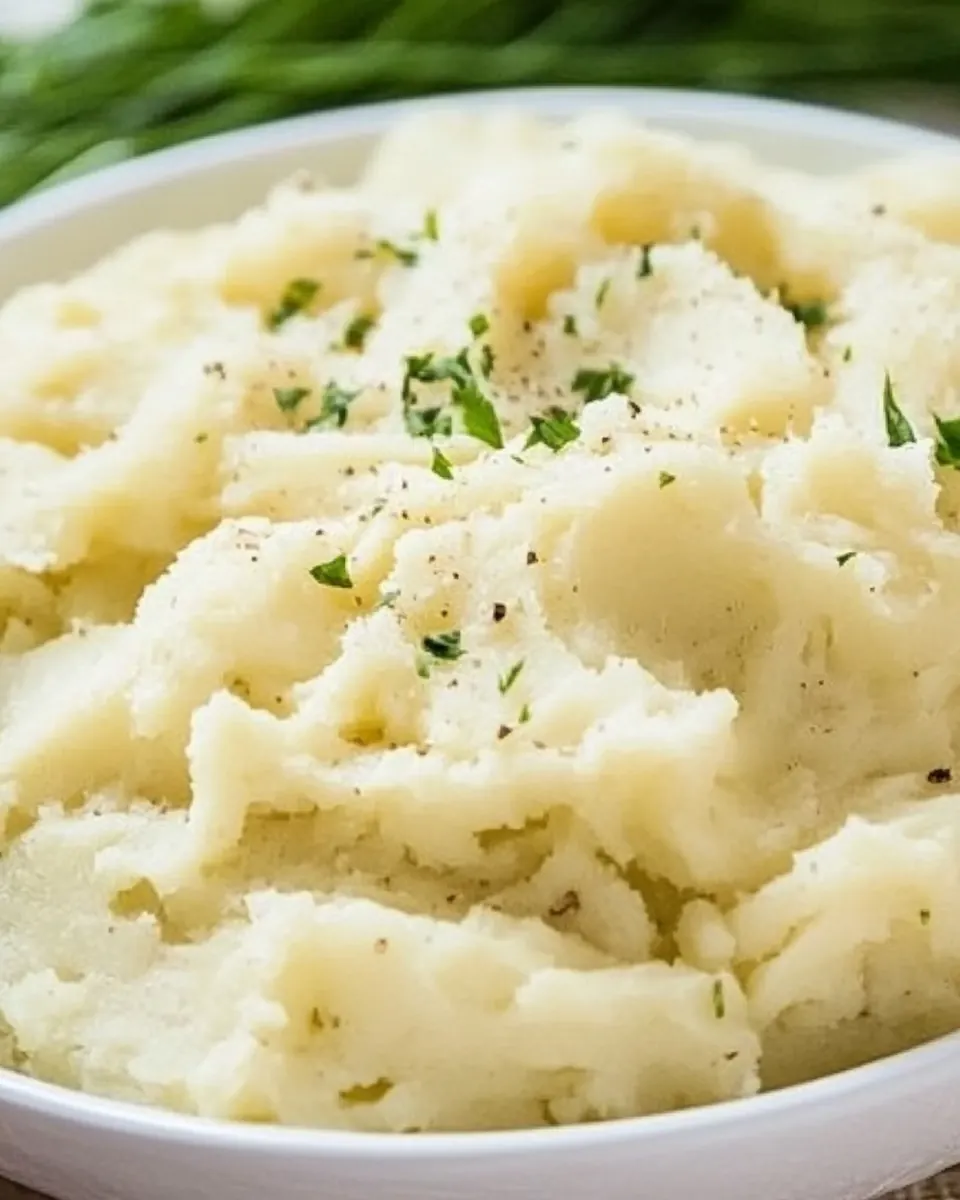
I think of these ingredients as a small team that each has a distinct job. The starchy russet potatoes provide structure and body. The warm milk smooths and loosens the texture, while butter adds richness and gloss. A measured sprinkle of salt and a little pepper bring the whole dish into harmony without masking the potato’s gentle flavor.
- 4 pounds russet potatoes, peeled and cut into 1-inch pieces: Provide a starchy, fluffy base that becomes light when whipped; these potatoes should be peeled and cut into 1-inch pieces so they cook evenly and mash smoothly. Boil until tender, then drain thoroughly to avoid watery texture; ricing or mashing while hot yields the best whipped consistency.
- 1 1/2 cups whole milk: Add creamy liquid to loosen and enrich the whipped potatoes; whole milk contributes fat and moisture that makes the texture silky and smooth. Warm the milk before adding to prevent cooling the potatoes and to help the butter emulsify into a cohesive, glossy mash.
- 8 tablespoons butter, cut into 8 pieces: Contribute rich fat and flavor while aiding a silky mouthfeel; butter should be cut into pieces so it melts evenly into the hot potatoes. Incorporate gradually while whipping to create a luscious, smooth emulsion that carries seasoning and enhances richness.
- 2 teaspoons salt: Enhance and balance the overall savory profile by bringing out the natural potato flavor; salt should be added during cooking and adjusted after tasting for best results. Use measured amounts as a starting point, then taste and correct to avoid under- or over-salting.
- 1/2 teaspoon pepper: Provide subtle heat and depth to the finished dish; ground pepper adds a mild bite that complements the creamy richness. Grind fresh if possible and add sparingly, tasting as you go to achieve a balanced flavor without overpowering the potatoes.
How to Assemble Whipped Potatoes
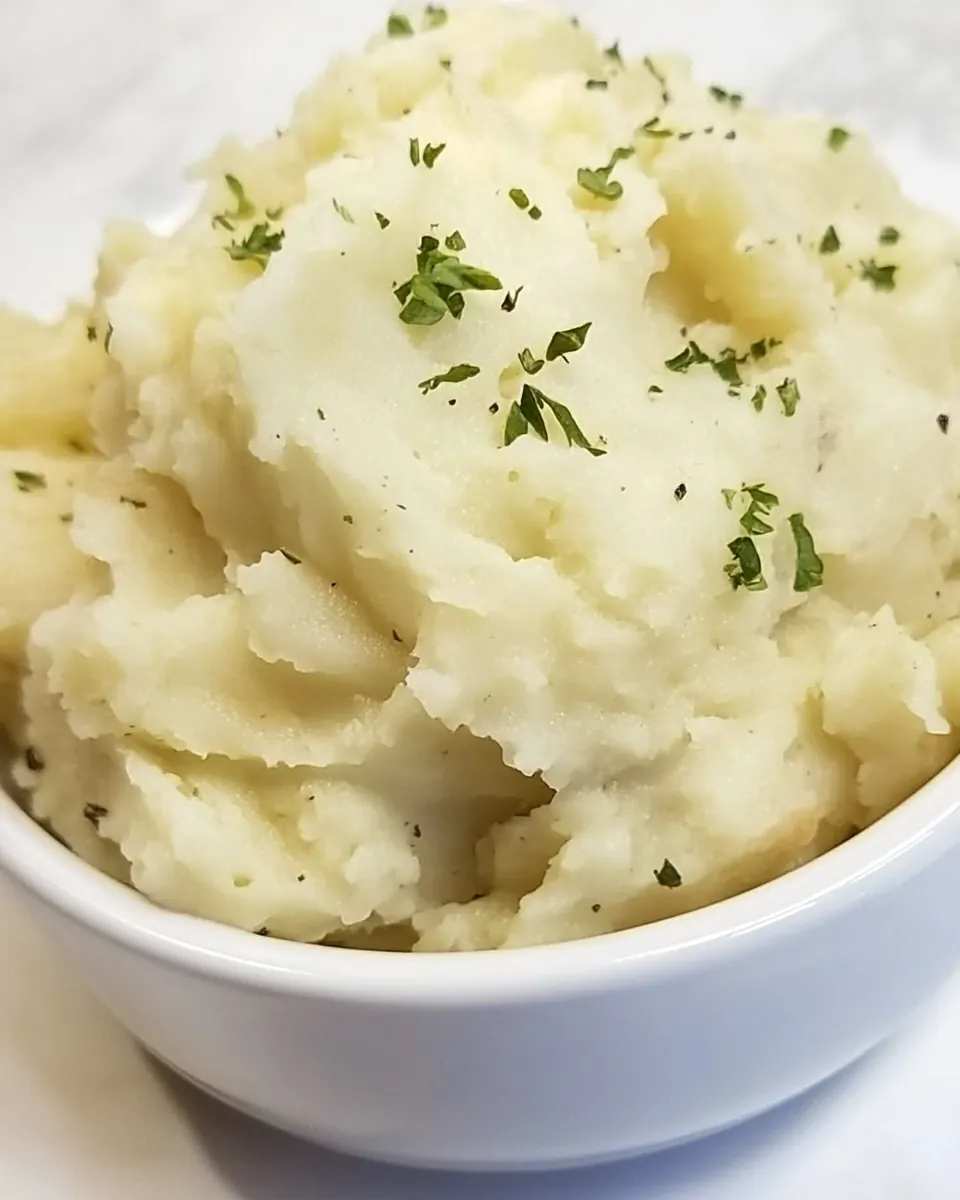
These directions focus on sensory cues and practical troubleshooting to guide you through each stage. I like to talk you through what to watch for, how it should feel and smell, and what to avoid so you get consistently great results.
- Place potatoes in a colander and rinse under cold water for 1 minute. Drain.: You will notice the surface starch rinsing away which helps prevent clumping during cooking, and the potatoes should feel cool and free of excess grit. This step lays the groundwork for an even texture later on. A common issue is not rinsing thoroughly, leaving residual starch that can make the finished potatoes gluey rather than light and fluffy. Make sure to move the pieces around so water reaches all sides.
- Fill a Dutch oven with 1 inch of water and place a steamer basket inside. Add potatoes to steamer basket, place Dutch oven over high heat with lid on top until water comes to a boil. Once water comes to a boil, reduce heat to medium and cook 20 to 25 minutes, until potatoes are fork tender.: You will hear the water come to a steady vigorous simmer, and then a softer rolling sound as it reduces to medium heat. Steam envelops the potatoes creating a gentle, moist heat that preserves texture and flavor better than direct boiling. The aroma is faintly earthy as the potatoes near doneness. Missing the fork tender cue is the main pitfall, so test several pieces in the center to confirm they break apart easily. Overcooking can cause them to fall apart into waterlogged bits while undercooking leaves lumps.
- While potatoes are cooking, place milk, butter, salt, and pepper in a medium saucepan and heat over medium-low until butter is melted. Keep warm.: As the butter melts into the milk you will see small ribbons of fat blending into the liquid, and a soft milky steam will rise. Keeping this mixture warm ensures it integrates smoothly when added to the potatoes. If the milk boils, it can create a skin or separate the butter, affecting texture and gloss. Keep the heat gentle and stir occasionally to maintain an even temperature.
- Drain potatoes and return to Dutch oven. Place over low heat to evaporate any water.: You will hear a faint hiss as the remaining surface moisture evaporates, and you may see tiny droplets on the pot turning to steam. This drying step concentrates the potato and prevents diluted mash. A frequent mistake is skipping this step and ending up with watery, loose potatoes that never thicken properly. Keep them over low heat and toss gently to release trapped steam.
- Place potatoes in the bowl of an electric mixer and using a whisk attachment, turn mixer on LOW for 30 seconds to break up potatoes.: The potatoes will start to crumble and settle into a cohesive mass, with a soft dull thump as the whisk moves through them. This initial low speed prevents overworking the starch while breaking pieces into a uniform base. Too much speed too soon can make the texture gummy. Start slow and listen for the sound to change from clunking to a gentle mashing rhythm.
- With mixer on LOW, slowly add milk mixture.: As you stream in the warm milk and melted butter , you will feel the potatoes loosen and the mixture become glossy. The aroma grows richer and more buttery. Adding too quickly can create splatters or cause the potatoes to seize and become gluey, so take your time. Stop if you see pooling liquid and allow it to incorporate before continuing.
- Once milk mixture has been added, turn mixer to HIGH for about 2 minutes, until no lumps remain. Serve.: The final high speed work whips air into the potatoes, yielding a light, cloud like texture and a shiny finish. You should see a consistent, lump free surface and smell the full buttered aroma. Be careful not to overmix beyond this stage because extended whipping will activate starch and make the potatoes gummy. Serve immediately while warm for the best mouthfeel and presentation.
How to Switch It Up
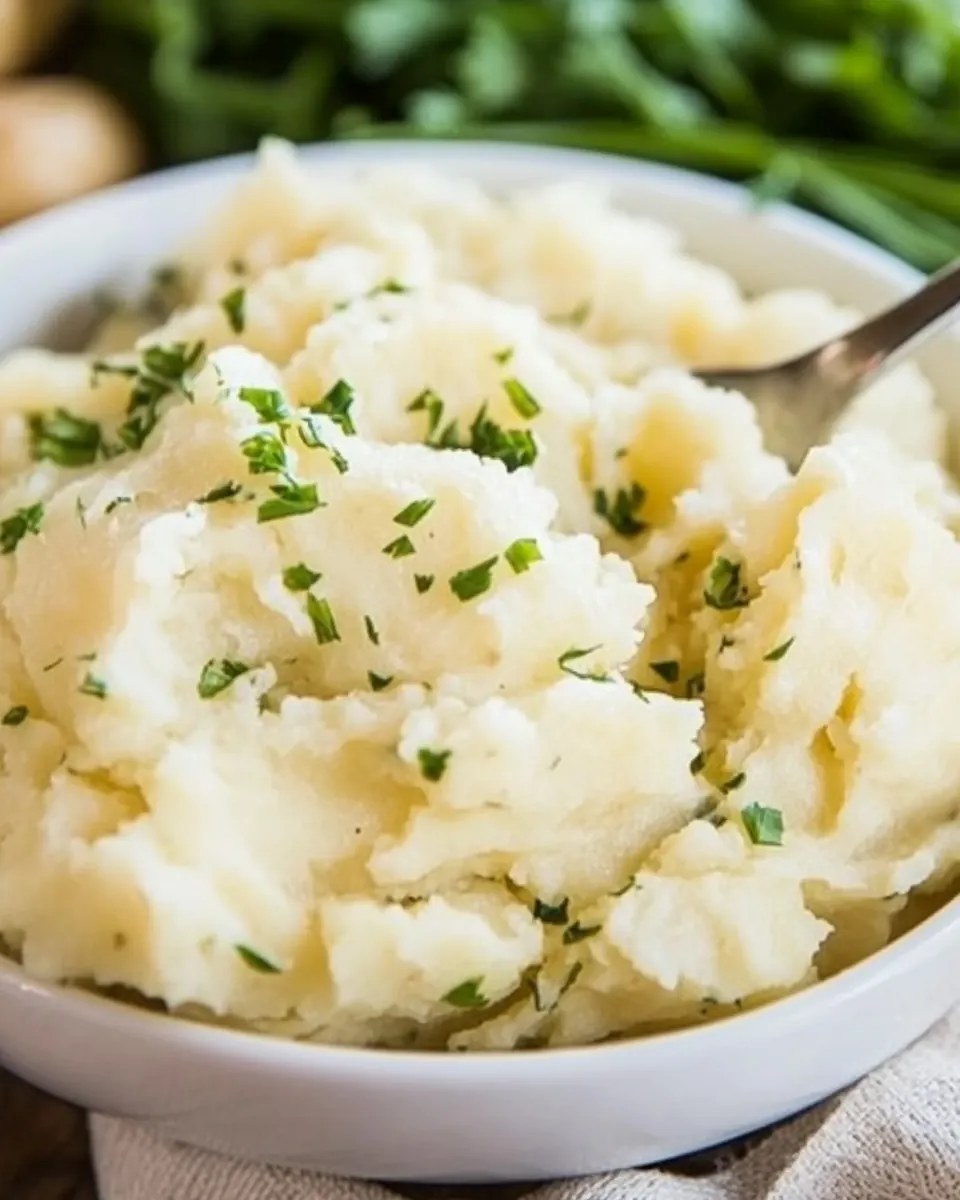
There are small ways to vary Whipped Potatoes while keeping the core technique intact. The list below outlines practical ideas you can use to tailor texture and flavor for different meals and occasions.
- Richer finish: If you prefer a more indulgent mouthfeel, gently warm extra pieces of butter into the milk and add gradually so the potatoes become silkier without separating.
- Lighter texture: Reduce the amount of warm milk slightly and whip just until blended, this will keep a more rustic, spoonable body instead of a cloud like finish.
- Seasoning control: Add a portion of the salt to the steaming water and reserve some to taste at the end, so you can adjust seasoning precisely after mixing.
- Temperature tips: Keep the milk mixture warm but not boiling, because overheating can alter the emulsion and leave you with a greasy sheen rather than a glossy, smooth texture.
- Batch timing: If making ahead, slightly under whip and reheat gently with a little warmed milk while stirring to revive the texture before serving.
Serving Ideas for Whipped Potatoes
Whipped Potatoes are a natural centerpiece for many meals, and they adapt beautifully to seasonal menus and different portion sizes. Below are detailed serving suggestions and storage guidance to help you plan when to make them and how to present them.
- Classic dinner pairing: Serve a generous scoop next to roasted or braised mains, letting the potatoes soak up pan juices and provide a comforting counterpoint.
- Holiday table: Present in a warmed serving bowl with a few dots of melted butter and a light grind of pepper on top for an elegant, family friendly side that fits festive menus.
- Weeknight meals: Keep portions modest and pair with a bright vegetable to balance the richness, making it a practical option for easy weeknight dinners.
- Make ahead and reheating: Store cooled potatoes in an airtight container in the refrigerator for up to three days, and rewarm gently on the stovetop with a splash of warm milk while stirring to restore creaminess.
- Seasonal adjustments: In winter I serve larger portions to match heartier mains, while in spring a smaller scoop works well alongside lighter proteins and salads.
FAQ
Conclusion
Whipped Potatoes shine because they transform a few humble ingredients into a luxuriously smooth, buttery side that feels special yet is simple to make. The combination of steaming, warming the milk and butter, and careful whipping produces a texture that is both light and comforting. Give this recipe a try when you want a dependable, crowd pleasing side that complements many mains. You might find it becomes a go to for weeknight dinners and holiday gatherings alike, due to its ease and consistent deliciousness.
Whipped Potatoes
Equipment
- Steam Basket
- Hand Held Mixer
Ingredients
- 4 pounds russet potatoes, peeled and cut into 1-inch pieces Provide a starchy, fluffy base that becomes light when whipped; these potatoes should be peeled and cut into 1-inch pieces so they cook evenly and mash smoothly. Boil until tender, then drain thoroughly to avoid watery texture; ricing or mashing while hot yields the best whipped consistency.
- 1 1/2 cups whole milk Add creamy liquid to loosen and enrich the whipped potatoes; whole milk contributes fat and moisture that makes the texture silky and smooth. Warm the milk before adding to prevent cooling the potatoes and to help the butter emulsify into a cohesive, glossy mash.
- 8 tablespoons butter, cut into 8 pieces Contribute rich fat and flavor while aiding a silky mouthfeel; butter should be cut into pieces so it melts evenly into the hot potatoes. Incorporate gradually while whipping to create a luscious, smooth emulsion that carries seasoning and enhances richness.
- 2 teaspoons salt Enhance and balance the overall savory profile by bringing out the natural potato flavor; salt should be added during cooking and adjusted after tasting for best results. Use measured amounts as a starting point, then taste and correct to avoid under- or over-salting.
- 1/2 teaspoon pepper Provide subtle heat and depth to the finished dish; ground pepper adds a mild bite that complements the creamy richness. Grind fresh if possible and add sparingly, tasting as you go to achieve a balanced flavor without overpowering the potatoes.
Instructions
- Place potatoes in a colander and rinse under cold water for 1 minute. Drain.: You will notice the surface starch rinsing away which helps prevent clumping during cooking, and the potatoes should feel cool and free of excess grit. This step lays the groundwork for an even texture later on. A common issue is not rinsing thoroughly, leaving residual starch that can make the finished potatoes gluey rather than light and fluffy. Make sure to move the pieces around so water reaches all sides.
- Fill a Dutch oven with 1 inch of water and place a steamer basket inside. Add potatoes to steamer basket, place Dutch oven over high heat with lid on top until water comes to a boil. Once water comes to a boil, reduce heat to medium and cook 20 to 25 minutes, until potatoes are fork tender.: You will hear the water come to a steady vigorous simmer, and then a softer rolling sound as it reduces to medium heat. Steam envelops the potatoes creating a gentle, moist heat that preserves texture and flavor better than direct boiling. The aroma is faintly earthy as the potatoes near doneness. Missing the fork tender cue is the main pitfall, so test several pieces in the center to confirm they break apart easily. Overcooking can cause them to fall apart into waterlogged bits while undercooking leaves lumps.
- While potatoes are cooking, place milk, butter, salt, and pepper in a medium saucepan and heat over medium-low until butter is melted. Keep warm.: As the butter melts into the milk you will see small ribbons of fat blending into the liquid, and a soft milky steam will rise. Keeping this mixture warm ensures it integrates smoothly when added to the potatoes. If the milk boils, it can create a skin or separate the butter, affecting texture and gloss. Keep the heat gentle and stir occasionally to maintain an even temperature.
- Drain potatoes and return to Dutch oven. Place over low heat to evaporate any water.: You will hear a faint hiss as the remaining surface moisture evaporates, and you may see tiny droplets on the pot turning to steam. This drying step concentrates the potato and prevents diluted mash. A frequent mistake is skipping this step and ending up with watery, loose potatoes that never thicken properly. Keep them over low heat and toss gently to release trapped steam.
- Place potatoes in the bowl of an electric mixer and using a whisk attachment, turn mixer on LOW for 30 seconds to break up potatoes.: The potatoes will start to crumble and settle into a cohesive mass, with a soft dull thump as the whisk moves through them. This initial low speed prevents overworking the starch while breaking pieces into a uniform base. Too much speed too soon can make the texture gummy. Start slow and listen for the sound to change from clunking to a gentle mashing rhythm.
- With mixer on LOW, slowly add milk mixture.: As you stream in the warm milk and melted butter , you will feel the potatoes loosen and the mixture become glossy. The aroma grows richer and more buttery. Adding too quickly can create splatters or cause the potatoes to seize and become gluey, so take your time. Stop if you see pooling liquid and allow it to incorporate before continuing.
- Once milk mixture has been added, turn mixer to HIGH for about 2 minutes, until no lumps remain. Serve.: The final high speed work whips air into the potatoes, yielding a light, cloud like texture and a shiny finish. You should see a consistent, lump free surface and smell the full buttered aroma. Be careful not to overmix beyond this stage because extended whipping will activate starch and make the potatoes gummy. Serve immediately while warm for the best mouthfeel and presentation.
Notes
- Richer finish: If you prefer a more indulgent mouthfeel, gently warm extra pieces of butter into the milk and add gradually so the potatoes become silkier without separating.
- Lighter texture: Reduce the amount of warm milk slightly and whip just until blended, this will keep a more rustic, spoonable body instead of a cloud like finish.
- Seasoning control: Add a portion of the salt to the steaming water and reserve some to taste at the end, so you can adjust seasoning precisely after mixing.
- Temperature tips: Keep the milk mixture warm but not boiling, because overheating can alter the emulsion and leave you with a greasy sheen rather than a glossy, smooth texture.
- Batch timing: If making ahead, slightly under whip and reheat gently with a little warmed milk while stirring to revive the texture before serving.
