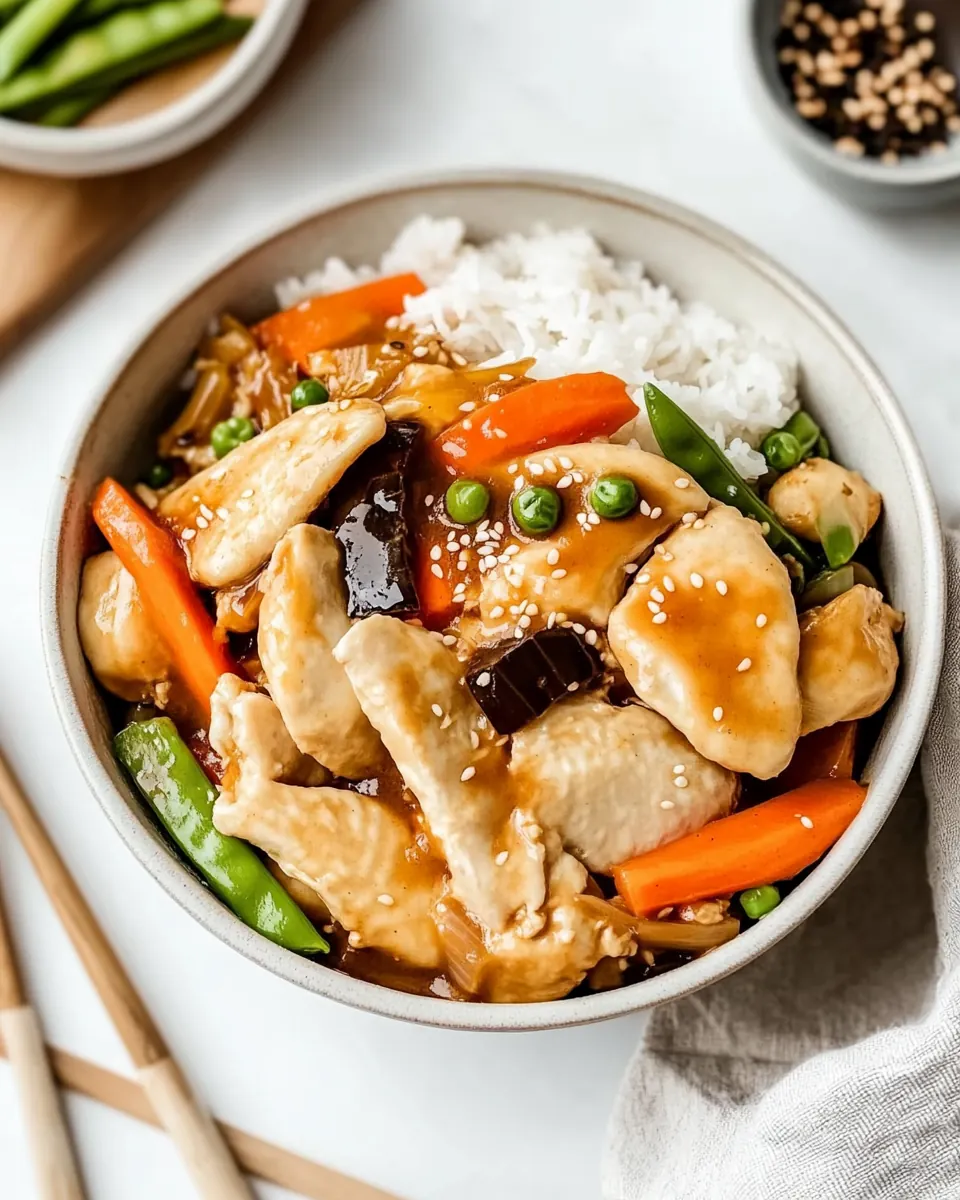
Moo Goo Gai Pan
Moo Goo Gai Pan is the kind of dish that took me back to my first week working in a busy restaurant kitchen, when I learned how simple technique and fresh produce turn humble ingredients into something memorable.
I remember racing between stations, the wok hissing as thin slices of chicken hit the oil, and how the aroma of garlic and ginger made everyone pause. Years later, that memory is why I make Moo Goo Gai Pan on nights when I want something quick, nourishing, and bright. The mix of tender chicken and crisp vegetables feels like a reset button after a long day. I love how versatile it is, and how it comes together with pantry staples and a handful of fresh produce. That contrast of textures, and the silky, slightly sweet sauce, is what keeps me coming back to this recipe.
When I cook Moo Goo Gai Pan for friends, it becomes a little performance, flipping mushrooms and tossing snow peas so they stay vibrant. It is one of those meals that is easy to scale, and it always looks impressive on the table. Over the years I have tweaked the seasoning to find the balance I love, and in this version you get bright garlic and ginger notes, gentle umami from soy sauce, and a glossy finish from a touch of cornstarch. Whether you are feeding a family or just making dinner for one, this dish is reliable, comforting, and quick to prepare.
Recipe Snapshot
30 mins
15 mins
15 mins
Medium
300 kcal
Chinese
Gluten-Free, Low FODMAP
Dinner
Large skillet, Wok, Mixing bowl, Whisk, Tongs
What’s Great About This Moo Goo Gai Pan
Bright, Balanced Flavor
I adore how Moo Goo Gai Pan balances savory soy sauce with a hint of sweetness from brown sugar, and aromatic lift from grated ginger. Each bite hits lightly seasoned chicken alongside crisp vegetables, giving a pleasing contrast rather than a one note sauce.
Quick Weeknight Victory
We can have this on the table in well under an hour, which makes it a weekday favorite. The prep is straightforward, and the actual cook time moves fast, so it is perfect when you want an easy weeknight dinner without sacrificing flavor.
Texture Play
The mix of tender sliced chicken, snappy snow peas, crunchy water chestnuts, and meaty mushrooms gives every forkful an interesting mouthfeel. I always aim for crisp tender vegetables, and that slight chew from bamboo shoots keeps the dish satisfying.
Pantry Friendly
Most of the flavor comes from staples like soy sauce, cornstarch, and sesame oil. I love that you can pull this together with items you likely already have, making it reliable when plans change or the grocery run gets delayed.
Family Friendly and Flexible
Because the seasoning is clean and adaptable, everyone at the table can customize with garnishes like chopped green onions and sesame seeds. I often let people add a little more soy sauce or a drizzle of sesame oil at the end for their preferred balance.
Ingredient List for Moo Goo Gai Pan
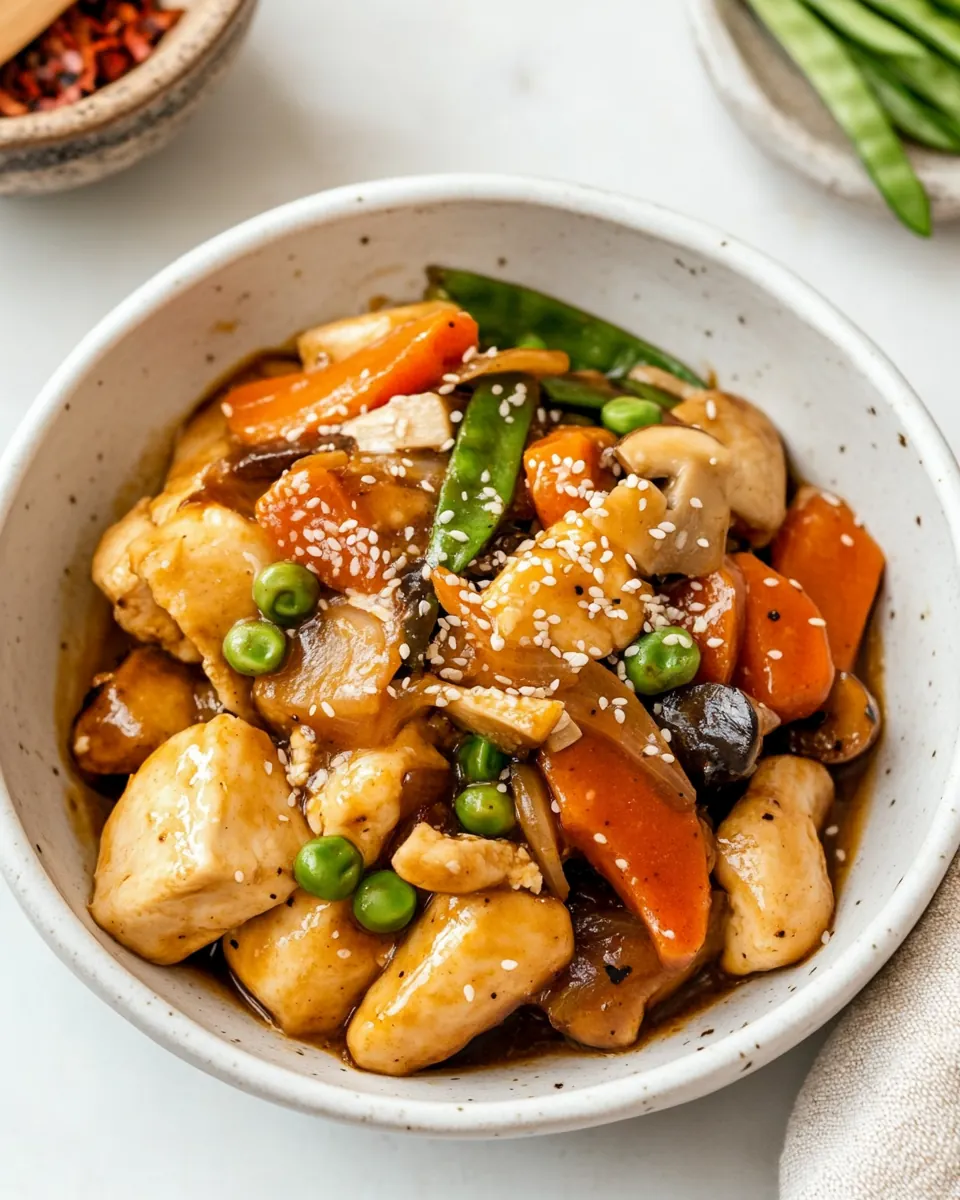
These ingredients come together to create a dish that is about harmony. The key players are the thinly sliced chicken for protein, an assortment of vegetables for texture and color, and a simple sauce that ties it all together. Each component plays a role, from the glossy finish created by cornstarch to the nutty lift of sesame oil.
- 1 pound boneless, skinless chicken breasts, thinly sliced against the grain: Sliced thinly against the grain to ensure tender, quick-cooking chicken that soaks up sauces; provides the primary protein and body of the dish. Season lightly and cook briefly over high heat to retain juiciness and avoid toughness.
- 1 teaspoon Morton kosher salt: Added in measured amount to enhance overall seasoning and bring out savory flavors; helps balance sweetness and umami in the stir-fry. Dissolve into marinades or sauces to distribute saltiness evenly.
- 1/2 teaspoon black pepper: Ground to provide a mild, warm pungency that rounds out savory flavors; helps brighten and lift other seasonings without overpowering. Sprinkled lightly for subtle heat and aromatic depth.
- 1/2 teaspoon garlic powder: Used sparingly to add a gentle garlic aroma and background savoriness without overpowering fresh garlic; aids in building complexity in the marinade. Often combined with wet seasonings to cling to the chicken.
- 1 tablespoon soy sauce: Contributes umami and saltiness while adding a light soy flavor that ties the dish together; useful both in the chicken marinade and the stir-fry sauce. Adds color and depth to the finished dish.
- 1 tablespoon cornstarch: Mixed with soy sauce to create a thin marinade that tenderizes and helps sauce adhere to the chicken; forms a slight coating for crisp searing. Also aids in thickening when cooked with liquid.
- 2 tablespoons olive oil: Used to heat the wok or skillet and prevent sticking while imparting a mild fruity flavor; suitable for high-heat stir-frying. Adds a moderate amount of fat to carry aromatics and sauce flavors.
- 2 tablespoons olive oil: Added as a second portion of cooking oil to ensure sufficient fat for stir-frying both chicken and vegetables; helps maintain high cooking temperatures. Provides lubrication and aids in even browning.
- 2 large carrots, thinly sliced: Cut thinly to cook quickly and provide a sweet, earthy crunch and bright color contrast; balances textures with the softer mushrooms and chicken. Adds natural sweetness and visual appeal to the plate.
- 1 cup snow peas: Included for a crisp snap and fresh, slightly sweet flavor that complements richer components; cooks very quickly and retains vibrant color. Adds lightness and textural contrast to the stir-fry.
- 1 can (8 ounce) sliced water chestnuts, drained: Drained and added for a mild, slightly sweet crunch that provides unique texture and subtle earthiness; does not require additional cooking. Contributes pleasant bite and pairs well with mushrooms and bamboo shoots.
- 8 ounces fresh mushrooms, sliced: Sliced to offer an earthy, savory, and slightly meaty component that absorbs sauces well; adds bulk and umami richness to the stir-fry. Releases moisture when cooked, enhancing overall sauciness and depth.
- 1 can (8 ounces) sliced bamboo shoots, drained: Drained and incorporated for a tender, slightly sweet, and fibrous texture that complements the vegetables and absorbs sauce; provides traditional flavor profile. Adds visual contrast and pleasant chewiness.
- 1 large clove garlic, minced: Minced to release pungent, aromatic oils that provide immediate savory lift and fragrance during high-heat cooking; used in both the stir-fry and sauce steps. Enhances the overall aromatic profile of the dish.
- 2 tablespoons soy sauce: Added to the sauce or stir-fry to contribute additional salty umami and deepen flavor layers; works with soy-based seasonings to amplify savory notes. Helps meld together tastes of vegetables and protein.
- 2 large cloves garlic, minced: Minced to add a more pronounced garlic presence and aromatic intensity later in cooking; used where a stronger garlic flavor is desired. Provides bold flavor bursts without overpowering when used judiciously.
- 1 tablespoon grated ginger root: Grated to release fresh, bright ginger oils that add warm, peppery, and slightly citrusy notes; balances richness and adds complexity. Used to brighten the sauce and complement garlic and soy.
- 1/2 cup low-sodium chicken broth: Poured in to create a flavorful cooking liquid and base for the sauce; contributes savory depth while keeping sodium lower than regular broth. Helps deglaze the pan and distribute flavors evenly.
- 1/2 tablespoon cornstarch: Combined as a slurry to thicken the sauce and give it a glossy, clingy texture that coats ingredients; activates with heat to produce a smooth finish. Measured precisely to avoid over-thickening while ensuring proper consistency.
- 1/2 tablespoon brown sugar: Added for a hint of sweetness to balance savory and salty elements in the sauce; enhances caramelization and rounds flavors. Used in small quantity to avoid making the dish overtly sweet.
- 1 tablespoon sesame oil: Drizzled in at the end to add a toasty, nutty aroma and concentrated flavor that elevates the finished dish; a small amount goes a long way. Provides a distinctive savory note that complements soy and ginger.
- chopped green onions and sesame seeds, garnish: Chopped and sprinkled as a finishing garnish to add fresh oniony brightness and visual contrast, while sesame seeds contribute nutty crunch and aroma; both enhance presentation. Used sparingly to elevate texture, color, and flavor.
The Process for Making Moo Goo Gai Pan
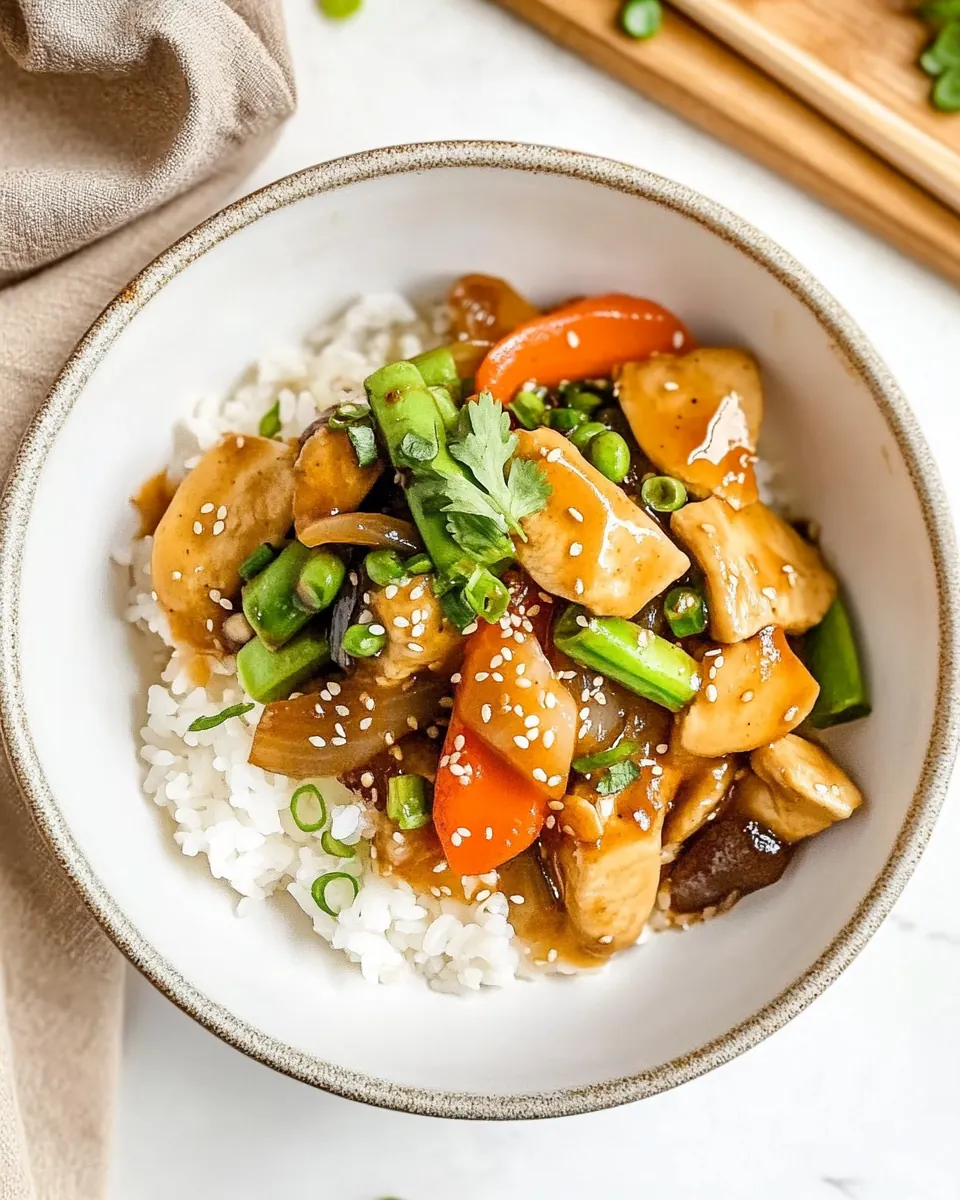
This is a conversational guide to cooking that walks you through each stage with sensory cues and troubleshooting. The aim is to keep the action moving quickly, preserve the vegetables crispness, and build layers of flavor so your Moo Goo Gai Pan comes out glossy and balanced.
- In a medium bowl, combine chicken with salt, black pepper, garlic powder, soy sauce, and cornstarch. Toss well to coat chicken evenly.: From the moment you mix these elements you will notice the chicken taking on a light sheen, the cornstarch helping the pieces to feel slightly dry on the surface, which is ideal for searing. The aroma of garlic powder and black pepper will begin to layer in, giving a savory promise. I press the seasoning into the slices with my hands so each piece has consistent coverage, which helps them brown uniformly when they hit the hot pan. A common mistake here is overcrowding the bowl or cutting uneven slices, which leads to some pieces overcooking while others remain underdone; aim for even thickness. Let the seasoned meat rest for a few minutes so the flavors marry, but avoid leaving it too long in salty liquids which can draw out moisture.
- In a large skillet or wok, heat 2 tablespoons olive oil over medium-high heat.: You will see a shimmer on the surface of the olive oil when it is hot enough, and a small drop of water will sizzle and evaporate quickly. A properly heated pan ensures a quick sear that creates a savory crust and seals juices inside the chicken . Tilt the pan to coat the bottom with oil so every piece gets contact. If the oil smokes heavily, reduce the heat slightly to avoid burnt flavors. A frequent error is not preheating the pan, which causes sticking and pale, steamed meat rather than a nicely browned exterior.
- Add seasoned chicken and cook until nicely browned and cooked through, about 3-4 minutes per side. Remove chicken from skillet and set aside.: As the chicken sizzles, listen for a steady sear sound that signals proper browning. The meat should develop golden edges and caramelized bits where it touches the pan, adding deep flavor. Use tongs to flip gently to protect the tender slices. Once cooked through, transfer to a warm plate so it rests briefly; this keeps juices locked in. Avoid cutting into pieces immediately, which releases moisture. If you notice the pan becoming crowded and the chicken steaming instead of searing, do smaller batches.
- In same skillet, add 2 tablespoons olive oil.: Adding fresh olive oil resets the fat layer for vegetables, enabling them to brown slightly and pick up those caramelized bits left by the meat. You will smell the lingering savory notes from the browned chicken mixing with the oil, which creates a flavorful base. Heat until the oil shimmers, then add vegetables promptly. Be careful not to let the oil get too hot, which can burn aromatics; moderate heat keeps the vegetables crisp tender.
- Add carrots and sauté for 1-2 minutes. Stir in snow peas and water chestnuts, then add mushrooms, bamboo shoots, and garlic. Stir-fry for 5-6 minutes, or just until the vegetables are crisp-tender.: As you stir, notice the pop of color as the carrots and snow peas brighten, and the mushrooms will release moisture that evaporates, concentrating their flavor. The combination of textures becomes evident when the water chestnuts remain crisp while other vegetables soften; that contrast is crucial. Use a spatula to keep everything moving so nothing sticks, and taste a piece to check for tenderness. A typical slip is overcooking; aim for crisp-tender vegetables to maintain that lively mouthfeel.
- While vegetables are cooking, make the sauce. In a small bowl, whisk together soy sauce, garlic, ginger, chicken broth, cornstarch, brown sugar, and sesame oil.: The sauce should go together with a smooth, glossy consistency once the cornstarch is fully dissolved. You will notice the sweet scent of brown sugar blending with the warm spice of ginger , and the mixture should be pourable yet ready to thicken. Whisking thoroughly prevents lumps and ensures even thickening later. If you skip dissolving the cornstarch properly, the sauce can end up with gritty pockets, so take a moment to blend until silky.
- Return cooked chicken to skillet with the vegetables.: When the chicken rejoins the pan it will release some of its retained juices and reconnect with the vegetables, creating a cohesive mix. You should see steam rise and hear a soft sizzle as the components come together, and the flavors begin to mingle. Stir gently to distribute the pieces without breaking them up, preserving texture. A common oversight is adding the sauce before the chicken returns, which can cause uneven coating; bringing the meat back first helps the sauce adhere evenly.
- Pour Moo Goo Gai Pan sauce over chicken and vegetables. Stir to combine. Then allow the sauce to thicken, about 2 minutes.: As the sauce hits the hot pan it will bubble and quickly start to thicken; watch for it to become glossy and cling to the chicken and vegetables. The aroma will intensify, and you can see the colors deepen under the glaze. Stir in short bursts to coat everything evenly and avoid breaking delicate pieces. If the sauce thickens too quickly or becomes gluey, a splash of chicken broth will loosen it. Do not overcook here, as extended heat can dull fresh flavors and make the vegetables soft.
- Serve hot, garnished with green onions and sesame seeds.: The final touch of chopped green onions adds a bright, fresh note, and toasted sesame seeds lend a nutty crunch. Serve immediately while hot so the sauce remains glossy and the vegetables keep their texture. Arrange on a warm platter for best presentation. A mistake I sometimes see is letting the dish sit too long before serving, which causes the vegetables to soften and the glaze to set; serve promptly for peak texture and aroma.
Helpful Notes about Moo Goo Gai Pan
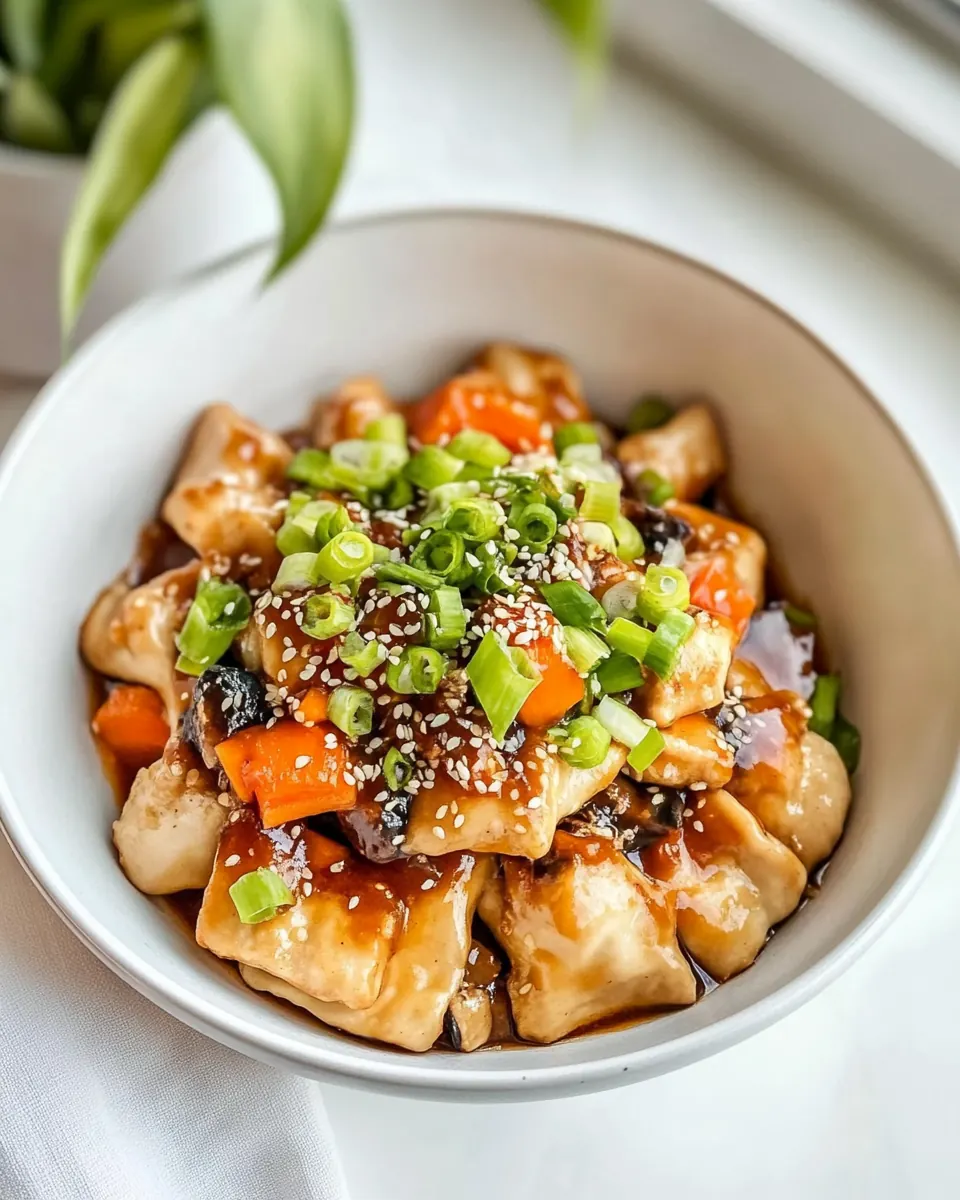
This section gathers practical notes and expansion on the simple instructions above. I include ideas for timing, substitutions within the allowed ingredients, and ways to make the cooking flow smoother for busy cooks.
- Prep for speed, slice all vegetables and chicken before you heat the pan so the stir fry moves quickly and nothing overcooks.
- Temperature control, maintain medium high heat so you get a good sear on the chicken and the vegetables remain crisp, lowering only if the oil smokes excessively.
- Double oil technique, using oil for the meat and a fresh portion for the vegetables prevents burning and carries flavor from the browned bits into the veggies.
- Sauce balance, taste the sauce before adding and adjust a touch of brown sugar or soy sauce to suit your salt and sweetness preference.
- Garnish last, add chopped green onions and sesame seeds right before serving to keep their texture and color vibrant.
Great Combinations for Moo Goo Gai Pan
This dish pairs well with simple sides and works across many occasions. Below are serving suggestions, storage tips, and ideas for matching the meal to the moment.
- Steamed white rice, fluffy rice soaks up the glossy sauce and makes the meal more filling for dinner or family style servings.
- Basmati or jasmine rice for a fragrant accompaniment, perfect when you want an aromatic plate for guests or a quick weeknight dinner.
- Lightly steamed bok choy or other quick greens, serve on the side to add more leafy vegetables and a mild contrast to the savory sauce.
- Lunch bowls, pack cooled rice and warm Moo Goo Gai Pan separately for easy weeknight lunches that reheat well in a skillet.
- Occasion pairing, this recipe works for casual family dinners, weekday meals during Ramadan evenings, or a relaxed weekend lunch when you want something both nourishing and quick.
- Storage tips, refrigerate in an airtight container for up to three days; reheat gently on the stove with a splash of chicken broth to revive the sauce.
- Seasonal tweaks, this is evergreen, but in spring use the freshest peas and young carrots for the brightest taste.
FAQ
Conclusion
This version of Moo Goo Gai Pan shines because it balances tender, seasoned chicken with crisp vegetables and a glossy, well rounded sauce. Give it a try on a busy weeknight when you want something quick but satisfying, or serve it for guests when you want a meal that feels composed without fuss. When you cook it once, you will see how simple techniques like proper searing and timing the vegetables transform familiar ingredients into a dish that is both comforting and lively. I hope this becomes one of your regular weeknight go to recipes.
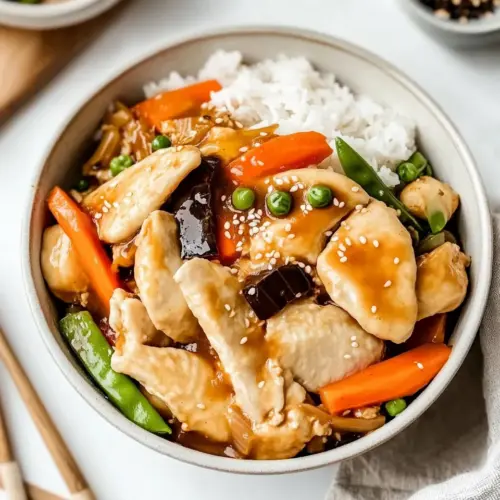
Moo Goo Gai Pan
Equipment
- Large Skillet
- Wok
- Mixing Bowl
- Whisk
- Tongs
Ingredients
- 1 pound boneless, skinless chicken breasts, thinly sliced against the grain Sliced thinly against the grain to ensure tender, quick-cooking chicken that soaks up sauces; provides the primary protein and body of the dish. Season lightly and cook briefly over high heat to retain juiciness and avoid toughness.
- 1 teaspoon Morton kosher salt Added in measured amount to enhance overall seasoning and bring out savory flavors; helps balance sweetness and umami in the stir-fry. Dissolve into marinades or sauces to distribute saltiness evenly.
- 1/2 teaspoon black pepper Ground to provide a mild, warm pungency that rounds out savory flavors; helps brighten and lift other seasonings without overpowering. Sprinkled lightly for subtle heat and aromatic depth.
- 1/2 teaspoon garlic powder Used sparingly to add a gentle garlic aroma and background savoriness without overpowering fresh garlic; aids in building complexity in the marinade. Often combined with wet seasonings to cling to the chicken.
- 1 tablespoon soy sauce Contributes umami and saltiness while adding a light soy flavor that ties the dish together; useful both in the chicken marinade and the stir-fry sauce. Adds color and depth to the finished dish.
- 1 tablespoon cornstarch Mixed with soy sauce to create a thin marinade that tenderizes and helps sauce adhere to the chicken; forms a slight coating for crisp searing. Also aids in thickening when cooked with liquid.
- 2 tablespoons olive oil Used to heat the wok or skillet and prevent sticking while imparting a mild fruity flavor; suitable for high-heat stir-frying. Adds a moderate amount of fat to carry aromatics and sauce flavors.
- 2 tablespoons olive oil Added as a second portion of cooking oil to ensure sufficient fat for stir-frying both chicken and vegetables; helps maintain high cooking temperatures. Provides lubrication and aids in even browning.
- 2 large carrots, thinly sliced Cut thinly to cook quickly and provide a sweet, earthy crunch and bright color contrast; balances textures with the softer mushrooms and chicken. Adds natural sweetness and visual appeal to the plate.
- 1 cup snow peas Included for a crisp snap and fresh, slightly sweet flavor that complements richer components; cooks very quickly and retains vibrant color. Adds lightness and textural contrast to the stir-fry.
- 1 can (8 ounce) sliced water chestnuts, drained Drained and added for a mild, slightly sweet crunch that provides unique texture and subtle earthiness; does not require additional cooking. Contributes pleasant bite and pairs well with mushrooms and bamboo shoots.
- 8 ounces fresh mushrooms, sliced Sliced to offer an earthy, savory, and slightly meaty component that absorbs sauces well; adds bulk and umami richness to the stir-fry. Releases moisture when cooked, enhancing overall sauciness and depth.
- 1 can (8 ounces) sliced bamboo shoots, drained Drained and incorporated for a tender, slightly sweet, and fibrous texture that complements the vegetables and absorbs sauce; provides traditional flavor profile. Adds visual contrast and pleasant chewiness.
- 1 large clove garlic, minced Minced to release pungent, aromatic oils that provide immediate savory lift and fragrance during high-heat cooking; used in both the stir-fry and sauce steps. Enhances the overall aromatic profile of the dish.
- 2 tablespoons soy sauce Added to the sauce or stir-fry to contribute additional salty umami and deepen flavor layers; works with soy-based seasonings to amplify savory notes. Helps meld together tastes of vegetables and protein.
- 2 large cloves garlic, minced Minced to add a more pronounced garlic presence and aromatic intensity later in cooking; used where a stronger garlic flavor is desired. Provides bold flavor bursts without overpowering when used judiciously.
- 1 tablespoon grated ginger root Grated to release fresh, bright ginger oils that add warm, peppery, and slightly citrusy notes; balances richness and adds complexity. Used to brighten the sauce and complement garlic and soy.
- 1/2 cup low-sodium chicken broth Poured in to create a flavorful cooking liquid and base for the sauce; contributes savory depth while keeping sodium lower than regular broth. Helps deglaze the pan and distribute flavors evenly.
- 1/2 tablespoon cornstarch Combined as a slurry to thicken the sauce and give it a glossy, clingy texture that coats ingredients; activates with heat to produce a smooth finish. Measured precisely to avoid over-thickening while ensuring proper consistency.
- 1/2 tablespoon brown sugar Added for a hint of sweetness to balance savory and salty elements in the sauce; enhances caramelization and rounds flavors. Used in small quantity to avoid making the dish overtly sweet.
- 1 tablespoon sesame oil Drizzled in at the end to add a toasty, nutty aroma and concentrated flavor that elevates the finished dish; a small amount goes a long way. Provides a distinctive savory note that complements soy and ginger.
- chopped green onions and sesame seeds, garnish Chopped and sprinkled as a finishing garnish to add fresh oniony brightness and visual contrast, while sesame seeds contribute nutty crunch and aroma; both enhance presentation. Used sparingly to elevate texture, color, and flavor.
Instructions
- In a medium bowl, combine chicken with salt, black pepper, garlic powder, soy sauce, and cornstarch. Toss well to coat chicken evenly.: From the moment you mix these elements you will notice the chicken taking on a light sheen, the cornstarch helping the pieces to feel slightly dry on the surface, which is ideal for searing. The aroma of garlic powder and black pepper will begin to layer in, giving a savory promise. I press the seasoning into the slices with my hands so each piece has consistent coverage, which helps them brown uniformly when they hit the hot pan. A common mistake here is overcrowding the bowl or cutting uneven slices, which leads to some pieces overcooking while others remain underdone; aim for even thickness. Let the seasoned meat rest for a few minutes so the flavors marry, but avoid leaving it too long in salty liquids which can draw out moisture.
- In a large skillet or wok, heat 2 tablespoons olive oil over medium-high heat.: You will see a shimmer on the surface of the olive oil when it is hot enough, and a small drop of water will sizzle and evaporate quickly. A properly heated pan ensures a quick sear that creates a savory crust and seals juices inside the chicken . Tilt the pan to coat the bottom with oil so every piece gets contact. If the oil smokes heavily, reduce the heat slightly to avoid burnt flavors. A frequent error is not preheating the pan, which causes sticking and pale, steamed meat rather than a nicely browned exterior.
- Add seasoned chicken and cook until nicely browned and cooked through, about 3-4 minutes per side. Remove chicken from skillet and set aside.: As the chicken sizzles, listen for a steady sear sound that signals proper browning. The meat should develop golden edges and caramelized bits where it touches the pan, adding deep flavor. Use tongs to flip gently to protect the tender slices. Once cooked through, transfer to a warm plate so it rests briefly; this keeps juices locked in. Avoid cutting into pieces immediately, which releases moisture. If you notice the pan becoming crowded and the chicken steaming instead of searing, do smaller batches.
- In same skillet, add 2 tablespoons olive oil.: Adding fresh olive oil resets the fat layer for vegetables, enabling them to brown slightly and pick up those caramelized bits left by the meat. You will smell the lingering savory notes from the browned chicken mixing with the oil, which creates a flavorful base. Heat until the oil shimmers, then add vegetables promptly. Be careful not to let the oil get too hot, which can burn aromatics; moderate heat keeps the vegetables crisp tender.
- Add carrots and sauté for 1-2 minutes. Stir in snow peas and water chestnuts, then add mushrooms, bamboo shoots, and garlic. Stir-fry for 5-6 minutes, or just until the vegetables are crisp-tender.: As you stir, notice the pop of color as the carrots and snow peas brighten, and the mushrooms will release moisture that evaporates, concentrating their flavor. The combination of textures becomes evident when the water chestnuts remain crisp while other vegetables soften; that contrast is crucial. Use a spatula to keep everything moving so nothing sticks, and taste a piece to check for tenderness. A typical slip is overcooking; aim for crisp-tender vegetables to maintain that lively mouthfeel.
- While vegetables are cooking, make the sauce. In a small bowl, whisk together soy sauce, garlic, ginger, chicken broth, cornstarch, brown sugar, and sesame oil.: The sauce should go together with a smooth, glossy consistency once the cornstarch is fully dissolved. You will notice the sweet scent of brown sugar blending with the warm spice of ginger , and the mixture should be pourable yet ready to thicken. Whisking thoroughly prevents lumps and ensures even thickening later. If you skip dissolving the cornstarch properly, the sauce can end up with gritty pockets, so take a moment to blend until silky.
- Return cooked chicken to skillet with the vegetables.: When the chicken rejoins the pan it will release some of its retained juices and reconnect with the vegetables, creating a cohesive mix. You should see steam rise and hear a soft sizzle as the components come together, and the flavors begin to mingle. Stir gently to distribute the pieces without breaking them up, preserving texture. A common oversight is adding the sauce before the chicken returns, which can cause uneven coating; bringing the meat back first helps the sauce adhere evenly.
- Pour Moo Goo Gai Pan sauce over chicken and vegetables. Stir to combine. Then allow the sauce to thicken, about 2 minutes.: As the sauce hits the hot pan it will bubble and quickly start to thicken; watch for it to become glossy and cling to the chicken and vegetables. The aroma will intensify, and you can see the colors deepen under the glaze. Stir in short bursts to coat everything evenly and avoid breaking delicate pieces. If the sauce thickens too quickly or becomes gluey, a splash of chicken broth will loosen it. Do not overcook here, as extended heat can dull fresh flavors and make the vegetables soft.
- Serve hot, garnished with green onions and sesame seeds.: The final touch of chopped green onions adds a bright, fresh note, and toasted sesame seeds lend a nutty crunch. Serve immediately while hot so the sauce remains glossy and the vegetables keep their texture. Arrange on a warm platter for best presentation. A mistake I sometimes see is letting the dish sit too long before serving, which causes the vegetables to soften and the glaze to set; serve promptly for peak texture and aroma.
Notes
- Prep for speed, slice all vegetables and chicken before you heat the pan so the stir fry moves quickly and nothing overcooks.
- Temperature control, maintain medium high heat so you get a good sear on the chicken and the vegetables remain crisp, lowering only if the oil smokes excessively.
- Double oil technique, using oil for the meat and a fresh portion for the vegetables prevents burning and carries flavor from the browned bits into the veggies.
- Sauce balance, taste the sauce before adding and adjust a touch of brown sugar or soy sauce to suit your salt and sweetness preference.
- Garnish last, add chopped green onions and sesame seeds right before serving to keep their texture and color vibrant.
