Peach Melba
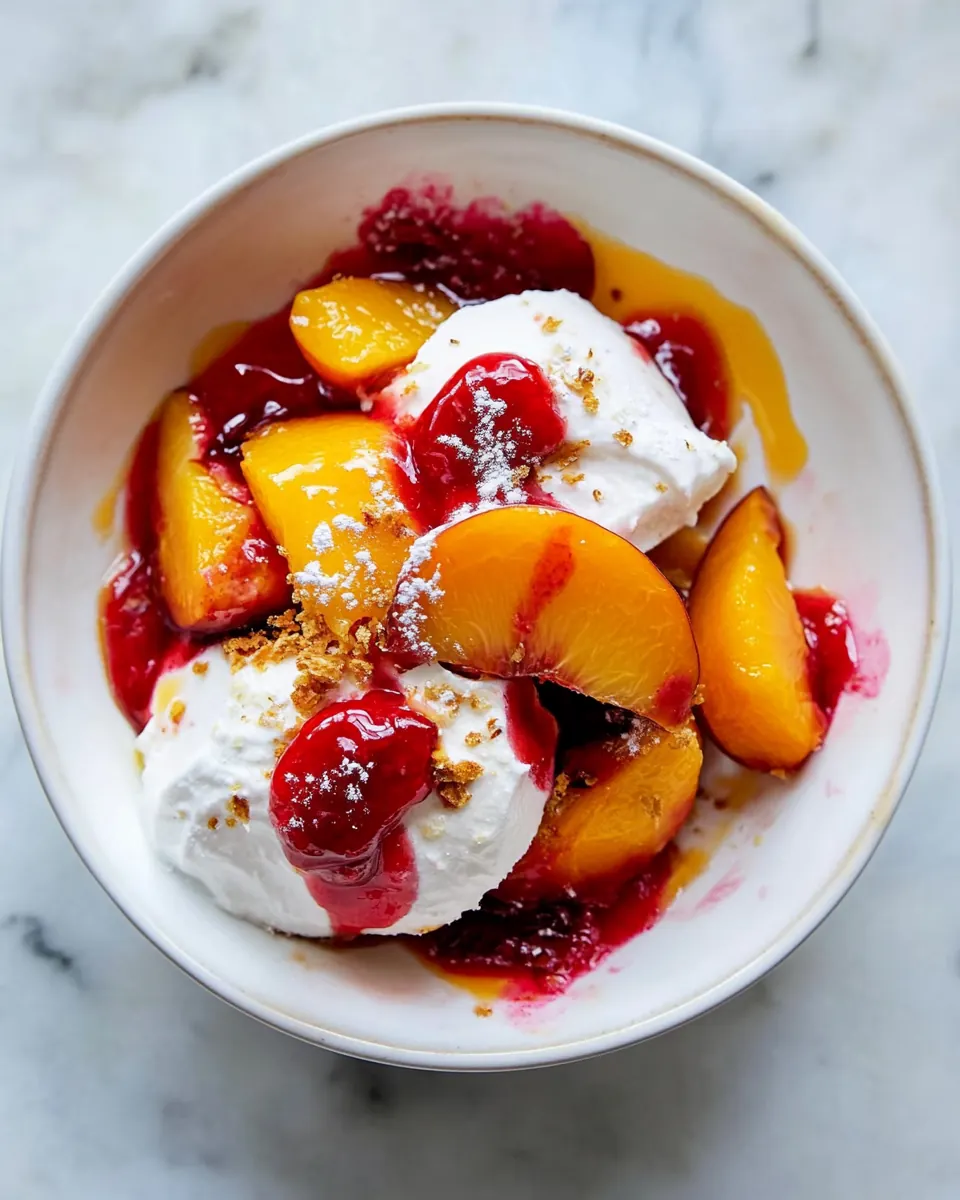
Peach Melba has always felt like summer on a plate to me, a dessert that arrives when the stone fruits are at their sweetest and the raspberries are juicy and fragrant. The first time I made Peach Melba was at a backyard dinner when a friend brought a bowl of freshly picked peaches, and I decided to roast them on the grill simply because I wanted a bit of char and a deepened sweetness. The result was magical, the warm, slightly caramelized peaches paired with a bright, silky raspberry coulis and a scoop of melting Vanilla ice cream, creating a balance of warm and cold that felt both effortless and refined.
I remember standing at the grill, the air heavy with summer heat and the faint perfume of charred fruit, thinking how a few humble ingredients could feel celebratory. Making Peach Melba taught me to trust simple techniques: blanching skins away so the fruit stays tender, grilling to coax out sugars, and straining a coulis to achieve a silky texture. Each step has a job to do, and together they make a dessert that tastes like the height of the season. Whenever I serve it, people slow down, take that first spoonful, and quiet for a moment, which is the highest compliment a dessert can earn.
Recipe Snapshot
20 mins
5 mins
15 mins
Medium
220 kcal
American
Gluten-Free, Vegan
Desserts
Grill, Large pot, Food processor or blender, Fine-mesh sieve, Bowl for ice water
What We Adore About This Peach Melba
Bright seasonal flavor
I love how Peach Melba showcases the best of summer. The combination of ripe, grilled peaches and a vibrant raspberry sauce gives you a contrast that sings on the palate. The fruit flavors remain front and center, so you get immediate seasonal impact with every bite.
Elegant but approachable
For me, this recipe hits a rare sweet spot, it looks like a restaurant dessert yet is astonishingly simple to prepare. I often bring it to gatherings because it feels fancy without demanding complicated pastry skills. That balance makes it a repeat favorite at dinner parties.
Textural harmony
One of the things I keep coming back to is the texture play. The warm, slightly charred, soft flesh of the peaches contrasts with the smooth, cold scoop of Vanilla ice cream, while the strained raspberry coulis adds a silky, bright finish. Each element supports the others, creating depth without clutter.
Flexible and forgiving
I appreciate recipes that let you adapt without penalty. Peach Melba allows room to adjust sweetness in the raspberry coulis, and you can scale the quantities easily. If a peach is a touch underripe, a few moments on the grill will coax out more flavor, so the technique is forgiving for varying fruit quality.
Celebratory, yet familiar
Every time I serve this, people recognize the comfort of fruit and ice cream, but the grilling and coulis elevate it into something memorable. It’s a dessert that works for casual weeknight endings and for festive summer dinners, which is why I keep it in my rotation.
Ingredients You’ll Need for Peach Melba
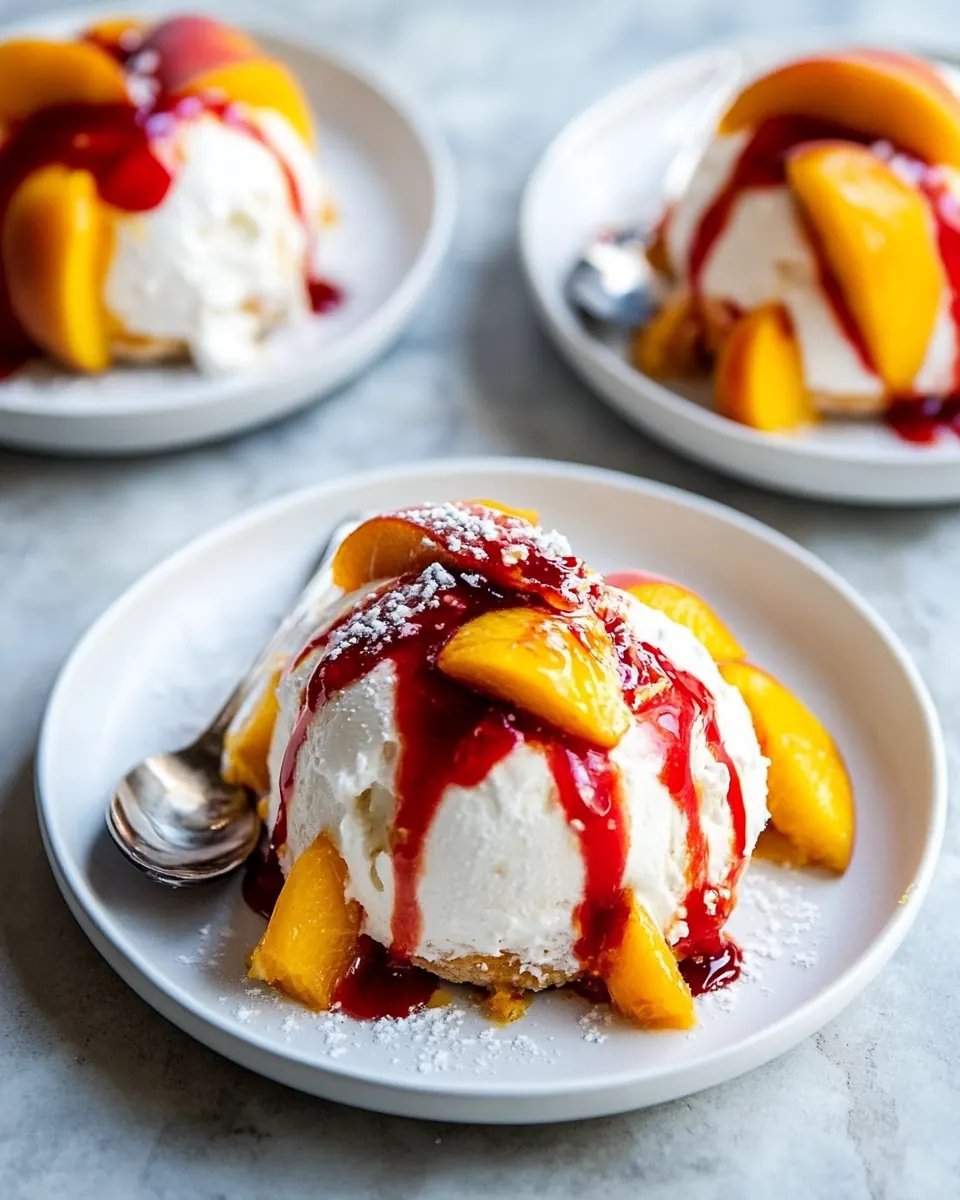
These ingredients are intentionally few, and each one plays a clear role. The raspberries provide acidity and bright color in the coulis, the powdered sugar balances tartness and helps create a smooth texture, and a touch of lemon juice lifts the flavor. The star peaches bring sweetness and texture, while a little oil for the grill prevents sticking and encourages caramelization. Finish with a scoop of Vanilla ice cream to create a contrast of temperatures and creams.
- 12 ounces raspberries (about 3 cups; see note 1): Provide bright tartness and juicy texture, serving as the base for the raspberry sauce; macerate briefly to release juices and soften the berries for straining or spooning over the dessert. Balance sweetness when combined with powdered sugar, and contribute vivid color and fresh berry aroma that complements the grilled peaches and ice cream.
- 1/4 cup powdered sugar or to taste (see note 2): Add concentrated sweetness and help thicken the raspberry sauce when mixed with the berries; sift or sprinkle to taste to control overall dessert sweetness. Dissolve into the fruit juices for a smoother sauce consistency and to balance the lemon’s acidity.
- 1 teaspoon lemon juice: Brighten flavors and provide acidity to the raspberry mixture, helping preserve color and cut through sweetness; stir into the macerated raspberries to enhance overall balance. Act as a subtle flavor accent that lifts both the fruit sauce and the richness of the ice cream.
- 4 large fresh peaches (see note 3): Offer juicy, slightly firm fruit ideal for grilling; halve and pit before grilling to develop caramelized sugars and smoky notes that contrast the fresh berry sauce. Serve warm or at room temperature over ice cream alongside the raspberry sauce for classic Peach Melba presentation.
- oil for the grill: Prevent sticking and promote even caramelization when grilling peach halves; brush lightly on cut surfaces or oil the grill grates to achieve attractive grill marks and concentrated fruit flavor. Use a neutral oil to avoid altering the fruit’s delicate flavor.
- Vanilla ice cream for serving: Provide creamy, cold richness that contrasts the warm grilled peaches and bright raspberry sauce; scoop into bowls just before serving to melt slightly and create a luxurious mouthfeel. Complement the tart-sweet components and complete the classic Peach Melba experience.
Recipe Steps for Peach Melba
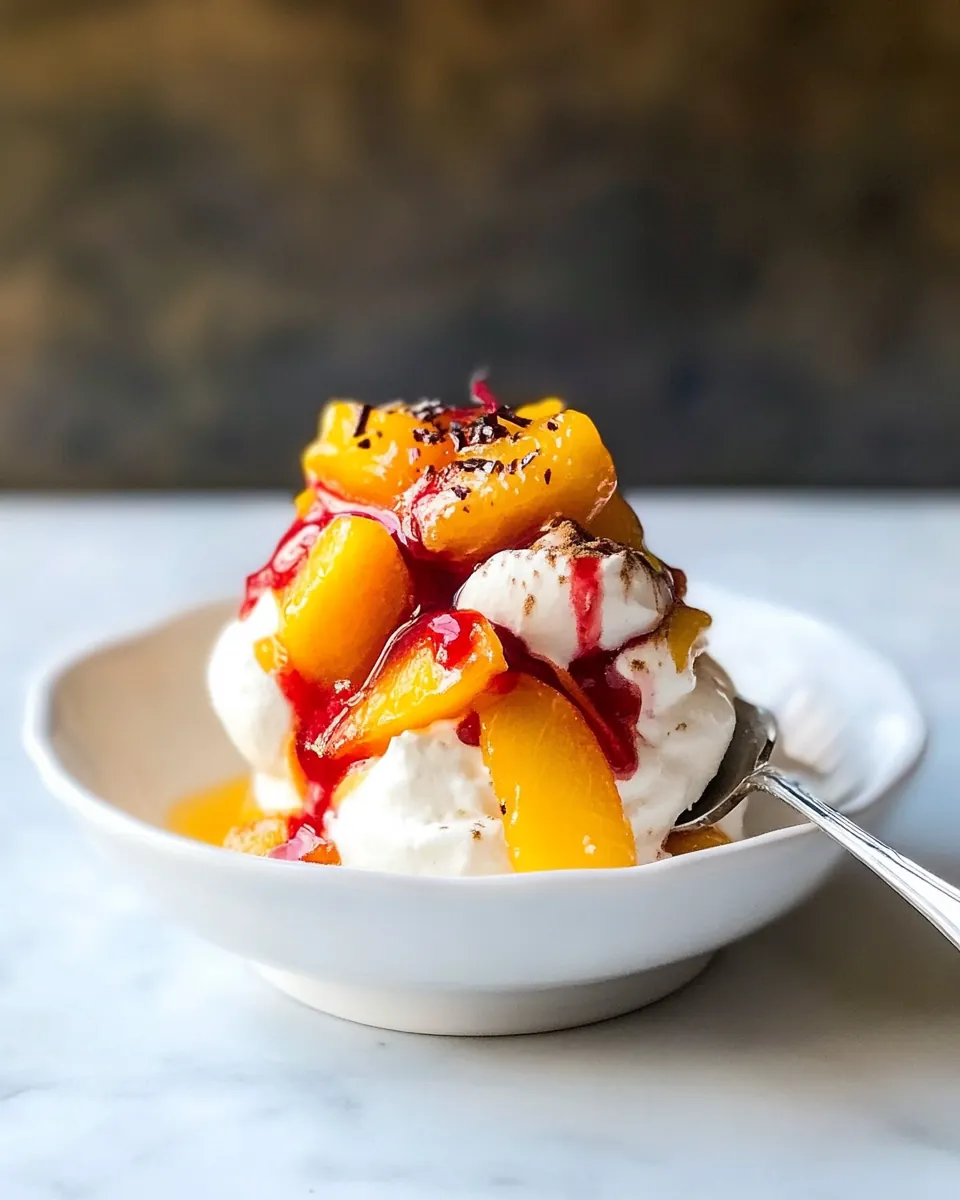
This method walks you through making a silky raspberry coulis, preparing the peaches for grilling, and assembling the dessert. Take your time with the coulis and with grilling, as small timing choices affect texture and sweetness. Below, each step includes sensory cues and common pitfalls so you feel confident at the stove and grill.
- In a food processor or blender, add raspberries and powdered sugar. Pulse until raspberries are puréed.: The moment you pulse the raspberries and powdered sugar , you should hear a steady buzzing and see the mixture transform into a thick, vibrant red purée, full of flecks of seeds and fruit. Work in short bursts to avoid heating the fruit, which preserves that fresh bright flavor. You want a smooth enough base so the coulis will strain easily, but some texture before sieving is fine. A common mistake is overblending until it becomes watery, which reduces the intensity of flavor; stop pulsing once the fruit breaks down into a cohesive purée.
- Set a fine-mesh sieve over a small bowl and pour purée through, pressing on the mixture to extract as much juice as possible. Discard the pulp. Stir in the lemon juice and add more powdered sugar to taste, if desired.: As you press the purée through the sieve, use the back of a spoon to coax out a glossy, seed-free coulis, watching dark red liquid pool in the bowl below. The aroma will lift, showing a fresh, slightly tart perfume. Discard the pulp and stir in lemon juice , tasting and adding more powdered sugar if needed. If you see too much pulp clogging the sieve, scrape it away periodically to keep the flow steady. Avoid forcing large pieces through the mesh, which yields gritty texture instead of silkiness.
- Bring a large pot of water to boil. Set a large bowl of ice water nearby. Score the blossom end (bottom) of each peach with an X.: When the water reaches a full rolling boil, you will see vigorous movement and hear a loud, continuous bubbling. This energy is necessary for blanching the peaches quickly so the skins slip off cleanly. Have a bowl of ice water ready to halt the cooking instantly. A frequent slip is waiting too long to prepare the ice bath, which results in overcooked fruit that becomes mealy rather than tender and juicy.
- Working with a few peaches at a time, submerge in boiling water just until the skins pull back and wrinkle, about 30 to 40 seconds.: Making a small X at the blossom end lets hot water penetrate the skin, encouraging it to separate from the flesh in seconds. The cut should be shallow, just through the skin, so the fruit beneath remains intact. If you cut too deeply, juices will leak during blanching and you could lose precious sweetness.
- Using a slotted spoon or strainer, immediately remove the peaches and plunge into an ice bath to stop the cooking.: As the peaches blanch, watch the skins curl and loosen, a clear visual cue they are ready. The steam will smell faintly fruity and sweet, and the peaches will feel slightly tender at the scored end. Move quickly and avoid overcrowding the pot, because too many peaches will drop the water temperature and lengthen cooking, which can over soften the fruit.
- Once the peaches have cooled, you should easily be able to remove the skin with your fingers or a paring knife.: The sudden contrast from scalding water to icy cold halts carryover cooking, preserving firm flesh and bright flavor. You should feel the fruit go from warm to cool in the ice bath, and the skin will be markedly easier to remove. If you skip the ice bath, the peaches will continue to cook and may become mushy, losing that desirable grilled texture later.
- Preheat grill over medium-high heat for 5 minutes and clean and oil grates. While the grill is heating, halve and pit the peaches, then cut each in half again to make quarters.: After cooling, the skins should slide away effortlessly, leaving smooth, tender fruit beneath. Use gentle pressure with your fingers or a small knife to lift the edges, avoiding gouging the flesh. If the skin resists, the peach likely needed more blanching, so return it briefly to the hot water; forced peeling can damage the appearance and texture.
- Place the peach quarters cut-side down on the grill until grill marks appear, about 4 minutes. Turn them so the other cut side faces down and continue grilling, about 4 minutes longer.: Heating the grill until it reaches medium-high gives you that immediate sear that caramelizes the fruit sugars; you will hear a satisfying hiss when the peaches first meet the grates. Clean grates prevent sticking and a light coat of oil for the grill encourages even grill marks. A common error is using too much oil, which can flare and impart bitter spots, so apply sparingly.
- Turn the pieces again to round-side down and grill 4 minutes longer, until the peaches sizzle and can easily be pierced by a skewer. Cool to room temperature. Serve the cooled peaches with ice cream and the raspberry coulis.: Preparing uniform quarters helps them cook evenly and ensures attractive plating. You should see juicy flesh exposed as you quarter, which will soon start to caramelize on the grill. Be careful when pitting so you don’t remove too much flesh, which reduces the yield and can dry the pieces on the heat.
- Place the peach quarters cut-side down on the grill until grill marks appear, about 4 minutes: When the cut sides touch the hot grate, listen for a steady sizzle and watch for golden brown to dark caramel marks to form. That first contact seals juices and adds a smoky note. Resist moving them too soon, because they need that contact to create caramelization; lifting them prematurely results in pale, uncaramelized surfaces.
- Turn them so the other cut side faces down and continue grilling, about 4 minutes longer: Rotating gives the other cut face equal exposure, deepening the caramelized flavors and softening the fruit. You will notice an intensified sweet aroma as the sugars cook, and the flesh will begin to yield to a skewer. Overcooking at this stage leads to collapsed texture, so aim for tender yet intact pieces.
- Turn the pieces again to round-side down and grill 4 minutes longer, until the peaches sizzle and can easily be pierced by a skewer: Finishing with the rounded side down adds final color and ensures the entire surface has some char. The peaches should emit a gentle, fruity perfume and feel tender when pierced. If a piece resists skewer penetration, it needs more time; avoid charring to the point of drying, which robs the fruit of its juicy quality.
- Cool to room temperature: Let the grilled peaches rest until they reach room temperature so the juices redistribute and the texture firms slightly. Cooling also prevents the Vanilla ice cream from melting instantly when plated. A common oversight is serving while the peaches are too hot, which masks the coulis and overwhelms the contrast of temperatures.
- Serve the cooled peaches with ice cream and the raspberry coulis: Assemble by spooning the strained raspberry coulis over the grilled peaches and adding a scoop of Vanilla ice cream . The first spoonful should offer warm fruit, cool ice cream, and bright coulis together, a delightful medley of sensations. If the coulis is too thick, thin with a few drops of water and stir, but avoid watering down the flavor entirely.
Customization Ideas
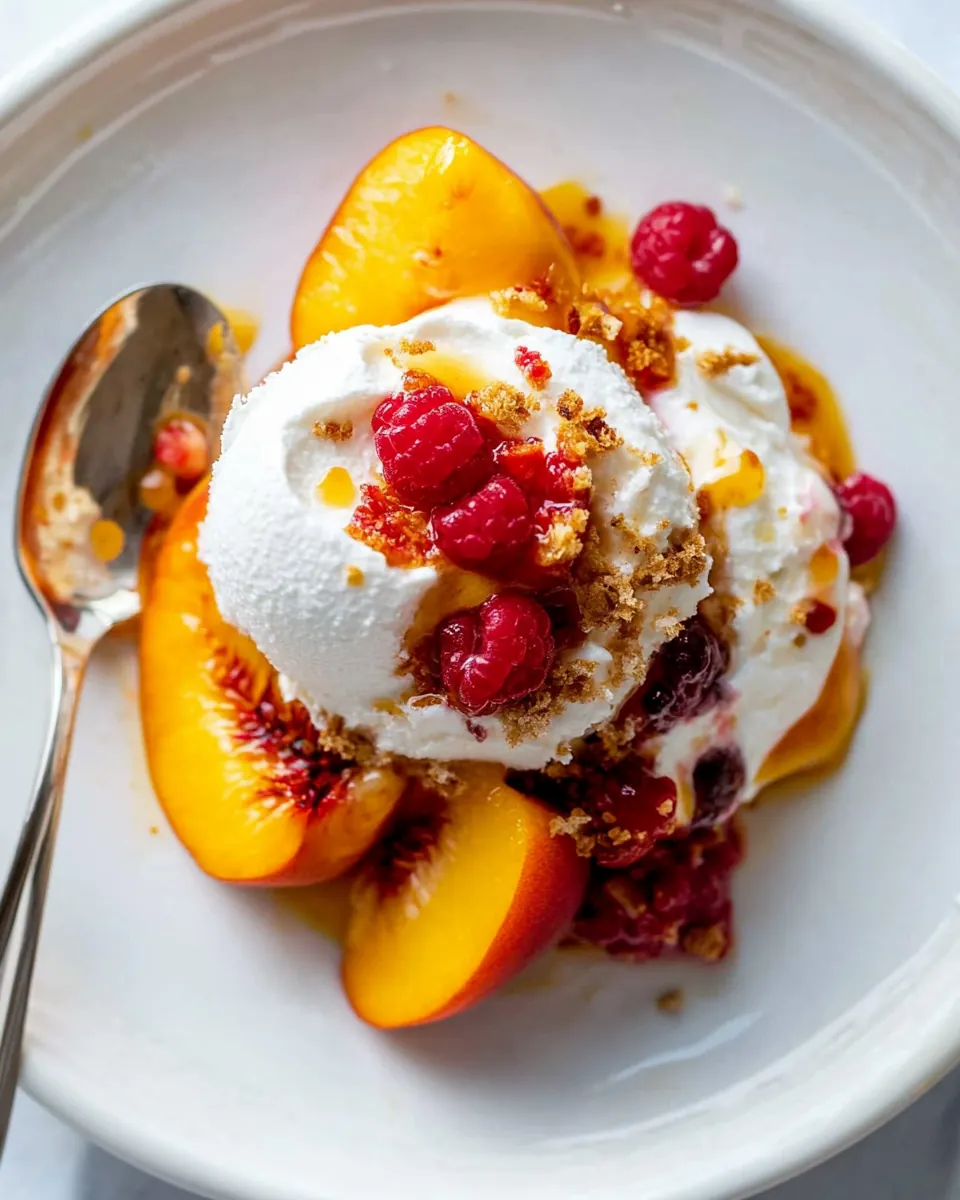
This dessert is wonderfully adaptable if you want to nudge flavors or presentation. Below are thoughtful ways I have personalized Peach Melba over the years, each one focused on enhancing texture, balance, or visual impact without changing the core recipe.
- Swap berry temperatures Use slightly warmed raspberry coulis for extra melding with the warm peaches, or serve the coulis chilled for a sharper contrast with the Vanilla ice cream.
- Adjust sweetness carefully Start with the suggested amount of powdered sugar and add more only if the raspberries taste overly tart, balancing acidity with sweetness.
- Try different ice cream styles While I stick with Vanilla ice cream, a floral or honey ice cream can add an unexpected complementary note to the grilled fruit.
- Control char level For a smokier profile, let the peaches develop deeper marks, but watch closely to avoid dry, leathery flesh.
- Presentation tweaks Halve or quarter the peaches depending on the serving size you prefer, arranging them fanwise for elegant plating that highlights the caramelization.
Accompaniments for Peach Melba
This dessert pairs beautifully with simple accompaniments that enhance its summer character. I recommend thinking about service temperature and contrast, and choosing sides that complement the bright raspberry coulis and the rich grilled peaches. Below are versatile suggestions suitable for casual meals or festive gatherings.
- Seasonal salads A light green salad with a citrus vinaigrette makes a crisp starter before serving Peach Melba, keeping the meal fresh and summery.
- Simple cookies Crisp, buttery cookies offer a crunchy counterpoint to the soft fruit and melting ice cream when served alongside.
- Cheese board restraint If you include a cheese course earlier, keep it mild and not overly salty so that the dessert’s fruit remains the evening’s highlight.
- Occasions This dessert is ideal for summer dinners, backyard barbecues, and celebratory meals during the warmer months, and it also works well for Ramadan if served as a light, fruit forward option after iftar.
- Storage tips Store leftover grilled peaches in an airtight container in the refrigerator for up to four days, but keep the coulis separate for best texture and flavor longevity.
- Seasonal pairings Serve during peak stone fruit season, from early summer into early fall, when peaches are most flavorful and raspberries are abundant for a truly seasonal treat.
FAQ
Conclusion
Peach Melba stands out because it brings together simple techniques and peak seasonal fruit to create a dessert that feels both elegant and approachable. The contrast between warm, grilled peaches, a bright raspberry coulis, and cold vanilla ice cream is what makes this recipe so satisfying. Give it a try on your next summer evening, and enjoy how easily those few ingredients transform into something memorable and special. Serve it to friends or savor it yourself, and let the pure fruit flavors shine.
Peach Melba
Equipment
- Grill
- Large Pot
- Food processor or blender
- Fine mesh sieve
- Bowl for ice water
Ingredients
- 12 ounces raspberries (about 3 cups; see note 1) Provide bright tartness and juicy texture, serving as the base for the raspberry sauce; macerate briefly to release juices and soften the berries for straining or spooning over the dessert. Balance sweetness when combined with powdered sugar, and contribute vivid color and fresh berry aroma that complements the grilled peaches and ice cream.
- 1/4 cup powdered sugar or to taste (see note 2) Add concentrated sweetness and help thicken the raspberry sauce when mixed with the berries; sift or sprinkle to taste to control overall dessert sweetness. Dissolve into the fruit juices for a smoother sauce consistency and to balance the lemon’s acidity.
- 1 teaspoon lemon juice Brighten flavors and provide acidity to the raspberry mixture, helping preserve color and cut through sweetness; stir into the macerated raspberries to enhance overall balance. Act as a subtle flavor accent that lifts both the fruit sauce and the richness of the ice cream.
- 4 large fresh peaches (see note 3) Offer juicy, slightly firm fruit ideal for grilling; halve and pit before grilling to develop caramelized sugars and smoky notes that contrast the fresh berry sauce. Serve warm or at room temperature over ice cream alongside the raspberry sauce for classic Peach Melba presentation.
- oil for the grill Prevent sticking and promote even caramelization when grilling peach halves; brush lightly on cut surfaces or oil the grill grates to achieve attractive grill marks and concentrated fruit flavor. Use a neutral oil to avoid altering the fruit’s delicate flavor.
- Vanilla ice cream for serving Provide creamy, cold richness that contrasts the warm grilled peaches and bright raspberry sauce; scoop into bowls just before serving to melt slightly and create a luxurious mouthfeel. Complement the tart-sweet components and complete the classic Peach Melba experience.
Instructions
- In a food processor or blender, add raspberries and powdered sugar. Pulse until raspberries are puréed.: The moment you pulse the raspberries and powdered sugar , you should hear a steady buzzing and see the mixture transform into a thick, vibrant red purée, full of flecks of seeds and fruit. Work in short bursts to avoid heating the fruit, which preserves that fresh bright flavor. You want a smooth enough base so the coulis will strain easily, but some texture before sieving is fine. A common mistake is overblending until it becomes watery, which reduces the intensity of flavor; stop pulsing once the fruit breaks down into a cohesive purée.
- Set a fine-mesh sieve over a small bowl and pour purée through, pressing on the mixture to extract as much juice as possible. Discard the pulp. Stir in the lemon juice and add more powdered sugar to taste, if desired.: As you press the purée through the sieve, use the back of a spoon to coax out a glossy, seed-free coulis, watching dark red liquid pool in the bowl below. The aroma will lift, showing a fresh, slightly tart perfume. Discard the pulp and stir in lemon juice , tasting and adding more powdered sugar if needed. If you see too much pulp clogging the sieve, scrape it away periodically to keep the flow steady. Avoid forcing large pieces through the mesh, which yields gritty texture instead of silkiness.
- Bring a large pot of water to boil. Set a large bowl of ice water nearby. Score the blossom end (bottom) of each peach with an X.: When the water reaches a full rolling boil, you will see vigorous movement and hear a loud, continuous bubbling. This energy is necessary for blanching the peaches quickly so the skins slip off cleanly. Have a bowl of ice water ready to halt the cooking instantly. A frequent slip is waiting too long to prepare the ice bath, which results in overcooked fruit that becomes mealy rather than tender and juicy.
- Working with a few peaches at a time, submerge in boiling water just until the skins pull back and wrinkle, about 30 to 40 seconds.: Making a small X at the blossom end lets hot water penetrate the skin, encouraging it to separate from the flesh in seconds. The cut should be shallow, just through the skin, so the fruit beneath remains intact. If you cut too deeply, juices will leak during blanching and you could lose precious sweetness.
- Using a slotted spoon or strainer, immediately remove the peaches and plunge into an ice bath to stop the cooking.: As the peaches blanch, watch the skins curl and loosen, a clear visual cue they are ready. The steam will smell faintly fruity and sweet, and the peaches will feel slightly tender at the scored end. Move quickly and avoid overcrowding the pot, because too many peaches will drop the water temperature and lengthen cooking, which can over soften the fruit.
- Once the peaches have cooled, you should easily be able to remove the skin with your fingers or a paring knife.: The sudden contrast from scalding water to icy cold halts carryover cooking, preserving firm flesh and bright flavor. You should feel the fruit go from warm to cool in the ice bath, and the skin will be markedly easier to remove. If you skip the ice bath, the peaches will continue to cook and may become mushy, losing that desirable grilled texture later.
- Preheat grill over medium-high heat for 5 minutes and clean and oil grates. While the grill is heating, halve and pit the peaches, then cut each in half again to make quarters.: After cooling, the skins should slide away effortlessly, leaving smooth, tender fruit beneath. Use gentle pressure with your fingers or a small knife to lift the edges, avoiding gouging the flesh. If the skin resists, the peach likely needed more blanching, so return it briefly to the hot water; forced peeling can damage the appearance and texture.
- Place the peach quarters cut-side down on the grill until grill marks appear, about 4 minutes. Turn them so the other cut side faces down and continue grilling, about 4 minutes longer.: Heating the grill until it reaches medium-high gives you that immediate sear that caramelizes the fruit sugars; you will hear a satisfying hiss when the peaches first meet the grates. Clean grates prevent sticking and a light coat of oil for the grill encourages even grill marks. A common error is using too much oil, which can flare and impart bitter spots, so apply sparingly.
- Turn the pieces again to round-side down and grill 4 minutes longer, until the peaches sizzle and can easily be pierced by a skewer. Cool to room temperature. Serve the cooled peaches with ice cream and the raspberry coulis.: Preparing uniform quarters helps them cook evenly and ensures attractive plating. You should see juicy flesh exposed as you quarter, which will soon start to caramelize on the grill. Be careful when pitting so you don’t remove too much flesh, which reduces the yield and can dry the pieces on the heat.
- Place the peach quarters cut-side down on the grill until grill marks appear, about 4 minutes: When the cut sides touch the hot grate, listen for a steady sizzle and watch for golden brown to dark caramel marks to form. That first contact seals juices and adds a smoky note. Resist moving them too soon, because they need that contact to create caramelization; lifting them prematurely results in pale, uncaramelized surfaces.
- Turn them so the other cut side faces down and continue grilling, about 4 minutes longer: Rotating gives the other cut face equal exposure, deepening the caramelized flavors and softening the fruit. You will notice an intensified sweet aroma as the sugars cook, and the flesh will begin to yield to a skewer. Overcooking at this stage leads to collapsed texture, so aim for tender yet intact pieces.
- Turn the pieces again to round-side down and grill 4 minutes longer, until the peaches sizzle and can easily be pierced by a skewer: Finishing with the rounded side down adds final color and ensures the entire surface has some char. The peaches should emit a gentle, fruity perfume and feel tender when pierced. If a piece resists skewer penetration, it needs more time; avoid charring to the point of drying, which robs the fruit of its juicy quality.
- Cool to room temperature: Let the grilled peaches rest until they reach room temperature so the juices redistribute and the texture firms slightly. Cooling also prevents the Vanilla ice cream from melting instantly when plated. A common oversight is serving while the peaches are too hot, which masks the coulis and overwhelms the contrast of temperatures.
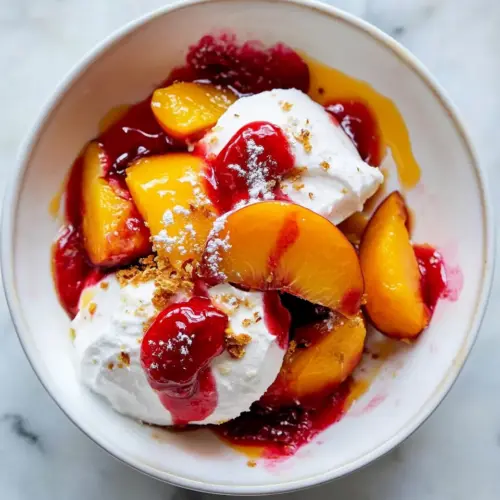
- Serve the cooled peaches with ice cream and the raspberry coulis: Assemble by spooning the strained raspberry coulis over the grilled peaches and adding a scoop of Vanilla ice cream . The first spoonful should offer warm fruit, cool ice cream, and bright coulis together, a delightful medley of sensations. If the coulis is too thick, thin with a few drops of water and stir, but avoid watering down the flavor entirely.
Notes
- Swap berry temperatures Use slightly warmed raspberry coulis for extra melding with the warm peaches, or serve the coulis chilled for a sharper contrast with the Vanilla ice cream.
- Adjust sweetness carefully Start with the suggested amount of powdered sugar and add more only if the raspberries taste overly tart, balancing acidity with sweetness.
- Try different ice cream styles While I stick with Vanilla ice cream, a floral or honey ice cream can add an unexpected complementary note to the grilled fruit.
- Control char level For a smokier profile, let the peaches develop deeper marks, but watch closely to avoid dry, leathery flesh.
- Presentation tweaks Halve or quarter the peaches depending on the serving size you prefer, arranging them fanwise for elegant plating that highlights the caramelization.