Cauliflower Au Gratin
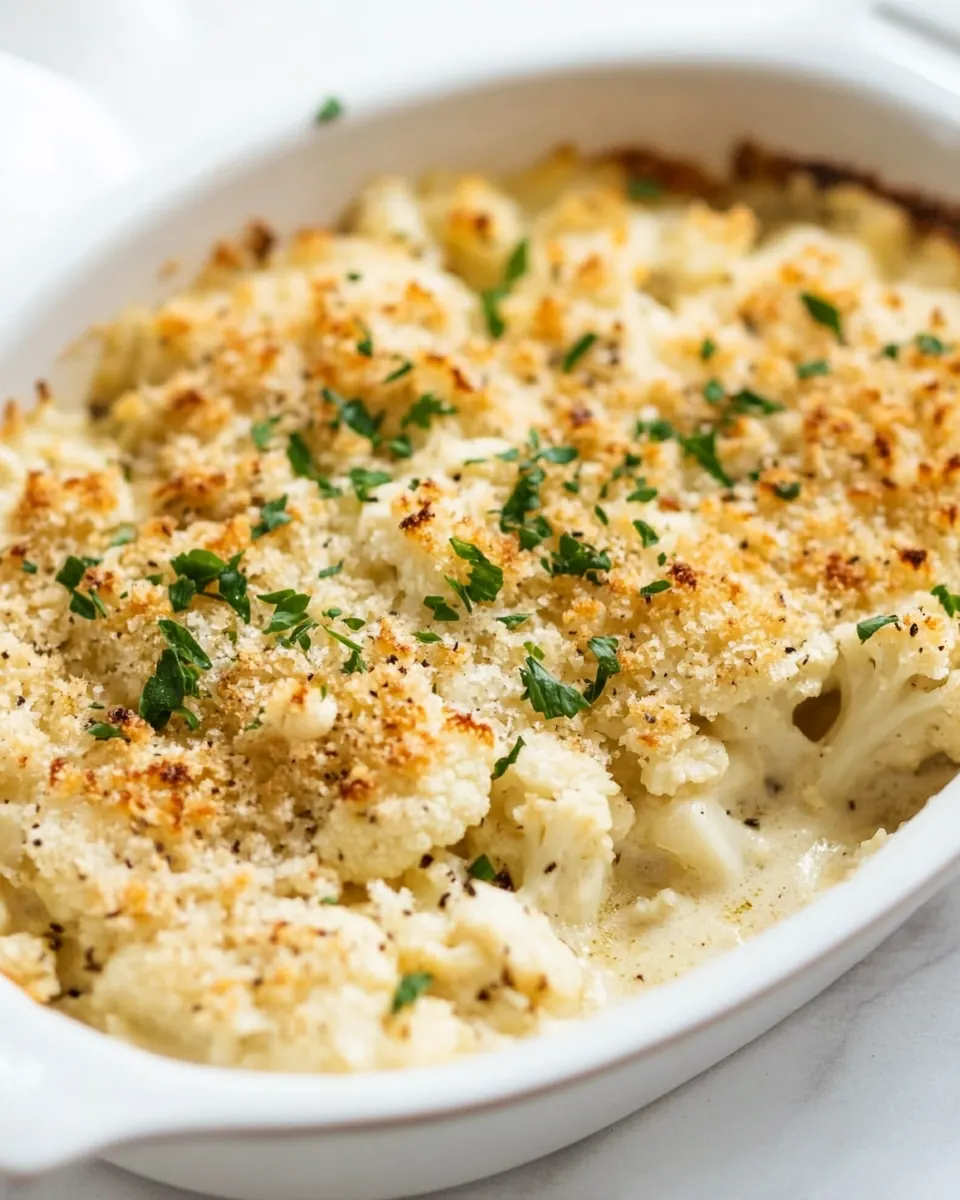
Cauliflower Au Gratin is one of those dishes that quietly stole my heart the first time I made it on a chilly evening when friends were stopping by unexpectedly. I remember the tiny kitchen filling with a rich, savory aroma as the creamy sauce simmered on the stove, and I kept sneaking back to peek as the top began to brown. That first bite, with tender florets wrapped in a silky, cheesy blanket and a crunchy breadcrumb finish, felt like a cozy hug after a long day.
Over time, this version of Cauliflower Au Gratin became my go to when I wanted something impressive but not fussy. I love how the dish balances texture, with the slight firmness of the cauliflower against the melting Parmesan cheese and crisp bread crumbs. Friends often ask for the recipe because it looks restaurant quality but is genuinely simple. I never skip the pinch of nutmeg, it lifts the white sauce in a way that surprises everyone.
Recipe Snapshot
40 mins
5 mins
35 mins
Easy
300 kcal
American
Gluten-Free, Low FODMAP
Side Dishes
Dutch oven, Large skillet, 2 1/2 quart casserole dish, Colander
What We Adore About This Cauliflower Au Gratin
Comfort that feels elevated
I adore how Cauliflower Au Gratin turns humble cauliflower into something that feels celebratory. The combination of a rich cream sauce and freshly grated Parmesan cheese gives a luxurious mouthfeel, so this dish works just as well for weeknight dinners as it does for holiday tables.
Fast to assemble, big on flavor
We can have this in the oven quickly, because the sauce comes together on the stove in minutes. I appreciate recipes that reward a small amount of prep with deep flavor, and this gratin does exactly that. A quick blanch of the cauliflower shortens roasting time and ensures tender florets that still hold their shape.
Textures that sing together
The contrast between the silky, cheesy sauce and the crunchy topping is why I keep making this. I like to think of the breadcrumbs as the punctuation mark, giving the final bite a satisfying crackle that complements the creamy interior.
Very forgiving and flexible
This gratin tolerates a bit of spontaneity. If you have a slightly larger head of cauliflower, it still works. If the sauce thickens a touch more than you expect, a splash of cream brings it back. Those little adjustments save the day when life gets in the way of perfect timing.
Great for sharing
When I serve Cauliflower Au Gratin, people tend to linger at the table. It’s a welcoming side that pairs with many mains, and because it reheats well, it’s ideal for hosting. I find it especially comforting in cooler months, when rich, warm dishes are exactly what everyone wants.
Everything You Need for Cauliflower Au Gratin
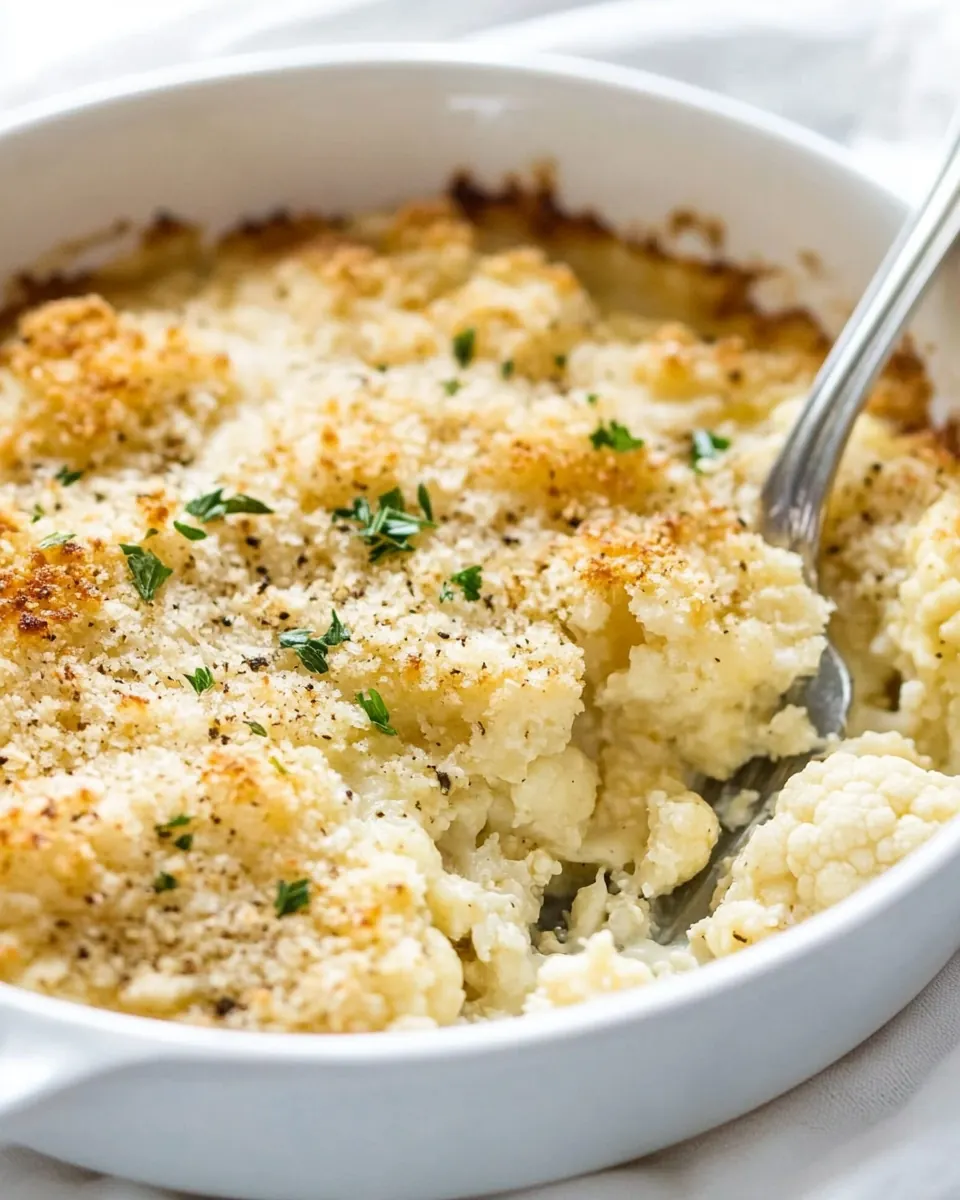
I choose ingredients that play off one another: tender cauliflower provides a mild, nutty foundation; a creamy sauce built from heavy cream and a touch of butter gives silkiness; freshly grated Parmesan cheese brings umami and salt; and crunchy bread crumbs add texture. The shallot and garlic give aromatic lift, while a pinch of nutmeg adds subtle warmth that ties the sauce together.
- 1 large head cauliflower cored and cut into bite-sized florets (about 3 pounds, see note 1): Provide the main vegetable component for the dish and yield tender florets when roasted or boiled; core and cut into bite–sized pieces so they cook evenly and absorb the creamy sauce. Offer a mild, slightly sweet flavor that balances the richness of the gratin, and present an attractive texture contrast when lightly crisped on top. Ensure even cooking by choosing florets of similar size and removing tough stems.
- Salt and freshly ground black pepper: Season the dish throughout cooking to enhance and balance flavors; add salt progressively while boiling and finishing to avoid over-salting. Contribute subtle heat and complexity when freshly ground black pepper is added at the end, and help brighten the cream and cheese components. Use judicious amounts to let other ingredients shine while preventing a flat or overly bland result.
- 2 tablespoons butter: Provide a rich cooking fat to sauté aromatics and start the sauce, offering a smooth mouthfeel and depth of flavor. Melt gently to avoid browning too quickly, which preserves a delicate buttery taste in the finished gratin. Use at the beginning to coax flavor from shallots and garlic and to bind breadcrumbs if toasting.
- 1 shallot finely chopped: Deliver a sweet, aromatic base when finely chopped and gently cooked, releasing moisture and umami into the sauce; chopping finely ensures even distribution. Cook slowly in butter to soften and caramelize slightly, which mellows sharpness and enhances overall savory complexity. Help build the foundation of flavor without overpowering the cheese and cream.
- 1 clove garlic minced: Impart a sharp, savory note when minced and sautéed briefly with the shallot; mincing ensures its pungency disperses evenly through the sauce. Add towards the end of sautéing to avoid bitterness from burning, and allow the garlic to mellow and infuse the cream. Complement other aromatics while contributing depth to the gratin's flavor profile.
- 1 tablespoon minced fresh thyme or 1/2 teaspoon dried: Add herbal brightness and a subtle earthy note that complements cream and cheese; mince fresh thyme for lively aroma or use dried for convenience at reduced quantity. Stir into the sauce to distribute its fragrant oils, enhancing complexity without dominating the dish. Use sparingly to maintain balance with dairy and nutmeg.
- 1 tablespoon all-purpose flour: Act as a thickening agent to create a luscious sauce that clings to the cauliflower; sprinkle into melted butter and cook briefly to eliminate raw flour taste. Whisk with cream to form a smooth béchamel-like base, ensuring it simmers long enough to reach the desired consistency. Provide body so the cheese melds into a cohesive, velvety coating.
- 1 1/2 cups heavy cream: Contribute the rich, silky liquid medium that forms the creamy base of the gratin and carries the flavors of aromatics and seasonings. Heat gently with the flour to thicken and allow the sauce to reduce slightly, concentrating flavor and achieving a luxurious texture. Use full-fat cream for stability and a decadent mouthfeel that complements the cauliflower.
- 1 cup freshly grated Parmesan cheese grated (see note 2): Deliver savory, salty, umami-rich character and help the sauce develop depth when freshly grated and folded in while warm. Melt into the cream to create a cohesive, savory matrix that binds with cauliflower, and add a nutty finish when browned under the broiler. Grate freshly for best melting quality and even distribution.
- Pinch ground nutmeg (see note 3) (optional): Contribute warm, aromatic nuance in very small amount to elevate the cream and cheese without making the dish sweet; add a pinch to taste. Offer a traditional complementary spice that brightens dairy dishes and enhances overall complexity when used sparingly. Avoid using too much, as nutmeg can quickly become overpowering.
- 1/2 cup bread crumbs (see note 4): Provide a contrasting crunchy topping that adds texture and visual appeal when sprinkled over the gratin before baking or broiling. Toast slightly in butter for extra flavor and color, then scatter evenly to create a golden, crisp crust that offsets the creamy interior. Use fresh or panko-style crumbs depending on desired crunch and density.
How to Cook Cauliflower Au Gratin
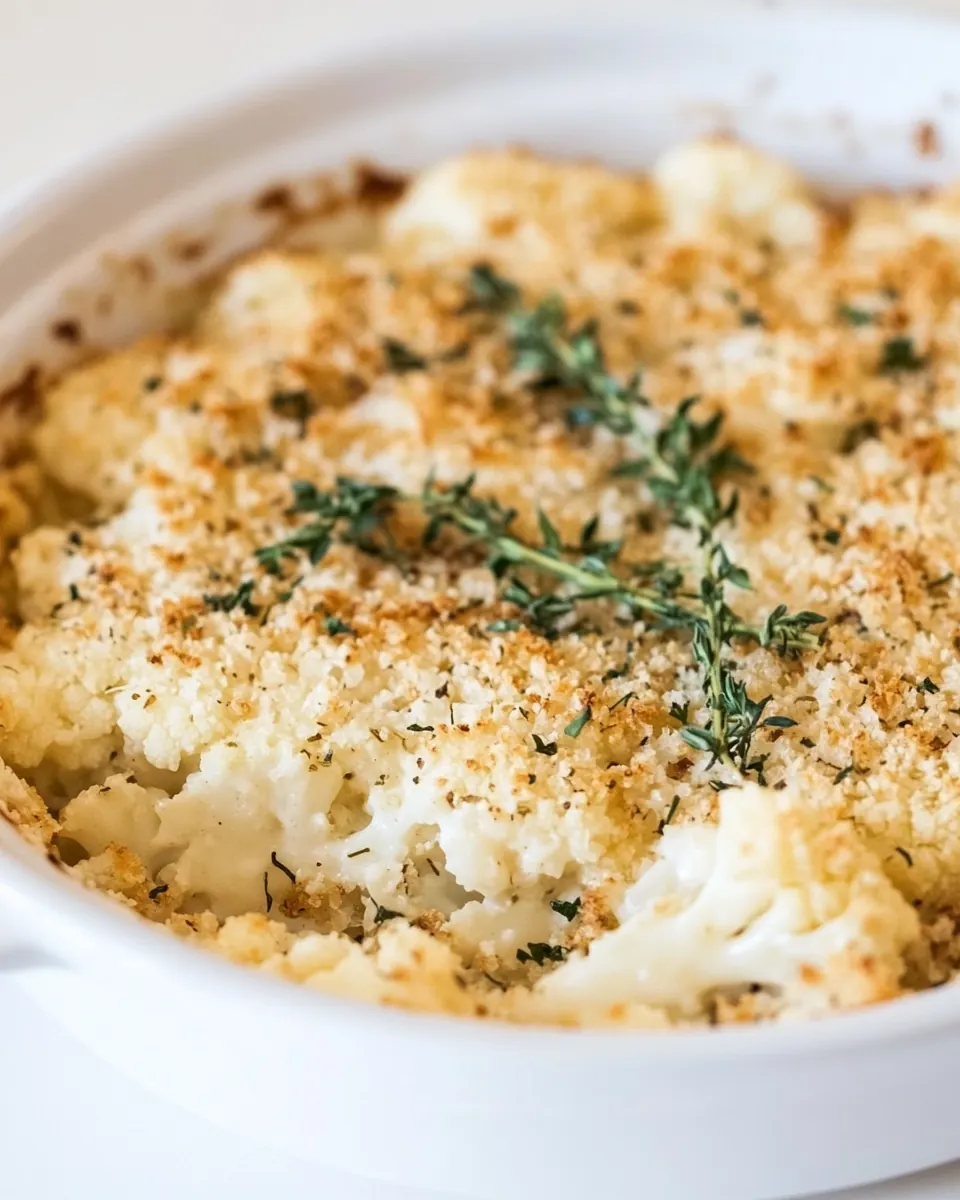
I like to walk through the cooking in a relaxed way, so you can enjoy the process as much as the result. These steps guide you from blanching the cauliflower to finishing with a golden topping; keep a watchful eye at the end so the crumbs brown without burning.
- Adjust an oven rack to the middle position and preheat to 450 degrees. Coat a 2 1/2-quart casserole dish with nonstick spray.: The oven heat creates a quick burst of color on the crumbs and ensures the dish is piping hot when it comes out. You will feel the warm oven air as it preheats, and that first surge of heat helps the gratin finish properly. This step matters because a fully heated oven gives even browning; if you skip preheating, the topping can dry out before the center is hot. A common mistake is under preheating, which leads to uneven bubbling and a pale crust.
- In a Dutch oven or large pot, bring 4 quarts water and 1 tablespoon salt to a boil. Add cauliflower and cook until tender, 3 to 4 minutes. Do not overcook. Transfer to a colander and rinse with cold water to stop the cooking. Drain well.: When the water hits a rolling boil, you will hear a lively bubble and see steam rise; the salted water seasons the cauliflower from the inside. After a quick blanch, the florets should be fork tender but still hold shape, with a slightly muted, cooked aroma. Rinsing with cold water preserves firmness and stops carryover cooking, which prevents a mushy final texture. A typical error is leaving the cauliflower in boiling water too long, resulting in floppy florets that won’t stand up to the sauce.
- Meanwhile, melt butter in a large skillet over medium-high heat until the foaming subsides. Stir in shallots and cook until softened, about 2 minutes. Stir in garlic and thyme until fragrant, about 30 seconds.: As the butter melts, it will foam and then calm, releasing a nutty butter scent. The shallots should become translucent and tender, giving off a sweet, savory perfume. Adding the minced garlic and thyme briefly releases fragrant oils; you will notice the kitchen fill with an inviting aroma. The purpose here is to build flavor layers, and cooking aromatics gently prevents bitterness. A common slip up is cooking the garlic too long, which can turn bitter and overpower the sauce.
- Stir in flour and cook until lightly browned, about 1 minute. Whisk in cream, Parmesan cheese, nutmeg, and salt and pepper to taste (I like 1 teaspoon kosher salt and 1/2 teaspoon pepper). Bring to a boil; reduce heat and simmer until thickened, 1 to 2 minutes.: The toasted flour loses its raw taste and forms the base for a velvety sauce. When you pour in the heavy cream , it will hiss slightly and then begin to thicken as it heats; whisking smooths any lumps. As the freshly grated Parmesan cheese melts, the sauce becomes glossy and aromatic with a savory depth. The faint scent of nutmeg adds a subtle warmth. This technique matters because proper thickening ensures the sauce clings to the florets. Avoid boiling hard for too long, as excessive heat can separate the sauce.
- Off the heat, add cauliflower and toss to coat. Pour into the prepared baking dish and top with breadcrumbs. Bake until hot and bubbly, about 12 to 15 minutes. Serve immediately.: When you fold the sauce into the cauliflower , you should see each floret glistening with a silky coating; the steam will carry the scent of cheese and cream. Spoon the mixture into the prepped casserole so the surface is even, then scatter the bread crumbs for a crisp finish. In the oven, the top will turn a warm golden color and you will hear a light sizzle as bubbling begins. This final bake melds flavors and crisps the crumbs; if you overbake, the crumbs can burn while the interior dries, so watch the last few minutes closely.
Ways to Adapt This Recipe
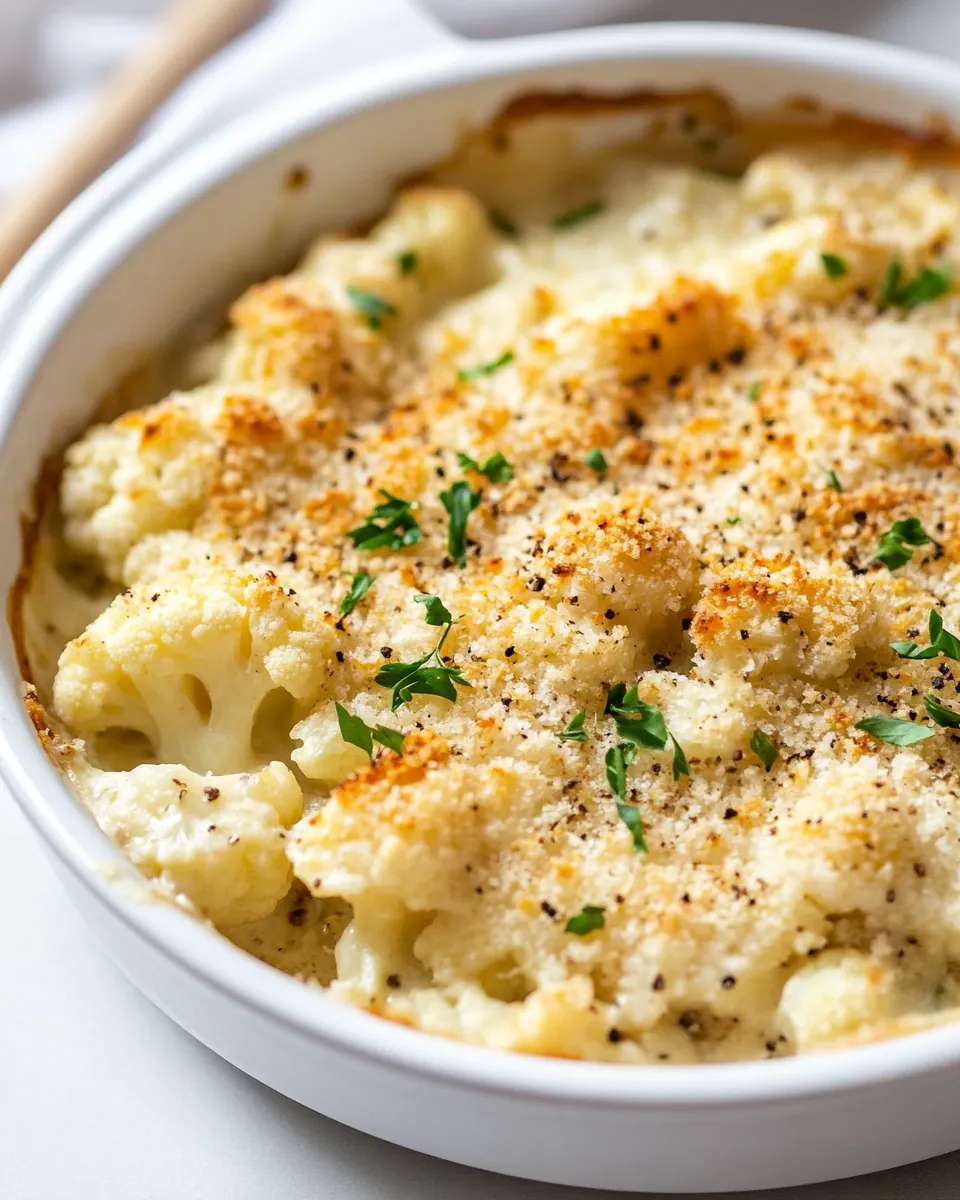
This section offers practical swaps and small adjustments to fit what you have on hand or dietary needs, while keeping the spirit of Cauliflower Au Gratin intact. I’ll walk you through thoughtful alternatives and techniques to tweak texture and flavor without losing the dish’s comforting soul.
- Use Gruyère for a nutty twist. Swapping in grated Gruyère for part or all of the Parmesan cheese yields a deeper, nuttier profile and creates a slightly stretchier sauce when melted.
- Make breadcrumbs from day old bread. Pulse torn pieces of crusty bread in a food processor for custom breadcrumbs that toast up beautifully and add texture.
- Adjust salt carefully. Because Parmesan cheese is naturally salty, season the sauce gradually and taste before adding more salt to avoid over seasoning.
- Finish under the broiler briefly. If the crumbs need extra color, place the dish under the broiler for 1 to 2 minutes while watching closely to prevent burning.
- Prep ahead to save time. Assemble through the sauce step, cover, and refrigerate for up to 2 days; add breadcrumbs and bake when ready to serve.
Serving Options for Cauliflower Au Gratin
Cauliflower Au Gratin is versatile and pairs beautifully with many mains and occasions. Below you’ll find ideas for side pairings, occasions, storage, and presentation tips to make the dish fit any meal plan.
- Weeknight dinners: Serve this as a satisfying side alongside roasted or pan seared mains for an effortless comfort meal; the creamy texture complements lean proteins nicely.
- Holiday tables: Offer the gratin as a festive side, it holds well on a buffet and adds creamy richness that guests appreciate during special meals.
- Vegetarian gatherings: This gratin stands proud as a centerpiece side for plant forward menus, bringing indulgent flavor without relying on meat.
- Storage tips: Store leftovers covered in the refrigerator for up to 4 days; reheat gently in a 350 degree oven until warmed through, which helps the topping regain some crispness.
- Make ahead: Prepare through the sauce step and refrigerate for up to 2 days; when ready, add the breadcrumbs and bake as instructed for a fresh finished dish.
- Seasonal pairing: In winter, pair with roasted root vegetables or a bright salad to cut through the richness; in spring, serve with lighter grilled vegetables for balance.
FAQ
Conclusion
What makes this Cauliflower Au Gratin special is how it transforms simple cauliflower into a creamy, textured side that feels both homey and refined. The combination of a silky sauce, savory Parmesan cheese, and crisp bread crumbs creates a comforting dish that guests and family members return to again and again. I encourage you to give it a try, whether for a cozy weeknight meal or as part of a festive spread; it’s forgiving, adaptable, and reliably delicious. Enjoy the process of making it, and don’t be surprised if it becomes a regular request at your table.

Cauliflower Au Gratin
Equipment
- Dutch Oven
- Large Skillet
- 2 1/2 quart casserole dish
- Colander
Ingredients
- 1 large head cauliflower cored and cut into bite-sized florets (about 3 pounds, see note 1) Provide the main vegetable component for the dish and yield tender florets when roasted or boiled; core and cut into bite-sized pieces so they cook evenly and absorb the creamy sauce. Offer a mild, slightly sweet flavor that balances the richness of the gratin, and present an attractive texture contrast when lightly crisped on top. Ensure even cooking by choosing florets of similar size and removing tough stems.
- Salt and freshly ground black pepper Season the dish throughout cooking to enhance and balance flavors; add salt progressively while boiling and finishing to avoid over-salting. Contribute subtle heat and complexity when freshly ground black pepper is added at the end, and help brighten the cream and cheese components. Use judicious amounts to let other ingredients shine while preventing a flat or overly bland result.
- 2 tablespoons butter Provide a rich cooking fat to sauté aromatics and start the sauce, offering a smooth mouthfeel and depth of flavor. Melt gently to avoid browning too quickly, which preserves a delicate buttery taste in the finished gratin. Use at the beginning to coax flavor from shallots and garlic and to bind breadcrumbs if toasting.
- 1 shallot finely chopped Deliver a sweet, aromatic base when finely chopped and gently cooked, releasing moisture and umami into the sauce; chopping finely ensures even distribution. Cook slowly in butter to soften and caramelize slightly, which mellows sharpness and enhances overall savory complexity. Help build the foundation of flavor without overpowering the cheese and cream.
- 1 clove garlic minced Impart a sharp, savory note when minced and sautéed briefly with the shallot; mincing ensures its pungency disperses evenly through the sauce. Add towards the end of sautéing to avoid bitterness from burning, and allow the garlic to mellow and infuse the cream. Complement other aromatics while contributing depth to the gratin's flavor profile.
- 1 tablespoon minced fresh thyme or 1/2 teaspoon dried Add herbal brightness and a subtle earthy note that complements cream and cheese; mince fresh thyme for lively aroma or use dried for convenience at reduced quantity. Stir into the sauce to distribute its fragrant oils, enhancing complexity without dominating the dish. Use sparingly to maintain balance with dairy and nutmeg.
- 1 tablespoon all-purpose flour Act as a thickening agent to create a luscious sauce that clings to the cauliflower; sprinkle into melted butter and cook briefly to eliminate raw flour taste. Whisk with cream to form a smooth béchamel-like base, ensuring it simmers long enough to reach the desired consistency. Provide body so the cheese melds into a cohesive, velvety coating.
- 1 1/2 cups heavy cream Contribute the rich, silky liquid medium that forms the creamy base of the gratin and carries the flavors of aromatics and seasonings. Heat gently with the flour to thicken and allow the sauce to reduce slightly, concentrating flavor and achieving a luxurious texture. Use full-fat cream for stability and a decadent mouthfeel that complements the cauliflower.
- 1 cup freshly grated Parmesan cheese grated (see note 2) Deliver savory, salty, umami-rich character and help the sauce develop depth when freshly grated and folded in while warm. Melt into the cream to create a cohesive, savory matrix that binds with cauliflower, and add a nutty finish when browned under the broiler. Grate freshly for best melting quality and even distribution.
- Pinch ground nutmeg optional (see note 3) Contribute warm, aromatic nuance in very small amount to elevate the cream and cheese without making the dish sweet; add a pinch to taste. Offer a traditional complementary spice that brightens dairy dishes and enhances overall complexity when used sparingly. Avoid using too much, as nutmeg can quickly become overpowering.
- 1/2 cup bread crumbs (see note 4) Provide a contrasting crunchy topping that adds texture and visual appeal when sprinkled over the gratin before baking or broiling. Toast slightly in butter for extra flavor and color, then scatter evenly to create a golden, crisp crust that offsets the creamy interior. Use fresh or panko-style crumbs depending on desired crunch and density.
Instructions
- Adjust an oven rack to the middle position and preheat to 450 degrees. Coat a 2 1/2-quart casserole dish with nonstick spray.: The oven heat creates a quick burst of color on the crumbs and ensures the dish is piping hot when it comes out. You will feel the warm oven air as it preheats, and that first surge of heat helps the gratin finish properly. This step matters because a fully heated oven gives even browning; if you skip preheating, the topping can dry out before the center is hot. A common mistake is under preheating, which leads to uneven bubbling and a pale crust.
- In a Dutch oven or large pot, bring 4 quarts water and 1 tablespoon salt to a boil. Add cauliflower and cook until tender, 3 to 4 minutes. Do not overcook. Transfer to a colander and rinse with cold water to stop the cooking. Drain well.: When the water hits a rolling boil, you will hear a lively bubble and see steam rise; the salted water seasons the cauliflower from the inside. After a quick blanch, the florets should be fork tender but still hold shape, with a slightly muted, cooked aroma. Rinsing with cold water preserves firmness and stops carryover cooking, which prevents a mushy final texture. A typical error is leaving the cauliflower in boiling water too long, resulting in floppy florets that won’t stand up to the sauce.
- Meanwhile, melt butter in a large skillet over medium-high heat until the foaming subsides. Stir in shallots and cook until softened, about 2 minutes. Stir in garlic and thyme until fragrant, about 30 seconds.: As the butter melts, it will foam and then calm, releasing a nutty butter scent. The shallots should become translucent and tender, giving off a sweet, savory perfume. Adding the minced garlic and thyme briefly releases fragrant oils; you will notice the kitchen fill with an inviting aroma. The purpose here is to build flavor layers, and cooking aromatics gently prevents bitterness. A common slip up is cooking the garlic too long, which can turn bitter and overpower the sauce.
- Stir in flour and cook until lightly browned, about 1 minute. Whisk in cream, Parmesan cheese, nutmeg, and salt and pepper to taste (I like 1 teaspoon kosher salt and 1/2 teaspoon pepper). Bring to a boil; reduce heat and simmer until thickened, 1 to 2 minutes.: The toasted flour loses its raw taste and forms the base for a velvety sauce. When you pour in the heavy cream , it will hiss slightly and then begin to thicken as it heats; whisking smooths any lumps. As the freshly grated Parmesan cheese melts, the sauce becomes glossy and aromatic with a savory depth. The faint scent of nutmeg adds a subtle warmth. This technique matters because proper thickening ensures the sauce clings to the florets. Avoid boiling hard for too long, as excessive heat can separate the sauce.
- Off the heat, add cauliflower and toss to coat. Pour into the prepared baking dish and top with breadcrumbs. Bake until hot and bubbly, about 12 to 15 minutes. Serve immediately.: When you fold the sauce into the cauliflower , you should see each floret glistening with a silky coating; the steam will carry the scent of cheese and cream. Spoon the mixture into the prepped casserole so the surface is even, then scatter the bread crumbs for a crisp finish. In the oven, the top will turn a warm golden color and you will hear a light sizzle as bubbling begins. This final bake melds flavors and crisps the crumbs; if you overbake, the crumbs can burn while the interior dries, so watch the last few minutes closely.
Notes
- Use Gruyère for a nutty twist. Swapping in grated Gruyère for part or all of the Parmesan cheese yields a deeper, nuttier profile and creates a slightly stretchier sauce when melted.
- Make breadcrumbs from day old bread. Pulse torn pieces of crusty bread in a food processor for custom breadcrumbs that toast up beautifully and add texture.
- Adjust salt carefully. Because Parmesan cheese is naturally salty, season the sauce gradually and taste before adding more salt to avoid over seasoning.
- Finish under the broiler briefly. If the crumbs need extra color, place the dish under the broiler for 1 to 2 minutes while watching closely to prevent burning.
- Prep ahead to save time. Assemble through the sauce step, cover, and refrigerate for up to 2 days; add breadcrumbs and bake when ready to serve.