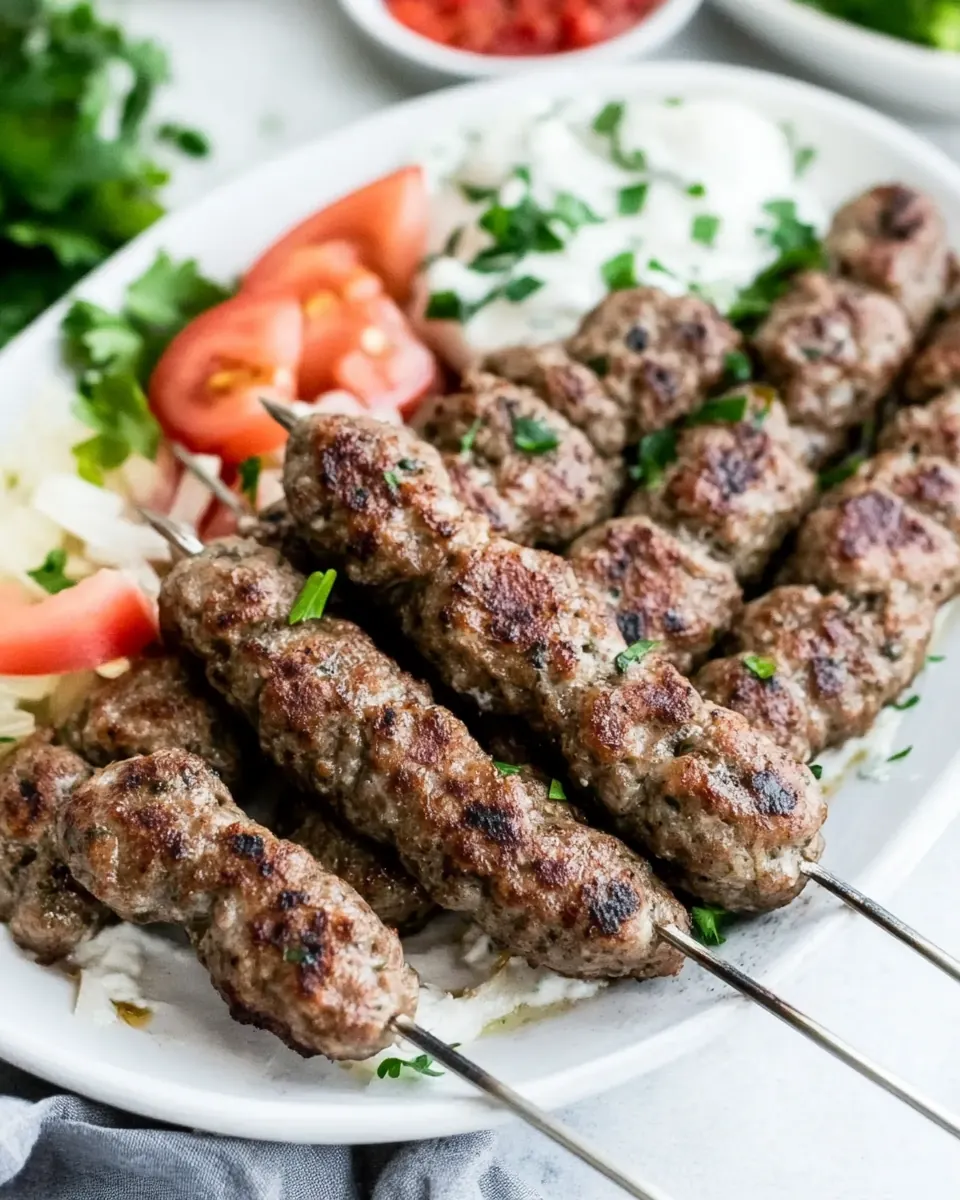
Middle Eastern Kofta Kebab
Middle Eastern Kofta Kebab has been one of those recipes that always pulls people into the kitchen when I fire up the grill. The first time I served these, neighbors wandered over, enticed by the warm spice aroma, and we ended up sharing plates and stories long into the evening. I love how the mix of meat and herbs creates a bright, comforting flavor that feels both homey and festive.
Over the years Ive tweaked the mix and technique, learning how much difference a brief rest in the refrigerator makes, and how pressing the meat tightly onto the skewer means fewer midcook disasters. When I make Middle Eastern Kofta Kebab now, I think about textures, about the way the outside should char slightly while the interior stays juicy. Its one of those dishes that rewards attention yet is forgiving enough to be a weeknight staple.
Recipe Snapshot
25 mins
15 mins
10 mins
Medium
300 kcal
Mediterranean
Keto, Paleo
Dinner
Grill, Skewers, Large bowl, Tongs, Refrigerator
The Charm of This Middle Eastern Kofta Kebab
Bold, balanced spices
I adore the spice blend in Middle Eastern Kofta Kebab. The interplay of cinnamon, allspice, cumin, and cardamom creates warmth without overpowering the meat. I find that these notes highlight the natural richness of the ground sirloin and ground lamb, giving each bite depth and an inviting aroma.
Great texture and juiciness
Because the recipe uses a mix of lean and slightly fattier meats, the result is a tender interior with a nicely seared exterior. I like that you can feel the contrast between the charred edges and the soft center, its part of what makes eating these so satisfying.
Simple yet impressive presentation
Skewering the meat into cylinders makes these feel special, even though they are easy to prepare. I often serve them right off the skewer for a casual gathering, and they always look more celebratory than their prep time suggests.
Flexible timing and make ahead options
I usually let the mixture rest chilled for at least 30 minutes to firm up, which makes shaping easier. If Im prepping for a crowd, Ill mix the meat the night before and let the flavors mingle. This small step saves time on the day and deepens the taste.
Perfect for gatherings and weeknights
Whether Im cooking for friends or simply feeding the family, Middle Eastern Kofta Kebab is reliable. It grills quickly, which means I spend less time in the kitchen and more time enjoying company. I love that its both a showstopper and an easy weeknight dinner option.
What to Buy for Middle Eastern Kofta Kebab
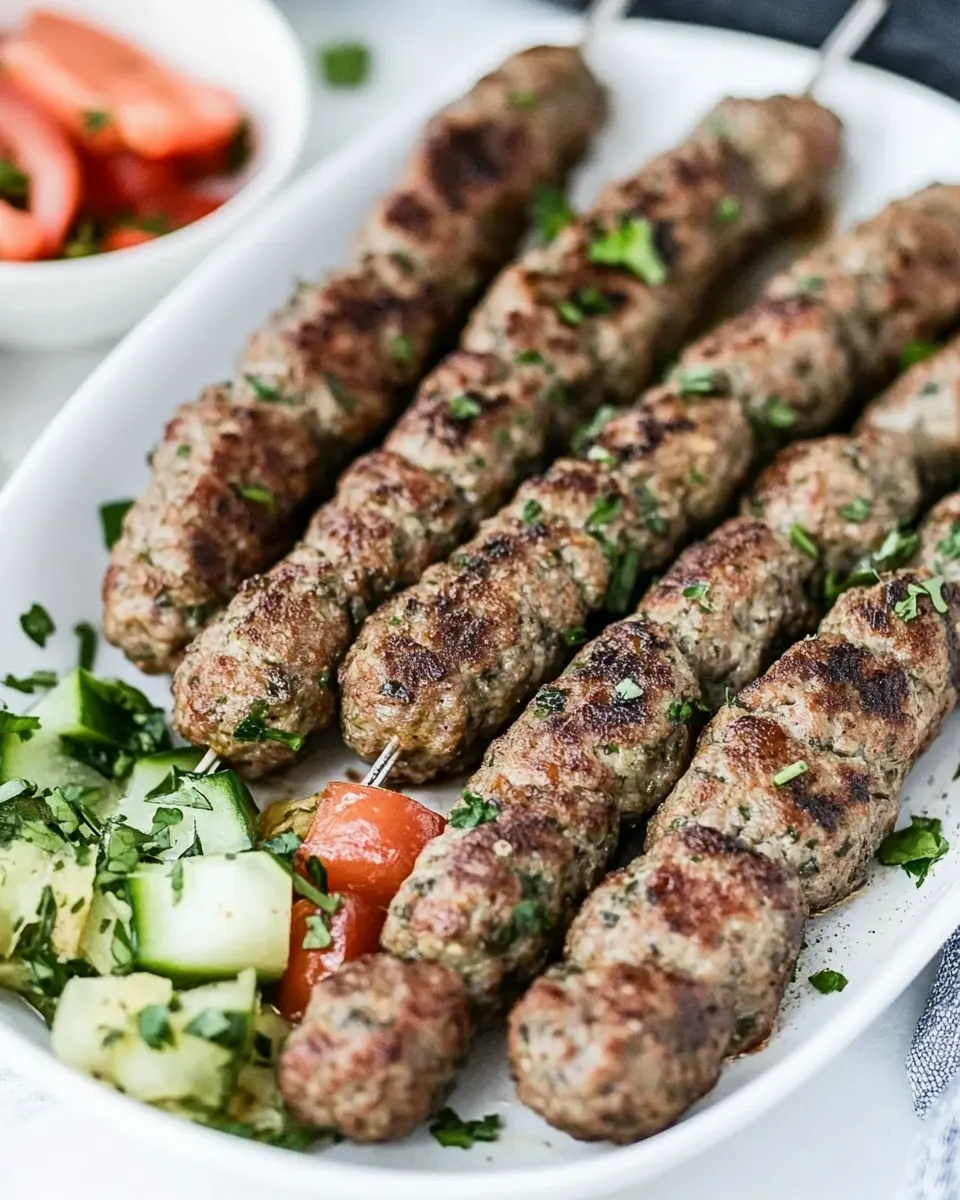
These ingredients form a compact, purposeful pantry for maximum flavor. I focus on balance here: ground meats provide richness and texture, while herbs and warm spices bring brightness and complexity. Each item plays a clear role, so using fresh parsley and properly measured warm spices makes a big difference in the finished kebab.
- 2 1/2 pounds ground sirloin: Provide a rich, lean base for the kofta while contributing moisture and meaty texture; blend thoroughly with other proteins and seasonings to form cohesive kebab mixture. Brown and slightly char when grilled to develop savory depth and a satisfying chew.
- 1/2 pound ground lamb: Add a slightly fattier, more flavorful contrast to balance the lean sirloin and enhance juiciness; incorporate evenly to prevent dry, crumbly kebabs. Provide characteristic lamb aroma that complements Middle Eastern spices when cooked.
- 1 peeled small diced yellow onion: Offer a sweet, aromatic foundation when finely diced to integrate into the meat mixture; release natural sugars and moisture that help bind and tenderize the kebabs. Sauté or mix raw depending on desired texture to mellow sharpness and add complexity.
- 5 finely minced garlic cloves: Deliver pungent, aromatic intensity that brightens the meat blend and layers savory umami; mince finely to distribute flavor evenly and avoid large garlic bursts. Saute lightly or mix raw for distinct garlicky warmth that complements the spice profile.
- 1/3 cup finely minced parsley: Contribute fresh, herbaceous brightness that cuts through rich meat flavors and adds color; mince finely to ensure even distribution and a subtle green fleck in the kebabs. Pair with mint and spices to reinforce classic Middle Eastern herb notes.
- 2 tablespoons finely minced mint: Provide cool, refreshing herbal lift that balances richer meats and spices; mince finely and mix thoroughly so the flavor infuses the entire kebab. Complement parsley and help keep the finished kebabs tasting bright and aromatic.
- 1 tablespoon umac: Impart tangy, lemony and slightly floral sourness associated with sumac to enhance overall brightness and accentuate meat flavors when blended into the mixture. Sprinkle and mix in small amounts to avoid overpowering and to add authentic regional acidity.
- 1 teaspoon allspice: Introduce warm, slightly sweet aromatic depth with notes of clove and cinnamon to deepen the spice profile; measure carefully since allspice is potent. Combine with other spices to create the characteristic savory warmth of kofta seasoning.
- 1 1/2 teaspoons cinnamon: Add sweet, woody warmth that harmonizes with cinnamon and allspice to produce a rounded, aromatic backbone for the kebabs; use sparingly to avoid overpowering other flavors. Enhance slow, mellow cooking notes during grilling or pan-searing.
- 1 teaspoon ground cardamom: Provide a complex, citrusy-mentholated aroma that adds exotic floral tones to the spice blend; grind finely and incorporate evenly to prevent uneven bursts of flavor. Support other warm spices and elevate the overall Middle Eastern profile.
- 1 tablespoon cumin: Deliver earthy, smoky warmth and a savory foundation that ties the spice mix to the meat; toast and grind or use ground cumin to maximize aroma. Blend well to ensure the cumin's characteristic flavor is present in every bite.
- 1 teaspoon paprika: Add mild sweet-smoky color and a subtle warmth that complements the other spices; use measured amounts to contribute depth without dominating. Enhance visual appeal and rounded spice complexity when combined with paprika's hue.
- 1 tablespoon ea salt: Season thoroughly to enhance and balance all flavors while aiding in protein binding; distribute evenly so each kebab is consistently seasoned. Adjust quantity slightly if needed for personal taste, but recognize salt's essential role in flavor development.
- 1/2 teaspoon ground pepper: Provide gentle heat and pungency that sharpens the overall seasoning profile without overwhelming other spices; grind finely and mix evenly. Use sparingly to add a subtle peppery finish that enhances savoriness and balances richness.
Preparation Steps for Middle Eastern Kofta Kebab
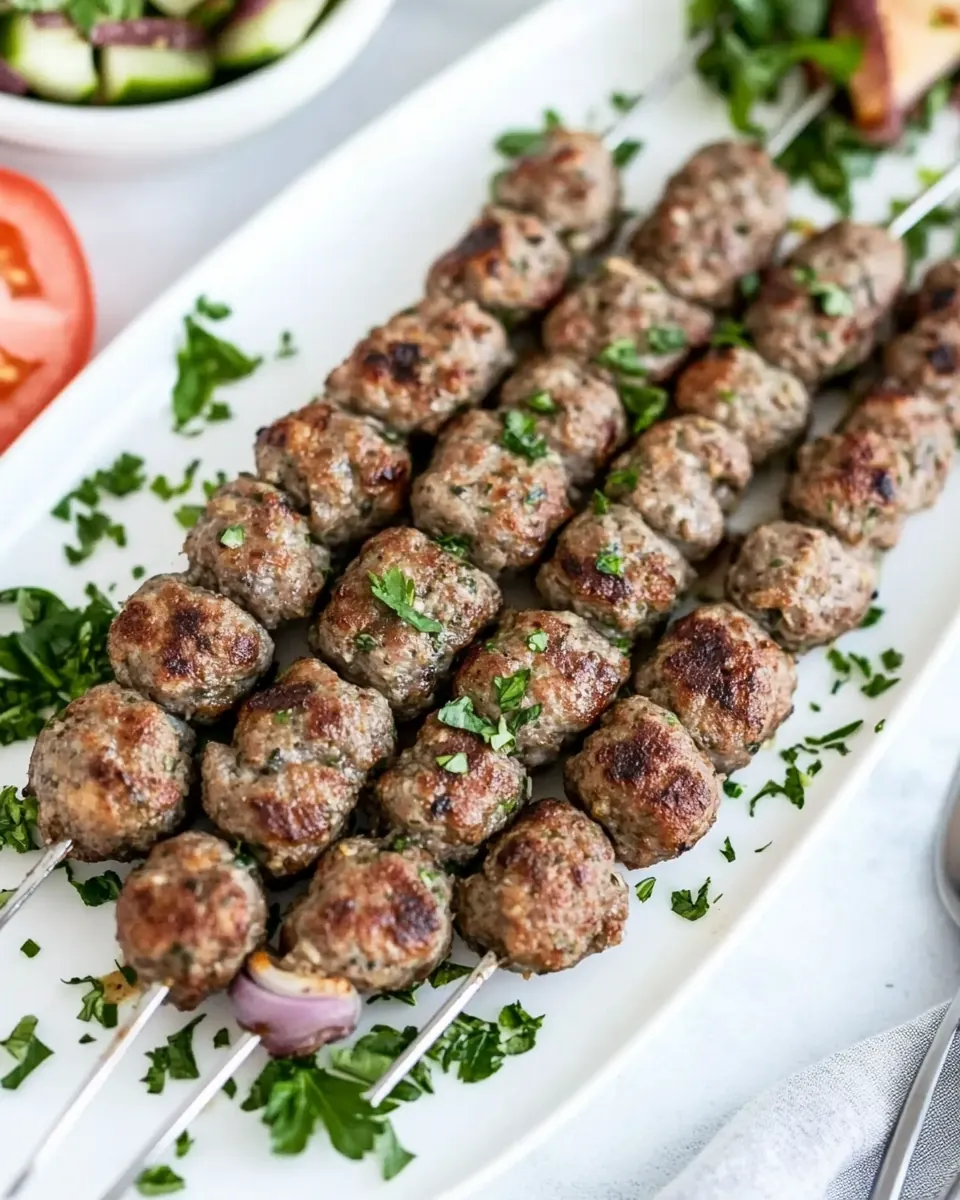
These steps take you from a mixed bowl to sizzling skewers, and I like to think of the process as building flavor and texture deliberately. Take your time with mixing and chilling so the shaping goes smoothly. Below, I walk through the sensory cues and troubleshooting tips to make sure each kebab turns out beautifully.
- Add all of the ingredients into a large bowl and thoroughly mix everything together until completely combined.: The moment you combine the ground sirloin , ground lamb , herbs, and spices you will smell an immediate wave of warm aromatics, the cumin and cinnamon rising first. Use your hands to fold and press the mixture, feeling its texture change from loose to cohesive, which means the proteins are interacting with the seasonings. Mixing by hand also helps distribute the garlic and onion so there are no concentrated pockets of flavor. A common mistake is overworking the meat, which can make the final kebabs dense; aim for even distribution without compacting too aggressively. If the mixture feels too wet, a brief chill will firm it and make shaping easier.
- Place in the refrigerator covered for at least 30 minutes or up to overnight.: Chilling the mixture solidifies the fats and allows the flavors to meld, giving you a smoother texture and easier shaping. When you open the bowl after chilling you ll notice the smell deepened and the mixture will hold its shape better under pressure. I usually cover it loosely so moisture does not collect on top. A pitfall is skipping this rest, which often leads to meat that slips off skewers or falls apart while cooking. If you re short on time, the minimum 30 minutes will still help, but overnight makes the best flavor development.
- Remove the meat mixture and take out a large chunk and form it into a tight cylinder.: When you shape a portion, press firmly and roll between your palms to expel air pockets, creating a dense, even cylinder. The feel should be springy but cohesive, not crumbly or soupy. You will notice how the mixture glues together as the minced herbs and onion help bind it. Avoid leaving large gaps or uneven thickness, which cause uneven cooking. A frequent slip is making cylinders too thin, which leads to dryness, so aim for a substantial but manageable size.
- Skewer the meat cylinder and then press and pull it to fit a majority of the skewer. Repeat until all of the meat has been used.: Thread the cylinder onto the skewer longways, then use your hands to press and shape the meat along the metal so it clings evenly. This pressing and pulling motion ensures good contact with the skewer and creates the classic elongated kofta shape. You should hear a slight squish as the meat forms around the metal, and visually it should look smooth and snug. Be careful not to leave gaps between the meat and skewer, otherwise the kebab may slide during cooking. If pieces slip, return them to the fridge for a quick chill and try again.
- Preheat your grill to 450° to 550° F or a griddle to medium-high heat.: Keep a consistent portion size so all kebabs cook uniformly, arranging shaped skewers on a tray as you go. The tray will show a row of similar cylinders, and this uniformity helps you time grilling perfectly. I like to alternate a quick chill between batches if my hands warm the meat too much while shaping. A common error is making the first few kebabs larger than the rest, which means you ll have mismatched cook times; use a measuring scoop if you need consistency.
- Place the kofta kebabs right onto your grill or griddle and cook for 3-4 minutes or until very browned and cooked throughout.: Preheating is vital for a quick sear that locks in juices and creates those appealing char marks. When the grill reaches temperature you will see the grates shimmer and smell a faint toasty aroma, a signal that the surface is ready. If the surface is not hot enough, the meat will stick and weep fat rather than sear. Avoid opening the grill repeatedly while heating, as this drops the temperature. On a griddle you want a steady medium-high heat that sizzles on contact without burning the meat immediately.
- Remove and serve.: As the skewers hit the hot surface, you should hear a lively sizzle and smell the spices blooming. The outside will quickly brown and develop caramelized edges while the inside stays juicy. Use tongs to rotate gently for even browning on all sides. A telltale cue is when the meat releases easily from the grates, that s the moment to flip or rotate. Overcooking will dry them out, so monitor the color more than the clock, and consider a quick temperature check if you re unsure. If the exterior darkens too fast while the interior is still cold, move the skewers to a slightly cooler zone to finish cooking more gently.
- Remove and serve: Right after removing the kebabs you ll notice the aromatic steam rising and the charred edges offering a pleasant textural contrast. Let them rest briefly so juices redistribute, then serve hot from the skewer or slide onto a platter. Resting for a few minutes keeps the interior juicy and prevents all the juices from spilling out the moment you slice or bite. A mistake I see is serving them immediately without a short rest, which leads to a dryer mouthfeel and lost flavor. Present with simple accompaniments and enjoy the layered spice notes that developed during cooking.
Tips and Variations
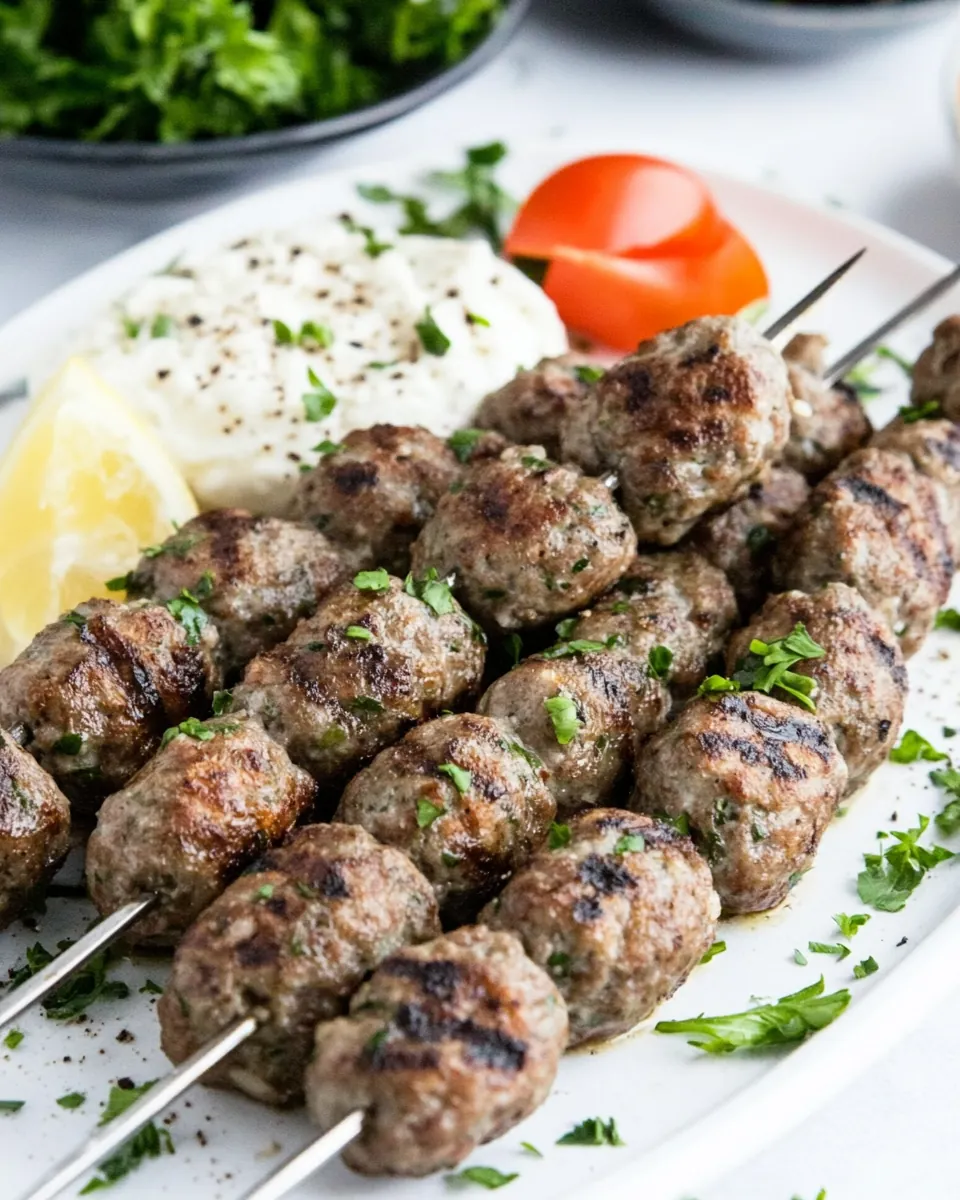
I like to think of tips as small adjustments that lift the final dish. Below are practical notes and variations I use regularly to keep Middle Eastern Kofta Kebab flavorful and easy to prepare for any occasion.
- Make Ahead: You can prepare the meat mixture up to one day in advance, covered and refrigerated, which deepens flavor and saves time on the day of cooking.
- Freezing: Portion and freeze shaped kebabs on a tray, then transfer to a sealed container for up to three months; thaw in the refrigerator before grilling.
- Oven Finish: If you dont have a grill, sear the kebabs in a hot skillet then finish in a 375 F oven until cooked through for an evenly cooked result.
- Adjusting Spice: If you prefer a milder profile, reduce the cinnamon and allspice slightly; for more warmth, increase cumin or paprika.
- Binding Fix: If the mixture is too loose, chill it for 10 to 20 minutes or add a small egg white to help bind without altering flavor significantly.
Perfect Pairings for Middle Eastern Kofta Kebab
These kebabs pair well with fresh, bright sides and simple accompaniments. Below are serving suggestions, occasions, and storage tips to help you plan a full meal around Middle Eastern Kofta Kebab.
- Serve With Flatbreads: Warm pita or flatbread invites guests to wrap slices with herbs, making for a hands on meal ideal for casual dinners or gatherings.
- Accompany With Fresh Salads: A tomato and cucumber salad dressed with lemon and olive oil provides refreshing contrast for the rich kebabs, perfect for summer meals or Ramadan iftar.
- Sauces and Dips: Yogurt based sauces or tahini add creaminess and a cooling element, great for balancing the warm spices and for serving at family dinners.
- Occasions: These kebabs are excellent for weeknight dinners, weekend barbecues, or small celebrations where you want hands off cooking and flavorful results.
- Storage Tips: Refrigerate leftovers covered for up to four days, and reheat gently on a hot grill or in a 350 F oven to preserve texture and moisture.
- Seasonal Pairings: In cool months serve with roasted vegetables and in warmer months emphasize crisp salads and chilled sauces for contrast.
FAQ
Conclusion
What makes this recipe special is the harmony between rich meats and a warm, fragrant spice blend that yields juicy, charred kebabs every time. Give Middle Eastern Kofta Kebab a try the next time you want something that feels celebratory yet is straightforward to prepare. I hope these tips and steps make the process feel approachable and enjoyable, and that the end result brings people together around a delicious, aromatic meal.
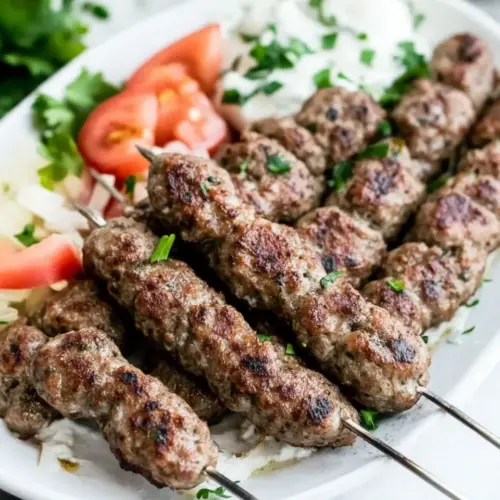
Middle Eastern Kofta Kebab
Equipment
- Grill
- Skewers
- Large Bowl
- Tongs
- Refrigerator
Ingredients
- 2 1/2 pounds ground sirloin Provide a rich, lean base for the kofta while contributing moisture and meaty texture; blend thoroughly with other proteins and seasonings to form cohesive kebab mixture. Brown and slightly char when grilled to develop savory depth and a satisfying chew.
- 1/2 pound ground lamb Add a slightly fattier, more flavorful contrast to balance the lean sirloin and enhance juiciness; incorporate evenly to prevent dry, crumbly kebabs. Provide characteristic lamb aroma that complements Middle Eastern spices when cooked.
- 1 peeled small diced yellow onion Offer a sweet, aromatic foundation when finely diced to integrate into the meat mixture; release natural sugars and moisture that help bind and tenderize the kebabs. Sauté or mix raw depending on desired texture to mellow sharpness and add complexity.
- 5 finely minced garlic cloves Deliver pungent, aromatic intensity that brightens the meat blend and layers savory umami; mince finely to distribute flavor evenly and avoid large garlic bursts. Saute lightly or mix raw for distinct garlicky warmth that complements the spice profile.
- 1/3 cup finely minced parsley Contribute fresh, herbaceous brightness that cuts through rich meat flavors and adds color; mince finely to ensure even distribution and a subtle green fleck in the kebabs. Pair with mint and spices to reinforce classic Middle Eastern herb notes.
- 2 tablespoons finely minced mint Provide cool, refreshing herbal lift that balances richer meats and spices; mince finely and mix thoroughly so the flavor infuses the entire kebab. Complement parsley and help keep the finished kebabs tasting bright and aromatic.
- 1 tablespoon umac Impart tangy, lemony and slightly floral sourness associated with sumac to enhance overall brightness and accentuate meat flavors when blended into the mixture. Sprinkle and mix in small amounts to avoid overpowering and to add authentic regional acidity.
- 1 teaspoon allspice Introduce warm, slightly sweet aromatic depth with notes of clove and cinnamon to deepen the spice profile; measure carefully since allspice is potent. Combine with other spices to create the characteristic savory warmth of kofta seasoning.
- 1 1/2 teaspoons cinnamon Add sweet, woody warmth that harmonizes with cinnamon and allspice to produce a rounded, aromatic backbone for the kebabs; use sparingly to avoid overpowering other flavors. Enhance slow, mellow cooking notes during grilling or pan-searing.
- 1 teaspoon ground cardamom Provide a complex, citrusy-mentholated aroma that adds exotic floral tones to the spice blend; grind finely and incorporate evenly to prevent uneven bursts of flavor. Support other warm spices and elevate the overall Middle Eastern profile.
- 1 tablespoon cumin Deliver earthy, smoky warmth and a savory foundation that ties the spice mix to the meat; toast and grind or use ground cumin to maximize aroma. Blend well to ensure the cumin's characteristic flavor is present in every bite.
- 1 teaspoon paprika Add mild sweet-smoky color and a subtle warmth that complements the other spices; use measured amounts to contribute depth without dominating. Enhance visual appeal and rounded spice complexity when combined with paprika's hue.
- 1 tablespoon ea salt Season thoroughly to enhance and balance all flavors while aiding in protein binding; distribute evenly so each kebab is consistently seasoned. Adjust quantity slightly if needed for personal taste, but recognize salt's essential role in flavor development.
- 1/2 teaspoon ground pepper Provide gentle heat and pungency that sharpens the overall seasoning profile without overwhelming other spices; grind finely and mix evenly. Use sparingly to add a subtle peppery finish that enhances savoriness and balances richness.
Instructions
- Add all of the ingredients into a large bowl and thoroughly mix everything together until completely combined.: The moment you combine the ground sirloin , ground lamb , herbs, and spices you will smell an immediate wave of warm aromatics, the cumin and cinnamon rising first. Use your hands to fold and press the mixture, feeling its texture change from loose to cohesive, which means the proteins are interacting with the seasonings. Mixing by hand also helps distribute the garlic and onion so there are no concentrated pockets of flavor. A common mistake is overworking the meat, which can make the final kebabs dense; aim for even distribution without compacting too aggressively. If the mixture feels too wet, a brief chill will firm it and make shaping easier.
- Place in the refrigerator covered for at least 30 minutes or up to overnight.: Chilling the mixture solidifies the fats and allows the flavors to meld, giving you a smoother texture and easier shaping. When you open the bowl after chilling you ll notice the smell deepened and the mixture will hold its shape better under pressure. I usually cover it loosely so moisture does not collect on top. A pitfall is skipping this rest, which often leads to meat that slips off skewers or falls apart while cooking. If you re short on time, the minimum 30 minutes will still help, but overnight makes the best flavor development.
- Remove the meat mixture and take out a large chunk and form it into a tight cylinder.: When you shape a portion, press firmly and roll between your palms to expel air pockets, creating a dense, even cylinder. The feel should be springy but cohesive, not crumbly or soupy. You will notice how the mixture glues together as the minced herbs and onion help bind it. Avoid leaving large gaps or uneven thickness, which cause uneven cooking. A frequent slip is making cylinders too thin, which leads to dryness, so aim for a substantial but manageable size.
- Skewer the meat cylinder and then press and pull it to fit a majority of the skewer. Repeat until all of the meat has been used.: Thread the cylinder onto the skewer longways, then use your hands to press and shape the meat along the metal so it clings evenly. This pressing and pulling motion ensures good contact with the skewer and creates the classic elongated kofta shape. You should hear a slight squish as the meat forms around the metal, and visually it should look smooth and snug. Be careful not to leave gaps between the meat and skewer, otherwise the kebab may slide during cooking. If pieces slip, return them to the fridge for a quick chill and try again.
- Preheat your grill to 450° to 550° F or a griddle to medium-high heat.: Keep a consistent portion size so all kebabs cook uniformly, arranging shaped skewers on a tray as you go. The tray will show a row of similar cylinders, and this uniformity helps you time grilling perfectly. I like to alternate a quick chill between batches if my hands warm the meat too much while shaping. A common error is making the first few kebabs larger than the rest, which means you ll have mismatched cook times; use a measuring scoop if you need consistency.
- Place the kofta kebabs right onto your grill or griddle and cook for 3-4 minutes or until very browned and cooked throughout.: Preheating is vital for a quick sear that locks in juices and creates those appealing char marks. When the grill reaches temperature you will see the grates shimmer and smell a faint toasty aroma, a signal that the surface is ready. If the surface is not hot enough, the meat will stick and weep fat rather than sear. Avoid opening the grill repeatedly while heating, as this drops the temperature. On a griddle you want a steady medium-high heat that sizzles on contact without burning the meat immediately.
- Remove and serve.: As the skewers hit the hot surface, you should hear a lively sizzle and smell the spices blooming. The outside will quickly brown and develop caramelized edges while the inside stays juicy. Use tongs to rotate gently for even browning on all sides. A telltale cue is when the meat releases easily from the grates, that s the moment to flip or rotate. Overcooking will dry them out, so monitor the color more than the clock, and consider a quick temperature check if you re unsure. If the exterior darkens too fast while the interior is still cold, move the skewers to a slightly cooler zone to finish cooking more gently.
- Remove and serve: Right after removing the kebabs you ll notice the aromatic steam rising and the charred edges offering a pleasant textural contrast. Let them rest briefly so juices redistribute, then serve hot from the skewer or slide onto a platter. Resting for a few minutes keeps the interior juicy and prevents all the juices from spilling out the moment you slice or bite. A mistake I see is serving them immediately without a short rest, which leads to a dryer mouthfeel and lost flavor. Present with simple accompaniments and enjoy the layered spice notes that developed during cooking.
Notes
- Make Ahead: You can prepare the meat mixture up to one day in advance, covered and refrigerated, which deepens flavor and saves time on the day of cooking.
- Freezing: Portion and freeze shaped kebabs on a tray, then transfer to a sealed container for up to three months; thaw in the refrigerator before grilling.
- Oven Finish: If you dont have a grill, sear the kebabs in a hot skillet then finish in a 375 F oven until cooked through for an evenly cooked result.
- Adjusting Spice: If you prefer a milder profile, reduce the cinnamon and allspice slightly; for more warmth, increase cumin or paprika.
- Binding Fix: If the mixture is too loose, chill it for 10 to 20 minutes or add a small egg white to help bind without altering flavor significantly.
