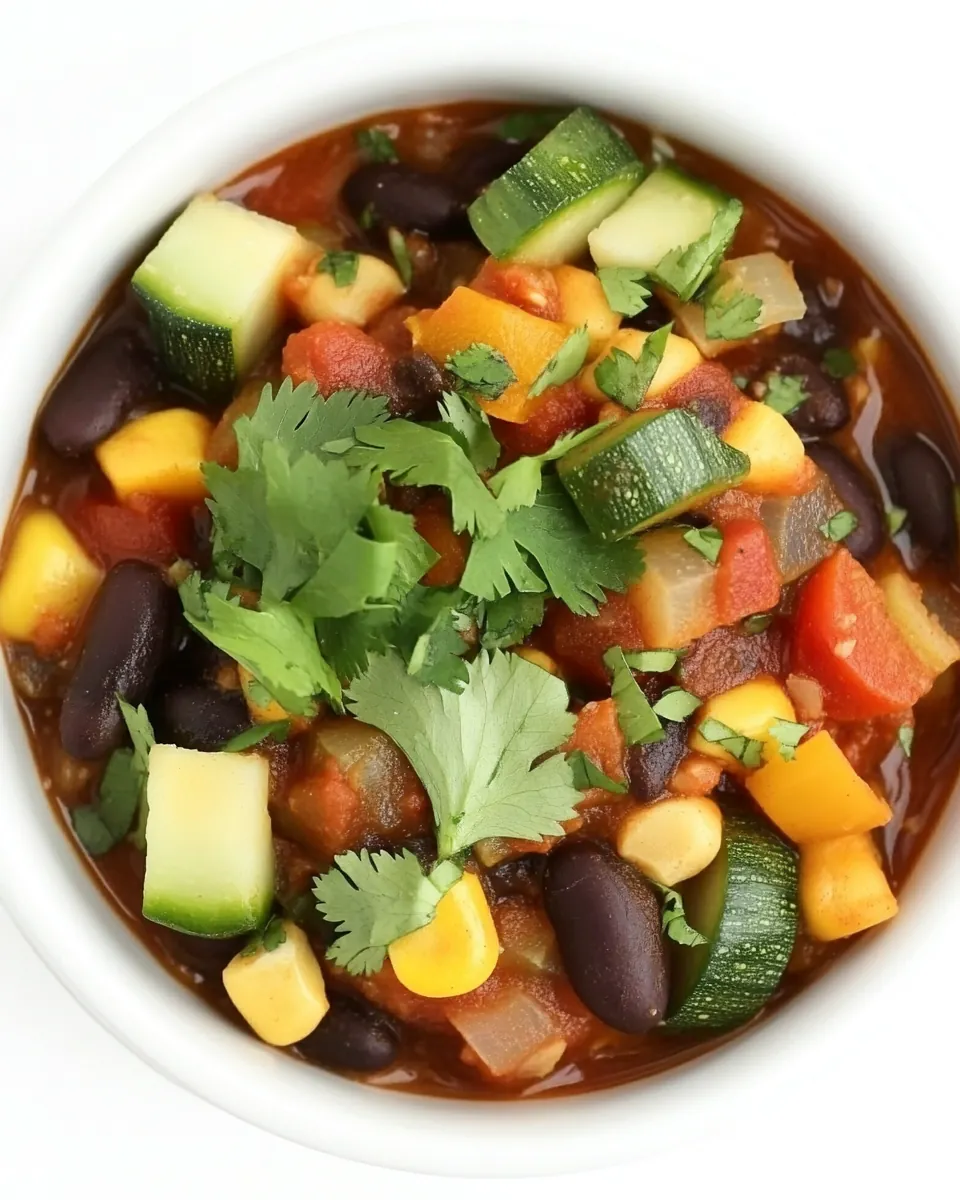
Summer Vegetable Chili
Summer Vegetable Chili started showing up in my summer rotation the year my garden went a little wild with zucchini and peppers. I remember standing at the counter with a pile of produce and a stubborn craving for something warm yet light, so I tossed everything into a pot and let the flavors do the work. The very first spoonful felt like a little victory, bright and herbaceous with a comforting, savory depth that surprised me.
Since then, Summer Vegetable Chili has become my go to for casual weeknight dinners and for feeding friends who want something plant centered but satisfying. I love how the texture shifts when the corn pops against the soft beans and squash, and how a squeeze of lime or a dollop of vegan sour cream can pivot the whole bowl into something festive. It’s also the recipe I bring to potlucks because it scales easily and helps me use up odds and ends from the fridge.
When I make Summer Vegetable Chili, I often think about balance. The tomatoes give brightness, the beans add heft, and the spices give a warm backbone without taking over the produce. Over time I learned small tricks like sautéing the onion until it sings, and rinsing canned beans for a cleaner flavor. Those little changes made a big difference, turning a quick weeknight idea into a dish I rely on when I want something effortless yet intentional.
Recipe Snapshot
45 mins
25 mins
20 mins
Medium
250 kcal
Mexican
Gluten-Free, Vegan
Dinner
Large pot, Knife, Cutting board, Colander
Why You’ll Love This Summer Vegetable Chili
Bright seasonal produce in a cozy bowl
I adore how Summer Vegetable Chili lets the summer vegetables be the main event. The zucchini, squash, and bell pepper keep the bowl feeling light and fresh, while the tomatoes and spices bring warmth. I often say this recipe is summer sunshine in a pot, because each spoonful celebrates the season without feeling heavy.
Flexible for pantry and garden finds
One of the reasons I keep making this is how forgiving it is. I’ll swap zucchini for mushrooms or add extra corn if that’s what I have. The cans of beans and diced tomatoes mean you can pull this together quickly, and it still tastes like you spent hours simmering. I like recipes that reward flexibility, and this one always delivers.
Comfort without the heaviness
This chili gives you all of the cozy vibes, but it’s not dense or greasy. Using vegetable broth and a mix of beans keeps the bowl nourishing and filling, yet pleasantly light. I often serve it when I want a satisfying dinner that won’t leave us sluggish, especially on warm evenings when you still crave warmth.
Great for leftovers and batch cooking
I love that flavors deepen after a day in the fridge. If you make a big pot, plan on enjoying even better bowls the next day. It reheats beautifully on the stove or in a pot, and toppings like avocado or fresh cilantro refresh each serving. For gatherings, it’s also simple to scale up, which is something I always appreciate.
Takes toppings and tweaks beautifully
Finally, the toppings make the difference between good and memorable. I vary mine from creamy avocado to crunchy tortilla strips, and a dash of hot sauce wakes up the palate. The base recipe is a perfect canvas, and I enjoy how each addition changes the story of the bowl.
What’s In This Summer Vegetable Chili
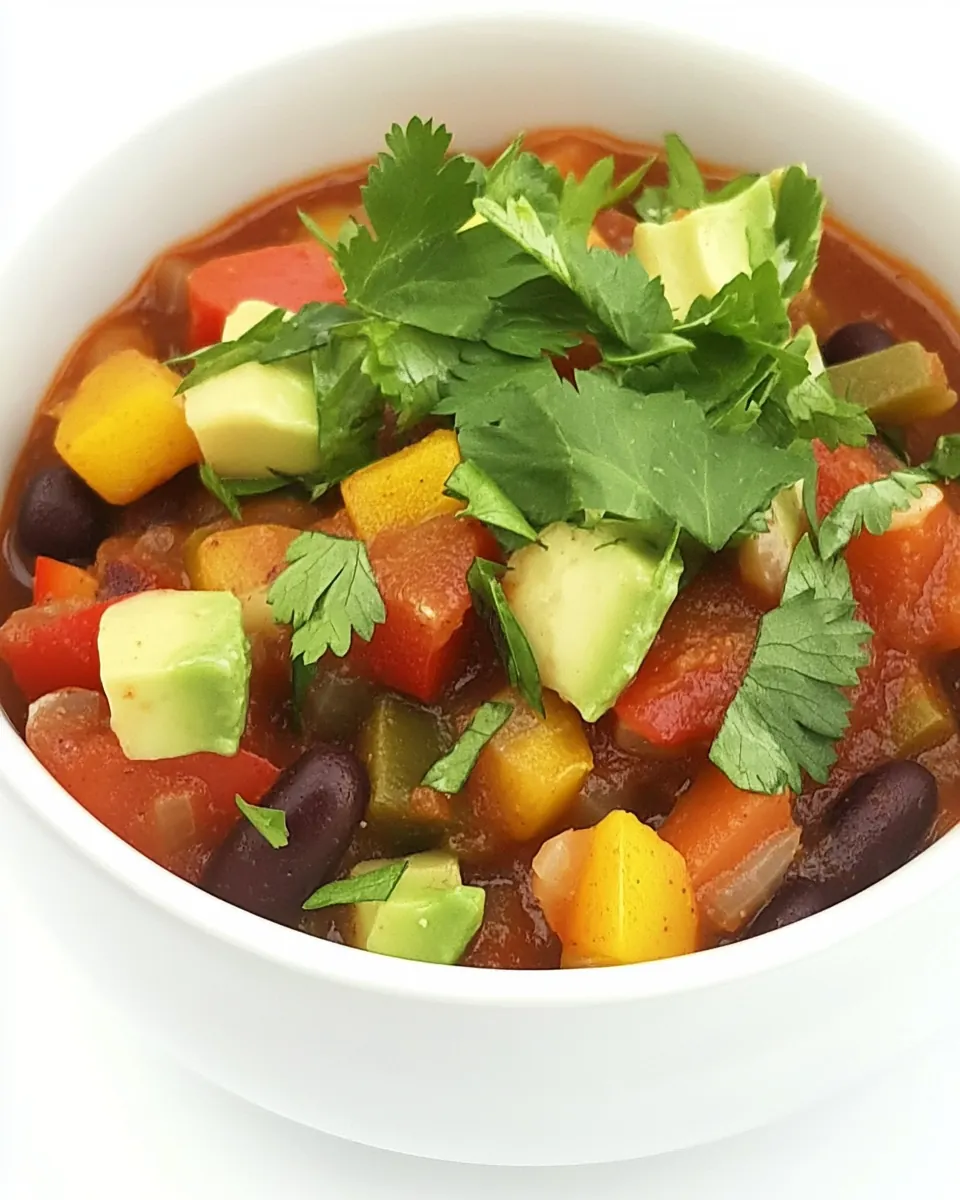
The philosophy behind these ingredients is simple: celebrate summer produce while relying on pantry staples for body and depth. The vegetables provide texture and freshness, the beans add protein and creaminess, and the tomatoes and broth form a bright, savory base. Spices tie everything together, and the optional toppings let you personalize each bowl.
- 1 yellow onion: Chop finely and sauté until translucent to build a savory, aromatic base for the chili; provides sweetness and depth that balances spicy notes and acidity.
- 3 4 cloves garlic: Mince and cook briefly with aromatics to add pungent warmth and layered flavor; contributes a subtle sharpness that enhances overall complexity.
- 1 medium zucchini: Dice into bite-sized pieces and simmer until tender to contribute mild, slightly sweet flesh and moisture; helps bulk the chili with light, fresh texture.
- 1 yellow summer squash (or another zucchini or mushrooms): Slice or dice and cook until softened to add mild, tender flesh and a delicate sweetness; offers additional bulk and a pleasing contrast to denser beans.
- 1 orange bell pepper: Dice and sauté to provide bright, sweet, and slightly fruity flavor; adds color, crunch when lightly cooked, and a fresh bell pepper aroma.
- 2 cups vegetable broth: Pour in to deglaze the pan and simmer as the cooking liquid to meld flavors; supplies a neutral savory base and helps achieve desired chili consistency.
- 15 oz . can diced tomatoes (or fire-roasted): Drain or add with juices to contribute acidity, tomato sweetness, and rich umami; helps create a thick, stew-like texture and enhances savory depth.
- 15 oz . can black beans: Rinse and add to provide creamy texture, protein, and earthy flavor; contributes body, nutrition, and hearty bite to the chili.
- 15 oz . can pinto beans: Rinse and add to provide contrasting creaminess and mild, nutty flavor; balances other beans and vegetables while boosting fiber and protein.
- 1 cup sweet corn (fresh, canned, or frozen): Stir in for bursts of sweetness and texture; adds bright kernels that lighten the mouthfeel and complement savory, spicy elements.
- 2 tbsp . chili powder: Sprinkle and toast briefly to infuse the dish with warm, smoky, and earthy heat; acts as the primary spice blend driving the chili character.
- 1-2 tsp. cumin, 1 tsp. smoked paprika (optional): Add sparingly to layer warm, smoky, and aromatic undertones alongside the chili powder; can be adjusted to taste for complexity and depth.
- Fresh cilantro, avocado, hot sauce, green onion, vegan cheese shreds, vegan sour cream, tortilla strips, etc.: Garnish and serve to introduce fresh brightness, creaminess, heat, and crunchy textures; allows customization and finishing touches to enhance each bowl.
The Process for Making Summer Vegetable Chili
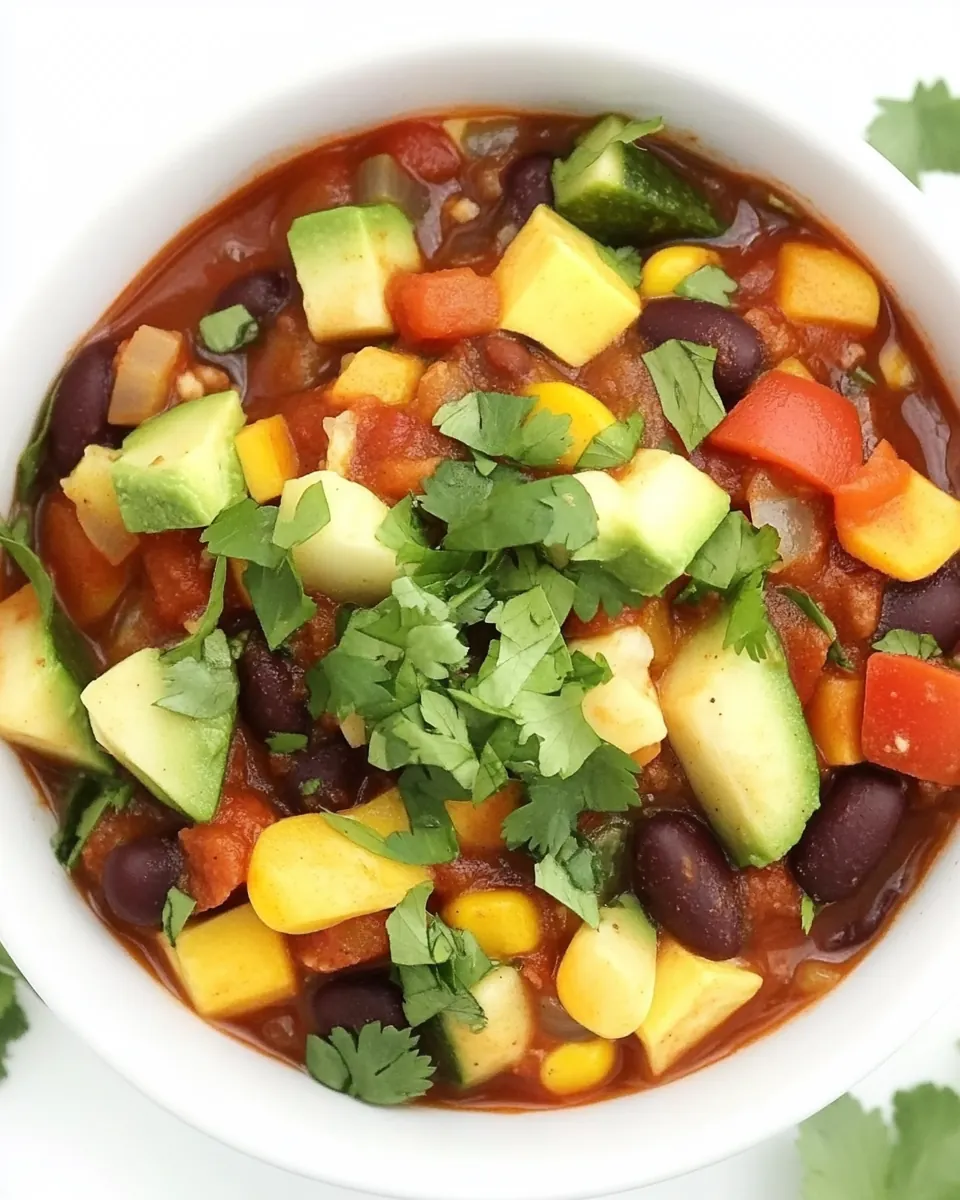
Making this chili is straightforward, and I approach it like a conversation with the ingredients. The goal is to coax sweetness from the onion, awaken the spices, and let the vegetables soften while the broth and tomatoes meld into a cohesive broth. Below I expand each direction into deliberate, sensory rich steps so you know exactly what to watch for.
- Dice onion, zucchini, summer squash, and bell pepper.: The sound of a knife rhythmically chopping is oddly calming, and the visual of a tidy pile of diced onion , zucchini , summer squash , and bell pepper promises even cooking. Aim for similar sized pieces so nothing under or overcooks. If your pieces vary, some will become threadbare while others remain firm, which changes the texture balance. A common mistake is chopping unevenly because you are rushing; take an extra minute to steady your cuts and your pot will reward you with uniform tenderness.
- In a large pot over medium-high heat, sauté onion for 7-8 minutes. (I use 3 Tbsp. veggie broth/water for no-oil sauté method.): As the onion softens, listen for a gentle sizzle and watch it shift from opaque to translucent, sometimes picking up a touch of golden color at the edges. This transformation builds sweet, savory notes that are essential for depth. If you use the no oil method with a splash of vegetable broth , add small amounts as needed so nothing sticks, and stir occasionally to promote even browning. Avoid cranking the heat which can burn the edges and introduce sharp bitterness.
- Meanwhile, mince garlic. When onion is translucent, add minced garlic and chili powder (plus cumin and smoked paprika if using). Stir and sauté 1 minute.: Once the onion is translucent, the aroma changes when you add minced garlic and the spice blend. Give the mixture about one minute so the spices bloom and the garlic loses its raw edge, filling the kitchen with a toasty, aromatic scent. You should smell the spices become more fragrant; if you smell a harsh burned note, that means the heat was too high or the garlic sat too long, and it will taste bitter. To avoid that, stir constantly and be ready to lower the heat.
- Add zucchini, squash, and bell pepper. Stir and sauté 1-2 minutes.: When you add the chopped zucchini , summer squash , and bell pepper , the pot will hiss as the moisture hits the hot bottom, and the colors will brighten. Sauté briefly to take the raw edge off while keeping some texture, allowing the vegetables to still hold form in the simmered chili. Overcooking at this stage can lead to a mushy final texture, so aim for a quick toss that softens but preserves bite.
- Add broth, diced tomatoes, corn, and beans (rinsed and drained).: Pour in the vegetable broth and the canned diced tomatoes , then add the corn and the rinsed black beans and pinto beans . You will see the pot go from glossy to a gentle, bubbling stew as the liquids combine. Rinsing the beans removes excess sodium and improves the clarity of the broth. A common oversight here is adding undrained beans which can make the broth cloudy and overly thick, so give them a quick rinse in a colander.
- Increase heat and bring to a light boil. Then cover, reduce heat, and simmer for 20 minutes.: Turn up the heat until you see a light, even boil, then cover and lower to a gentle simmer. The aroma will deepen as the tomatoes and spices marry with the broth, and the vegetables will relax into tenderness. Simmering for about 20 minutes allows flavors to marry without breaking down the squash and zucchini completely. If you simmer too hard, the liquid will reduce too fast and the texture can become pasty, so maintain a gentle simmer and check periodically.
- Salt to taste. Add any desired toppings before serving. (I love avocado & hot sauce.): After simmering, the kitchen will smell layered and lively, and this is the moment to balance with salt . Taste and add gradually, because you can always add more but cannot remove. Finish each bowl with toppings like fresh cilantro or creamy avocado to introduce freshness and contrast. A frequent misstep is over salting early on; always adjust at the end when the flavors have fully integrated.
Helpful Hints
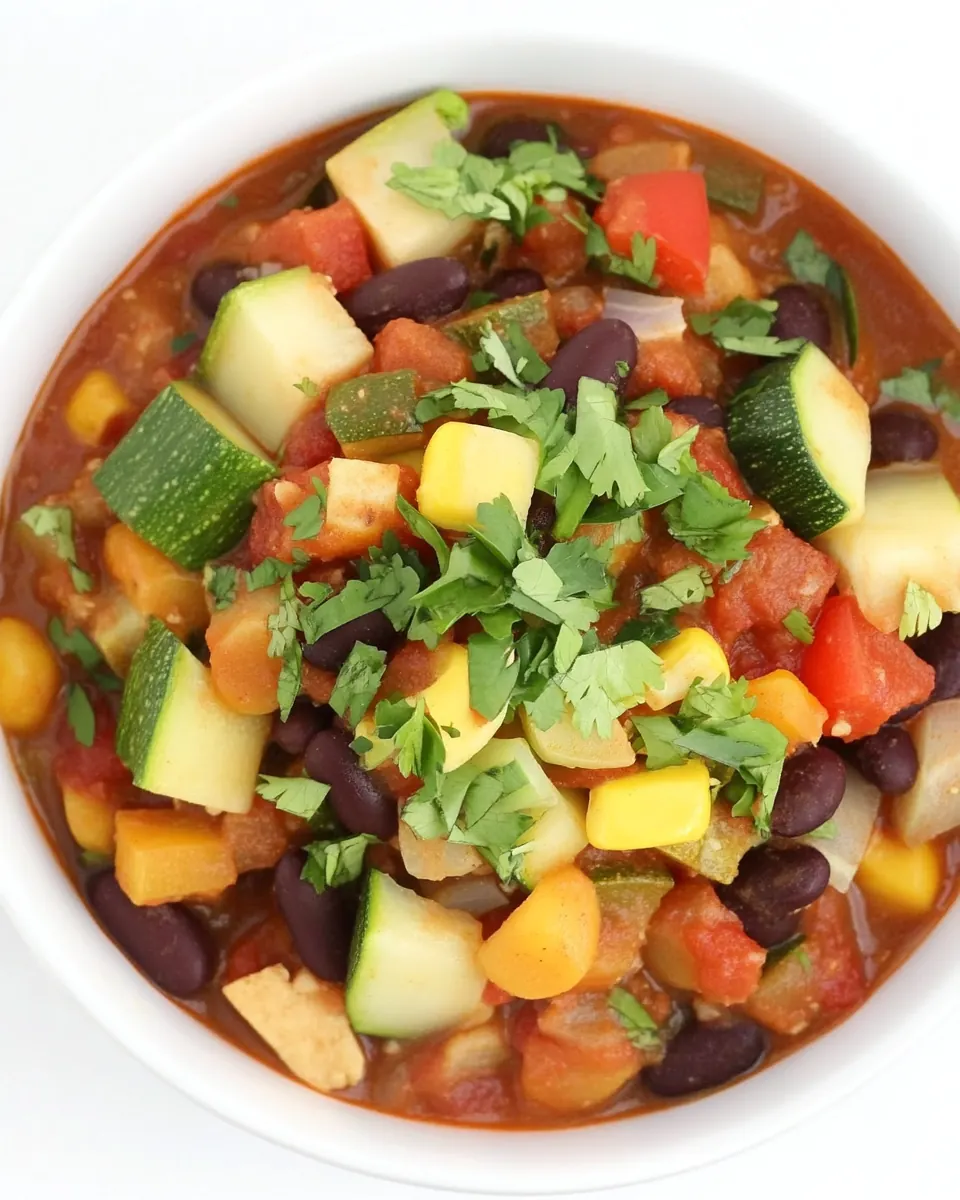
This section collects practical notes and ways to tweak Summer Vegetable Chili so it fits your pantry and mood. I include expanded points from the original notes and add context so each tip is immediately useful at the stove.
- Boost richness Add a 15 oz. can of tomato sauce or 2 to 3 Tbsp. tomato paste during simmering to thicken the broth and add concentrated tomato flavor, stirring until fully incorporated so it does not clump.
- Make it spicy If you like heat, include chopped jalapeno, a pinch of cayenne, chipotle, or a few dashes of hot sauce; introduce these carefully and taste often, since heat levels can escalate quickly.
- Add mushrooms Swap mushrooms for the zucchini and squash or use them alongside for a meatier texture; sauté mushrooms a bit longer to render their moisture and deepen umami.
- No oil saute Use small splashes of vegetable broth to prevent sticking while keeping the dish oil free, replenishing with a tablespoon at a time as needed during the onion stage.
- Topping variety Offer a selection of toppings like avocado, cilantro, vegan sour cream, and tortilla strips so each diner can customize texture and heat to their liking.
What to Serve Alongside Summer Vegetable Chili
This chili pairs easily with simple sides and suits many occasions, from a casual weeknight to a light holiday dinner. I like to present a few complementary textures and flavors so each bowl feels complete and balanced.
- Warm tortillas or crusty bread Soft tortillas or a crisp loaf are perfect for scooping and make the meal feel heartier, ideal for a casual dinner with friends.
- Rice or quinoa Serve the chili over a bed of grains to turn it into a more filling entree, which is great when you want extra staying power for lunch or dinner.
- Simple green salad A bright salad dressed with lemon or a light vinaigrette contrasts the warm bowl and adds a fresh, crunchy element to the meal.
- Pickled or quick pickles Acidic sides like pickled onions cut through the richness and refresh the palate between bites, especially if you include richer toppings.
- Occasion suggestions This dish works for weeknight dinners, potlucks, and summer gatherings; it also suits vegetarian friendly holiday meals where a light but satisfying option is welcome.
- Storage tips Cool to room temperature, then refrigerate in an airtight container for up to four days; freeze in portions for up to three months and thaw in the fridge overnight.
- Seasonal pairing Highlight fresh summer produce alongside the chili, like grilled corn or a tomato salad, to keep the meal seasonally resonant.
FAQ
Conclusion
Summer Vegetable Chili stands out because it celebrates seasonal produce while remaining comforting and satisfying. Its combination of tender squash, sweet corn, hearty beans, and aromatic spices makes it both nourishing and easy to love. I encourage you to give it a try when your garden is generous or when you need a fast, flexible weeknight dinner. It scales well, keeps beautifully in the fridge, and welcomes toppings that let you change the mood of each bowl, so it’s a dependable recipe to return to again and again.
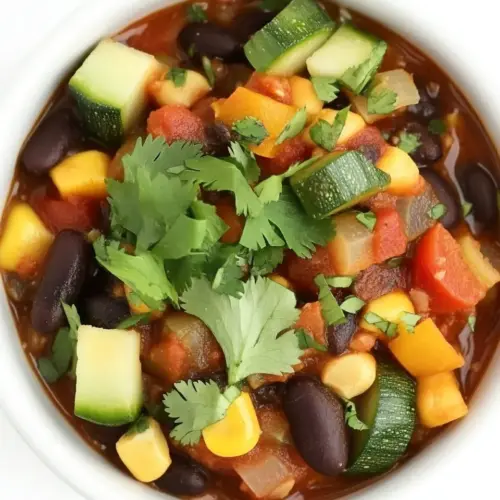
Summer Vegetable Chili
Equipment
- Large Pot
- Knife
- Cutting Board
- Colander
Ingredients
- 1 yellow onion Chop finely and sauté until translucent to build a savory, aromatic base for the chili; provides sweetness and depth that balances spicy notes and acidity.
- 3 -4 cloves garlic Mince and cook briefly with aromatics to add pungent warmth and layered flavor; contributes a subtle sharpness that enhances overall complexity.
- 1 medium zucchini Dice into bite-sized pieces and simmer until tender to contribute mild, slightly sweet flesh and moisture; helps bulk the chili with light, fresh texture.
- 1 yellow summer squash (or another zucchini or mushrooms) Slice or dice and cook until softened to add mild, tender flesh and a delicate sweetness; offers additional bulk and a pleasing contrast to denser beans.
- 1 orange bell pepper Dice and sauté to provide bright, sweet, and slightly fruity flavor; adds color, crunch when lightly cooked, and a fresh bell pepper aroma.
- 2 cups vegetable broth Pour in to deglaze the pan and simmer as the cooking liquid to meld flavors; supplies a neutral savory base and helps achieve desired chili consistency.
- 15 oz . can diced tomatoes (or fire-roasted) Drain or add with juices to contribute acidity, tomato sweetness, and rich umami; helps create a thick, stew-like texture and enhances savory depth.
- 15 oz . can black beans Rinse and add to provide creamy texture, protein, and earthy flavor; contributes body, nutrition, and hearty bite to the chili.
- 15 oz . can pinto beans Rinse and add to provide contrasting creaminess and mild, nutty flavor; balances other beans and vegetables while boosting fiber and protein.
- 1 cup sweet corn (fresh, canned, or frozen) Stir in for bursts of sweetness and texture; adds bright kernels that lighten the mouthfeel and complement savory, spicy elements.
- 2 tbsp . chili powder Sprinkle and toast briefly to infuse the dish with warm, smoky, and earthy heat; acts as the primary spice blend driving the chili character.
- Optional: 1-2 tsp. cumin, 1 tsp. smoked paprika Add sparingly to layer warm, smoky, and aromatic undertones alongside the chili powder; can be adjusted to taste for complexity and depth.
- Fresh cilantro, avocado, hot sauce, green onion, vegan cheese shreds, vegan sour cream, tortilla strips, etc. Garnish and serve to introduce fresh brightness, creaminess, heat, and crunchy textures; allows customization and finishing touches to enhance each bowl.
Instructions
- Dice onion, zucchini, summer squash, and bell pepper.: The sound of a knife rhythmically chopping is oddly calming, and the visual of a tidy pile of diced onion , zucchini , summer squash , and bell pepper promises even cooking. Aim for similar sized pieces so nothing under or overcooks. If your pieces vary, some will become threadbare while others remain firm, which changes the texture balance. A common mistake is chopping unevenly because you are rushing; take an extra minute to steady your cuts and your pot will reward you with uniform tenderness.
- In a large pot over medium-high heat, sauté onion for 7-8 minutes. (I use 3 Tbsp. veggie broth/water for no-oil sauté method.): As the onion softens, listen for a gentle sizzle and watch it shift from opaque to translucent, sometimes picking up a touch of golden color at the edges. This transformation builds sweet, savory notes that are essential for depth. If you use the no oil method with a splash of vegetable broth , add small amounts as needed so nothing sticks, and stir occasionally to promote even browning. Avoid cranking the heat which can burn the edges and introduce sharp bitterness.
- Meanwhile, mince garlic. When onion is translucent, add minced garlic and chili powder (plus cumin and smoked paprika if using). Stir and sauté 1 minute.: Once the onion is translucent, the aroma changes when you add minced garlic and the spice blend. Give the mixture about one minute so the spices bloom and the garlic loses its raw edge, filling the kitchen with a toasty, aromatic scent. You should smell the spices become more fragrant; if you smell a harsh burned note, that means the heat was too high or the garlic sat too long, and it will taste bitter. To avoid that, stir constantly and be ready to lower the heat.
- Add zucchini, squash, and bell pepper. Stir and sauté 1-2 minutes.: When you add the chopped zucchini , summer squash , and bell pepper , the pot will hiss as the moisture hits the hot bottom, and the colors will brighten. Sauté briefly to take the raw edge off while keeping some texture, allowing the vegetables to still hold form in the simmered chili. Overcooking at this stage can lead to a mushy final texture, so aim for a quick toss that softens but preserves bite.
- Add broth, diced tomatoes, corn, and beans (rinsed and drained).: Pour in the vegetable broth and the canned diced tomatoes , then add the corn and the rinsed black beans and pinto beans . You will see the pot go from glossy to a gentle, bubbling stew as the liquids combine. Rinsing the beans removes excess sodium and improves the clarity of the broth. A common oversight here is adding undrained beans which can make the broth cloudy and overly thick, so give them a quick rinse in a colander.
- Increase heat and bring to a light boil. Then cover, reduce heat, and simmer for 20 minutes.: Turn up the heat until you see a light, even boil, then cover and lower to a gentle simmer. The aroma will deepen as the tomatoes and spices marry with the broth, and the vegetables will relax into tenderness. Simmering for about 20 minutes allows flavors to marry without breaking down the squash and zucchini completely. If you simmer too hard, the liquid will reduce too fast and the texture can become pasty, so maintain a gentle simmer and check periodically.
- Salt to taste. Add any desired toppings before serving. (I love avocado & hot sauce.): After simmering, the kitchen will smell layered and lively, and this is the moment to balance with salt . Taste and add gradually, because you can always add more but cannot remove. Finish each bowl with toppings like fresh cilantro or creamy avocado to introduce freshness and contrast. A frequent misstep is over salting early on; always adjust at the end when the flavors have fully integrated.
Notes
- Boost richness Add a 15 oz. can of tomato sauce or 2 to 3 Tbsp. tomato paste during simmering to thicken the broth and add concentrated tomato flavor, stirring until fully incorporated so it does not clump.
- Make it spicy If you like heat, include chopped jalapeno, a pinch of cayenne, chipotle, or a few dashes of hot sauce; introduce these carefully and taste often, since heat levels can escalate quickly.
- Add mushrooms Swap mushrooms for the zucchini and squash or use them alongside for a meatier texture; sauté mushrooms a bit longer to render their moisture and deepen umami.
- No oil saute Use small splashes of vegetable broth to prevent sticking while keeping the dish oil free, replenishing with a tablespoon at a time as needed during the onion stage.
- Topping variety Offer a selection of toppings like avocado, cilantro, vegan sour cream, and tortilla strips so each diner can customize texture and heat to their liking.
