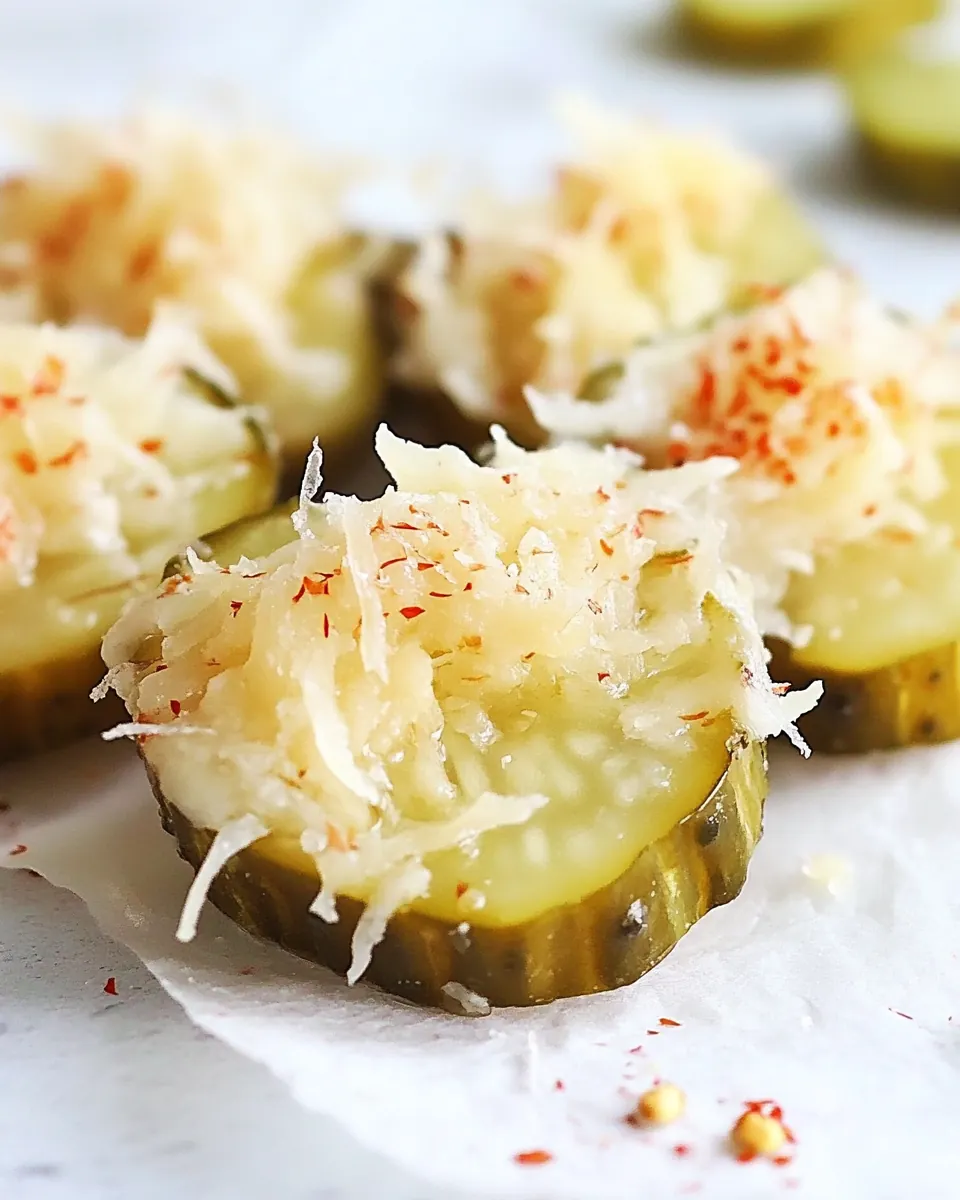
Pickles and Cheese
Pickles and Cheese started as a tiny, late night experiment in my kitchen when I wanted something crunchy, salty, and a little indulgent without turning on the oven.
I remember standing at the stove, a cold jar of dill pickles in one hand and a handful of shredded mozzarella cheese in the other, thinking about how simple food can be the most satisfying. The first bite was a revelation, the tang of the dill pickles cutting through the warm, gooey mozzarella, and that crisp edge where the cheese met the pan added a toasty note I did not expect. After a few quick tweaks, this snack became a staple for evenings when I wanted something quick, fun, and comforting.
Over the months I made tiny adjustments, trying different pickle slices, varying the cheese amount, and playing with spices like paprika and garlic powder. Each version taught me something about balance, and I started bringing them to casual get togethers where people kept coming back for more. They work as a solo treat, or as a little nibble to share with friends while we chat.
Recipe Snapshot
10 mins
5 mins
5 mins
Easy
250 kcal
American
Keto, Gluten-Free
Appetizers
nonstick skillet, Spatula, paper towels
Why This Pickles and Cheese Hits Different
Simple ingredients, big impact
I love how Pickles and Cheese uses only a few pantry items to deliver a surprising burst of flavor. The contrast between the cold, briny dill pickles and the warm, melty shredded mozzarella cheese creates a layered mouthfeel that feels both nostalgic and modern. I often reach for this recipe when I want something quick but memorable.
Textural contrast that keeps you coming back
One of the biggest reasons I bake this snack again and again is the play between crisp and soft textures. The cheese crisps at the edge and stays tender where it wraps the pickle. That crunch followed by a smooth, cheesy pull is addictive, and I deliberately cook until I see golden, lacy edges because that delivers the best contrast.
Flexible and forgiving
I appreciate recipes that give you room to improvise, and Pickles and Cheese is one of those. You can adjust the cheese amount to match the pickle size, and spices like paprika and garlic powder can be dialed up or down without breaking the dish. I find that this flexibility makes it approachable for cooks at every level.
Fast and shareable
Because this snack takes only minutes to prepare, it shines when I need something for a sudden gathering. I can make several in under ten minutes and plate them on a board for guests. They become conversation starters, and people love the novelty of cheese wrapped around a pickle. I always bring extra shredded mozzarella cheese to the table in case someone asks for a second round.
Great for experimenting
I enjoy using this recipe as a playground. Try different pickle sizes or swap in other spices for a new twist. Each experiment tells me more about what combinations I prefer, and that sense of discovery is a big reason this snack stays in my rotation.
Ingredients You’ll Need for Pickles and Cheese
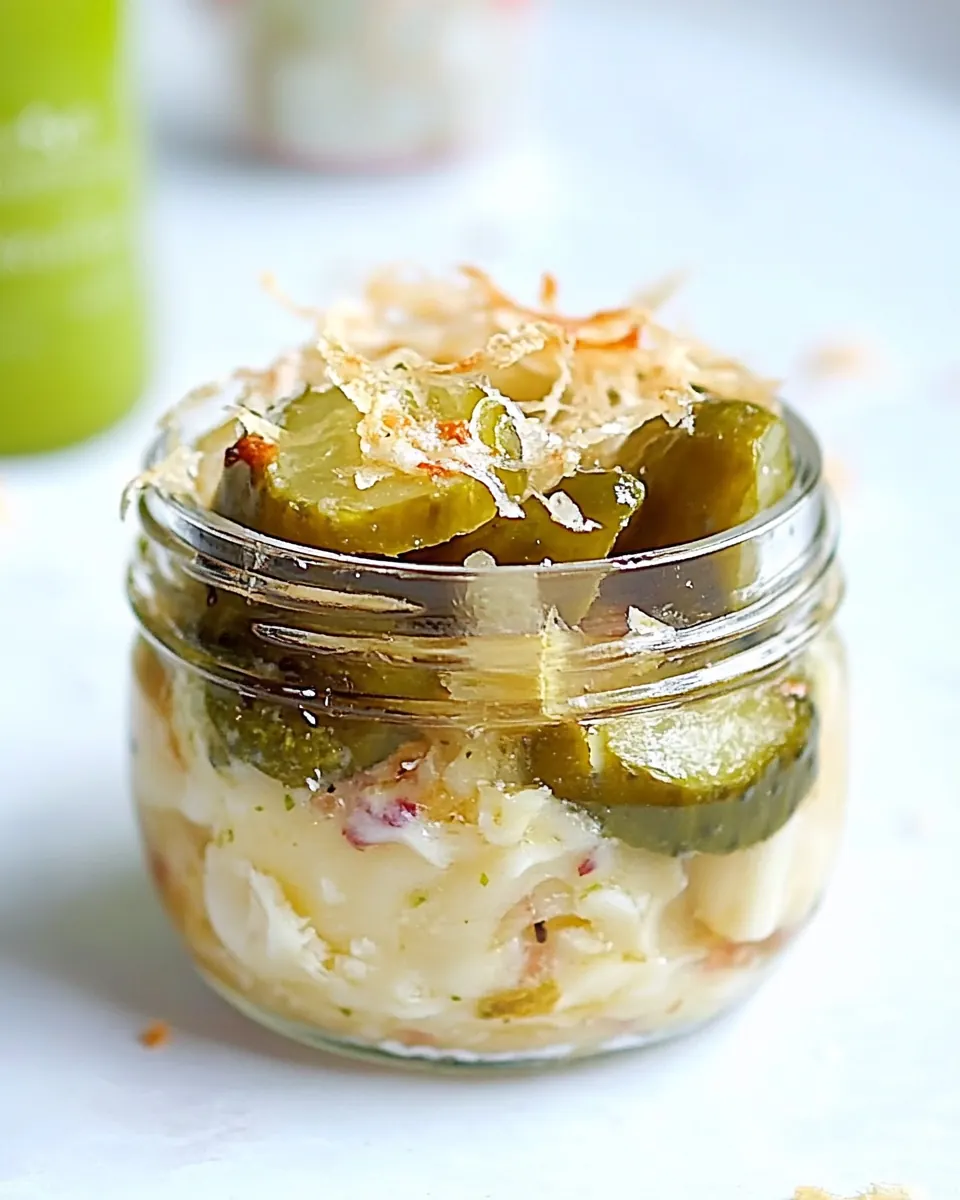
These ingredients are all about balance. The key players are the shredded mozzarella cheese which delivers creamy melt and crisped edges, and the dill pickles which provide a bright, tangy counterpoint. The seasonings, paprika and garlic powder, are subtle enhancers that lift the flavors without stealing the show. Together they create a snack that is simultaneously rich, acidic, and texturally interesting.
- Shredded mozzarella cheese: Melts smoothly to create a creamy, stretchy texture that binds other components and adds mild, milky flavor; sprinkle or layer for gooey richness in hot preparations. Enhances mouthfeel and balances tangy or acidic elements while offering familiar comfort-food appeal.
- Paprika: Adds warm, smoky complexity and vibrant color when dusted over dishes; use sparingly to prevent overpowering delicate flavors. Complements roasted or fried notes and enhances visual appeal with a subtle depth.
- Garlic powder: Provides a concentrated savory punch that heightens overall flavor without adding moisture; great for seasoning blends and dry rubs. Offers garlicky aroma and umami support while blending seamlessly into dairy or breaded preparations.
- Dill pickles petite, sliced, wedges, etc., drained: Contributes bright acidity and crunchy texture that contrasts creamy and fatty elements; drain well to avoid diluting preparations. Brings tangy, vinegary notes and a refreshing bite that cuts through richness and refreshes the palate.
The Method for Pickles and Cheese
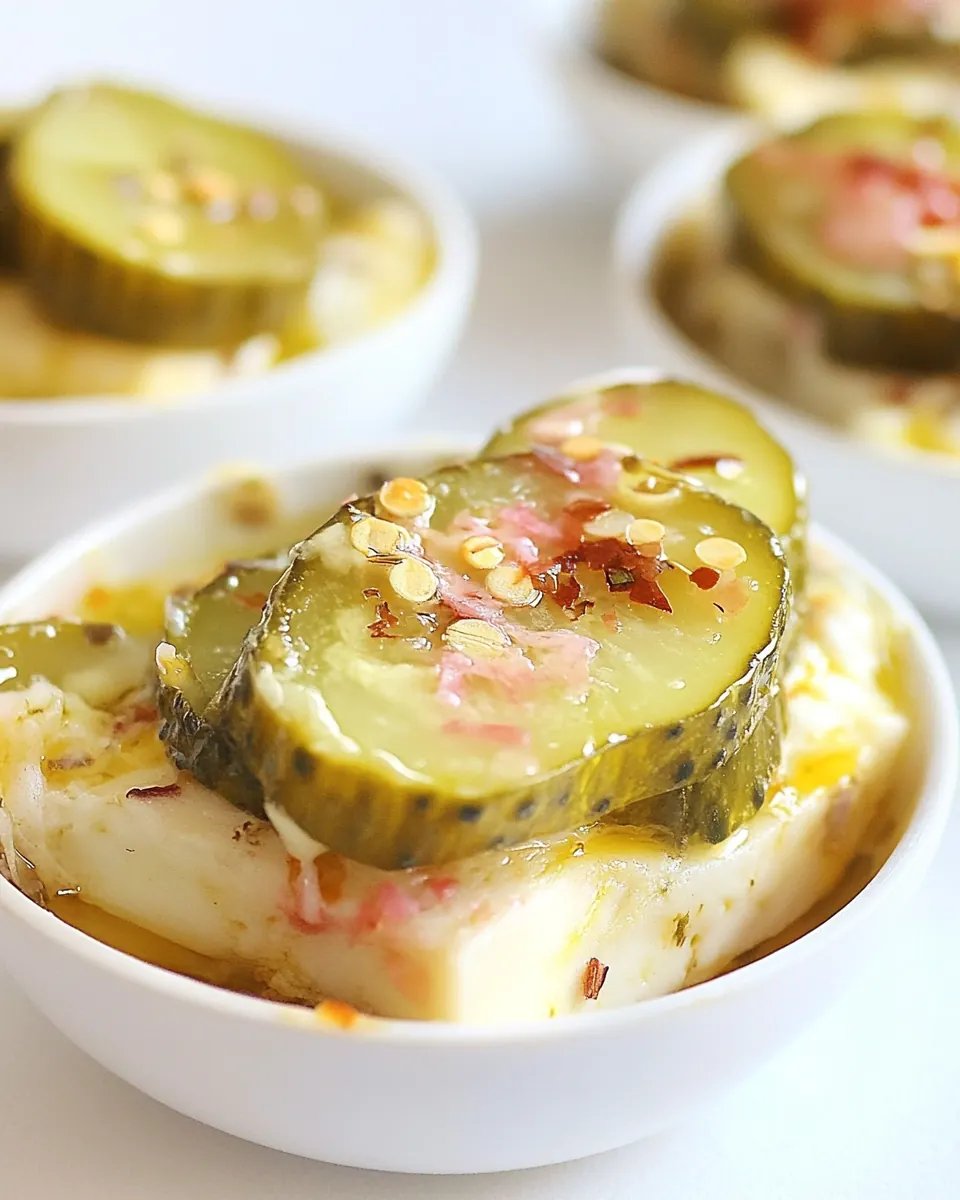
I like to keep the method relaxed, conversational, and sensory. The process is quick, so focus on heat control and watching the cheese transform as it melts and crisps. Below I expand each direction into detailed, chef focused steps so you can produce consistent results and understand the reasons behind each action.
- Prepare the Cheese: In a small skillet, sprinkle a handful of shredded mozzarella cheese, forming a circle about the size of your pickle. This will be the cheesy wrap for your pickle.: The skillet warms the cheese and releases a nutty aroma as it begins to melt, with soft bubbling at the center and glossy edges forming around the circle. You'll notice a gentle sizzle as the shredded mozzarella cheese hits the pan, and the scent should be mildly dairy rich not burnt. This stage matters because starting with an even cheese circle ensures a uniform wrap around the pickle later. Watch for fast browning, that indicates the heat is too high. A common mistake is using too large a pile, which slows melting and prevents crisp edges.
- Season the Cheese: Lightly sprinkle paprika and garlic powder over the cheese. You can add as little or as much as you want.: As the cheese loosens and becomes pliable, sprinkle the paprika and garlic powder , which will bloom in the residual heat and add aromatic lift. You may smell a warm, slightly smoky note from the paprika and a savory undertone from the garlic powder. Seasoning now allows the spices to integrate into the molten cheese rather than sitting on top. Over seasoning can mask the pickle's brightness, so go light until you find the balance you like.
- Melt and Crisp the Cheese: Heat the skillet over medium-high heat. Allow the cheese to melt and cook until the skillet side becomes crispy and golden brown. This should take just a few minutes.: Keep the skillet over medium high heat so the bottom of the cheese forms a thin, golden crust while the top stays soft and supple, creating contrast in texture. You'll hear a sustained, low sizzle that turns into a quieter patter as moisture evaporates. Visual cues include a bubbling center and lacy edges that turn golden brown; when you see these, the cheese has developed that desirable crispness. If you rush this on too high heat, it will char rather than crisp properly, leaving a bitter flavor. Patience here yields a crunchy, toasty edge that elevates the whole snack.
- Wrap the Pickle: Place a pickle at the edge of the melted cheese. Using a spatula, carefully roll the cheese around the pickle, creating a cheesy wrap.: Place the dill pickles at the circle's edge and, using a spatula , gently roll the cheese around the pickle so it adheres and forms a neat wrap. You'll feel a slight resistance as the cheese cools and tightens around the pickle, and the sound is a soft sliding as the spatula moves. This technique seals the pickle in a warm, cheesy envelope which allows the flavors to mingle. If the cheese has cooled too much, it becomes rigid and cracks instead of wrapping smoothly; work promptly when the cheese is pliable but not overly runny.
- Drain and Serve: Remove the cheese-wrapped pickle from the skillet and place it on a paper towel to drain any excess oil. Serve hot and enjoy!: Transfer the cheese wrapped pickle to paper towels to absorb any excess oil and let it sit for a moment so the cheese firms slightly for easier handling. The aroma should be a mix of toasted cheese and tangy pickle, and the surface will glisten from the residual oil. Letting them rest briefly prevents them from falling apart and helps avoid burning your fingers. A common error is serving immediately without draining, which can make the snack greasy and less pleasant to hold.
Make It Your Own
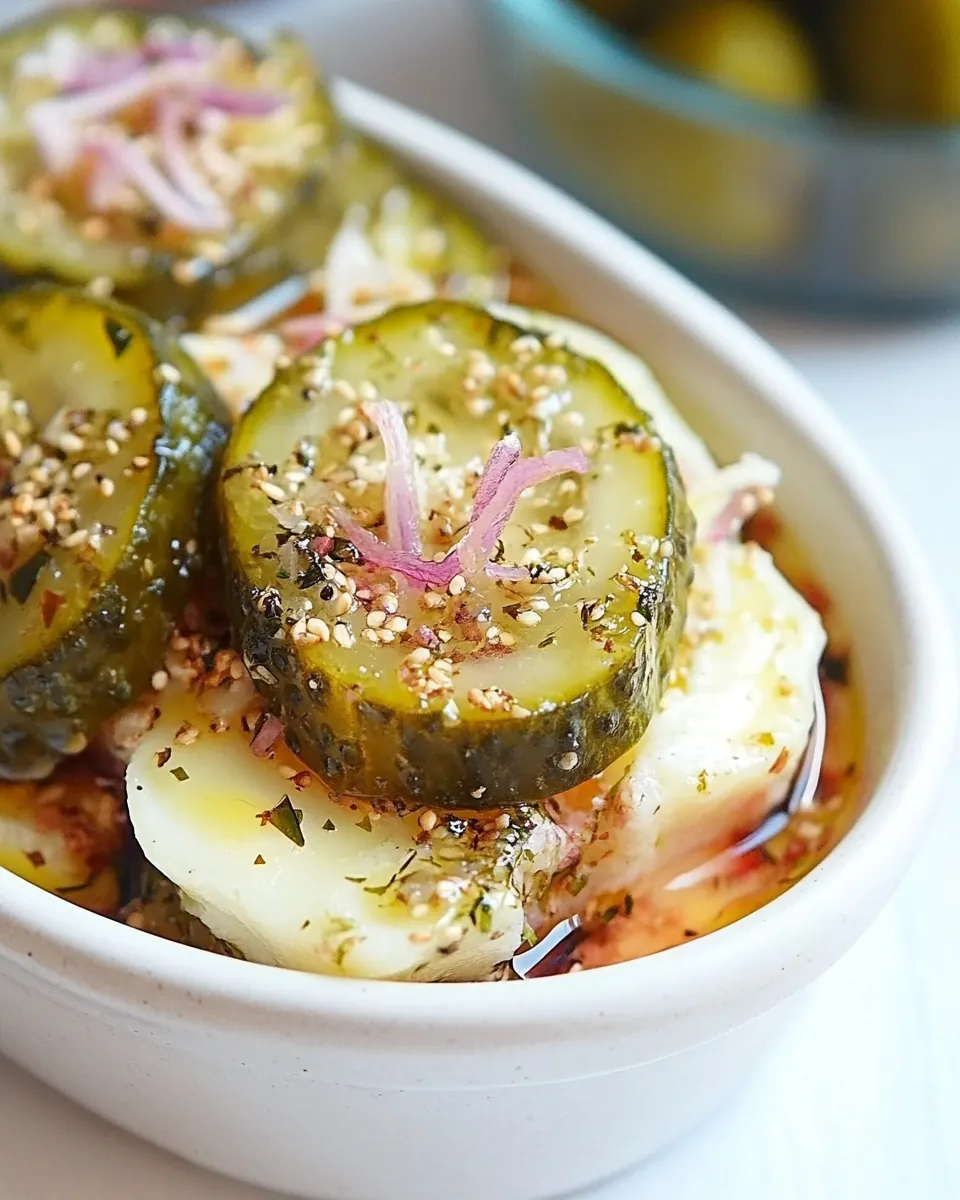
This snack invites experimentation, and small changes create surprisingly different results. Below are detailed tips to help you adapt the recipe to your taste and context, each designed to improve texture, flavor, or ease of preparation.
- Adjust the cheese amount: Match the amount of shredded mozzarella cheese to the pickle size; larger pickles need a larger cheese circle to wrap fully and achieve a balanced cheese to pickle ratio.
- Try different pickle cuts: Petite whole pickles provide a sturdy center while sandwich slices give you more surface area for cheese, affecting the snack’s bite and assembly technique.
- Control your heat: Keep the skillet at medium high to develop golden edges without burning; if you see smoke, lower the heat immediately to prevent a bitter taste.
- Season lightly: Start with a small pinch of paprika and garlic powder and taste, because the pickle brine already adds a salty tang that can amplify other seasonings.
- Use the right tools: A flexible spatula and a nonstick skillet make wrapping easier and reduce breakage when lifting the cheese.
- Drain briefly: Place finished pieces on paper towels to remove excess oil, which improves texture and serving presentation.
Perfect Pairings for Pickles and Cheese
Pickles and Cheese is a snack that pairs well with a variety of simple sides and occasions. Below are serving ideas, storage notes, and occasions where this snack shines, presented as practical suggestions to help you plan a small spread or casual nibble plate.
- Casual movie night: Arrange several cheese wrapped pickles on a small platter with napkins for an informal snack that guests can grab between scenes.
- Game day nibble: Serve alongside salty chips and raw vegetable sticks to balance textures; the crispy cheese edges pair well with crunchy dippers.
- Light appetizer: Offer as part of a small appetizer board with olives, pickled vegetables, and crackers for a snack that complements other briny bites.
- Quick solo treat: Make one or two for an afternoon pick me up, enjoying the contrast of warm cheese and tangy pickle without extensive prep.
- Storage tip: Keep leftover pickles and cheese in an airtight container and refrigerate for up to twenty four hours, though best enjoyed fresh for optimal crispness.
- Seasonal pairing: Works well year round, and is a handy cold weather snack when you want something toasty without long cooking.
FAQ
Conclusion
Pickles and Cheese stands out because it transforms two humble ingredients into a snack that is crunchy, tangy, and satisfyingly cheesy. I encourage you to give this simple technique a try, because it is fast, forgiving, and endlessly adaptable to your taste. Share it with friends or enjoy a quiet solo snack, and you may find it becomes one of those small comfort recipes you return to again and again.
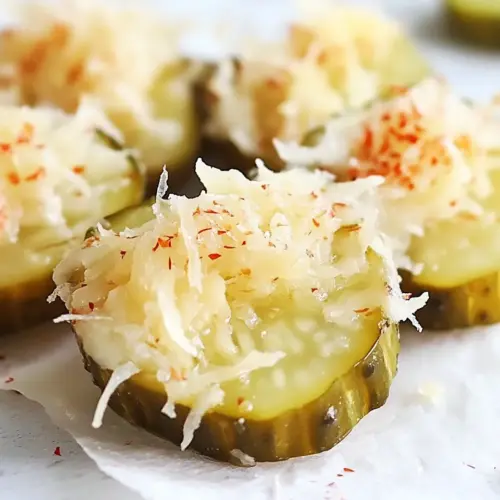
Pickles and Cheese
Equipment
- nonstick skillet
- Spatula
- Paper towels
Ingredients
- Shredded mozzarella cheese Melts smoothly to create a creamy, stretchy texture that binds other components and adds mild, milky flavor; sprinkle or layer for gooey richness in hot preparations. Enhances mouthfeel and balances tangy or acidic elements while offering familiar comfort-food appeal.
- Paprika Adds warm, smoky complexity and vibrant color when dusted over dishes; use sparingly to prevent overpowering delicate flavors. Complements roasted or fried notes and enhances visual appeal with a subtle depth.
- Garlic powder Provides a concentrated savory punch that heightens overall flavor without adding moisture; great for seasoning blends and dry rubs. Offers garlicky aroma and umami support while blending seamlessly into dairy or breaded preparations.
- Dill pickles petite, sliced, wedges, etc., drained Contributes bright acidity and crunchy texture that contrasts creamy and fatty elements; drain well to avoid diluting preparations. Brings tangy, vinegary notes and a refreshing bite that cuts through richness and refreshes the palate.
Instructions
- Prepare the Cheese: In a small skillet, sprinkle a handful of shredded mozzarella cheese, forming a circle about the size of your pickle. This will be the cheesy wrap for your pickle.: The skillet warms the cheese and releases a nutty aroma as it begins to melt, with soft bubbling at the center and glossy edges forming around the circle. You'll notice a gentle sizzle as the shredded mozzarella cheese hits the pan, and the scent should be mildly dairy rich not burnt. This stage matters because starting with an even cheese circle ensures a uniform wrap around the pickle later. Watch for fast browning, that indicates the heat is too high. A common mistake is using too large a pile, which slows melting and prevents crisp edges.
- Season the Cheese: Lightly sprinkle paprika and garlic powder over the cheese. You can add as little or as much as you want.: As the cheese loosens and becomes pliable, sprinkle the paprika and garlic powder , which will bloom in the residual heat and add aromatic lift. You may smell a warm, slightly smoky note from the paprika and a savory undertone from the garlic powder. Seasoning now allows the spices to integrate into the molten cheese rather than sitting on top. Over seasoning can mask the pickle's brightness, so go light until you find the balance you like.
- Melt and Crisp the Cheese: Heat the skillet over medium-high heat. Allow the cheese to melt and cook until the skillet side becomes crispy and golden brown. This should take just a few minutes.: Keep the skillet over medium high heat so the bottom of the cheese forms a thin, golden crust while the top stays soft and supple, creating contrast in texture. You'll hear a sustained, low sizzle that turns into a quieter patter as moisture evaporates. Visual cues include a bubbling center and lacy edges that turn golden brown; when you see these, the cheese has developed that desirable crispness. If you rush this on too high heat, it will char rather than crisp properly, leaving a bitter flavor. Patience here yields a crunchy, toasty edge that elevates the whole snack.
- Wrap the Pickle: Place a pickle at the edge of the melted cheese. Using a spatula, carefully roll the cheese around the pickle, creating a cheesy wrap.: Place the dill pickles at the circle's edge and, using a spatula , gently roll the cheese around the pickle so it adheres and forms a neat wrap. You'll feel a slight resistance as the cheese cools and tightens around the pickle, and the sound is a soft sliding as the spatula moves. This technique seals the pickle in a warm, cheesy envelope which allows the flavors to mingle. If the cheese has cooled too much, it becomes rigid and cracks instead of wrapping smoothly; work promptly when the cheese is pliable but not overly runny.
- Drain and Serve: Remove the cheese-wrapped pickle from the skillet and place it on a paper towel to drain any excess oil. Serve hot and enjoy!: Transfer the cheese wrapped pickle to paper towels to absorb any excess oil and let it sit for a moment so the cheese firms slightly for easier handling. The aroma should be a mix of toasted cheese and tangy pickle, and the surface will glisten from the residual oil. Letting them rest briefly prevents them from falling apart and helps avoid burning your fingers. A common error is serving immediately without draining, which can make the snack greasy and less pleasant to hold.
Notes
- Adjust the cheese amount: Match the amount of shredded mozzarella cheese to the pickle size; larger pickles need a larger cheese circle to wrap fully and achieve a balanced cheese to pickle ratio.
- Try different pickle cuts: Petite whole pickles provide a sturdy center while sandwich slices give you more surface area for cheese, affecting the snack's bite and assembly technique.
- Control your heat: Keep the skillet at medium high to develop golden edges without burning; if you see smoke, lower the heat immediately to prevent a bitter taste.
- Season lightly: Start with a small pinch of paprika and garlic powder and taste, because the pickle brine already adds a salty tang that can amplify other seasonings.
- Use the right tools: A flexible spatula and a nonstick skillet make wrapping easier and reduce breakage when lifting the cheese.
- Drain briefly: Place finished pieces on paper towels to remove excess oil, which improves texture and serving presentation.