Honey Glazed Salmon
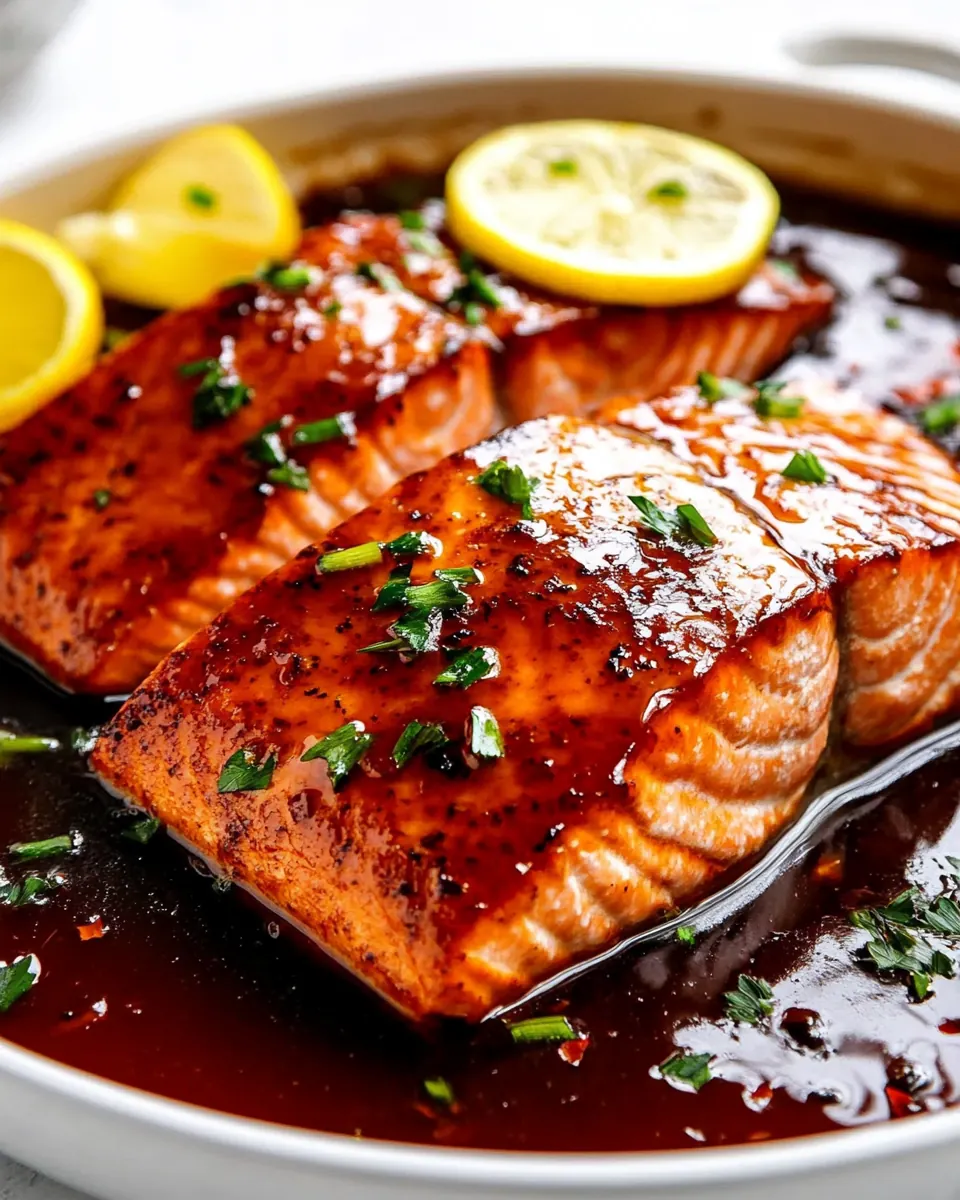
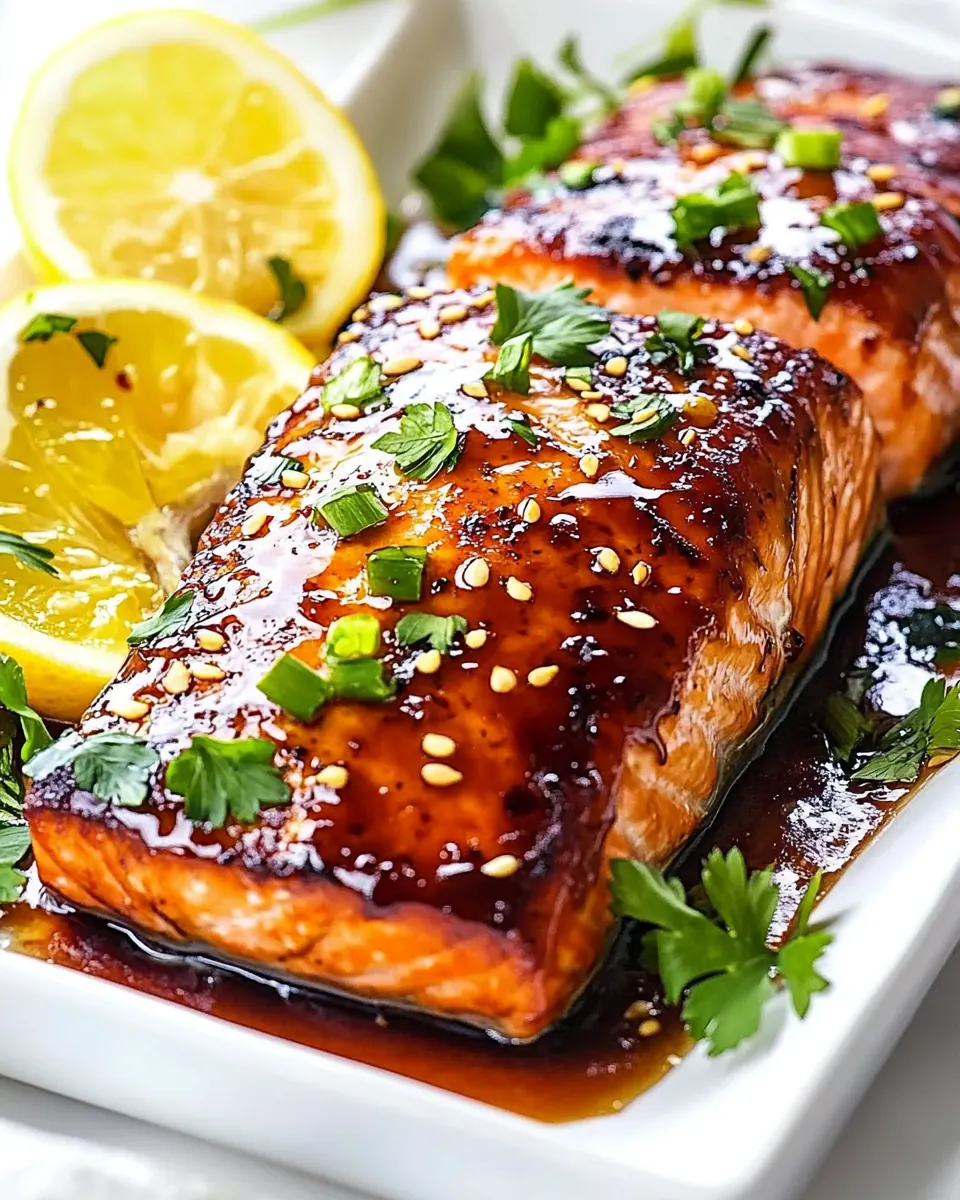
Honey Glazed Salmon is the kind of dish that turned a weeknight into a memory for me the first time I made it for close friends. The combination of sticky sweet glaze and tender salmon felt fancy without being fussy, and everyone at the table kept nudging their plates closer to the pan as I finished basting. I remember laughing as one friend declared it restaurant worthy, while another asked for the recipe between bites.
That evening taught me how a few pantry staples can transform an ordinary salmon fillet into something cozy and special. The glaze caramelizes quickly, creating a glossy coating that snaps as you cut into the fish, and the little spark of heat from the sriracha ties the flavors together. Since then, this version has become my go to when I want an easy, impressive dinner that does not demand hours in the kitchen.
Recipe Snapshot
18 mins
8 mins
10 mins
Easy
300 kcal
American
Gluten-Free, Keto
Dinner
Non-stick skillet, Mixing bowl, Measuring spoons, Tongs
Why We Love This Honey Glazed Salmon
Impressive on the table with minimal effort
I love that Honey Glazed Salmon looks like a dish you spent hours on, while really being straightforward. When guests arrive, the aroma of browning salmon and melting butter feels indulgent, and plating takes seconds. For busy nights, that contrast between effort and payoff is everything to me.
Balanced sweet heat
The glaze blends the floral sweetness of honey with tang from lemon juice and a salty umami note from low sodium soy sauce. I appreciate how a whisper of sriracha wakes up the palate without stealing the show. That balance makes the recipe reliable for both kids and adults at my table.
Textural satisfaction
Coating the salmon in a light flour mixture gives a slightly crisp exterior that contrasts with the buttery, flaky interior. When you baste the fillets with the glaze, the surface develops a glossy sheen that looks gorgeous and tastes rich. I always aim for that slight snap before the fish yields to a fork.
Flexible and friendly to leftovers
I often make a double batch because the leftovers are versatile. Chilled pieces work beautifully in salads or rice bowls, and the glaze keeps the fish moist. That practicality makes this recipe a regular in my rotation.
Simple pantry ingredients
You do not need a long shopping list to get great results. Most of the components are common pantry items, so I can pull this together on short notice. That reliability is why I reach for this recipe when I want comfort without complexity.
Key Ingredients for Honey Glazed Salmon
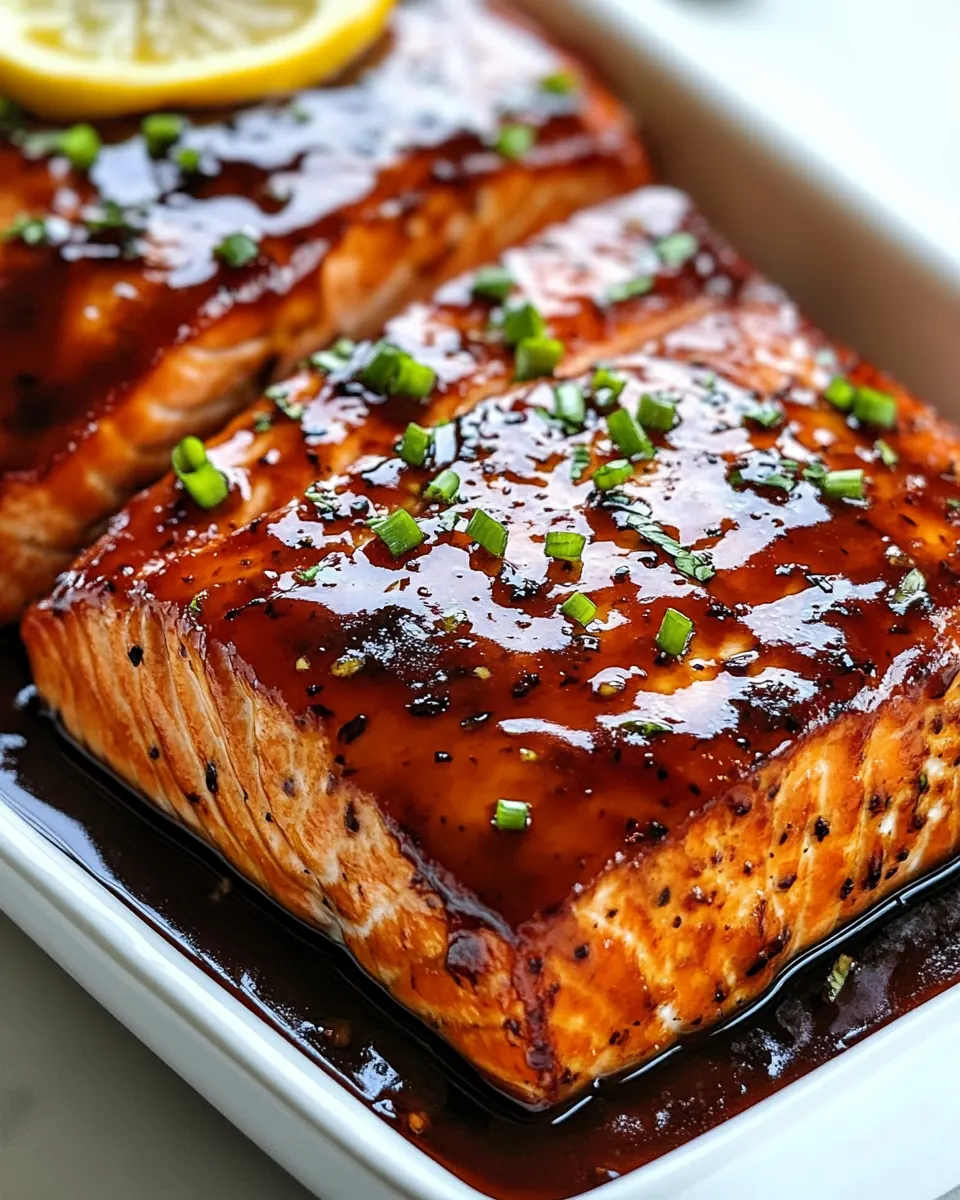
These ingredients work in harmony to create a glossy, flavorful finish and tender flaky texture. The glaze components bring sweetness, acidity, and umami, while the light flour dredge and quick pan sear add texture and extra caramelization. Together they make the salmon sing without masking its natural flavor.
- 1/3 cup honey: Sweeten and balance the glaze with natural sugars that caramelize slightly under heat, adding a glossy finish and depth of flavor to the salmon. Use sparingly to avoid overpowering, and whisk well with acidic and savory components for a smooth sauce.
- 2 tablespoons lemon juice: Provide bright acidity to cut through the richness of the fish and honey, enhancing overall flavor harmony. Add toward the beginning when mixing the glaze to help dissolve sugars and distribute flavor evenly.
- 2 tablespoons low sodium soy sauce: Contribute savory umami and saltiness while keeping sodium lower than regular soy sauce, helping to build a complex glaze that complements the honey and salmon. Mix with other liquid ingredients so it blends smoothly into the sauce.
- 1 2 teaspoons sriracha: Add a controlled amount of heat that can be adjusted to taste, creating a subtle spicy kick that brightens the glaze without overwhelming the fish. Stir into the sauce early so the heat integrates with the other flavors.
- 3 cloves garlic, minced: Introduce pungent aromatics and savory depth when minced, releasing flavor into the glaze and onto the salmon as it cooks. Sauté briefly in oil if desired to mellow sharpness and develop a softer, sweeter garlic character.
- 1/2 teaspoon cornstarch: Thicken the glaze slightly when dissolved in a small amount of cold liquid, preventing it from becoming too runny and helping it cling to the fish. Whisk in near the end of cooking and heat gently to activate the starch for a glossy finish.
- 1 tablespoon vegetable oil: Provide a neutral frying medium that helps sear the salmon and carry flavors from the glaze and aromatics without adding competing taste. Heat until shimmering before adding the fish to achieve a crisp exterior.
- 4 6 oz. salmon fillets, skin off: Serve as the protein centerpiece with skin removed for even contact with the pan and glaze absorption; choose fillets of similar size for uniform cooking. Pat dry before seasoning and searing to promote browning and reduce splatter.
- 2 tablespoons flour: Create a light coating for dredging that promotes an appealing crust when pan-searing, offering subtle texture contrast to the tender fish. Combine evenly with spices before pressing onto the salmon surface for consistent coverage.
- 1/2 tsp EACH salt, smoked paprika, onion powder, ground ginger: Season evenly with balanced savory and smoky notes to enhance the salmon’s flavor profile, using small amounts to avoid masking the glaze. Sprinkle or rub onto the fillets prior to cooking to ensure an even flavor distribution.
- 1/4 teaspoon pepper: Season gently to add mild heat and aromatic complexity without overwhelming the dish, helping to balance the sweeter glaze components. Grind fresh if possible for the best aroma and sprinkle lightly during final seasoning.
- 2 tablespoons unsalted butter: Enrich the glaze and finish with a silky mouthfeel and rich flavor, melting into the sauce to create a luxurious coating for the salmon. Add near the end of cooking off heat to blend smoothly and impart a glossy sheen.
Preparation Steps for Honey Glazed Salmon
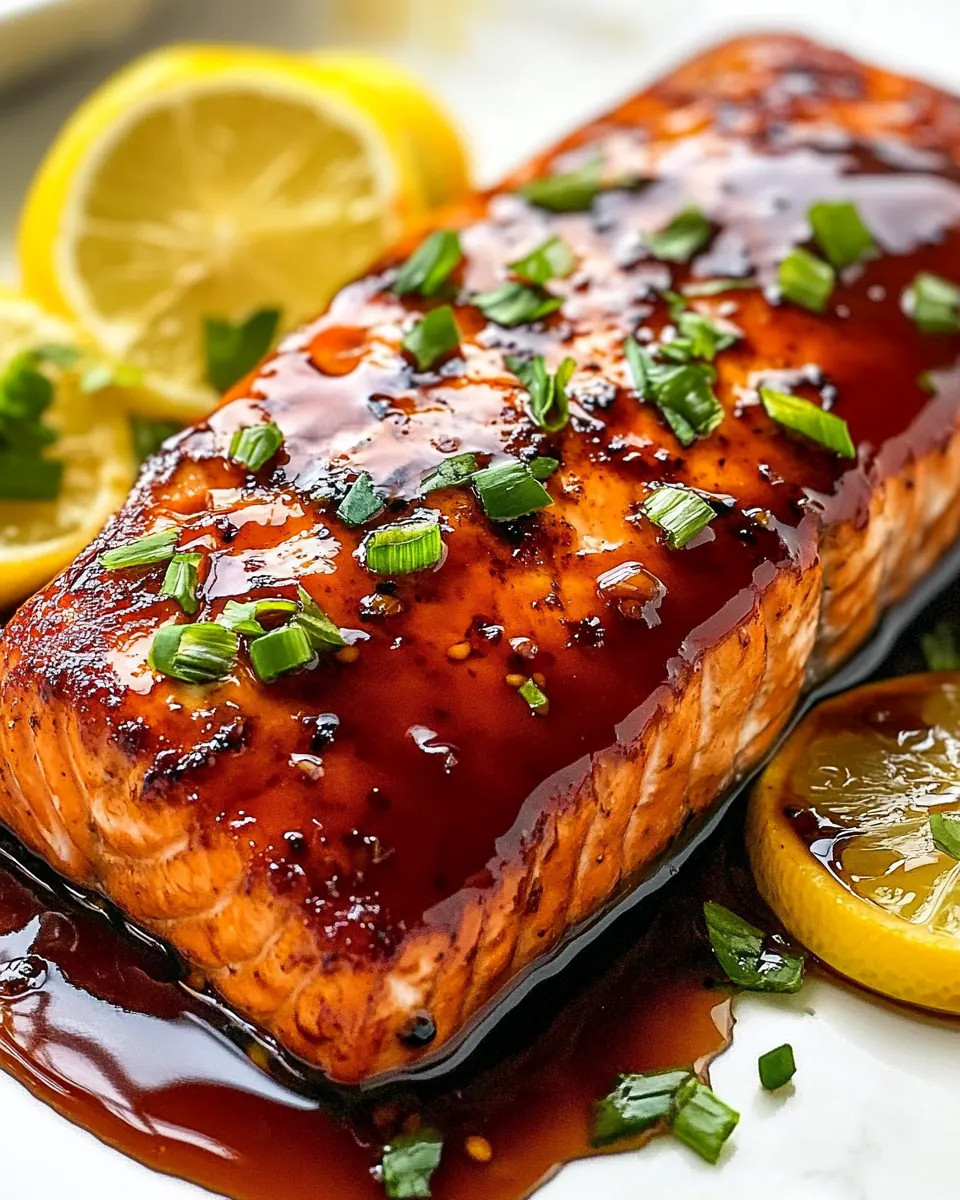
I like to move deliberately through these steps so the glaze finishes glossy and the salmon stays perfectly tender. The technique emphasizes quick, hot searing followed by gentle, focused basting, which creates that layered texture and flavor I crave.
- Whisk the flour and salmon seasonings together in a shallow dish. Dredge the salmon in the mixture, shake off excess and transfer to a dry surface.: The air will smell faintly of paprika and onion powder as you combine the spices, which primes the dredge to add toasty notes when seared; this matters because it forms a light crust that contrasts with the soft interior. A common mistake is overseasoning the mixture, which can make the exterior too salty or powdery, so measure each spice carefully and mix until uniform so it coats evenly.
- Heat the vegetable oil a large non-stick skillet over medium-high heat, medium if your stove runs hot. Add the salmon and cook for 3 minutes. Turn the salmon over and cook another 2 minutes.: Touching the fillet after dredging, you should feel a light, even dusting rather than clumps of flour; that evenness ensures the crust browns rather than steams. Why this helps: a thin layer prevents a gummy coating and encourages a crisp edge. Avoid letting the fillets sit too long after dredging or the flour can draw moisture out, which reduces the final crispness.
- Add the butter and the honey garlic sauce to the middle of the pan and simmer for 1 minute while basting the fish with the sauce. Turn the fillets over one last time (to fully caramelize the other side) and finish cooking salmon to desired doneness, 1-2 minutes (until it easily flakes with a fork, 125-135 degrees F). If the sauce thickens too much before your salmon is done cooking, just add water 1 Tbsp at a time.: You should see gentle ripples in the oil and it will shimmer slightly when ready, not smoke. Proper oil temperature allows immediate searing, which locks in juices. A common error is overheating so the oil smokes and the fillet scorches, so dial down to medium if your burner runs hot and give it a moment to stabilize.
- Garnish salmon with parsley, cilantro or green onions and serve with rice or potatoes and veggies.: As the fillet hits the pan you will hear a soft sizzle that signals the crust forming, and the edges will begin to turn opaque; this audible cue is important because it tells you the seal is happening. The reason this step matters is it creates a golden exterior that adds texture. If you move the fish too often here, you risk tearing the crust and losing that crispness.
- Turn the salmon over and cook another 2 minutes: After flipping, the pan will release another burst of aroma as the other side browns, and the center will start to set. This shorter second sear lets the interior remain tender while continuing the Maillard browning. A frequent slip up is overcooking at this stage, which dries the flesh, so check for firmness and adjust heat if needed.
- Add the butter and the honey garlic sauce to the middle of the pan and simmer for 1 minute while basting the fish with the sauce: The moment the butter melts into the glaze, a rich, nutty aroma rises, and the sauce will bubble gently; spooning it over the fillets encourages an even coating and intensifies flavor. This technique matters because continuous basting infuses the layers rather than leaving flavor only on the surface. If the sauce thickens too quickly, add water a tablespoon at a time to loosen it, otherwise it can scorch and become bitter.
- Turn the fillets over one last time to fully caramelize the other side and finish cooking salmon to desired doneness, 1-2 minutes: As you flip again, watch for the glaze to deepen in color and glisten; that visual cue indicates caramelization. The internal texture should be tender and slightly translucent in the center for medium rare to medium, which keeps the salmon moist and flaky. Overcooking at this moment yields dry fish, so use a fork to test for flakiness or an instant read thermometer if you prefer precision.
- If the sauce thickens too much before your salmon is done cooking, just add water 1 Tbsp at a time: The sauce will sound different as it loosens, changing from a sticky clap to a smoother simmer, and the extra liquid helps the glaze continue to coat the fillet without burning. This step prevents the glaze from crystallizing on the pan surface and keeps the coating glossy. A mistake is adding too much liquid at once, which dilutes flavor; add small amounts and taste as you go.
- Garnish salmon with parsley, cilantro or green onions and serve with rice or potatoes and veggies: Fresh herbs bring an herbal lift and a burst of color against the shiny glaze, and the sides absorb any remaining sauce, completing the plate. I love the contrast between warm, glazed salmon and a bright green garnish, it makes the dish feel finished. Avoid adding garnish too early as it wilts; wait until just before serving for the best presentation.
Making Adjustments
If you want to tailor Honey Glazed Salmon to your pantry or taste, a few small swaps and timing tweaks make a big difference. Below are focused tips that keep the integrity of the recipe while letting you personalize heat level, texture, and storage.
- Reduce heat for gentle cooking. If your stove runs hot, lower to medium to avoid burning the glaze while still achieving a caramelized finish, this keeps the interior tender and reduces the chance of a scorched flavor.
- Adjust the sriracha to control spice. Start with one teaspoon and increase gradually, tasting the uncooked glaze, so you find the balance between sweet and spicy without overpowering the salmon.
- Swap the oil if needed. Use any neutral high smoke point oil you have on hand, the choice matters for how quickly the pan heats and how cleanly the fish sears, but do not use strongly flavored oils that will compete with the glaze.
- Use low sodium soy sauce for better control. It prevents the glaze from becoming overly salty, so you can fine tune salt with the finishing garnish rather than correcting an already salty sauce.
- Make the glaze ahead. Prepare the honey garlic sauce and refrigerate for up to two days, gently reheating before basting, which saves time and keeps flavors melded without sacrificing the fresh finish.
- Thin the glaze carefully. Add water one tablespoon at a time if the glaze thickens too fast, this preserves flavor concentration and prevents a watery sauce that lacks punch.
- Test doneness with a fork or thermometer. For reliable results aim for 125 to 135 degrees F for moist, flaky salmon, which avoids the common pitfall of overcooking and drying out the fish.
- Control caramelization visually. Watch for a deepening glossy color in the glaze rather than relying solely on time, the visual cues tell you when the sugars are properly caramelized.
- Cool before freezing. If you plan to freeze, let the fillets cool completely before placing in a freezer bag with glaze to avoid excess condensation and ice crystals.
- Keep garnishes fresh. Add parsley, cilantro, or green onions just before serving so they maintain texture and bright flavor against the warm glaze.
Serving This Honey Glazed Salmon
This section outlines my favorite ways to present Honey Glazed Salmon, whether for a casual family supper or a slightly elevated dinner. The goal is to complement the sweet savory glaze with textures and colors that echo its warmth.
- Serve over steamed rice. A bed of warm rice soaks up the glaze and makes the meal feel comforting and complete, perfect for weeknight dinners when you want minimal fuss.
- Pair with roasted potatoes. Crispy roasted potatoes offer a hearty contrast to the tender salmon, ideal for a more filling plate at a family meal or casual gathering.
- Present with steamed or sautéed veggies. Lightly cooked green beans, broccoli, or bok choy add freshness and color, balancing the dish and adding nutritional variety to the plate.
- Plate for a dinner party. Arrange fillets on a large platter, spoon extra glaze over the top, and scatter fresh herbs to create an inviting, shareable presentation that looks polished with minimal effort.
- Lunch bowls and salads. Chill leftover salmon pieces and add to a grain bowl or salad for a bright, satisfying midday meal that still carries the glaze’s flavor.
- Serve during special occasions. This recipe fits well for intimate dinners, Ramadan iftar meals, or weekend celebrations when you want something special yet uncomplicated.
- Storage tips. Store leftovers in an airtight container in the refrigerator for up to three days, and reheat gently to prevent overcooking and preserve moisture.
- Freezing guidance. Freeze fillets in a freezer bag with glaze for up to three months, thaw overnight in the refrigerator before reheating to retain texture and flavor.
- Reheating method. Reheat gently in a nonstick skillet covered for a few minutes or in the oven at low heat to bring the dish back to life without drying it out.
- Seasonal pairings. This dish works year round, pairing well with spring asparagus, summer salads, or cozy roasted root vegetables in colder months.
FAQ
Conclusion
Honey Glazed Salmon stands out because it combines simple pantry ingredients into a glossy, flavorful main that feels special yet cooks quickly. The interplay of sweet honey, bright lemon, and savory soy with a hint of spice creates a balanced profile that appeals to many palates. Give it a try on a busy weeknight or for guests, you will find it both forgiving and impressive. I hope this recipe becomes one of your reliable favorites, something you turn to when you want comfort without fuss and a dish that earns compliments every time.
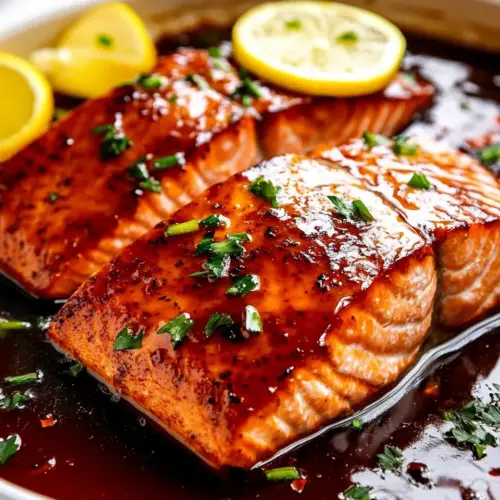
Honey Glazed Salmon
Equipment
- Non-Stick Skillet
- Mixing Bowl
- Measuring Spoons
- Tongs
Ingredients
- 1/3 cup honey Sweeten and balance the glaze with natural sugars that caramelize slightly under heat, adding a glossy finish and depth of flavor to the salmon. Use sparingly to avoid overpowering, and whisk well with acidic and savory components for a smooth sauce.
- 2 tablespoons lemon juice Provide bright acidity to cut through the richness of the fish and honey, enhancing overall flavor harmony. Add toward the beginning when mixing the glaze to help dissolve sugars and distribute flavor evenly.
- 2 tablespoons low sodium soy sauce Contribute savory umami and saltiness while keeping sodium lower than regular soy sauce, helping to build a complex glaze that complements the honey and salmon. Mix with other liquid ingredients so it blends smoothly into the sauce.
- 1 -2 teaspoons sriracha Add a controlled amount of heat that can be adjusted to taste, creating a subtle spicy kick that brightens the glaze without overwhelming the fish. Stir into the sauce early so the heat integrates with the other flavors.
- 3 cloves garlic, minced Introduce pungent aromatics and savory depth when minced, releasing flavor into the glaze and onto the salmon as it cooks. Sauté briefly in oil if desired to mellow sharpness and develop a softer, sweeter garlic character.
- 1/2 teaspoon cornstarch Thicken the glaze slightly when dissolved in a small amount of cold liquid, preventing it from becoming too runny and helping it cling to the fish. Whisk in near the end of cooking and heat gently to activate the starch for a glossy finish.
- 1 tablespoon vegetable oil Provide a neutral frying medium that helps sear the salmon and carry flavors from the glaze and aromatics without adding competing taste. Heat until shimmering before adding the fish to achieve a crisp exterior.
- 4 -6 oz. salmon fillets, skin off Serve as the protein centerpiece with skin removed for even contact with the pan and glaze absorption; choose fillets of similar size for uniform cooking. Pat dry before seasoning and searing to promote browning and reduce splatter.
- 2 tablespoons flour Create a light coating for dredging that promotes an appealing crust when pan-searing, offering subtle texture contrast to the tender fish. Combine evenly with spices before pressing onto the salmon surface for consistent coverage.
- 1/2 tsp EACH salt, smoked paprika, onion powder, ground ginger Season evenly with balanced savory and smoky notes to enhance the salmon’s flavor profile, using small amounts to avoid masking the glaze. Sprinkle or rub onto the fillets prior to cooking to ensure an even flavor distribution.
- 1/4 teaspoon pepper Season gently to add mild heat and aromatic complexity without overwhelming the dish, helping to balance the sweeter glaze components. Grind fresh if possible for the best aroma and sprinkle lightly during final seasoning.
- 2 tablespoons unsalted butter Enrich the glaze and finish with a silky mouthfeel and rich flavor, melting into the sauce to create a luxurious coating for the salmon. Add near the end of cooking off heat to blend smoothly and impart a glossy sheen.
Instructions
- Whisk the flour and salmon seasonings together in a shallow dish. Dredge the salmon in the mixture, shake off excess and transfer to a dry surface.: The air will smell faintly of paprika and onion powder as you combine the spices, which primes the dredge to add toasty notes when seared; this matters because it forms a light crust that contrasts with the soft interior. A common mistake is overseasoning the mixture, which can make the exterior too salty or powdery, so measure each spice carefully and mix until uniform so it coats evenly.
- Heat the vegetable oil a large non-stick skillet over medium-high heat, medium if your stove runs hot. Add the salmon and cook for 3 minutes. Turn the salmon over and cook another 2 minutes.: Touching the fillet after dredging, you should feel a light, even dusting rather than clumps of flour; that evenness ensures the crust browns rather than steams. Why this helps: a thin layer prevents a gummy coating and encourages a crisp edge. Avoid letting the fillets sit too long after dredging or the flour can draw moisture out, which reduces the final crispness.
- Add the butter and the honey garlic sauce to the middle of the pan and simmer for 1 minute while basting the fish with the sauce. Turn the fillets over one last time (to fully caramelize the other side) and finish cooking salmon to desired doneness, 1-2 minutes (until it easily flakes with a fork, 125-135 degrees F). If the sauce thickens too much before your salmon is done cooking, just add water 1 Tbsp at a time.: You should see gentle ripples in the oil and it will shimmer slightly when ready, not smoke. Proper oil temperature allows immediate searing, which locks in juices. A common error is overheating so the oil smokes and the fillet scorches, so dial down to medium if your burner runs hot and give it a moment to stabilize.
- Garnish salmon with parsley, cilantro or green onions and serve with rice or potatoes and veggies.: As the fillet hits the pan you will hear a soft sizzle that signals the crust forming, and the edges will begin to turn opaque; this audible cue is important because it tells you the seal is happening. The reason this step matters is it creates a golden exterior that adds texture. If you move the fish too often here, you risk tearing the crust and losing that crispness.
- Turn the salmon over and cook another 2 minutes: After flipping, the pan will release another burst of aroma as the other side browns, and the center will start to set. This shorter second sear lets the interior remain tender while continuing the Maillard browning. A frequent slip up is overcooking at this stage, which dries the flesh, so check for firmness and adjust heat if needed.
- Add the butter and the honey garlic sauce to the middle of the pan and simmer for 1 minute while basting the fish with the sauce: The moment the butter melts into the glaze, a rich, nutty aroma rises, and the sauce will bubble gently; spooning it over the fillets encourages an even coating and intensifies flavor. This technique matters because continuous basting infuses the layers rather than leaving flavor only on the surface. If the sauce thickens too quickly, add water a tablespoon at a time to loosen it, otherwise it can scorch and become bitter.
- Turn the fillets over one last time to fully caramelize the other side and finish cooking salmon to desired doneness, 1-2 minutes: As you flip again, watch for the glaze to deepen in color and glisten; that visual cue indicates caramelization. The internal texture should be tender and slightly translucent in the center for medium rare to medium, which keeps the salmon moist and flaky. Overcooking at this moment yields dry fish, so use a fork to test for flakiness or an instant read thermometer if you prefer precision.
- If the sauce thickens too much before your salmon is done cooking, just add water 1 Tbsp at a time: The sauce will sound different as it loosens, changing from a sticky clap to a smoother simmer, and the extra liquid helps the glaze continue to coat the fillet without burning. This step prevents the glaze from crystallizing on the pan surface and keeps the coating glossy. A mistake is adding too much liquid at once, which dilutes flavor; add small amounts and taste as you go.
- Garnish salmon with parsley, cilantro or green onions and serve with rice or potatoes and veggies: Fresh herbs bring an herbal lift and a burst of color against the shiny glaze, and the sides absorb any remaining sauce, completing the plate. I love the contrast between warm, glazed salmon and a bright green garnish, it makes the dish feel finished. Avoid adding garnish too early as it wilts; wait until just before serving for the best presentation.
Notes
- Reduce heat for gentle cooking. If your stove runs hot, lower to medium to avoid burning the glaze while still achieving a caramelized finish, this keeps the interior tender and reduces the chance of a scorched flavor.
- Adjust the sriracha to control spice. Start with one teaspoon and increase gradually, tasting the uncooked glaze, so you find the balance between sweet and spicy without overpowering the salmon.
- Swap the oil if needed. Use any neutral high smoke point oil you have on hand, the choice matters for how quickly the pan heats and how cleanly the fish sears, but do not use strongly flavored oils that will compete with the glaze.
- Use low sodium soy sauce for better control. It prevents the glaze from becoming overly salty, so you can fine tune salt with the finishing garnish rather than correcting an already salty sauce.
- Make the glaze ahead. Prepare the honey garlic sauce and refrigerate for up to two days, gently reheating before basting, which saves time and keeps flavors melded without sacrificing the fresh finish.
- Thin the glaze carefully. Add water one tablespoon at a time if the glaze thickens too fast, this preserves flavor concentration and prevents a watery sauce that lacks punch.
- Test doneness with a fork or thermometer. For reliable results aim for 125 to 135 degrees F for moist, flaky salmon, which avoids the common pitfall of overcooking and drying out the fish.
- Control caramelization visually. Watch for a deepening glossy color in the glaze rather than relying solely on time, the visual cues tell you when the sugars are properly caramelized.
- Cool before freezing. If you plan to freeze, let the fillets cool completely before placing in a freezer bag with glaze to avoid excess condensation and ice crystals.
- Keep garnishes fresh. Add parsley, cilantro, or green onions just before serving so they maintain texture and bright flavor against the warm glaze.