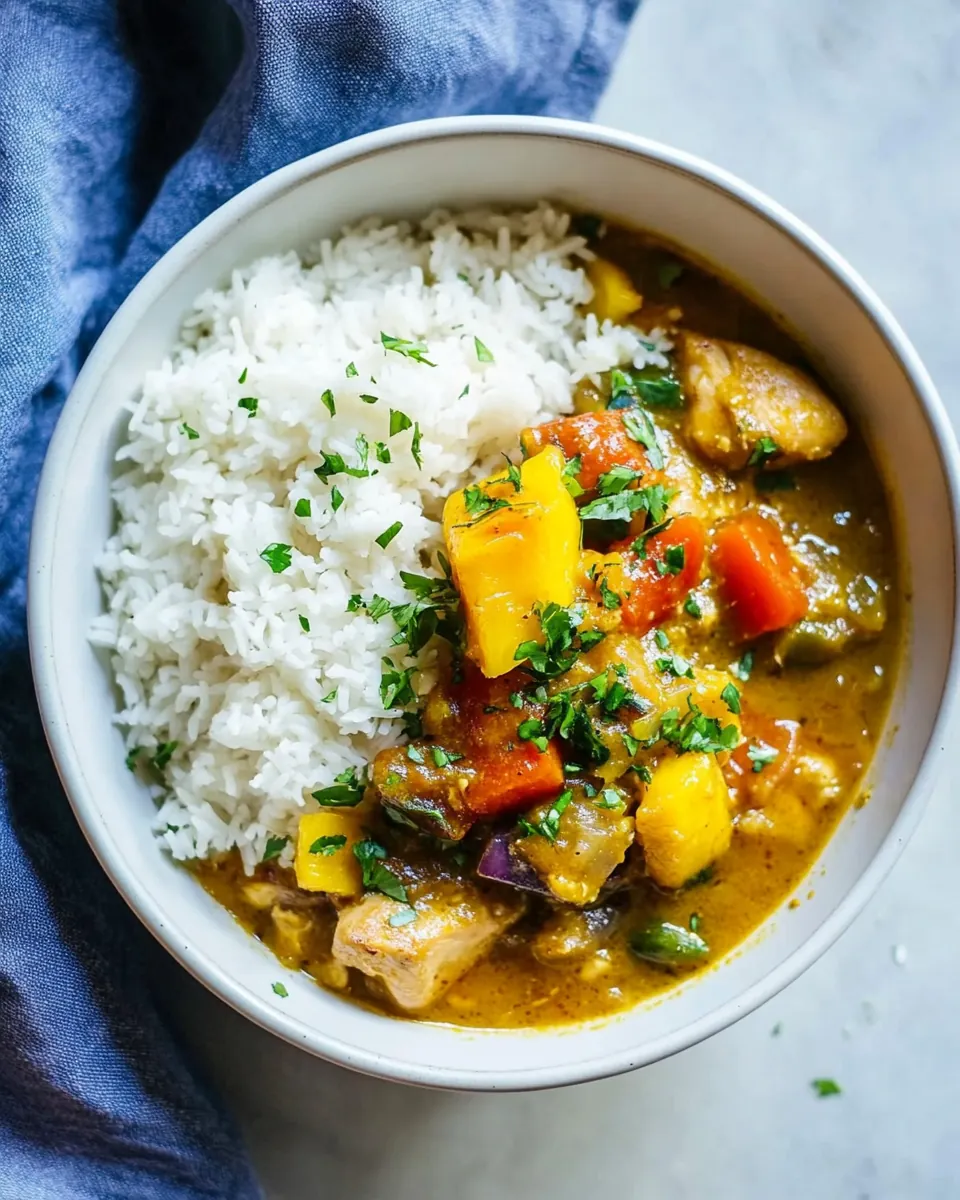
Slow Cooker Mango Chicken Curry
Slow Cooker Mango Chicken Curry arrived in my life on a frantic weeknight when my pantry was half full and my craving for something warm and comforting was full. I remember dumping mango juice into a pot because I wanted a fruity lift, and the aroma that rose as it simmered around the chicken made me slow down and breathe in. That first spoonful — creamy coconut, bright mango, an undercurrent of green curry — felt like a small celebration, and I tucked the recipe into my regular rotation from that evening onward.
Over the years, I have tweaked the balance of sweet and spice until it hit a place that sings for family dinners and solo nights alike. I love how the tenderness of slow cooked chicken soaks up the mango scented sauce, and how the lightly toasted coconut flakes add a whisper of texture. I often make a double batch because leftovers reheat beautifully and the flavors continue to deepen.
When I serve this, guests comment on the unexpected pairing of tropical fruit with curry, and I always grin because it feels like a secret I get to share. It is the kind of dish that comforts without weighing you down, and it travels well when I bring it to potlucks. Trust me, once you try this version of Slow Cooker Mango Chicken Curry, it becomes one of those reliable, feel good meals you reach for again and again.
Recipe Snapshot
7 hr 45 mins
15 mins
450 mins
Hard
450 kcal
American
Gluten-Free, Paleo
Dinner
7 quart slow cooker, large pan, food processor, small bowl
Why You Need This Slow Cooker Mango Chicken Curry
Comforting Slow Cooked Texture
I love how the chicken becomes meltingly tender when cooked low and slow in the sauce. The gentle heat breaks down the fibers so each bite is soft and juicy, making this perfect for easy weeknight dinners when you want fuss free comfort food.
Bright Tropical Flavors
The combination of mango juice and coconut milk creates a creamy, slightly sweet backdrop that lifts the green curry paste instead of overpowering it. That contrast between sweet fruit notes and aromatic curry keeps the dish lively and far from cloying.
Versatile and Balanced
I appreciate that this recipe plays well with vegetables like broccoli, red bell peppers and roasted cauliflower rice. Those components add color, fiber, and texture, transforming the curry into a balanced meal that feels satisfying without being heavy.
Hands Off Convenience
Because most of the work happens in the slow cooker, you can walk away and get other things done while dinner develops rich flavor. That convenience matters on busy days, and it makes the recipe approachable for cooks of any skill level.
Great Leftovers and Meal Prep
I often make a larger batch because the flavors deepen after sitting in the fridge. The sauce thickens and intensifies, so leftover servings taste even more cohesive. It keeps well and reheats easily, which is ideal for packed lunches or an effortless week of dinners.
What You Need for Slow Cooker Mango Chicken Curry
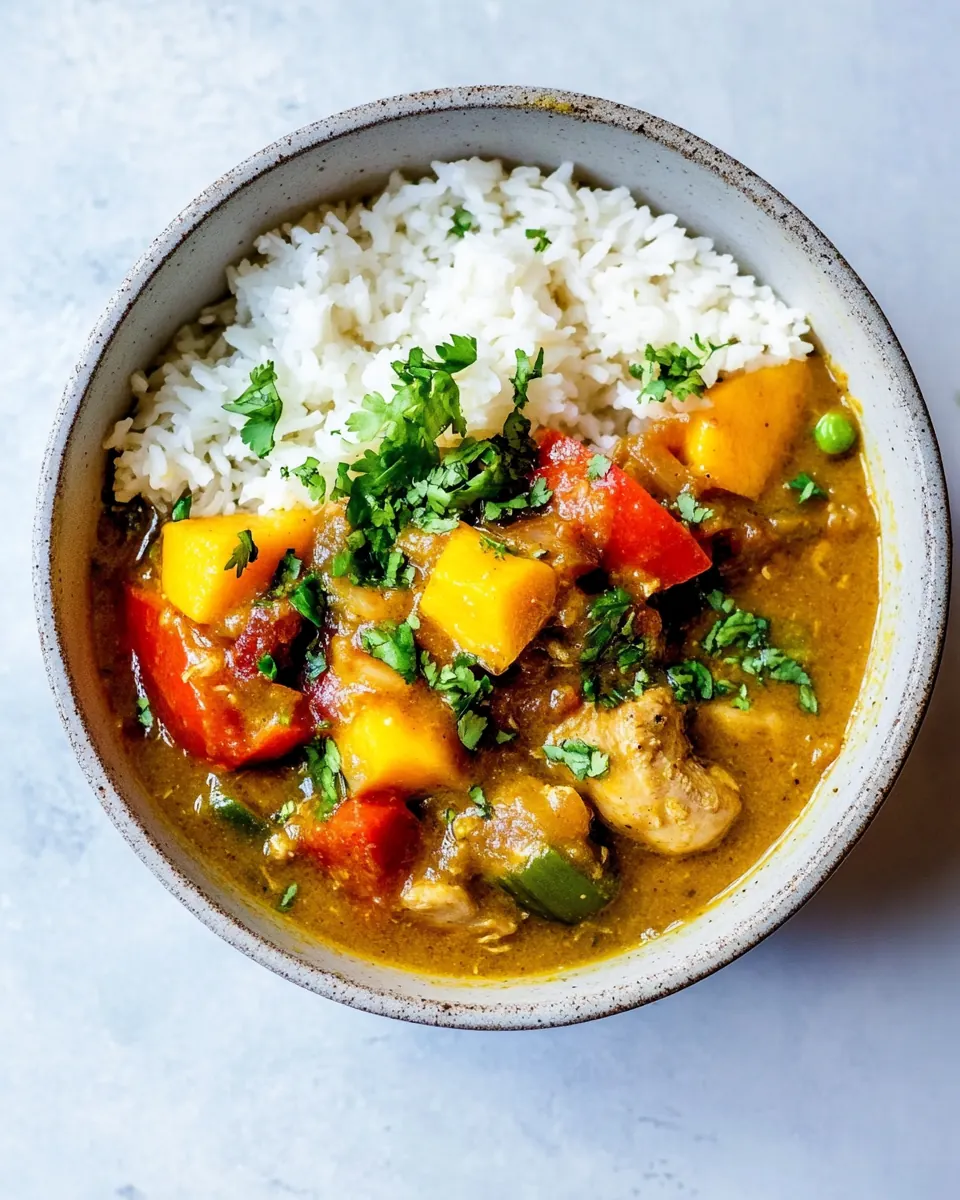
These ingredients work together to deliver a dish that is creamy, fruity, and warmly spiced. The key players are the coconut milk and mango juice which form the silky base, the green curry paste which brings aromatic heat, and the chicken which soaks up the sauce and becomes tender. Vegetables add texture and color, while cassava style starch helps the sauce finish glossy and cling to the meat.
- 1 1/3 cups full-fat coconut milk: Provide a rich, creamy base that helps meld flavors and adds tropical silkiness to the curry; its full-fat texture contributes body and mouthfeel while balancing spices and acidity.
- 1 1/3 cups 100% mango juice: Add bright mango sweetness and a fruity backbone that enhances the curry's tropical profile; its liquid consistency helps thin the sauce and distribute flavor evenly in the slow cooker.
- 2 teaspoons fresh ginger minced: Contribute warm, zesty heat and aromatic depth when minced; fresh ginger brightens the dish, cuts richness, and layers complex ginger-forward notes throughout the curry.
- 2 tablespoons green curry paste (use less if you don't like heat): Introduce concentrated, aromatic curry heat and herbal depth; green curry paste delivers lemongrass, chilies, and aromatics that define the curry's core savory-spicy character.
- Pinch of sea salt: Accentuate and balance flavors by enhancing sweetness and reducing bitterness; a pinch of sea salt sharpens aromatics and brings out the natural tastes of other ingredients.
- 2 large carrots sliced: Offer earthy sweetness and a tender-crisp texture when sliced; carrots add color, body, and a pleasant natural sugar that complements the mango and coconut flavors.
- 1 pound boneless, skinless chicken breasts or chicken thighs: Provide the primary protein element that soaks up curry flavors and adds satisfying substance; choice of breast or thigh affects juiciness and texture in the finished dish.
- 4 teaspoons tapioca starch: Thicken and stabilize the sauce by creating a glossy finish and binding liquids; tapioca starch helps the curry cling to vegetables and chicken without clouding the sauce.
- 2 cups broccoli florets: Contribute a tender-crisp green vegetable component and nutritional value; broccoli florets absorb sauce flavors and add contrasting texture and color to the curry.
- 2 red bell peppers cubed: Add sweet, slightly smoky crunch and vibrant color when cubed; red bell peppers bring freshness, contrast, and a pleasant bite to the finished curry.
- 1 mango cubed: Bring concentrated tropical fruit flavor and juicy sweetness when cubed; mango pieces reinforce the mango juice profile and provide bright pops of flavor in each bite.
- Sliced green onion for garnish: Top the finished curry with mild oniony notes and a fresh contrast; sliced green onion adds crispness, color, and a mild sharpness as a garnish.
- Cilantro for garnish: Add fresh, citrusy herbal brightness and a pop of green when used as garnish; cilantro layers fragrant, slightly peppery notes that lift the rich coconut base.
- 6 cups cauliflower florets: Provide a low-carb, hearty vegetable bulk with a mild, slightly nutty flavor when in florets; cauliflower soaks up curry sauce and offers substantial texture and volume.
- 4 teaspoons coconut oil: Serve as a flavor carrier and cooking medium that imparts a gentle coconut aroma; coconut oil helps sauté any initial aromatics and contributes to the dish's tropical profile.
- 4 tablespoons unsweetened coconut flakes: Add toasted coconut flavor and crunchy texture when scattered over the finished dish; unsweetened coconut flakes reinforce coconut notes and provide a pleasant garnishing crunch.
The Method for Slow Cooker Mango Chicken Curry
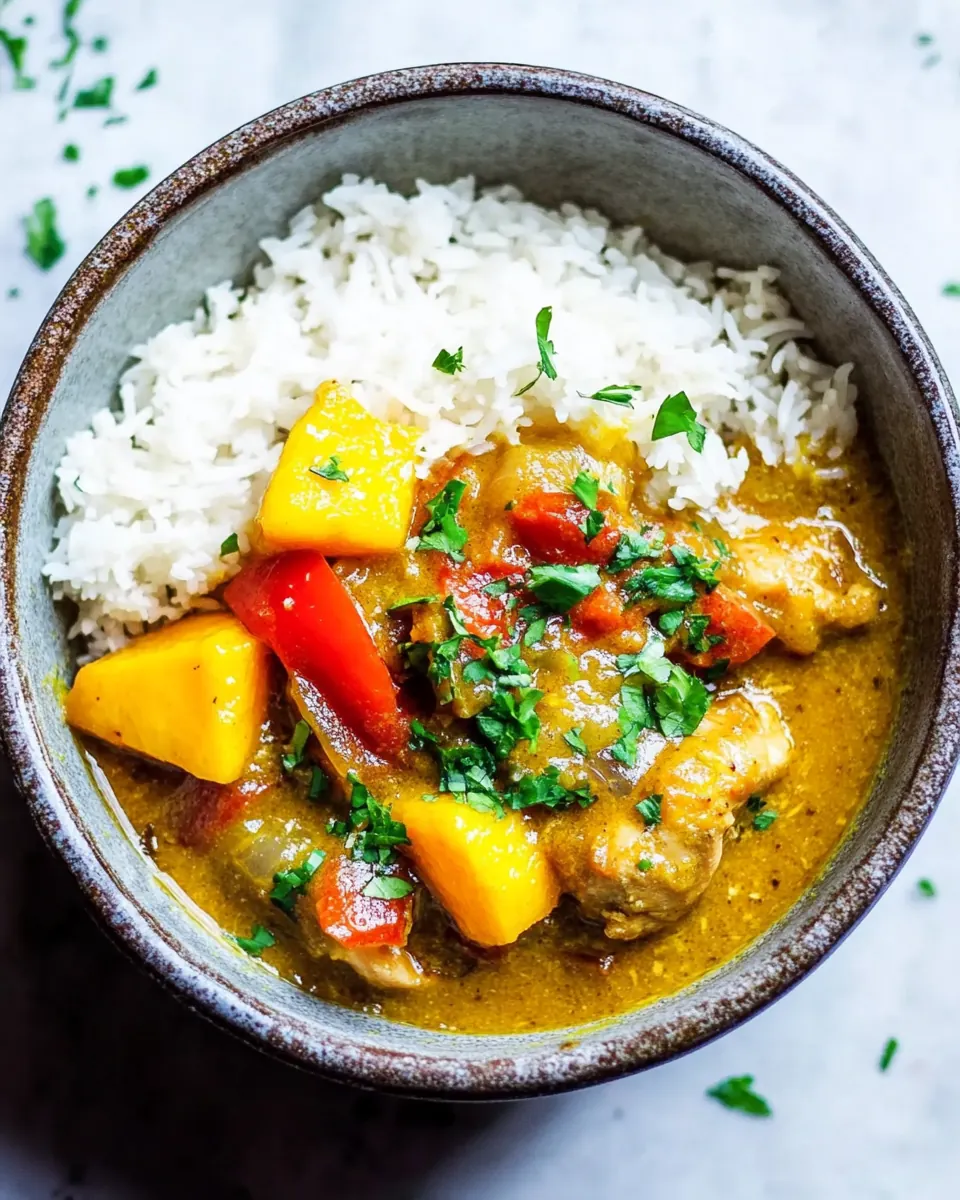
Cooking this recipe is relaxed and deeply sensory. The slow cooker lets flavors build gradually while the finishing steps bring texture and brightness back into the dish. Read through the steps and trust the visual and aromatic cues I describe so you can feel confident at each stage.
- Whisk together the coconut milk, mango juice, ginger, curry, and salt in the bottom of a 7-quart slow cooker. Stir in the sliced carrots.: The mixture should look silky and fragrant, with the pale yellow of the coconut milk blending into the golden mango juice; stirring releases bright aromas of citrusy green curry and warm ginger. You will notice a thin, glossy surface and a pleasing perfume that hints at the depth to come. This initial emulsion matters because it creates a uniform cooking environment for the chicken , allowing flavors to penetrate evenly; if the liquids are not well combined, pockets of concentrated curry can form and lead to uneven seasoning. A common mistake is skimping on whisking which leaves lumps of curry paste, so take an extra minute to whisk until smooth and aromatic. When you stir in the sliced carrots , they begin to absorb flavor right away and will soften as the sauce slowly simmers.
- Place the chicken breasts in the milk mixture and spoon the sauce over the top. Cover and cook on low until the chicken is tender and cooked through, about 5-6 hours.: As the chicken nestles into the sauce, you'll see the liquid coat each piece; this contact is what infuses the meat with mango and coconut flavor while the slow cooker keeps temperatures gentle. The sauce will gently ripple around the chicken during cooking, and after a couple of hours you may catch a faint sweet tropical scent rising from the lid. This step is important because it ensures the chicken cooks submerged enough to stay moist, which contributes to tender results. Avoid the error of stacking the chicken too tightly, which can cause uneven cook. Cover and let it cook low until the chicken is fully tender and cooked through, typically about 5 to 6 hours, allowing flavors to meld slowly.
- Remove the cooked chicken from the slow cooker, transfer to a plate and cover.: When the chicken is done, it will give beneath your tongs and release clear juices, and the surface will appear opaque and tender. Transferring it to a plate and covering helps it rest while you work on thickening the sauce; resting lets the juices redistribute, preserving moistness when you shred the meat later. A common problem is shredding immediately and losing more juices, so give it a short rest under foil. As it sits, the sauce in the slow cooker continues to concentrate, and you can begin to notice deeper mango and coconut notes emerging.
- In a separate small bowl, whisk together the tapioca starch with 8 teaspoons of the sauce from the slow cooker until smooth. Whisk it back into the slow cooker, along with the broccoli and peppers. Cover, turn the heat to high, and cook until the sauce thickens, about 1-1.5 hours.: The starch slurry should be glossy and lump free, with a translucent sheen that promises to thicken smoothly. Using warm sauce helps the starch dissolve cleanly; if you mix with cold liquid it can clump, so draw sauce from the cooker as directed. Whisk it back into the slow cooker, along with the broccoli and peppers, then cover and turn the heat to high so the sauce thickens, usually about 1 to 1.5 hours. Thickening on high shortens the time but still allows the starch to reach full gelatinization, creating a clingy texture that coats the chicken and veggies. Avoid dumping in too much starch, which can yield a gluey mouthfeel; aim for just enough to achieve a glossy, saucy texture.
- While the sauce cooks, place the cauliflower into a large food processor and process until broken down and rice-like.: Pulse the florets until they resemble coarse rice, not puree; you want tiny distinct grains for the best texture. You'll hear a steady chopping sound and see pale, fluffy granules that will become a light bed for the curry. This technique matters because processed cauliflower mimics rice absorbency without heaviness, and processing too long yields a mushy result. A frequent misstep is overprocessing, which causes a wet paste that will not toast evenly, so stop as soon as the grains form.
- Heat the coconut oil up in a large pan over medium-high heat and add the cauliflower and coconut flakes. Cook until lightly golden brown, about 2-3 minutes. Cover, reduce the heat to medium, and cook until the cauliflower is tender, about 2-4 minutes. Set aside.: The pan should hiss softly as the coconut oil hits the surface, and within moments the coconut flakes will begin to toast and release a nutty aroma. Stir the mixture until you see pale golden flecks on the flakes and the cauliflower warms through, about 2 to 3 minutes, then cover, reduce to medium, and cook until the cauliflower is tender, about 2 to 4 minutes. The toasted flakes add crunch and a toasty coconut flavor that plays beautifully against the sweet sauce. Avoid crowding the pan which can steam rather than toast; if your pan is small, cook in batches for the best texture.
- Once the sauce is thickened, shred the chicken and stir it back into the slow cooker.: As you shred, the meat should pull apart easily and be moist; mixing it back into the glossy sauce lets the strands soak up concentrated flavors. The sound of soft shredding and the sight of the chicken fibers mingling with vibrant vegetables is satisfying, and the resulting texture feels cohesive and lush on the plate. If the meat seems dry, it may have been overcooked, so keep an eye on cooking time next time. Stir thoroughly to distribute sauce so every bite is saucy and flavored.
- Divide the cauliflower rice between 4 bowls, followed by the chicken and the cubed mango.: As you assemble, the contrast of warm, savory chicken over the light cauliflower rice with cold, sweet mango cubes creates an exciting temperature and texture interplay. The bowls should look colorful, with golden sauce pooling around the rice and bright mango providing fresh pops; this contrast elevates the eating experience. A common oversight is adding mango too early; keep it chilled and add just before serving to preserve its firm, juicy texture.
- Garnish with cilantro and green onion.: Finishing with chopped cilantro and sliced green onion adds herbal brightness and sharpness that cuts through the richness, while their green color makes the dish visually inviting. The aroma of fresh herbs immediately lifts the plate, and the delicate crunch from green onion completes the texture spectrum. Be careful not to over chop the herbs which can bruise and lose vibrancy; a light scattering is all you need for maximum impact.
Substitutions and Tips
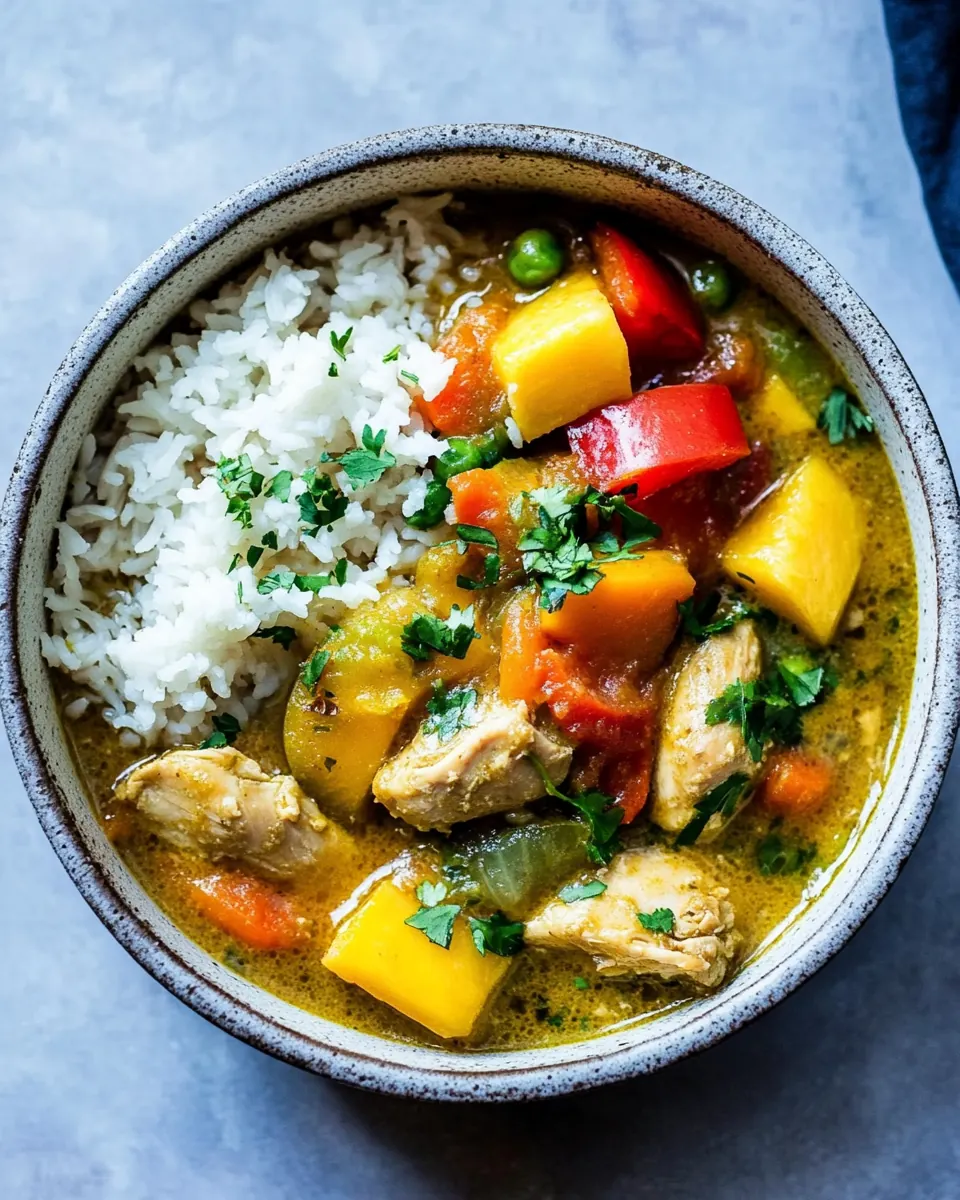
I like to think of substitutions as ways to make a recipe fit your pantry without losing its spirit. Below are practical tips and small swaps that maintain the tropical curry character while accommodating preferences or what you have on hand.
- Protein swap Use chicken thighs instead of breasts for a juicier result, they stand up well to long slow cooking and add richness.
- Control the heat Reduce the amount of green curry paste if you prefer milder flavors, then add a touch more at the end if you want a brighter spice note.
- Thickening option If you do not have tapioca starch, cornstarch can be used in a 1 to 1 manner, but expect a slightly different glossy finish.
- Cauliflower rice shortcut Use pre riced cauliflower from the freezer for convenience, just pat it dry before toasting to avoid excess moisture.
- Boost coconut aroma Toast the coconut flakes until golden and sprinkle them at the end for a crunchy, fragrant garnish that amplifies the coconut note.
- Make it ahead The flavors deepen after a day in the fridge, so this curry is excellent for meal prep; reheat gently to preserve texture.
What to Serve With Slow Cooker Mango Chicken Curry
This curry is versatile, and the right accompaniments amplify its tropical savory character. I often think about textural contrast, temperature balance, and seasonal produce when I choose side dishes. Below are serving ideas, occasions, and storage tips to help you plan the full meal.
- Light grain base Serve over cauliflower rice or jasmine rice for a soak up friendly base that captures the glossy sauce.
- Green sides A crisp green salad with a lime vinaigrette offers a refreshing foil to the rich coconut and mango notes.
- Crunch element Toasted coconut flakes or sliced toasted almonds add texture contrast and nutty flavor as a finish.
- Occasion pairing This dish works well for casual dinners, weeknight family meals, and festive gatherings during warm months where tropical flavors shine.
- Meal prep and storage Store in an airtight container in the fridge for up to four days; reheat gently on low to avoid drying the chicken.
- Seasonal touches Add freshly diced mango at serving during summer for peak sweetness, or omit for a subtler fruit note in other seasons.
- Serving style Present it family style in a slow cooker at the center of the table for effortless service and warm communal eating.
FAQ
Conclusion
This recipe stands out because it balances tropical sweetness with aromatic curry and slow cooked tenderness. It is approachable to make, especially on busy days when the slow cooker does the heavy lifting, and the interplay of creamy sauce, tender chicken, and fresh mango keeps each bite interesting. I encourage you to try it on a weeknight or when feeding friends, because it is a forgiving, crowd pleasing dish that develops beautiful depth over time. Share it, enjoy the leftovers, and notice how a few thoughtful garnishes transform it from simple comfort food into something you will return to again and again.
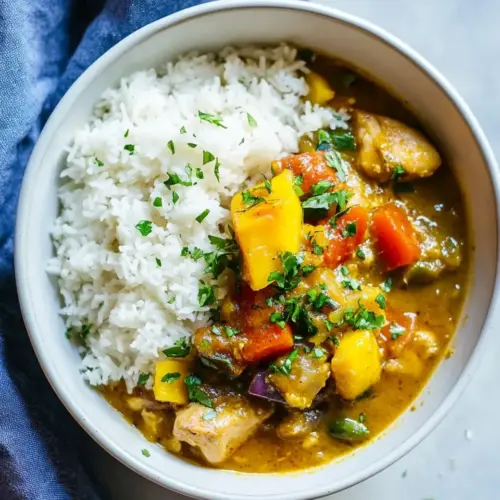
Slow Cooker Mango Chicken Curry
Equipment
- 7-quart slow cooker
- Large Pan
- Food Processor
- Small Bowl
Ingredients
- 1 1/3 cups full-fat coconut milk Provide a rich, creamy base that helps meld flavors and adds tropical silkiness to the curry; its full-fat texture contributes body and mouthfeel while balancing spices and acidity.
- 1 1/3 cups 100% mango juice Add bright mango sweetness and a fruity backbone that enhances the curry's tropical profile; its liquid consistency helps thin the sauce and distribute flavor evenly in the slow cooker.
- 2 teaspoons fresh ginger minced Contribute warm, zesty heat and aromatic depth when minced; fresh ginger brightens the dish, cuts richness, and layers complex ginger-forward notes throughout the curry.
- 2 tablespoons green curry paste (use less if you don't like heat) Introduce concentrated, aromatic curry heat and herbal depth; green curry paste delivers lemongrass, chilies, and aromatics that define the curry's core savory-spicy character.
- Pinch of sea salt Accentuate and balance flavors by enhancing sweetness and reducing bitterness; a pinch of sea salt sharpens aromatics and brings out the natural tastes of other ingredients.
- 2 large carrots sliced Offer earthy sweetness and a tender-crisp texture when sliced; carrots add color, body, and a pleasant natural sugar that complements the mango and coconut flavors.
- 1 pound boneless, skinless chicken breasts or chicken thighs Provide the primary protein element that soaks up curry flavors and adds satisfying substance; choice of breast or thigh affects juiciness and texture in the finished dish.
- 4 teaspoons tapioca starch Thicken and stabilize the sauce by creating a glossy finish and binding liquids; tapioca starch helps the curry cling to vegetables and chicken without clouding the sauce.
- 2 cups broccoli florets Contribute a tender-crisp green vegetable component and nutritional value; broccoli florets absorb sauce flavors and add contrasting texture and color to the curry.
- 2 red bell peppers cubed Add sweet, slightly smoky crunch and vibrant color when cubed; red bell peppers bring freshness, contrast, and a pleasant bite to the finished curry.
- 1 mango cubed Bring concentrated tropical fruit flavor and juicy sweetness when cubed; mango pieces reinforce the mango juice profile and provide bright pops of flavor in each bite.
- Sliced green onion for garnish Top the finished curry with mild oniony notes and a fresh contrast; sliced green onion adds crispness, color, and a mild sharpness as a garnish.
- Cilantro for garnish Add fresh, citrusy herbal brightness and a pop of green when used as garnish; cilantro layers fragrant, slightly peppery notes that lift the rich coconut base.
- 6 cups cauliflower florets Provide a low-carb, hearty vegetable bulk with a mild, slightly nutty flavor when in florets; cauliflower soaks up curry sauce and offers substantial texture and volume.
- 4 teaspoons coconut oil Serve as a flavor carrier and cooking medium that imparts a gentle coconut aroma; coconut oil helps sauté any initial aromatics and contributes to the dish's tropical profile.
- 4 tablespoons unsweetened coconut flakes Add toasted coconut flavor and crunchy texture when scattered over the finished dish; unsweetened coconut flakes reinforce coconut notes and provide a pleasant garnishing crunch.
Instructions
- Whisk together the coconut milk, mango juice, ginger, curry, and salt in the bottom of a 7-quart slow cooker. Stir in the sliced carrots.: The mixture should look silky and fragrant, with the pale yellow of the coconut milk blending into the golden mango juice; stirring releases bright aromas of citrusy green curry and warm ginger. You will notice a thin, glossy surface and a pleasing perfume that hints at the depth to come. This initial emulsion matters because it creates a uniform cooking environment for the chicken , allowing flavors to penetrate evenly; if the liquids are not well combined, pockets of concentrated curry can form and lead to uneven seasoning. A common mistake is skimping on whisking which leaves lumps of curry paste, so take an extra minute to whisk until smooth and aromatic. When you stir in the sliced carrots , they begin to absorb flavor right away and will soften as the sauce slowly simmers.
- Place the chicken breasts in the milk mixture and spoon the sauce over the top. Cover and cook on low until the chicken is tender and cooked through, about 5-6 hours.: As the chicken nestles into the sauce, you'll see the liquid coat each piece; this contact is what infuses the meat with mango and coconut flavor while the slow cooker keeps temperatures gentle. The sauce will gently ripple around the chicken during cooking, and after a couple of hours you may catch a faint sweet tropical scent rising from the lid. This step is important because it ensures the chicken cooks submerged enough to stay moist, which contributes to tender results. Avoid the error of stacking the chicken too tightly, which can cause uneven cook. Cover and let it cook low until the chicken is fully tender and cooked through, typically about 5 to 6 hours, allowing flavors to meld slowly.
- Remove the cooked chicken from the slow cooker, transfer to a plate and cover.: When the chicken is done, it will give beneath your tongs and release clear juices, and the surface will appear opaque and tender. Transferring it to a plate and covering helps it rest while you work on thickening the sauce; resting lets the juices redistribute, preserving moistness when you shred the meat later. A common problem is shredding immediately and losing more juices, so give it a short rest under foil. As it sits, the sauce in the slow cooker continues to concentrate, and you can begin to notice deeper mango and coconut notes emerging.
- In a separate small bowl, whisk together the tapioca starch with 8 teaspoons of the sauce from the slow cooker until smooth. Whisk it back into the slow cooker, along with the broccoli and peppers. Cover, turn the heat to high, and cook until the sauce thickens, about 1-1.5 hours.: The starch slurry should be glossy and lump free, with a translucent sheen that promises to thicken smoothly. Using warm sauce helps the starch dissolve cleanly; if you mix with cold liquid it can clump, so draw sauce from the cooker as directed. Whisk it back into the slow cooker, along with the broccoli and peppers, then cover and turn the heat to high so the sauce thickens, usually about 1 to 1.5 hours. Thickening on high shortens the time but still allows the starch to reach full gelatinization, creating a clingy texture that coats the chicken and veggies. Avoid dumping in too much starch, which can yield a gluey mouthfeel; aim for just enough to achieve a glossy, saucy texture.
- While the sauce cooks, place the cauliflower into a large food processor and process until broken down and rice-like.: Pulse the florets until they resemble coarse rice, not puree; you want tiny distinct grains for the best texture. You'll hear a steady chopping sound and see pale, fluffy granules that will become a light bed for the curry. This technique matters because processed cauliflower mimics rice absorbency without heaviness, and processing too long yields a mushy result. A frequent misstep is overprocessing, which causes a wet paste that will not toast evenly, so stop as soon as the grains form.
- Heat the coconut oil up in a large pan over medium-high heat and add the cauliflower and coconut flakes. Cook until lightly golden brown, about 2-3 minutes. Cover, reduce the heat to medium, and cook until the cauliflower is tender, about 2-4 minutes. Set aside.: The pan should hiss softly as the coconut oil hits the surface, and within moments the coconut flakes will begin to toast and release a nutty aroma. Stir the mixture until you see pale golden flecks on the flakes and the cauliflower warms through, about 2 to 3 minutes, then cover, reduce to medium, and cook until the cauliflower is tender, about 2 to 4 minutes. The toasted flakes add crunch and a toasty coconut flavor that plays beautifully against the sweet sauce. Avoid crowding the pan which can steam rather than toast; if your pan is small, cook in batches for the best texture.
- Once the sauce is thickened, shred the chicken and stir it back into the slow cooker.: As you shred, the meat should pull apart easily and be moist; mixing it back into the glossy sauce lets the strands soak up concentrated flavors. The sound of soft shredding and the sight of the chicken fibers mingling with vibrant vegetables is satisfying, and the resulting texture feels cohesive and lush on the plate. If the meat seems dry, it may have been overcooked, so keep an eye on cooking time next time. Stir thoroughly to distribute sauce so every bite is saucy and flavored.
- Divide the cauliflower rice between 4 bowls, followed by the chicken and the cubed mango.: As you assemble, the contrast of warm, savory chicken over the light cauliflower rice with cold, sweet mango cubes creates an exciting temperature and texture interplay. The bowls should look colorful, with golden sauce pooling around the rice and bright mango providing fresh pops; this contrast elevates the eating experience. A common oversight is adding mango too early; keep it chilled and add just before serving to preserve its firm, juicy texture.
- Garnish with cilantro and green onion.: Finishing with chopped cilantro and sliced green onion adds herbal brightness and sharpness that cuts through the richness, while their green color makes the dish visually inviting. The aroma of fresh herbs immediately lifts the plate, and the delicate crunch from green onion completes the texture spectrum. Be careful not to over chop the herbs which can bruise and lose vibrancy; a light scattering is all you need for maximum impact.
Notes
- Protein swap Use chicken thighs instead of breasts for a juicier result, they stand up well to long slow cooking and add richness.
- Control the heat Reduce the amount of green curry paste if you prefer milder flavors, then add a touch more at the end if you want a brighter spice note.
- Thickening option If you do not have tapioca starch, cornstarch can be used in a 1 to 1 manner, but expect a slightly different glossy finish.
- Cauliflower rice shortcut Use pre riced cauliflower from the freezer for convenience, just pat it dry before toasting to avoid excess moisture.
- Boost coconut aroma Toast the coconut flakes until golden and sprinkle them at the end for a crunchy, fragrant garnish that amplifies the coconut note.
- Make it ahead The flavors deepen after a day in the fridge, so this curry is excellent for meal prep; reheat gently to preserve texture.
