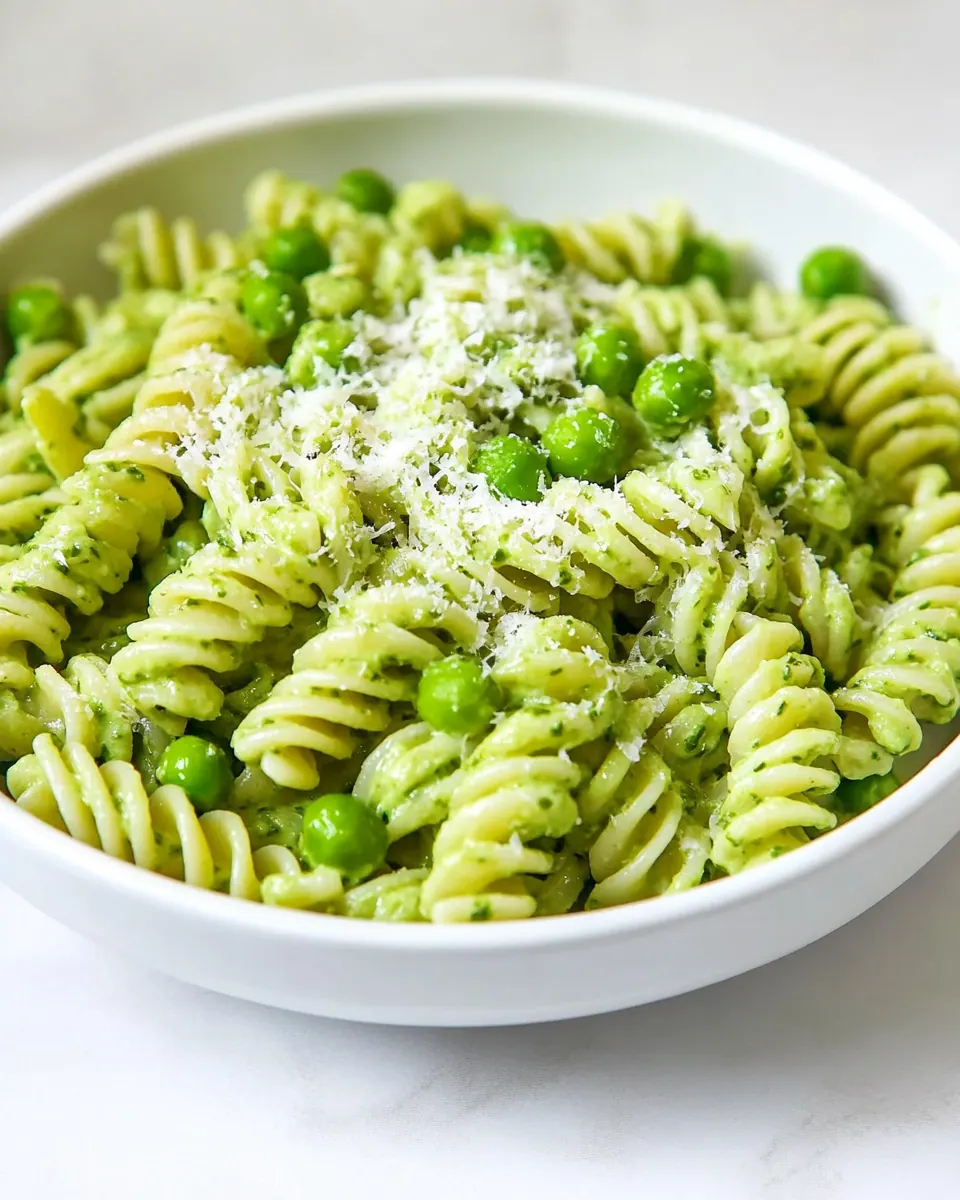
Pasta with Peas
Pasta with Peas is one of those dishes I turn to when I want comfort without fuss. The first time I made it I was racing the clock on a busy spring evening, and I remember the bright green of the peas against the pale pasta catching my eye as I drained the pot. That morning I had snipped mint from a tiny windowsill plant, and adding those leaves later felt like a small, triumphant moment of flavor that made the whole meal sing.
There is a kind of kitchen rhythm to this simple supper: a pot of bubbling salted water, the quiet sizzle of onion in a pan, and the unexpected silkiness that comes from blending peas into a warm sauce. Over the years I have tweaked tiny things, like using just a touch of butter with olive oil to round out the texture, or reserving cooking water to loosen the sauce so it clings beautifully to each piece of pasta. That little trick changed everything for me. When guests arrive and I want something effortless yet satisfying, this recipe reliably delivers.
Recipe Snapshot
20 mins
5 mins
15 mins
Easy
400 kcal
Italian
Gluten-Free, Vegan
Dinner
3 qt saucepan, Blender
Why You Need This Pasta with Peas
Bright seasonal appeal
I love how Pasta with Peas feels of the season. Fresh or frozen peas bring a vibrant color and a slightly sweet note that reads like spring on a plate, and the mint adds a cool herbaceous lift. The result is light, but not insubstantial, so it sits well at the center of a simple weeknight meal or a sunny lunch.
Speed without sacrifice
We get dinner on the table fast, yet the dish never feels rushed. The overall technique is straightforward, but little moves such as reserving pasta water and blending the peas create a creamy, cohesive sauce. Those touches make the dish taste thoughtful even when you make it in under 30 minutes.
Comfort with texture
There is a comforting contrast between tender pasta and the faintly grainy, silky pea sauce. The freshly grated parmesan folds in and melts, giving a savory, slightly salty finish. I often find the texture is what keeps people coming back for seconds.
Flexible and forgiving
I appreciate that Pasta with Peas adapts easily. Any pasta shape works, and frozen peas mean you can make it year round without sacrificing flavor. You can leave the peas whole for a rustic effect or blend them for a smooth, bright-green sauce. Either way, it feels authentic and unfussy.
Friendly to cooks of all levels
This is a recipe that builds confidence. The steps are simple, but they teach pantry management, timing, and how small techniques deliver big flavor. I like sharing it with friends who are just learning to cook because it rewards attention without demanding precision.
Key Ingredients for Pasta with Peas
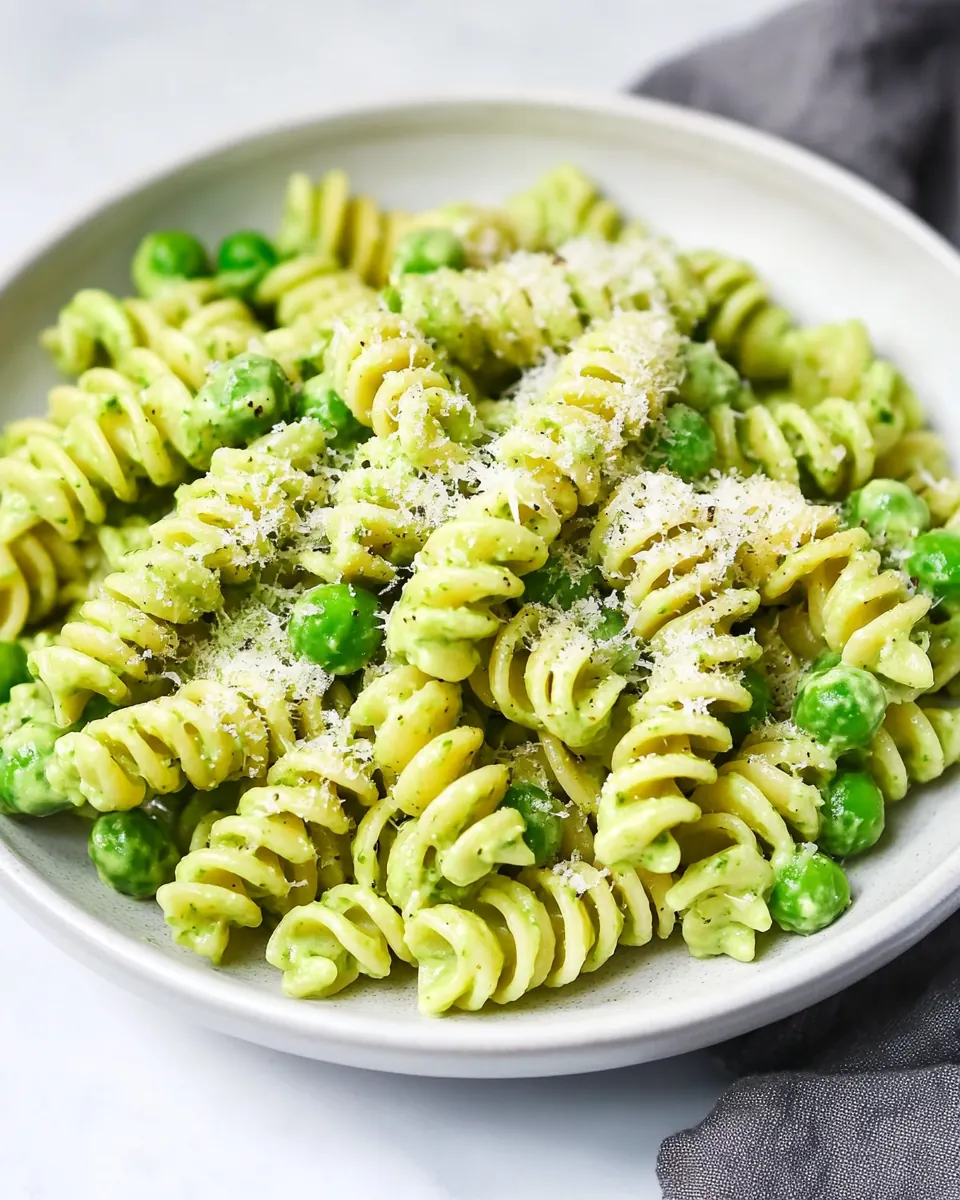
These ingredients are the backbone of a straightforward, elegant plate. Each element plays a clear role: pasta provides the vehicle, peas create the bright base of the sauce, and the fats like olive oil and butter add silk and mouthfeel. A little onion and garlic build savory depth, while parmesan finishes the dish with salty richness. Together, they balance texture, color, and flavor to make a simple bowl feel complete.
- 8 ounce s(225 g) dried pasta any shape, Note 1: Measure and cook until al dente, serving as the primary carbohydrate base that carries the sauce and flavors; handle gently to avoid overcooking and maintain texture. Ensure pasta is salted in boiling water to season through and drained, reserving some cooking liquid to adjust sauce consistency if needed.
- 2 tablespoons olive oil: Drizzle into the pan to provide a fruity, aromatic fat that helps transfer heat and sauté aromatics; use it to lightly fry onion and garlic for depth. Choose extra-virgin for flavor when finishing, and control quantity to avoid greasiness while allowing ingredients to glide in the pan.
- 1 tablespoon butter: Melt to add a rich, silky mouthfeel and help brown aromatics; combine with oil to prevent burning while contributing buttery flavor. Add near the start of sautéing for flavor release or finish the dish with a knob for gloss and extra richness.
- 1 yellow onion finely diced: Finely dice to release sweet, savory notes that form the aromatic backbone of the dish; sweat gently until translucent to build flavor without caramelizing. Cook consistently sized pieces for even cooking and incorporate into the sauce to complement peas and herbs.
- 2 cloves garlic minced: Mince to infuse sharp, pungent aromatics that brighten the dish and enhance savory depth; add toward the end of sautéing to avoid bitterness from burning. Use small, even pieces to distribute flavor evenly and release essential oils into the oil and butter.
- 10 ounces (280 g) frozen peas no need to thaw, plus extra for garnish: Add frozen to provide sweet, tender pops of greenery and vegetal flavor without thawing; toss directly into the hot pan to cook through quickly while retaining color and texture. Choose high-quality peas for natural sweetness and add extra for garnish to reinforce freshness.
- 2 tablespoons mint leaves Note 3: Chop or tear and add to contribute a bright, herbaceous accent that lifts the dish and pairs well with peas and cheese; stir in near the end to preserve aroma and color. Use fresh leaves for maximum fragrance and adjust quantity to taste for a clean finish.
- salt and pepper: Season to enhance and balance flavors, adjusting for salt to bring out sweetness in peas and cheese while pepper adds mild heat and complexity. Add in stages—salting pasta water, then seasoning the sauce—tasting and tweaking to avoid over-salting.
- 1/4 cup parmesan cheese freshly grated, I use vegetarian parmesan: Grate freshly to add nutty, savory umami that enriches the sauce and helps bind ingredients together; sprinkle on top and stir through for creamy consistency. Use vegetarian parmesan if desired and reserve a little for garnish to amplify flavor at serving time.
Cooking Method for Pasta with Peas
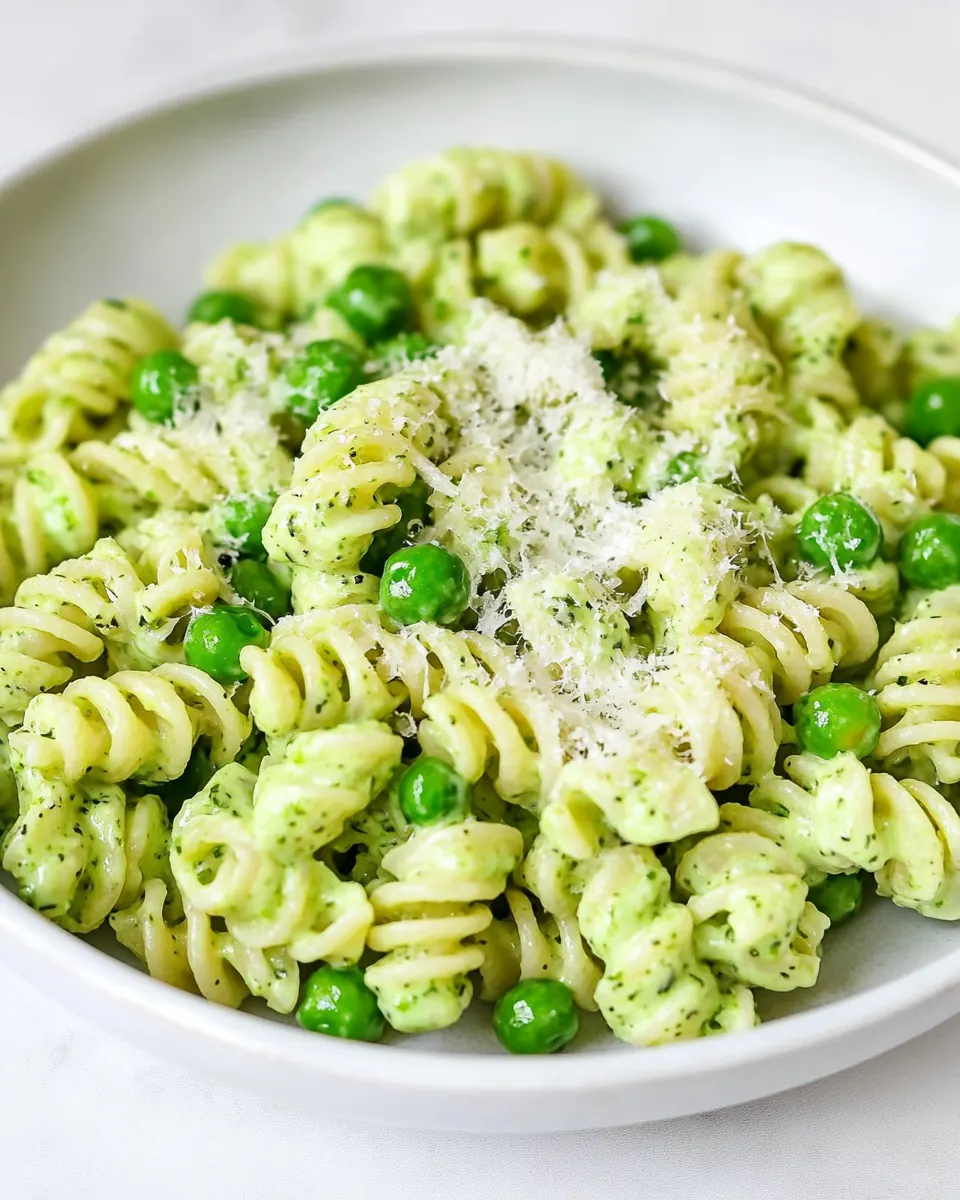
Cooking this is a relaxed, sensory experience that rewards attention to small cues. The interplay between the boiling pot, the softening onion, and the bright peas gives you constant feedback. Below I expand each direction into detailed guidance so you can follow along confidently and learn why each choice matters.
- Cook pasta in salted water according to the package instructions until al dente. Reserve 2 cups of pasta cooking water.: The pot should be at a vigorous boil so the pasta moves freely and releases starch, which later helps the sauce cling to each piece. You will smell warm wheat and see the surface dancing with steam as it approaches doneness. Taste a piece to check for that slight chew, not limp softness, and be ready to stop cooking a minute before you think; carryover will finish it. A common error is under salting the water, which yields flat tasting pasta , so add enough salt to make the water taste like the sea.
- In the same saucepan after you have removed the pasta and the water, add olive oil and melt the butter over medium heat.: The starchy water looks slightly cloudy and will feel silky between your fingers. It is the secret binder for the sauce, giving body and helping the pea purée adhere to the pasta . Keep it hot so it integrates smoothly into the sauce. Avoid draining and discarding all the water or your sauce may be too dry and won’t emulsify well.
- Saute the onion for 4 minutes stirring constantly until it’s soft and translucent, add the garlic and cook for 30 more seconds.: You will see the butter foam and then settle, releasing a rich aroma that signals it is ready. Combining olive oil with butter raises the burn point and balances flavor, giving a luscious mouthfeel. Maintain medium heat to prevent butter from browning prematurely. A frequent mistake is using too high heat, which will scorch the butter and impart a bitter note.
- Add the frozen peas, and cook for 2 minutes. Add the reserved pasta water, mint leaves, and season with salt and pepper. Cook for 1 minute until the pasta water has been warmed.: As the onion sweats, it will become glossy and smell sweet and savory, a scent that fills the kitchen with warmth. Add the minced garlic when the onion is soft so the garlic releases its aroma without burning; this brief cook time preserves its delicate flavor. Stirring helps the pieces soften evenly. Avoid chopping the onion too coarsely, which leads to uneven cooking and raw pungency.
- Blend the peas until you get a smooth sauce, then combine with the pasta.: When the frozen peas hit the pan they will hiss slightly, then quickly return to a vibrant green. The reserved hot pasta water warms the peas and begins to dissolve starches that thicken the sauce. Add torn mint leaves so their oils infuse the mix without becoming bitter. Taste and adjust seasoning carefully, because salt and pepper shape the bright flavors. Resist overcooking the peas into a lifeless mush.
- Serve pasta with extra peas, and freshly grated parmesan.: The sauce will become vividly green and silky, with a sweet vegetal perfume. When blended, drizzle some reserved pasta water to reach a sauce that coats the back of a spoon. Toss the pasta vigorously in the sauce so each piece becomes evenly coated, checking texture and adding liquid sparingly to achieve a glossy finish. One misstep is adding too much water at once, which thins the sauce and dilutes flavor, so add gradually.
- Serve pasta with extra peas, and freshly grated parmesan: The final plate should present a pop of bright whole peas and a dusting of freshly grated parmesan , which melts slightly onto warm pasta. You will notice a pleasing contrast between the smooth purée and the occasional whole pea. Finish with a crack of pepper if you like a faint heat. Avoid letting it sit too long before serving, as the sauce will thicken and the texture will lose its lively sheen.
Change It Up
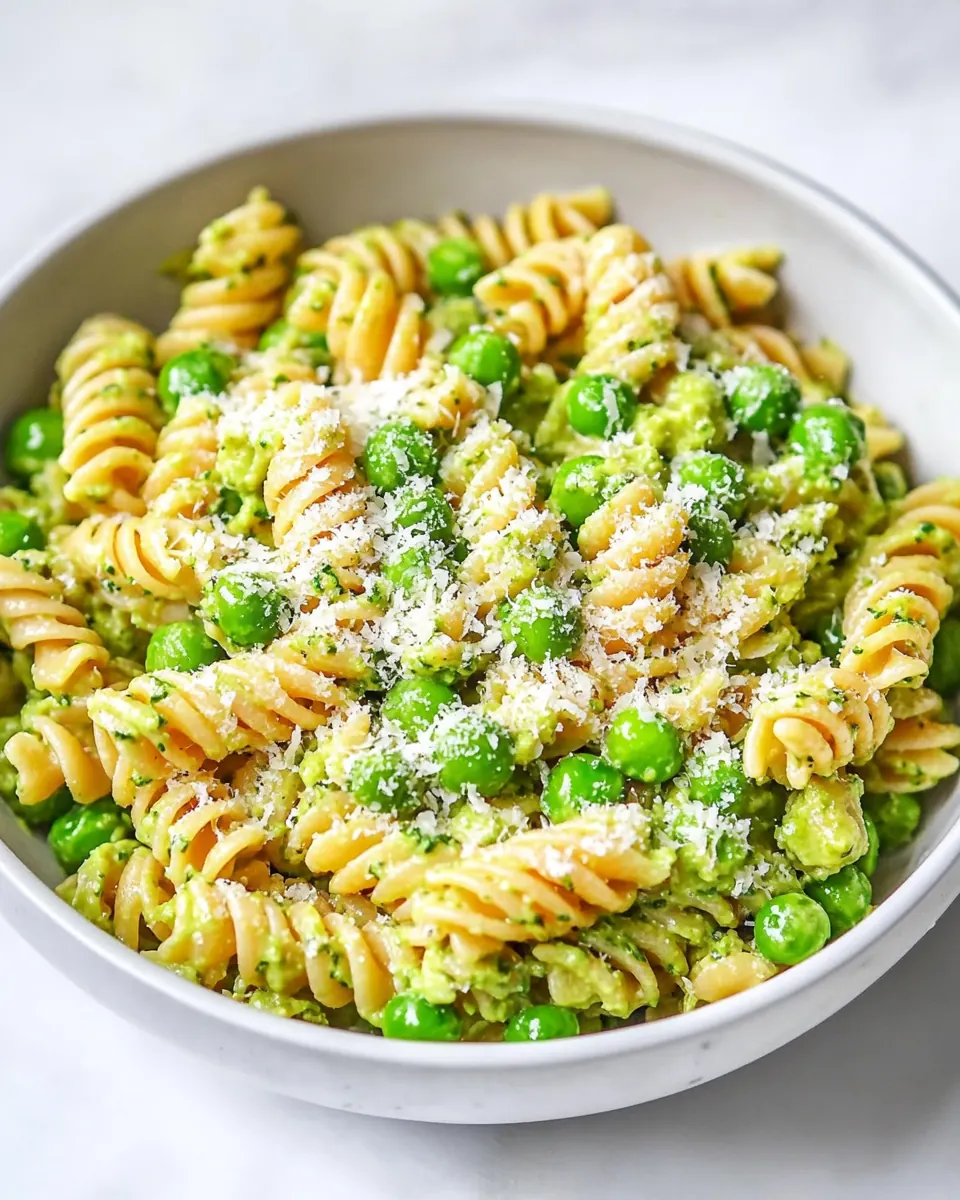
Small swaps and thoughtful additions let you tailor Pasta with Peas to mood and pantry. Below are practical ideas to vary texture, flavor, and presentation while keeping the dish approachable.
- Swap pasta shapes Choose shapes like fusilli or shells to catch the pea sauce in their crevices, enhancing each bite and increasing sauce pickup.
- Make it vegan Replace butter with a plant based spread and use a vegan or nutritional yeast topping to maintain savory depth without dairy.
- Leave peas whole If you prefer a rustic texture, skip blending and toss the warmed whole peas with the pasta, producing bright pops of sweetness in every forkful.
- Adjust herb profile If you do not love mint, substitute with fresh basil or parsley to change the herbal note while keeping freshness.
- Use hot pasta water Add cooking water gradually to create a creamy emulsion that binds sauce to pasta, avoiding a watery result.
- Toast the onion slightly For deeper flavor, allow the onion to develop a touch of color, producing a richer, caramelized base for the peas.
- Presentation boost Garnish with extra whole peas and a final sprinkle of freshly grated parmesan for visual contrast and a polished finish.
Serve This Pasta with Peas With
Serving this dish is about balancing simplicity with small thoughtful touches. It works beautifully for weeknight dinners or light weekend lunches. Below are ideas for pairings, occasions, and storage that help you plan the whole meal.
- Casual lunch or dinner Serve Pasta with Peas warm in shallow bowls for an easy, relaxed meal that feels special without fuss.
- Spring menus This is ideal for a spring gathering when peas and mint taste especially vibrant, pairing well with crisp salads or steamed greens.
- Storage Store leftovers in an airtight container for up to two days in the refrigerator, noting that the sauce may thicken; loosen with a splash of warm water before reheating.
- Meal prep Cook the pasta al dente and keep the sauce and pasta separate if you plan to pack lunches, combining and warming briefly before serving to preserve texture.
- Occasion fit It works as a cozy family dinner or a simple dish to bring to a potluck where you want something approachable and vegetarian friendly.
- Seasonal pairings Lean into spring vegetables alongside this plate, offering light roasted asparagus or a lemon dressed salad for brightness.
- Finishing touches Add an extra shower of freshly grated parmesan at the table and a few torn mint leaves to refresh the overall aroma just before serving.
FAQ
Conclusion
Pasta with Peas stands out for its bright color, creamy texture, and effortless preparation. It balances sweet, fresh peas with savory parmesan and aromatic mint, delivering a satisfying meal in very little time. Give it a try on a busy weeknight or when you want something light yet comforting, and enjoy how a few simple ingredients can create a memorable plate.
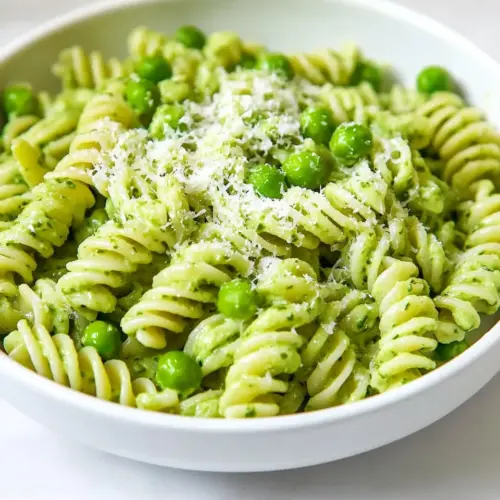
Pasta with Peas
Equipment
- 3 qt saucepan
- Blender
Ingredients
- 8 ounce s(225 g) dried pasta any shape, Note 1 Measure and cook until al dente, serving as the primary carbohydrate base that carries the sauce and flavors; handle gently to avoid overcooking and maintain texture. Ensure pasta is salted in boiling water to season through and drained, reserving some cooking liquid to adjust sauce consistency if needed.
- 2 tablespoons olive oil Drizzle into the pan to provide a fruity, aromatic fat that helps transfer heat and sauté aromatics; use it to lightly fry onion and garlic for depth. Choose extra-virgin for flavor when finishing, and control quantity to avoid greasiness while allowing ingredients to glide in the pan.
- 1 tablespoon butter Melt to add a rich, silky mouthfeel and help brown aromatics; combine with oil to prevent burning while contributing buttery flavor. Add near the start of sautéing for flavor release or finish the dish with a knob for gloss and extra richness.
- 1 yellow onion finely diced Finely dice to release sweet, savory notes that form the aromatic backbone of the dish; sweat gently until translucent to build flavor without caramelizing. Cook consistently sized pieces for even cooking and incorporate into the sauce to complement peas and herbs.
- 2 cloves garlic minced Mince to infuse sharp, pungent aromatics that brighten the dish and enhance savory depth; add toward the end of sautéing to avoid bitterness from burning. Use small, even pieces to distribute flavor evenly and release essential oils into the oil and butter.
- 10 ounces (280 g) frozen peas no need to thaw, plus extra for garnish Add frozen to provide sweet, tender pops of greenery and vegetal flavor without thawing; toss directly into the hot pan to cook through quickly while retaining color and texture. Choose high-quality peas for natural sweetness and add extra for garnish to reinforce freshness.
- 2 tablespoons mint leaves Note 3 Chop or tear and add to contribute a bright, herbaceous accent that lifts the dish and pairs well with peas and cheese; stir in near the end to preserve aroma and color. Use fresh leaves for maximum fragrance and adjust quantity to taste for a clean finish.
- salt and pepper Season to enhance and balance flavors, adjusting for salt to bring out sweetness in peas and cheese while pepper adds mild heat and complexity. Add in stages—salting pasta water, then seasoning the sauce—tasting and tweaking to avoid over-salting.
- 1/4 cup parmesan cheese freshly grated, I use vegetarian parmesan Grate freshly to add nutty, savory umami that enriches the sauce and helps bind ingredients together; sprinkle on top and stir through for creamy consistency. Use vegetarian parmesan if desired and reserve a little for garnish to amplify flavor at serving time.
Instructions
- Cook pasta in salted water according to the package instructions until al dente. Reserve 2 cups of pasta cooking water.: The pot should be at a vigorous boil so the pasta moves freely and releases starch, which later helps the sauce cling to each piece. You will smell warm wheat and see the surface dancing with steam as it approaches doneness. Taste a piece to check for that slight chew, not limp softness, and be ready to stop cooking a minute before you think; carryover will finish it. A common error is under salting the water, which yields flat tasting pasta , so add enough salt to make the water taste like the sea.
- In the same saucepan after you have removed the pasta and the water, add olive oil and melt the butter over medium heat.: The starchy water looks slightly cloudy and will feel silky between your fingers. It is the secret binder for the sauce, giving body and helping the pea purée adhere to the pasta . Keep it hot so it integrates smoothly into the sauce. Avoid draining and discarding all the water or your sauce may be too dry and won’t emulsify well.
- Saute the onion for 4 minutes stirring constantly until it’s soft and translucent, add the garlic and cook for 30 more seconds.: You will see the butter foam and then settle, releasing a rich aroma that signals it is ready. Combining olive oil with butter raises the burn point and balances flavor, giving a luscious mouthfeel. Maintain medium heat to prevent butter from browning prematurely. A frequent mistake is using too high heat, which will scorch the butter and impart a bitter note.
- Add the frozen peas, and cook for 2 minutes. Add the reserved pasta water, mint leaves, and season with salt and pepper. Cook for 1 minute until the pasta water has been warmed.: As the onion sweats, it will become glossy and smell sweet and savory, a scent that fills the kitchen with warmth. Add the minced garlic when the onion is soft so the garlic releases its aroma without burning; this brief cook time preserves its delicate flavor. Stirring helps the pieces soften evenly. Avoid chopping the onion too coarsely, which leads to uneven cooking and raw pungency.
- Blend the peas until you get a smooth sauce, then combine with the pasta.: When the frozen peas hit the pan they will hiss slightly, then quickly return to a vibrant green. The reserved hot pasta water warms the peas and begins to dissolve starches that thicken the sauce. Add torn mint leaves so their oils infuse the mix without becoming bitter. Taste and adjust seasoning carefully, because salt and pepper shape the bright flavors. Resist overcooking the peas into a lifeless mush.
- Serve pasta with extra peas, and freshly grated parmesan.: The sauce will become vividly green and silky, with a sweet vegetal perfume. When blended, drizzle some reserved pasta water to reach a sauce that coats the back of a spoon. Toss the pasta vigorously in the sauce so each piece becomes evenly coated, checking texture and adding liquid sparingly to achieve a glossy finish. One misstep is adding too much water at once, which thins the sauce and dilutes flavor, so add gradually.
- Serve pasta with extra peas, and freshly grated parmesan: The final plate should present a pop of bright whole peas and a dusting of freshly grated parmesan , which melts slightly onto warm pasta. You will notice a pleasing contrast between the smooth purée and the occasional whole pea. Finish with a crack of pepper if you like a faint heat. Avoid letting it sit too long before serving, as the sauce will thicken and the texture will lose its lively sheen.
Notes
- Swap pasta shapes Choose shapes like fusilli or shells to catch the pea sauce in their crevices, enhancing each bite and increasing sauce pickup.
- Make it vegan Replace butter with a plant based spread and use a vegan or nutritional yeast topping to maintain savory depth without dairy.
- Leave peas whole If you prefer a rustic texture, skip blending and toss the warmed whole peas with the pasta, producing bright pops of sweetness in every forkful.
- Adjust herb profile If you do not love mint, substitute with fresh basil or parsley to change the herbal note while keeping freshness.
- Use hot pasta water Add cooking water gradually to create a creamy emulsion that binds sauce to pasta, avoiding a watery result.
- Toast the onion slightly For deeper flavor, allow the onion to develop a touch of color, producing a richer, caramelized base for the peas.
- Presentation boost Garnish with extra whole peas and a final sprinkle of freshly grated parmesan for visual contrast and a polished finish.