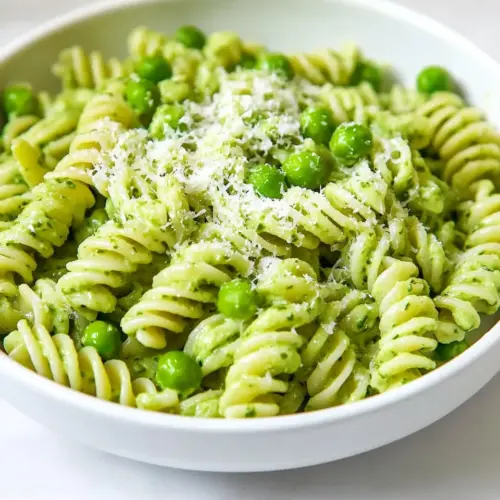
Pasta with Peas
Pasta with Peas is a creamy and vibrant pasta featuring sweet peas, fragrant mint, and silky parmesan for an easy weeknight dinner. Bright green sauce and al dente pasta create a satisfying contrast of texture and flavor, perfect for spring or any time you want a quick, comforting meal. Make it for a simple family supper or a light lunch that still feels special.
Equipment
- 3 qt saucepan
- Blender
Ingredients
- 8 ounce s(225 g) dried pasta any shape, Note 1 Measure and cook until al dente, serving as the primary carbohydrate base that carries the sauce and flavors; handle gently to avoid overcooking and maintain texture. Ensure pasta is salted in boiling water to season through and drained, reserving some cooking liquid to adjust sauce consistency if needed.
- 2 tablespoons olive oil Drizzle into the pan to provide a fruity, aromatic fat that helps transfer heat and sauté aromatics; use it to lightly fry onion and garlic for depth. Choose extra-virgin for flavor when finishing, and control quantity to avoid greasiness while allowing ingredients to glide in the pan.
- 1 tablespoon butter Melt to add a rich, silky mouthfeel and help brown aromatics; combine with oil to prevent burning while contributing buttery flavor. Add near the start of sautéing for flavor release or finish the dish with a knob for gloss and extra richness.
- 1 yellow onion finely diced Finely dice to release sweet, savory notes that form the aromatic backbone of the dish; sweat gently until translucent to build flavor without caramelizing. Cook consistently sized pieces for even cooking and incorporate into the sauce to complement peas and herbs.
- 2 cloves garlic minced Mince to infuse sharp, pungent aromatics that brighten the dish and enhance savory depth; add toward the end of sautéing to avoid bitterness from burning. Use small, even pieces to distribute flavor evenly and release essential oils into the oil and butter.
- 10 ounces (280 g) frozen peas no need to thaw, plus extra for garnish Add frozen to provide sweet, tender pops of greenery and vegetal flavor without thawing; toss directly into the hot pan to cook through quickly while retaining color and texture. Choose high-quality peas for natural sweetness and add extra for garnish to reinforce freshness.
- 2 tablespoons mint leaves Note 3 Chop or tear and add to contribute a bright, herbaceous accent that lifts the dish and pairs well with peas and cheese; stir in near the end to preserve aroma and color. Use fresh leaves for maximum fragrance and adjust quantity to taste for a clean finish.
- salt and pepper Season to enhance and balance flavors, adjusting for salt to bring out sweetness in peas and cheese while pepper adds mild heat and complexity. Add in stages—salting pasta water, then seasoning the sauce—tasting and tweaking to avoid over-salting.
- 1/4 cup parmesan cheese freshly grated, I use vegetarian parmesan Grate freshly to add nutty, savory umami that enriches the sauce and helps bind ingredients together; sprinkle on top and stir through for creamy consistency. Use vegetarian parmesan if desired and reserve a little for garnish to amplify flavor at serving time.
Instructions
- Cook pasta in salted water according to the package instructions until al dente. Reserve 2 cups of pasta cooking water.: The pot should be at a vigorous boil so the pasta moves freely and releases starch, which later helps the sauce cling to each piece. You will smell warm wheat and see the surface dancing with steam as it approaches doneness. Taste a piece to check for that slight chew, not limp softness, and be ready to stop cooking a minute before you think; carryover will finish it. A common error is under salting the water, which yields flat tasting pasta , so add enough salt to make the water taste like the sea.
- In the same saucepan after you have removed the pasta and the water, add olive oil and melt the butter over medium heat.: The starchy water looks slightly cloudy and will feel silky between your fingers. It is the secret binder for the sauce, giving body and helping the pea purée adhere to the pasta . Keep it hot so it integrates smoothly into the sauce. Avoid draining and discarding all the water or your sauce may be too dry and won’t emulsify well.
- Saute the onion for 4 minutes stirring constantly until it’s soft and translucent, add the garlic and cook for 30 more seconds.: You will see the butter foam and then settle, releasing a rich aroma that signals it is ready. Combining olive oil with butter raises the burn point and balances flavor, giving a luscious mouthfeel. Maintain medium heat to prevent butter from browning prematurely. A frequent mistake is using too high heat, which will scorch the butter and impart a bitter note.
- Add the frozen peas, and cook for 2 minutes. Add the reserved pasta water, mint leaves, and season with salt and pepper. Cook for 1 minute until the pasta water has been warmed.: As the onion sweats, it will become glossy and smell sweet and savory, a scent that fills the kitchen with warmth. Add the minced garlic when the onion is soft so the garlic releases its aroma without burning; this brief cook time preserves its delicate flavor. Stirring helps the pieces soften evenly. Avoid chopping the onion too coarsely, which leads to uneven cooking and raw pungency.
- Blend the peas until you get a smooth sauce, then combine with the pasta.: When the frozen peas hit the pan they will hiss slightly, then quickly return to a vibrant green. The reserved hot pasta water warms the peas and begins to dissolve starches that thicken the sauce. Add torn mint leaves so their oils infuse the mix without becoming bitter. Taste and adjust seasoning carefully, because salt and pepper shape the bright flavors. Resist overcooking the peas into a lifeless mush.
- Serve pasta with extra peas, and freshly grated parmesan.: The sauce will become vividly green and silky, with a sweet vegetal perfume. When blended, drizzle some reserved pasta water to reach a sauce that coats the back of a spoon. Toss the pasta vigorously in the sauce so each piece becomes evenly coated, checking texture and adding liquid sparingly to achieve a glossy finish. One misstep is adding too much water at once, which thins the sauce and dilutes flavor, so add gradually.
- Serve pasta with extra peas, and freshly grated parmesan: The final plate should present a pop of bright whole peas and a dusting of freshly grated parmesan , which melts slightly onto warm pasta. You will notice a pleasing contrast between the smooth purée and the occasional whole pea. Finish with a crack of pepper if you like a faint heat. Avoid letting it sit too long before serving, as the sauce will thicken and the texture will lose its lively sheen.
Notes
- Swap pasta shapes Choose shapes like fusilli or shells to catch the pea sauce in their crevices, enhancing each bite and increasing sauce pickup.
- Make it vegan Replace butter with a plant based spread and use a vegan or nutritional yeast topping to maintain savory depth without dairy.
- Leave peas whole If you prefer a rustic texture, skip blending and toss the warmed whole peas with the pasta, producing bright pops of sweetness in every forkful.
- Adjust herb profile If you do not love mint, substitute with fresh basil or parsley to change the herbal note while keeping freshness.
- Use hot pasta water Add cooking water gradually to create a creamy emulsion that binds sauce to pasta, avoiding a watery result.
- Toast the onion slightly For deeper flavor, allow the onion to develop a touch of color, producing a richer, caramelized base for the peas.
- Presentation boost Garnish with extra whole peas and a final sprinkle of freshly grated parmesan for visual contrast and a polished finish.