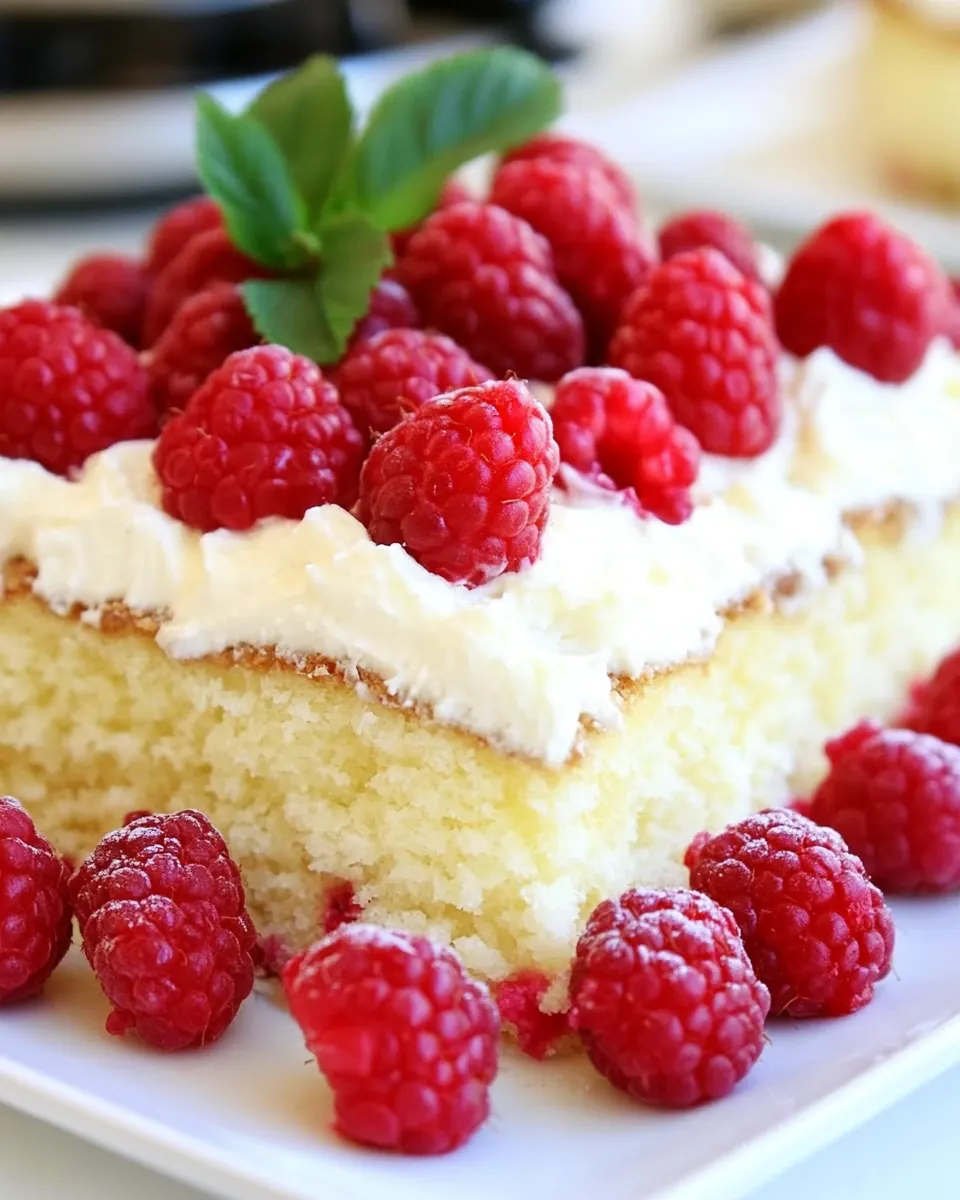
Lemon Raspberry Cake
Lemon Raspberry Cake has been one of those recipes that always makes the kitchen feel like a celebration, and the very first time I baked it I remember the bright citrus aroma cutting through the winter haze. I was making a small dinner for friends and wanted something that felt special but was actually relaxed to prepare, so I reached for simple pantry staples and a basket of ripe raspberries, and the result was a tender, sunny cake that everyone kept praising between bites.
Over the years I have tweaked the recipe in tiny ways, learning how the texture changes if the cake is slightly underbaked, or how the frosting sings when the cream cheese is at room temperature. Each time I make Lemon Raspberry Cake it takes me back to that warm evening, the clink of plates, and the laughing chatter as we passed slices around. I often make it for gatherings where I want dessert to feel homemade but look impressive, and it rarely disappoints. The balance of tart lemon, pillowy cake, and lush raspberry topping is one of those combos I find myself reaching for whenever I want a dessert that says thoughtful but not fussy.
Recipe Snapshot
50 mins
15 mins
35 mins
Medium
350 kcal
American
Gluten-Free, Low FODMAP
Desserts
8 or 9 inch round cake pan, Parchment paper, Stand mixer or electric mixer, Mixing bowls, Wire cooling rack
What’s Great About This Lemon Raspberry Cake
Bright balanced flavor
I love that Lemon Raspberry Cake manages to taste sophisticated without being complicated. The lemon zest delivers a snap of acidity that cuts through the richness of the cake and frosting, while the raspberries bring a fresh floral sweetness. I often find guests closing their eyes when they take a bite, and I think that immediate, clean brightness is the main reason.
Textural contrast
The combination of a tender crumb, a creamy frosting, and juicy raspberries creates different textures in every bite. I like how the cake yields easily to a fork, while the frosting adds weight and silkiness. The raspberries add a burst of juice that keeps things lively. That contrast is what keeps each forkful interesting for me and my family.
Approachable technique
This cake is forgiving. I appreciate recipes that let me chat with guests while they come together, and Lemon Raspberry Cake fits that bill. The method uses straightforward mixing and basic equipment, which means less stress and more time to enjoy company. I often tell friends that even if you are not a regular baker, this one is a great place to grow confidence.
Flexible for occasions
I like serving this cake for spring gatherings, birthdays, or small dinner parties. The look of fresh raspberries on a pale lemon frosting reads festive and seasonal, and it pairs well with coffee or light tea. Because it is not overly sweet, it works for both after a heavy meal or as part of a dessert spread.
Made from simple ingredients
What I appreciate most is how the recipe relies on familiar pantry items with a few fresh pieces that make all the difference. You do not need unusual tools or techniques to get a memorable result. That accessibility means I bake it often, and I love passing that ease along to anyone who asks for the recipe.
Ingredients for Lemon Raspberry Cake
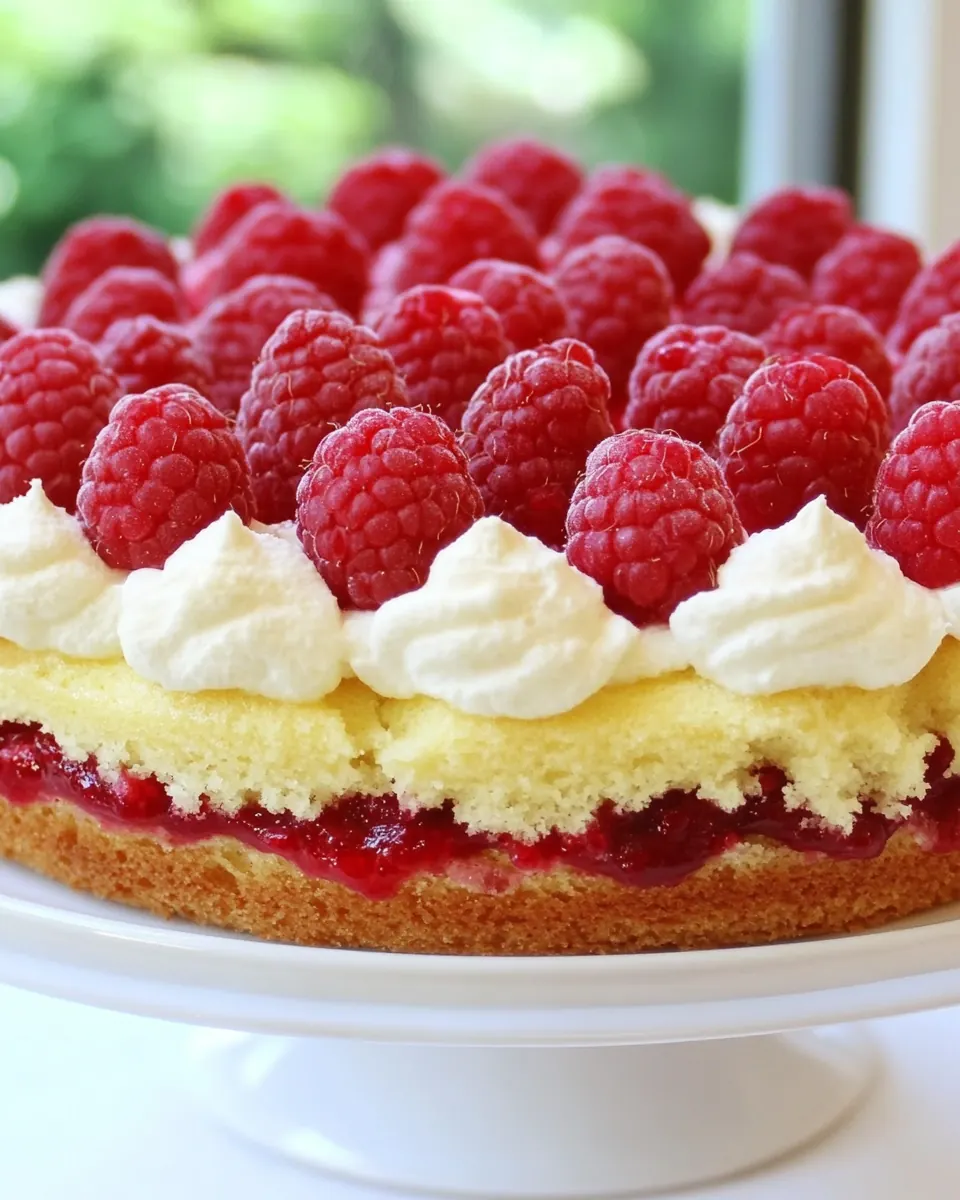
These ingredients work together to create a balanced cake where citrus brightness and berry freshness are the stars. The base flours and sugar form the tender crumb, while the oils and dairy add moisture and richness. For the frosting, cream cheese and heavy cream produce a silky spread that holds the raspberries without overpowering them. I think of the flours and sugar as the structure, the fats and eggs as the texture builders, and the lemon and raspberries as the personality.
- 1/2 cup coconut oil or regular butter: Melted to provide moisture and richness; can be substituted with regular butter for a classic flavor profile. Helps create a tender crumb and contributes to the cake’s fat content for soft texture when creamed with sugar.
- 1 cup granulated sugar: Beaten with fat and eggs to add sweetness and structure; dissolves into the batter to help caramelize the crust. Balances the tartness from lemon and raspberries and helps tenderize the crumb when creamed properly.
- 2 eggs: Beaten in to provide lift, structure, and moisture; eggs help emulsify fats and liquids for a smoother batter. Contribute to the cake’s stability and richness while supporting the rise and binding of other ingredients.
- 1/2 teaspoon vanilla extract: Added sparingly to enhance overall flavor with warm aromatic notes; pairs well with lemon and vanilla undertones. Helps round out the sweetness and adds depth to the cake’s aroma without overpowering citrus.
- 1/2 lemon zested: Zested finely to deliver bright citrus aroma and concentrated lemon flavor; adds acidity and freshness without additional liquid. Disperses throughout the batter to lift flavors and complement the raspberries’ tartness.
- 3/4 cups self rising flour: Sifted into the batter to provide leavening and structure; self–rising flour brings built-in baking powder and salt for consistent rise. Creates a tender crumb while simplifying the recipe by eliminating the need for separate leavening agents.
- 1/2 cup all purpose flour + 2 tablespoons more: Combined to adjust texture and gluten content; additional all-purpose flour balances density from self–rising flour. Ensures correct batter thickness and chewiness while controlling the final cake’s tenderness.
- 1/2 cup milk: Added as a liquid to hydrate dry ingredients and create batter consistency; milk contributes mild flavor and tenderizing proteins. Helps dissolve sugar and distribute fat, promoting an even crumb and moist interior.
- 3 oz . cream cheese room temperature: Softened and incorporated for tangy richness; cream cheese adds a subtle acidity and creamy texture to the cake or filling. Enhances moisture and flavor complexity while helping stabilize whipped cream or frosting components.
- 1/2 cup heavy whipping cream: Whipped to create a light, airy topping or stabilized filling; heavy cream folds into whipped cream to add volume and richness. Provides a creamy contrast to the cake layers and supports the raspberries without becoming watery.
- 1/2 cup powdered sugar: Sifted into whipped cream or frosting to sweeten and stabilize; powdered sugar dissolves easily for a smooth texture. Balances the tang of cream cheese and lemon while helping the whipped cream hold soft peaks.
- 1/2 lemon zested: Zested finely to reinforce citrus notes and brighten the dessert’s aroma; additional lemon zest layers the lemon flavor for a more pronounced profile. Works together with sugar and raspberries to create a fresh, lively taste.
- 1/2 teaspoon vanilla extract: Added again for aromatic depth and balance; a second small amount of vanilla extract layers flavor across batter and frosting. Enhances the perception of sweetness and harmonizes the citrus and berry elements.
- lots of fresh raspberries: Garnished generously to provide bursts of tart-sweet flavor and vibrant color; fresh raspberries contribute juiciness and visual appeal. Offer a bright contrast to the creamy components and deliver natural texture and acidity to the cake.
Recipe Directions for Lemon Raspberry Cake
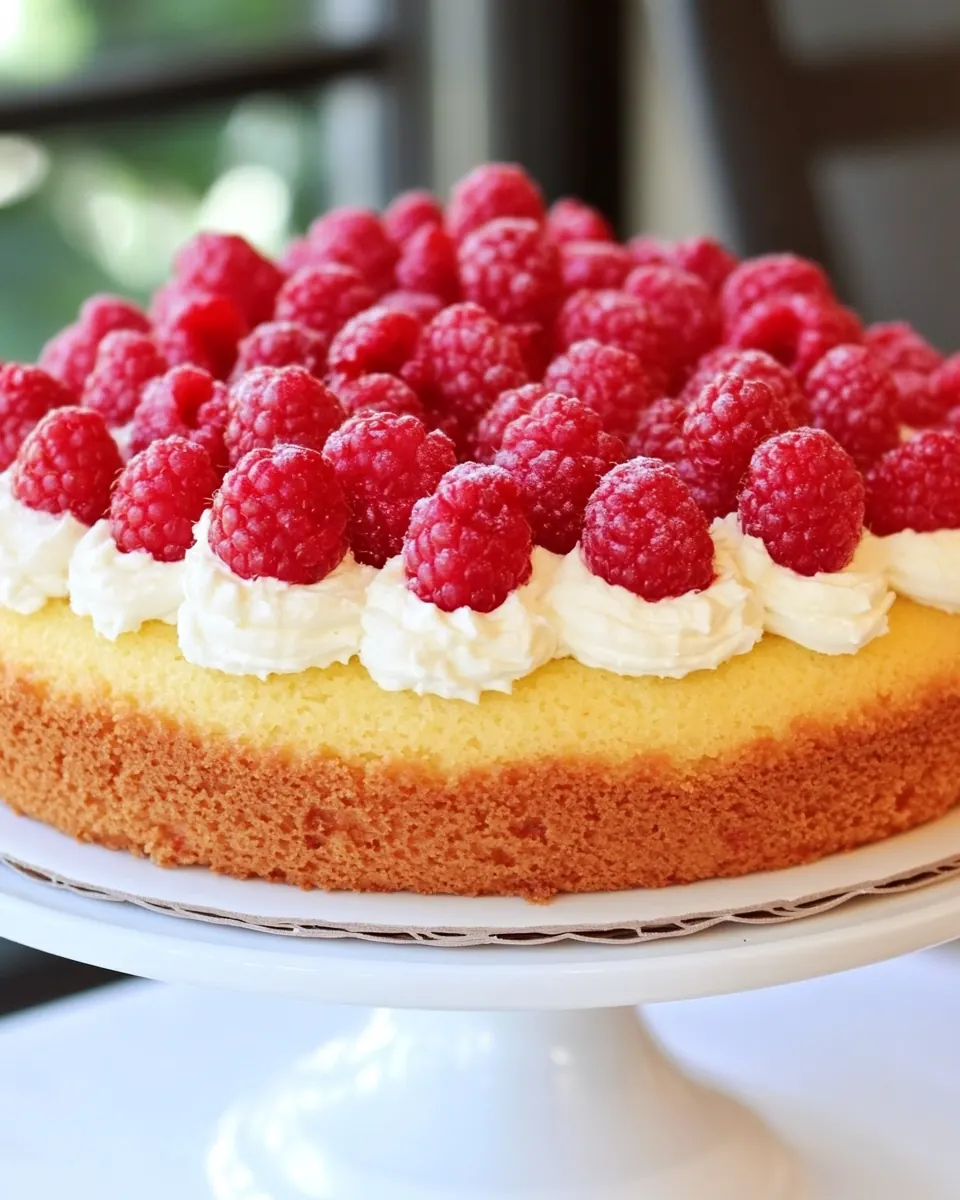
These directions are straightforward but benefit from a little attentiveness. I like to read through the steps once before starting so I have a rhythm while baking. Clear mise en place and patience at the mixing stages make a big difference in the final texture and appearance.
- Preheat oven to 350 degrees. Cut a circle out of parchment paper to line the bottom of an 8 or 9-inch round cake pan. Lightly grease the pan and set aside.: The warm scent of the oven as it comes up to 350 degrees is reassuring, and lining the pan with parchment prevents the cake from sticking to the bottom when you invert it. You should feel the anticipation as the kitchen warms and the batter will bake evenly once the oven reaches temperature. A common mistake here is skipping the parchment or not greasing the pan, which can tear the cake when you remove it, so take the extra minute to prepare the pan carefully. Visually, the pan should look evenly coated, and the parchment circle should sit flat, preventing bubbles that could imprint the cake bottom.
- In a large bowl, whip coconut oil (or butter if you choose) with sugar until light and fluffy. Stir in eggs, vanilla, and lemon zest. Scrape sides and whip again. Alternate mixing in flours with milk. Scrape sides and mix until all ingredients are incorporated.: At this stage you will notice the aroma of lemon and vanilla blooming as the sugar and fat aerate, which helps trap tiny air pockets that give the cake lift. The texture of the batter should go from gritty to glossy as the sugar dissolves into the fat, and when the eggs are added the batter becomes smoother and slightly more elastic. Alternating the flours with the milk encourages gentle incorporation so the gluten does not develop unevenly, preserving tenderness. If you overmix after the flours are added you may create a dense crumb, so stop mixing as soon as the streaks disappear. A troubleshooting tip is to scrape the bowl thoroughly between additions to ensure no pockets of dry flour remain, which would produce dry spots in the cake.
- Spoon into prepared pan, smooth the top and bake 30-40 minutes or until a toothpick comes out clean when inserted. Cool 15 minutes and then remove the cake from pan. Cool completely before frosting.: You will hear the oven hum and the batter set as steam escapes, and the top will develop a pale golden color. The toothpick test is the safest indicator of doneness, and the center should spring back gently when pressed, not sink. Cooling 15 minutes before removing from the pan allows the crumb to stabilize so it does not collapse, and finishing the cool on a wire rack prevents the bottom from becoming soggy. A common error is slicing into the cake too soon, which can ruin its structure, so be patient until the cake is fully cool for the best frosting surface.
- Whip cream cheese in a stand mixer to soften. Slowly stream in cream to incorporate evenly. If lumps start to form, stop mixing, scrape sides, and continue to mix. Once all cream is incorporated, the mixture should seem thick and smooth.: As you whip the cream cheese , you should notice it loosening and becoming glossy, and streaming in the cold heavy whipping cream helps create a lighter, scoopable frosting base. If lumps appear, it usually means your cream cheese was too cold, so pausing and scraping the sides helps bring everything to one temperature and restores a smooth texture. The mixture should be thick enough to mound but not runny, which ensures it will hold the raspberries on top. Avoid working the mixture excessively at high speed if it starts to separate, and instead reduce speed and scrape frequently to maintain a uniform emulsion.
- Stir in remaining ingredients and stir to incorporate. Once frosting seems smooth, turn the mixer on high and whip 2-3 minutes or until fluffy and light, similar to whipped cream but a little heavier.: When you add the powdered sugar , additional lemon zest, and vanilla , the frosting becomes sweeter and more aromatic, and whipping at the end brings air in so it feels cloudlike yet substantial. The texture should be smooth, with soft peaks forming as you lift the beater. That extra whipping time improves spreadability and creates a tidy finish on the cake, but overwhipping can make the frosting too loose. If it loosens, chilling briefly will help it firm up before spreading. Smell for that clean lemon note which signals balance between tang and sweetness.
- Spread all frosting over cooled cake and top with lots of fresh raspberries. Store in refrigerator until ready to serve.: As you spread the frosting, you will feel a satisfying drag of the spatula across a smooth surface, and the contrast of the pale frosting with the vivid raspberries is visually appealing. Press the berries in slightly so they do not roll off, arranging them in a single layer or a casual cluster, depending on the look you want. Refrigerating the cake helps the frosting set and keeps the raspberries fresh, but be aware that very long storage can soften the berries and slightly moisten the top. A common misstep is leaving the cake at room temperature for too long, which can make the frosting soft and the berries wilt, so keep it chilled until serving for the best presentation and texture.
Ways to Customize
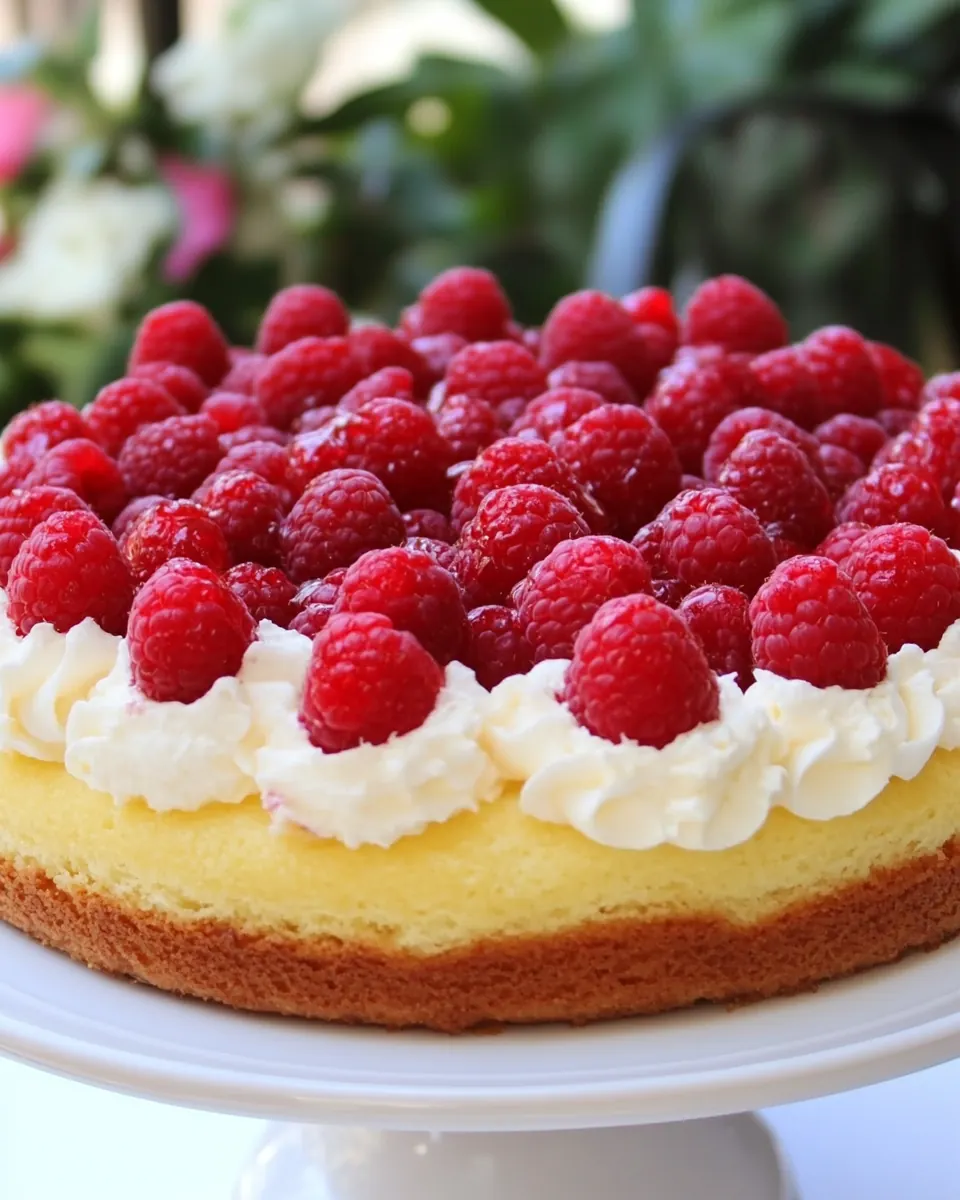
There are several simple ways to adjust this cake to your taste without changing the core technique. Small tweaks to fat, presentation, and garnish can make it feel seasonal or personal. Below are practical ideas that keep the structure intact while offering variety.
- Swap the fat Swap between coconut oil and butter depending on the flavor direction you prefer, using the same volume to keep the texture consistent.
- Fruit arrangement Arrange raspberries in concentric circles for an elegant look, or pile them casually for a rustic presentation that feels more relaxed.
- Adjust lemon intensity Increase or decrease the amount of lemon zest slightly to make the cake brighter or more mellow, tasting the frosting as you go to avoid overpowering it.
- Frosting thickness For a lighter finish, whip the frosting slightly less; for a thicker layer that holds shapes, whip until it forms firmer peaks and chill briefly before applying.
- Serving temperature Serve slightly chilled for a firmer slice, or bring to near room temperature for a creamier mouthfeel; plan this around how long the cake will sit out during service.
Perfect Matches for Lemon Raspberry Cake
This cake pairs well with light beverages and seasonal accompaniments, and it is versatile across occasions. Whether you are planning a brunch or an after dinner treat, a few thoughtful choices elevate the experience.
- Light tea or coffee Pair slices with mild coffee or a delicate tea to balance the cake without overpowering the lemon and raspberry notes.
- Fresh fruit plate Serve with a simple fruit plate featuring berries and stone fruit to echo the cake’s freshness and extend the dessert table.
- Occasions Perfect for spring gatherings, birthdays, or small dinner parties where a homemade dessert reads elegant and welcoming.
- Storage tips Keep the cake refrigerated in an airtight container to preserve the frosting and fruit, and consume within three days for the best texture and flavor.
- Seasonal pairing This cake shines in spring and early summer when raspberries are at their peak, but you can use carefully thawed berries in a pinch, adding them just before serving.
FAQ
Conclusion
What makes this cake special is its perfect balance of bright lemon, tender crumb, and juicy raspberries, all wrapped in a silky frosting that never feels too heavy. I encourage you to give it a try for your next gathering or a simple weekend treat, because its friendly technique and fresh flavors make it a dependable crowd pleaser. Baking this is a small act that yields a big return in smiles, conversation, and the kind of memory that sticks with your guests long after the last slice is gone. Enjoy the process and savor each bite as you share it with loved ones.
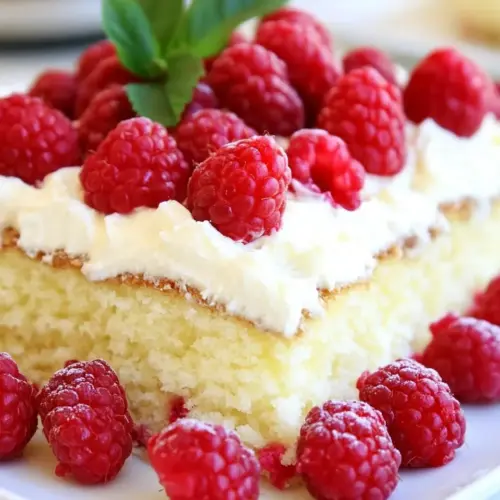
Lemon Raspberry Cake
Equipment
- 8 or 9 inch round cake pan
- Parchment Paper
- Stand mixer or electric mixer
- Mixing Bowls
- wire cooling rack
Ingredients
- 1/2 cup coconut oil or regular butter Melted to provide moisture and richness; can be substituted with regular butter for a classic flavor profile. Helps create a tender crumb and contributes to the cake’s fat content for soft texture when creamed with sugar.
- 1 cup granulated sugar Beaten with fat and eggs to add sweetness and structure; dissolves into the batter to help caramelize the crust. Balances the tartness from lemon and raspberries and helps tenderize the crumb when creamed properly.
- 2 eggs Beaten in to provide lift, structure, and moisture; eggs help emulsify fats and liquids for a smoother batter. Contribute to the cake’s stability and richness while supporting the rise and binding of other ingredients.
- 1/2 teaspoon vanilla extract Added sparingly to enhance overall flavor with warm aromatic notes; pairs well with lemon and vanilla undertones. Helps round out the sweetness and adds depth to the cake’s aroma without overpowering citrus.
- 1/2 lemon zested Zested finely to deliver bright citrus aroma and concentrated lemon flavor; adds acidity and freshness without additional liquid. Disperses throughout the batter to lift flavors and complement the raspberries’ tartness.
- 3/4 cups self rising flour Sifted into the batter to provide leavening and structure; self-rising flour brings built-in baking powder and salt for consistent rise. Creates a tender crumb while simplifying the recipe by eliminating the need for separate leavening agents.
- 1/2 cup all purpose flour + 2 tablespoons more Combined to adjust texture and gluten content; additional all-purpose flour balances density from self-rising flour. Ensures correct batter thickness and chewiness while controlling the final cake’s tenderness.
- 1/2 cup milk Added as a liquid to hydrate dry ingredients and create batter consistency; milk contributes mild flavor and tenderizing proteins. Helps dissolve sugar and distribute fat, promoting an even crumb and moist interior.
- 3 oz . cream cheese room temperature Softened and incorporated for tangy richness; cream cheese adds a subtle acidity and creamy texture to the cake or filling. Enhances moisture and flavor complexity while helping stabilize whipped cream or frosting components.
- 1/2 cup heavy whipping cream Whipped to create a light, airy topping or stabilized filling; heavy cream folds into whipped cream to add volume and richness. Provides a creamy contrast to the cake layers and supports the raspberries without becoming watery.
- 1/2 cup powdered sugar Sifted into whipped cream or frosting to sweeten and stabilize; powdered sugar dissolves easily for a smooth texture. Balances the tang of cream cheese and lemon while helping the whipped cream hold soft peaks.
- 1/2 lemon zested Zested finely to reinforce citrus notes and brighten the dessert’s aroma; additional lemon zest layers the lemon flavor for a more pronounced profile. Works together with sugar and raspberries to create a fresh, lively taste.
- 1/2 teaspoon vanilla extract Added again for aromatic depth and balance; a second small amount of vanilla extract layers flavor across batter and frosting. Enhances the perception of sweetness and harmonizes the citrus and berry elements.
- lots of fresh raspberries Garnished generously to provide bursts of tart-sweet flavor and vibrant color; fresh raspberries contribute juiciness and visual appeal. Offer a bright contrast to the creamy components and deliver natural texture and acidity to the cake.
Instructions
- Preheat oven to 350 degrees. Cut a circle out of parchment paper to line the bottom of an 8 or 9-inch round cake pan. Lightly grease the pan and set aside.: The warm scent of the oven as it comes up to 350 degrees is reassuring, and lining the pan with parchment prevents the cake from sticking to the bottom when you invert it. You should feel the anticipation as the kitchen warms and the batter will bake evenly once the oven reaches temperature. A common mistake here is skipping the parchment or not greasing the pan, which can tear the cake when you remove it, so take the extra minute to prepare the pan carefully. Visually, the pan should look evenly coated, and the parchment circle should sit flat, preventing bubbles that could imprint the cake bottom.
- In a large bowl, whip coconut oil (or butter if you choose) with sugar until light and fluffy. Stir in eggs, vanilla, and lemon zest. Scrape sides and whip again. Alternate mixing in flours with milk. Scrape sides and mix until all ingredients are incorporated.: At this stage you will notice the aroma of lemon and vanilla blooming as the sugar and fat aerate, which helps trap tiny air pockets that give the cake lift. The texture of the batter should go from gritty to glossy as the sugar dissolves into the fat, and when the eggs are added the batter becomes smoother and slightly more elastic. Alternating the flours with the milk encourages gentle incorporation so the gluten does not develop unevenly, preserving tenderness. If you overmix after the flours are added you may create a dense crumb, so stop mixing as soon as the streaks disappear. A troubleshooting tip is to scrape the bowl thoroughly between additions to ensure no pockets of dry flour remain, which would produce dry spots in the cake.
- Spoon into prepared pan, smooth the top and bake 30-40 minutes or until a toothpick comes out clean when inserted. Cool 15 minutes and then remove the cake from pan. Cool completely before frosting.: You will hear the oven hum and the batter set as steam escapes, and the top will develop a pale golden color. The toothpick test is the safest indicator of doneness, and the center should spring back gently when pressed, not sink. Cooling 15 minutes before removing from the pan allows the crumb to stabilize so it does not collapse, and finishing the cool on a wire rack prevents the bottom from becoming soggy. A common error is slicing into the cake too soon, which can ruin its structure, so be patient until the cake is fully cool for the best frosting surface.
- Whip cream cheese in a stand mixer to soften. Slowly stream in cream to incorporate evenly. If lumps start to form, stop mixing, scrape sides, and continue to mix. Once all cream is incorporated, the mixture should seem thick and smooth.: As you whip the cream cheese , you should notice it loosening and becoming glossy, and streaming in the cold heavy whipping cream helps create a lighter, scoopable frosting base. If lumps appear, it usually means your cream cheese was too cold, so pausing and scraping the sides helps bring everything to one temperature and restores a smooth texture. The mixture should be thick enough to mound but not runny, which ensures it will hold the raspberries on top. Avoid working the mixture excessively at high speed if it starts to separate, and instead reduce speed and scrape frequently to maintain a uniform emulsion.
- Stir in remaining ingredients and stir to incorporate. Once frosting seems smooth, turn the mixer on high and whip 2-3 minutes or until fluffy and light, similar to whipped cream but a little heavier.: When you add the powdered sugar , additional lemon zest, and vanilla , the frosting becomes sweeter and more aromatic, and whipping at the end brings air in so it feels cloudlike yet substantial. The texture should be smooth, with soft peaks forming as you lift the beater. That extra whipping time improves spreadability and creates a tidy finish on the cake, but overwhipping can make the frosting too loose. If it loosens, chilling briefly will help it firm up before spreading. Smell for that clean lemon note which signals balance between tang and sweetness.
- Spread all frosting over cooled cake and top with lots of fresh raspberries. Store in refrigerator until ready to serve.: As you spread the frosting, you will feel a satisfying drag of the spatula across a smooth surface, and the contrast of the pale frosting with the vivid raspberries is visually appealing. Press the berries in slightly so they do not roll off, arranging them in a single layer or a casual cluster, depending on the look you want. Refrigerating the cake helps the frosting set and keeps the raspberries fresh, but be aware that very long storage can soften the berries and slightly moisten the top. A common misstep is leaving the cake at room temperature for too long, which can make the frosting soft and the berries wilt, so keep it chilled until serving for the best presentation and texture.
Notes
- Swap the fat Swap between coconut oil and butter depending on the flavor direction you prefer, using the same volume to keep the texture consistent.
- Fruit arrangement Arrange raspberries in concentric circles for an elegant look, or pile them casually for a rustic presentation that feels more relaxed.
- Adjust lemon intensity Increase or decrease the amount of lemon zest slightly to make the cake brighter or more mellow, tasting the frosting as you go to avoid overpowering it.
- Frosting thickness For a lighter finish, whip the frosting slightly less; for a thicker layer that holds shapes, whip until it forms firmer peaks and chill briefly before applying.
- Serving temperature Serve slightly chilled for a firmer slice, or bring to near room temperature for a creamier mouthfeel; plan this around how long the cake will sit out during service.
