Lemon Blueberry Cheesecake
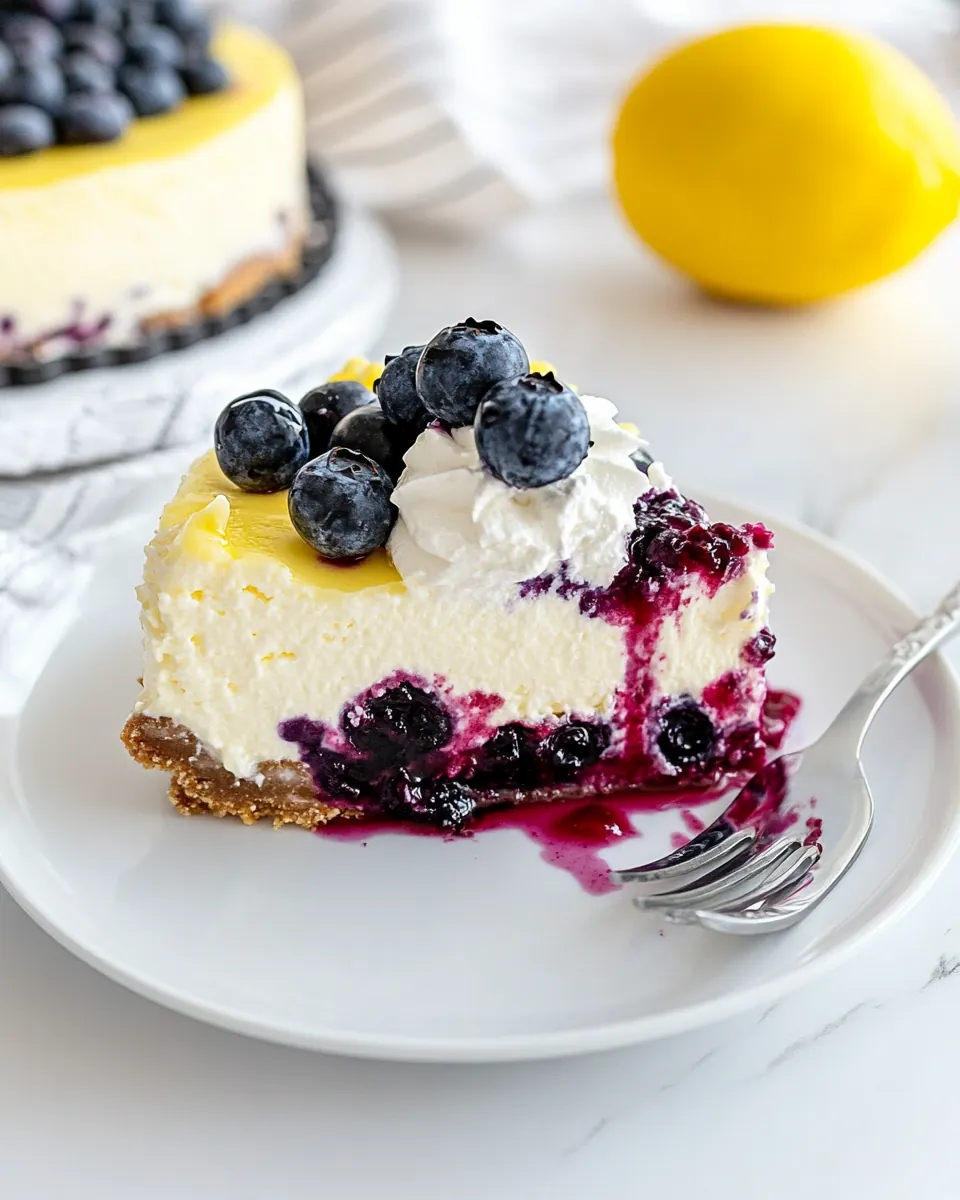
Lemon Blueberry Cheesecake is the kind of dessert I reach for when I want something that feels both celebratory and comfortably familiar.
Years ago I brought a version of this to a spring potluck and watched a crowd of friends circle back for seconds, drawn by the bright lemon aroma and the ribbon of deep blue fruit across the top. I remember carrying the pan through warm evening light, feeling the cheesecake gently shift inside the tin, and how a small smear of blueberry sauce on my finger convinced me to sample before serving. That first bite, cool and creamy against a slightly crunchy crust, told me everything I needed to know about balance.
Since then I have refined the method to keep the filling silky and crack free, and to coax the brightest lemon flavor without making it tart. I love how the graham crackers in the crust provide a toasty anchor, while the fold of fresh blueberries inside the batter gives little surprise bursts. This cake travels well, stores beautifully, and gets better after a night in the fridge, so it is my go to for gatherings where I want low stress and big smiles.
Recipe Snapshot
1 hr 40 mins
25 mins
75 mins
Medium
350 kcal
American
Gluten-Free, Low FODMAP
Desserts
Food processor, 9 inch springform pan, Electric Hand mixer or Stand mixer, Saucepan, Roasting pan for the water bath
The Magic of This Lemon Blueberry Cheesecake
Bright citrus and tender cream
I adore how the Lemon Blueberry Cheesecake showcases lemon without overpowering the rich cream. The lemon zest and juice lift the filling so it never feels cloying, and the texture stays velvety because of the full fat cream cheese and a touch of sour cream. I find that this contrast is what keeps guests coming back for another forkful.
Textural contrast makes every bite interesting
The crumbly, buttery graham crackers crust gives a satisfying snap against the smooth filling. I like pressing the crust up the sides of the pan to create a sturdy edge that frames the cake. That contrast between crunchy and creamy is a hallmark of this recipe.
Fresh blueberries for natural sweetness and color
There are two moments where blueberries shine here, folded into the filling and transformed into a glossy topping. Folding a cup into the batter gives little pockets of fruit, while cooking extra berries with sugar and lemon creates a jewel tone sauce. I always appreciate how this double approach adds both texture and visual drama.
Reliable technique for a smooth finish
I rely on a gentle mixing routine and a water bath to avoid cracks and to achieve a custard like center. Over the years I have learned that small steps, like using room temperature eggs and cream cheese, make a huge difference. These practices turn a good cheesecake into a memorable one.
Make ahead friendly
This cheesecake gets better with time, so it is perfect for celebrations where you want to prepare in advance. The flavors deepen after chilling, and the texture firms in a way that slices perfectly. I often make it the day before to reduce stress on the event day.
What’s In This Lemon Blueberry Cheesecake
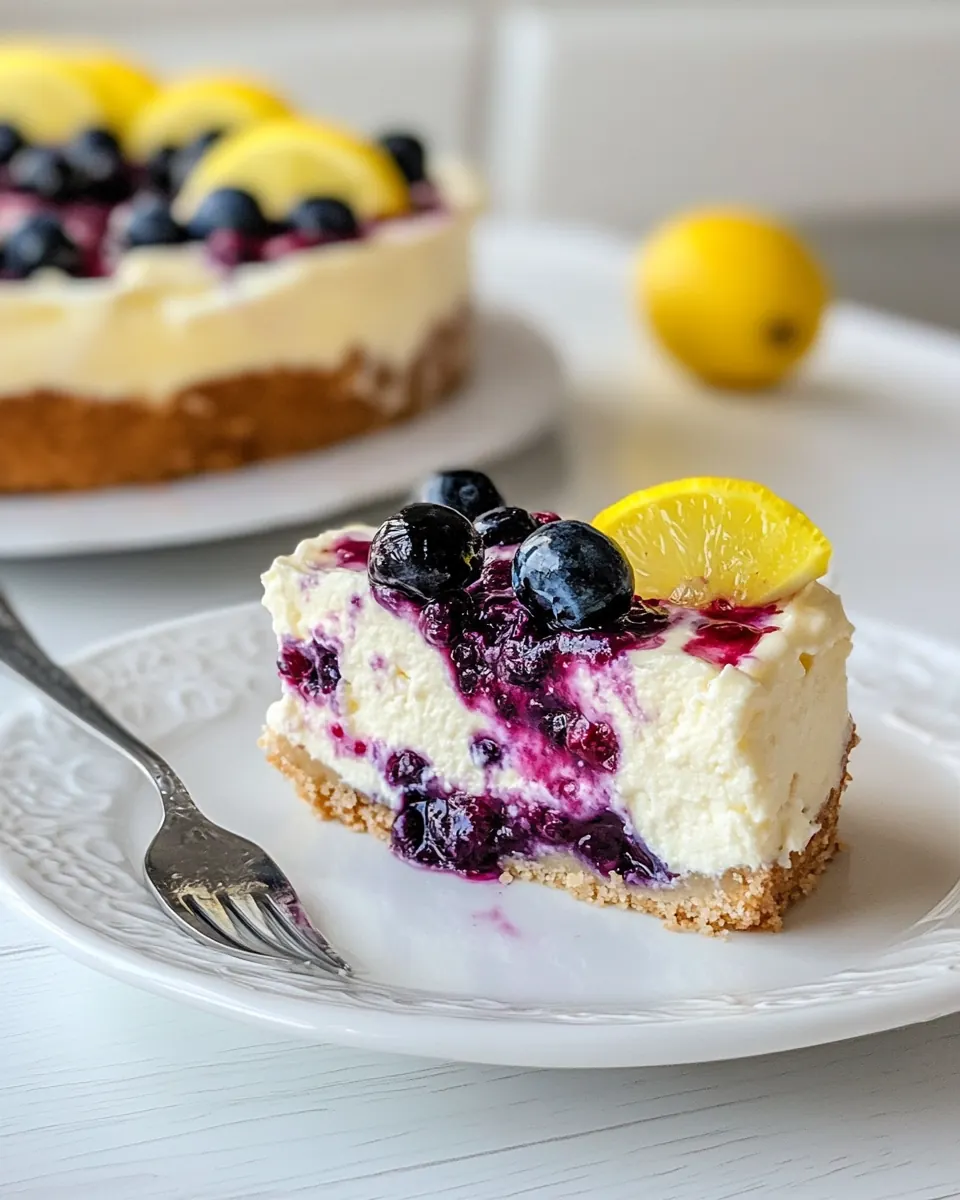
These ingredients are chosen to create balance between bright citrus, lush dairy, and juicy fruit. The key players are a buttery graham crackers crust that anchors the cake, a rich, tangy cream cheese filling lifted by lemon, and fresh blueberries that add bursts of sweetness. Each component supports the other so the final slice is creamy, slightly tangy, and punctuated by fruity accents.
- 18 full sheets (270 g) graham crackers 9.5 ounces – (Use Digestive biscuits in the UK): Crushed into fine crumbs and combined with melted butter to form a sturdy, flavorful base that holds the cheesecake together and provides a sweet, crunchy contrast to the creamy filling. Offers a classic graham-cracker flavor profile; use Digestive biscuits as a UK substitute for similar texture and taste. Press firmly into the pan to create an even, compact crust that supports the filling during baking.
- 6 tablespoons (84 g) unsalted butter: Melted and mixed with the crushed crackers to bind the crust, adding richness and a tender mouthfeel while helping the crumbs hold their shape. Provides a buttery flavor that complements the sweet crust and counterbalances the tangy filling. Chill the pressed crust briefly to set before adding the cheesecake batter.
- 3 tablespoons (37 g) granulated sugar: Sprinkled into the crust mixture to enhance sweetness and help caramelize slightly during baking for depth of flavor. Balances the savory butter and biscuit base, ensuring the crust isn't bland. Use fine granulated sugar for even distribution throughout the crumbs.
- 32 ounces (900 g) full fat cream cheese softened to room temperature: Beaten until smooth to provide the dense, creamy structure and tangy richness characteristic of classic cheesecakes; softened to room temperature for lump-free incorporation. Supplies the primary dairy fat and body, contributing to a silky mouthfeel and stable custard when combined with eggs and other ingredients. Measure accurately and avoid overmixing to prevent excess air and potential cracking.
- 1 1/4 cups (250 g) granulated sugar: Whisked into the cream cheese mixture to sweeten the filling evenly and control texture while countering lemon tartness. Ensures consistent sweetness throughout the custard and supports a smooth, palatable profile. Gradually add while mixing to prevent graininess.
- 3 tablespoons (22 g) all purpose flour: Stirred into the batter to slightly stabilize the filling, absorb excess moisture, and create a firmer set without affecting flavor. Helps reduce weeping and contributes a subtle structure that aids slicing. Sift before adding to ensure even distribution and prevent lumps.
- 1 tablespoon (15 ml) lemon zest: Zested and incorporated to deliver bright citrus aroma and concentrated lemon oils that elevate the cheesecake's flavor profile. Imparts fresh, lively notes that complement both the creamy base and blueberry components. Use fine grating to avoid bitter pith.
- 4 large eggs at room temperature: Beaten in one at a time to thicken and set the custard, providing structure and a silky texture through coagulation during baking. Bind the dairy components and help the cheesecake hold slices once cooled. Use room–temperature eggs to blend smoothly and minimize curdling.
- 1/2 cup (80 ml) fresh lemon juice: Added for acidity and pronounced lemon flavor, balancing sweetness and brightening the overall taste of the filling. Contributes liquid to the batter while enhancing the dessert's tang, creating a classic lemon-blueberry contrast. Strain if seeds are present for a smoother texture.
- 1/4 cup (60 g) sour cream: Folded into the filling to add a subtle tang and extra creaminess that lightens texture and improves mouthfeel. Helps create a tender, slightly tangy custard that complements the cream cheese and lemon. Use full-fat sour cream for best richness and stability.
- 1/4 cup (60 ml) heavy cream (double cream in the UK): Poured in to enrich the batter with additional creaminess and fat, lending a luxurious, smooth texture to the finished cheesecake. Slightly loosens the mixture for a silkier pour and a creamier bite, especially important for full-bodied consistency. Adjust quantity carefully to maintain proper firmness.
- 1 teaspoon (5 ml) pure vanilla extract: Stirred in for delicate floral-vanilla notes that enhance the overall flavor complexity without overpowering the lemon and blueberry components. Acts as a background flavor that rounds out sweetness and adds depth. Use pure extract for clean, authentic taste.
- 1 cup (190 g) fresh blueberries: Gently folded into part of the batter or used as a topping to provide bursts of fresh, juicy sweetness and vibrant color throughout the cheesecake. Adds textural contrast and seasonal freshness when distributed evenly. Toss with a bit of flour to prevent sinking if mixing into the batter.
- 12 ounces (340 g) fresh blueberries: Simmered briefly with sugar and lemon to create a compote or sauce that complements the cheesecake with concentrated blueberry flavor and glossy presentation. Supplies a larger quantity for topping or serving alongside slices, enriching both flavor and visual appeal. Cook until berries release juices and soften, stirring gently to preserve shape.
- 1/4 cup (80 ml) granulated sugar: Sprinkled into the blueberry sauce to regulate sweetness and help thicken the fruit topping while balancing lemon tartness. Ensures the compote reaches a pleasant sweetness level that contrasts the tangy filling. Adjust sugar to taste depending on berry ripeness.
- 1/4 cup (60 ml) fresh lemon juice: Added to the fruit mixture to intensify citrus brightness and harmonize with the lemon in the filling for cohesive flavor across components. Enhances acidity to balance sweetness and lift the blueberry notes in the topping. Use fresh-squeezed juice for best clarity of flavor.
- 1 tablespoon cornstarch (cornflour in the UK): Mixed with a small portion of the fruit juices to create a slurry that thickens the blueberry topping when heated, producing a glossy, jam-like consistency. Stabilizes the sauce so it coats the top of the cheesecake without running. Dissolve cornstarch thoroughly to avoid lumps.
- homemade whipped cream (optional): Whipped and served alongside slices to introduce a light, airy contrast and creamy sweetness that complements the dense cheesecake; optional for extra indulgence and presentation. Can be lightly sweetened or flavored with vanilla or lemon for added coordination. Pipe or dollop just before serving to retain texture.
- lemon slices for garnish (optional): Placed atop or alongside the cake as a bright, decorative garnish that reinforces the citrus theme and adds visual appeal; optional depending on presentation preference. Provides a fresh accent and slight tartness that echoes the lemon in the filling. Thinly slice for attractive, uniform pieces.
How to Prepare Lemon Blueberry Cheesecake
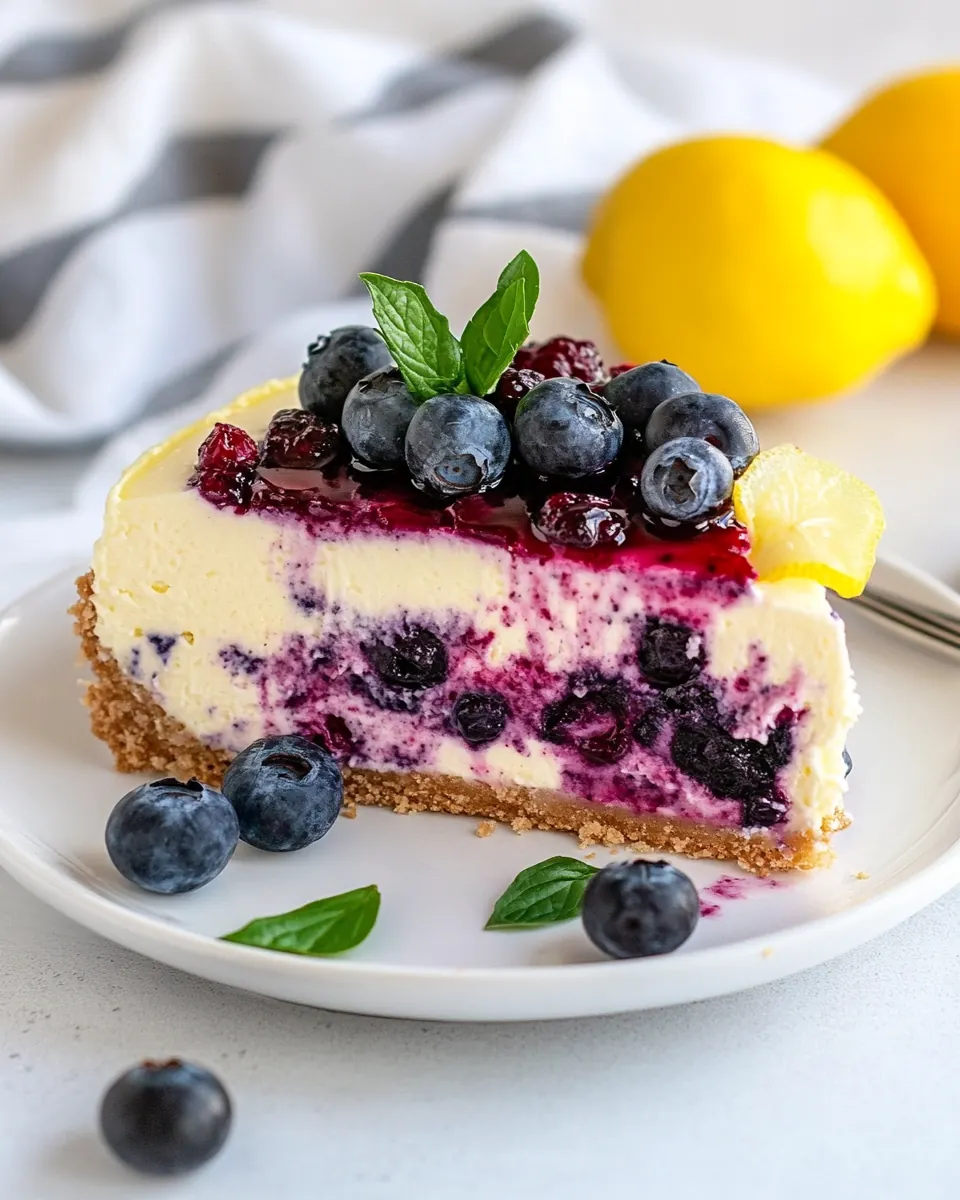
I like to approach the assembly with calm focus, knowing that small careful moves make the difference between a cracked cake and a glossy, even finish. Each step below is ordered to protect texture and to coax the best flavor from the ingredients.
- Adjust the oven rack to the lower-middle position. Preheat the oven to 350°F (180°C), or 160°C for a fan oven.: You will notice the oven warming and the faint scent of metal heating up, which signals a stable environment for baking the crust. Proper rack placement ensures the crust browns evenly without the top of the cheesecake overbrowning, and preheating guarantees consistent baking temperatures. A common mistake is to skip preheating, which can lead to uneven bake and a crust that does not set properly.
- Lightly grease a 9-inch (23 cm) springform pan with butter, then line it with parchment paper (bottom and sides).: The tactile feel of butter against the pan and the soft slip of parchment ensure the cake will release cleanly. Lining both bottom and sides protects the crust and helps contain the batter for an even rise. If you skip lining the sides, the springform can stick and cause the crust to tear when unmolding.
- Crush the graham crackers in a food processor, then combine them in a bowl with melted butter and sugar. Stir the mixture and let the graham cracker crumbs absorb the butter.: As you pulse the graham crackers you will hear a quick crunch transform into fine crumbs, and the aroma will shift toward warm toast. Stirring in melted butter coats the crumbs so they cling together when pressed, while a little sugar enhances caramel like notes. A mistake to avoid is leaving the crumbs uneven, which results in an inconsistent crust texture.
- Press the crumb mixture into the bottom and sides of the prepared springform pan. Flatten the bottom using a measuring cup. Bake for 8 minutes, then set aside.: Pressing the crumb mixture firmly gives you a compact shell that resists sogginess from the filling. Use the bottom of a measuring cup to compress the crumbs to a uniform thickness so the bake is even and the edges do not crumble. Baking briefly sets the crust and deepens flavor, and you should see a golden tint; underbaking can leave the crust fragile and prone to falling apart when sliced.
- Lower the oven temperature to 325°F (160°C) or 275°F (140°C) for a fan oven. Wrap the springform pan with two large pieces of foil, covering the seams to protect it.: The lower temperature promotes gentle, even cooking of the custard like filling, and the foil barrier prevents water from seeping in during the water bath. Wrapping securely also reduces the risk of steam causing the crust to soften. Poor sealing can allow water to enter the pan, leading to a watery edge or a soggy crust.
- In a stand mixer fitted with a paddle attachment, beat the cream cheese and sugar on high speed until creamy. Add eggs one at a time, mixing between each addition until just incorporated.: You will see the cream cheese transform from lumpy to satin smooth, with the sugar dissolving into the mixture. Adding eggs slowly keeps the batter emulsified and prevents curdling, which helps maintain a silky texture. Overbeating at this stage traps air and can cause splits, so avoid whipping in excess.
- Add sugar, flour, lemon zest, sour cream, heavy cream, vanilla, and salt, and mix until smooth, being careful not to overmix.: Once combined the batter should look glossy with no streaks, and the lemon aroma will be bright. Each ingredient plays a role, with the flour helping structure, sour cream adding tang, and heavy cream lending silkiness. Overmixing extra air into the batter can lead to cracks or an uneven rise, so mix just until smooth.
- Fold in the blueberries and pour the cheesecake mixture into the prepared crust.: Folding in the blueberries should be done gently so they are distributed without breaking up completely. The berries will add little pockets of sweetness and a lovely visual scatter when you slice. If you fold too forcefully the berries will bleed and tint the batter, creating streaks rather than distinct pockets.
- Prepare a water bath by placing a roasting pan in the oven and placing the cheesecake pan in the middle of it. Pour boiling water around the cheesecake until 1 inch deep.: Pouring hot water creates humid heat which bakes the custard slowly and prevents cracking. The gentle hiss of water and the steam rising in the oven are signs the bath is working. Make sure the foil seal is tight; otherwise water may seep in and swamp the crust.
- Bake for 60-70 minutes. Tent with foil if the top browns too much.: During this time the cake will turn from jiggly to gently set, with the center moving slightly like soft pudding. The edges should feel set while the center has a subtle wobble, and the top will develop a pale color. If it browns too fast, a foil tent will shield the surface while allowing the interior to finish cooking. Overbaking dries the filling, so err on the side of slightly underdone as it will continue to set while cooling.
- Turn off the oven, slightly open the door, and let the cheesecake cool in the oven for 1 hour. Then, cool completely at room temperature. Lastly, chill in the fridge for at least 6 hours or overnight.: Cooling slowly reduces the risk of cracking, and you will notice the scent mellow as the cake settles. The cheesecake firms up during refrigeration, which makes clean slicing possible. Chilling less than recommended can yield a too soft center that does not hold shape.
- Prepare the lemon blueberry topping by adding the blueberries, sugar, lemon juice, and cornstarch to a medium saucepan over medium heat.: As the mixture heats you will hear soft bubbling and see the blueberries begin to soften and release juices, creating a fragrant syrup. The cornstarch helps thicken the mixture without clouding the color, while lemon juice brightens the flavor. Cook on too high heat and the topping may scorch or reduce too quickly.
- Cook, stirring frequently, until the blueberries have mostly split and the sauce has thickened. Remove from the heat and allow to cool before spreading over the cheesecake.: The sauce will thicken into a glossy jam like consistency and the aroma will be intensely fruity with citrus lift. Cooling prevents the topping from melting into the filling when you spread it, preserving a tidy finish. Spreading it while hot may cause the topping to run off the cake.
- Top the chilled cheesecake with the blueberry sauce. Decorate with homemade whipped cream and lemon slices if desired.: The final assembly is visually rewarding, with deep blue sauce sitting atop creamy white filling and bright yellow lemon slices providing contrast. A gentle chill keeps slices tidy, and a small dollop of whipped cream adds lightness. Avoid cutting too soon as the sauce and filling need solidity to hold neat slices.
Tips for Success
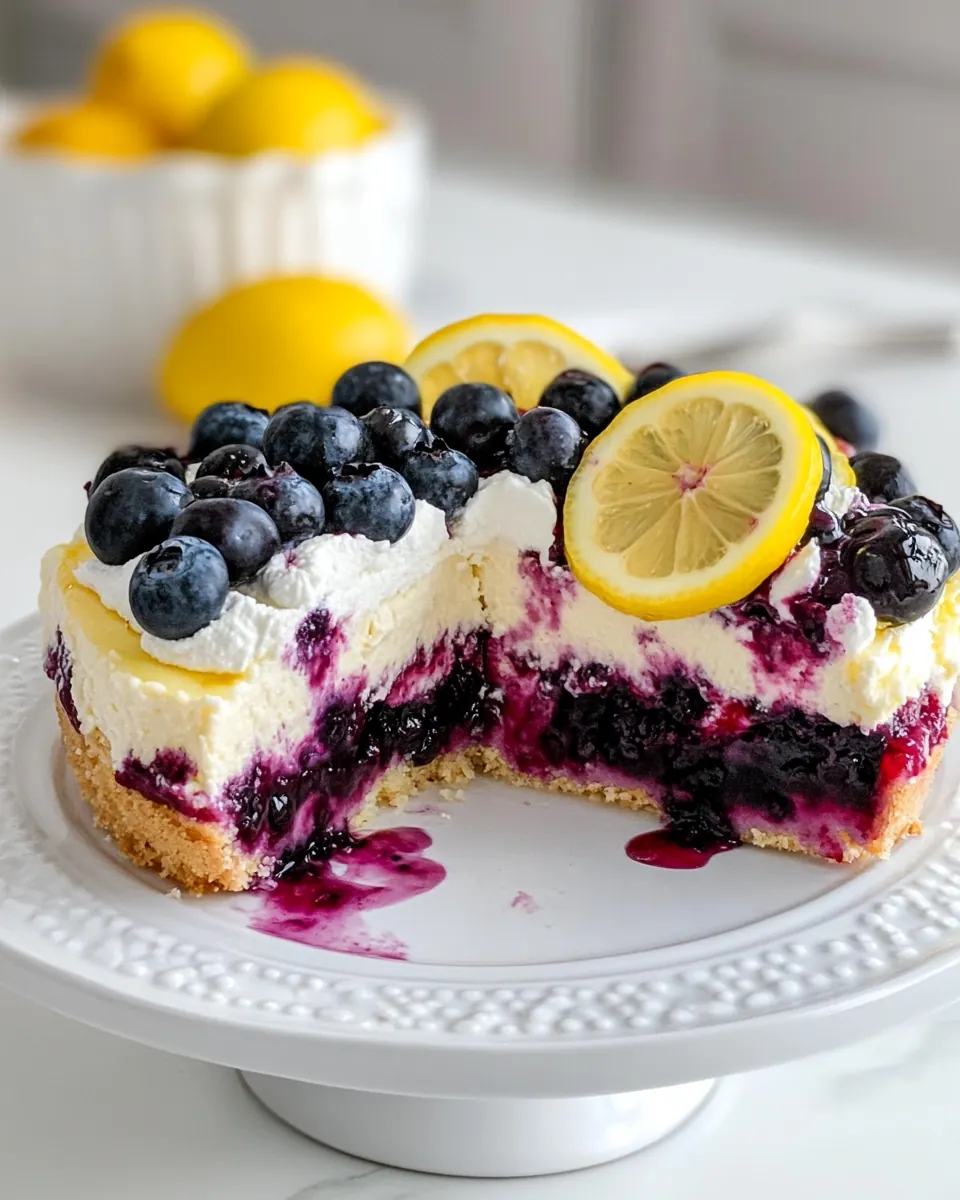
These tips reflect lessons I have learned from many bakes, and they will help ensure your Lemon Blueberry Cheesecake turns out smooth, crack free, and flavorful. Small adjustments to temperature, ingredient timing, and assembly make a big difference.
- Room temperature ingredients: Bring the cream cheese, eggs, and cream to room temperature before mixing to avoid lumps and ensure a homogeneous batter.
- Pulse the crust ingredients: Use the food processor to create fine, even crumb so the crust compacts uniformly when pressed into the pan.
- Seal the springform: Wrap the pan with two layers of heavy foil to keep water out during the water bath, preventing a soggy crust.
- Gentle mixing: Mix on low to medium speed and avoid whipping extra air into the batter, this minimizes cracking and creates a silky texture.
- Check doneness carefully: Look for edges set and a slight jiggle in the center rather than relying solely on time, as ovens vary in gentle heat distribution.
- Cool gradually: Let the cake cool in the oven with the door ajar for an hour before room cooling to reduce thermal shock and cracking.
- Chill overnight: Refrigerate for at least 6 hours or overnight so flavors meld and slices hold their shape for clean serving.
What to Serve With Lemon Blueberry Cheesecake
This cheesecake pairs well with drinks and small accompaniments that complement its citrus and berry profile. For gatherings, consider light additions that do not overwhelm the cake, and think about occasions where make ahead desserts are most welcome, such as spring brunches or holiday desserts.
- Light tea service: Serve slices with a pot of green tea or a bright herbal tea to echo the lemon notes without adding heaviness.
- Fresh fruit platter: Pair with a simple tray of sliced strawberries and citrus segments so guests can customize their plate with extra fruit.
- Brunch occasions: This cake works beautifully for brunch, where the citrus lift balances savory breakfast items and provides a sweet finish.
- Special occasions: For birthdays or spring celebrations, garnish with additional lemon slices and a few whole blueberries for an elegant look.
- Storage tips: Keep the cheesecake refrigerated in an airtight container for up to five days, and slice with a warm, dry knife for cleaner pieces.
- Seasonal pairings: In spring, serve alongside light floral desserts or citrus sorbets to keep the menu bright and fresh.
- Serve sliced and chilled: Make sure each slice is well chilled for the cleanest presentation and best texture when serving to guests.
FAQ
Conclusion
This Lemon Blueberry Cheesecake stands out for its bright citrus balance, creamy texture, and jewel like blueberry topping. It manages to feel both elegant and approachable, making it a perfect choice for spring gatherings, birthdays, or any celebration where you want a dessert that can be made ahead. Give it a try, and enjoy the way the lemon lifts the rich filling and the blueberries add pops of sweetness. I hope it becomes a favorite on your dessert rotation as it has on mine.
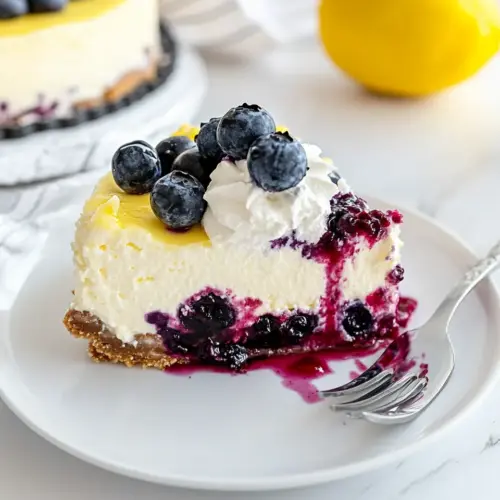
Lemon Blueberry Cheesecake
Equipment
- Food Processor
- 9-inch Springform Pan
- Electric Hand mixer or Stand mixer
- Saucepan
- Roasting pan for the water bath
Ingredients
- 18 full sheets (270 g) graham crackers 9.5 ounces – (Use Digestive biscuits in the UK) Crushed into fine crumbs and combined with melted butter to form a sturdy, flavorful base that holds the cheesecake together and provides a sweet, crunchy contrast to the creamy filling. Offers a classic graham-cracker flavor profile; use Digestive biscuits as a UK substitute for similar texture and taste. Press firmly into the pan to create an even, compact crust that supports the filling during baking.
- 6 tablespoons (84 g) unsalted butter Melted and mixed with the crushed crackers to bind the crust, adding richness and a tender mouthfeel while helping the crumbs hold their shape. Provides a buttery flavor that complements the sweet crust and counterbalances the tangy filling. Chill the pressed crust briefly to set before adding the cheesecake batter.
- 3 tablespoons (37 g) granulated sugar Sprinkled into the crust mixture to enhance sweetness and help caramelize slightly during baking for depth of flavor. Balances the savory butter and biscuit base, ensuring the crust isn't bland. Use fine granulated sugar for even distribution throughout the crumbs.
- 32 ounces (900 g) full fat cream cheese softened to room temperature Beaten until smooth to provide the dense, creamy structure and tangy richness characteristic of classic cheesecakes; softened to room temperature for lump-free incorporation. Supplies the primary dairy fat and body, contributing to a silky mouthfeel and stable custard when combined with eggs and other ingredients. Measure accurately and avoid overmixing to prevent excess air and potential cracking.
- 1 1/4 cups (250 g) granulated sugar Whisked into the cream cheese mixture to sweeten the filling evenly and control texture while countering lemon tartness. Ensures consistent sweetness throughout the custard and supports a smooth, palatable profile. Gradually add while mixing to prevent graininess.
- 3 tablespoons (22 g) all purpose flour Stirred into the batter to slightly stabilize the filling, absorb excess moisture, and create a firmer set without affecting flavor. Helps reduce weeping and contributes a subtle structure that aids slicing. Sift before adding to ensure even distribution and prevent lumps.
- 1 tablespoon (15 ml) lemon zest Zested and incorporated to deliver bright citrus aroma and concentrated lemon oils that elevate the cheesecake's flavor profile. Imparts fresh, lively notes that complement both the creamy base and blueberry components. Use fine grating to avoid bitter pith.
- 4 large eggs at room temperature Beaten in one at a time to thicken and set the custard, providing structure and a silky texture through coagulation during baking. Bind the dairy components and help the cheesecake hold slices once cooled. Use room-temperature eggs to blend smoothly and minimize curdling.
- 1/2 cup (80 ml) fresh lemon juice Added for acidity and pronounced lemon flavor, balancing sweetness and brightening the overall taste of the filling. Contributes liquid to the batter while enhancing the dessert's tang, creating a classic lemon-blueberry contrast. Strain if seeds are present for a smoother texture.
- 1/4 cup (60 g) sour cream Folded into the filling to add a subtle tang and extra creaminess that lightens texture and improves mouthfeel. Helps create a tender, slightly tangy custard that complements the cream cheese and lemon. Use full-fat sour cream for best richness and stability.
- 1/4 cup (60 ml) heavy cream (double cream in the UK) Poured in to enrich the batter with additional creaminess and fat, lending a luxurious, smooth texture to the finished cheesecake. Slightly loosens the mixture for a silkier pour and a creamier bite, especially important for full-bodied consistency. Adjust quantity carefully to maintain proper firmness.
- 1 teaspoon (5 ml) pure vanilla extract Stirred in for delicate floral-vanilla notes that enhance the overall flavor complexity without overpowering the lemon and blueberry components. Acts as a background flavor that rounds out sweetness and adds depth. Use pure extract for clean, authentic taste.
- 1 cup (190 g) fresh blueberries Gently folded into part of the batter or used as a topping to provide bursts of fresh, juicy sweetness and vibrant color throughout the cheesecake. Adds textural contrast and seasonal freshness when distributed evenly. Toss with a bit of flour to prevent sinking if mixing into the batter.
- 12 ounces (340 g) fresh blueberries Simmered briefly with sugar and lemon to create a compote or sauce that complements the cheesecake with concentrated blueberry flavor and glossy presentation. Supplies a larger quantity for topping or serving alongside slices, enriching both flavor and visual appeal. Cook until berries release juices and soften, stirring gently to preserve shape.
- 1/4 cup (80 ml) granulated sugar Sprinkled into the blueberry sauce to regulate sweetness and help thicken the fruit topping while balancing lemon tartness. Ensures the compote reaches a pleasant sweetness level that contrasts the tangy filling. Adjust sugar to taste depending on berry ripeness.
- 1/4 cup (60 ml) fresh lemon juice Added to the fruit mixture to intensify citrus brightness and harmonize with the lemon in the filling for cohesive flavor across components. Enhances acidity to balance sweetness and lift the blueberry notes in the topping. Use fresh-squeezed juice for best clarity of flavor.
- 1 tablespoon cornstarch (cornflour in the UK) Mixed with a small portion of the fruit juices to create a slurry that thickens the blueberry topping when heated, producing a glossy, jam-like consistency. Stabilizes the sauce so it coats the top of the cheesecake without running. Dissolve cornstarch thoroughly to avoid lumps.
- homemade whipped cream optional Whipped and served alongside slices to introduce a light, airy contrast and creamy sweetness that complements the dense cheesecake; optional for extra indulgence and presentation. Can be lightly sweetened or flavored with vanilla or lemon for added coordination. Pipe or dollop just before serving to retain texture.
- lemon slices for garnish optional Placed atop or alongside the cake as a bright, decorative garnish that reinforces the citrus theme and adds visual appeal; optional depending on presentation preference. Provides a fresh accent and slight tartness that echoes the lemon in the filling. Thinly slice for attractive, uniform pieces.
Instructions
- Adjust the oven rack to the lower-middle position. Preheat the oven to 350°F (180°C), or 160°C for a fan oven.: You will notice the oven warming and the faint scent of metal heating up, which signals a stable environment for baking the crust. Proper rack placement ensures the crust browns evenly without the top of the cheesecake overbrowning, and preheating guarantees consistent baking temperatures. A common mistake is to skip preheating, which can lead to uneven bake and a crust that does not set properly.
- Lightly grease a 9-inch (23 cm) springform pan with butter, then line it with parchment paper (bottom and sides).: The tactile feel of butter against the pan and the soft slip of parchment ensure the cake will release cleanly. Lining both bottom and sides protects the crust and helps contain the batter for an even rise. If you skip lining the sides, the springform can stick and cause the crust to tear when unmolding.
- Crush the graham crackers in a food processor, then combine them in a bowl with melted butter and sugar. Stir the mixture and let the graham cracker crumbs absorb the butter.: As you pulse the graham crackers you will hear a quick crunch transform into fine crumbs, and the aroma will shift toward warm toast. Stirring in melted butter coats the crumbs so they cling together when pressed, while a little sugar enhances caramel like notes. A mistake to avoid is leaving the crumbs uneven, which results in an inconsistent crust texture.
- Press the crumb mixture into the bottom and sides of the prepared springform pan. Flatten the bottom using a measuring cup. Bake for 8 minutes, then set aside.: Pressing the crumb mixture firmly gives you a compact shell that resists sogginess from the filling. Use the bottom of a measuring cup to compress the crumbs to a uniform thickness so the bake is even and the edges do not crumble. Baking briefly sets the crust and deepens flavor, and you should see a golden tint; underbaking can leave the crust fragile and prone to falling apart when sliced.
- Lower the oven temperature to 325°F (160°C) or 275°F (140°C) for a fan oven. Wrap the springform pan with two large pieces of foil, covering the seams to protect it.: The lower temperature promotes gentle, even cooking of the custard like filling, and the foil barrier prevents water from seeping in during the water bath. Wrapping securely also reduces the risk of steam causing the crust to soften. Poor sealing can allow water to enter the pan, leading to a watery edge or a soggy crust.
- In a stand mixer fitted with a paddle attachment, beat the cream cheese and sugar on high speed until creamy. Add eggs one at a time, mixing between each addition until just incorporated.: You will see the cream cheese transform from lumpy to satin smooth, with the sugar dissolving into the mixture. Adding eggs slowly keeps the batter emulsified and prevents curdling, which helps maintain a silky texture. Overbeating at this stage traps air and can cause splits, so avoid whipping in excess.
- Add sugar, flour, lemon zest, sour cream, heavy cream, vanilla, and salt, and mix until smooth, being careful not to overmix.: Once combined the batter should look glossy with no streaks, and the lemon aroma will be bright. Each ingredient plays a role, with the flour helping structure, sour cream adding tang, and heavy cream lending silkiness. Overmixing extra air into the batter can lead to cracks or an uneven rise, so mix just until smooth.
- Fold in the blueberries and pour the cheesecake mixture into the prepared crust.: Folding in the blueberries should be done gently so they are distributed without breaking up completely. The berries will add little pockets of sweetness and a lovely visual scatter when you slice. If you fold too forcefully the berries will bleed and tint the batter, creating streaks rather than distinct pockets.
- Prepare a water bath by placing a roasting pan in the oven and placing the cheesecake pan in the middle of it. Pour boiling water around the cheesecake until 1 inch deep.: Pouring hot water creates humid heat which bakes the custard slowly and prevents cracking. The gentle hiss of water and the steam rising in the oven are signs the bath is working. Make sure the foil seal is tight; otherwise water may seep in and swamp the crust.
- Bake for 60-70 minutes. Tent with foil if the top browns too much.: During this time the cake will turn from jiggly to gently set, with the center moving slightly like soft pudding. The edges should feel set while the center has a subtle wobble, and the top will develop a pale color. If it browns too fast, a foil tent will shield the surface while allowing the interior to finish cooking. Overbaking dries the filling, so err on the side of slightly underdone as it will continue to set while cooling.
- Turn off the oven, slightly open the door, and let the cheesecake cool in the oven for 1 hour. Then, cool completely at room temperature. Lastly, chill in the fridge for at least 6 hours or overnight.: Cooling slowly reduces the risk of cracking, and you will notice the scent mellow as the cake settles. The cheesecake firms up during refrigeration, which makes clean slicing possible. Chilling less than recommended can yield a too soft center that does not hold shape.
- Prepare the lemon blueberry topping by adding the blueberries, sugar, lemon juice, and cornstarch to a medium saucepan over medium heat.: As the mixture heats you will hear soft bubbling and see the blueberries begin to soften and release juices, creating a fragrant syrup. The cornstarch helps thicken the mixture without clouding the color, while lemon juice brightens the flavor. Cook on too high heat and the topping may scorch or reduce too quickly.
- Cook, stirring frequently, until the blueberries have mostly split and the sauce has thickened. Remove from the heat and allow to cool before spreading over the cheesecake.: The sauce will thicken into a glossy jam like consistency and the aroma will be intensely fruity with citrus lift. Cooling prevents the topping from melting into the filling when you spread it, preserving a tidy finish. Spreading it while hot may cause the topping to run off the cake.
- Top the chilled cheesecake with the blueberry sauce. Decorate with homemade whipped cream and lemon slices if desired.: The final assembly is visually rewarding, with deep blue sauce sitting atop creamy white filling and bright yellow lemon slices providing contrast. A gentle chill keeps slices tidy, and a small dollop of whipped cream adds lightness. Avoid cutting too soon as the sauce and filling need solidity to hold neat slices.
Notes
- Room temperature ingredients: Bring the cream cheese, eggs, and cream to room temperature before mixing to avoid lumps and ensure a homogeneous batter.
- Pulse the crust ingredients: Use the food processor to create fine, even crumb so the crust compacts uniformly when pressed into the pan.
- Seal the springform: Wrap the pan with two layers of heavy foil to keep water out during the water bath, preventing a soggy crust.
- Gentle mixing: Mix on low to medium speed and avoid whipping extra air into the batter, this minimizes cracking and creates a silky texture.
- Check doneness carefully: Look for edges set and a slight jiggle in the center rather than relying solely on time, as ovens vary in gentle heat distribution.
- Cool gradually: Let the cake cool in the oven with the door ajar for an hour before room cooling to reduce thermal shock and cracking.
- Chill overnight: Refrigerate for at least 6 hours or overnight so flavors meld and slices hold their shape for clean serving.