Irish Stew
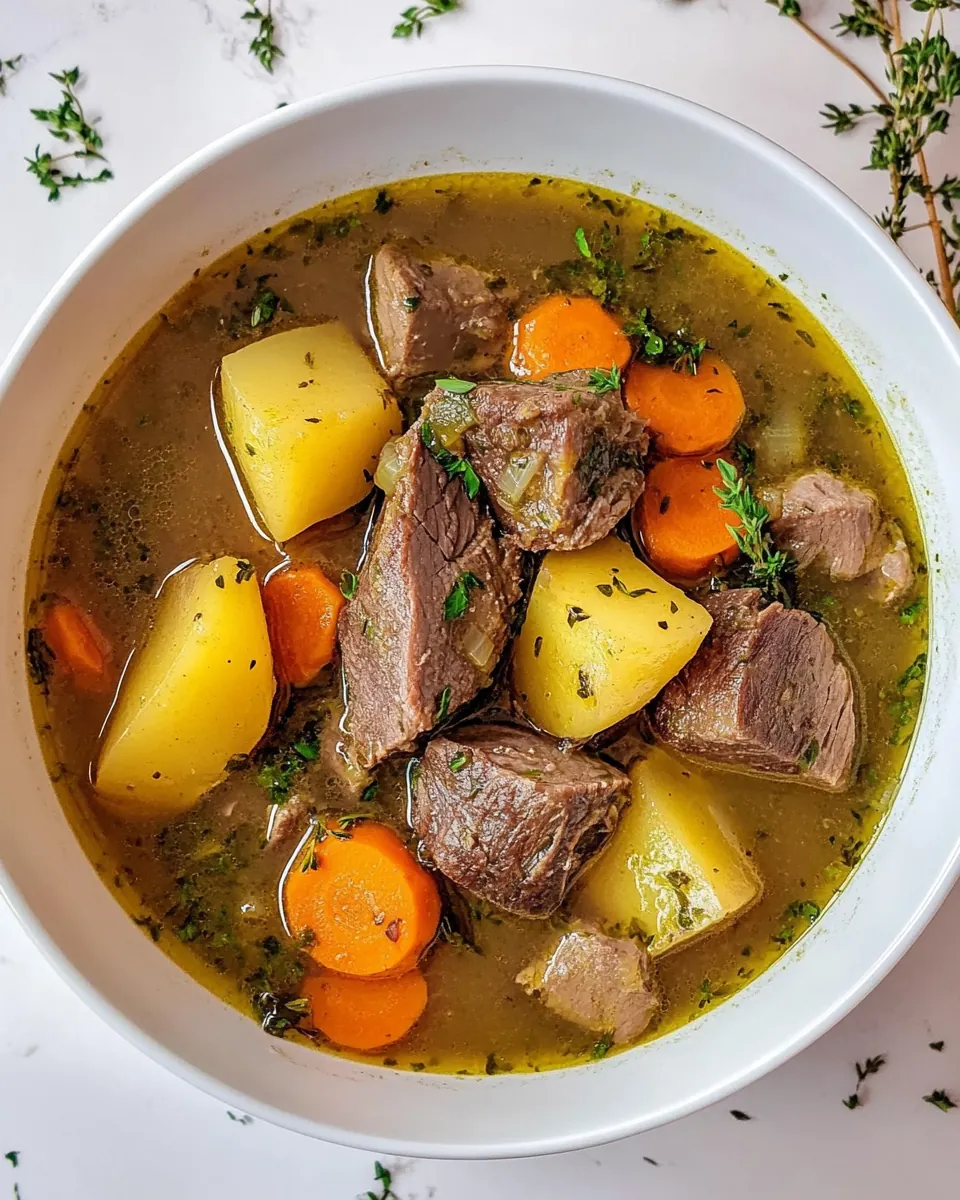
Irish Stew is the kind of dish that feels like a warm hand on a cold evening, one I fall back on whenever I want real comfort from the inside out.
Years ago, I learned to make Irish Stew on a blustery night when the heat failed and friends arrived with muddy boots and rumpled scarves. I remember the way the kitchen filled with a savory, earthy scent as the lamb shoulder browned and the onion softened, and how everyone slowly exhaled as bowls were passed around. That night taught me how patient cooking pays off, and how simple ingredients become something soulful when treated with care.
I often return to this recipe when I want food that carries memory as much as flavor. The stew is forgiving, and I love how the potatoes and carrots soak up the broth, becoming tender and rich. Each time I stir the pot I think about the tiny choices that matter, like searing the meat to build depth, or taking the time to skim the surface for a clearer broth. Those small acts turn the recipe from just dinner into a ritual I enjoy sharing with people I care about.
Recipe Snapshot
2 hr 35 mins
20 mins
135 mins
Hard
350 kcal
Irish
Whole30, Gluten-Free
Dinner
Large pot or Dutch oven, Tongs, Wooden spoon
What You’ll Enjoy About This Irish Stew
Hearty and Soul Warming
I adore Irish Stew because it comforts in a way few dishes do, especially on a cold day. The combination of simmered lamb shoulder, softened onion, and chunky potatoes creates a rich mouthfeel that feels grounding. When I serve it, I see faces relax, which is the greatest compliment to me.
Simple Ingredients, Big Impact
One of the best parts of this stew is how little you need to build complex flavor. With garlic, thyme, and a good broth, the stew tastes layered and deep. I value recipes that highlight quality of components rather than complicated techniques, and this one does exactly that.
Flexible and Forgiving
I love how forgiving this recipe is. You can simmer a bit longer if your schedule shifts, and the texture improves rather than suffers. I once left a pot on very low heat while hosting, and the result was silkier meat and a more melded broth, which impressed everyone.
Great for Sharing
This is a dish I associate with gatherings. It scales easily to feed a crowd without losing soul. When I prepare Irish Stew for friends, I appreciate that it can be mostly hands off while still delivering big, satisfying flavor.
Nostalgic and Versatile
The stew carries memories, and each family will have its own touch. For me, a sprinkle of fresh parsley brightens the finish and makes the bowl feel complete. That final touch is small, but it lifts the dish in a way that keeps people coming back.
Ingredients Overview for Irish Stew
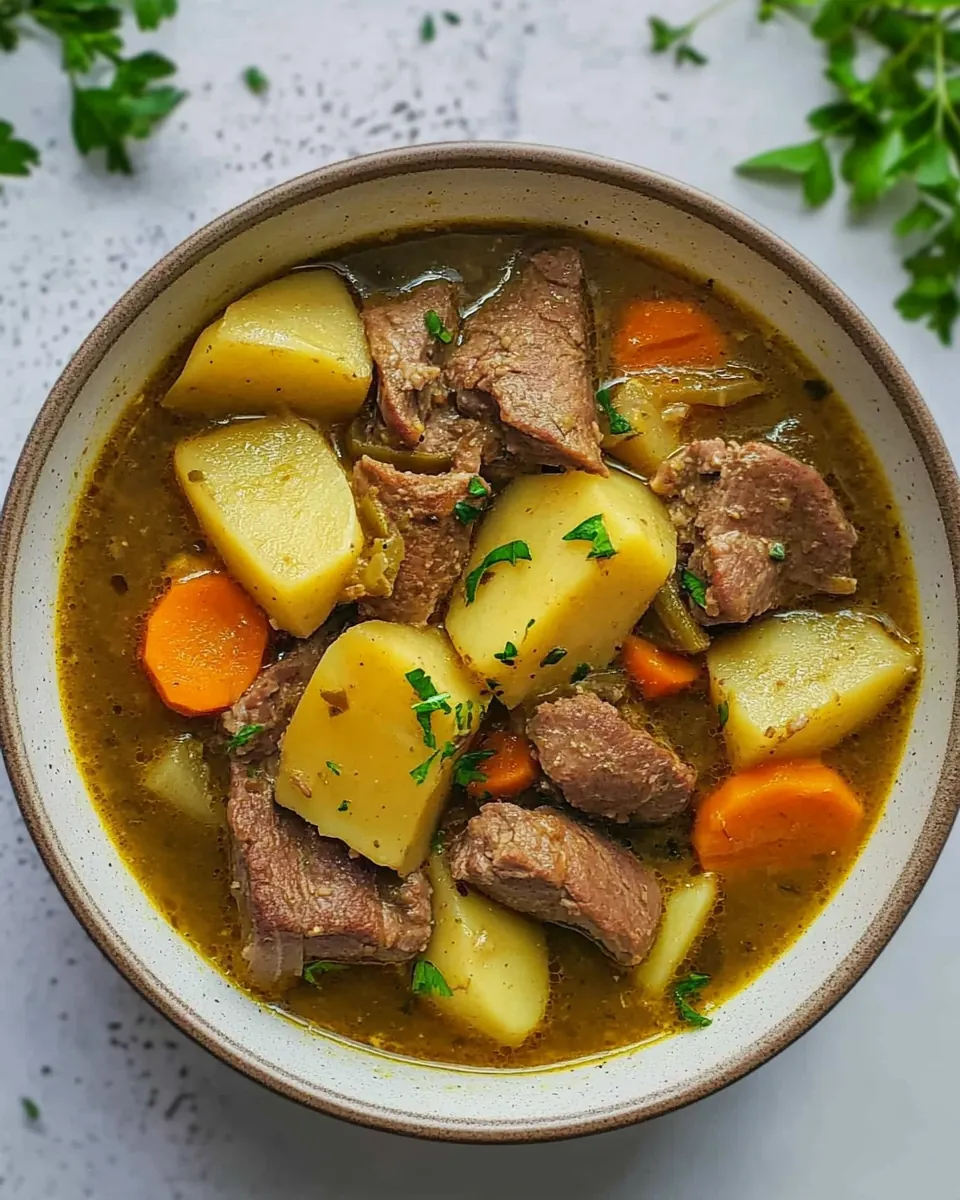
These ingredients are classics for a reason. They work together by layering savory, aromatic, and starchy elements. The lamb shoulder gives the pot depth and richness, the potatoes and carrots provide body and texture, and the onion with garlic build the aromatic backbone. The flour helps the broth thicken and cling to the chunks, while thyme and fresh parsley add herbal lift.
- 2 pounds lamb shoulder cut into chunks: Provide hearty, tender meat that forms the stew's rich base; brown to develop deep savory flavor and render connective tissue for a silky mouthfeel.
- Kosher salt to taste: Season generously to enhance and balance flavors throughout the stew; sprinkle during cooking and adjust at the end to taste for proper seasoning.
- 1/2 teaspoon black pepper: Lightly spice to add a warm, mildly pungent note; whisk into seasoning early so the pepper integrates with the other aromatics.
- 2 tablespoons vegetable oil: Sauté aromatics and brown meat by providing a neutral frying medium; heat until shimmering to prevent sticking and to promote even browning.
- 1 large onion chopped: Build aromatic depth and sweetness when softened; cook until translucent to release natural sugars and form the stew's flavor foundation.
- 3 cloves garlic minced: Impart pungent, savory aroma and subtle sweetness when minced; add toward the end of the sauté stage to avoid burning and preserve flavor.
- 3 medium carrots peeled and sliced: Contribute natural sweetness, texture, and color; simmer until tender so they complement the meat and contribute to the stew's hearty character.
- 3 tablespoons all-purpose flour: Thicken cooking liquids and help bind flavors when sprinkled over the browned meat; cook briefly to remove raw flour taste and create a velvety sauce.
- 4 large potatoes peeled and cut into chunks: Provide body, starchiness, and rustic texture; simmer until fork-tender so they absorb broth flavors and help thicken the stew naturally.
- 6 cups lamb or beef broth: Create a savory, umami-rich cooking liquid that steeps the meat and vegetables; maintain a gentle simmer and taste for seasoning balance.
- 2 sprigs fresh thyme: Add herbal aroma and subtle earthiness when simmered with the stew; tie or bruise sprigs to release oils and remove before serving if desired.
- Chopped parsley for garnish: Finish with bright, fresh flavor and visual contrast; scatter chopped leaves just before serving to lift the rich stew and add a herbal note.
How to Cook Irish Stew
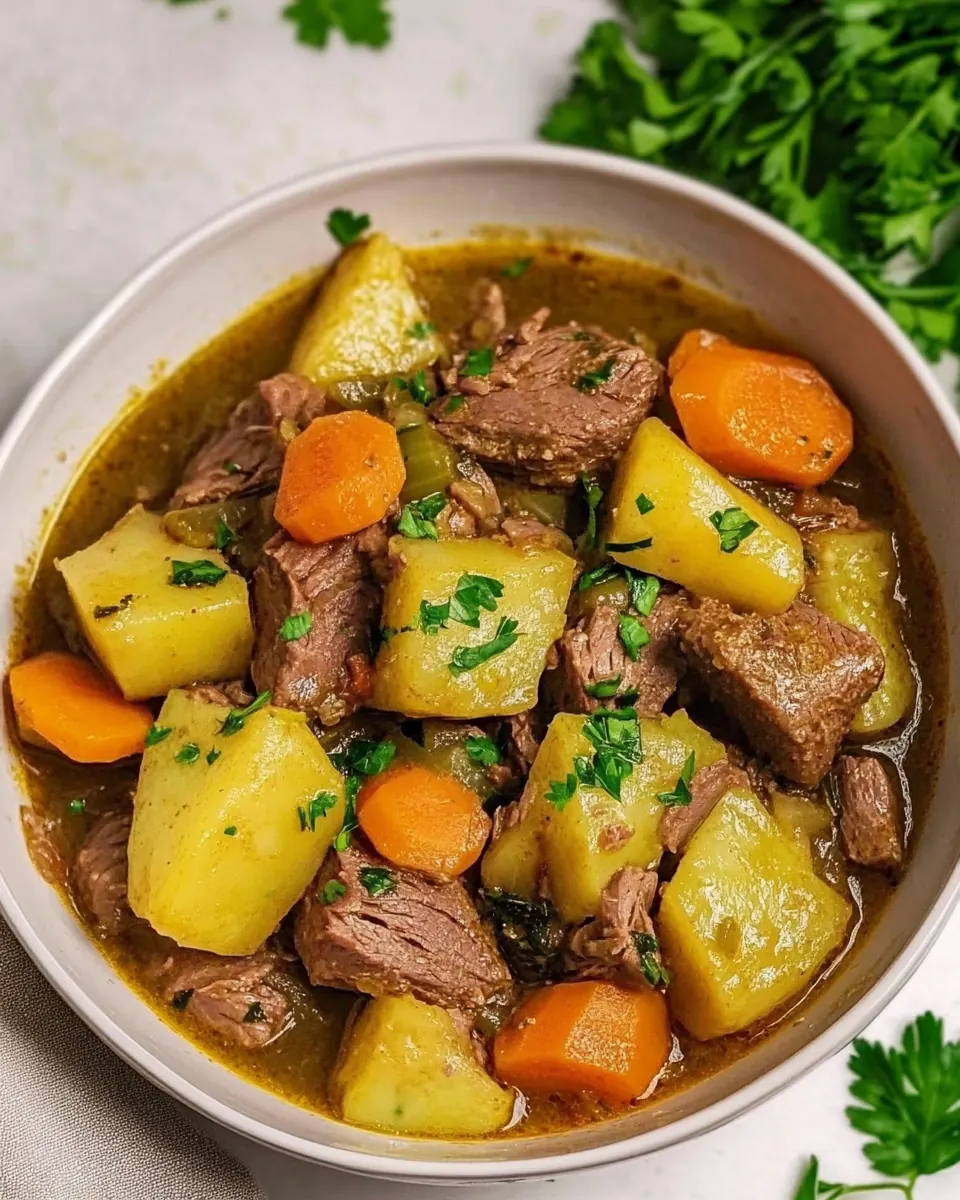
I like to walk through this process like a conversation with the pot, paying attention to sounds and aromas. Take your time at each stage and focus on the sensory cues that tell you things are progressing. Below, I expand the original directions into detailed steps so you know what to watch for and why each move matters.
- Season the lamb chunks with salt and pepper. In a large pot or Dutch oven, heat the vegetable oil over medium-high heat. Add lamb and brown on all sides, then set aside.: As the smell of salt and black pepper meets the raw lamb shoulder , you should notice a faint metallic, meaty scent that tells you the surface is primed to take on heat. This seasoning draws moisture to the surface briefly, helping create a flavorful crust when seared. A key sensory sign is when the meat sizzles audibly upon contact with the hot oil; that hiss signals good Maillard reaction. If the meat does not brown and instead steams, it may be because the meat was too cold or the pot was overcrowded. Avoid overcrowding and work in batches so each piece gets a chance to develop color. After seasoning, let the meat sit for a few minutes to absorb the salt, which improves internal seasoning and texture.
- In the same pot, add onions and garlic, cooking until soft. Then add carrots and cook for a few more minutes.: When the vegetable oil shimmers and moves like liquid mercury across the pan, it is ready. The visual cue of shimmering oil and a faint ripple lets you know the pan is hot enough to sear without sticking. The oil should not be smoking; if it smokes, it will impart a burnt note. A common error is adding meat to a cold or barely warm pan, which results in pale, unappetizing pieces. Allow the pot to reach temperature, and tilt it so the oil coats the base evenly for consistent searing.
- Sprinkle in flour, mix, and let cook for one minute to cook out the raw flour taste.: When the lamb hits the hot oil, listen for a steady sizzle and look for deep brown patches forming on the edges. Browning creates complex flavor compounds that become the backbone of the stew. Turn pieces carefully using tongs so each face gets contact with the pan. If the lamb tears when you try to flip it, it may be sticking because it was moved too early; let it develop a crust before turning. After browning, remove and set aside so those browned bits can be used to flavor the next stage.
- Return the browned lamb to the pot. Add potatoes, broth, and thyme. Bring to a boil, then reduce heat and simmer covered for about 2 hours or until the meat is tender and the stew has thickened. If stew becomes too thick, add a small amount of broth to thin it.: As the onion hits the pot, it should soften and release a sweet, savory aroma, the scent shifting from sharp to mellow. Stir frequently so the pieces sweat evenly and catch any browned fond left by the meat, which dissolves into the pan juices and enriches the base. Add the minced garlic after the onion is translucent so it releases its aroma without burning. Burnt garlic brings a bitter edge, so keep heat moderate and avoid leaving it unattended. These softened aromatics set the stage for the stew's rounded flavor.
- Remove thyme sprigs. Adjust seasoning with salt and pepper. Garnish with chopped parsley and serve hot.: When you add the sliced carrots , you'll notice a fresh, vegetal sweetness as they heat. Cook them until they begin to lose their raw crunch but remain slightly firm, which helps them hold shape during the long simmer. The sound changes from sharp chopping noises to a softer, settling simmer as moisture is released. If carrots are added too late, they may remain undercooked at serving; too early and they will disintegrate. Aim for a tender but present bite before moving on.
- Sprinkle in flour, mix, and let cook for one minute to cook out the raw flour taste: When you sprinkle the all-purpose flour over the vegetables, it will dry the surface slightly and begin to toast. The smell shifts to a nutty, toasty note as the raw flour aroma dissipates. This step helps the stew thicken and develop a silky consistency, because the flour will absorb liquids and swell during simmering. Stir continuously to avoid lumps forming, and cook just long enough to lose the raw starchy scent. Adding flour without cooking it first often results in a pasty texture later on.
- Return the browned lamb to the pot: As you nestle the browned lamb back into the pot, watch how the meat releases juices and brings rich color back into the pan. The reunion of meat and fond deepens the broth, and you may notice a richer, more savory scent right away. Ensure the pieces sit evenly so they can simmer uniformly. A common mistake is crowding them toward the center, which causes uneven cooking; spread them out so heat circulates.
- Add potatoes, broth, and thyme: When the potatoes and 6 cups of lamb or beef broth are added, the pot will suddenly go from concentrated to full and fragrant, with waves of steam carrying savory aromatics. Drop in the thyme sprigs to infuse herbal notes that slowly marry the meat and vegetables. The broth should just cover the contents or be slightly above; this visual cue ensures even simmering. If the liquid level is too low, the stew will scorch; too high and the flavors may be diluted. Balance is key.
- Bring to a boil, then reduce heat and simmer covered for about 2 hours or until the meat is tender and the stew has thickened: You will hear the pot shift from energetic bubbling to a gentle, intermittent simmer as the heat is reduced. Over time, the broth will concentrate and become richly aromatic, and the meat will begin to fall apart when tested with a fork. This long, slow simmer is what transforms tough connective tissue into gelatin, giving the stew body and mouthcoating richness. If the stew is left at too high a boil, it will reduce too quickly and could toughen the meat. Keep the temperature low and patient, and check occasionally to ensure it is simmering, not boiling furiously.
- If stew becomes too thick, add a small amount of broth to thin it: As the stew reduces, watch for a texture that clings pleasantly to a spoon without appearing gluey. If it becomes overly thick, a splash of reserved broth will loosen the body and re-balance seasoning. When you add liquid, the aroma brightens a bit as flavors spread out. A frequent misstep is adding too much liquid at once; add gradually and taste, because dilution affects seasoning levels.
- Remove thyme sprigs: When the stew is ready, fishing out the woody thyme stems keeps the mouthfeel pleasant and prevents fibrous bits from distracting while eating. After removal, the herbal perfume should linger gently without being assertive. Leaving the sprigs in can result in an unpleasant texture for some bites, so take care to extract them cleanly.
- Adjust seasoning with salt and pepper: At the finish, tastes will concentrate, so taste the broth and correct with salt and black pepper to bring out the layered flavors. A final seasoning brightens the whole pot and harmonizes meat and vegetables. Be cautious adding large quantities of salt at once; add incrementally and taste between additions to avoid over-salting.
- Garnish with chopped parsley and serve hot: Just before serving, sprinkle fresh chopped parsley for a burst of color and a fresh, grassy lift. The first spoonful should be hot and fragrant, with the steam carrying herb and meat aromas to your nose. Serve immediately to enjoy the textural contrasts of tender meat and chunked vegetables. Letting the stew sit too long before serving cools the fats and mutes aromatics, so serve while steaming and lively.
Make It Your Own
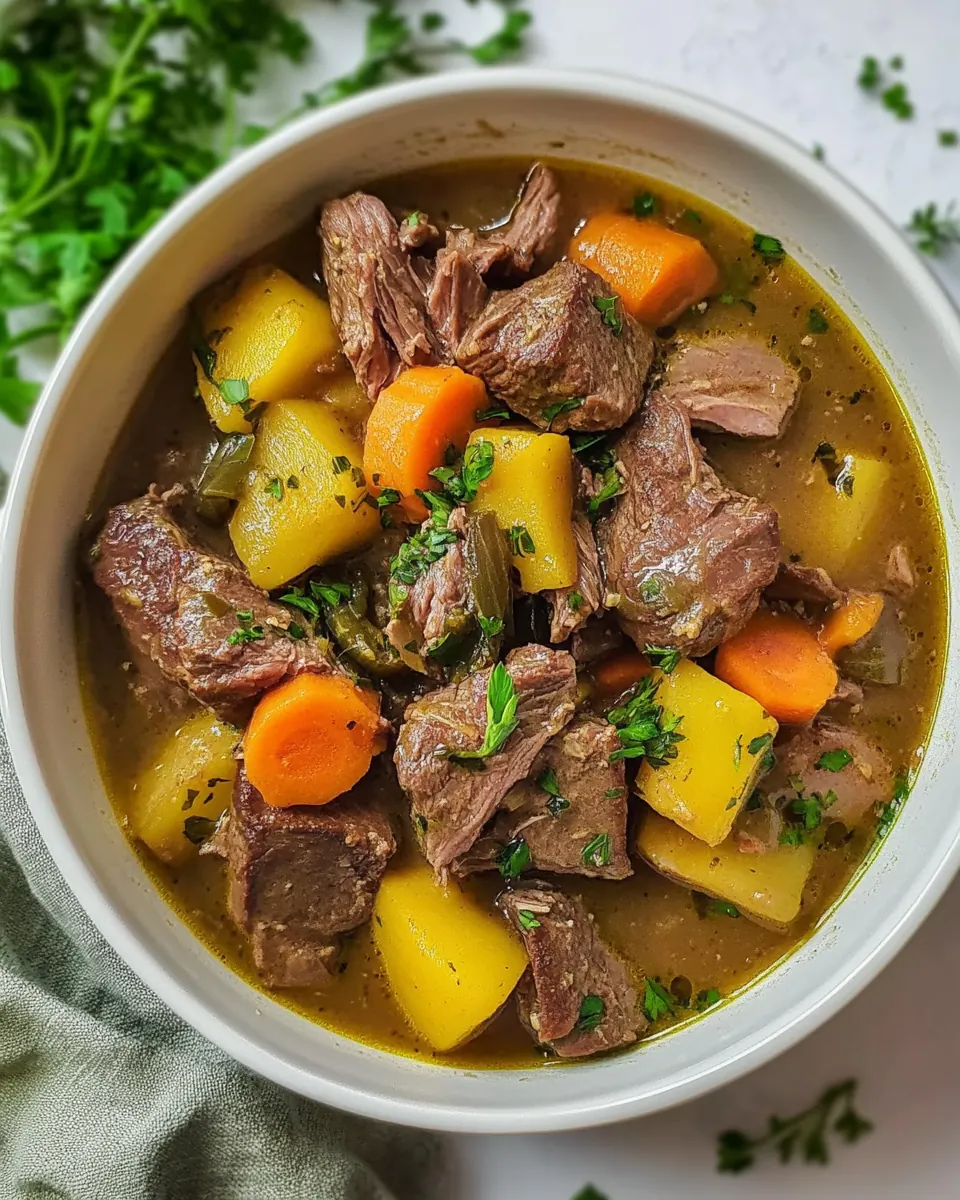
I like to tweak little things to match the mood or season. These notes help you personalize the dish while keeping its soul intact. Below are practical ideas that will keep the stew comforting and true to its roots.
- Choose the right cut Use lamb shoulder for its marbling, which melts into the broth and creates a richer mouthfeel.
- Control the sear Sear until a deep brown crust forms, that caramelized flavor is the stew’s backbone, just avoid burning.
- Adjust starch If you prefer a thicker finish, simmer slightly longer so the potatoes break down more and naturally thicken the broth.
- Herb timing Add thyme early for a rounded herbal base, but remove the stems before serving to keep the texture clean.
- Garnish last Add chopped parsley right before serving to preserve color and a fresh lift on each bowl.
What to Serve With Irish Stew
This stew stands well on its own, but thoughtful pairings elevate the meal for different occasions. I often round it out with simple sides and thoughtful service suggestions, depending on whether it’s a casual family dinner or a special gathering.
- Crusty bread for dipping, serve warm bread to soak up the broth, a tactile pleasure that guests appreciate when served family style.
- Light green salad, a crisp salad with a bright vinaigrette contrasts the stew’s richness and refreshes the palate between bites.
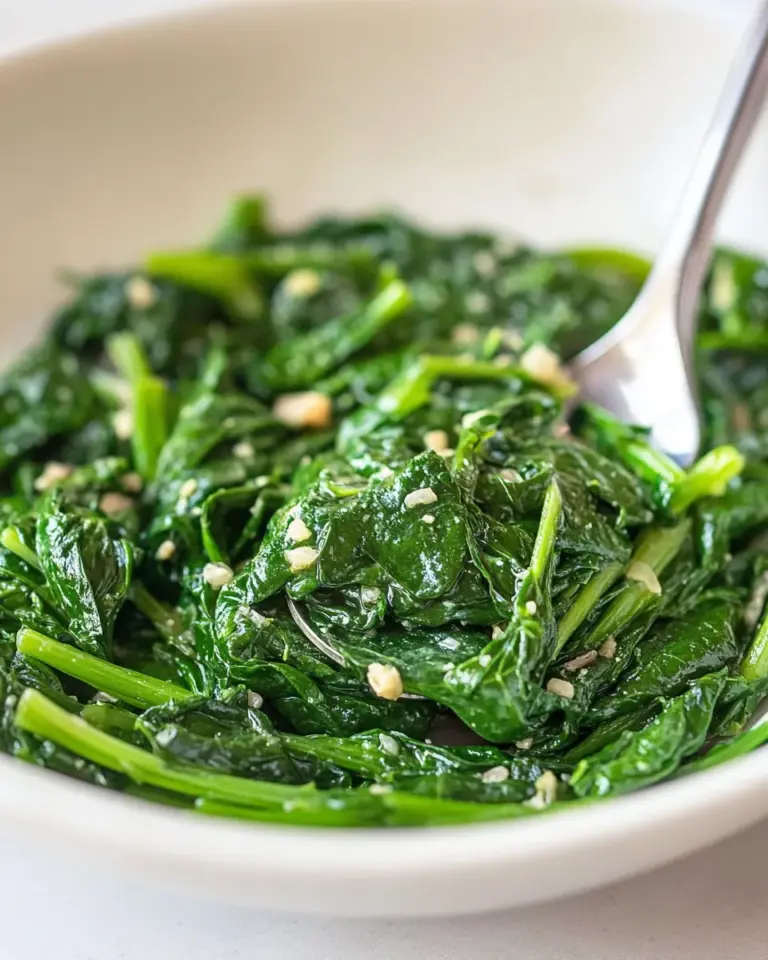
- Buttery steamed greens, such as kale or cabbage, provide a slightly bitter counterpoint that pairs well with the meat’s richness.
- Casual weeknight dinner, this stew is perfect for a relaxed evening when you want nourishing food without fuss.
- Cozy winter supper, serve it when the weather is cold and you want something that feels warming to the bones.
- Make ahead and reheat, the flavors deepen overnight, store in the fridge and gently rewarm over low heat, adding broth if needed.
- Seasonal pairings, serve heavier in winter, and add a bright salad or pickled side if you make it in a transitional season.
- Presentation tip, ladle into warmed bowls and finish with fresh parsley for an inviting final touch.
- Leftover use, strained and reduced, the stew makes a hearty filling for savory pies or pot pies the next day.
- Occasions, suitable for family dinners, small gatherings, or any time you want food that comforts and fills the room with aroma.
FAQ
Conclusion
This version of Irish Stew stands out for its deep, layered flavor and comforting, slow cooked textures. The marriage of seared lamb, softened vegetables, and an infused broth creates a bowl that feels both rustic and thoughtfully prepared. I encourage you to try it on a chilly evening when you want food that warms you from the inside out. Serve it with warm bread and a sprinkle of parsley, and enjoy the way simple, careful cooking turns humble ingredients into something memorable.
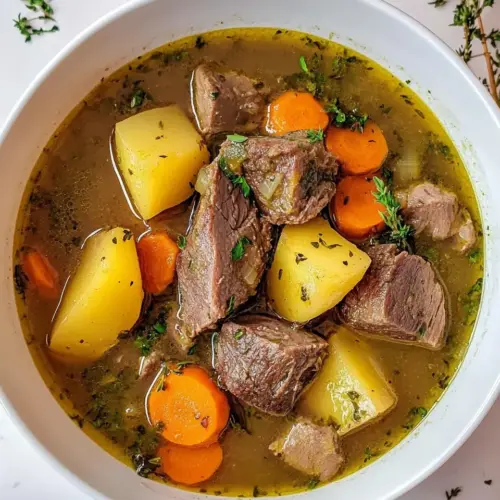
Irish Stew
Equipment
- Large Pot or Dutch Oven
- Tongs
- Wooden Spoon
Ingredients
- 2 pounds lamb shoulder cut into chunks Provide hearty, tender meat that forms the stew's rich base; brown to develop deep savory flavor and render connective tissue for a silky mouthfeel.
- Kosher salt to taste Season generously to enhance and balance flavors throughout the stew; sprinkle during cooking and adjust at the end to taste for proper seasoning.
- 1/2 teaspoon black pepper Lightly spice to add a warm, mildly pungent note; whisk into seasoning early so the pepper integrates with the other aromatics.
- 2 tablespoons vegetable oil Sauté aromatics and brown meat by providing a neutral frying medium; heat until shimmering to prevent sticking and to promote even browning.
- 1 large onion chopped Build aromatic depth and sweetness when softened; cook until translucent to release natural sugars and form the stew's flavor foundation.
- 3 cloves garlic minced Impart pungent, savory aroma and subtle sweetness when minced; add toward the end of the sauté stage to avoid burning and preserve flavor.
- 3 medium carrots peeled and sliced Contribute natural sweetness, texture, and color; simmer until tender so they complement the meat and contribute to the stew's hearty character.
- 3 tablespoons all-purpose flour Thicken cooking liquids and help bind flavors when sprinkled over the browned meat; cook briefly to remove raw flour taste and create a velvety sauce.
- 4 large potatoes peeled and cut into chunks Provide body, starchiness, and rustic texture; simmer until fork-tender so they absorb broth flavors and help thicken the stew naturally.
- 6 cups lamb or beef broth Create a savory, umami-rich cooking liquid that steeps the meat and vegetables; maintain a gentle simmer and taste for seasoning balance.
- 2 sprigs fresh thyme Add herbal aroma and subtle earthiness when simmered with the stew; tie or bruise sprigs to release oils and remove before serving if desired.
- Chopped parsley for garnish Finish with bright, fresh flavor and visual contrast; scatter chopped leaves just before serving to lift the rich stew and add a herbal note.
Instructions
- Season the lamb chunks with salt and pepper. In a large pot or Dutch oven, heat the vegetable oil over medium-high heat. Add lamb and brown on all sides, then set aside.: As the smell of salt and black pepper meets the raw lamb shoulder , you should notice a faint metallic, meaty scent that tells you the surface is primed to take on heat. This seasoning draws moisture to the surface briefly, helping create a flavorful crust when seared. A key sensory sign is when the meat sizzles audibly upon contact with the hot oil; that hiss signals good Maillard reaction. If the meat does not brown and instead steams, it may be because the meat was too cold or the pot was overcrowded. Avoid overcrowding and work in batches so each piece gets a chance to develop color. After seasoning, let the meat sit for a few minutes to absorb the salt, which improves internal seasoning and texture.
- In the same pot, add onions and garlic, cooking until soft. Then add carrots and cook for a few more minutes.: When the vegetable oil shimmers and moves like liquid mercury across the pan, it is ready. The visual cue of shimmering oil and a faint ripple lets you know the pan is hot enough to sear without sticking. The oil should not be smoking; if it smokes, it will impart a burnt note. A common error is adding meat to a cold or barely warm pan, which results in pale, unappetizing pieces. Allow the pot to reach temperature, and tilt it so the oil coats the base evenly for consistent searing.
- Sprinkle in flour, mix, and let cook for one minute to cook out the raw flour taste.: When the lamb hits the hot oil, listen for a steady sizzle and look for deep brown patches forming on the edges. Browning creates complex flavor compounds that become the backbone of the stew. Turn pieces carefully using tongs so each face gets contact with the pan. If the lamb tears when you try to flip it, it may be sticking because it was moved too early; let it develop a crust before turning. After browning, remove and set aside so those browned bits can be used to flavor the next stage.
- Return the browned lamb to the pot. Add potatoes, broth, and thyme. Bring to a boil, then reduce heat and simmer covered for about 2 hours or until the meat is tender and the stew has thickened. If stew becomes too thick, add a small amount of broth to thin it.: As the onion hits the pot, it should soften and release a sweet, savory aroma, the scent shifting from sharp to mellow. Stir frequently so the pieces sweat evenly and catch any browned fond left by the meat, which dissolves into the pan juices and enriches the base. Add the minced garlic after the onion is translucent so it releases its aroma without burning. Burnt garlic brings a bitter edge, so keep heat moderate and avoid leaving it unattended. These softened aromatics set the stage for the stew's rounded flavor.
- Remove thyme sprigs. Adjust seasoning with salt and pepper. Garnish with chopped parsley and serve hot.: When you add the sliced carrots , you'll notice a fresh, vegetal sweetness as they heat. Cook them until they begin to lose their raw crunch but remain slightly firm, which helps them hold shape during the long simmer. The sound changes from sharp chopping noises to a softer, settling simmer as moisture is released. If carrots are added too late, they may remain undercooked at serving; too early and they will disintegrate. Aim for a tender but present bite before moving on.
- Sprinkle in flour, mix, and let cook for one minute to cook out the raw flour taste: When you sprinkle the all-purpose flour over the vegetables, it will dry the surface slightly and begin to toast. The smell shifts to a nutty, toasty note as the raw flour aroma dissipates. This step helps the stew thicken and develop a silky consistency, because the flour will absorb liquids and swell during simmering. Stir continuously to avoid lumps forming, and cook just long enough to lose the raw starchy scent. Adding flour without cooking it first often results in a pasty texture later on.
- Return the browned lamb to the pot: As you nestle the browned lamb back into the pot, watch how the meat releases juices and brings rich color back into the pan. The reunion of meat and fond deepens the broth, and you may notice a richer, more savory scent right away. Ensure the pieces sit evenly so they can simmer uniformly. A common mistake is crowding them toward the center, which causes uneven cooking; spread them out so heat circulates.
- Add potatoes, broth, and thyme: When the potatoes and 6 cups of lamb or beef broth are added, the pot will suddenly go from concentrated to full and fragrant, with waves of steam carrying savory aromatics. Drop in the thyme sprigs to infuse herbal notes that slowly marry the meat and vegetables. The broth should just cover the contents or be slightly above; this visual cue ensures even simmering. If the liquid level is too low, the stew will scorch; too high and the flavors may be diluted. Balance is key.
- Bring to a boil, then reduce heat and simmer covered for about 2 hours or until the meat is tender and the stew has thickened: You will hear the pot shift from energetic bubbling to a gentle, intermittent simmer as the heat is reduced. Over time, the broth will concentrate and become richly aromatic, and the meat will begin to fall apart when tested with a fork. This long, slow simmer is what transforms tough connective tissue into gelatin, giving the stew body and mouthcoating richness. If the stew is left at too high a boil, it will reduce too quickly and could toughen the meat. Keep the temperature low and patient, and check occasionally to ensure it is simmering, not boiling furiously.
- If stew becomes too thick, add a small amount of broth to thin it: As the stew reduces, watch for a texture that clings pleasantly to a spoon without appearing gluey. If it becomes overly thick, a splash of reserved broth will loosen the body and re-balance seasoning. When you add liquid, the aroma brightens a bit as flavors spread out. A frequent misstep is adding too much liquid at once; add gradually and taste, because dilution affects seasoning levels.
- Remove thyme sprigs: When the stew is ready, fishing out the woody thyme stems keeps the mouthfeel pleasant and prevents fibrous bits from distracting while eating. After removal, the herbal perfume should linger gently without being assertive. Leaving the sprigs in can result in an unpleasant texture for some bites, so take care to extract them cleanly.
- Adjust seasoning with salt and pepper: At the finish, tastes will concentrate, so taste the broth and correct with salt and black pepper to bring out the layered flavors. A final seasoning brightens the whole pot and harmonizes meat and vegetables. Be cautious adding large quantities of salt at once; add incrementally and taste between additions to avoid over-salting.
- Garnish with chopped parsley and serve hot: Just before serving, sprinkle fresh chopped parsley for a burst of color and a fresh, grassy lift. The first spoonful should be hot and fragrant, with the steam carrying herb and meat aromas to your nose. Serve immediately to enjoy the textural contrasts of tender meat and chunked vegetables. Letting the stew sit too long before serving cools the fats and mutes aromatics, so serve while steaming and lively.
Notes
- Choose the right cut Use lamb shoulder for its marbling, which melts into the broth and creates a richer mouthfeel.
- Control the sear Sear until a deep brown crust forms, that caramelized flavor is the stew's backbone, just avoid burning.
- Adjust starch If you prefer a thicker finish, simmer slightly longer so the potatoes break down more and naturally thicken the broth.
- Herb timing Add thyme early for a rounded herbal base, but remove the stems before serving to keep the texture clean.
- Garnish last Add chopped parsley right before serving to preserve color and a fresh lift on each bowl.