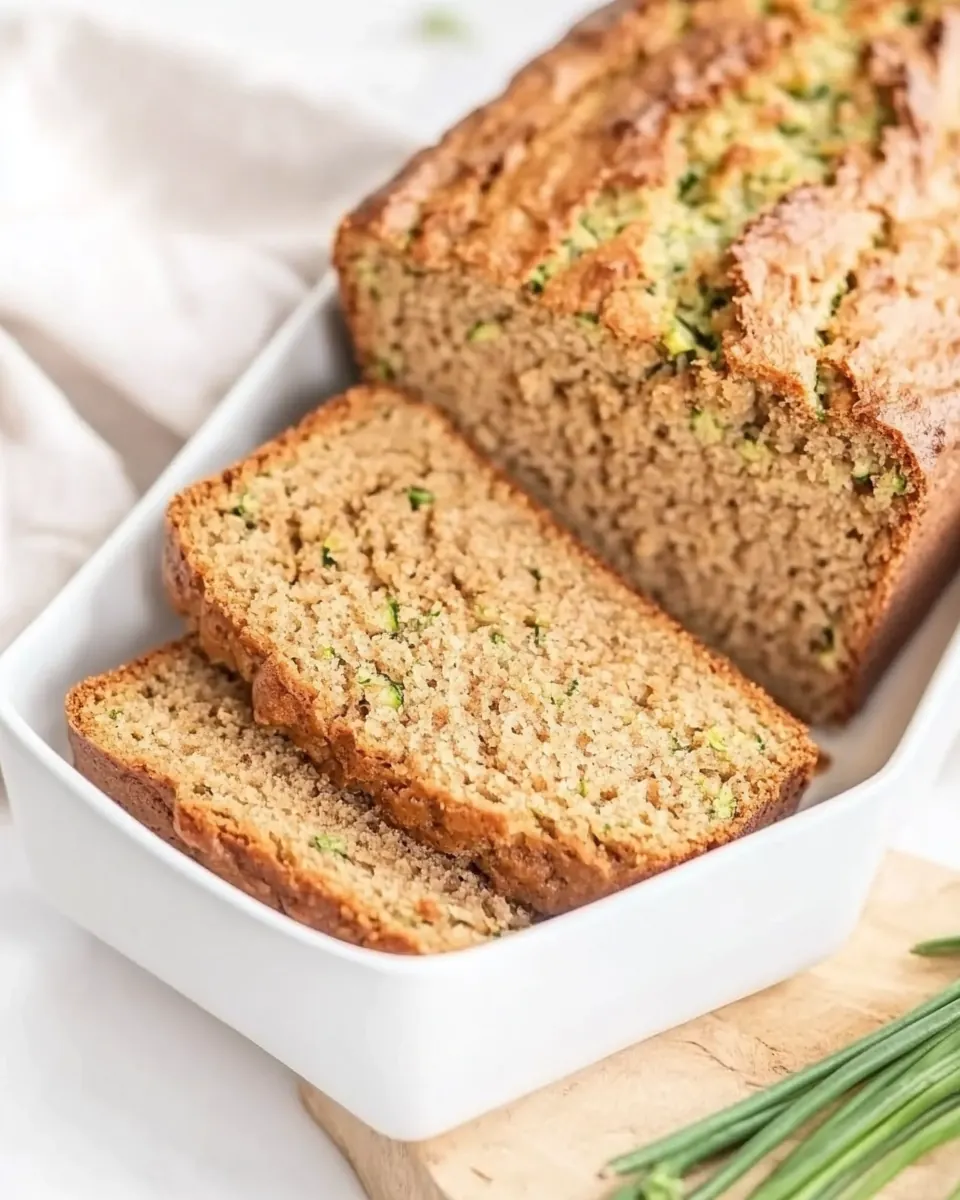
Our Favorite Zucchini Bread Recipe
Our Favorite Zucchini Bread Recipe is the loaf I reach for when the garden is overflowing and I want something comforting, moist, and a little nostalgic. The first time I made this bread I was elbow deep in shredded zucchini and the kitchen smelled warm with cinnamon, brown sugar, and toasted nuts. I remember tasting a warm slice and thinking this is what late summer mornings should taste like.
Over the years I’ve adjusted small things, like squeezing the liquid from the zucchini a bit more or choosing a coarser chop for the walnuts, and those tiny choices made a big difference. Friends ask for the recipe because it travels well to potlucks and it never feels showy, just honest and homey. When I slice it, the crumb is tender, not gummy, and the top gets a little sugary crunch from a sprinkle of granulated sugar.
Recipe Snapshot
2 hr
45 mins
75 mins
Medium
220 kcal
American
Gluten-Free, Low FODMAP
Desserts
Loaf pan, Parchment paper, Mixing bowls, Whisk, Rubber spatula, Wire rack
Why Try This Our Favorite Zucchini Bread Recipe
Moist but Not Soggy
I love how Our Favorite Zucchini Bread Recipe manages to be deeply moist while avoiding a limp texture. The trick is getting the moisture balance right between the shredded zucchini, the oil, and the dry ingredients. When I follow the steps carefully, the crumb stays tender and springy, and you get a slice that holds together without being heavy.
Simple Pantry Ingredients
One reason I keep returning to this loaf is the ease of the ingredient list. It uses everyday staples like all purpose flour, brown sugar, and a few leaveners, so I seldom need a special trip to the store. The familiarity of the ingredients makes this a reliable pick for last minute baking, and guests always ask what I put in it.
Flexible and Friendly
This recipe feels forgiving, which is something I appreciate on busy days. You can fold in walnuts or leave them out, and the batter still bakes up beautifully. I often swap mix ins when I want a different twist, and the loaf handles substitutions gracefully without losing its character.
Comfort Food That Travels
I bring this loaf to neighbors, potlucks, and school events because it travels well and lasts a few days without fuss. The texture holds up at room temperature, and the lightly crunchy top from the sprinkle of granulated sugar adds a lovely contrast to the soft interior. I find people savor it plain or with a dab of butter, and it never overcomplicates the moment.
Seasonal Appeal
Because zucchini floods many gardens in late summer and fall, this loaf feels like a seasonal ritual. I enjoy the ritual of shredding the zucchini, squeezing out the liquid, and filling the house with spice scented steam as it bakes. The result is an approachable, crowd pleasing loaf that captures the harvest spirit.
Ingredients Overview for Our Favorite Zucchini Bread Recipe
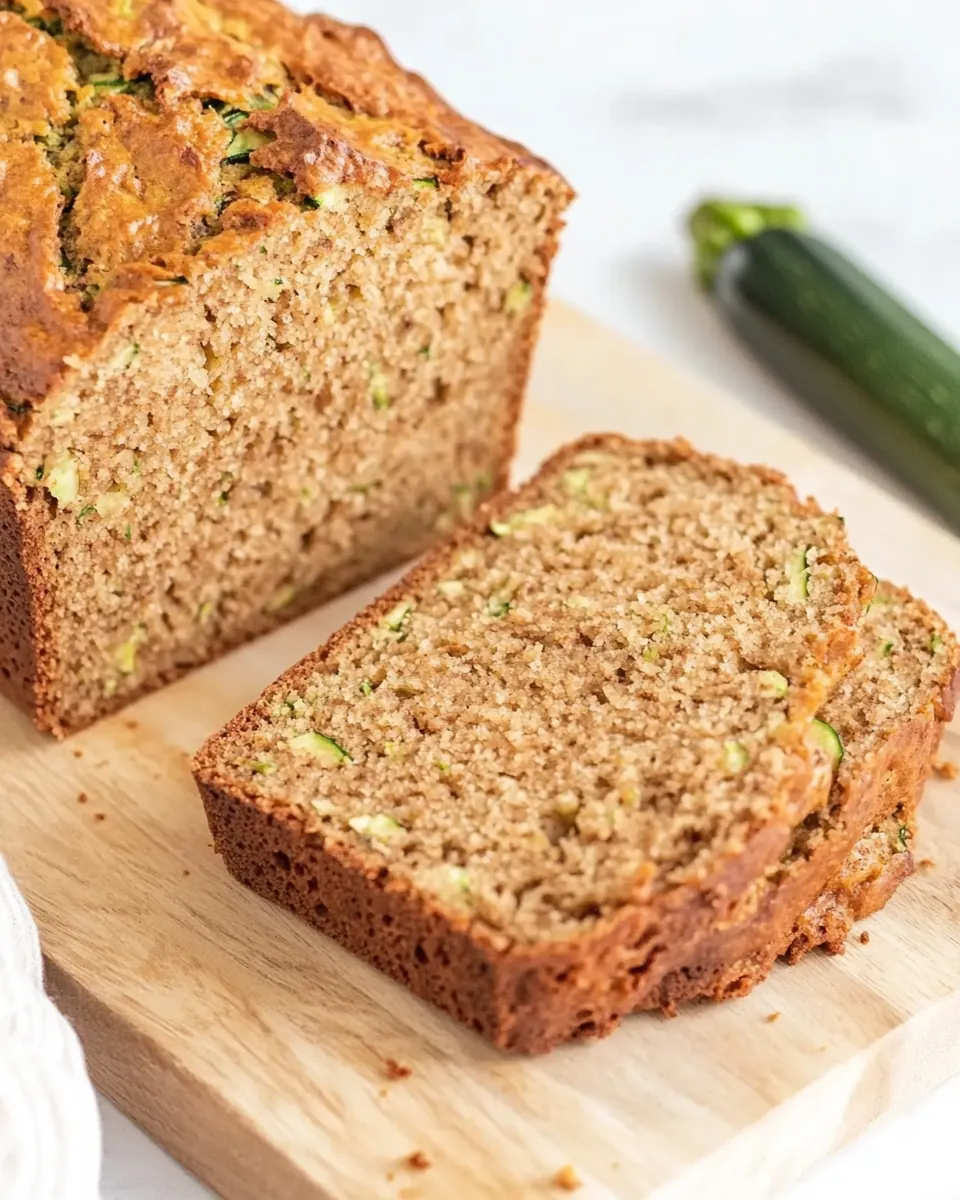
These ingredients work together to create a balanced loaf, where the wet elements keep the interior tender and the dry components provide structure. The key players are the shredded zucchini for moisture, all purpose flour for structure, and brown sugar for sweetness and depth. The small amounts of leavening help the loaf rise evenly while the walnuts add texture.
- 1 1/2 pound (453.59 g) zucchini, shredded, about 2 large zucchini: Shredded and juicy, provides moisture and subtle vegetal flavor while contributing to the tender crumb and bulk of the loaf; squeeze lightly to remove excess water if batter seems too wet and fold in gently to distribute evenly.
- 2 cups (250 g) all-purpose flour: All-purpose flour gives the bread structure by forming the gluten network that traps air bubbles during baking; measure accurately and sift if lumpy to ensure even texture and proper rise.
- 2 teaspoons ground cinnamon: Warm and fragrant, ground cinnamon adds aromatic sweetness and depth, complementing the zucchini and brown sugar; stir into the dry ingredients to distribute its flavor uniformly throughout the bread.
- 1 teaspoon baking powder: Leavening agent that contributes to overall lift and gives a light crumb when balanced with baking soda; whisk with the dry ingredients to ensure even rising action during baking.
- 1 teaspoon baking soda: Reacting with acidic components, baking soda aids browning and helps create an airy texture by producing carbon dioxide; mix into the dry ingredients to activate with the batter’s moisture and acid.
- 1 1/2 teaspoons (0.5 teaspoon) salt: Seasoning the batter with salt enhances and balances sweetness while strengthening the dough’s structure slightly; dissolve into the wet ingredients or mix with the dry so flavor is evenly distributed.
- 1 1/4 cups (150 g) light brown sugar: Moist and caramel-like, light brown sugar adds sweetness, tenderizes the crumb, and contributes to color and flavor complexity; cream lightly with the eggs and oil or add to wet mixture for even incorporation.
- 1/4 cup (6 tablespoons) vegetable oil: Neutral-flavored oil supplies fat that keeps the bread moist and extends shelf life while creating a tender mouthfeel without solidifying at room temperature; combine with wet ingredients for uniform distribution.
- 2 large eggs, beaten lightly: Beaten eggs provide structure, emulsification, and lift while contributing richness and helping ingredients bind together; beat lightly to incorporate air and mix into wet ingredients for stable batter.
- 1 teaspoon (1 tablespoon) vanilla extract: Fragrant and sweet, vanilla extract enhances overall aroma and rounds out flavors from sugar and cinnamon; stir into the wet mixture to blend evenly into the batter.
- 3/4 cup (49.5 g) walnuts, coarsely chopped: Coarsely chopped walnuts contribute crunch, nutty flavor, and textural contrast while adding richness and visual appeal; fold in near the end of mixing to avoid releasing excess oil into the batter.
- 1 tablespoon (61.25 ml) granulated sugar, for sprinkling: Coarse granulated sugar sprinkled on top creates a crunchy, sweet crust that enhances presentation and provides a delightful textural contrast after baking; scatter evenly over the loaf before placing in the oven.
How to Cook Our Favorite Zucchini Bread Recipe
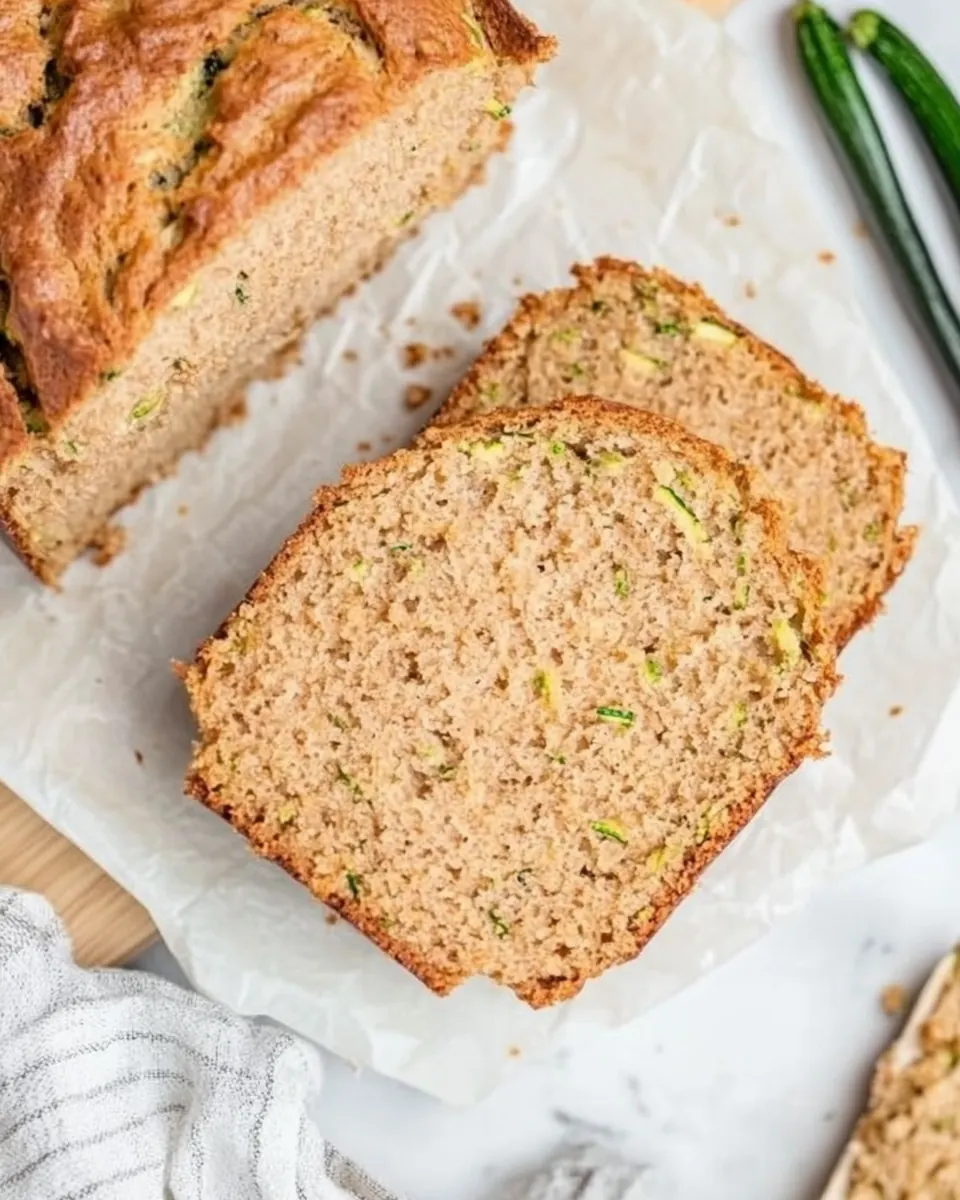
Working through the steps is where the loaf comes together, and a calm, attentive approach pays off. The process moves from preparing the pan to draining the zucchini, whisking dry ingredients, combining wet elements, and folding everything into a cohesive batter. Follow sensory cues, and you will end up with a reliably tender bread.
- Preheat oven to 325 degrees F. Grease a 9×5-inch loaf pan and line it with parchment paper so excess parchment hangs over each side.: You should notice the kitchen warming and a faint scent from the preheating oven, which helps set the batter once it goes in. Greasing and lining the pan ensures the loaf releases cleanly, avoiding tearing the crust when unmolding; the parchment overhang gives you handles for lifting. A common mistake is skipping the parchment which can lead to the top sticking and breaking when removed. If your pan is dark, reduce heat by a few degrees or tent with foil halfway through to prevent overbrowning.
- Place the zucchini in a clean dish towel, gather the ends together, then twist and squeeze to drain out as much liquid as possible.: When you squeeze, you should hear a gentle squelch and feel the towel cool as liquid is expelled, which is crucial for the loaf's texture. Removing this water prevents a soggy center and concentrates the zucchini's flavor. One trap is not squeezing long enough, which leaves excess moisture and can make the crumb gummy. If the zucchini still seems watery, give it another firm twist and press over a bowl to capture the liquid.
- In a large bowl, whisk together the flour, cinnamon, baking powder, baking soda, and salt to combine; set aside.: Whisking releases the aroma of the cinnamon and ensures the leaveners are dispersed, which yields an even rise and prevents pockets of baking soda. Visually, the mixture will look uniform and pale, with specks of spice distributed throughout. A common error is adding wet ingredients directly into unmixed dry pockets, causing uneven texture, so take a minute to whisk thoroughly.
- In a medium bowl, whisk together the brown sugar, oil, eggs, and vanilla extract until completely combined. Fold in the drained zucchini.: As you whisk, the brown sugar dissolves into the oil and eggs, producing a glossy, cohesive mixture that smells warmly of molasses and vanilla. Folding in the zucchini introduces flecks of green and moist strands into the batter, and you should see the mixture become thicker and more textured. Beware overmixing at this stage since vigorous stirring can lead to a tougher crumb. Use gentle motions and stop when the zucchini is evenly distributed.
- Add the zucchini mixture to the flour mixture and use a rubber spatula to fold together until a few streaks of flour remain. Add the chopped walnuts and gently fold to combine.: The batter will feel slightly dense yet pliable, with the flour streaks indicating you should stop mixing soon to avoid overdeveloping gluten. The aroma should shift to a nutty, spiced fragrance when the walnuts are folded in. A common misstep is overfolding which can produce a tight, less tender loaf. Aim for a uniform batter with some small streaks of flour that disappear with a few light folds.
- Pour the batter into the prepared pan, smooth into an even layer, and sprinkle the granulated sugar evenly over the top.: Pouring is tactile, and you may hear a soft glug as the batter settles; smoothing the top ensures an even rise and attractive appearance. The sprinkle of granulated sugar will glint slightly and caramelize in the oven for a subtle crust. Avoid packing the batter tightly into the pan which can trap air and create dense spots, instead use gentle taps on the counter to level it.
- Bake until a toothpick inserted in the center comes out with just a few moist crumbs attached, 65 to 75 minutes. Place the pan on a wire rack and allow the bread to cool in the pan for 30 minutes. Remove the bread from the pan and allow to cool completely on a wire rack before serving. Leftover bread should be wrapped tightly in plastic wrap and stored at room temperature for up to 4 days.: During baking you will smell the cinnamon deepen and the top will take on a golden brown hue, with the kitchen filling with toasty, sweet notes. The toothpick test ensures the interior is done without drying it out, and resting in the pan helps the loaf set so it does not collapse when removed. A frequent issue is removing the bread too soon, which causes a gooey center, so be patient and test multiple spots near the center.
- Remove the bread from the pan and allow to cool completely on a wire rack before serving. Leftover bread should be wrapped tightly in plastic wrap and stored at room temperature for up to 4 days.: As you unmold, the crust should feel firm and slightly crisp; cooling on a wire rack prevents trapped steam from making the underside soggy. Cooling completely allows the crumb to finish setting, which makes slicing neater and keeps the texture perfect. Storing wrapped at room temperature preserves moisture, but leaving it unwrapped will dry the loaf out quickly, so seal it well to maintain freshness.
Making Adjustments
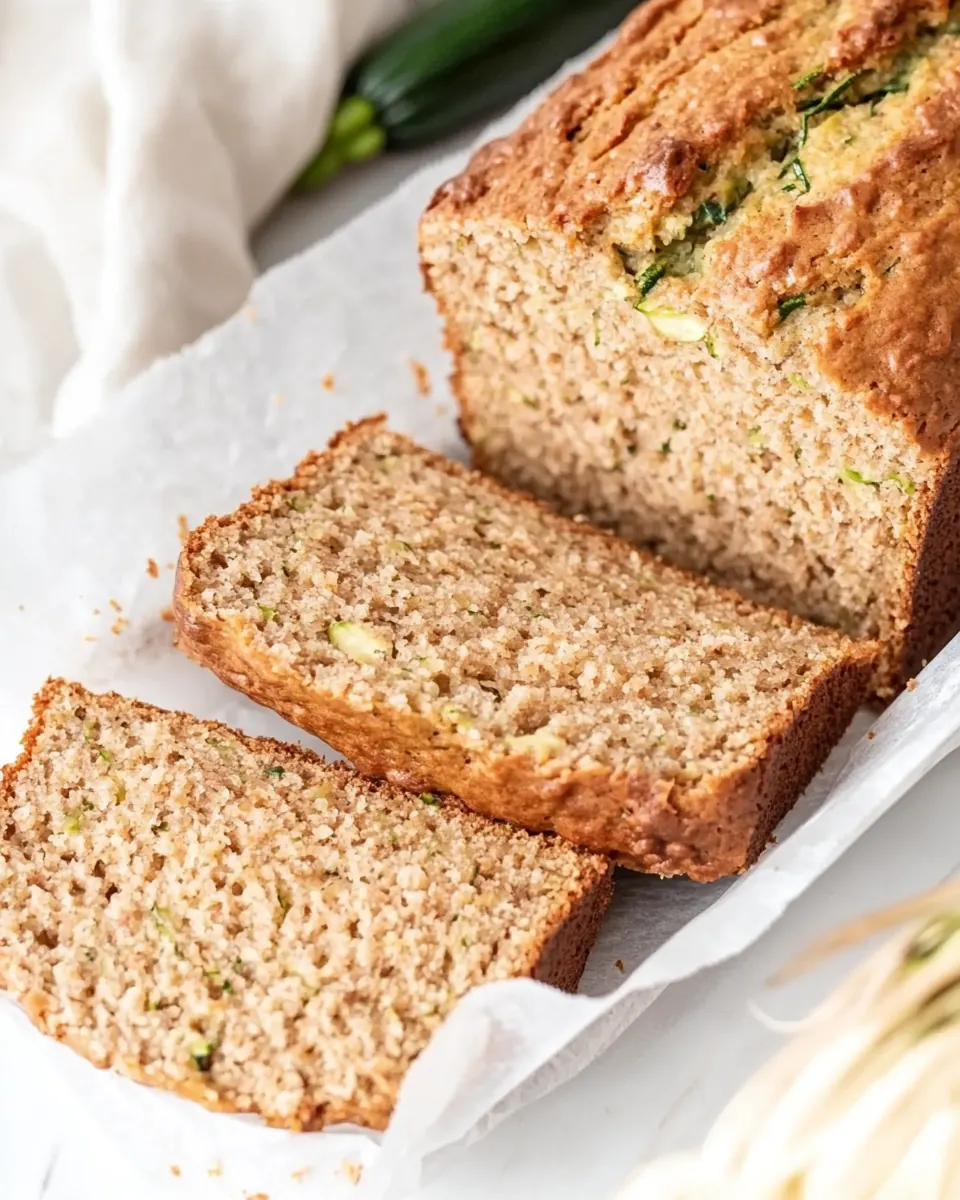
This section gives practical adjustments and variations so you can adapt the loaf to your pantry and preferences. Each tip begins with a clear, bolded phrase for quick scanning, followed by detailed guidance to help you make confident swaps.
- Squeeze the zucchini well, press and twist the shredded zucchini in a clean towel to remove excess liquid, which ensures the batter will not be too wet and the crumb will remain tender rather than gummy.
- Measure flour by weight, using a scale for the all purpose flour gives consistent results and prevents a dry, dense loaf that can occur from overpacking measuring cups.
- Swap nuts carefully, if you prefer alternatives to walnuts like pecans or omit nuts entirely, fold them in gently to maintain even batter texture and avoid overmixing.
- Adjust sweetness mindfully, reduce the brown sugar slightly if you prefer a less sweet loaf, but remember it contributes to moisture and depth of flavor so don’t cut too much.
- Toast nuts for more aroma, place the walnuts on a baking sheet and toast briefly until fragrant, which enhances their flavor but avoid overcooking to prevent bitterness.
- Use parchment for easy removal, lining the 9 by 5 inch loaf pan with parchment that overhangs will let you lift the loaf out cleanly and preserve the crust’s texture.
Great Combinations for Our Favorite Zucchini Bread Recipe
This loaf pairs wonderfully with simple accompaniments and suits a variety of occasions. Below are detailed serving ideas and storage notes formatted as a list for clarity.
- Morning coffee or tea, serve slices warm with a pat of butter or a light spread; the gentle sweetness of the loaf complements bitter coffee and aromatic teas for a balanced breakfast option.
- Brunch spread, include the loaf alongside savory quiches and fruit; it adds a sweet, textured element that guests can enjoy between bites of richer dishes, making it ideal for casual gatherings.
- Packed lunches, wrap a slice tightly for a midday treat; it travels well and provides a satisfying snack that pairs nicely with cheese and fresh fruit for a balanced box.
- Potluck or bake sale, the loaf’s reliable crumb and approachable flavor make it a crowd pleaser; slice it thin for sampling and label the nuts to accommodate preferences and allergies.
- Storage at room temperature, wrap the cooled loaf tightly in plastic wrap and keep it for up to 4 days; this preserves moisture while keeping the crust pleasantly tender.
- Freezing for longer keeping, double wrap in plastic and foil and freeze for up to 3 months; thaw in the refrigerator or at room temperature and warm gently before serving to revive freshness.
FAQ
Conclusion
This loaf stands out for its perfect balance of moisture, warm spice, and simple, pantry friendly ingredients. Try it whenever you have extra zucchini and want a comforting, shareable bake that everyone will enjoy. Slice it warm for immediate comfort, or wrap and save for later, knowing the texture and flavor hold up beautifully.
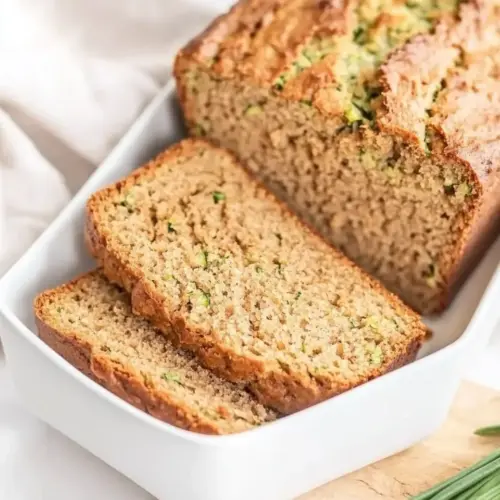
Our Favorite Zucchini Bread Recipe
Equipment
- Loaf Pan
- Parchment Paper
- Mixing Bowls
- Whisk
- Rubber spatula
- Wire Rack
Ingredients
- 1 1/2 pound (453.59 g) zucchini, shredded, about 2 large zucchini Shredded and juicy, provides moisture and subtle vegetal flavor while contributing to the tender crumb and bulk of the loaf; squeeze lightly to remove excess water if batter seems too wet and fold in gently to distribute evenly.
- 2 cups (250 g) all-purpose flour All-purpose flour gives the bread structure by forming the gluten network that traps air bubbles during baking; measure accurately and sift if lumpy to ensure even texture and proper rise.
- 2 teaspoons ground cinnamon Warm and fragrant, ground cinnamon adds aromatic sweetness and depth, complementing the zucchini and brown sugar; stir into the dry ingredients to distribute its flavor uniformly throughout the bread.
- 1 teaspoon baking powder Leavening agent that contributes to overall lift and gives a light crumb when balanced with baking soda; whisk with the dry ingredients to ensure even rising action during baking.
- 1 teaspoon baking soda Reacting with acidic components, baking soda aids browning and helps create an airy texture by producing carbon dioxide; mix into the dry ingredients to activate with the batter’s moisture and acid.
- 1 1/2 teaspoons (0.5 teaspoon) salt Seasoning the batter with salt enhances and balances sweetness while strengthening the dough’s structure slightly; dissolve into the wet ingredients or mix with the dry so flavor is evenly distributed.
- 1 1/4 cups (150 g) light brown sugar Moist and caramel-like, light brown sugar adds sweetness, tenderizes the crumb, and contributes to color and flavor complexity; cream lightly with the eggs and oil or add to wet mixture for even incorporation.
- 1/4 cup (6 tablespoons) vegetable oil Neutral-flavored oil supplies fat that keeps the bread moist and extends shelf life while creating a tender mouthfeel without solidifying at room temperature; combine with wet ingredients for uniform distribution.
- 2 large eggs, beaten lightly Beaten eggs provide structure, emulsification, and lift while contributing richness and helping ingredients bind together; beat lightly to incorporate air and mix into wet ingredients for stable batter.
- 1 teaspoon (1 tablespoon) vanilla extract Fragrant and sweet, vanilla extract enhances overall aroma and rounds out flavors from sugar and cinnamon; stir into the wet mixture to blend evenly into the batter.
- 3/4 cup (49.5 g) walnuts, coarsely chopped Coarsely chopped walnuts contribute crunch, nutty flavor, and textural contrast while adding richness and visual appeal; fold in near the end of mixing to avoid releasing excess oil into the batter.
- 1 tablespoon (61.25 ml) granulated sugar, for sprinkling Coarse granulated sugar sprinkled on top creates a crunchy, sweet crust that enhances presentation and provides a delightful textural contrast after baking; scatter evenly over the loaf before placing in the oven.
Instructions
- Preheat oven to 325 degrees F. Grease a 9×5-inch loaf pan and line it with parchment paper so excess parchment hangs over each side.: You should notice the kitchen warming and a faint scent from the preheating oven, which helps set the batter once it goes in. Greasing and lining the pan ensures the loaf releases cleanly, avoiding tearing the crust when unmolding; the parchment overhang gives you handles for lifting. A common mistake is skipping the parchment which can lead to the top sticking and breaking when removed. If your pan is dark, reduce heat by a few degrees or tent with foil halfway through to prevent overbrowning.
- Place the zucchini in a clean dish towel, gather the ends together, then twist and squeeze to drain out as much liquid as possible.: When you squeeze, you should hear a gentle squelch and feel the towel cool as liquid is expelled, which is crucial for the loaf's texture. Removing this water prevents a soggy center and concentrates the zucchini's flavor. One trap is not squeezing long enough, which leaves excess moisture and can make the crumb gummy. If the zucchini still seems watery, give it another firm twist and press over a bowl to capture the liquid.
- In a large bowl, whisk together the flour, cinnamon, baking powder, baking soda, and salt to combine; set aside.: Whisking releases the aroma of the cinnamon and ensures the leaveners are dispersed, which yields an even rise and prevents pockets of baking soda. Visually, the mixture will look uniform and pale, with specks of spice distributed throughout. A common error is adding wet ingredients directly into unmixed dry pockets, causing uneven texture, so take a minute to whisk thoroughly.
- In a medium bowl, whisk together the brown sugar, oil, eggs, and vanilla extract until completely combined. Fold in the drained zucchini.: As you whisk, the brown sugar dissolves into the oil and eggs, producing a glossy, cohesive mixture that smells warmly of molasses and vanilla. Folding in the zucchini introduces flecks of green and moist strands into the batter, and you should see the mixture become thicker and more textured. Beware overmixing at this stage since vigorous stirring can lead to a tougher crumb. Use gentle motions and stop when the zucchini is evenly distributed.
- Add the zucchini mixture to the flour mixture and use a rubber spatula to fold together until a few streaks of flour remain. Add the chopped walnuts and gently fold to combine.: The batter will feel slightly dense yet pliable, with the flour streaks indicating you should stop mixing soon to avoid overdeveloping gluten. The aroma should shift to a nutty, spiced fragrance when the walnuts are folded in. A common misstep is overfolding which can produce a tight, less tender loaf. Aim for a uniform batter with some small streaks of flour that disappear with a few light folds.
- Pour the batter into the prepared pan, smooth into an even layer, and sprinkle the granulated sugar evenly over the top.: Pouring is tactile, and you may hear a soft glug as the batter settles; smoothing the top ensures an even rise and attractive appearance. The sprinkle of granulated sugar will glint slightly and caramelize in the oven for a subtle crust. Avoid packing the batter tightly into the pan which can trap air and create dense spots, instead use gentle taps on the counter to level it.
- Bake until a toothpick inserted in the center comes out with just a few moist crumbs attached, 65 to 75 minutes. Place the pan on a wire rack and allow the bread to cool in the pan for 30 minutes. Remove the bread from the pan and allow to cool completely on a wire rack before serving. Leftover bread should be wrapped tightly in plastic wrap and stored at room temperature for up to 4 days.: During baking you will smell the cinnamon deepen and the top will take on a golden brown hue, with the kitchen filling with toasty, sweet notes. The toothpick test ensures the interior is done without drying it out, and resting in the pan helps the loaf set so it does not collapse when removed. A frequent issue is removing the bread too soon, which causes a gooey center, so be patient and test multiple spots near the center.
- Remove the bread from the pan and allow to cool completely on a wire rack before serving. Leftover bread should be wrapped tightly in plastic wrap and stored at room temperature for up to 4 days.: As you unmold, the crust should feel firm and slightly crisp; cooling on a wire rack prevents trapped steam from making the underside soggy. Cooling completely allows the crumb to finish setting, which makes slicing neater and keeps the texture perfect. Storing wrapped at room temperature preserves moisture, but leaving it unwrapped will dry the loaf out quickly, so seal it well to maintain freshness.
Notes
- Squeeze the zucchini well, press and twist the shredded zucchini in a clean towel to remove excess liquid, which ensures the batter will not be too wet and the crumb will remain tender rather than gummy.
- Measure flour by weight, using a scale for the all purpose flour gives consistent results and prevents a dry, dense loaf that can occur from overpacking measuring cups.
- Swap nuts carefully, if you prefer alternatives to walnuts like pecans or omit nuts entirely, fold them in gently to maintain even batter texture and avoid overmixing.
- Adjust sweetness mindfully, reduce the brown sugar slightly if you prefer a less sweet loaf, but remember it contributes to moisture and depth of flavor so don’t cut too much.
- Toast nuts for more aroma, place the walnuts on a baking sheet and toast briefly until fragrant, which enhances their flavor but avoid overcooking to prevent bitterness.
- Use parchment for easy removal, lining the 9 by 5 inch loaf pan with parchment that overhangs will let you lift the loaf out cleanly and preserve the crust’s texture.
