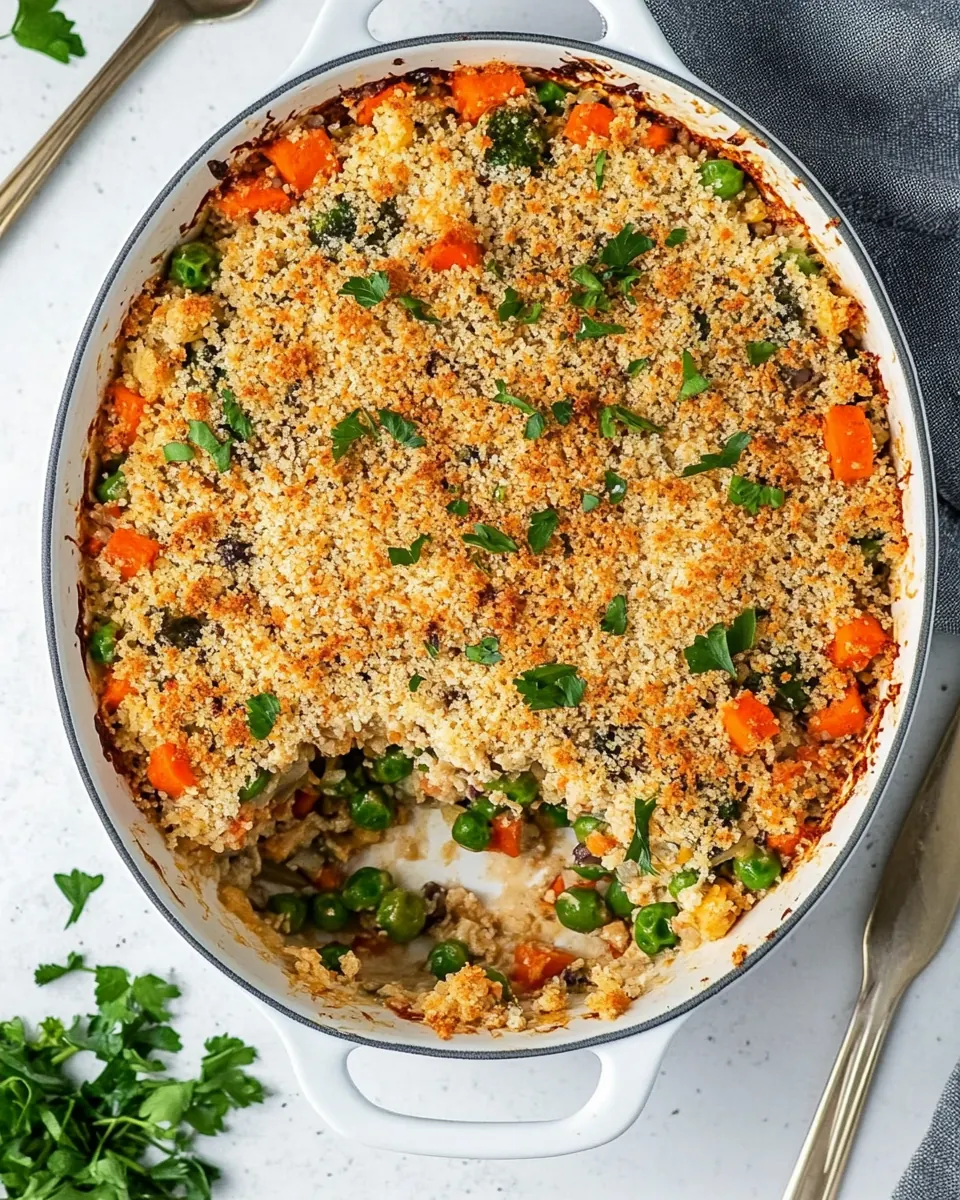
Vegetable Casserole
Vegetable Casserole is one of those cozy, come-together dishes I turn to when I want something nourishing and unpretentious.
Years ago, I brought a bubbling pan of this casserole to a neighborhood potluck and watched it vanish before I could refill my plate. I remember the way the cracker topping crackled as I cut into it, and how the aroma of herbs and butter drew people in from the kitchen. That night taught me that a simple combination of pantry staples and fresh broccoli and carrots can feel like a small celebration.
I often make this when the calendar tightens and I need a dish that handles itself while I finish other things. The mix-and-pour nature means I can chop the mushrooms and slice the green onions while a timer keeps me honest. It’s the reassuring sort of recipe I turn to when guests arrive unexpectedly, or when I just want something comforting without fuss.
Recipe Snapshot
55 mins
15 mins
40 mins
Medium
320 kcal
American
Gluten-Free, Vegan
Dinner
9×13 baking dish, Oven, Large bowl, Ziplock bag, Mixing bowl
What We Adore About This Vegetable Casserole
Comforting Classic
I love how Vegetable Casserole feels familiar without being boring. The creamy base with a buttery cracker top brings that nostalgic comfort many of us grew up with, yet the fresh vegetables keep it bright. I find that this balance makes it perfect for weeknights and family dinners when I want a single dish that satisfies.
Simple Ingredients, Big Flavor
This recipe leans on accessible pantry items like canned peas and cream soup, paired with fresh produce like broccoli and carrots. I appreciate that you do not need specialty items to get deep flavor, just thoughtful seasoning and heat. When I assemble it, I always taste for salt and pepper to coax out the vegetables natural sweetness.
Hands Off When It Bakes
One thing I adore is how the oven does most of the work. Once the casserole is in, you can focus on salad, table settings, or conversation. That hands off period is golden for me, because I can attend to other tasks and come back to a bubbling, golden top that looks and smells like effort even though it was easy.
Textural Contrast
The crushed cracker topping provides a crisp, buttery counterpoint to the creamy filling. That contrast is what keeps each bite interesting. I like to crush the crackers by hand in a bag so some larger pieces remain, offering little crunchy pockets throughout the dish.
Reliable Crowd Pleaser
I’ve made Vegetable Casserole for potlucks and family meals, and it disappears every time. It suits picky eaters and those looking for veggies alike, which makes it a go-to when I want one dish that keeps everybody happy. For me, that versatility is the real star.
Recipe Ingredients for Vegetable Casserole
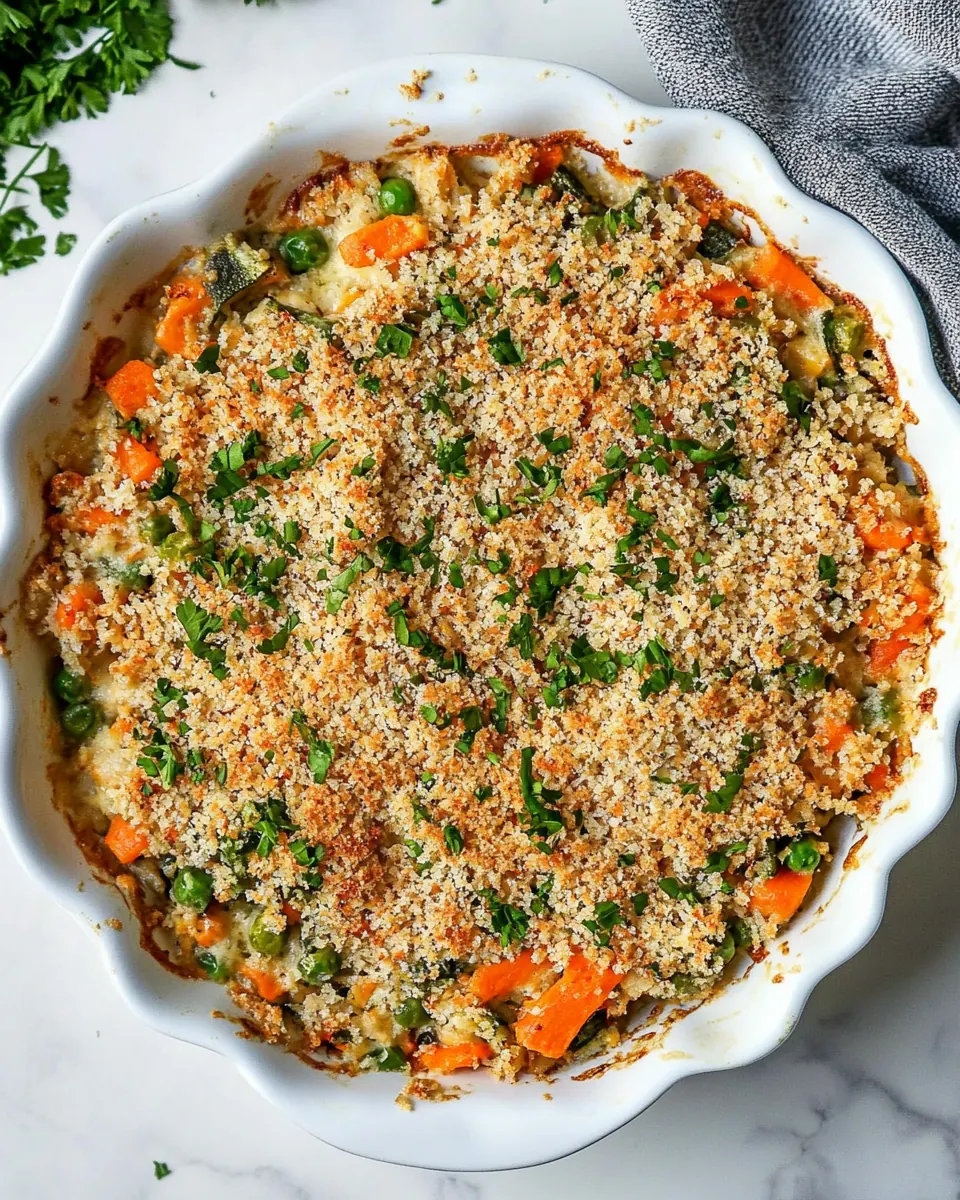
These ingredients combine to create a creamy, satisfying casserole where each component plays a clear role. The vegetables bring color and texture, the canned soup and whole milk create a silky binder, and the cracker topping adds buttery crunch. Together they deliver balanced mouthfeel and straightforward flavor that works across seasons.
- 1 1/2 cups broccoli, chopped: Chopped to provide texture and a fresh, slightly crisp bite that brightens the casserole. Adds vitamins, fiber, and a mild bitterness that balances richer components. Steams well within the dish, retaining color and structure.
- 1 1/2 cups carrots, sliced: Sliced to introduce natural sweetness and a tender contrast to firmer vegetables. Contributes beta-carotene and moisture that helps maintain a cohesive casserole. Softens during baking and melds with the other flavors.
- 1 1/2 cups sliced mushrooms: Sliced to deliver an earthy, umami depth and a meaty texture without overpowering the dish. Releases savory juices when cooked that enrich the casserole base. Complements the cream soup and herbs for savory balance.
- 1 can peas, 15 ounces drained: Drained to add small tender bites and a pop of sweetness while contributing protein and fiber. Helps extend the vegetable mix and provides a soft texture that contrasts with firmer pieces. Easily distributes through the casserole for even flavor.
- 1/2 cup sliced green onions: Sliced to give a mild oniony aroma and a delicate crunch when not overcooked. Offers fresh green color and a subtle sharpness that lifts the overall flavor profile. Blends into the casserole for layers of savory complexity.
- 1 can cream of mushroom soup, 10 ounces: Used as a creamy binder and savory base that brings concentrated mushroom flavor and smoothness. Adds body and helps the casserole components adhere, creating a cohesive, saucy interior. Simplifies seasoning while contributing umami depth.
- 3/4 cup whole milk: Added to thin and loosen the condensed soup, creating a creamy, pourable sauce that coats the vegetables. Contributes dairy richness and helps the casserole bake to a smooth consistency. Also mellows stronger seasonings for balance.
- 1 teaspoon garlic powder: Sprinkled for concentrated garlic flavor that infuses the dish without fresh garlic preparation. Enhances overall savory notes and pairs well with herbs and mushrooms. Provides reliable, shelf-stable seasoning.
- 1/2 teaspoon oregano: Used to impart a warm, slightly floral Mediterranean aroma that complements vegetables and mushrooms. Blends with thyme and garlic to create a layered herb profile. Adds subtle savory complexity without overwhelming the dish.
- 1/2 teaspoon thyme: Added to offer a slightly minty, lemony note that brightens and elevates the herb blend. Works with oregano and garlic to create a well-rounded savory seasoning. Helps cut through the richness of the creamy base.
- salt and pepper to taste: Used to adjust seasoning levels to taste, balancing and enhancing all other flavors in the casserole. Salt amplifies natural tastes while pepper adds mild heat and aromatic bite. Both are applied sparingly and adjusted at the end.
- 1 1/2 sleeves Ritz crackers, about 45 crackers: Crushed into coarse crumbs to create a buttery, crunchy topping that contrasts the creamy interior. Provides a familiar, flaky texture and slight saltiness that complements the casserole. Helps form a golden, appealing crust when baked.
- 1/4 cup butter, melted: Melted to bind the cracker topping and promote browning, adding rich dairy fat and a glossy finish. Contributes to crispness and flavor in the crust while enhancing mouthfeel. Pours over crumbs to ensure even coverage and toasty edges.
Recipe Steps for Vegetable Casserole
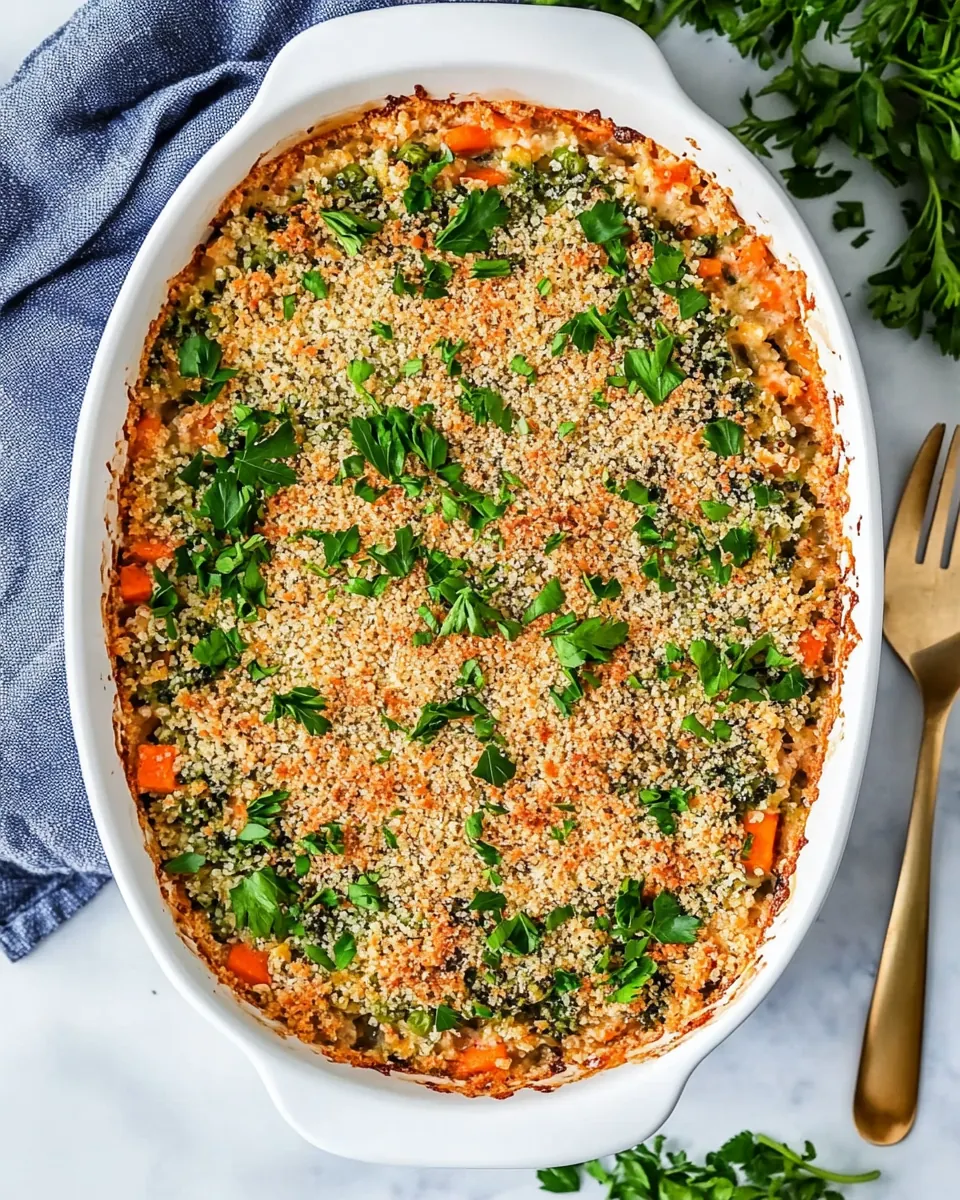
This is a straightforward, hands on assembly followed by a comforting bake. I walk you through sensory cues and small corrections so you can trust the outcome, even if you are busy with other tasks while it cooks.
- Preheat the oven to 350 degrees Fahrenheit and prepare a 9×13-inch baking dish by spraying it with nonstick cooking spray.: You will notice a warm, neutral scent as the oven reaches 350 degrees Fahrenheit , which creates the steady heat necessary for even baking. Preparing a 9×13-inch baking dish and coating it prevents sticking and helps the casserole slide out cleanly when it is done. This temperature encourages the cracker topping to brown without drying the filling too quickly. A common mistake is skipping the spray, which can make serving messy and tearing the casserole possible when scooping. Visual cue: the oven should be fully up to temperature before you insert the dish so the topping begins crisping right away.
- In a large bowl, mix together 1 1/2 cups broccoli, 1 1/2 cups carrots, 1 1/2 cups sliced mushrooms, 1 can peas, 1/2 cup sliced green onions, 1 can cream of mushroom soup, 3/4 cup whole milk, 1 teaspoon garlic powder, 1/2 teaspoon oregano, 1/2 teaspoon thyme, salt and pepper to taste.: As you combine these elements in a large bowl, you will feel the slightly cool, moist texture of the vegetables and hear soft movement as pieces tumble. The cream of mushroom soup and whole milk create a silky coating that binds the veggies, while the dried herbs release subtle fragrances when stirred. Stir thoroughly so each vegetable is enveloped, which ensures consistent flavor and even cooking. A common error here is under-mixing, leaving dry pockets of seasoning or soup, so fold until the mixture looks homogeneous and slightly glossy. Smell the mixture and adjust salt and pepper so it tastes lively before baking.
- Pour the mixed filling into the prepared baking dish.: The filling should glide into the 9×13-inch baking dish with a dense, creamy appearance. Spread it gently to an even thickness so every area cooks uniformly and the cracker topping sits flat. Running a spatula along the surface evens things out and prevents high or low spots that could overbrown or stay soupy. Avoid packing it down tightly, which can compress air pockets and produce a denser texture. Visually, the filling should look evenly spread and slightly glossy from the soup and milk.
- Add 1 1/2 sleeves Ritz crackers to a large ziplock bag and crush them until they are all evenly crumbled. Add the crushed crackers to a bowl with 1/4 cup butter, melted and stir to evenly coat all the crumbs in the butter.: When you crush the Ritz crackers you will hear a satisfying crunch and see a range of crumb sizes, which is ideal. Tossing them with the melted butter should produce an even, buttery scent and a texture that clumps lightly when pressed. The butter helps the crumbs brown and crisp rather than stay dry. A key tip is not to overwork the crumbs into dust; leaving some larger bits yields better crunch after baking. If the butter is not well mixed in, the topping can bake unevenly, creating greasy spots or paler areas.
- Spread the cracker topping evenly over the filling. Place the casserole into the oven and bake until the cracker crust is golden brown and everything is cooked through, about 30-40 minutes.: As the casserole bakes, the kitchen will fill with a warm, toasty aroma as the butter and crumbs brown and the filling begins to bubble. Visual cues are important here, watch for an even golden brown on the topping and gentle bubbling around the edges, which signals the filling has heated through. This bake time allows the vegetables to soften while the topping crisps. A common oversight is opening the oven repeatedly, causing temperature dips and uneven browning; try to check only once near the end of the bake. If the topping browns too quickly, loosely tent with foil to allow the center to finish cooking without burning the crust.
- Remove from the oven, allow the casserole to cool for a few minutes before serving.: Once out of the oven, you will see steam rising and hear a faint sizzling as residual heat settles. Let it rest so the filling firms slightly and is easier to portion, which also lets flavors meld. Serving immediately can lead to a runnier texture and hotter splashes, so patience yields neater slices. If you cut into it too soon, the filling may spill and the topping can separate from the base, so wait until it has settled just a bit. The final visual should show a golden, crisp topping with pockets of creamy filling beneath.
Making Adjustments
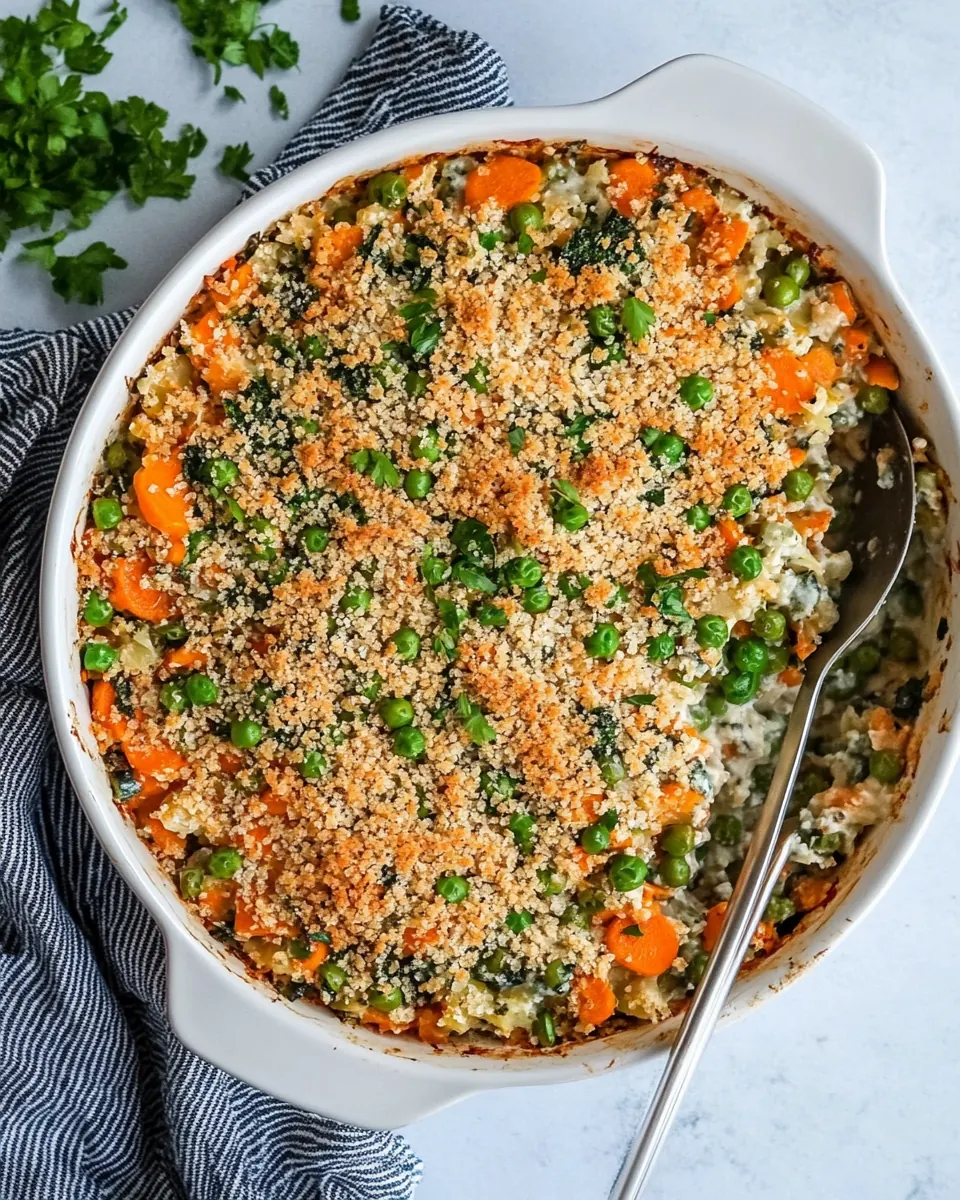
This short intro explains how small swaps and technique tweaks can adapt the dish to different preferences and available pantry items. Below I expand useful adjustments into practical, actionable tips to help you get the result you want every time.
- Adjusting creaminess: If you prefer a thicker filling, reduce the whole milk slightly and stir in an extra tablespoon of canned soup, tasting to balance seasoning. This increases body without changing flavor drastically.
- Topping texture: For more crunch, leave some larger bits when crushing the Ritz crackers. Larger pieces provide crispy islands that stay distinct after baking.
- Herb intensity: If you want a brighter herb profile, add a touch more oregano or thyme, but do so sparingly since dried herbs can become assertive when concentrated in a creamy mixture.
- Vegetable readiness: If your vegetables are especially firm, parboil the carrots for a few minutes before mixing, then drain and cool. This ensures even tenderness without overbaking the topping.
- Make ahead: Assemble the casserole and keep it covered in the refrigerator for up to 24 hours. Bring it to room temperature for about 20 minutes before baking so it heats evenly and prevents a cold center.
- Prevent sogginess: Avoid adding extra liquid from canned ingredients, and be sure to drain the canned peas. Excess water is the main culprit for a runny casserole.
How to Serve Vegetable Casserole
This casserole suits casual family dinners and holiday side dish spreads alike. Below, I outline serving ideas, pairings, and storage guidance to help you present and preserve the dish well.
- Family dinner: Serve slices straight from the baking dish alongside a simple green salad for a balanced meal that highlights the warm, creamy texture of the casserole.
- Potluck or buffet: Keep the casserole warm in a slow cooker on a low setting if possible, or place it on a trivet with a tea light underneath to maintain temperature during serving.
- Holiday side: This makes a comfortable addition to holiday spreads, pairing well with roasted mains and other vegetable sides without competing for attention.
- Lunch option: Enjoy leftover portions at lunch with crusty bread, using a quick crisp in a skillet to refresh the topping for texture contrast.
- Storage tip: Cool to room temperature, then refrigerate in an airtight container for up to three days. Reheat in a 350 degree oven until warmed through so the topping regains crispness.
- Make ahead serving: Assemble and refrigerate, then bake on the day of serving for a freshly crisp topping and warmed filling that tastes homemade and timely.
FAQ
Conclusion
What makes this Vegetable Casserole special is its straightforward assembly and comforting blend of creamy filling with a buttery, crunchy top. It feels like home in a single dish, delivering warm flavors and satisfying textures without demanding a lot of fuss. I encourage you to give it a try on a busy weeknight or for a casual gathering, because its ease and crowd pleasing nature make it a dependable addition to your recipe rotation. Whether you serve it as a main for a light meal or as a hearty side, it’s a recipe that reliably brings people to the table and invites second helpings.
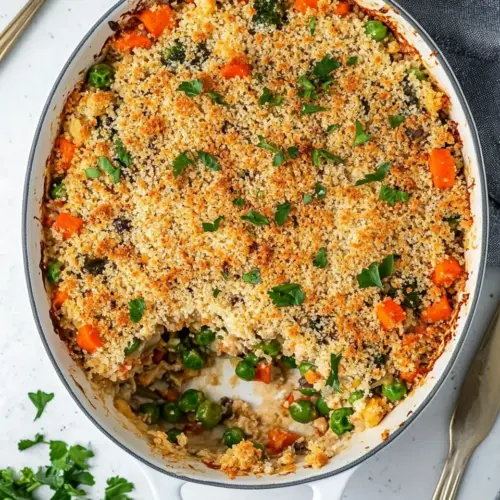
Vegetable Casserole
Equipment
- 9×13 baking dish
- Oven
- Large Bowl
- Ziplock bag
- Mixing Bowl
Ingredients
- 1 1/2 cups broccoli, chopped Chopped to provide texture and a fresh, slightly crisp bite that brightens the casserole. Adds vitamins, fiber, and a mild bitterness that balances richer components. Steams well within the dish, retaining color and structure.
- 1 1/2 cups carrots, sliced Sliced to introduce natural sweetness and a tender contrast to firmer vegetables. Contributes beta-carotene and moisture that helps maintain a cohesive casserole. Softens during baking and melds with the other flavors.
- 1 1/2 cups sliced mushrooms Sliced to deliver an earthy, umami depth and a meaty texture without overpowering the dish. Releases savory juices when cooked that enrich the casserole base. Complements the cream soup and herbs for savory balance.
- 1 can peas, 15 ounces drained Drained to add small tender bites and a pop of sweetness while contributing protein and fiber. Helps extend the vegetable mix and provides a soft texture that contrasts with firmer pieces. Easily distributes through the casserole for even flavor.
- 1/2 cup sliced green onions Sliced to give a mild oniony aroma and a delicate crunch when not overcooked. Offers fresh green color and a subtle sharpness that lifts the overall flavor profile. Blends into the casserole for layers of savory complexity.
- 1 can cream of mushroom soup, 10 ounces Used as a creamy binder and savory base that brings concentrated mushroom flavor and smoothness. Adds body and helps the casserole components adhere, creating a cohesive, saucy interior. Simplifies seasoning while contributing umami depth.
- 3/4 cup whole milk Added to thin and loosen the condensed soup, creating a creamy, pourable sauce that coats the vegetables. Contributes dairy richness and helps the casserole bake to a smooth consistency. Also mellows stronger seasonings for balance.
- 1 teaspoon garlic powder Sprinkled for concentrated garlic flavor that infuses the dish without fresh garlic preparation. Enhances overall savory notes and pairs well with herbs and mushrooms. Provides reliable, shelf-stable seasoning.
- 1/2 teaspoon oregano Used to impart a warm, slightly floral Mediterranean aroma that complements vegetables and mushrooms. Blends with thyme and garlic to create a layered herb profile. Adds subtle savory complexity without overwhelming the dish.
- 1/2 teaspoon thyme Added to offer a slightly minty, lemony note that brightens and elevates the herb blend. Works with oregano and garlic to create a well-rounded savory seasoning. Helps cut through the richness of the creamy base.
- salt and pepper to taste Used to adjust seasoning levels to taste, balancing and enhancing all other flavors in the casserole. Salt amplifies natural tastes while pepper adds mild heat and aromatic bite. Both are applied sparingly and adjusted at the end.
- 1 1/2 sleeves Ritz crackers, about 45 crackers Crushed into coarse crumbs to create a buttery, crunchy topping that contrasts the creamy interior. Provides a familiar, flaky texture and slight saltiness that complements the casserole. Helps form a golden, appealing crust when baked.
- 1/4 cup butter, melted Melted to bind the cracker topping and promote browning, adding rich dairy fat and a glossy finish. Contributes to crispness and flavor in the crust while enhancing mouthfeel. Pours over crumbs to ensure even coverage and toasty edges.
Instructions
- Preheat the oven to 350 degrees Fahrenheit and prepare a 9×13-inch baking dish by spraying it with nonstick cooking spray.: You will notice a warm, neutral scent as the oven reaches 350 degrees Fahrenheit , which creates the steady heat necessary for even baking. Preparing a 9×13-inch baking dish and coating it prevents sticking and helps the casserole slide out cleanly when it is done. This temperature encourages the cracker topping to brown without drying the filling too quickly. A common mistake is skipping the spray, which can make serving messy and tearing the casserole possible when scooping. Visual cue: the oven should be fully up to temperature before you insert the dish so the topping begins crisping right away.
- In a large bowl, mix together 1 1/2 cups broccoli, 1 1/2 cups carrots, 1 1/2 cups sliced mushrooms, 1 can peas, 1/2 cup sliced green onions, 1 can cream of mushroom soup, 3/4 cup whole milk, 1 teaspoon garlic powder, 1/2 teaspoon oregano, 1/2 teaspoon thyme, salt and pepper to taste.: As you combine these elements in a large bowl, you will feel the slightly cool, moist texture of the vegetables and hear soft movement as pieces tumble. The cream of mushroom soup and whole milk create a silky coating that binds the veggies, while the dried herbs release subtle fragrances when stirred. Stir thoroughly so each vegetable is enveloped, which ensures consistent flavor and even cooking. A common error here is under-mixing, leaving dry pockets of seasoning or soup, so fold until the mixture looks homogeneous and slightly glossy. Smell the mixture and adjust salt and pepper so it tastes lively before baking.
- Pour the mixed filling into the prepared baking dish.: The filling should glide into the 9×13-inch baking dish with a dense, creamy appearance. Spread it gently to an even thickness so every area cooks uniformly and the cracker topping sits flat. Running a spatula along the surface evens things out and prevents high or low spots that could overbrown or stay soupy. Avoid packing it down tightly, which can compress air pockets and produce a denser texture. Visually, the filling should look evenly spread and slightly glossy from the soup and milk.
- Add 1 1/2 sleeves Ritz crackers to a large ziplock bag and crush them until they are all evenly crumbled. Add the crushed crackers to a bowl with 1/4 cup butter, melted and stir to evenly coat all the crumbs in the butter.: When you crush the Ritz crackers you will hear a satisfying crunch and see a range of crumb sizes, which is ideal. Tossing them with the melted butter should produce an even, buttery scent and a texture that clumps lightly when pressed. The butter helps the crumbs brown and crisp rather than stay dry. A key tip is not to overwork the crumbs into dust; leaving some larger bits yields better crunch after baking. If the butter is not well mixed in, the topping can bake unevenly, creating greasy spots or paler areas.
- Spread the cracker topping evenly over the filling. Place the casserole into the oven and bake until the cracker crust is golden brown and everything is cooked through, about 30-40 minutes.: As the casserole bakes, the kitchen will fill with a warm, toasty aroma as the butter and crumbs brown and the filling begins to bubble. Visual cues are important here, watch for an even golden brown on the topping and gentle bubbling around the edges, which signals the filling has heated through. This bake time allows the vegetables to soften while the topping crisps. A common oversight is opening the oven repeatedly, causing temperature dips and uneven browning; try to check only once near the end of the bake. If the topping browns too quickly, loosely tent with foil to allow the center to finish cooking without burning the crust.
- Remove from the oven, allow the casserole to cool for a few minutes before serving.: Once out of the oven, you will see steam rising and hear a faint sizzling as residual heat settles. Let it rest so the filling firms slightly and is easier to portion, which also lets flavors meld. Serving immediately can lead to a runnier texture and hotter splashes, so patience yields neater slices. If you cut into it too soon, the filling may spill and the topping can separate from the base, so wait until it has settled just a bit. The final visual should show a golden, crisp topping with pockets of creamy filling beneath.
Notes
- Adjusting creaminess: If you prefer a thicker filling, reduce the whole milk slightly and stir in an extra tablespoon of canned soup, tasting to balance seasoning. This increases body without changing flavor drastically.
- Topping texture: For more crunch, leave some larger bits when crushing the Ritz crackers. Larger pieces provide crispy islands that stay distinct after baking.
- Herb intensity: If you want a brighter herb profile, add a touch more oregano or thyme, but do so sparingly since dried herbs can become assertive when concentrated in a creamy mixture.
- Vegetable readiness: If your vegetables are especially firm, parboil the carrots for a few minutes before mixing, then drain and cool. This ensures even tenderness without overbaking the topping.
- Make ahead: Assemble the casserole and keep it covered in the refrigerator for up to 24 hours. Bring it to room temperature for about 20 minutes before baking so it heats evenly and prevents a cold center.
- Prevent sogginess: Avoid adding extra liquid from canned ingredients, and be sure to drain the canned peas. Excess water is the main culprit for a runny casserole.
