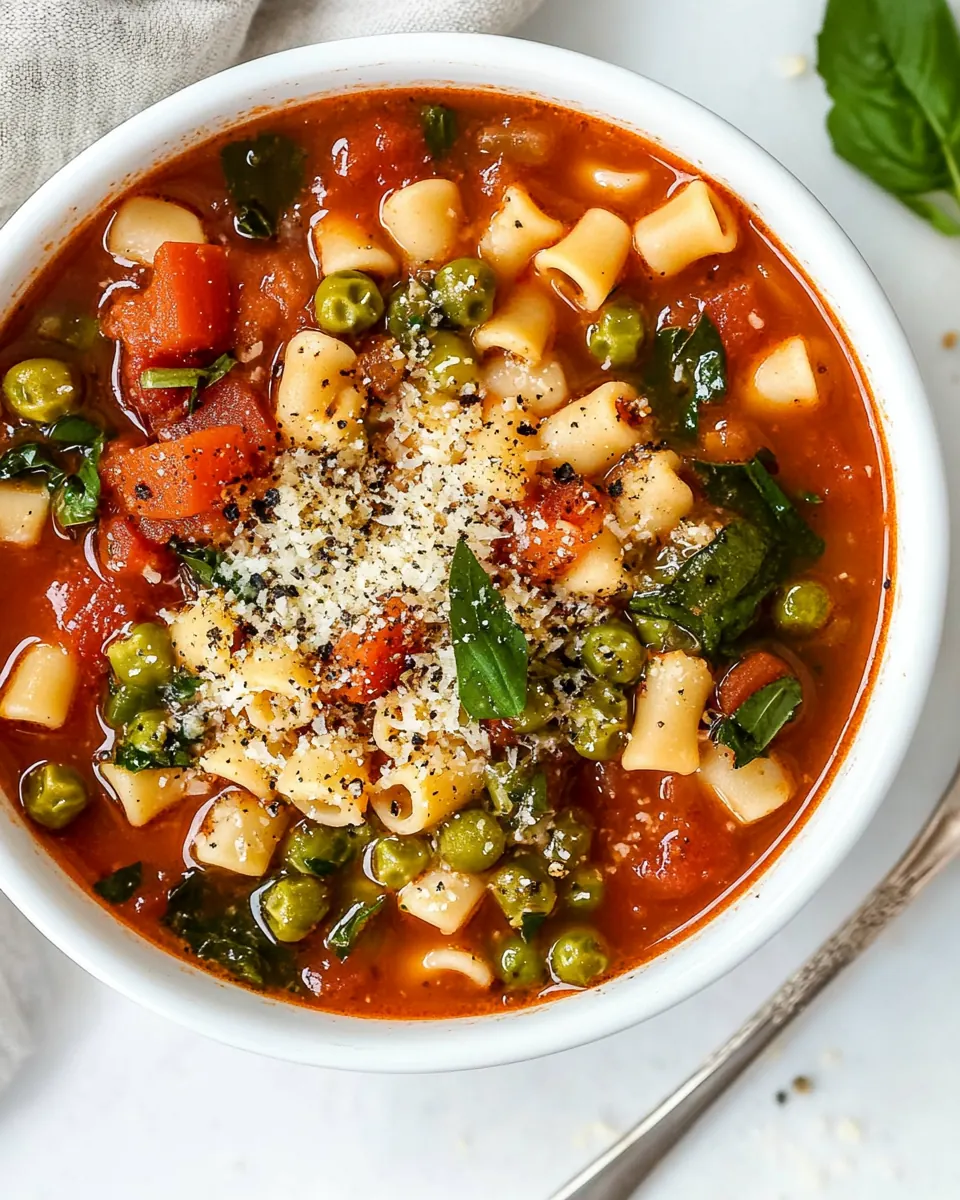
Olive Garden Minestrone Soup
Olive Garden Minestrone Soup has always been the bowl I reach for when I want something honest, warming, and full of texture. The first time I recreated this soup at home I remember the comforting aroma of garlic and simmering tomatoes filling the kitchen, and how the combination of beans and tiny pasta made each spoonful substantial yet light. That initial batch convinced me that a restaurant classic can become a weeknight staple without fuss.
The memory that keeps me coming back is not just about taste, it is about the ritual. I enjoy chopping the onion, celery, and carrots, listening for that faint sizzle as they hit the hot pan. Stirring in the crushed tomatoes and the broth, then watching the pot settle into a steady simmer, feels like a small act of care. Over the years I have learned little instincts, like when the spinach needs to go in so it stays bright but not wilted to nothing.
What I love most is how adaptable the recipe is. You can make it exactly as written and be thrilled, or tweak the pasta shape or the beans based on what you have. I like to think of this as a friendly, forgiving soup that rewards attention but forgives shortcuts. It is the sort of bowl I serve on chilly evenings, when we linger a little longer at the table and talk about the day.
Recipe Snapshot
45 mins
10 mins
35 mins
Medium
150 kcal
Italian
Vegan, Gluten-Free
Soups
Large saucepan, Soup pot, Ladle
Why This Olive Garden Minestrone Soup Shines
Comforting, yet wholesome
I love Olive Garden Minestrone Soup because it combines heartiness with freshness. The beans and pasta make it filling, while the fresh baby spinach and zucchini keep it bright. It is a bowl that satisfies without feeling heavy, which is why I turn to it when we want something nourishing and easy to eat on a weeknight.
Layered flavors from simple steps
Every time I sauté the onion, celery, and carrots I notice how the base sweetens and deepens. Adding garlic for the last thirty seconds preserves its aroma rather than turning it bitter. The crushed tomatoes and dried herbs build a cozy backbone, while the broth ties everything together. It is a great example of how small, intentional steps create significant flavor payoff.
Very pantry friendly
I appreciate that Olive Garden Minestrone Soup mainly uses pantry staples like canned beans and crushed tomatoes. That makes it a convenient go to when the fridge looks sparse. The recipe is forgiving, so if you have different small pasta or mixed beans, you can adapt without losing the essence of the soup. This practicality makes it a dependable choice for busy evenings.
Textural joy in every spoonful
The mix of tender cooked vegetables, soft but slightly chewy pasta, and creamy beans gives each bite contrast. I love that you get a little of everything in one mouthful, from the gentle snap of green beans to the silky spinach. These contrasts keep the soup interesting bowl after bowl.
Easy to scale and serve
Finally, I like how straightforward it is to scale this soup up for guests or keep it small for two. The recipe is reassuringly predictable, and it reheats wonderfully. I often make a big pot and find the flavors deepen the next day, making it a great candidate for leftovers.
Ingredients You’ll Need for Olive Garden Minestrone Soup
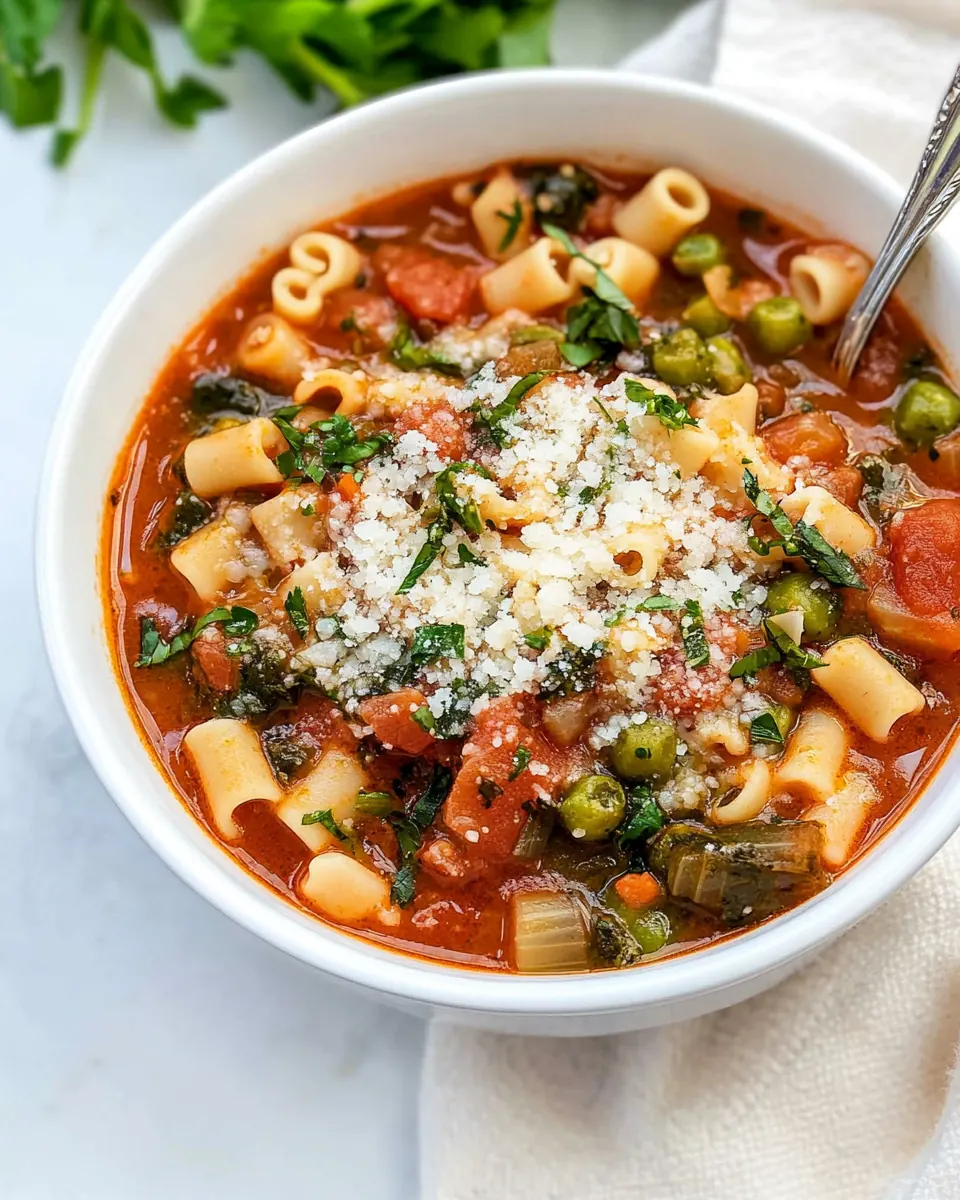
These ingredients work in harmony to create a classic minestrone. The foundation is a savory mirepoix of onion, celery, and carrots, which provides sweetness and depth. Canned tomatoes and vegetable broth form the comforting liquid base, while the beans and pasta provide texture and substance. Fresh spinach and herbs brighten the soup at the end.
- 1 tablespoons olive oil: Sauté in a skillet to provide a fragrant, flavorful fat that helps soften aromatics and prevent sticking while building the soup base; adds fruitiness and richness that complements vegetables.
- 1 small onion, chopped: Sweat until translucent to release natural sugars and form the aromatic foundation of the soup; contributes mild sweetness and texture when softened and chopped into bite-sized pieces.
- 2 ribs celery, chopped: Chop finely and cook with onions to add a subtle, savory crunch and vegetal depth; contributes moisture and aromatic complexity that balances sweeter root vegetables.
- 2 carrots, chopped: Dice and simmer to contribute natural sweetness, body, and a tender bite that enhances the soup's hearty character; also helps thicken the broth slightly as it breaks down.
- 1 small zucchini, chopped: Cube and add toward the middle of cooking for a mild, slightly sweet flavor and tender texture that complements other vegetables; absorbs broth flavors while retaining some firmness.
- 3 cloves garlic, minced: Mince and sauté briefly to release pungent, savory oils that deepen overall aroma and flavor; provides a bright, garlicky note that lifts the soup's profile.
- 5 1/2 cups vegetable broth: Pour as the liquid base to simmer the vegetables and pasta, carrying flavors and creating the soup's broth; contributes saltiness and depth if using a seasoned variety.
- 1 (28 oz) can crushed tomatoes: Add canned crushed tomatoes to create a rich, slightly acidic tomato base that provides body, color, and umami; helps balance sweetness from the vegetables and herbs.
- 1 cup fresh or frozen cut green beans: Include fresh or frozen cut green beans to add a crisp-tender texture and mild grassy flavor; contributes color and vegetable variety that complements the soup's medley.
- 1 (15 oz) can red kidney beans, drained: Drain and rinse before adding to the pot to provide creamy texture, protein, and fiber; offers hearty, savory notes and helps make the soup more filling.
- 1 (15 oz) can small white beans, drained: Drain and rinse to contribute tender, starchy bites and mild flavor with added protein and fiber; balances other textures and strengthens the soup's substance.
- 1 teaspoon dried oregano: Sprinkle in dried oregano to impart warm, slightly bitter herbal notes and Mediterranean character; pairs well with tomato and vegetable flavors.
- 1/2 teaspoon dried basil: Add dried basil for sweet, slightly peppery herbaceousness that complements tomatoes and greens; enhances aromatic complexity and blends smoothly with other seasonings.
- 1/4 teaspoon dried thyme: Stir in dried thyme to lend subtle earthy, slightly minty undertones that reinforce savory depth; works well with beans, vegetables, and broth.
- 1 teaspoons salt: Season early to ensure even distribution of saltiness and to enhance natural flavors across the soup; helps draw out moisture from vegetables and balance acidity.
- 1/2 teaspoon black pepper: Grind or sprinkle black pepper to add a gentle heat and aromatic bite that brightens flavors; used sparingly to avoid overpowering delicate vegetables.
- 3 cups fresh baby spinach: Toss in toward the end of cooking to provide fresh, tender leafy texture and a mild, slightly bitter green flavor; wilts quickly and boosts nutritional value.
- 1/2 cup small pasta, I used ditalini: Cook separately or in the soup to add satisfying, chewy bites that provide carbohydrate structure; small shapes like ditalini cook quickly and hold well in broth.
- toppings: parmesan cheese, red pepper flakes or croutons (optional): Sprinkle or serve on the side to offer optional salty, spicy, or crunchy finishing touches that enhance texture and flavor; allows personalization with cheese, heat, or crunch.
Making This Olive Garden Minestrone Soup
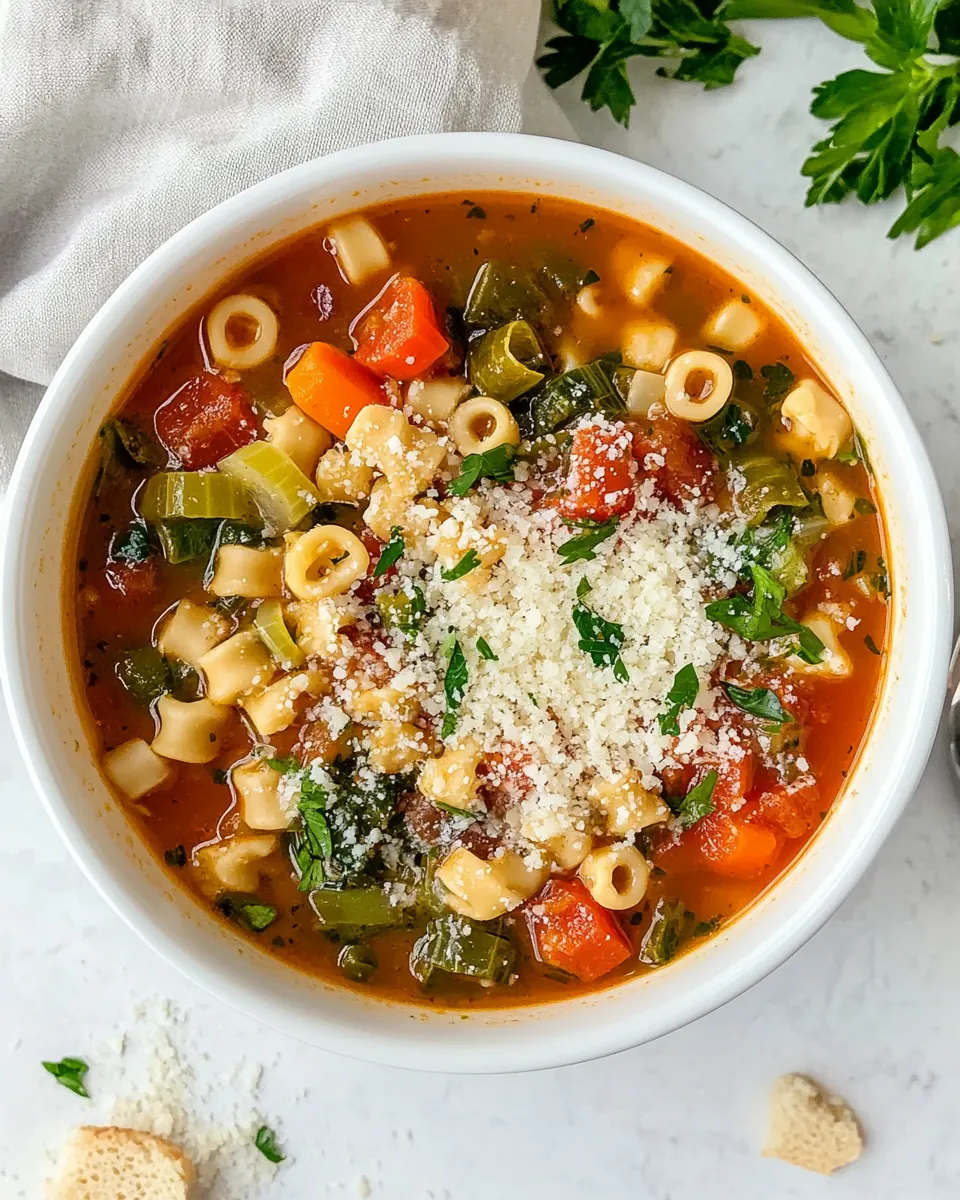
I like to treat the cooking process as a relaxed conversation with the pot. Start by building a flavorful base, then let gentle simmering bring the flavors together. Keep an eye on the pasta so it is tender but intact. Below are the cleaned steps from the original directions, expanded into personal, sensory driven guidance to help you get it right.
- Heat olive oil in a large saucepan or soup pot over medium high heat and sauté onion, celery, carrots and zucchini until softened, about 5 minutes. Then add in the garlic and sauté for an additional 30 seconds.: The pan should give a soft sizzle as the olive oil warms, and the aroma of the onion will shift from sharp to sweet as it becomes translucent. You will notice the vegetables start to glisten and reduce in size, and the sound will settle into a gentle bubbling rather than aggressive frying. This step matters because it develops the sweet, savory base that supports the entire soup, creating complexity that canned broth alone cannot provide. A common mistake is using too high heat, which causes the edges to brown quickly and can introduce bitterness. Keep the heat moderate to encourage even softening, and stir every minute or so to ensure the carrots and celery cook uniformly. If your pan seems too dry, add a splash more olive oil , but avoid crowding the pot which can steam rather than sauté the vegetables.
- Next add in the vegetable broth, crushed tomatoes, beans, and seasonings. Bring to a boil, then reduce heat, cover and let the soup to simmer for about 20 minutes.: At this point the pot should be perfumed with sweet vegetable aromas, and when you add the minced garlic you will get an immediate fragrant burst. The tiny pieces of garlic will sizzle briefly and become glossy, releasing volatile oils that elevate the whole dish. This quick sauté preserves the garlics bright, aromatic quality while preventing it from turning bitter. The reason to do this at the end of the sauté is to avoid overcooking, which produces an unpleasant, burnt flavor. Keep stirring, and as soon as the garlic becomes fragrant, move to the next step; lingering too long is the most frequent error here.
- Add in the baby spinach leaves and pasta, cooking for an additional 10 minutes. Top with parmesan cheese, serve and enjoy!: When you pour in the vegetable broth and the crushed tomatoes , the pan will go from glossy to a full, simmering surface. The steam will carry a vivid tomato scent layered with herbs. Adding the canned beans now allows them to absorb some of the broth and heat through evenly. The dried oregano , basil , and thyme should be sprinkled in so their flavors bloom into the liquid over time. This step is key because simmering melds the disparate ingredients into a cohesive whole rather than a collection of separate flavors. A common oversight is adding salt too early or too generously, which can concentrate as the soup reduces. Add measured salt and taste later, adjusting after simmering.
- Bring to a boil, then reduce heat, cover and let the soup to simmer for about 20 minutes: You will see the pot bubble more vigorously as it reaches a boil, with small rolling waves breaking the surface. Reducing the heat to a gentle simmer and covering the pot lets flavors marry in a controlled way, and the steam trapped under the lid helps the vegetables become fully tender. The simmer should be steady but not violent, with occasional small bubbles rising. This slow melding is what deepens taste, so be patient and resist the urge to crank the heat, which can toughen vegetables and evaporate liquid too quickly. If the soup seems too active, lower the heat further, and if it looks too still, nudge it up slightly. Avoid prolonged boiling, which can break down textures.
- Add in the baby spinach leaves and pasta, cooking for an additional 10 minutes: When you stir in the fresh baby spinach , you will see it wilt almost immediately into feathery green pockets that soften into the broth. Adding the small pasta like ditalini at this point allows it to cook to a tender but not mushy state during the remaining ten minutes. The smell will brighten as the spinach integrates and the pasta gives a subtle, comforting starchiness to the broth. This timing is deliberate to keep the spinach vibrant and the pasta at the right bite, because if the pasta cooks too long it will disintegrate and turn the soup gummy. Stir gently to avoid breaking the beans, and taste the pasta near the end of cooking to achieve the perfect al dente balance.
- Top with parmesan cheese, serve and enjoy!: The final flourish of optional parmesan cheese provides a salty, savory finish that lifts the whole bowl. When you sprinkle it on top, you will see a faint sheen and taste a richer savory note that complements the tomato broth. Serving while still steaming hot encourages the aromas to be at their peak, and adding a pinch of red pepper flakes or a few crunchy croutons can introduce heat or textural contrast. The key mistake here is waiting too long to serve, which causes the pasta to continue absorbing broth and the spinach to collapse. Serve promptly for the best texture and flavor contrast.
Helpful Hints
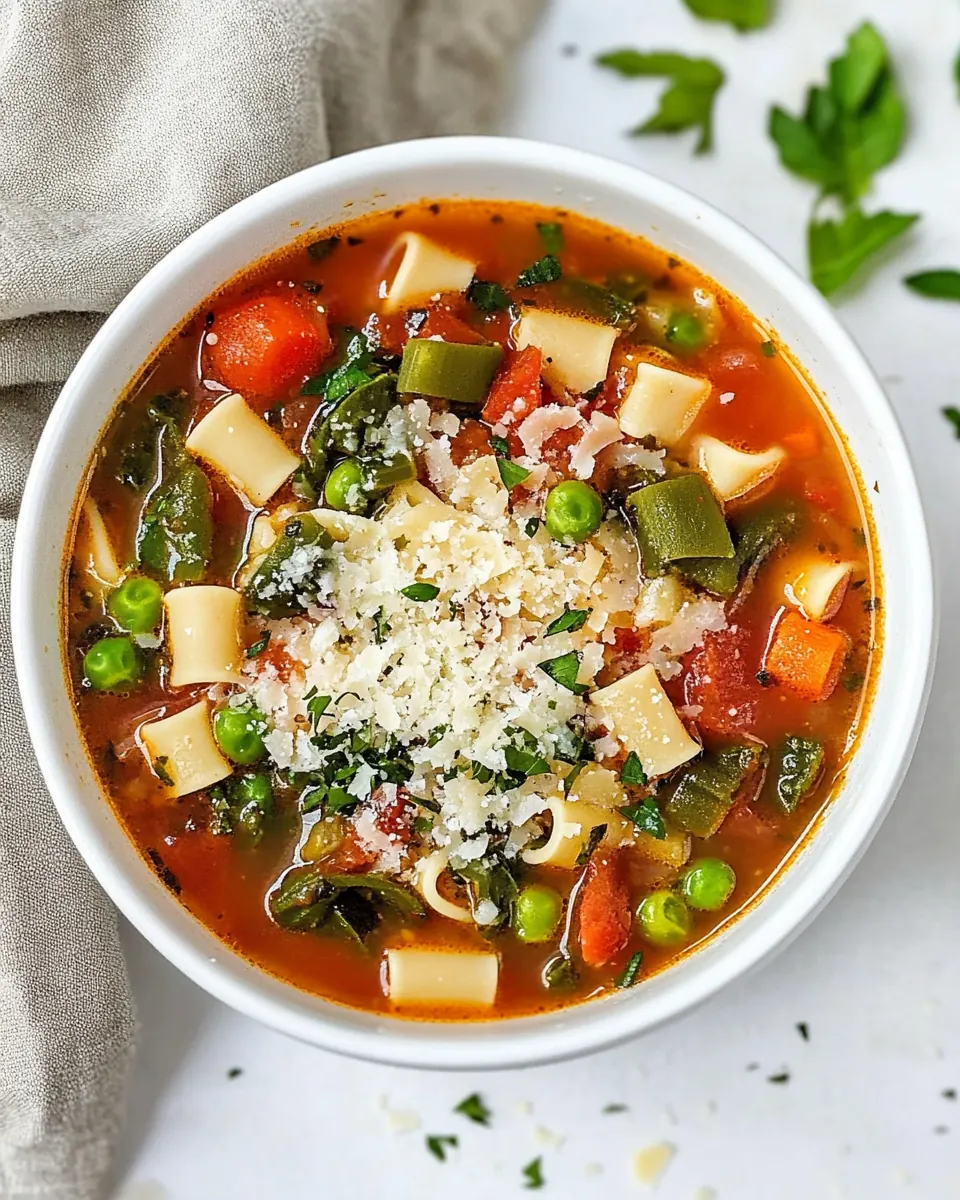
These tips will help you get the most from Olive Garden Minestrone Soup. I have expanded each point into practical advice so you can adapt the recipe confidently. Each tip highlights a technique or small choice that affects texture, flavor, or ease of preparation.
- Choose a good broth Use a flavorful vegetable broth as the backbone of the soup, since it influences the overall depth. If your broth is weak, the soup will taste flat even if other components are good. Consider simmering the broth briefly with a bay leaf if you have one on hand.
- Mind the sauté Keep the heat at medium high when you start, then lower if the vegetables brown too quickly. Even, gentle sautéing creates sweet, caramelized notes that deepen the final flavor. Stir every minute to avoid hot spots.
- Prep in advance Chop your onion, celery, carrots, and zucchini ahead of time to streamline the cooking flow. This makes the process calmer and reduces the chance of overcooking the garlic when you add it at the end of the sauté.
- Salt cautiously Add initial salt sparingly, then adjust after simmering. The canned beans and crushed tomatoes sometimes contain sodium that becomes more pronounced as the soup reduces.
- Rinse canned beans Always drain and rinse the red kidney beans and small white beans to remove the canning liquid, which can add unwanted flavors and extra sodium.
- Keep pasta separate for leftovers If you plan to store leftovers, consider cooking the pasta separately and adding it to individual bowls when serving to preserve texture and avoid gummy reheated pasta.
- Brighten with garnish A sprinkle of parmesan cheese or a pinch of red pepper flakes just before serving elevates the flavors and adds an attractive finishing touch.
Serving This Olive Garden Minestrone Soup
When it comes to serving Olive Garden Minestrone Soup, presentation and pairings can enhance the experience. Serve it hot in deep bowls, and consider a few simple accompaniments to make the meal more rounded. The notes below cover occasions, side pairings, storage advice, and seasonal ideas.
- Family dinner Serve alongside crusty bread so guests can soak up the broth; this makes the meal feel complete without adding heavy sides.
- Weeknight comfort This soup works perfectly as an easy weeknight dinner, especially when you want a one pot meal that feels nourishing and requires minimal cleanup.
- Light lunch Offer a small green salad with a bright vinaigrette for contrast, keeping the meal balanced yet satisfying.
- Ramadan or fasting evenings Its warming, nourishing qualities make it a gentle option to break a fast, offering hydration and nutrients without heaviness.
- Make ahead and storage Store in an airtight container in the refrigerator for up to three days; reheat gently and consider adding freshly cooked pasta if the stored pasta has absorbed too much liquid.
- Freezing The soup freezes well without the pasta; freeze in portions and add pasta when reheating to maintain texture.
- Seasonal pairings In winter, pair with roasted root vegetables or a simple grain salad. In spring, a bright citrusy side salad lifts the tomato base.
- Presentation tip Ladle into warm bowls and finish with a small pinch of parmesan cheese and a crack of black pepper for an inviting look and balanced flavor.
- Occasion This soup is flexible enough for casual family meals, cozy nights in, or feeding a small group, making it an adaptable choice for many situations.
- Serving temperature Serve hot to enjoy the aromas and textures at their best; if the soup cools, reheat gently to avoid over reducing the broth.
FAQ
Conclusion
This soup stands out because it balances hearty ingredients with fresh brightness, creating a satisfying bowl that is both comforting and nourishing. Try making Olive Garden Minestrone Soup on a chilly evening to enjoy its layered flavors and easy adaptability. Give it a go, and you may find it becoming a go to for simple, flavorful meals that reheat beautifully and please a crowd.

Olive Garden Minestrone Soup
Equipment
- Large saucepan
- Soup pot
- Ladle
Ingredients
- 1 tablespoons olive oil Sauté in a skillet to provide a fragrant, flavorful fat that helps soften aromatics and prevent sticking while building the soup base; adds fruitiness and richness that complements vegetables.
- 1 small onion, chopped Sweat until translucent to release natural sugars and form the aromatic foundation of the soup; contributes mild sweetness and texture when softened and chopped into bite-sized pieces.
- 2 ribs celery, chopped Chop finely and cook with onions to add a subtle, savory crunch and vegetal depth; contributes moisture and aromatic complexity that balances sweeter root vegetables.
- 2 carrots, chopped Dice and simmer to contribute natural sweetness, body, and a tender bite that enhances the soup's hearty character; also helps thicken the broth slightly as it breaks down.
- 1 small zucchini, chopped Cube and add toward the middle of cooking for a mild, slightly sweet flavor and tender texture that complements other vegetables; absorbs broth flavors while retaining some firmness.
- 3 cloves garlic, minced Mince and sauté briefly to release pungent, savory oils that deepen overall aroma and flavor; provides a bright, garlicky note that lifts the soup's profile.
- 5 1/2 cups vegetable broth Pour as the liquid base to simmer the vegetables and pasta, carrying flavors and creating the soup's broth; contributes saltiness and depth if using a seasoned variety.
- 1 (28 oz) can crushed tomatoes Add canned crushed tomatoes to create a rich, slightly acidic tomato base that provides body, color, and umami; helps balance sweetness from the vegetables and herbs.
- 1 cup fresh or frozen cut green beans Include fresh or frozen cut green beans to add a crisp-tender texture and mild grassy flavor; contributes color and vegetable variety that complements the soup's medley.
- 1 (15 oz) can red kidney beans, drained Drain and rinse before adding to the pot to provide creamy texture, protein, and fiber; offers hearty, savory notes and helps make the soup more filling.
- 1 (15 oz) can small white beans, drained Drain and rinse to contribute tender, starchy bites and mild flavor with added protein and fiber; balances other textures and strengthens the soup's substance.
- 1 teaspoon dried oregano Sprinkle in dried oregano to impart warm, slightly bitter herbal notes and Mediterranean character; pairs well with tomato and vegetable flavors.
- 1/2 teaspoon dried basil Add dried basil for sweet, slightly peppery herbaceousness that complements tomatoes and greens; enhances aromatic complexity and blends smoothly with other seasonings.
- 1/4 teaspoon dried thyme Stir in dried thyme to lend subtle earthy, slightly minty undertones that reinforce savory depth; works well with beans, vegetables, and broth.
- 1 teaspoons salt Season early to ensure even distribution of saltiness and to enhance natural flavors across the soup; helps draw out moisture from vegetables and balance acidity.
- 1/2 teaspoon black pepper Grind or sprinkle black pepper to add a gentle heat and aromatic bite that brightens flavors; used sparingly to avoid overpowering delicate vegetables.
- 3 cups fresh baby spinach Toss in toward the end of cooking to provide fresh, tender leafy texture and a mild, slightly bitter green flavor; wilts quickly and boosts nutritional value.
- 1/2 cup small pasta, I used ditalini Cook separately or in the soup to add satisfying, chewy bites that provide carbohydrate structure; small shapes like ditalini cook quickly and hold well in broth.
- Optional toppings: parmesan cheese, red pepper flakes or croutons Sprinkle or serve on the side to offer optional salty, spicy, or crunchy finishing touches that enhance texture and flavor; allows personalization with cheese, heat, or crunch.
Instructions
- Heat olive oil in a large saucepan or soup pot over medium high heat and sauté onion, celery, carrots and zucchini until softened, about 5 minutes. Then add in the garlic and sauté for an additional 30 seconds.: The pan should give a soft sizzle as the olive oil warms, and the aroma of the onion will shift from sharp to sweet as it becomes translucent. You will notice the vegetables start to glisten and reduce in size, and the sound will settle into a gentle bubbling rather than aggressive frying. This step matters because it develops the sweet, savory base that supports the entire soup, creating complexity that canned broth alone cannot provide. A common mistake is using too high heat, which causes the edges to brown quickly and can introduce bitterness. Keep the heat moderate to encourage even softening, and stir every minute or so to ensure the carrots and celery cook uniformly. If your pan seems too dry, add a splash more olive oil , but avoid crowding the pot which can steam rather than sauté the vegetables.
- Next add in the vegetable broth, crushed tomatoes, beans, and seasonings. Bring to a boil, then reduce heat, cover and let the soup to simmer for about 20 minutes.: At this point the pot should be perfumed with sweet vegetable aromas, and when you add the minced garlic you will get an immediate fragrant burst. The tiny pieces of garlic will sizzle briefly and become glossy, releasing volatile oils that elevate the whole dish. This quick sauté preserves the garlics bright, aromatic quality while preventing it from turning bitter. The reason to do this at the end of the sauté is to avoid overcooking, which produces an unpleasant, burnt flavor. Keep stirring, and as soon as the garlic becomes fragrant, move to the next step; lingering too long is the most frequent error here.
- Add in the baby spinach leaves and pasta, cooking for an additional 10 minutes. Top with parmesan cheese, serve and enjoy!: When you pour in the vegetable broth and the crushed tomatoes , the pan will go from glossy to a full, simmering surface. The steam will carry a vivid tomato scent layered with herbs. Adding the canned beans now allows them to absorb some of the broth and heat through evenly. The dried oregano , basil , and thyme should be sprinkled in so their flavors bloom into the liquid over time. This step is key because simmering melds the disparate ingredients into a cohesive whole rather than a collection of separate flavors. A common oversight is adding salt too early or too generously, which can concentrate as the soup reduces. Add measured salt and taste later, adjusting after simmering.
- Bring to a boil, then reduce heat, cover and let the soup to simmer for about 20 minutes: You will see the pot bubble more vigorously as it reaches a boil, with small rolling waves breaking the surface. Reducing the heat to a gentle simmer and covering the pot lets flavors marry in a controlled way, and the steam trapped under the lid helps the vegetables become fully tender. The simmer should be steady but not violent, with occasional small bubbles rising. This slow melding is what deepens taste, so be patient and resist the urge to crank the heat, which can toughen vegetables and evaporate liquid too quickly. If the soup seems too active, lower the heat further, and if it looks too still, nudge it up slightly. Avoid prolonged boiling, which can break down textures.
- Add in the baby spinach leaves and pasta, cooking for an additional 10 minutes: When you stir in the fresh baby spinach , you will see it wilt almost immediately into feathery green pockets that soften into the broth. Adding the small pasta like ditalini at this point allows it to cook to a tender but not mushy state during the remaining ten minutes. The smell will brighten as the spinach integrates and the pasta gives a subtle, comforting starchiness to the broth. This timing is deliberate to keep the spinach vibrant and the pasta at the right bite, because if the pasta cooks too long it will disintegrate and turn the soup gummy. Stir gently to avoid breaking the beans, and taste the pasta near the end of cooking to achieve the perfect al dente balance.
- Top with parmesan cheese, serve and enjoy!: The final flourish of optional parmesan cheese provides a salty, savory finish that lifts the whole bowl. When you sprinkle it on top, you will see a faint sheen and taste a richer savory note that complements the tomato broth. Serving while still steaming hot encourages the aromas to be at their peak, and adding a pinch of red pepper flakes or a few crunchy croutons can introduce heat or textural contrast. The key mistake here is waiting too long to serve, which causes the pasta to continue absorbing broth and the spinach to collapse. Serve promptly for the best texture and flavor contrast.
Notes
- Choose a good broth Use a flavorful vegetable broth as the backbone of the soup, since it influences the overall depth. If your broth is weak, the soup will taste flat even if other components are good. Consider simmering the broth briefly with a bay leaf if you have one on hand.
- Mind the sauté Keep the heat at medium high when you start, then lower if the vegetables brown too quickly. Even, gentle sautéing creates sweet, caramelized notes that deepen the final flavor. Stir every minute to avoid hot spots.
- Prep in advance Chop your onion, celery, carrots, and zucchini ahead of time to streamline the cooking flow. This makes the process calmer and reduces the chance of overcooking the garlic when you add it at the end of the sauté.
- Salt cautiously Add initial salt sparingly, then adjust after simmering. The canned beans and crushed tomatoes sometimes contain sodium that becomes more pronounced as the soup reduces.
- Rinse canned beans Always drain and rinse the red kidney beans and small white beans to remove the canning liquid, which can add unwanted flavors and extra sodium.
- Keep pasta separate for leftovers If you plan to store leftovers, consider cooking the pasta separately and adding it to individual bowls when serving to preserve texture and avoid gummy reheated pasta.
- Brighten with garnish A sprinkle of parmesan cheese or a pinch of red pepper flakes just before serving elevates the flavors and adds an attractive finishing touch.