Fresh Spring Rolls
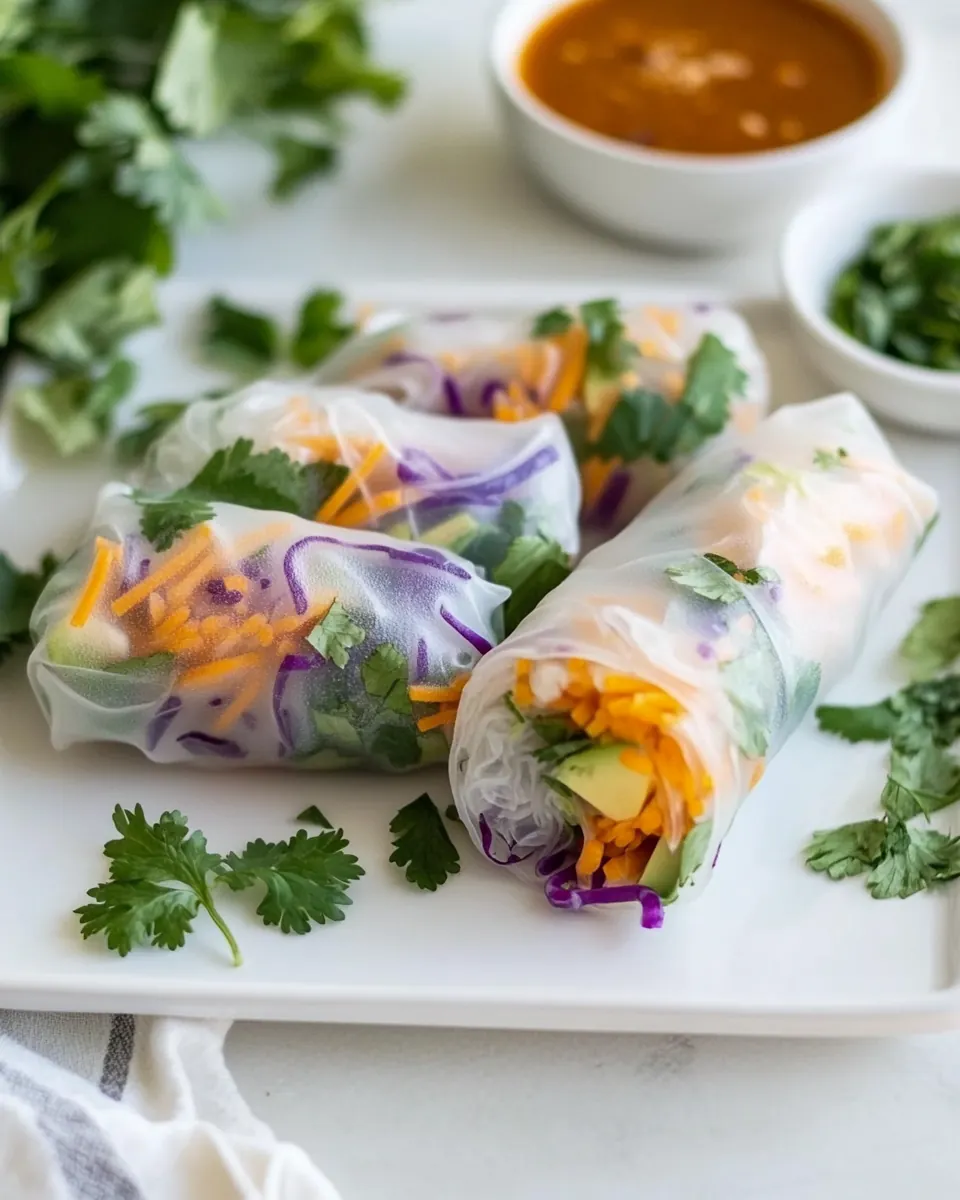
Fresh Spring Rolls are one of those recipes I return to whenever I crave something light, bright, and a little bit playful.
Growing up, my family had a tiny backyard garden where mint and basil grew in cheerful chaos, and I remember sneaking handfuls of herbs while my mom soaked rice wrappers at the sink. Those afternoons taught me to love the contrast between crisp vegetables and silky rice noodles, the way a wedge of mango brings a sunny sweetness, and how a simple dipping sauce can pull everything together. When I make Fresh Spring Rolls now, I think about those sunlit counters, the chatter of friends around me, and the calming rhythm of assembling each roll one by one.
I like to organize my ingredients like a little production line, so guests can join in, rolling and tasting. It feels social and calm at the same time, and the rolls are forgiving, so even a beginner can leave the table proud. You get crunchy cucumber, tender vermicelli rice noodles, fragrant herbs, juicy mango, and savory shrimp or chicken tucked inside paper thin wrappers. Each bite is layered, balanced, and fresh, and I always make a double batch of sauce because that is where the magic lives.
Recipe Snapshot
25 mins
20 mins
5 mins
Medium
150 kcal
Asian
Low FODMAP, Gluten-Free
Appetizers
Large pot, Colander, Large shallow dish or pie pan, Food processor or blender
The Magic of This Fresh Spring Rolls
Vibrant Freshness in Every Bite
I adore how Fresh Spring Rolls deliver immediate freshness. The combination of crisp cucumber, bright mango, and fragrant herbs creates a lively mouthfeel, so even a small serving feels satisfying.
Customizable and Crowd Friendly
One reason I keep coming back to these rolls is flexibility. You can use shrimp or swap for chicken if you prefer, and guests can choose fillings. That makes them perfect for casual gatherings where people like to personalize their plates.
Light but Filling
These rolls strike a rare balance. They are light enough for a warm day, but with vermicelli rice noodles and protein from shrimp or chicken, they fill you up without weighing you down. I often serve them as a main course for a relaxed lunch.
Fast to Assemble
From prep to plate, Fresh Spring Rolls move quickly. If you prep toppings ahead, the actual rolling goes fast, which is why I recommend them for last minute entertaining. They are also forgiving, so slight variations in technique are fine.
Healthy and Colorful
Every element plays a role. Herbs add aroma, mango brings natural sweetness, the sauce ties flavors together, and the rice wrapper keeps things light. I love handing these to friends and watching them smile at the first crunchy, herbaceous bite.
Ingredients to Make Fresh Spring Rolls
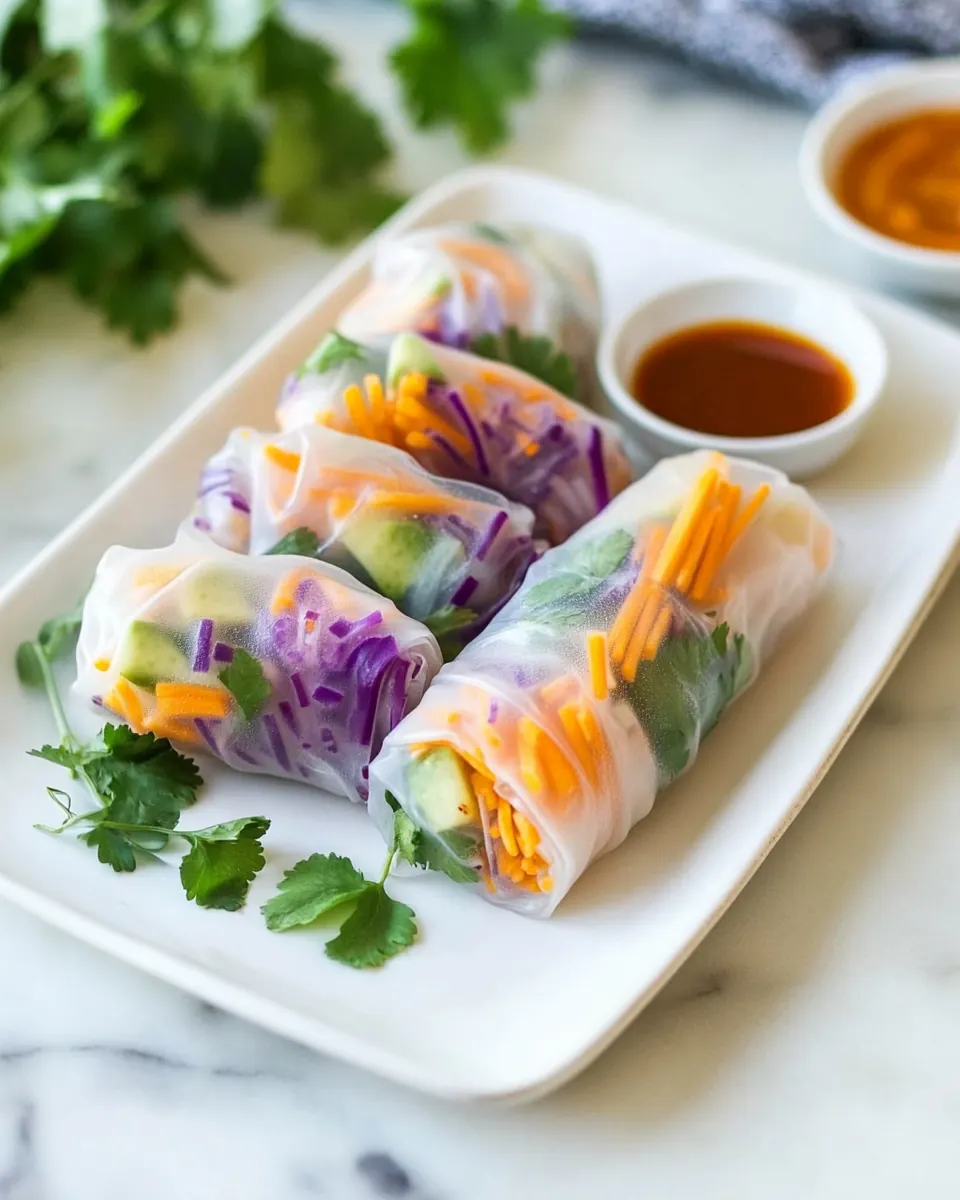
These ingredients form a harmony of textures and flavors. The rice wrappers act as a delicate vessel, while the vermicelli noodles add a soft, comforting base. Fresh herbs and crisp vegetables create brightness, and the protein provides substance. The sauces pull everything together, balancing sweet, salty, and nutty notes. Together, they make rolls that are both elegant and approachable.
- 1 package spring roll rice wrappers, found in the Asian foods section at the grocery store: Soften quickly in warm water to create pliable wrappers for rolling; handle gently to avoid tearing and keep covered with a damp towel during assembly to prevent drying. Provide the tender, translucent outer layer that holds fillings together and showcases the colorful ingredients inside.
- 1 package vermicelli rice noodles, found in the Asian foods section at the grocery store: Cook briefly until al dente and rinse under cold water to stop cooking and prevent sticking; drain well before assembling to avoid soggy rolls. Add a light, neutral base that soaks up dressings and pairs well with herbs and proteins.
- 2 mangos, peeled and sliced into thin strips: Peel and slice into thin strips to add juicy, sweet fruitiness and bright color to each roll; keep slices uniform for even bites and attractive presentation. Contribute a refreshing, tropical contrast to savory proteins and spicy sauces.
- 1 large carrot, peeled and shredded or sliced into thin strips: Peel and shred or slice into thin strips to deliver crunchy texture and a mildly sweet, earthy flavor; toss lightly with a pinch of salt or lime to enhance freshness if desired. Provide structural crunch that balances softer components inside the roll.
- 1 large English cucumber, peeled and thinly sliced: Peel and thinly slice lengthwise for crisp, cooling slices that add a clean, watery crunch and subtle freshness; remove seeds if overly watery to avoid soggy rolls. Offer a hydrating element that complements herbs and tropical fruit.
- 1 pound small, cooked shrimp, deveined, tails removed, or substitute chicken: Use small, cooked shrimp with tails removed for convenient, bite-sized protein; alternatively substitute cooked chicken if preferred and season lightly before assembling. Supply savory, tender protein and a slightly sweet seafood flavor that pairs well with herbs and dipping sauces.
- 1 bunch fresh mint leaves: Strip leaves from stems and use whole or torn for bursts of bright, cooling flavor; rinse and pat dry to remove excess moisture before rolling. Introduce a menthol-like freshness that lifts the other flavors and adds aromatic complexity.
- 1 bunch fresh basil leaves: Select tender basil leaves and use whole to contribute sweet, peppery, and slightly anise-like notes; tear larger leaves for easier rolling and to release aroma. Impart herbal depth and an aromatic, slightly spicy lift to the rolls.
- 1 bunch fresh cilantro: Rinse and chop lightly if desired, using leaves and tender stems to add citrusy, slightly peppery brightness; remove thicker stems for smoother rolls. Bring a fragrant, zesty herbal dimension that enhances both sweet and savory components.
- 3/4 cup sweet chili sauce: Serve as a dipping sauce or thin with a splash of water or lime for drizzling; adjust quantity to balance sweetness and heat to taste. Provide a sticky, sweet-spicy condiment that pairs well with fresh herbs and crunchy vegetables.
- 1/3 cup peanut butter, smooth or crunchy: Blend smooth or crunchy with a little water, lime, or soy sauce to make a creamy, nutty dipping sauce; warm slightly to loosen consistency if needed. Offer rich, savory, and slightly sweet peanut flavor that complements herbs and proteins.
- 1/2 teaspoon low-sodium soy sauce: Add sparingly to peanut or dipping sauces to introduce gentle umami and saltiness; mix thoroughly to ensure even distribution and balance of flavors. Enhance savory depth and round out sweetness in dressings and sauces.
- 1/2 teaspoon hoisin sauce: Stir into sauces in small amounts to lend a sweet, complex, slightly tangy flavor; combine well so it disperses evenly and does not overpower other tastes. Contribute a hint of sweetness and savory richness that harmonizes with peanut and chili sauces.
Recipe Directions for Fresh Spring Rolls
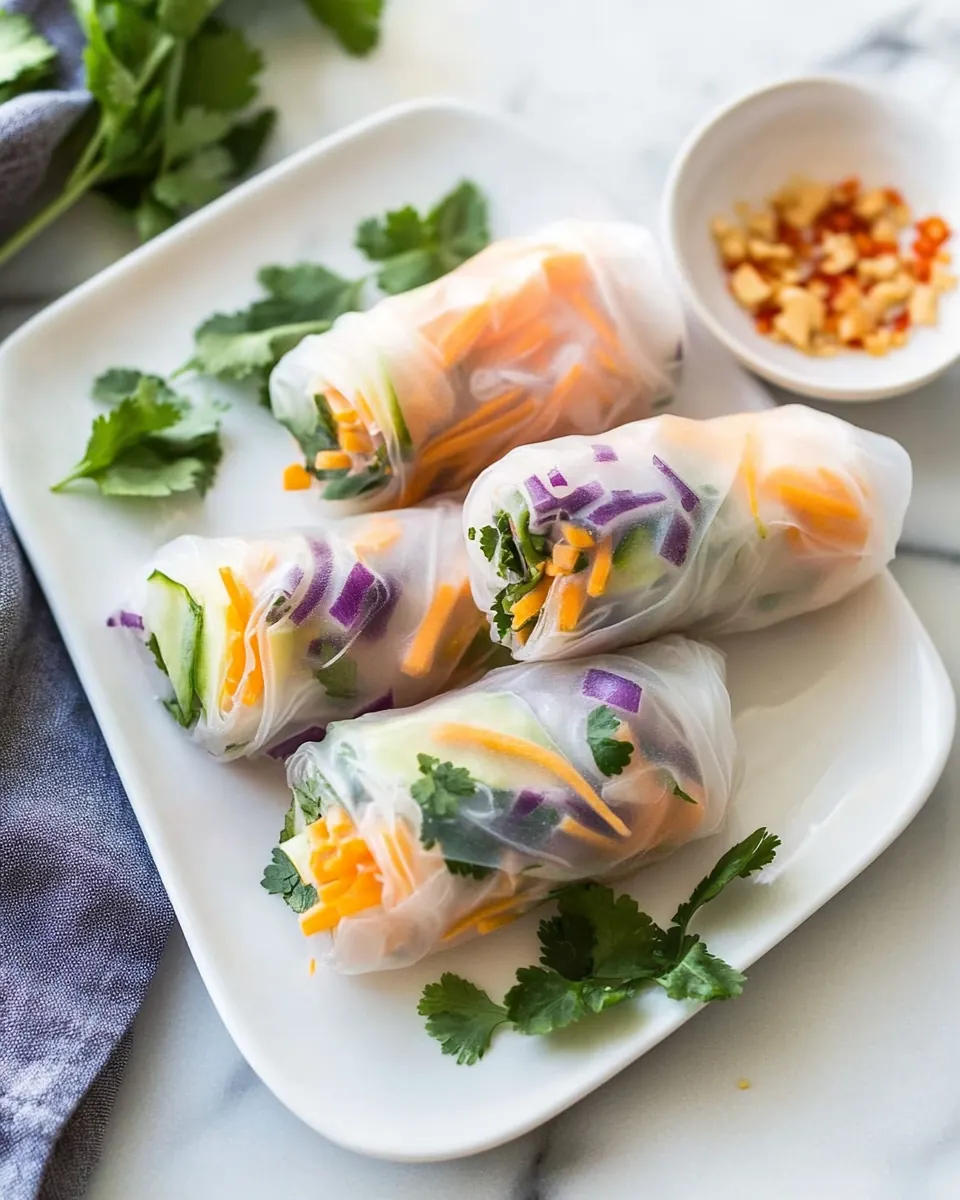
These directions guide you from prepping to rolling in a calm, organized way. Set up an assembly station with small bowls for each topping, a shallow dish of water for the wrappers, and a clean work surface. Take your time the first few rolls, then you will find a rhythm that makes this both meditative and social.
- Cook vermicelli noodles in boiling water, for just a few minutes, according to package instructions. Drain and rinse with cold water.: The moment you plunge the vermicelli rice noodles into boiling water, you will notice their color change and their texture soften. When they reach tender but still slightly firm, drain them and rinse with cold water to stop the cooking, separating any clumps with your fingers. You should feel the slippery, almost delicate strand between your fingertips, not mushy. This gentle shock of cold water firms the noodles and keeps them from sticking, ensuring the rolls have a pleasant, springy bite. A common mistake is overcooking, which leads to gluey noodles that weigh down the roll instead of supporting the light fillings, so watch the package time closely and test a strand early.
- Gather all topping ingredients together, including chopped veggies, herbs, cooked shrimp.: Lay out bowls of sliced mango , shredded carrot , thinly sliced cucumber , the rinsed vermicelli rice noodles , herbs, and cooked shrimp so your hands can move quickly. The visual of colorful bowls makes assembly intuitive and inviting, and you will notice the aroma of herbs rising as you work. This prep step saves time while rolling, and it keeps portions uniform. A typical pitfall is trying to assemble without a mise en place, which slows you down and increases the chance of tearing a wrapper because you are hunting for items while your wrapper softens.
- Add about 1 inch of water to a large, deep dish, or pie pan. Place one rice wrapper into the water and let soak for just 10-15 seconds. It should still feel pretty firm as you remove it and lay it on your counter or plate.: When the water gently laps the edge of the wrapper, you will see how quickly the paper absorbs moisture. Place one rice wrapper into the water and let soak for just 10 to 15 seconds, then remove and lay it on your counter. The wrapper should still feel fairly firm to the touch, slightly pliable but not limp, because it will continue to soften as you add fillings and roll. If you soak too long, the wrapper becomes fragile and tears easily, so timing is crucial. Use a timer or count slowly to keep consistency.
- (It will soften up as you add the filling ingredients, but If you let it soak for too long it will get too soft and will tear when you roll it up.): The sensory cue here is feel, not sight alone; press lightly to gauge resistance. A properly soaked wrapper will bend without cracking and will still have a faint stiffness that helps you control the roll. You will hear nothing specific, but your hands will notice the change as you fold in the sides. Avoid the urge to re-soak a wrapper that tore, because that just makes it weaker. Instead, start fresh with a new wrapper and adjust soaking time by a few seconds if necessary.
- Layer 1-2 slices of each veggie, a few shrimp, a few leaves of each herb and a pinch of noodles on the 1/3 of the spring roll that is closest to you.: Place fillings near the edge closest to you so that the first fold tucks everything in snugly. The contrast of crunchy carrot and cucumber , silky mango , and soft vermicelli rice noodles should be balanced visually and texturally. The shrimp or chicken should be placed in a neat line for uniform bites. If you pile too much filling, the wrapper will struggle to seal and may split when rolling, so err on the conservative side with each roll.
- Fold the sides of the spring roll in over the ingredients. Then pull the side closest to you up and over the ingredients, sealing everything together tightly, and rolling it up like a burrito.: As you fold the short sides inward, you will see the ingredients compact and the edges begin to meet, creating a small rectangular pocket. The sound is mostly silent, but you will feel resistance in your hands as the components compress. This technique keeps the filling from spilling out and makes the final roll tidy. Common issues include folding too loosely, which leads to loose rolls, or folding so tightly that the wrapper stretches and tears. Aim for firm but gentle pressure.
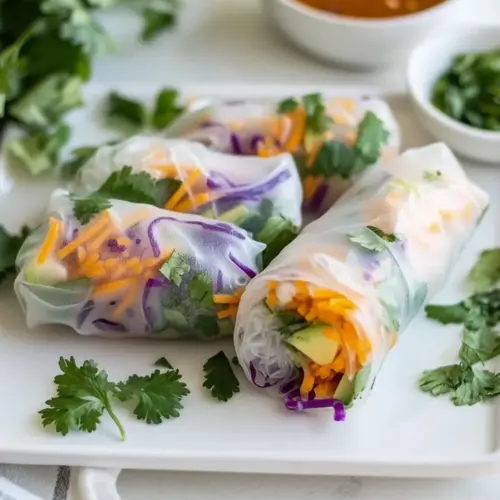
- Add all ingredients to a food processor or blender and pulse until smooth.: The final roll should feel snug and even along its length, with no large air pockets. As you roll, press gently to shape it, and the wrapper will adhere to itself, sealing the roll. The finished roll will look slightly translucent so you can see the colorful fillings through the paper. If the roll feels uneven or lumpy, unroll it and redistribute the fillings before trying again, as repeated rolling can weaken the wrapper.
- Add all ingredients to a food processor or blender and pulse until smooth: For the dipping sauce, combine peanut butter , sweet chili sauce , low sodium soy sauce , and hoisin sauce in a food processor or blender and pulse until glossy and smooth, thinning with a splash of water if needed. The whirring sound will change as the mixture becomes emulsified, and the aroma of peanuts and chili will become pronounced. A silky sauce clings beautifully to the rolls and enhances every bite. Overprocessing can warm the sauce and slightly change the texture, so pulse and stop to check consistency frequently. If the sauce is too thick, add water a teaspoon at a time until you reach the desired dipping texture.
Change It Up
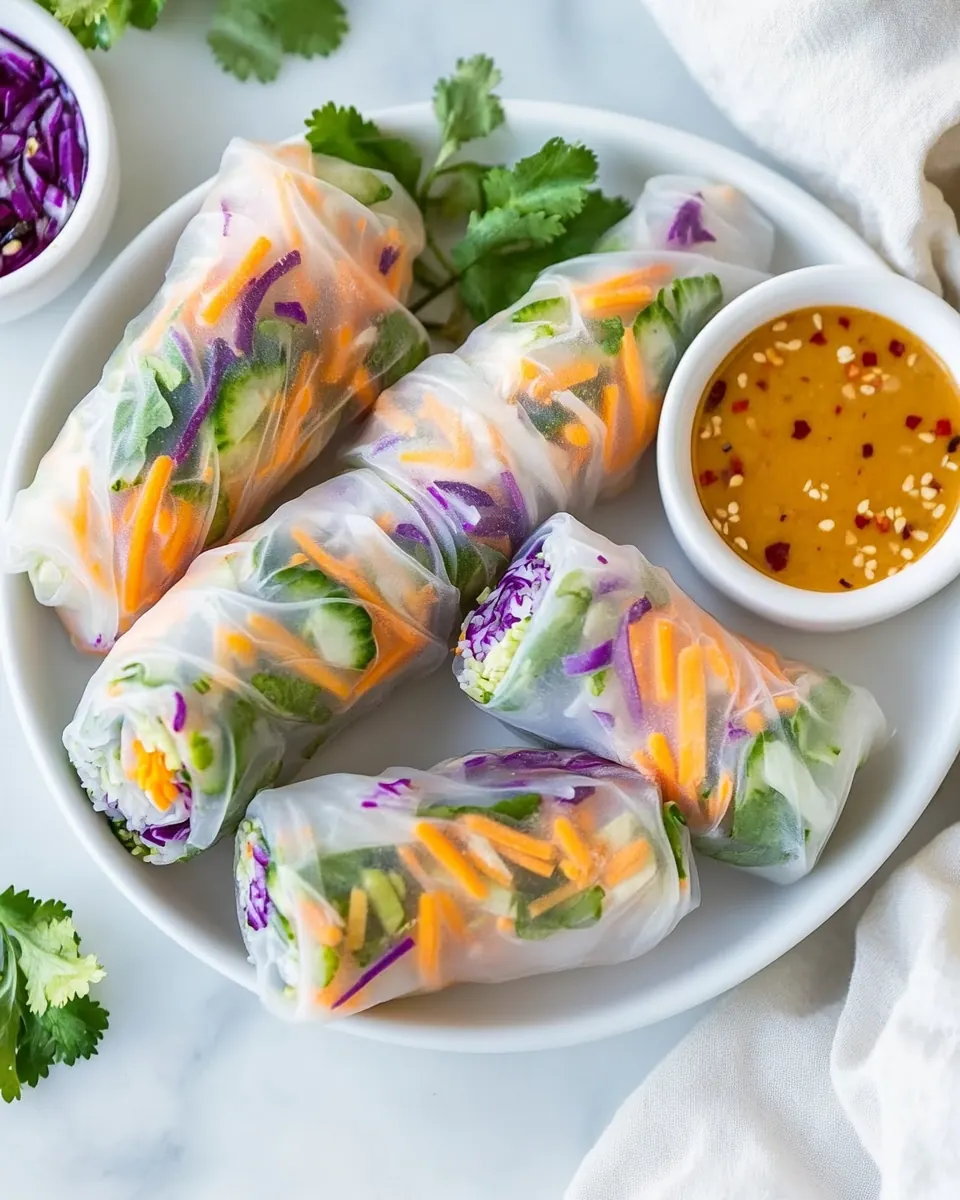
These ideas will help you personalize Fresh Spring Rolls for different palates and occasions. I like to experiment with texture and herbs, and often adjust the sauce for sweetness or heat depending on the crowd.
- Swap the protein Use cooked shrimp or cooked chicken depending on preference, keeping pieces bite sized so rolls remain easy to eat.
- Boost the crunch Add thinly sliced bell pepper or bean sprouts to amplify texture, placing them near the edge so they are prominent in each bite.
- Fruit variations Try papaya or thin pear slices instead of mango for a different sweetness profile and a fresh mouthfeel.
- Herb forward Increase mint or cilantro for a more aromatic roll, and tuck whole leaves near the surface so their flavor blooms with each bite.
- Adjust the sauce Add more sweet chili sauce for sweetness or a touch more soy for saltiness, tasting as you go to keep the balance right.
- Texture choice Use crunchy peanut butter for extra bite in the dipping sauce, or smooth for a velvety finish depending on your texture preference.
- Make ahead Prep fillings and sauce a day ahead, storing components separately and assembling just before serving to keep wrappers from getting soggy.
Serving This Fresh Spring Rolls
I like to present these rolls on a long platter with small bowls of dipping sauce so guests can choose their portions. They pair well with light sides and work for many occasions from lunch to informal dinners. Keep extras chilled and wrapped, and serve within a few hours for best texture.
- Platter style Arrange rolls in a single layer on a large plate, alternating colors for visual appeal, and garnish with extra herb sprigs.
- Occasion pairing Serve as a light lunch, appetizer for dinner parties, or as part of a fresh Ramadan iftar spread, since they are easy to eat and share.
- Storage tips Store wrapped rolls in an airtight container with a damp paper towel for up to 24 hours, but expect the wrapper to soften over time.
- Make ahead strategy Keep fillings and sauce separate, and assemble rolls no more than a few hours before serving for the best texture.
- Serving size Offer 2 to 3 rolls per person as an appetizer, or 4 to 5 rolls for a main course, depending on appetite and sides.
- Presentation Serve with small bowls of the peanut chili sauce and extra sweet chili sauce on the side so guests can adjust heat and sweetness.
- Occasion ideas Perfect for casual gatherings, garden parties, or any warm weather meal where light, refreshing food is welcome.
FAQ
Conclusion
Fresh Spring Rolls shine because they combine fresh herbs, crisp vegetables, juicy mango, and tender protein in a light, elegant package. They are quick to assemble once your ingredients are prepped and offer a delightful contrast of textures and flavors that guests love. Give them a try at your next gathering, set up an assembly station, and enjoy watching friends and family customize their rolls. The ritual of rolling, dipping, and sharing makes this recipe as much about the experience as the food itself, and I think you will come to love it for both reasons.
Fresh Spring Rolls
Equipment
- Large Pot
- Colander
- Large shallow dish or pie pan
- Food processor or blender
Ingredients
- 1 package spring roll rice wrappers, found in the Asian foods section at the grocery store Soften quickly in warm water to create pliable wrappers for rolling; handle gently to avoid tearing and keep covered with a damp towel during assembly to prevent drying. Provide the tender, translucent outer layer that holds fillings together and showcases the colorful ingredients inside.
- 1 package vermicelli rice noodles, found in the Asian foods section at the grocery store Cook briefly until al dente and rinse under cold water to stop cooking and prevent sticking; drain well before assembling to avoid soggy rolls. Add a light, neutral base that soaks up dressings and pairs well with herbs and proteins.
- 2 mangos, peeled and sliced into thin strips Peel and slice into thin strips to add juicy, sweet fruitiness and bright color to each roll; keep slices uniform for even bites and attractive presentation. Contribute a refreshing, tropical contrast to savory proteins and spicy sauces.
- 1 large carrot, peeled and shredded or sliced into thin strips Peel and shred or slice into thin strips to deliver crunchy texture and a mildly sweet, earthy flavor; toss lightly with a pinch of salt or lime to enhance freshness if desired. Provide structural crunch that balances softer components inside the roll.
- 1 large English cucumber, peeled and thinly sliced Peel and thinly slice lengthwise for crisp, cooling slices that add a clean, watery crunch and subtle freshness; remove seeds if overly watery to avoid soggy rolls. Offer a hydrating element that complements herbs and tropical fruit.
- 1 pound small, cooked shrimp, deveined, tails removed, or substitute chicken Use small, cooked shrimp with tails removed for convenient, bite-sized protein; alternatively substitute cooked chicken if preferred and season lightly before assembling. Supply savory, tender protein and a slightly sweet seafood flavor that pairs well with herbs and dipping sauces.
- 1 bunch fresh mint leaves Strip leaves from stems and use whole or torn for bursts of bright, cooling flavor; rinse and pat dry to remove excess moisture before rolling. Introduce a menthol-like freshness that lifts the other flavors and adds aromatic complexity.
- 1 bunch fresh basil leaves Select tender basil leaves and use whole to contribute sweet, peppery, and slightly anise-like notes; tear larger leaves for easier rolling and to release aroma. Impart herbal depth and an aromatic, slightly spicy lift to the rolls.
- 1 bunch fresh cilantro Rinse and chop lightly if desired, using leaves and tender stems to add citrusy, slightly peppery brightness; remove thicker stems for smoother rolls. Bring a fragrant, zesty herbal dimension that enhances both sweet and savory components.
- 3/4 cup sweet chili sauce Serve as a dipping sauce or thin with a splash of water or lime for drizzling; adjust quantity to balance sweetness and heat to taste. Provide a sticky, sweet-spicy condiment that pairs well with fresh herbs and crunchy vegetables.
- 1/3 cup peanut butter, smooth or crunchy Blend smooth or crunchy with a little water, lime, or soy sauce to make a creamy, nutty dipping sauce; warm slightly to loosen consistency if needed. Offer rich, savory, and slightly sweet peanut flavor that complements herbs and proteins.
- 1/2 teaspoon low-sodium soy sauce Add sparingly to peanut or dipping sauces to introduce gentle umami and saltiness; mix thoroughly to ensure even distribution and balance of flavors. Enhance savory depth and round out sweetness in dressings and sauces.
- 1/2 teaspoon hoisin sauce Stir into sauces in small amounts to lend a sweet, complex, slightly tangy flavor; combine well so it disperses evenly and does not overpower other tastes. Contribute a hint of sweetness and savory richness that harmonizes with peanut and chili sauces.
Instructions
- Cook vermicelli noodles in boiling water, for just a few minutes, according to package instructions. Drain and rinse with cold water.: The moment you plunge the vermicelli rice noodles into boiling water, you will notice their color change and their texture soften. When they reach tender but still slightly firm, drain them and rinse with cold water to stop the cooking, separating any clumps with your fingers. You should feel the slippery, almost delicate strand between your fingertips, not mushy. This gentle shock of cold water firms the noodles and keeps them from sticking, ensuring the rolls have a pleasant, springy bite. A common mistake is overcooking, which leads to gluey noodles that weigh down the roll instead of supporting the light fillings, so watch the package time closely and test a strand early.
- Gather all topping ingredients together, including chopped veggies, herbs, cooked shrimp.: Lay out bowls of sliced mango , shredded carrot , thinly sliced cucumber , the rinsed vermicelli rice noodles , herbs, and cooked shrimp so your hands can move quickly. The visual of colorful bowls makes assembly intuitive and inviting, and you will notice the aroma of herbs rising as you work. This prep step saves time while rolling, and it keeps portions uniform. A typical pitfall is trying to assemble without a mise en place, which slows you down and increases the chance of tearing a wrapper because you are hunting for items while your wrapper softens.
- Add about 1 inch of water to a large, deep dish, or pie pan. Place one rice wrapper into the water and let soak for just 10-15 seconds. It should still feel pretty firm as you remove it and lay it on your counter or plate.: When the water gently laps the edge of the wrapper, you will see how quickly the paper absorbs moisture. Place one rice wrapper into the water and let soak for just 10 to 15 seconds, then remove and lay it on your counter. The wrapper should still feel fairly firm to the touch, slightly pliable but not limp, because it will continue to soften as you add fillings and roll. If you soak too long, the wrapper becomes fragile and tears easily, so timing is crucial. Use a timer or count slowly to keep consistency.
- (It will soften up as you add the filling ingredients, but If you let it soak for too long it will get too soft and will tear when you roll it up.): The sensory cue here is feel, not sight alone; press lightly to gauge resistance. A properly soaked wrapper will bend without cracking and will still have a faint stiffness that helps you control the roll. You will hear nothing specific, but your hands will notice the change as you fold in the sides. Avoid the urge to re-soak a wrapper that tore, because that just makes it weaker. Instead, start fresh with a new wrapper and adjust soaking time by a few seconds if necessary.
- Layer 1-2 slices of each veggie, a few shrimp, a few leaves of each herb and a pinch of noodles on the 1/3 of the spring roll that is closest to you.: Place fillings near the edge closest to you so that the first fold tucks everything in snugly. The contrast of crunchy carrot and cucumber , silky mango , and soft vermicelli rice noodles should be balanced visually and texturally. The shrimp or chicken should be placed in a neat line for uniform bites. If you pile too much filling, the wrapper will struggle to seal and may split when rolling, so err on the conservative side with each roll.
- Fold the sides of the spring roll in over the ingredients. Then pull the side closest to you up and over the ingredients, sealing everything together tightly, and rolling it up like a burrito.: As you fold the short sides inward, you will see the ingredients compact and the edges begin to meet, creating a small rectangular pocket. The sound is mostly silent, but you will feel resistance in your hands as the components compress. This technique keeps the filling from spilling out and makes the final roll tidy. Common issues include folding too loosely, which leads to loose rolls, or folding so tightly that the wrapper stretches and tears. Aim for firm but gentle pressure.
- Add all ingredients to a food processor or blender and pulse until smooth.: The final roll should feel snug and even along its length, with no large air pockets. As you roll, press gently to shape it, and the wrapper will adhere to itself, sealing the roll. The finished roll will look slightly translucent so you can see the colorful fillings through the paper. If the roll feels uneven or lumpy, unroll it and redistribute the fillings before trying again, as repeated rolling can weaken the wrapper.
- Add all ingredients to a food processor or blender and pulse until smooth: For the dipping sauce, combine peanut butter , sweet chili sauce , low sodium soy sauce , and hoisin sauce in a food processor or blender and pulse until glossy and smooth, thinning with a splash of water if needed. The whirring sound will change as the mixture becomes emulsified, and the aroma of peanuts and chili will become pronounced. A silky sauce clings beautifully to the rolls and enhances every bite. Overprocessing can warm the sauce and slightly change the texture, so pulse and stop to check consistency frequently. If the sauce is too thick, add water a teaspoon at a time until you reach the desired dipping texture.
Notes
- Swap the protein Use cooked shrimp or cooked chicken depending on preference, keeping pieces bite sized so rolls remain easy to eat.
- Boost the crunch Add thinly sliced bell pepper or bean sprouts to amplify texture, placing them near the edge so they are prominent in each bite.
- Fruit variations Try papaya or thin pear slices instead of mango for a different sweetness profile and a fresh mouthfeel.
- Herb forward Increase mint or cilantro for a more aromatic roll, and tuck whole leaves near the surface so their flavor blooms with each bite.
- Adjust the sauce Add more sweet chili sauce for sweetness or a touch more soy for saltiness, tasting as you go to keep the balance right.
- Texture choice Use crunchy peanut butter for extra bite in the dipping sauce, or smooth for a velvety finish depending on your texture preference.
- Make ahead Prep fillings and sauce a day ahead, storing components separately and assembling just before serving to keep wrappers from getting soggy.
