Oatmeal Pancakes
Oatmeal Pancakes are the kind of breakfast that feels like a warm hug on a rushed morning. I first fell for these when I was juggling early meetings and a habit of skipping breakfast, and a neighbor handed me a stack wrapped in wax paper, still steaming from the skillet. The scent of toasted oats and a hint of sweet caramelized edges drew me in, and I remember thinking how something so simple could steady a hectic day.
Over the years I’ve adjusted the batter to be forgiving, so it works whether you have fresh buttermilk or a quick swap. I like how the texture sits between tender and hearty, so it complements both syrup and tangy favorites like yogurt. Making Oatmeal Pancakes became my little ritual, a way to press pause and enjoy a quiet moment before the day accelerates.
My approach is unapologetically practical. I keep a jar of quick oats in the pantry and a small bottle of oil nearby, so breakfast comes together with minimal thinking. You can make a batch that feeds a family or scale down for one, and the batter plays nicely with toppings everyone loves. These pancakes remind me that small comforts build better mornings.
Recipe Snapshot
20 mins
10 mins
10 mins
Easy
200 kcal
American
Gluten-Free, Low FODMAP
Breakfast
Large bowl, Another bowl, Whisk, Griddle or skillet, Spatula
Why This Oatmeal Pancakes Stands Out
Hearty but tender texture
I love that Oatmeal Pancakes combine the rustic chew of oats with a light, tender crumb. The quick oats soften as they sit in buttermilk, yielding a batter that gives a satisfying mouthfeel without being dense. For me, that balance makes morning eating feel substantial and not overly heavy.
Flexible and forgiving recipe
One thing I always say is this recipe forgives small mistakes. If your batter is a touch thin, the pancakes still cook up golden; if it is slightly thick, a splash of buttermilk fixes it. I often swap ingredients based on what I have, and the base method adapts without losing the core flavor.
Speed and simplicity
I appreciate how quickly these come together. With just a few bowls and simple stirring, you can have a stack in under half an hour. That efficiency is why I reach for Oatmeal Pancakes on busy weekends or when guests arrive unexpectedly.
Family friendly and customizable
The neutral, mildly nutty flavor of the batter welcomes toppings and additions. Kids and adults both enjoy these because they accept classic pairings like syrup and fruit, or creamier touches like yogurt. Personally, I like offering several topping options so everyone builds their ideal bite.
Nutritious comfort food
These pancakes feel like comfort food while still bringing fiber from oats and protein from eggs. That makes them a breakfast that sustains energy without dragging you down midday. For me, that combination is a big reason I keep this recipe in steady rotation.
Main Ingredients for Oatmeal Pancakes
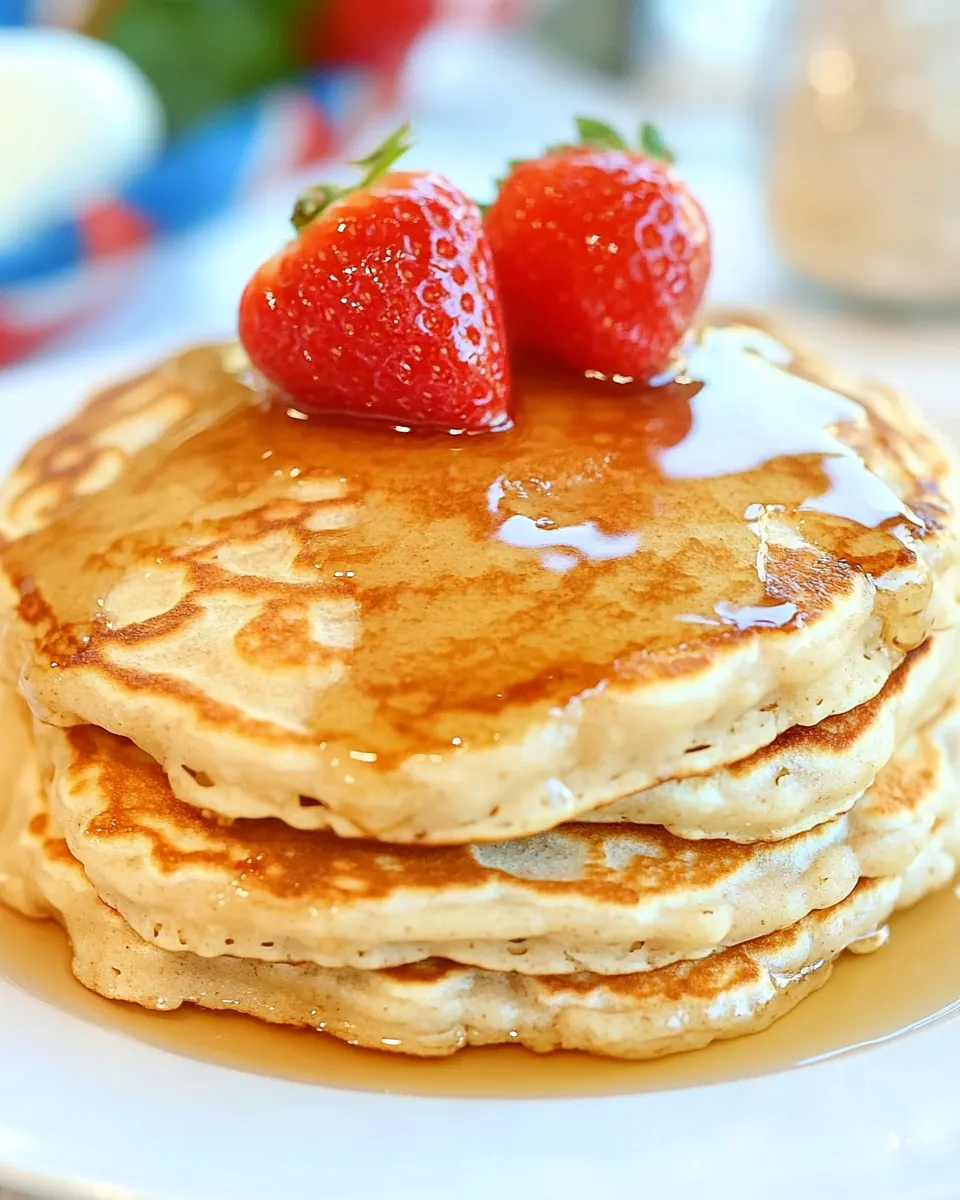
These core ingredients form a simple, honest lineup that produces pancakes with character. The key players are the oats for texture, the dry flour and leaveners for lift, and the wet ingredients for tenderness and flavor. Together they create a batter that browns attractively and holds syrup or fruit without falling apart.
- 2 cups quick oats, (see Note for substitution): Provide texture and body by absorbing liquid to create a hearty batter; quick oats cook fast and contribute chewiness and nutrition. Use as the primary whole-grain component to add fiber and a slightly nutty flavor that complements the pancakes. Adjust quantity only per recipe, and consider processing briefly for a finer crumb if preferred.
- 1/2 teaspoon baking soda: Leaven the batter slightly by releasing carbon dioxide when activated to help lighten the pancakes. Combine with the acidic components to balance rising power and prevent dense texture. Dissolve evenly into the dry mix to ensure consistent lift throughout the batter.
- 2 1/2 cups buttermilk, (see Note for substitution): React with leavening agents and add moisture while supplying mild tang; buttermilk tenderizes gluten and enhances flavor depth. Pair with baking soda for improved rise and a slight acidity that brightens the overall profile. Substitute with a milk-plus-acid option if necessary to maintain acidity and consistency.
- 1 cup all-purpose flour: Provide structure and gluten development that holds the batter together while allowing for fluffiness when combined with leavening. Balance the oat component with refined flour to yield tender, light pancakes. Measure precisely to maintain the intended density and mouthfeel.
- 2 teaspoons baking powder: Create additional lift and help batter rise by producing gas during cooking, resulting in fluffier pancakes. Work in tandem with baking soda and acidic liquids to produce an even, airy crumb. Distribute through the dry ingredients to avoid pockets of concentrated leavening.
- 1 teaspoon salt: Enhance overall flavor balance by moderating sweetness and amplifying other flavors while stabilizing dough structure. Help control yeast or chemical leavening activity and contribute to the seasoning profile for a well-rounded taste. Measure carefully to avoid over-salting, which can overpower the batter.
- 1 tablespoon sugar: Add subtle sweetness and assist in browning through caramelization during cooking, improving flavor and color. Support yeast or chemical leavening action slightly by providing fermentable sugars and balance the savory notes. Use the specified amount to maintain the intended sweetness level.
- 1/3 cup vegetable or canola oil: Provide fat to tenderize the pancakes and contribute to moistness while aiding in a crisp exterior when cooked. Serve as the lubricant for the batter, promoting even cooking and preventing sticking in the pan. Choose a neutral oil to keep flavors unobtrusive and consistent.
- 2 eggs, beaten: Bind ingredients together and introduce richness and lift when beaten, contributing to a tender crumb and golden color. Incorporate thoroughly to ensure uniform texture and help trap air that expands during cooking. Beat lightly to combine whites and yolks without over-incorporating air.
Cooking Instructions for Oatmeal Pancakes
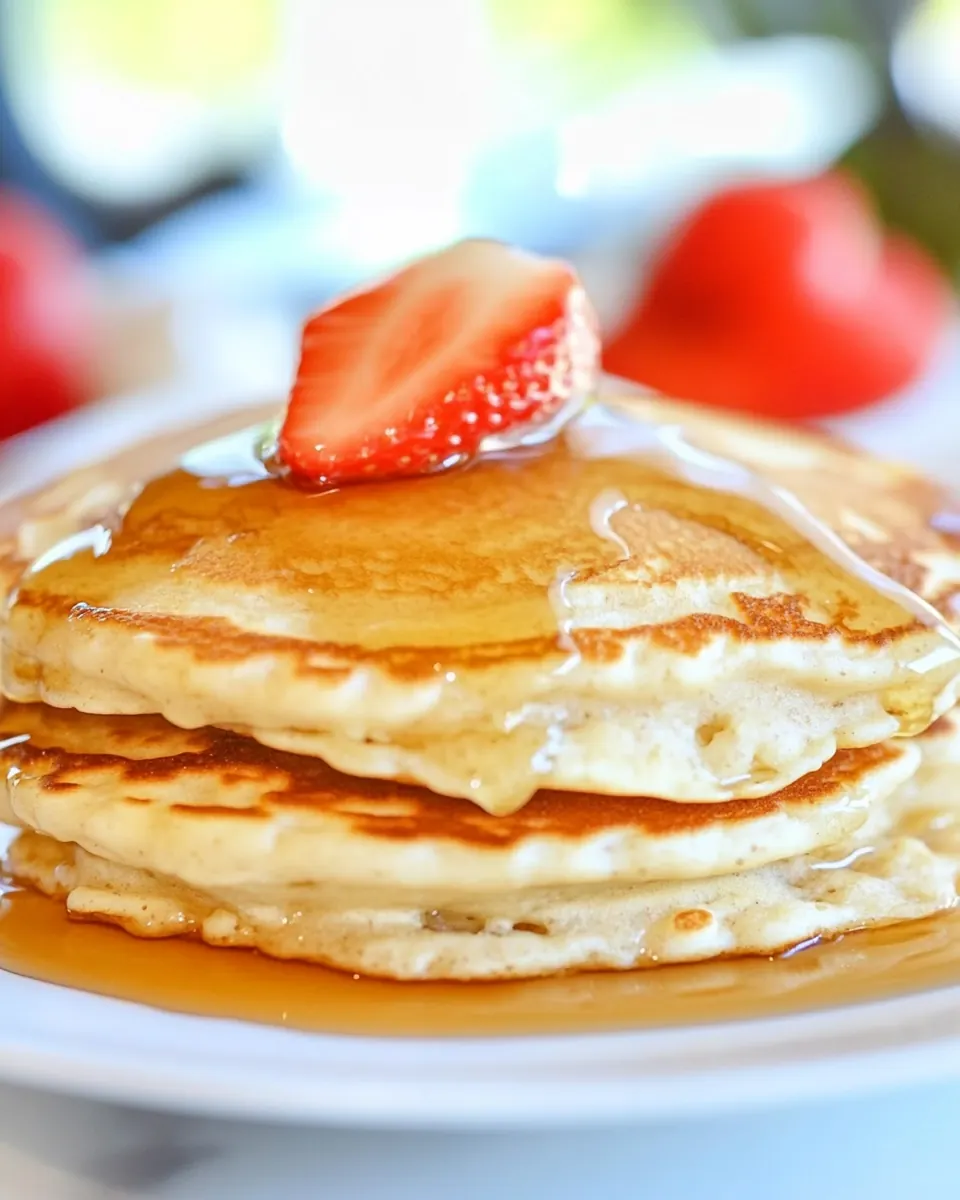
These directions will guide you from mixing to flipping with friendly, sensory cues so you feel confident at the skillet. Read through the steps, then follow them in order so the batter rests, the griddle heats properly, and the pancakes develop a beautiful golden crust.
- In a large bowl, combine oats, baking soda, and buttermilk. Let mixture stand for 5 minutes.: When you first blend the oats with buttermilk and the leavening, the kitchen fills with a faint tang and the texture shifts as the oats soften. This resting period is important because the oats absorb liquid and swell, creating a batter that holds together without overmixing flour . You'll notice the mixture thicken slightly and smell a gentle dairy tang. The reason we rest is to avoid dense pancakes; impatience here can leave the cores gritty and undercooked. A typical error is skipping this pause and ending up with unevenly cooked pancakes because the oats did not hydrate fully.
- In another bowl combine flour, baking powder, salt, and sugar.: As you whisk these dry components, you'll see a homogenous pale mixture that promises even dispersion of lift and seasoning. Mixing the flour with baking powder, salt, and sugar prevents pockets of leavening or salt which would otherwise create irregular bubbling or salty bites. The dry blend should be light and free of lumps, and the aroma will be neutral with a hint of sweet dust from the sugar. If you skip thorough mixing, you risk streaks of salty or overly leavened batter in individual pancakes.
- Add the oil and eggs to the oat mixture and stir to combine.: As you fold in the beaten eggs and oil, the batter becomes silkier and gains a glossy sheen. You will feel the viscosity change and notice small ribbons of oil that integrate into the mixture. The eggs add richness and help create gas pockets when heated, while the oil ensures moisture retention. Stir gently until the color evens out, but avoid vigorous beating which can toughen the batter. A common misstep is overmixing at this stage, which tightens gluten in the flour later and makes the pancakes chewier.
- Add the dry ingredients to the oat mixture and stir until blended.: When you fold the dry mix into the wet, watch for a batter that is mostly combined with a few small streaks of flour remaining. The sound is subtle, a soft scraping as the spatula moves through. At this point the batter should be slightly thick but pourable; if it looks too stiff add a splash of buttermilk . The purpose of gentle folding is to preserve tenderness, and vigorous mixing risks developing gluten which leads to dense pancakes. Avoid lumps by folding patiently, and do not leave large dry pockets which will bake into raw flour pockets.
- Drop batter on lightly greased griddle or skillet on medium heat.: As the griddle warms to medium, it emits a low, steady heat and the cooking surface should sizzle faintly when a drop of water dances on it. Spoon or pour rounds of batter and listen for a gentle hiss as they make contact. After about two to three minutes, you will see edges set and bubbles forming and popping on the surface. Those bubbles are your cue that the pancakes are ready to flip, revealing a golden brown underside with slightly crisp edges. If the pan is too hot the exterior will darken before the interior cooks, so reduce heat if browning happens too fast. Common problems include using an unheated or overheated surface which leads to sticking or burning.
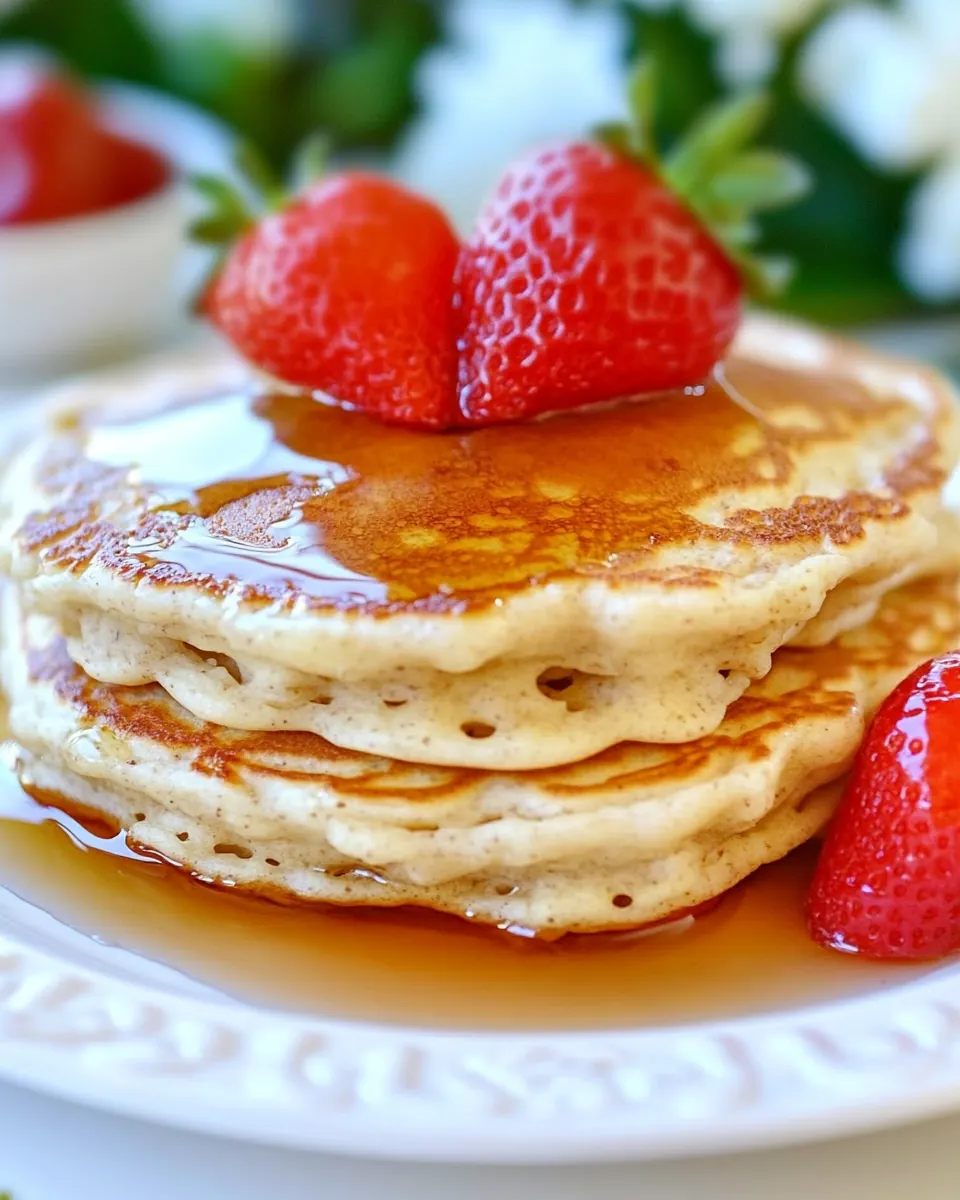
- Top with your favorite pancake topping: syrup, yogurt, fruit, applesauce, peanut butter, or jam.: syrup, yogurt, fruit, applesauce, peanut butter, or jam : Once plated, the pancakes invite finishing touches that transform each bite. The warm surface helps syrup soak slightly into the edges while yogurt or fruit adds contrast in temperature and acidity. Texturally, a smear of peanut butter deepens richness and a spoonful of applesauce adds a gentle sweetness. Choose toppings that balance the slightly nutty profile of the oats . Avoid piling on heavy sauces that mask the pancake's subtle flavors; instead, build layers so each forkful offers a mix of textures and tastes.
Change It Up
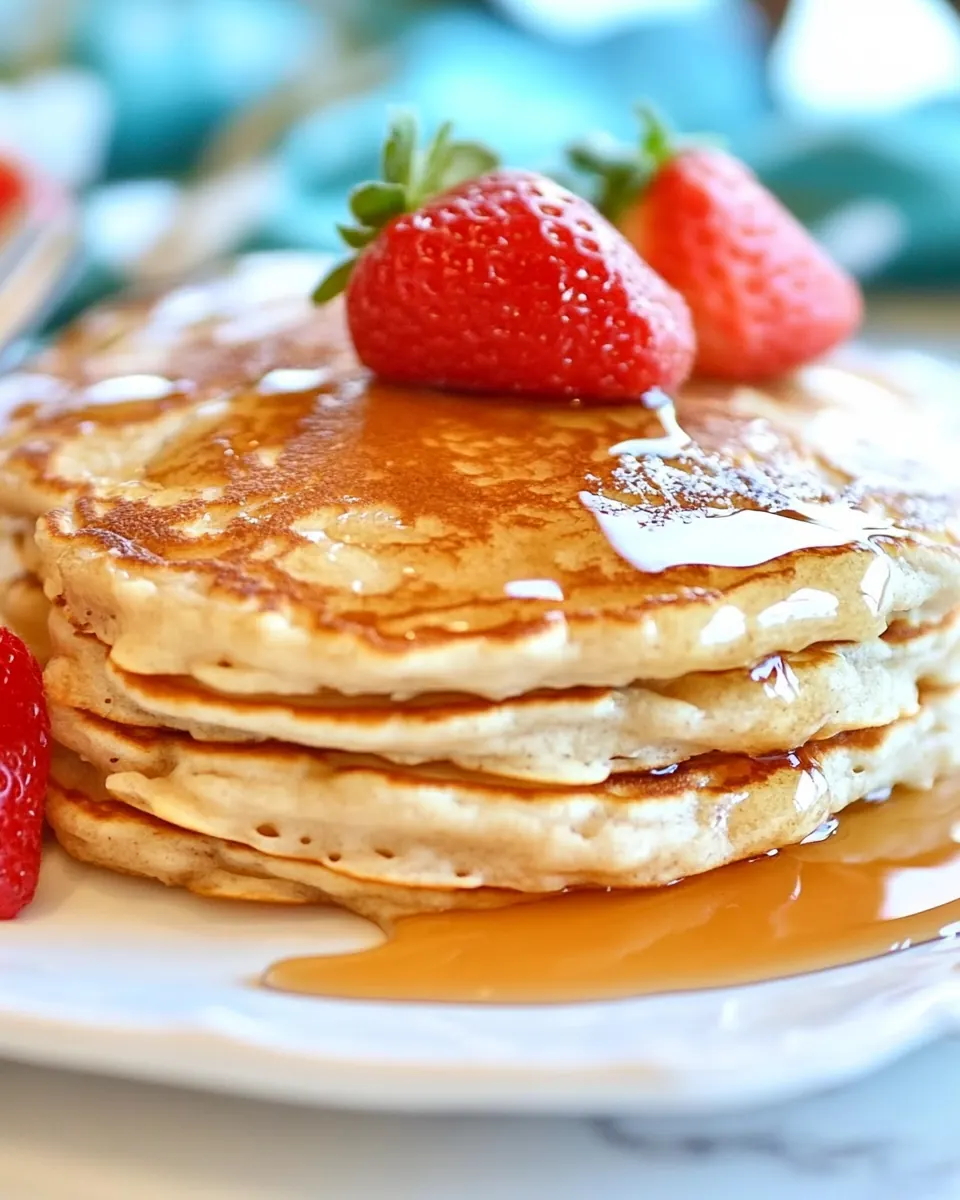
These variations and tips help you tailor Oatmeal Pancakes for flavor, texture, and convenience. Use the ideas below to adapt the recipe without losing what makes these pancakes so comforting.
- Quick oats adjustment, pulse old fashioned oats briefly in a blender to mimic quick oats when that is what you have on hand, which preserves the intended batter texture.
- Buttermilk substitute, whisk 2 1/4 cups milk with 2 tablespoons white vinegar or lemon juice and let sit for about 5 minutes to curdle, giving the acidity needed for the baking soda to work.
- Keep warm, place finished pancakes on a wire rack set over a baking sheet in a 200 degree oven to prevent steaming and keep edges slightly crisp until serving.
- Batch friendliness, double the recipe and refrigerate batter for up to 24 hours, but expect slight softening of texture as the oats continue to hydrate.
- Flip technique, wait until bubbles pop and edges set before flipping to ensure a fully cooked interior and an evenly browned surface.
- Portion control, use a 1/4 cup scoop for uniform pancakes that cook evenly and stack neatly on the plate.
How to Serve Oatmeal Pancakes
Serving these pancakes can be casual or a little more deliberate depending on the occasion. I like offering a small spread so everyone builds their favorite plate, and I often pair with warm fruit for contrast. These pancakes work for breakfast, brunch, and even a cozy dinner when you want something simple but nourishing.
- Classic stack, serve a pile of warm pancakes with a drizzle of maple syrup and a pat of butter for a timeless presentation that highlights the golden crust.
- Yogurt and fruit, top with a dollop of tangy yogurt and fresh berries for brightness and a pleasing temperature contrast.
- Savory option, offer nut butter alongside sliced bananas for a protein rich, hearty version that travels well for packed breakfasts.
- Occasions, these pancakes are perfect for weekend brunches, relaxed family mornings, or gentle Ramadan suhoor when you want sustaining energy before the day starts.
- Storage tips, cool pancakes completely, then refrigerate in an airtight container for up to three days or freeze in stacks separated by parchment for up to two months.
- Reheating, warm in a 300 degree oven or toast in a toaster for a few minutes to refresh crisp edges without drying the centers.
FAQ
Conclusion
Oatmeal Pancakes are special because they marry the wholesome chew of oats with a tender, golden pancake that suits many mornings. Give them a try to experience how a simple, flexible batter can become a household favorite. I hope this recipe brings you the same steady comfort it has given my kitchen, and that you enjoy customizing each stack to your taste.
Oatmeal Pancakes
Equipment
- Large Bowl
- Another bowl
- Whisk
- Griddle or skillet
- Spatula
Ingredients
- 2 cups quick oats, (see Note for substitution) Provide texture and body by absorbing liquid to create a hearty batter; quick oats cook fast and contribute chewiness and nutrition. Use as the primary whole-grain component to add fiber and a slightly nutty flavor that complements the pancakes. Adjust quantity only per recipe, and consider processing briefly for a finer crumb if preferred.
- 1/2 teaspoon baking soda Leaven the batter slightly by releasing carbon dioxide when activated to help lighten the pancakes. Combine with the acidic components to balance rising power and prevent dense texture. Dissolve evenly into the dry mix to ensure consistent lift throughout the batter.
- 2 1/2 cups buttermilk, (see Note for substitution) React with leavening agents and add moisture while supplying mild tang; buttermilk tenderizes gluten and enhances flavor depth. Pair with baking soda for improved rise and a slight acidity that brightens the overall profile. Substitute with a milk-plus-acid option if necessary to maintain acidity and consistency.
- 1 cup all-purpose flour Provide structure and gluten development that holds the batter together while allowing for fluffiness when combined with leavening. Balance the oat component with refined flour to yield tender, light pancakes. Measure precisely to maintain the intended density and mouthfeel.
- 2 teaspoons baking powder Create additional lift and help batter rise by producing gas during cooking, resulting in fluffier pancakes. Work in tandem with baking soda and acidic liquids to produce an even, airy crumb. Distribute through the dry ingredients to avoid pockets of concentrated leavening.
- 1 teaspoon salt Enhance overall flavor balance by moderating sweetness and amplifying other flavors while stabilizing dough structure. Help control yeast or chemical leavening activity and contribute to the seasoning profile for a well-rounded taste. Measure carefully to avoid over-salting, which can overpower the batter.
- 1 tablespoon sugar Add subtle sweetness and assist in browning through caramelization during cooking, improving flavor and color. Support yeast or chemical leavening action slightly by providing fermentable sugars and balance the savory notes. Use the specified amount to maintain the intended sweetness level.
- 1/3 cup vegetable or canola oil Provide fat to tenderize the pancakes and contribute to moistness while aiding in a crisp exterior when cooked. Serve as the lubricant for the batter, promoting even cooking and preventing sticking in the pan. Choose a neutral oil to keep flavors unobtrusive and consistent.
- 2 eggs, beaten Bind ingredients together and introduce richness and lift when beaten, contributing to a tender crumb and golden color. Incorporate thoroughly to ensure uniform texture and help trap air that expands during cooking. Beat lightly to combine whites and yolks without over-incorporating air.
Instructions
- In a large bowl, combine oats, baking soda, and buttermilk. Let mixture stand for 5 minutes.: When you first blend the oats with buttermilk and the leavening, the kitchen fills with a faint tang and the texture shifts as the oats soften. This resting period is important because the oats absorb liquid and swell, creating a batter that holds together without overmixing flour . You'll notice the mixture thicken slightly and smell a gentle dairy tang. The reason we rest is to avoid dense pancakes; impatience here can leave the cores gritty and undercooked. A typical error is skipping this pause and ending up with unevenly cooked pancakes because the oats did not hydrate fully.
- In another bowl combine flour, baking powder, salt, and sugar.: As you whisk these dry components, you'll see a homogenous pale mixture that promises even dispersion of lift and seasoning. Mixing the flour with baking powder, salt, and sugar prevents pockets of leavening or salt which would otherwise create irregular bubbling or salty bites. The dry blend should be light and free of lumps, and the aroma will be neutral with a hint of sweet dust from the sugar. If you skip thorough mixing, you risk streaks of salty or overly leavened batter in individual pancakes.
- Add the oil and eggs to the oat mixture and stir to combine.: As you fold in the beaten eggs and oil, the batter becomes silkier and gains a glossy sheen. You will feel the viscosity change and notice small ribbons of oil that integrate into the mixture. The eggs add richness and help create gas pockets when heated, while the oil ensures moisture retention. Stir gently until the color evens out, but avoid vigorous beating which can toughen the batter. A common misstep is overmixing at this stage, which tightens gluten in the flour later and makes the pancakes chewier.
- Add the dry ingredients to the oat mixture and stir until blended.: When you fold the dry mix into the wet, watch for a batter that is mostly combined with a few small streaks of flour remaining. The sound is subtle, a soft scraping as the spatula moves through. At this point the batter should be slightly thick but pourable; if it looks too stiff add a splash of buttermilk . The purpose of gentle folding is to preserve tenderness, and vigorous mixing risks developing gluten which leads to dense pancakes. Avoid lumps by folding patiently, and do not leave large dry pockets which will bake into raw flour pockets.
- Drop batter on lightly greased griddle or skillet on medium heat.: As the griddle warms to medium, it emits a low, steady heat and the cooking surface should sizzle faintly when a drop of water dances on it. Spoon or pour rounds of batter and listen for a gentle hiss as they make contact. After about two to three minutes, you will see edges set and bubbles forming and popping on the surface. Those bubbles are your cue that the pancakes are ready to flip, revealing a golden brown underside with slightly crisp edges. If the pan is too hot the exterior will darken before the interior cooks, so reduce heat if browning happens too fast. Common problems include using an unheated or overheated surface which leads to sticking or burning.
- Top with your favorite pancake topping: syrup, yogurt, fruit, applesauce, peanut butter, or jam.: syrup, yogurt, fruit, applesauce, peanut butter, or jam : Once plated, the pancakes invite finishing touches that transform each bite. The warm surface helps syrup soak slightly into the edges while yogurt or fruit adds contrast in temperature and acidity. Texturally, a smear of peanut butter deepens richness and a spoonful of applesauce adds a gentle sweetness. Choose toppings that balance the slightly nutty profile of the oats . Avoid piling on heavy sauces that mask the pancake's subtle flavors; instead, build layers so each forkful offers a mix of textures and tastes.
Notes
- Quick oats adjustment, pulse old fashioned oats briefly in a blender to mimic quick oats when that is what you have on hand, which preserves the intended batter texture.
- Buttermilk substitute, whisk 2 1/4 cups milk with 2 tablespoons white vinegar or lemon juice and let sit for about 5 minutes to curdle, giving the acidity needed for the baking soda to work.
- Keep warm, place finished pancakes on a wire rack set over a baking sheet in a 200 degree oven to prevent steaming and keep edges slightly crisp until serving.
- Batch friendliness, double the recipe and refrigerate batter for up to 24 hours, but expect slight softening of texture as the oats continue to hydrate.
- Flip technique, wait until bubbles pop and edges set before flipping to ensure a fully cooked interior and an evenly browned surface.
- Portion control, use a 1/4 cup scoop for uniform pancakes that cook evenly and stack neatly on the plate.