Cacio e Pepe Mashed Potatoes
Cacio e Pepe Mashed Potatoes arrived in my kitchen on a rainy Saturday when I wanted something comforting but not fussy, and it instantly became a weekend staple. I remember standing over a pot of steaming potatoes, the aroma of toasted black peppercorns filling the air while I thought about how a few bold ingredients can transform ordinary potatoes into something indulgent and memorable.
That afternoon I took my time to toast the peppercorns, mashing them until they released that bright, citrusy heat that sings against the creamy base. The texture from using a ricer felt like a small ritual, one that rewards patience with velvety results. As I folded in the creamy butter, tangy buttermilk, and salty Pecorino Romano, I kept tasting and tweaking, learning how each adjustment nudged the final dish toward perfect balance.
Serving these Cacio e Pepe Mashed Potatoes felt like offering a hug on a plate, whether as the centerpiece for a cozy dinner or a special side that elevates roast or greens. Friends who tasted it asked for the recipe, surprised that such simple pantry staples could taste so luxurious. That made me realize this is one of those recipes worth mastering, and it travels well too, reheating gracefully for easy make ahead meals. Over time I discovered little tricks that keep the texture light and the pepper bright, and I love sharing those small chef moves because they make a big difference.
Recipe Snapshot
45 mins
10 mins
35 mins
Medium
350 kcal
Italian
Gluten-Free, Low FODMAP
Side Dishes
Dutch oven, Potato ricer, Measuring cups
Why This Cacio e Pepe Mashed Potatoes Is a Winner
Why the pepper matters
I adore how the toasted black peppercorns cut through the richness. Toasting wakes up the essential oils, making the pepper aromatic rather than flat. When I grind them by hand, the texture becomes rustic and the flavor more layered, so every bite has a little pop of heat. This is a simple flourish that makes the whole dish sing.
Why the cheese is crucial
Pecorino Romano gives a sharp, savory backbone that salt alone cannot provide. I use it in two stages, which helps distribute umami and keeps the texture silky. It binds with the warm dairy to create that signature cacio e pepe mouthfeel, so don’t skip on using a quality cheese for best results.
Why the texture technique works
Ricing the potatoes instead of mashing prevents gluey starches and yields a cloudlike texture. I learned this the hard way, after overworking potatoes and ending up with a gummy mess. Using a ricer in batches gives consistent pieces that fold smoothly with the butter and buttermilk.
Why the dairy mix is balanced
The combo of buttermilk, heavy cream, and softened butter is all about contrast. The buttermilk adds a bright tang that prevents the dish from feeling too heavy, while the cream adds silkiness and the butter brings richness and mouthfeel. I like to taste as I go so I can nudge salt and cheese to the right level.
Why this is make ahead friendly
These Cacio e Pepe Mashed Potatoes tolerate chilling and gentle reheating well. I often make them a day ahead and revive them with a splash of cream while reheating, which keeps the texture fresh. It makes entertaining so much easier because you can focus on the main dish while still serving a standout side.
Ingredients Required for Cacio e Pepe Mashed Potatoes
These ingredients work as a small, focused team to transform humble potatoes into a luxuriously seasoned side. The key players are the starchy base, the bold pepper, and the salty, tangy cheese, while the dairy elements bind everything into a silky finish. Each item has a clear role, and when combined in the right order they create a balanced, comforting dish.
- 1 tablespoon black peppercorns: Crush and toast to release aromatic oils, then grind coarsely to provide bright, sharp heat that defines the peppery character of the dish. Use freshly cracked pepper to create a pronounced, crunchy pop throughout the mashed potatoes and to balance the richness of cheeses and butter.
- 5 pounds yukon gold potatoes: Boil until tender and drain thoroughly, then mash while hot to form the starchy creamy base of the recipe. Choose Yukon Gold for its naturally buttery flavor and smooth texture, which yields silky, cohesive mashed potatoes that absorb seasonings well.
- 1/2 cup unsalted butter, cut into cubes, at room temperature: Soften and incorporate gradually to add rich creaminess and a silky mouthfeel, helping to bind the mashed potatoes into a smooth, spreadable consistency. Use room–temperature, cubed butter to ensure even distribution and to enhance the savory, luscious profile of the finished dish.
- 1 cup Pecorino Romano, divided: Grate finely and divide so that part melts into the potatoes for savory depth while reserved portion finishes the dish with a salty, tangy crust. Pecorino Romano provides a sharp, salty, sheep-milk complexity that complements the pepper and elevates the overall flavor.
- Kosher salt: Season judiciously during cooking and to taste to lift and balance the natural flavors, ensuring the potatoes and cheeses do not taste flat. Use kosher salt for even seasoning and easy control over salinity without overpowering the milk and butter.
- 1/2 cup buttermilk, shaken: Whisk in cold or shaken to introduce a subtle tang and slight acidity that brightens the richness while keeping the mash creamy and spoonable. Buttermilk helps thin the potatoes to the desired consistency and adds a gentle lactic note that enhances overall flavor.
- 1/4 cup heavy cream: Warm slightly and add sparingly to adjust richness and achieve the ideal silky texture without making the mash greasy or thin. Heavy cream provides luxurious body and a smooth finish, melding with butter and cheese for an indulgent mouthfeel.
How to Cook Cacio e Pepe Mashed Potatoes
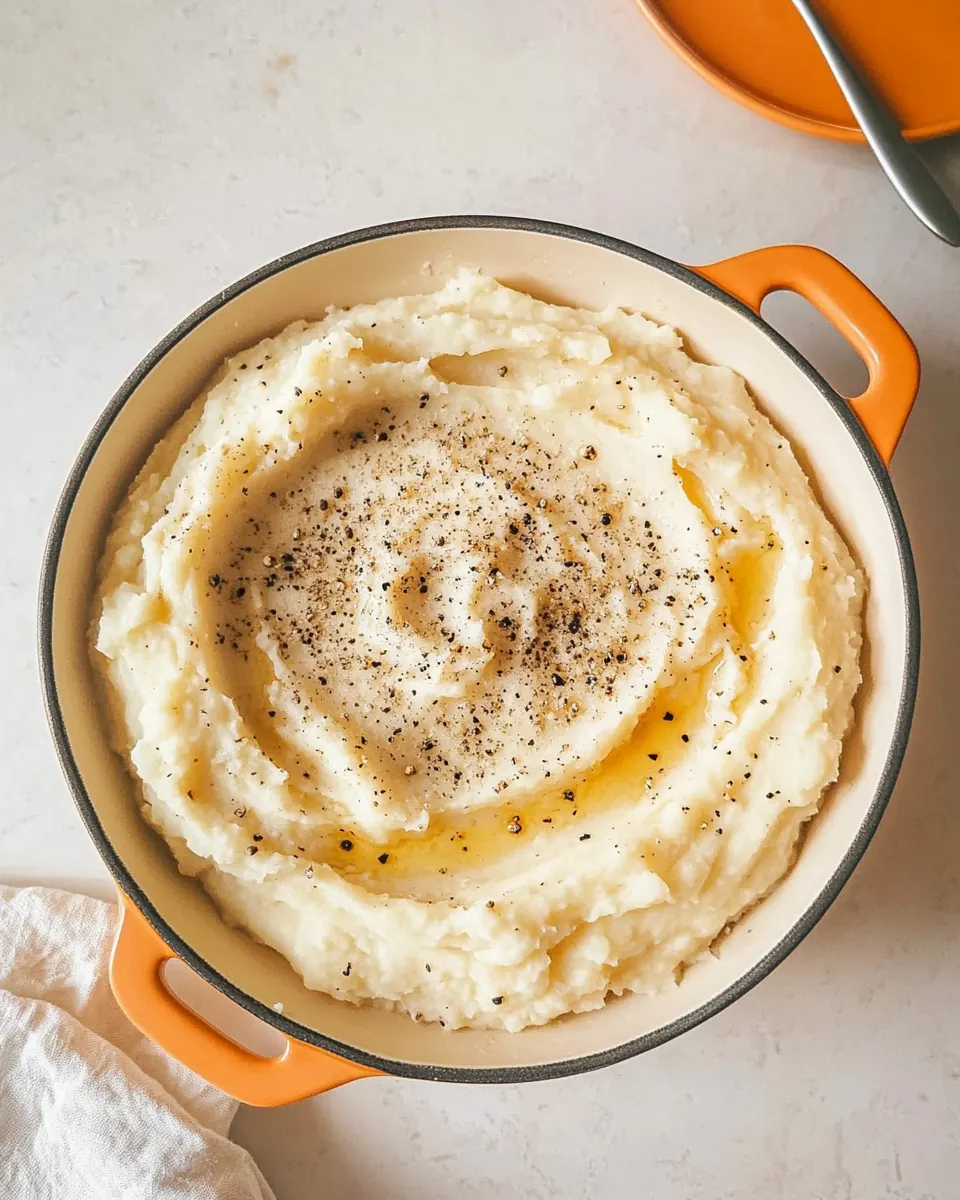
I like to keep the cooking moment focused but relaxed, so this intro is about setting rhythm and expectations. The method mixes an initial spice prep with careful boiling and ricing of the potatoes, then a gentle folding of dairy and cheese. Work in batches and taste as you go to dial in salt and texture.
- In a small saucepan, set over medium heat, add the peppercorns. Toast for about 2 to 3 minutes, until fragrant. Pour the peppercorns into mortar and pestle. Alternatively you could add it to a spice grinder or pepper grinder. Mash up the peppercorns until all crushed. Set aside.: The aroma will be the first clue that you are on the right track, a warm, nutty fragrance that lifts from the pan as the whole black peppercorns toast. You should hear tiny faint pops and see a shimmer of oil in the pan, which tells you the essential oils are being released. This step matters because it intensifies the pepper s flavor and gives the final dish a pronounced, fresh heat. Avoid leaving them unattended, as burnt pepper becomes bitter, and don't overtoast; two to three minutes is typically enough, and you will know they are ready when the scent changes from raw spice to toasty and bright.
- To Make the Potatoes:: After they are toasted, crushing the black peppercorns creates texture and releases even more aroma. As you grind, you will feel resistance give way to a mix of fine dust and coarse shards, which adds both perfume and crunchy moments to the potatoes. This technique matters because it controls the pepper s final intensity and mouthfeel. A common mistake is grinding too finely which can make the pepper blend too uniformly and lose its lively pockets of heat. If using a grinder, pulse to maintain some coarse bits for contrast.
- In a 4-quart Dutch Oven, fill it up about 3/4 of the way with cold water. Peel the potatoes and place them in the Dutch Oven and set it over medium-high heat. Bring the potatoes to a boil and then bring down the heat to medium-low. This should keep them at a nice, steady simmer. Cook until very soft, about 35 minutes. Give them a taste and make sure they’re VERY soft. Pour the potatoes into a colander and immediately run them under cool water. Then immediately run the potatoes through a ricer, in batches, into the Dutch Oven. Repeat this step until you’ve worked your way through all of the potatoes.: The first sensory cue here is the steady rise of starchy steam as the yukon gold potatoes begin to simmer in the cold water, which ensures even cooking. Starting the peeled potatoes in cold water and bringing them to a gentle boil helps them cook uniformly, preventing dry spots in the centers. When they reach a steady simmer you should see small rolling bubbles and hear a faint soft boil, not a violent churn. Cooking until they are very soft, about 35 minutes, is important because undercooked potatoes will resist the ricer and create lumps. A frequent error is rushing the boil at too high heat which can break apart potatoes unevenly; keep to medium to medium low for a controlled simmer and test by piercing for a completely tender center.
- In the pot with the mashed potatoes, pour in the buttermilk, softened butter, half of the ground up pepper, a few pinches of salt and heavy cream; mix it all together until smooth. Give it a taste and adjust the salt and cheese according to taste. I added about 2 teaspoons of salt in total.: The instant switch to cool running water stops carryover cooking and makes the potatoes easier to handle, while ricing hot ensures a fluffier texture. As you press them through the ricer you will notice a soft, plume like flow of warm potato, and the sound is quiet and gentle, like a steady drizzle. This is where you avoid the gummy trap years of over mixing taught me to stop at first smoothness. Do this in batches so the ricer does not clog, and scrape the bottom of the Dutch oven so all the riced potato collects in one place. The main mistake cooks make here is trying to mash instead of rice, which releases too much starch and makes the texture gluey.
- To Serve:: Right after ricing, the warm potatoes are thirsty and will readily absorb the dairy. You will immediately notice a richer aroma and creamier sheen as the butter melts and the buttermilk adds a gentle tang. Use a gentle folding motion to integrate everything so you maintain airiness, and keep the heat low so the cheese does not seize. This technique matters since temperature controls how the Pecorino Romano emulsifies with the dairy, creating that silky cacio e pepe texture. One common mistake is adding all the dairy at once or at too cool a temperature which can make the mixture loose and heavy rather than luxuriously creamy.
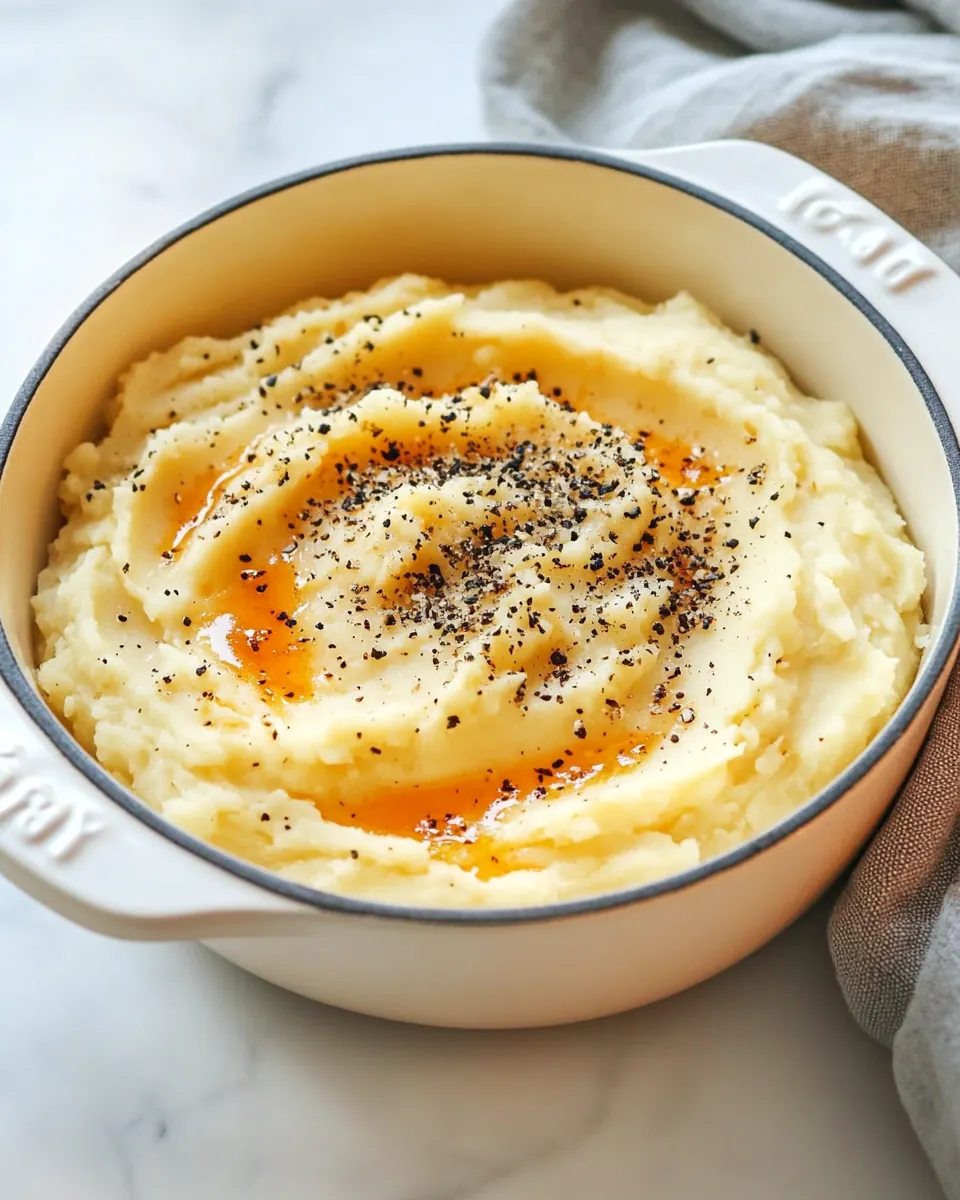
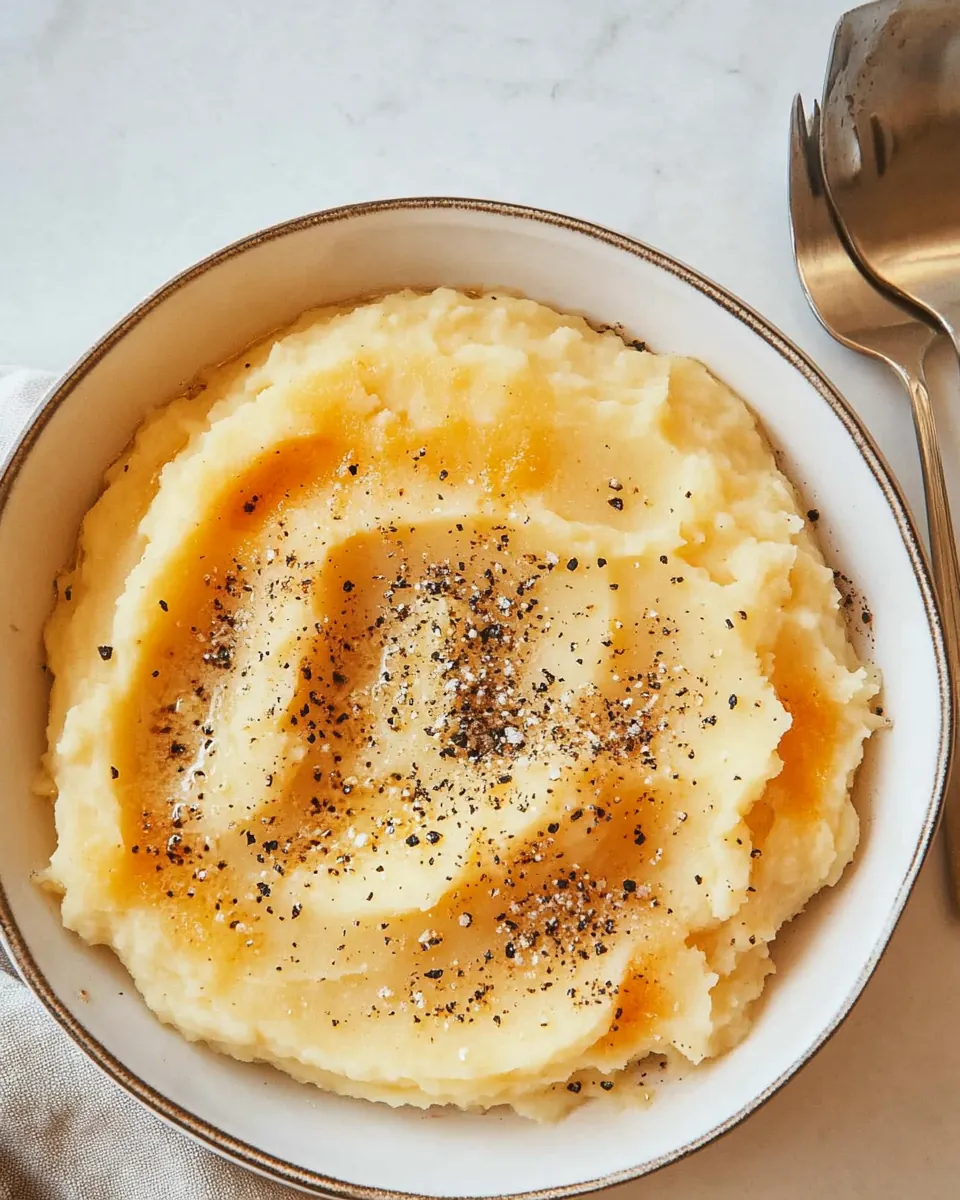
- Melt 2 tablespoons of butter in a small saucepan. Make some swoops in the tops of the potatoes. Pour the melted butter on top and then add a few pinches of freshly ground pepper and the remaining 1/4 cup of Pecorino Romano.: Creating swoops in the surface of the potatoes then pouring melted butter over the top gives a visual finish and adds concentrated richness. The melted butter should glisten and pool in the swoops, signaling the proper amount and an inviting look. Finish with a few pinches of the freshly ground black peppercorns for aroma and the remaining 1/4 cup of Pecorino Romano for a sharp finish, which provides the final seasoning contrast. This step matters because presentation and finishing salt or cheese elevate perception and balance. Avoid over topping which can make the surface greasy or overly salty.
- Make the recipe straight through and then allow to come to room temperature. Store in an air-tight container in the fridge up to 2 days ahead.: Letting the dish cool before sealing prevents condensation from making it watery, and the flavors often meld and deepen after resting. You will notice the texture firm slightly as it cools, which is expected. This strategy matters for make ahead planning so you can focus on the main course during service. A common mistake is sealing while still hot which traps steam and creates a soggy texture the next day.
- When you’re ready to serve: Add a few tablespoons of heavy cream to the bottom of a medium-sized pot and place it over medium-low heat. Add the cold potatoes and cover the pot. Cook for 1 to 2 minutes and then stir them. Cover the pot again and allow to warm up for about 3 to 4 minutes. Repeat until the potatoes are warm.: Gently warming with a splash of heavy cream revives creaminess without overcooking. The sound is low and the steam is gentle; stir periodically to distribute heat and prevent scorching. This matters because direct high heat can dry the potatoes out and change the texture. Avoid rushing with high flame, and instead aim for slow even warming, which preserves the silky mouthfeel.
- You can also microwave them lol.: If you choose convenience, microwave reheating is quick and practical, and you should add a little heavy cream or a knob of softened butter to refresh the texture. Heat in short bursts, stirring between intervals so the mixture warms evenly and does not develop hot spots. This method matters when time is limited and is perfectly serviceable for casual meals. The pitfall here is overheating, which can separate the dairy and dry out the potatoes, so use short pulses and stir thoroughly.
Expert Tips about Cacio e Pepe Mashed Potatoes
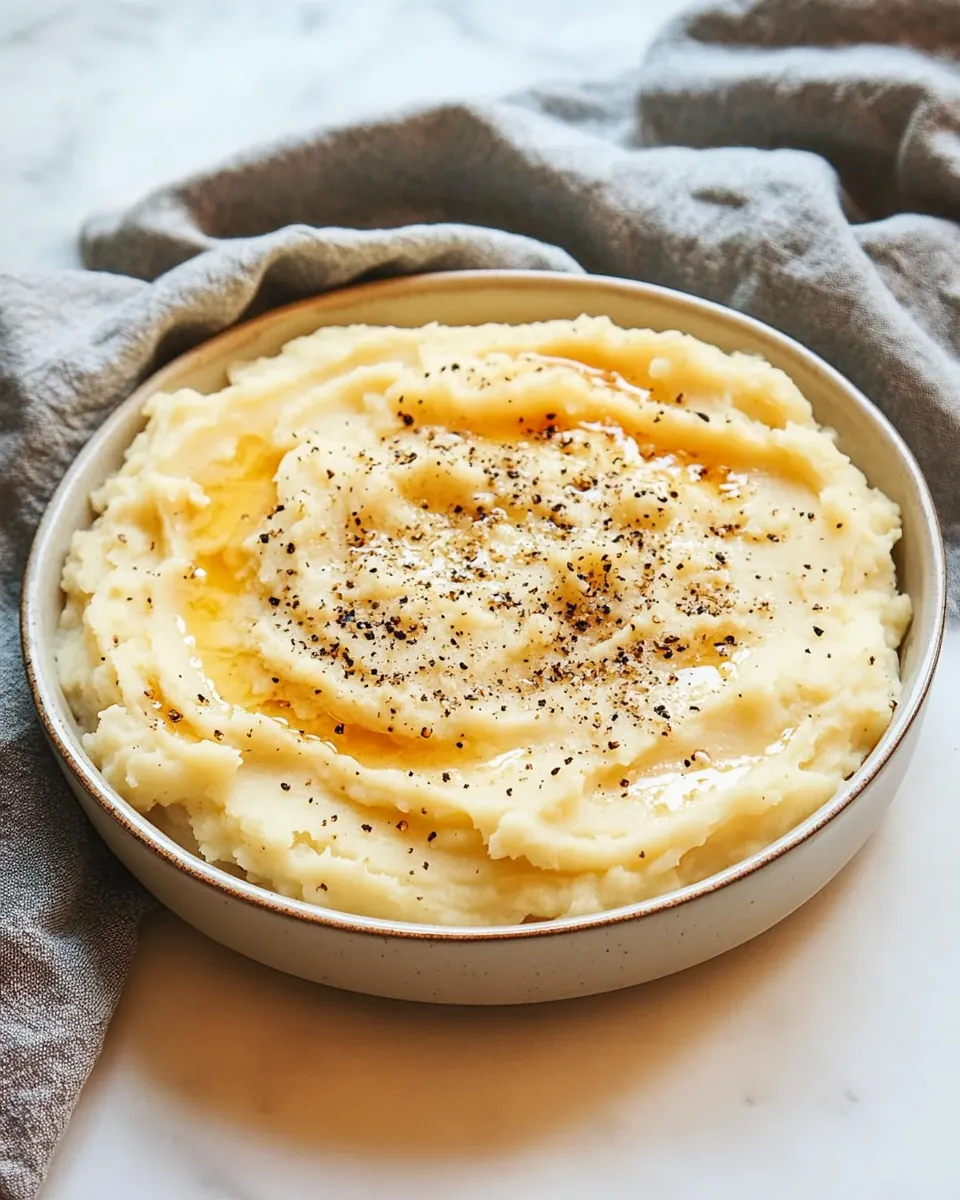
This recipe rewards attention to texture and finishing. The tips below expand on technique, timing, and small adjustments that make the dish stand out. Each tip focuses on one practical move I use in my own kitchen to achieve consistent results.
- Toast peppercorns briefly to release aromatic oils without burning, which enhances the brightness and prevents bitterness.
- Rice while hot so the potatoes pass through smoothly and remain airy, preventing a gummy final texture.
- Add dairy gradually to control consistency, tasting between additions so you can stop when the mouthfeel feels just right.
- Reserve some cheese for finishing, which gives a sharp finish and helps balance the seasoning at the end.
- Store properly in an airtight container after cooling to room temperature, which keeps texture steady for up to two days.
- Reheat gently with a splash of heavy cream on low heat to revive creaminess without breaking the emulsion.
What to Pair With Cacio e Pepe Mashed Potatoes
These mashed potatoes pair beautifully with simple mains and seasonal vegetables. The list below highlights complementary dishes, occasions, and serving suggestions to make the most of the recipe. Use bolded phrases as practical cues when building a full menu.
- Roasted vegetables: Serve alongside roasted root vegetables for a cozy winter meal where the pepper and cheese lift earthy flavors.
- Simple roasted chicken: The creamy texture supports lean proteins, making these potatoes ideal for a weeknight or Sunday dinner pairing.
- Holiday feast: Use as a special side for holiday dinners, where the bold pepper and Pecorino stand up to rich mains and festive flavors.
- Make ahead: Prepare up to two days in advance and reheat gently, which is perfect for entertaining and frees you to focus on the main course.
- Comfort meals: Great for chilly nights when you want something soothing yet elevated, pairing well with braised greens or simple pan seared proteins.
- Seasonal serving: In winter the warmth of the pepper feels especially satisfying, while in transitional months the bright buttermilk keeps the dish from feeling overly heavy.
- Storage tips: Cool to room temperature before sealing, refrigerate up to two days, and revive with a splash of heavy cream while reheating to restore silkiness.
FAQ
Conclusion
These Cacio e Pepe Mashed Potatoes shine because of their focused technique and the high impact of a few simple ingredients. The toasted pepper, riced Yukon golds, and Pecorino Romano create a balance of creaminess, tang, and bright heat that feels both indulgent and approachable. Give this recipe a try for a weeknight upgrade or as a star side at your next gathering, and enjoy how a small ritual of toasting and ricing transforms humble potatoes into something special.
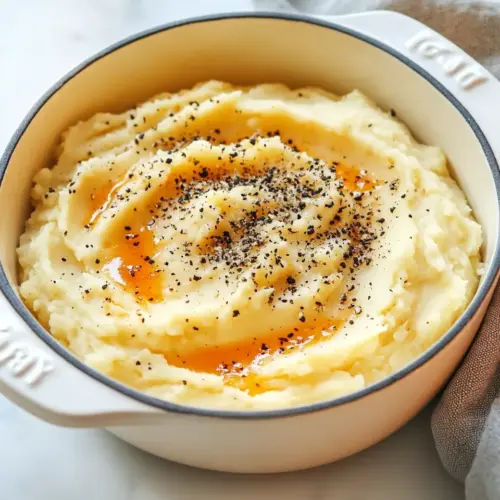
Cacio e Pepe Mashed Potatoes
Equipment
- Dutch Oven
- Potato ricer
- Measuring Cups
Ingredients
- 1 tablespoon black peppercorns Crush and toast to release aromatic oils, then grind coarsely to provide bright, sharp heat that defines the peppery character of the dish. Use freshly cracked pepper to create a pronounced, crunchy pop throughout the mashed potatoes and to balance the richness of cheeses and butter.
- 5 pounds yukon gold potatoes Boil until tender and drain thoroughly, then mash while hot to form the starchy creamy base of the recipe. Choose Yukon Gold for its naturally buttery flavor and smooth texture, which yields silky, cohesive mashed potatoes that absorb seasonings well.
- 1/2 cup unsalted butter, cut into cubes, at room temperature Soften and incorporate gradually to add rich creaminess and a silky mouthfeel, helping to bind the mashed potatoes into a smooth, spreadable consistency. Use room-temperature, cubed butter to ensure even distribution and to enhance the savory, luscious profile of the finished dish.
- 1 cup Pecorino Romano, divided Grate finely and divide so that part melts into the potatoes for savory depth while reserved portion finishes the dish with a salty, tangy crust. Pecorino Romano provides a sharp, salty, sheep-milk complexity that complements the pepper and elevates the overall flavor.
- Kosher salt Season judiciously during cooking and to taste to lift and balance the natural flavors, ensuring the potatoes and cheeses do not taste flat. Use kosher salt for even seasoning and easy control over salinity without overpowering the milk and butter.
- 1/2 cup buttermilk, shaken Whisk in cold or shaken to introduce a subtle tang and slight acidity that brightens the richness while keeping the mash creamy and spoonable. Buttermilk helps thin the potatoes to the desired consistency and adds a gentle lactic note that enhances overall flavor.
- 1/4 cup heavy cream Warm slightly and add sparingly to adjust richness and achieve the ideal silky texture without making the mash greasy or thin. Heavy cream provides luxurious body and a smooth finish, melding with butter and cheese for an indulgent mouthfeel.
Instructions
- In a small saucepan, set over medium heat, add the peppercorns. Toast for about 2 to 3 minutes, until fragrant. Pour the peppercorns into mortar and pestle. Alternatively you could add it to a spice grinder or pepper grinder. Mash up the peppercorns until all crushed. Set aside.: The aroma will be the first clue that you are on the right track, a warm, nutty fragrance that lifts from the pan as the whole black peppercorns toast. You should hear tiny faint pops and see a shimmer of oil in the pan, which tells you the essential oils are being released. This step matters because it intensifies the pepper s flavor and gives the final dish a pronounced, fresh heat. Avoid leaving them unattended, as burnt pepper becomes bitter, and don't overtoast; two to three minutes is typically enough, and you will know they are ready when the scent changes from raw spice to toasty and bright.
- To Make the Potatoes:: After they are toasted, crushing the black peppercorns creates texture and releases even more aroma. As you grind, you will feel resistance give way to a mix of fine dust and coarse shards, which adds both perfume and crunchy moments to the potatoes. This technique matters because it controls the pepper s final intensity and mouthfeel. A common mistake is grinding too finely which can make the pepper blend too uniformly and lose its lively pockets of heat. If using a grinder, pulse to maintain some coarse bits for contrast.
- In a 4-quart Dutch Oven, fill it up about 3/4 of the way with cold water. Peel the potatoes and place them in the Dutch Oven and set it over medium-high heat. Bring the potatoes to a boil and then bring down the heat to medium-low. This should keep them at a nice, steady simmer. Cook until very soft, about 35 minutes. Give them a taste and make sure they’re VERY soft. Pour the potatoes into a colander and immediately run them under cool water. Then immediately run the potatoes through a ricer, in batches, into the Dutch Oven. Repeat this step until you’ve worked your way through all of the potatoes.: The first sensory cue here is the steady rise of starchy steam as the yukon gold potatoes begin to simmer in the cold water, which ensures even cooking. Starting the peeled potatoes in cold water and bringing them to a gentle boil helps them cook uniformly, preventing dry spots in the centers. When they reach a steady simmer you should see small rolling bubbles and hear a faint soft boil, not a violent churn. Cooking until they are very soft, about 35 minutes, is important because undercooked potatoes will resist the ricer and create lumps. A frequent error is rushing the boil at too high heat which can break apart potatoes unevenly; keep to medium to medium low for a controlled simmer and test by piercing for a completely tender center.
- In the pot with the mashed potatoes, pour in the buttermilk, softened butter, half of the ground up pepper, a few pinches of salt and heavy cream; mix it all together until smooth. Give it a taste and adjust the salt and cheese according to taste. I added about 2 teaspoons of salt in total.: The instant switch to cool running water stops carryover cooking and makes the potatoes easier to handle, while ricing hot ensures a fluffier texture. As you press them through the ricer you will notice a soft, plume like flow of warm potato, and the sound is quiet and gentle, like a steady drizzle. This is where you avoid the gummy trap years of over mixing taught me to stop at first smoothness. Do this in batches so the ricer does not clog, and scrape the bottom of the Dutch oven so all the riced potato collects in one place. The main mistake cooks make here is trying to mash instead of rice, which releases too much starch and makes the texture gluey.
- To Serve:: Right after ricing, the warm potatoes are thirsty and will readily absorb the dairy. You will immediately notice a richer aroma and creamier sheen as the butter melts and the buttermilk adds a gentle tang. Use a gentle folding motion to integrate everything so you maintain airiness, and keep the heat low so the cheese does not seize. This technique matters since temperature controls how the Pecorino Romano emulsifies with the dairy, creating that silky cacio e pepe texture. One common mistake is adding all the dairy at once or at too cool a temperature which can make the mixture loose and heavy rather than luxuriously creamy.
- Melt 2 tablespoons of butter in a small saucepan. Make some swoops in the tops of the potatoes. Pour the melted butter on top and then add a few pinches of freshly ground pepper and the remaining 1/4 cup of Pecorino Romano.: Creating swoops in the surface of the potatoes then pouring melted butter over the top gives a visual finish and adds concentrated richness. The melted butter should glisten and pool in the swoops, signaling the proper amount and an inviting look. Finish with a few pinches of the freshly ground black peppercorns for aroma and the remaining 1/4 cup of Pecorino Romano for a sharp finish, which provides the final seasoning contrast. This step matters because presentation and finishing salt or cheese elevate perception and balance. Avoid over topping which can make the surface greasy or overly salty.
- Make the recipe straight through and then allow to come to room temperature. Store in an air-tight container in the fridge up to 2 days ahead.: Letting the dish cool before sealing prevents condensation from making it watery, and the flavors often meld and deepen after resting. You will notice the texture firm slightly as it cools, which is expected. This strategy matters for make ahead planning so you can focus on the main course during service. A common mistake is sealing while still hot which traps steam and creates a soggy texture the next day.
- When you’re ready to serve: Add a few tablespoons of heavy cream to the bottom of a medium-sized pot and place it over medium-low heat. Add the cold potatoes and cover the pot. Cook for 1 to 2 minutes and then stir them. Cover the pot again and allow to warm up for about 3 to 4 minutes. Repeat until the potatoes are warm.: Gently warming with a splash of heavy cream revives creaminess without overcooking. The sound is low and the steam is gentle; stir periodically to distribute heat and prevent scorching. This matters because direct high heat can dry the potatoes out and change the texture. Avoid rushing with high flame, and instead aim for slow even warming, which preserves the silky mouthfeel.
- You can also microwave them lol.: If you choose convenience, microwave reheating is quick and practical, and you should add a little heavy cream or a knob of softened butter to refresh the texture. Heat in short bursts, stirring between intervals so the mixture warms evenly and does not develop hot spots. This method matters when time is limited and is perfectly serviceable for casual meals. The pitfall here is overheating, which can separate the dairy and dry out the potatoes, so use short pulses and stir thoroughly.
Notes
- Toast peppercorns briefly to release aromatic oils without burning, which enhances the brightness and prevents bitterness.
- Rice while hot so the potatoes pass through smoothly and remain airy, preventing a gummy final texture.
- Add dairy gradually to control consistency, tasting between additions so you can stop when the mouthfeel feels just right.
- Reserve some cheese for finishing, which gives a sharp finish and helps balance the seasoning at the end.
- Store properly in an airtight container after cooling to room temperature, which keeps texture steady for up to two days.
- Reheat gently with a splash of heavy cream on low heat to revive creaminess without breaking the emulsion.