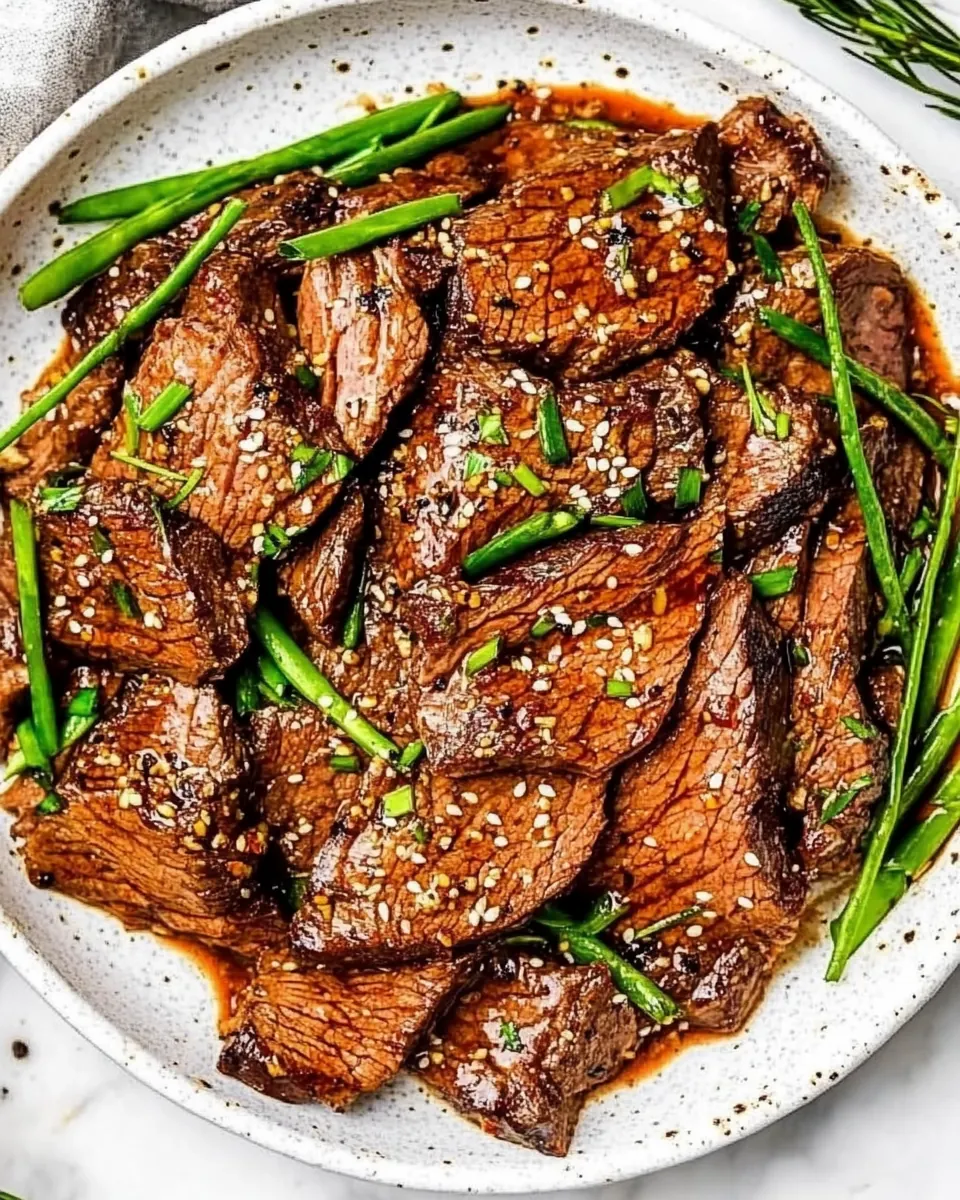
Shaved Steak
Shaved Steak has been one of those go to dinners in my kitchen ever since I discovered how quickly thin slices of beef transform with a little cornstarch and a bright sauce. The first time I tossed shaved steak with cornstarch, then seared it until the edges crisped while the center stayed tender, I realized weeknight dinners did not have to be complicated to be memorable.
One rainy evening I hurried home with a bag of groceries and only thirty minutes to pull a meal together for friends. I grabbed a skillet, a bunch of asparagus, and a package labeled shaved steak. The garlic hit the pan and that familiar aroma filled the apartment, and within minutes everyone was leaning over the stove asking what smelled so good. That night cemented this recipe as my favorite quick entertaining dish, the one I reach for when I want something satisfying, savory, and fast without losing any depth of flavor.
Over time I learned small tweaks that make a big difference, like letting the steak sit with the cornstarch so it crisps just enough, or saving part of the marinade to pour in at the end so the sauce becomes glossy and clingy. Those tiny habits changed texture and balance, and now I rarely follow a recipe without them. I also started swapping veggies depending on season, but the core idea of thin beef, a savory sweet sauce, and bright green asparagus stayed constant. That combination is comfort and speed wrapped into one pan.
Recipe Snapshot
20 mins
10 mins
10 mins
Easy
350 kcal
American
Gluten-Free, Paleo
Dinner
Skillet, Mixing bowl, Tongs
What’s Great About This Shaved Steak
Speed that actually tastes like effort
I love how Shaved Steak delivers restaurant flavor in less time than many weeknight dinners take to prep. Because the steak is thin, it cooks almost instantly, so you get caramelized edges without overcooking the interior, which keeps the texture tender and juicy. That speed means you can serve something impressive on a busy evening, and I find guests always assume I spent longer on it than I did.
Textural contrast that keeps every bite interesting
The cornstarch on the shaved steak creates a subtle crust while the inside stays silky. Paired with lightly crisped asparagus and the soft bite of green onions, each forkful has a satisfying interplay between crisp, tender, and saucy. I purposely leave the asparagus a little bright and not limp to preserve contrast, and that decision elevates the whole dish.
Flavor layering for depth
The marinade combines savory soy sauce, fragrant freshly grated ginger, and minced garlic, rounded with a touch of brown sugar. I always reserve half the marinade to add at the end, which thickens and glazes the steak so the flavors feel concentrated rather than washed out. That technique brings savory, sweet, and aromatic notes into a single bite.
Flexible and forgiving
This recipe is forgiving if you need to swap a vegetable or use a slightly different cut of beef. I often make it with flat iron or sirloin, and the method still shines. Because it cooks quickly, timing mistakes are less catastrophic, and you can usually rescue the dish by briefly reheating or adjusting the sauce at the end.
Great for sharing and scaling
I find Shaved Steak works equally well for a cozy dinner for two or a family meal for four. The technique scales without losing texture, and the skillet format makes it easy to finish quickly. When I host, I sometimes double the pan and keep a warm burner nearby so the second batch stays lively and saucy for serving.
Ingredients You’ll Need for Shaved Steak
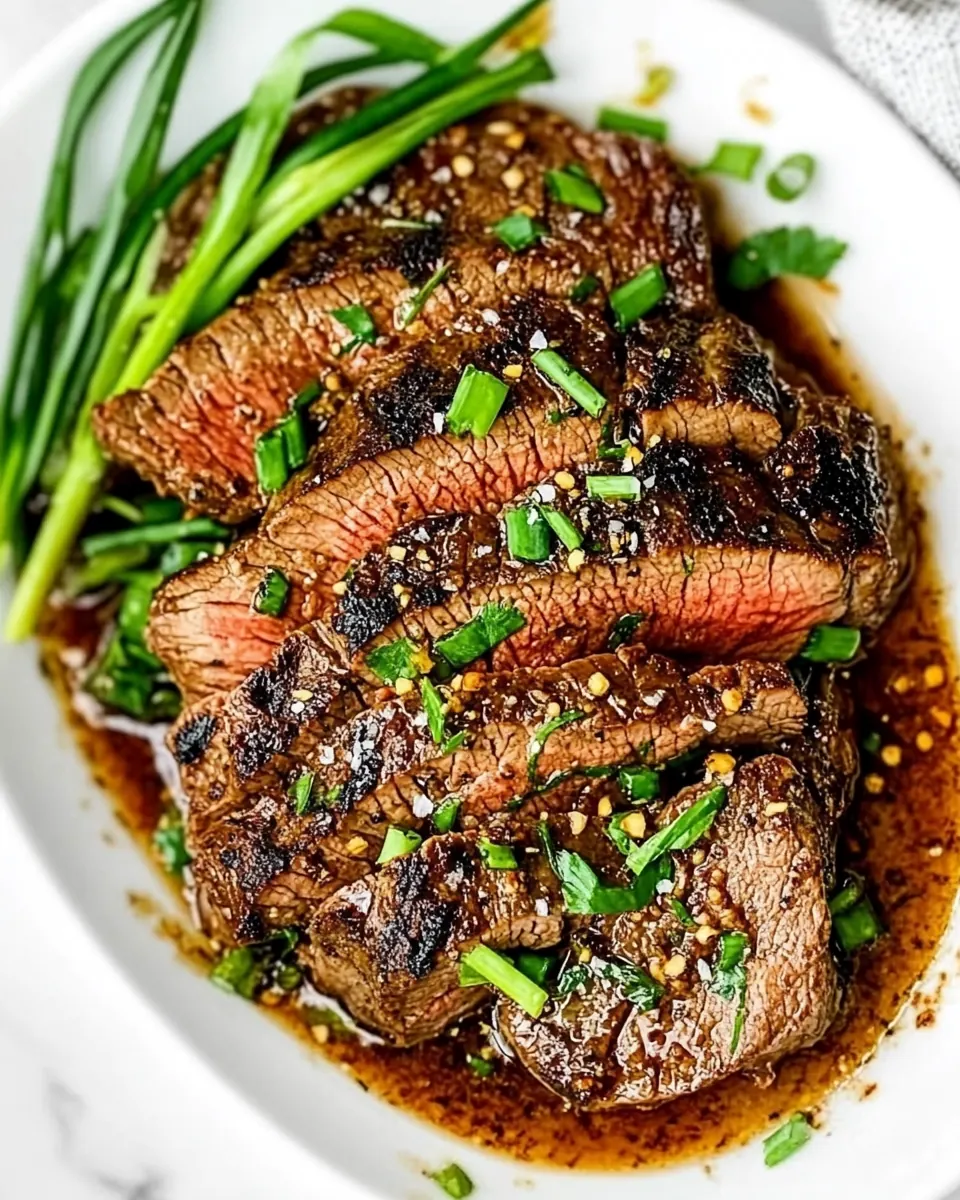
These ingredients are chosen to build speedy, savory layers. The key players are the thinly sliced shaved steak for quick cooking, the starch that helps create a glossy crust, and the umami sweet marinade that ties everything together. The vegetables add freshness and textural contrast, so the dish stays balanced and bright.
- 1 pounds shaved steak: Tenderize and provide the main protein component for the dish, offering rich beefy flavor and a satisfying texture when quickly seared; absorbs the marinade for enhanced taste. Slice thinly if not already shaved to ensure even cooking and a tender bite throughout the recipe.
- 1 tablespoon cornstarch: Bind and thicken the marinade slightly while helping it adhere to the shaved steak; creates a glossy coating on the meat when combined with the soy sauce. Dissolve fully in a small amount of liquid before adding to prevent lumps and ensure an even texture.
- 1/4 cup low sodium soy sauce: Season and impart umami depth while contributing saltiness balanced for healthier sodium levels; helps create a savory base that penetrates the shaved steak. Measure precisely to maintain proper balance with sweet and acidic components in the sauce.
- 1 tablespoon ginger freshly grated: Aromatize and brighten the dish with warm, slightly spicy, and citrusy notes; helps cut through the richness of the meat and complements the garlic. Grate fresh to release the most essential oils and avoid using pre-ground ginger for best flavor.
- 3 cloves garlic minced: Infuse pungent, savory flavor and aromatic intensity that supports the ginger and soy, promoting depth in the overall profile; minced garlic browns quickly to add a subtle sweetness. Add towards the end of high-heat cooking to prevent bitterness from overcooking.
- 1/2 teaspoons salt: Enhance overall seasoning balance by elevating flavors and controlling the level of saltiness beyond what the soy sauce provides; helps the shaved steak taste more rounded. Sprinkle sparingly and adjust to taste, remembering soy sauce already contributes sodium.
- 1/4 teaspoon pepper: Provide a subtle heat and counterpoint to the savory-sweet elements while supporting overall seasoning balance; cracked or ground pepper releases aromatic compounds when heated. Add during cooking to bloom the pepper's flavor or finish with a light pinch for freshness.
- 2 tablespoons brown sugar: Sweeten and balance the salty and savory components, creating caramelized notes when cooked and a rounded sauce for the steak; brown sugar adds moisture and depth. Dissolve into the marinade or sauce to ensure even sweetness and prevent graininess.
- 2 tablespoons olive oil: Sear and carry flavors while creating a lightly crisp exterior on the shaved steak and vegetables; olive oil contributes richness and helps distribute heat evenly in the pan. Use a high smoke-point variety or moderate heat to avoid burning and to maintain a clean flavor.
- 1 bunch asparagus trimmed and chopped: Add fresh vegetal crunch, a slightly bitter-green flavor, and textural contrast to the dish while providing color and seasonal nutrition; trimming and chopping ensures even cooking. Cook briefly to retain bright color and crisp-tender bite that complements the steak.
- 4 green onions sliced into 1-inch pieces: Garnish and contribute mild oniony freshness with tender white and green parts for contrast in flavor and texture; slicing into 1-inch pieces keeps pieces substantial and visually appealing. Scatter near the end of cooking or use raw as a finishing touch to preserve crispness and aromatic lift.
Step by Step Guide for Shaved Steak
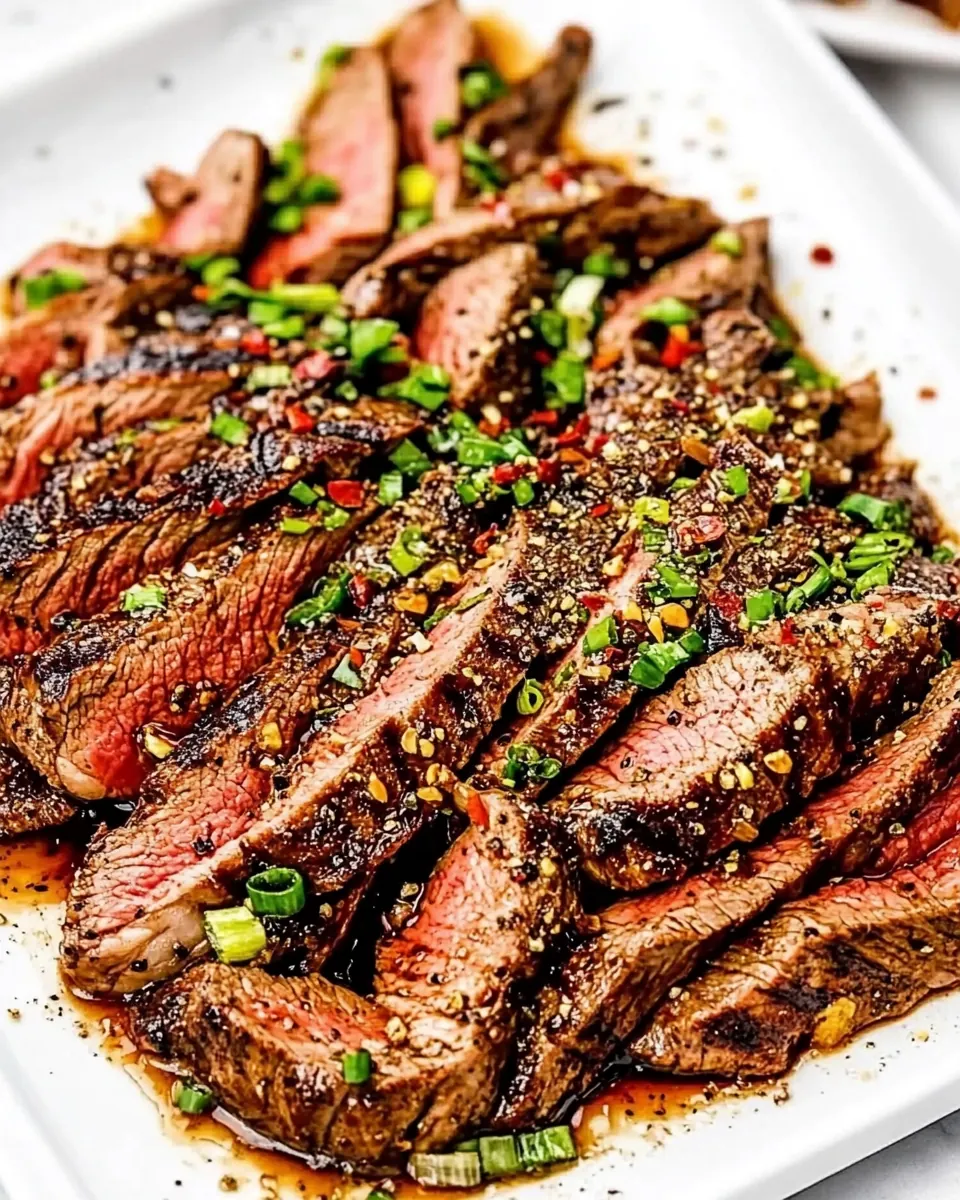
This is a hands on stir fry that moves quickly once the pan is hot, so have your ingredients prepped and within reach. Work in a rhythm, watch for color changes, and use the sauce reserved to finish with a glossy glaze. Keep an eye on timing because the thin beef cooks in moments, and that quick sear is what gives the dish its best texture.
- Toss thinly sliced steak with cornstarch and let it sit for 10 minutes.: The moment the meat meets the cornstarch you should notice a light dusting that will help develop a slightly crisp outer texture when seared; you may smell a faint starchy note, and the feel should be dry rather than wet. This step is important because the cornstarch creates a protective barrier that locks in juices and aids browning; without it the meat can turn tough and dry. Common mistakes include using too much cornstarch which can create a gummy coating, or skipping the rest time which reduces adhesion and prevents a proper crust from forming. For best results, spread the coated slices in a single layer on a plate while they rest so they do not clump together.
- Mix soy sauce, ginger, garlic, salt, pepper, and brown sugar in a bowl for the marinade. Coat the steak with half of the marinade.: As you whisk these ingredients together you will smell the sharp freshness of ginger meeting the sweet molasses of brown sugar , while the garlic lends savory depth; the mixture should be balanced and pourable. Reserving half the marinade is essential because the reserved portion will be added later to finish the dish, creating a glossy, concentrated sauce; if you pour it all in at once the flavors can become diluted as the meat cooks. A frequent error is over salting at this stage, especially if not using low sodium soy sauce , so taste and adjust before marinating, and keep the reserved portion separate from the raw meat to use safely later.
- Sear the steak in olive oil for 2-3 minutes per side until browned. Set aside.: When the marinade clings to the cornstarch coated slices you will see the meat take on a darker sheen and begin to pick up flavor; the aromas of garlic and ginger will intensify as they meet the beef. This partial marination seasons the meat quickly and infuses it without making the surface too wet to sear properly. Avoid marinating for too long, which can make the cornstarch break down and the texture soggy; aim for a short contact time so the surface flavor is present but the crust potential remains intact.
- Stir-fry asparagus and green onions in the same pan for 2-3 minutes.: As the strips hit the hot skillet you should hear an immediate sizzle, and within minutes the edges will brown and develop toasty notes while the interior stays tender; the smell is rich and meaty. Searing at high heat creates the Maillard reaction that builds complex flavor, and those brown bits will contribute to the sauce if deglazed later. The most common mistake is overcrowding the pan which causes steaming rather than searing; work in batches if needed and let the pan reheat between batches so each piece achieves good color.
- Add the cooked steak back to the pan and pour in the reserved marinade. Stir everything together and cook for 1-2 minutes until the sauce thickens slightly.: After searing, the steak should rest briefly off the heat so juices redistribute and the carryover cooking finishes gently; you will notice the surface gloss and a slightly firmer texture when it is ready. Resting prevents the meat from becoming dry when returned to the pan and allows the sauce to cling better later. A mistake to avoid is covering the meat tightly while resting which can trap steam and soften the crisped edges; instead leave it loosely tented if necessary.
- Remove from the heat and serve immediately.: When you add the asparagus to the hot skillet you should hear a bright sizzle, and within moments the color will turn vivid green while the edges get a touch of char; the green onions will release a mild onion perfume. Quick high heat keeps the vegetables crisp tender, which contrasts the meat, and picking up fond from the bottom of the pan adds savory complexity. Overcooking is the main pitfall here; aim for a slight resistance in the asparagus when pierced, and remove them promptly to preserve texture and color.
- Add the cooked steak back to the pan and pour in the reserved marinade: As you pour the reserved mixture, it will hiss and start to reduce almost immediately, releasing an intensified scent of soy sauce , ginger , and garlic ; the sauce will begin to thicken and coat the ingredients. This finishing technique concentrates flavors and gives the dish a shiny, clingy glaze that ties meat and vegetables together. A frequent error is adding too much liquid at once which prolongs reduction and can make the sauce thin; add gradually and stir to monitor consistency, scraping up browned bits to deepen the sauce.
- Stir everything together and cook for 1 to 2 minutes until the sauce thickens slightly: In this brief finishing moment you should see the sauce take on a glossy coat that clings to the pieces, and you will smell the melded umami and sweet notes. The short cook time warms the steak without overcooking and allows the sauce to adhere, ensuring each bite is balanced. Avoid leaving the pan on heat too long which can reduce the sauce to stickiness and toughen the beef; once the sauce lightly coats the ingredients, remove from heat and serve immediately.
- Remove from the heat and serve immediately: The final dish should arrive with steaming tendrils of aroma, glossy sauce, and a contrast of tender beef and crisp asparagus . Serve right away for best texture because prolonged sitting will soften the vegetables and slightly change the sauce. A common mistake is holding the stir fry too long, which dulls flavors and softens textures; plate and enjoy promptly for the ideal experience.
Substitutions and Tips
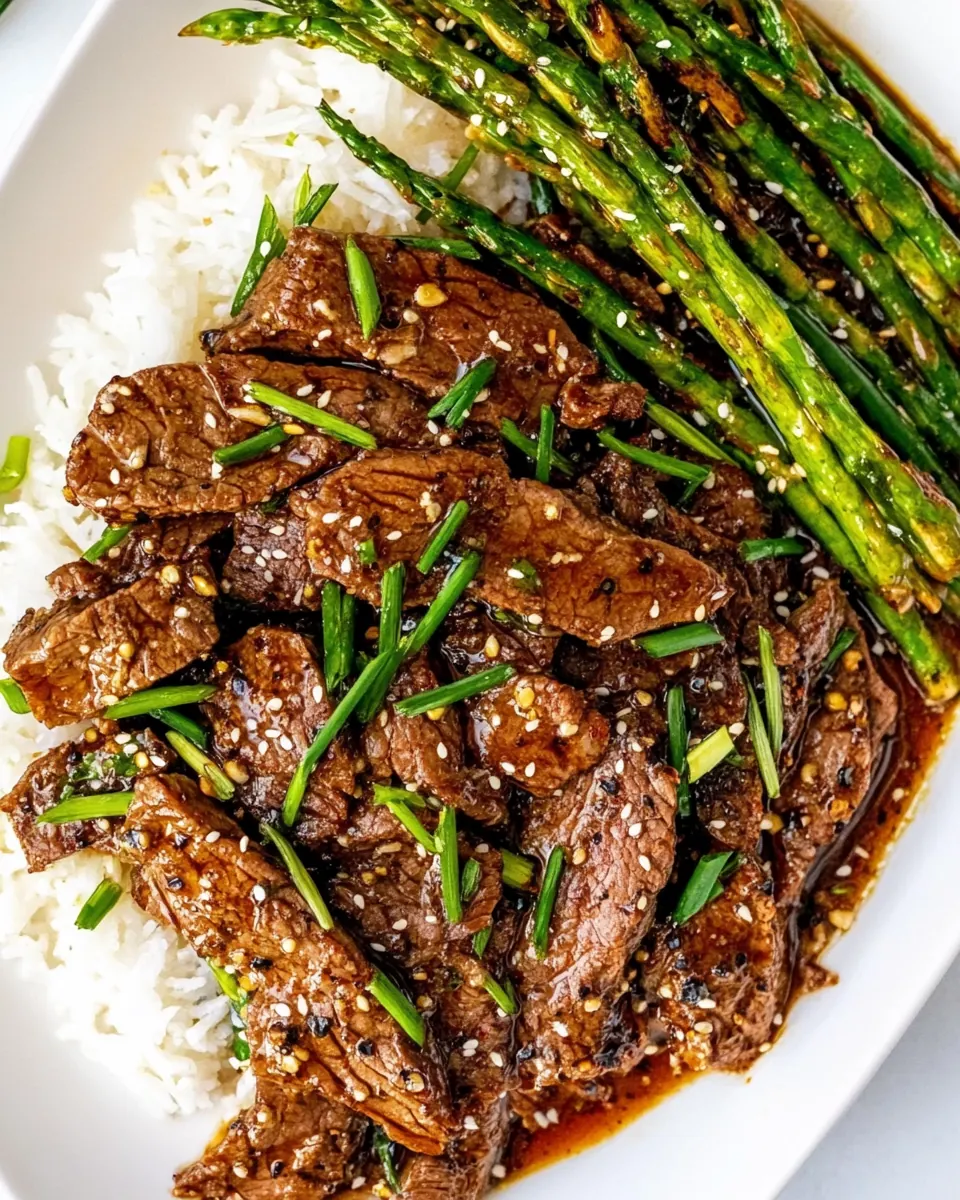
This section expands the brief notes into practical, cook friendly tips. Each list item highlights a quick trick or substitution I use when I do not have the exact item on hand, or when I want to change texture or flavor while keeping the core approach intact.
- Use alternative cuts If you do not have pre shaved steak, slice a flat iron, sirloin, or flank thinly across the grain as cold as possible for similar results and tenderness.
- Vegetable swaps Replace asparagus with quick cooking veggies like snow peas, sliced bell peppers, or broccoli florets, adjusting stir fry time to retain a crisp tender bite.
- Sauce variations Add a small splash of sesame oil or a teaspoon of rice vinegar to the reserved marinade at the end for depth, but add sparingly to avoid overpowering the balance.
- Storage guidance Let leftovers cool completely before transferring to airtight containers; they keep well refrigerated for three to four days and reheat briefly to avoid overcooking the beef.
- Make it a bowl Serve the stir fry over steamed rice or noodles to turn it into a heartier meal, spooning extra sauce over the base for an integrated bite.
Best Served With
Shaved Steak makes a versatile centerpiece, pairing easily with simple starches, bright sides, or casual family meals. Think about balance and texture so each plate highlights the glossy, savory stir fry without overwhelming it.
- Steamed white rice A classic bed for the saucy stir fry, it soaks up extra sauce and balances the savory notes with neutral starch.
- Spicy noodles Toss cooked noodles with a light drizzle of the reserved sauce and chili if you want heat and a more textural mouthfeel.
- Cauliflower fried rice For a lower carb option, serve the stir fry over cauliflower rice to keep the meal lighter while retaining the stir fry vibe.
- Weeknight dinners This recipe excels for busy weeknights because it is fast, flavorful, and scales easily to feed a family or small group.
- Meal prep Pack cooled portions into airtight containers for up to four days, and reheat briefly to retain texture; this keeps lunches convenient and satisfying.
- Seasonal pairing In spring, the fresh asparagus adds a bright note that feels right for lighter seasonal menus and simple entertaining.
FAQ
Conclusion
Shaved Steak stands out because it combines speed, savory depth, and contrasting textures in one simple skillet. It cooks fast, yet the cornstarch coating and reserved marinade deliver a glossy, restaurant style finish that feels like more than a quick meal. I encourage you to try it on a busy weeknight, or when you want to impress without hours in the kitchen. The method is forgiving, the flavors are adaptable, and it scales effortlessly, so once you get the timing right you will find it becoming a regular favorite in your rotation.
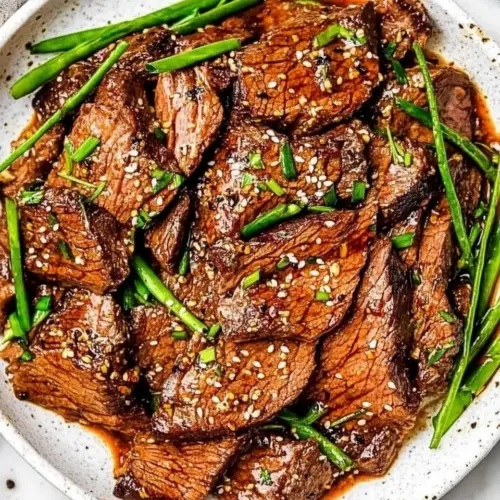
Shaved Steak
Equipment
- Skillet
- Mixing Bowl
- Tongs
Ingredients
- 1 pounds shaved steak Tenderize and provide the main protein component for the dish, offering rich beefy flavor and a satisfying texture when quickly seared; absorbs the marinade for enhanced taste. Slice thinly if not already shaved to ensure even cooking and a tender bite throughout the recipe.
- 1 tablespoon cornstarch Bind and thicken the marinade slightly while helping it adhere to the shaved steak; creates a glossy coating on the meat when combined with the soy sauce. Dissolve fully in a small amount of liquid before adding to prevent lumps and ensure an even texture.
- 1/4 cup low sodium soy sauce Season and impart umami depth while contributing saltiness balanced for healthier sodium levels; helps create a savory base that penetrates the shaved steak. Measure precisely to maintain proper balance with sweet and acidic components in the sauce.
- 1 tablespoon ginger freshly grated Aromatize and brighten the dish with warm, slightly spicy, and citrusy notes; helps cut through the richness of the meat and complements the garlic. Grate fresh to release the most essential oils and avoid using pre-ground ginger for best flavor.
- 3 cloves garlic minced Infuse pungent, savory flavor and aromatic intensity that supports the ginger and soy, promoting depth in the overall profile; minced garlic browns quickly to add a subtle sweetness. Add towards the end of high-heat cooking to prevent bitterness from overcooking.
- 1/2 teaspoons salt Enhance overall seasoning balance by elevating flavors and controlling the level of saltiness beyond what the soy sauce provides; helps the shaved steak taste more rounded. Sprinkle sparingly and adjust to taste, remembering soy sauce already contributes sodium.
- 1/4 teaspoon pepper Provide a subtle heat and counterpoint to the savory-sweet elements while supporting overall seasoning balance; cracked or ground pepper releases aromatic compounds when heated. Add during cooking to bloom the pepper's flavor or finish with a light pinch for freshness.
- 2 tablespoons brown sugar Sweeten and balance the salty and savory components, creating caramelized notes when cooked and a rounded sauce for the steak; brown sugar adds moisture and depth. Dissolve into the marinade or sauce to ensure even sweetness and prevent graininess.
- 2 tablespoons olive oil Sear and carry flavors while creating a lightly crisp exterior on the shaved steak and vegetables; olive oil contributes richness and helps distribute heat evenly in the pan. Use a high smoke-point variety or moderate heat to avoid burning and to maintain a clean flavor.
- 1 bunch asparagus trimmed and chopped Add fresh vegetal crunch, a slightly bitter-green flavor, and textural contrast to the dish while providing color and seasonal nutrition; trimming and chopping ensures even cooking. Cook briefly to retain bright color and crisp-tender bite that complements the steak.
- 4 green onions sliced into 1-inch pieces Garnish and contribute mild oniony freshness with tender white and green parts for contrast in flavor and texture; slicing into 1-inch pieces keeps pieces substantial and visually appealing. Scatter near the end of cooking or use raw as a finishing touch to preserve crispness and aromatic lift.
Instructions
- Toss thinly sliced steak with cornstarch and let it sit for 10 minutes.: The moment the meat meets the cornstarch you should notice a light dusting that will help develop a slightly crisp outer texture when seared; you may smell a faint starchy note, and the feel should be dry rather than wet. This step is important because the cornstarch creates a protective barrier that locks in juices and aids browning; without it the meat can turn tough and dry. Common mistakes include using too much cornstarch which can create a gummy coating, or skipping the rest time which reduces adhesion and prevents a proper crust from forming. For best results, spread the coated slices in a single layer on a plate while they rest so they do not clump together.
- Mix soy sauce, ginger, garlic, salt, pepper, and brown sugar in a bowl for the marinade. Coat the steak with half of the marinade.: As you whisk these ingredients together you will smell the sharp freshness of ginger meeting the sweet molasses of brown sugar , while the garlic lends savory depth; the mixture should be balanced and pourable. Reserving half the marinade is essential because the reserved portion will be added later to finish the dish, creating a glossy, concentrated sauce; if you pour it all in at once the flavors can become diluted as the meat cooks. A frequent error is over salting at this stage, especially if not using low sodium soy sauce , so taste and adjust before marinating, and keep the reserved portion separate from the raw meat to use safely later.
- Sear the steak in olive oil for 2-3 minutes per side until browned. Set aside.: When the marinade clings to the cornstarch coated slices you will see the meat take on a darker sheen and begin to pick up flavor; the aromas of garlic and ginger will intensify as they meet the beef. This partial marination seasons the meat quickly and infuses it without making the surface too wet to sear properly. Avoid marinating for too long, which can make the cornstarch break down and the texture soggy; aim for a short contact time so the surface flavor is present but the crust potential remains intact.
- Stir-fry asparagus and green onions in the same pan for 2-3 minutes.: As the strips hit the hot skillet you should hear an immediate sizzle, and within minutes the edges will brown and develop toasty notes while the interior stays tender; the smell is rich and meaty. Searing at high heat creates the Maillard reaction that builds complex flavor, and those brown bits will contribute to the sauce if deglazed later. The most common mistake is overcrowding the pan which causes steaming rather than searing; work in batches if needed and let the pan reheat between batches so each piece achieves good color.
- Add the cooked steak back to the pan and pour in the reserved marinade. Stir everything together and cook for 1-2 minutes until the sauce thickens slightly.: After searing, the steak should rest briefly off the heat so juices redistribute and the carryover cooking finishes gently; you will notice the surface gloss and a slightly firmer texture when it is ready. Resting prevents the meat from becoming dry when returned to the pan and allows the sauce to cling better later. A mistake to avoid is covering the meat tightly while resting which can trap steam and soften the crisped edges; instead leave it loosely tented if necessary.
- Remove from the heat and serve immediately.: When you add the asparagus to the hot skillet you should hear a bright sizzle, and within moments the color will turn vivid green while the edges get a touch of char; the green onions will release a mild onion perfume. Quick high heat keeps the vegetables crisp tender, which contrasts the meat, and picking up fond from the bottom of the pan adds savory complexity. Overcooking is the main pitfall here; aim for a slight resistance in the asparagus when pierced, and remove them promptly to preserve texture and color.
- Add the cooked steak back to the pan and pour in the reserved marinade: As you pour the reserved mixture, it will hiss and start to reduce almost immediately, releasing an intensified scent of soy sauce , ginger , and garlic ; the sauce will begin to thicken and coat the ingredients. This finishing technique concentrates flavors and gives the dish a shiny, clingy glaze that ties meat and vegetables together. A frequent error is adding too much liquid at once which prolongs reduction and can make the sauce thin; add gradually and stir to monitor consistency, scraping up browned bits to deepen the sauce.
- Stir everything together and cook for 1 to 2 minutes until the sauce thickens slightly: In this brief finishing moment you should see the sauce take on a glossy coat that clings to the pieces, and you will smell the melded umami and sweet notes. The short cook time warms the steak without overcooking and allows the sauce to adhere, ensuring each bite is balanced. Avoid leaving the pan on heat too long which can reduce the sauce to stickiness and toughen the beef; once the sauce lightly coats the ingredients, remove from heat and serve immediately.
- Remove from the heat and serve immediately: The final dish should arrive with steaming tendrils of aroma, glossy sauce, and a contrast of tender beef and crisp asparagus . Serve right away for best texture because prolonged sitting will soften the vegetables and slightly change the sauce. A common mistake is holding the stir fry too long, which dulls flavors and softens textures; plate and enjoy promptly for the ideal experience.
Notes
- Use alternative cuts If you do not have pre shaved steak, slice a flat iron, sirloin, or flank thinly across the grain as cold as possible for similar results and tenderness.
- Vegetable swaps Replace asparagus with quick cooking veggies like snow peas, sliced bell peppers, or broccoli florets, adjusting stir fry time to retain a crisp tender bite.
- Sauce variations Add a small splash of sesame oil or a teaspoon of rice vinegar to the reserved marinade at the end for depth, but add sparingly to avoid overpowering the balance.
- Storage guidance Let leftovers cool completely before transferring to airtight containers; they keep well refrigerated for three to four days and reheat briefly to avoid overcooking the beef.
- Make it a bowl Serve the stir fry over steamed rice or noodles to turn it into a heartier meal, spooning extra sauce over the base for an integrated bite.