Cabbage Roll Soup
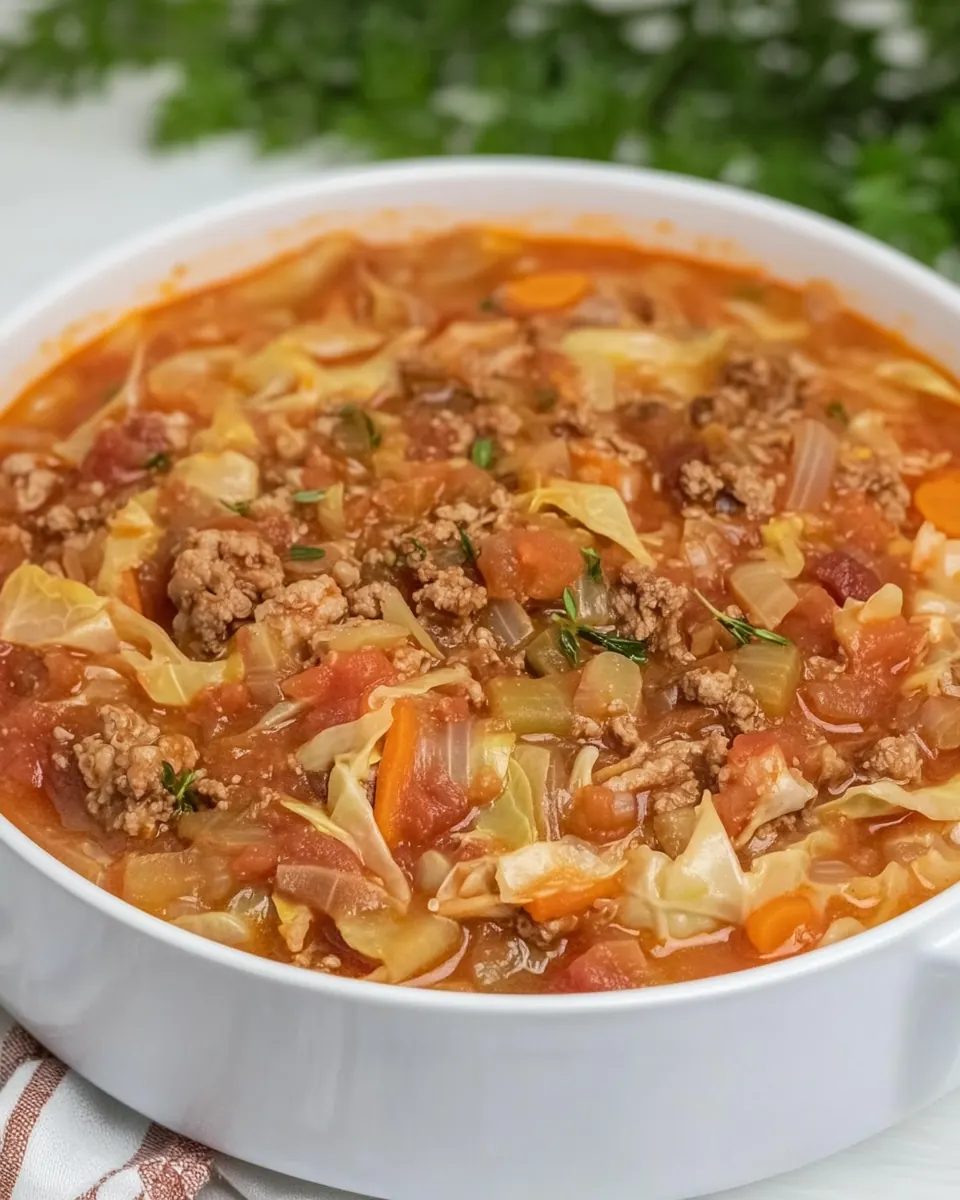
Cabbage Roll Soup is one of those bowls that feels like a warm embrace on a chilly evening, and I still remember the first time I ladled it into a steaming bowl after a long day of errands. I was tired, hungry, and craving something that tasted like home without a lot of fuss. This soup, with its tender cabbage, savory ground beef, and rich tomato broth, delivered comfort in every spoonful and quickly became a pantry favorite for weekday dinners.
Over the years I’ve tweaked the balance of spices and textures, learning which little habits make the broth more rounded and the rice perfectly tender. I like to brown the ground beef well so those caramelized bits add depth, and I never rush the simmer because that resting time lets the flavors knit together. I also have a soft spot for chopping the cabbage slightly larger than usual so there are satisfying ribbons to chew, instead of limp shreds.
Recipe Snapshot
50 mins
20 mins
30 mins
Medium
320 kcal
American
Gluten-Free, Keto
Soups
Dutch Oven, Wooden Spoon
The Best Thing About This Cabbage Roll Soup
Hearty, familiar flavor that comforts
I love how Cabbage Roll Soup captures everything I adore about stuffed cabbage rolls, without the labor of wrapping each leaf. The savory notes from the browned ground beef and the tang of canned tomatoes create a warm, layered broth that feels both nostalgic and satisfying. I come back to this bowl when I want something honest and uncomplicated.
Effortless one pot cooking
One of the reasons I keep this recipe in my weeknight rotation is the simplicity, you only need a single heavy pot. As someone who prefers fewer dishes, I appreciate that the pot develops fond from the initial browning of the ground beef, which becomes a flavor base for the entire soup. It saves time and gives the broth a richer personality.
Flexible without losing identity
Even though the recipe is straightforward, it handles small tweaks beautifully. You can adjust the herb and spice balance to suit your mood, and the humble cabbage soaks up flavors without becoming mush. That balance of sturdy vegetables and tender rice means the soup remains true to classic cabbage roll flavors while being adaptable.
Comfort food that stretches well
I often make a big pot because it stores and reheats wonderfully. Leftovers taste even better the next day as the flavors meld further. For families or meal prep, this soup delivers consistent quality and keeps its texture with mindful reheating.
Approachable for cooks at any level
If you are new to braising or simmering, this recipe is forgiving. The steps are clear and the ingredients are pantry friendly. I like to reassure friends that small timing differences will not ruin the dish, and that attentive stirring and proper seasoning are the main secrets to success.
Cabbage Roll Soup Ingredients
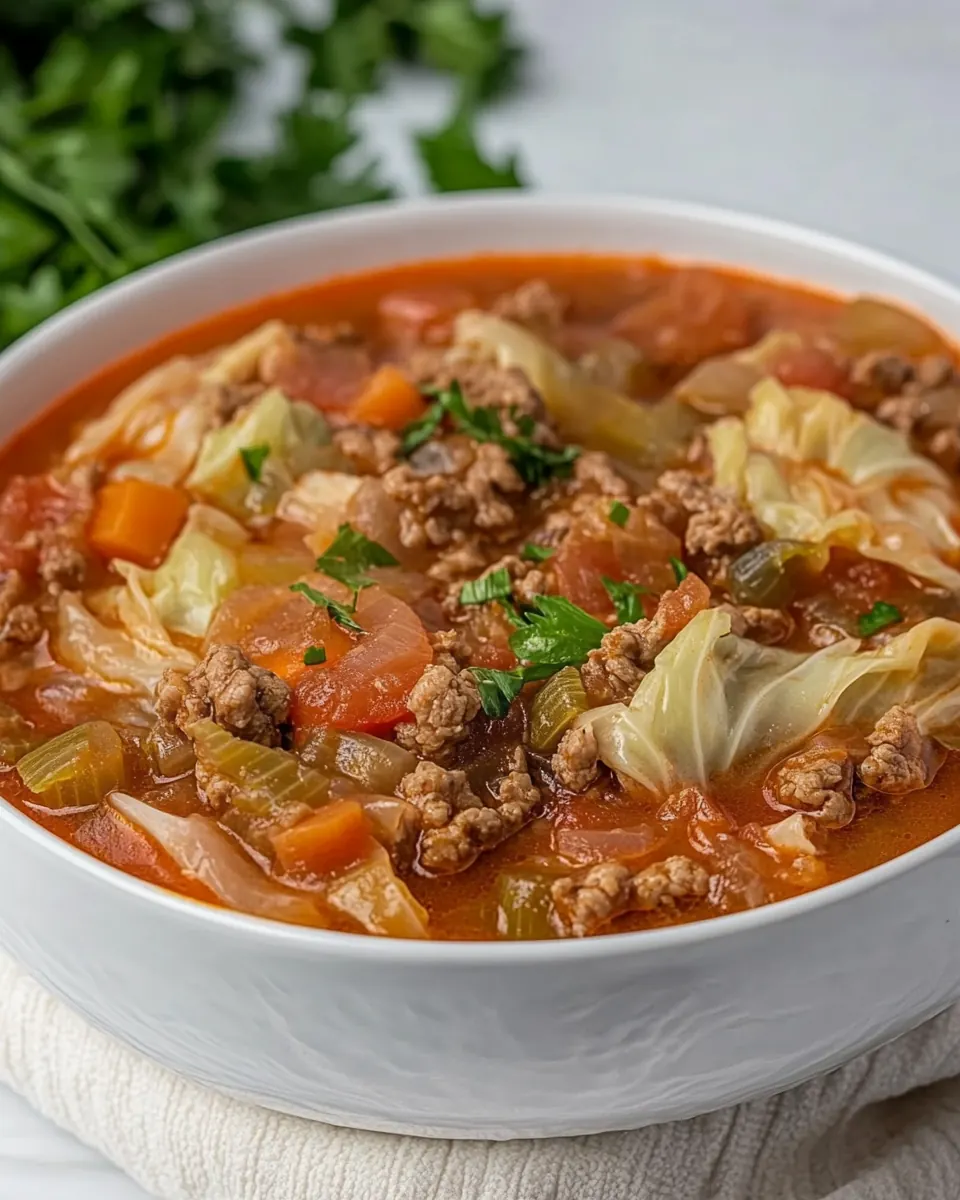
These ingredients form a simple but purposeful lineup. The aromatics and seasonings build a savory backbone, while the cabbage, carrots, and canned tomatoes provide texture and brightness. The star players are the ground beef for richness, the beef broth for depth, and the rice for satisfying body. Together they create a stew like soup that echoes traditional cabbage rolls but in a much easier form.
- 1 lb lean ground beef: Brown and crumble to provide a savory, meaty base that adds rich umami and protein to the soup; drain excess fat if desired to control richness and texture. Season while cooking to build depth and allow flavors to meld with the aromatics and tomato components.
- 1 medium yellow onion diced finely: Sauté finely diced to release sweet, aromatic flavors that form the foundational aromatic layer; cook until translucent to soften and integrate with the meat. Add gradually to deglaze the pan and help develop a balanced savory backbone for the soup.
- 1 cup baby carrots chopped: Chop into small pieces to contribute mild sweetness, color, and subtle texture; simmer until tender so they soften and infuse the broth. Add early in cooking so their natural sugars meld with the tomatoes and beef for a well-rounded flavor.
- 1 tbsp garlic paste: Add as a concentrated garlic element to provide immediate savory, pungent depth; stir in during sautéing to bloom its flavor without burning. Combine with other seasonings to create a cohesive aromatic profile throughout the soup.
- 1 tbsp Worcestershire sauce: Stir in to introduce tangy, savory complexity and a hint of Worcestershire's fermented umami; use during or after browning the beef for layered flavor. Balance with tomatoes and broth to enrich the overall savory profile.
- 1 tsp salt: Season to enhance savory balance and bring out the natural flavors of beef and vegetables; dissolve into the broth for consistent taste. Adjust to preference, bearing in mind salted broth or canned tomatoes may contribute additional sodium.
- 1/2 tsp ground black pepper: Grind over to add mild heat and aromatic pungency that brightens the overall flavor; incorporate during cooking for even distribution. Keep measured to avoid overpowering the gentle cabbage and rice textures.
- 1 tsp garlic powder: Sprinkle to impart a concentrated roasted garlic note that complements fresh garlic and deepens savory undertones; add with dry spices so they can bloom in the cooking process. Use sparingly as it intensifies quickly compared to fresh garlic.
- 1 tsp onion powder: Dust in to deliver sweet, savory depth reminiscent of sautéed onion; combine with fresh onion for layered aromatics. Add early so it hydrates and melds into the soup base for a uniform flavor.
- 1 tsp paprika: Sprinkle to contribute smoky warmth and a subtle sweetness that enhances the tomato and beef combination; add during seasoning to round out flavor. Adjust amount for a gentle smoky accent without overwhelming other spices.
- 1 tsp Italian seasoning: Stir in to introduce an herbaceous Italian blend that brightens and rounds the soup; contributes oregano, basil, and other herbs for Mediterranean warmth. Add mid-cook so herbs release aroma without turning bitter.
- 1/2 head cabbage cored and chopped into 1 inch pieces (about 5-6 cups): Chop and add to provide tender, leafy texture and mild cabbage sweetness that mimics classic cabbage roll filling; simmer until softened to absorb broth flavors. Add enough time to let cabbage release its juice and meld with tomatoes and rice.
- 5 cups beef broth: Pour in to supply a savory liquid base and concentrated beef flavor that forms the soup's body; use as the primary cooking liquid for simmering. Taste and adjust seasoning as beef broth contributes saltiness and depth.
- 14 oz can petite diced tomatoes: Dump in to add bright, acidic sweetness and small tomato pieces that provide texture and tang; combine with tomato sauce for layered tomato flavor. Use accredited canned tomatoes as a convenient way to build consistent acidity and body.
- 16 oz can tomato sauce: Stir in to create a smooth, saucy tomato base that thickens and enriches the broth; melds with diced tomatoes for cohesive tomato character. Simmer sufficiently to integrate flavors and mellow the sauce's acidity.
- 2 tbsp ketchup: Whisk in to add a concentrated sweet-tangy tomato flavor and glossy finish that complements the tomato sauce; balances savory and acidic notes. Use sparingly to control sweetness and maintain the soup's savory profile.
- 2 bay leaf: Tuck in to infuse subtle herbal bitterness and aromatic depth while simmering; remove bay leaves before serving to avoid an overpowering texture. Use whole leaves to gently perfume the broth without adding particulates.
- 1/2 cup uncooked long grain white rice: Stir into the soup to thicken slightly and absorb flavors, providing the comforting starchiness associated with stuffed cabbage; rinse if desired for less stickiness. Add early enough to cook through and become tender during simmering.
- Parsley chopped for garnish: Garnish chopped to lend fresh herbal brightness and a pop of color on the finished soup; sprinkle over individual bowls to enhance aroma and visual appeal. Use as a final touch to lift and freshen the rich, savory flavors.
Recipe Steps for Cabbage Roll Soup
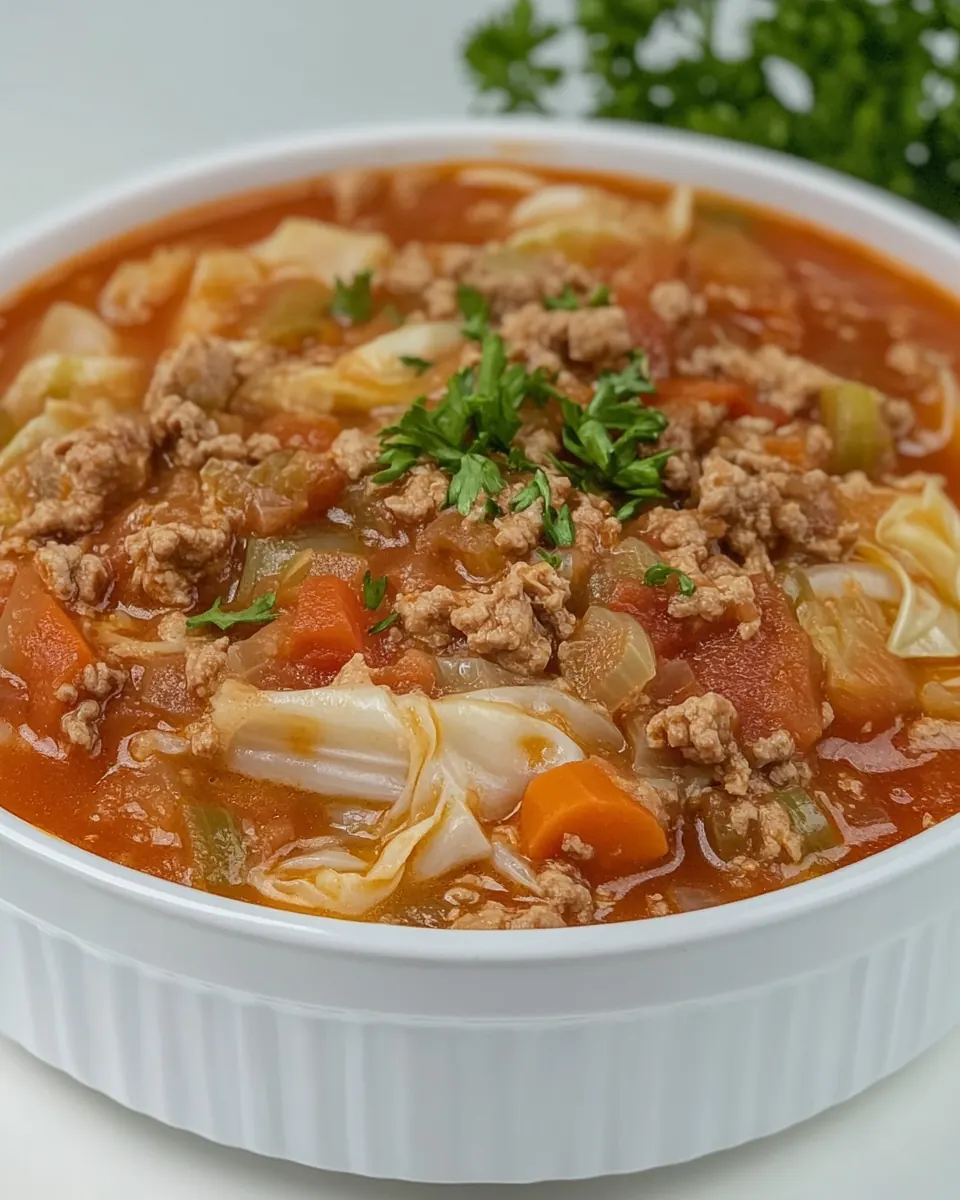
These steps will take you from raw ingredients to a steaming pot of comfort. I walk through each phase like I would when cooking with a friend, sharing the sensory cues and little fixes that save a pot from being just okay. Keep your pot heavy and your attention gentle, and you will end with a rich, balanced soup.
- In a Dutch Oven add the ground beef and cook over medium heat. Cook until meat is no longer pink. Drain grease. Add beef back to pan along with onions, carrots, and garlic paste. Cook until onions are soft, about 5-7 minutes.: The moment you add the ground beef you should hear a steady sizzle, and as it browns the aroma will shift from raw to nutty and savory; that fond is flavor gold. When the meat loses its pink, the surface will show golden edges and small caramelized bits, which you want to keep, so avoid constant stirring. Draining excess grease prevents the broth from tasting greasy, but leave a little for sautéing the aromatics so the onion and carrots can bloom. Once you return the meat, the mixture should smell sweet and onion forward, and the softened onions will be translucent and silky. A common mistake is rushing the browning, which leads to pale meat and a thinner broth; be patient and medium heat is your friend.
- Add Worcestershire sauce, salt, ground black pepper, garlic powder, onion powder, paprika, and Italian seasonings. Stir to combine.: Right after seasoning, you will notice the aroma straighten out, with tang from the Worcestershire sauce and a warm spice note from the paprika . These dry seasonings layer into the meat and aromatics, seeping into the mixture and mellowing as they cook. Stir thoroughly until the spices are evenly distributed so each spoonful has balance. If you under-season now, the final dish will taste flat, but if you overdo salt you cannot take it back, so add gently and adjust later after the broth simmers. Watch for clumping of powders; break them up as you stir for even flavor distribution.
- Add cabbage to pot and let cook for 2-3 minutes, stirring often. Add beef broth, petite diced tomatoes, tomato sauce, ketchup, 2 bay leaves, and rice to the pot. Stir well to combine. Bring to a boil. Reduce heat, cover and let simmer for 30 minutes. Don’t uncover the pot while cooking as the rice needs to cook through.: When the chopped cabbage hits the pan it will shrivel slightly and release a faint vegetal scent; stirring helps it soften evenly without losing all texture. Once you pour in the beef broth and canned tomatoes , the surface will steam as it approaches a boil and you will see gentle rising bubbles. The rice will absorb liquid steadily while the bay leaves perfume the liquid with a dry, woody note. Covering creates trapped steam which cooks the rice properly; lifting the lid frequently releases that steam and extends cooking time, so resist peeking. If you find the pot boiling too vigorously, lower the heat to a gentle simmer to avoid breaking down the cabbage too fast.
- At the 30 minute mark remove the lid and check the doneness of the rice. Cook covered for an additional 5 minutes if the rice still needs to cook and soften.: After thirty minutes the steam release will reveal the broth, and you can assess the rice texture by tasting a grain; it should be tender without being mushy. If the rice is close but a touch firm, re-cover and let it finish cooking for five minutes, during which the residual heat will work gently. Observe the broth level and cabbage texture as well, because prolonged cooking will further soften leaves. A common misstep is overcooking at high heat which makes the cabbage disintegrate and the rice gluey, so use low heat for that final stretch.
- Remove the bay leaves and discard. Garnish with fresh chopped parsley and serve hot.: Once you fish out the bay leaves, the aroma should smell rounded and herb forward, and the bowl will look inviting with flecks of fresh green from the chopped parsley . Serve immediately while the broth is hot and fragrant; the parsley adds a crisp herbal lift that brightens each spoonful. A troubleshooting note is to let the soup rest a moment if it seems too thin; brief simmer uncovered can reduce and concentrate flavors. Also remember to remove bay leaves completely so no one bites into one unexpectedly.
Customization Ideas
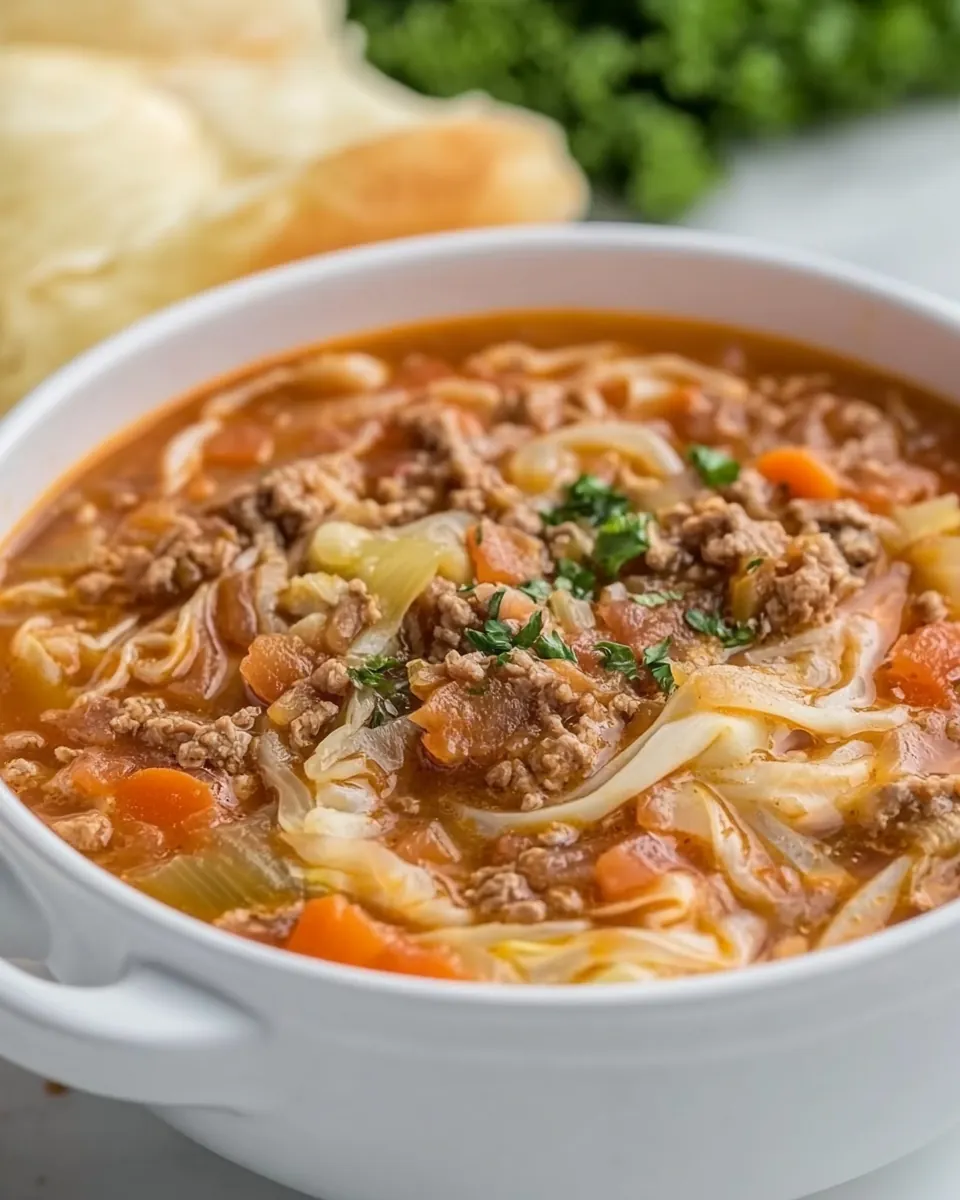
If you want to make this dish your own, small adjustments can shift it from classic to personalized without losing its soul. Below are practical customization tips that I often share with friends, each starting with a bold prompt so you can scan quickly and pick the idea that fits your pantry and mood.
- Swap the protein Try lean ground beef as written, or substitute a leaner option if preferred; adjust seasoning slightly to maintain balance.
- Make it crockpot friendly Brown the meat and transfer everything to a slow cooker, cooking 6 to 7 hours on low and adding broth if it reduces too much.
- Adjust rice texture Use long grain white rice for separate grains or short grain for a creamier mouthfeel, and monitor liquid ratios accordingly.
- Increase vegetable bulk Add more chopped cabbage or extra carrots for a larger vegetable presence, keeping the same simmer time to soften them.
- Boost herb notes Stir in extra chopped parsley at the end or a pinch of dried oregano while simmering for a more herbaceous finish.
How to Enjoy Cabbage Roll Soup
This soup is versatile for many meals, and serving it well enhances the experience. Below are practical serving ideas, storage tips, and occasion pairings written as helpful, scannable items so you can decide how best to present this bowl.
- Family weeknight dinner Serve bowls hot with a sprinkle of fresh chopped parsley for color and a slice of crusty bread on the side to sop up the broth.
- Meal prep lunches Portion into airtight containers and refrigerate up to four days, reheating gently on the stove so the rice heats through without overcooking.
- Comfort on cold days This dish is ideal for winter evenings when you want something filling and warm that stretches to feed many.
- Potluck friendly Bring in a large slow cooker to keep the soup hot at gatherings, and offer chopped parsley for guests to garnish to taste.
- Storage and freezing Cool completely before transferring to freezer safe containers; freeze up to three months and thaw overnight in the refrigerator before reheating slowly.
- Seasonal pairing Pair with a simple green salad in warmer months to contrast the warm bowl, or roasted root vegetables in colder months to double down on comfort.
FAQ
Conclusion
Cabbage Roll Soup captures the comforting flavors of stuffed cabbage in a much easier, one pot format. It offers hearty ground beef, tender cabbage, and rice in a tomato rich broth that’s perfect for colder nights. Give it a try when you want a reliable, crowd pleasing bowl that improves with leftovers, and don’t be afraid to tweak seasonings to match your family’s tastes. Once you taste how the flavors come together, I think this soup will become a staple in your cold weather repertoire.

Cabbage Roll Soup
Equipment
- Dutch Oven
- Wooden Spoon
Ingredients
- 1 lb lean ground beef Brown and crumble to provide a savory, meaty base that adds rich umami and protein to the soup; drain excess fat if desired to control richness and texture. Season while cooking to build depth and allow flavors to meld with the aromatics and tomato components.
- 1 medium yellow onion diced finely Sauté finely diced to release sweet, aromatic flavors that form the foundational aromatic layer; cook until translucent to soften and integrate with the meat. Add gradually to deglaze the pan and help develop a balanced savory backbone for the soup.
- 1 cup baby carrots chopped Chop into small pieces to contribute mild sweetness, color, and subtle texture; simmer until tender so they soften and infuse the broth. Add early in cooking so their natural sugars meld with the tomatoes and beef for a well-rounded flavor.
- 1 tbsp garlic paste Add as a concentrated garlic element to provide immediate savory, pungent depth; stir in during sautéing to bloom its flavor without burning. Combine with other seasonings to create a cohesive aromatic profile throughout the soup.
- 1 tbsp Worcestershire sauce Stir in to introduce tangy, savory complexity and a hint of Worcestershire's fermented umami; use during or after browning the beef for layered flavor. Balance with tomatoes and broth to enrich the overall savory profile.
- 1 tsp salt Season to enhance savory balance and bring out the natural flavors of beef and vegetables; dissolve into the broth for consistent taste. Adjust to preference, bearing in mind salted broth or canned tomatoes may contribute additional sodium.
- 1/2 tsp ground black pepper Grind over to add mild heat and aromatic pungency that brightens the overall flavor; incorporate during cooking for even distribution. Keep measured to avoid overpowering the gentle cabbage and rice textures.
- 1 tsp garlic powder Sprinkle to impart a concentrated roasted garlic note that complements fresh garlic and deepens savory undertones; add with dry spices so they can bloom in the cooking process. Use sparingly as it intensifies quickly compared to fresh garlic.
- 1 tsp onion powder Dust in to deliver sweet, savory depth reminiscent of sautéed onion; combine with fresh onion for layered aromatics. Add early so it hydrates and melds into the soup base for a uniform flavor.
- 1 tsp paprika Sprinkle to contribute smoky warmth and a subtle sweetness that enhances the tomato and beef combination; add during seasoning to round out flavor. Adjust amount for a gentle smoky accent without overwhelming other spices.
- 1 tsp Italian seasoning Stir in to introduce an herbaceous Italian blend that brightens and rounds the soup; contributes oregano, basil, and other herbs for Mediterranean warmth. Add mid-cook so herbs release aroma without turning bitter.
- 1/2 head cabbage cored and chopped into 1 inch pieces (about 5-6 cups) Chop and add to provide tender, leafy texture and mild cabbage sweetness that mimics classic cabbage roll filling; simmer until softened to absorb broth flavors. Add enough time to let cabbage release its juice and meld with tomatoes and rice.
- 5 cups beef broth Pour in to supply a savory liquid base and concentrated beef flavor that forms the soup's body; use as the primary cooking liquid for simmering. Taste and adjust seasoning as beef broth contributes saltiness and depth.
- 14 oz can petite diced tomatoes Dump in to add bright, acidic sweetness and small tomato pieces that provide texture and tang; combine with tomato sauce for layered tomato flavor. Use accredited canned tomatoes as a convenient way to build consistent acidity and body.
- 16 oz can tomato sauce Stir in to create a smooth, saucy tomato base that thickens and enriches the broth; melds with diced tomatoes for cohesive tomato character. Simmer sufficiently to integrate flavors and mellow the sauce's acidity.
- 2 tbsp ketchup Whisk in to add a concentrated sweet-tangy tomato flavor and glossy finish that complements the tomato sauce; balances savory and acidic notes. Use sparingly to control sweetness and maintain the soup's savory profile.
- 2 bay leaf Tuck in to infuse subtle herbal bitterness and aromatic depth while simmering; remove bay leaves before serving to avoid an overpowering texture. Use whole leaves to gently perfume the broth without adding particulates.
- 1/2 cup uncooked long grain white rice Stir into the soup to thicken slightly and absorb flavors, providing the comforting starchiness associated with stuffed cabbage; rinse if desired for less stickiness. Add early enough to cook through and become tender during simmering.
- Parsley chopped for garnish Garnish chopped to lend fresh herbal brightness and a pop of color on the finished soup; sprinkle over individual bowls to enhance aroma and visual appeal. Use as a final touch to lift and freshen the rich, savory flavors.
Instructions
- In a Dutch Oven add the ground beef and cook over medium heat. Cook until meat is no longer pink. Drain grease. Add beef back to pan along with onions, carrots, and garlic paste. Cook until onions are soft, about 5-7 minutes.: The moment you add the ground beef you should hear a steady sizzle, and as it browns the aroma will shift from raw to nutty and savory; that fond is flavor gold. When the meat loses its pink, the surface will show golden edges and small caramelized bits, which you want to keep, so avoid constant stirring. Draining excess grease prevents the broth from tasting greasy, but leave a little for sautéing the aromatics so the onion and carrots can bloom. Once you return the meat, the mixture should smell sweet and onion forward, and the softened onions will be translucent and silky. A common mistake is rushing the browning, which leads to pale meat and a thinner broth; be patient and medium heat is your friend.
- Add Worcestershire sauce, salt, ground black pepper, garlic powder, onion powder, paprika, and Italian seasonings. Stir to combine.: Right after seasoning, you will notice the aroma straighten out, with tang from the Worcestershire sauce and a warm spice note from the paprika . These dry seasonings layer into the meat and aromatics, seeping into the mixture and mellowing as they cook. Stir thoroughly until the spices are evenly distributed so each spoonful has balance. If you under-season now, the final dish will taste flat, but if you overdo salt you cannot take it back, so add gently and adjust later after the broth simmers. Watch for clumping of powders; break them up as you stir for even flavor distribution.
- Add cabbage to pot and let cook for 2-3 minutes, stirring often. Add beef broth, petite diced tomatoes, tomato sauce, ketchup, 2 bay leaves, and rice to the pot. Stir well to combine. Bring to a boil. Reduce heat, cover and let simmer for 30 minutes. Don’t uncover the pot while cooking as the rice needs to cook through.: When the chopped cabbage hits the pan it will shrivel slightly and release a faint vegetal scent; stirring helps it soften evenly without losing all texture. Once you pour in the beef broth and canned tomatoes , the surface will steam as it approaches a boil and you will see gentle rising bubbles. The rice will absorb liquid steadily while the bay leaves perfume the liquid with a dry, woody note. Covering creates trapped steam which cooks the rice properly; lifting the lid frequently releases that steam and extends cooking time, so resist peeking. If you find the pot boiling too vigorously, lower the heat to a gentle simmer to avoid breaking down the cabbage too fast.
- At the 30 minute mark remove the lid and check the doneness of the rice. Cook covered for an additional 5 minutes if the rice still needs to cook and soften.: After thirty minutes the steam release will reveal the broth, and you can assess the rice texture by tasting a grain; it should be tender without being mushy. If the rice is close but a touch firm, re-cover and let it finish cooking for five minutes, during which the residual heat will work gently. Observe the broth level and cabbage texture as well, because prolonged cooking will further soften leaves. A common misstep is overcooking at high heat which makes the cabbage disintegrate and the rice gluey, so use low heat for that final stretch.
- Remove the bay leaves and discard. Garnish with fresh chopped parsley and serve hot.: Once you fish out the bay leaves, the aroma should smell rounded and herb forward, and the bowl will look inviting with flecks of fresh green from the chopped parsley . Serve immediately while the broth is hot and fragrant; the parsley adds a crisp herbal lift that brightens each spoonful. A troubleshooting note is to let the soup rest a moment if it seems too thin; brief simmer uncovered can reduce and concentrate flavors. Also remember to remove bay leaves completely so no one bites into one unexpectedly.
Notes
- Swap the protein Try lean ground beef as written, or substitute a leaner option if preferred; adjust seasoning slightly to maintain balance.
- Make it crockpot friendly Brown the meat and transfer everything to a slow cooker, cooking 6 to 7 hours on low and adding broth if it reduces too much.
- Adjust rice texture Use long grain white rice for separate grains or short grain for a creamier mouthfeel, and monitor liquid ratios accordingly.
- Increase vegetable bulk Add more chopped cabbage or extra carrots for a larger vegetable presence, keeping the same simmer time to soften them.
- Boost herb notes Stir in extra chopped parsley at the end or a pinch of dried oregano while simmering for a more herbaceous finish.