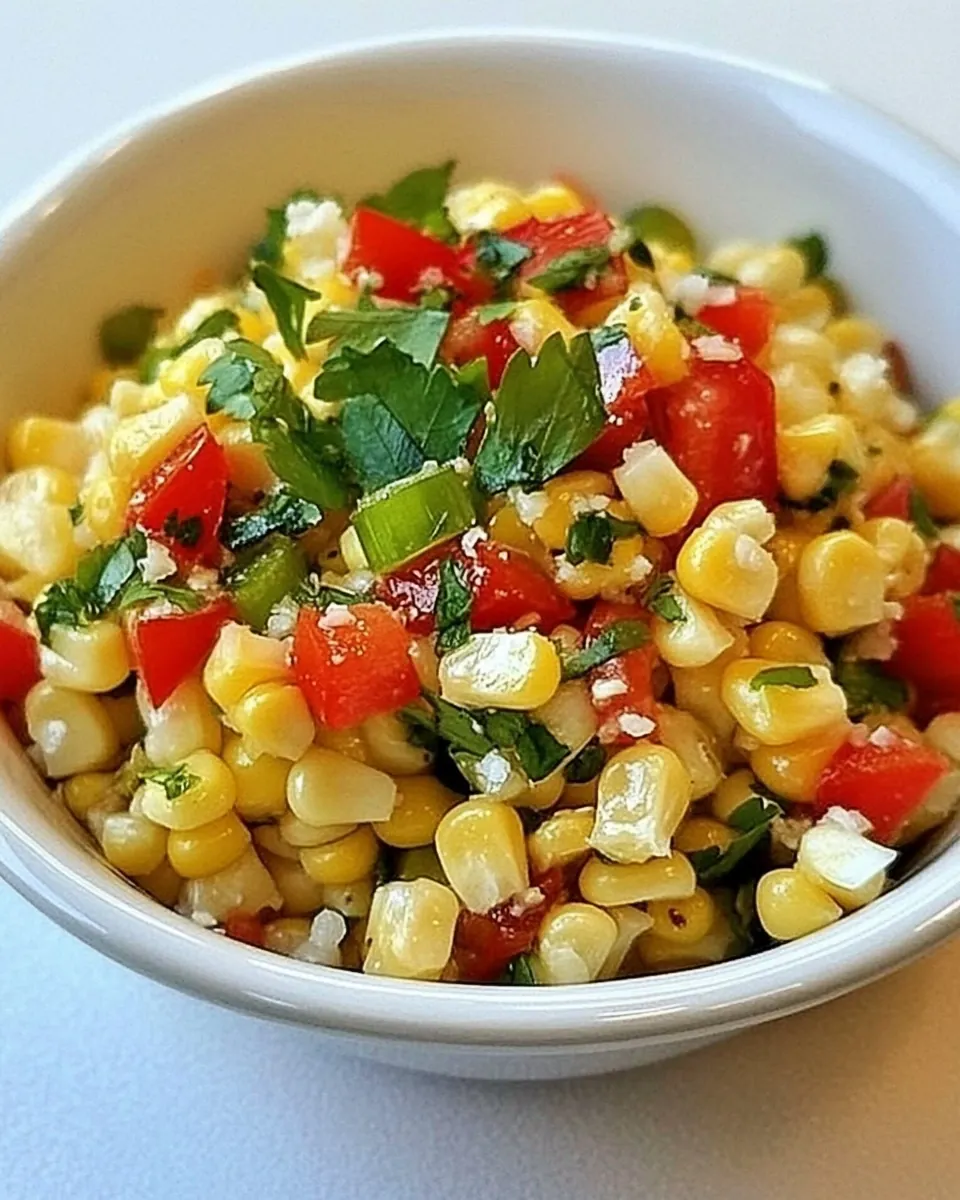
Mexican Corn
Mexican Corn was one of those unexpected weeknight winners that snuck into my regular rotation after a summer barbecue where everyone somehow cleared their plates and asked for more.
I remember tucking into the skillet straight from the grill, the warmth of the vegetables still rising in little fragrant puffs that smelled of char and cilantro. I had tossed together humble pantry staples and frozen kernels, and the result felt vibrant and unforgettable. Once I tasted the blend of sweet corn, crisp red bell pepper, and the bright bite of jalapeño pepper, I knew this would be my go to side dish when I wanted something fast, colorful, and full of personality.
Over time I adjusted the balance of heat and freshness until it matched what my family liked, swapping tiny tweaks until the salsa and cilantro sang in harmony with the butter kissed corn. It is easy enough to pull together on a busy night, and special enough for guests. Whenever I make Mexican Corn, people comment on the texture, the way the kernels pop and shimmer in the skillet, and how the vegetables bring a garden like brightness.
Recipe Snapshot
18 mins
10 mins
8 mins
Easy
150 kcal
Mexican
Gluten-Free, Low FODMAP
Side Dishes
Large skillet, Spatula
Why This Mexican Corn Hits Different
Bright, fast flavor
I love that Mexican Corn delivers an immediate hit of flavor in minutes. The combination of corn and red bell pepper gives a natural sweetness that is enhanced by the quick sauté, creating pockets of caramelized notes. I often lean on this dish when I want something that reads indulgent but comes together in no time.
Textural contrast
The mix of tender zucchini, crispened green onions, and plump corn gives a dynamic mouthfeel. I enjoy how each bite alternates between soft and snappy textures, and that contrast makes it satisfying as a side. When I serve it, people remark on the lively chew and the gentle snap of vegetables.
Customizable heat and freshness
I appreciate the control you get from the jalapeño pepper and the cilantro. You can dial the heat up or down, and the salsa adds both moisture and a layered flavor base. I recommend tasting as you go, because small adjustments to the salsa or cilantro can transform the whole dish.
Minimal equipment, maximum impact
This recipe needs only a skillet and a spatula, which is why I turn to it for easy weeknight dinners or impromptu gatherings. The method is forgiving, and it rewards attention with crisp edges and toasty notes. I also like that using frozen corn keeps the prep simple without sacrificing taste.
Versatile serving options
I frequently serve Mexican Corn as a colorful side or a topping for bowls, and it fits with casual dinners as well as more festive meals. The flavors are familiar but exciting, which makes it a reliable crowd pleaser in my kitchen.
Ingredients Overview for Mexican Corn
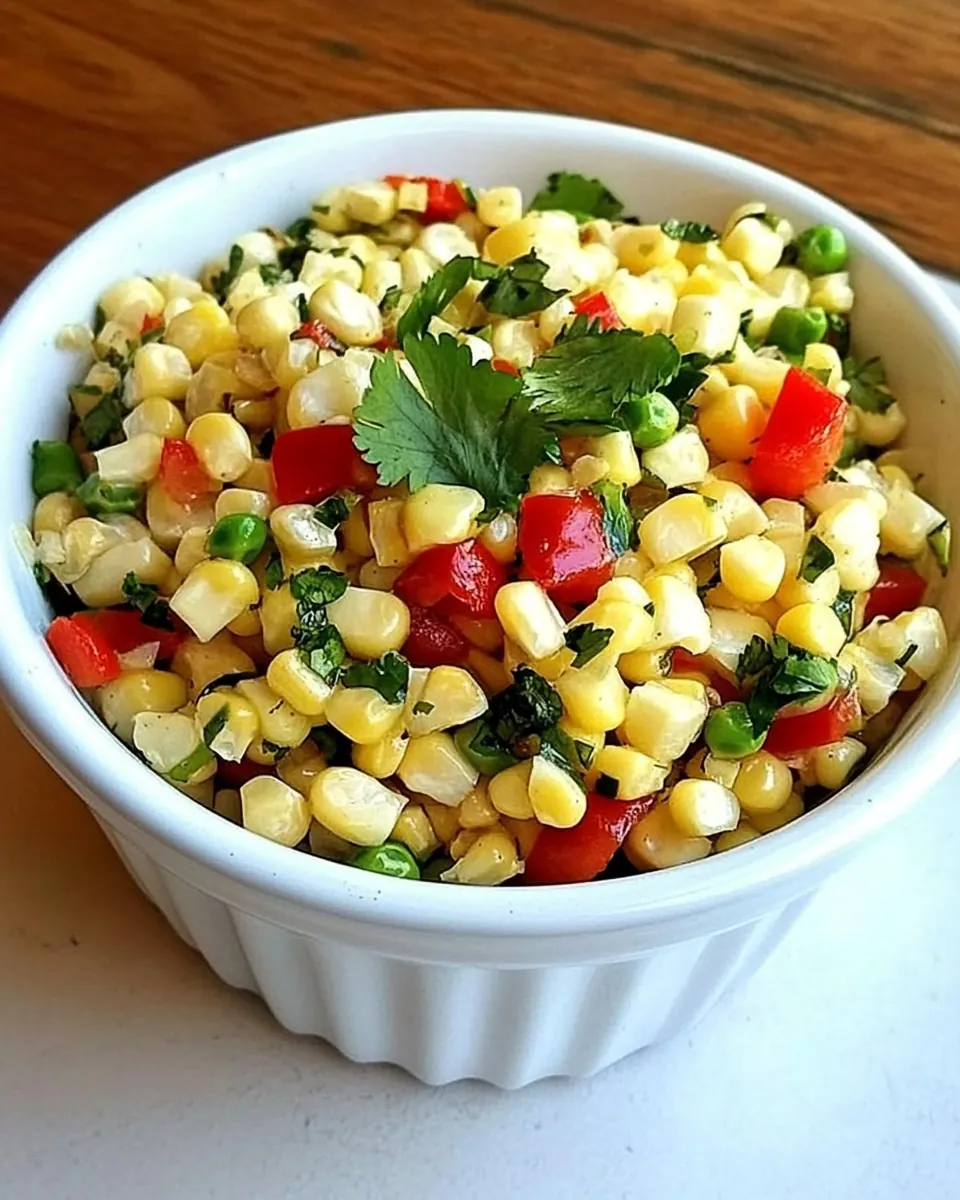
The ingredient list for Mexican Corn keeps things focused and fresh. Each item plays a clear role: the butter helps with browning and richness, the corn provides sweetness and body, while the assortment of vegetables and herbs bring brightness and heat. I rely on these key players to create layers of flavor that feel greater than the sum of their parts.
- 2 tablespoons butter: Melted to provide a rich, silky base and help sauté vegetables evenly; contributes a subtle buttery flavor that balances the salsa’s acidity. Enhances mouthfeel and helps ingredients glide together for a cohesive texture.
- One 16 ounce package frozen corn kernels: Frozen to supply sweet, tender kernels that cook quickly and retain bright flavor; offers body and a pleasant pop in each bite. Adds natural sweetness and starchiness to round out the dish.
- 1 medium red bell pepper, ribs removed and chopped: Chopped to introduce crisp, sweet, and slightly fruity notes while adding vibrant color and texture contrast; softens when cooked but keeps some bite. Contributes moisture and fresh flavor to complement the corn and salsa.
- 1 large zucchini, chopped: Chopped to add mild, slightly sweet, and earthy tones with tender bite; absorbs surrounding flavors while maintaining shape. Provides volume and a subtle vegetal backbone that enhances overall balance.
- 2 whole green onions, chopped: Chopped to offer a mild oniony aroma and delicate sharpness, brightening the flavor profile; both white and green portions contribute freshness. Adds aromatic lift and small textural pops throughout the dish.
- 1 medium jalapeño pepper, seeded and chopped: Seeded and chopped to bring gentle heat and bright vegetal spice without overpowering; can be adjusted for preferred spiciness. Infuses a lively kick that pairs well with the cilantro and salsa.
- 1/2 cup bottled salsa: Added to introduce tangy, savory, and slightly spicy elements that bind flavors together; supplies liquid to coat and season the vegetables. Delivers depth, acidity, and familiar Mexican-inspired flavor.
- 2 tablespoons freshly chopped cilantro: Freshly chopped to inject herbal brightness and a citrusy, slightly peppery finish; stirred in near the end to preserve vibrant color and aroma. Acts as a finishing herb that lifts and refreshes the entire dish.
- salt and freshly ground black pepper, to taste: Seasoned to balance and enhance all flavors, allowing sweet, savory, and spicy elements to shine; adjusted to taste for personal preference. Provides necessary seasoning contrast and rounds out the palate.
Making This Mexican Corn
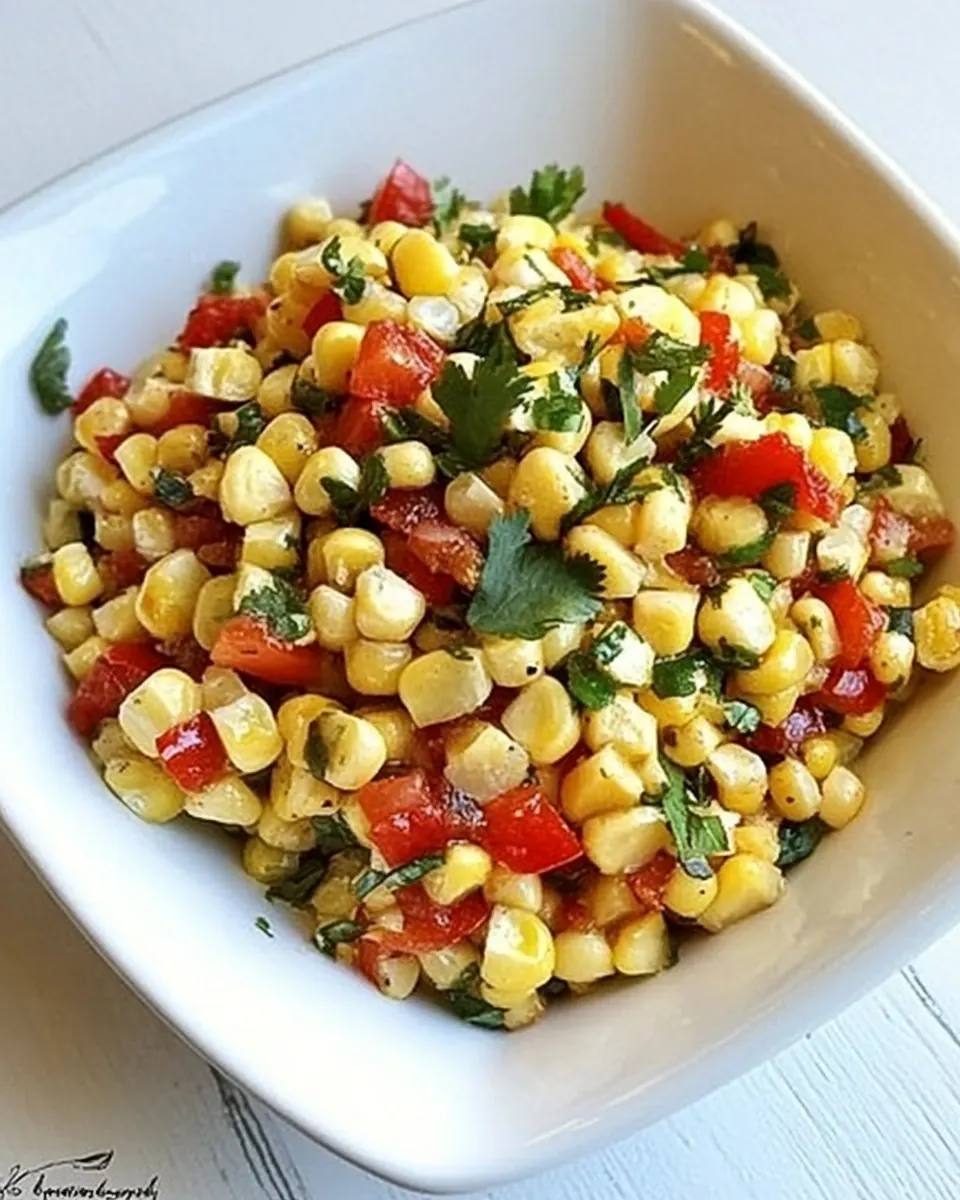
This is the part where the ingredients come together in a hot skillet to transform into something aromatic and textural. I like to keep things relaxed while staying attentive to color and sound, because those cues tell you when the dish is ready.
- Melt the butter in a large skillet over medium high heat. Add the corn, red bell pepper, zucchini, green onions and jalapeño and sauté until the vegetables are tender, about 7 minutes.: The moment the butter sends up a steady shimmer and a faint nutty aroma, you know the pan is hot enough to build flavor. You should hear a gentle sizzle when you add the first vegetables, which signals proper searing. The visual cue to watch for is the butter foaming then subsiding without darkening, which indicates you have the heat dialed correctly. If the butter smokes or turns brown quickly, lower the heat to prevent burnt flavors. One common mistake is rushing the pan heating, which results in soggy, rather than crisped, edges.
- Mix in the salsa and chopped cilantro. Stir until heated through, about 1 minute. Season to taste with salt and pepper.: As the vegetables hit the skillet, listen for an energetic sizzle that settles into a rhythmic popping from the corn . Within minutes you will notice the edges of the red bell pepper and zucchini beginning to soften, and the aroma will shift from raw vegetal to slightly caramelized and warm. Stir intermittently so the pieces brown evenly and develop tiny golden flecks, which deepen the flavor. The sauté time allows the natural sugars to concentrate, creating complexity. Avoid overcrowding the pan, because that traps steam and prevents the Maillard browning we want.
- Mix in the salsa and chopped cilantro: When you add the salsa , it loosens any fond in the pan and contributes tang and depth, filling the air with tomatoey, spiced notes. Immediately after, folding in the fresh cilantro will release its bright perfume, and the contrast between warmed salsa and cool herb is delightful. The salsa should come up to a gentle simmer, coating the vegetables and bringing them together into a cohesive mixture. If the pan seems dry, a splash of water helps, but too much will dilute the flavor, so add sparingly.
- Stir until heated through, about 1 minute: This brief moment of combining allows the cilantro and salsa to meld with the sautéed vegetables, and you will notice a glossy sheen and a unifying aroma. Look for steam rising and small bubbles around the edge of the skillet, indicators that everything is warm. The scent should be balanced between sweet corn and savory salsa, with herbaceous highlights. A common error is overcooking here, which can wilt the cilantro and dull the bright notes.
- Season to taste with salt and pepper: Taste a spoonful and adjust with salt and freshly ground black pepper in small increments. Salt will amplify the sweetness in the corn and the savory elements in the salsa , while pepper adds a clean warmth. The right balance should make each ingredient sing without overpowering the rest. Be cautious about oversalting, especially if your salsa is already salty; add a little at a time and taste between additions.
Ways to Adapt This Recipe
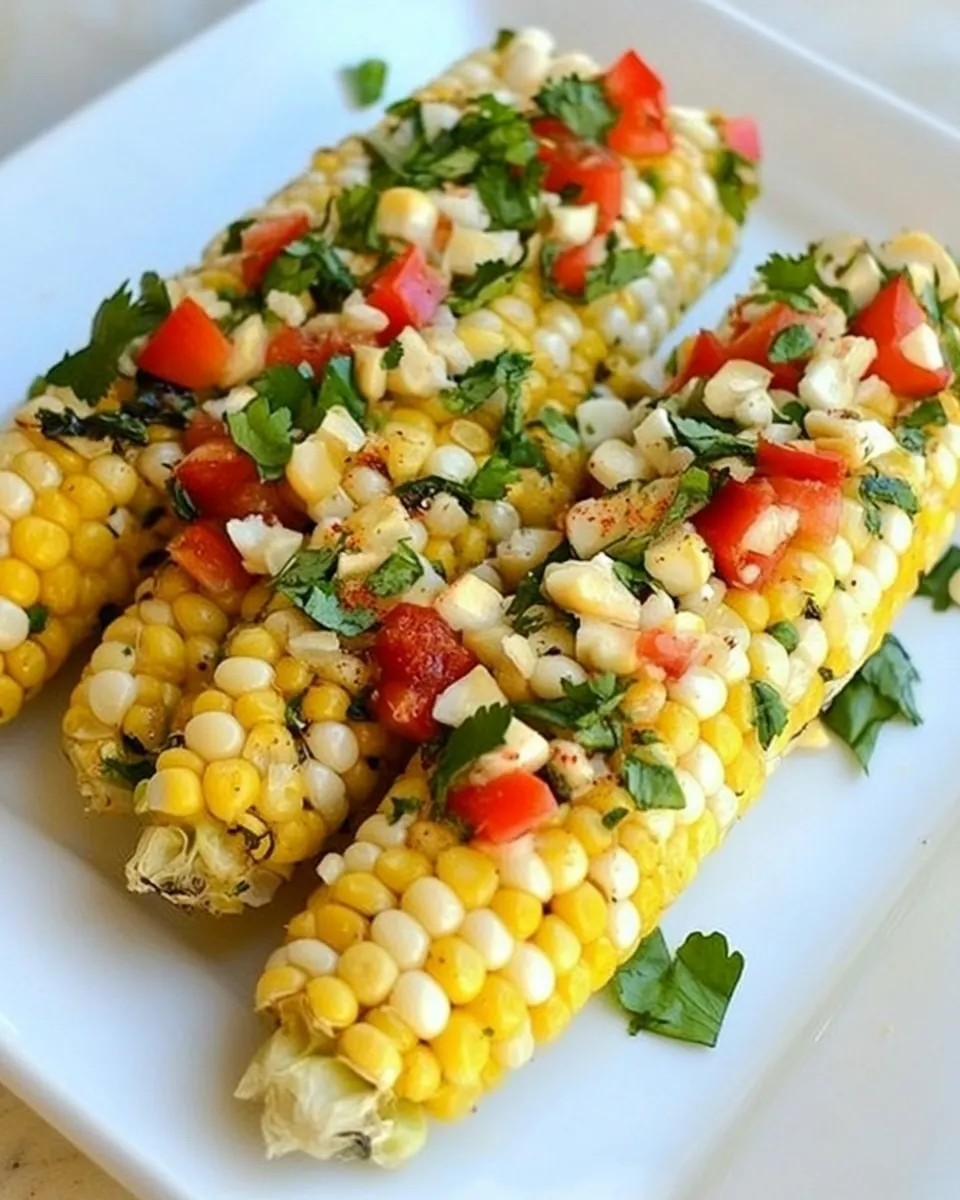
This short intro explains how small tweaks can tailor Mexican Corn to different tastes and occasions. Below I share practical, detailed tips you can use to change texture, heat level, or presentation without altering the core method.
- Make it milder by removing the seeds and membranes from the jalapeño pepper, which keeps the pepper flavor while reducing heat, and taste as you go to keep balance.
- Boost smokiness by adding a splash of smoked salsa or cooking the corn a bit longer to get darker, charred bits, which introduces deeper, savory notes.
- Keep it bright by adding extra chopped cilantro at the end and a squeeze of fresh lime juice right before serving, which enhances freshness without changing texture.
- Adjust for sweetness by choosing younger frozen corn or briefly adding a pinch of sugar if your red bell pepper or corn taste muted from storage.
- Turn it into a topping by serving warm over rice bowls or grilled proteins, which leverages the dish as a flavorful condiment while keeping the preparation identical.
Best Served With
Mexican Corn is versatile in how it pairs with meals. Below I outline serving ideas, occasions, and storage notes that help you get the most from this dish whether you are planning casual weeknight dinners or a summer gathering.
- As a side dish serve it warm beside grilled proteins or simply next to a bowl of seasoned rice, the textures and colors make the plate feel lively and complete.
- For gatherings this shines on a buffet table, where guests can spoon it onto plates or use it as a topping for tacos and tostadas, adding a festive, colorful element.
- Seasonal appeal it works brilliantly in summer when produce and gatherings are frequent, but the frozen corn keeps it accessible year round.
- Storage tips refrigerate leftovers in an airtight container for up to three days, and reheat gently in a skillet to revive texture, adding a splash of water if needed to loosen the sauce.
- Occasions this recipe suits casual lunches, weeknight dinners, potlucks, and Ramadan if you need a bright, shareable side to accompany larger meals.
FAQ
Conclusion
This recipe’s combination of sweet corn, crisp vegetables, and bright herbs is what makes Mexican Corn truly special. It is quick enough for busy weeknights and versatile enough to shine at summer gatherings, giving you bold flavor without fuss. Give it a try the next time you want a colorful side that feels both homey and a little festive, and see how it becomes a reliable favorite in your rotation.
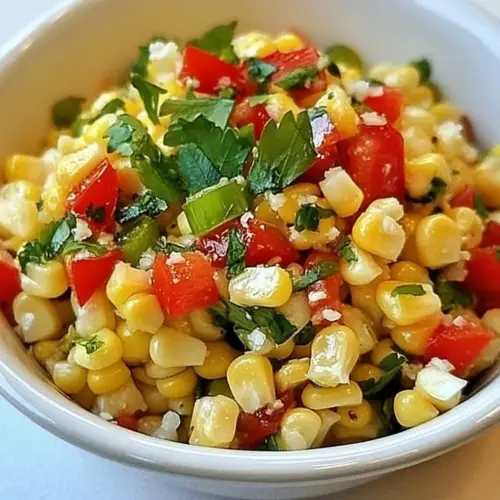
Mexican Corn
Equipment
- Large Skillet
- Spatula
Ingredients
- 2 tablespoons butter Melted to provide a rich, silky base and help sauté vegetables evenly; contributes a subtle buttery flavor that balances the salsa’s acidity. Enhances mouthfeel and helps ingredients glide together for a cohesive texture.
- One 16 ounce package frozen corn kernels Frozen to supply sweet, tender kernels that cook quickly and retain bright flavor; offers body and a pleasant pop in each bite. Adds natural sweetness and starchiness to round out the dish.
- 1 medium red bell pepper, ribs removed and chopped Chopped to introduce crisp, sweet, and slightly fruity notes while adding vibrant color and texture contrast; softens when cooked but keeps some bite. Contributes moisture and fresh flavor to complement the corn and salsa.
- 1 large zucchini, chopped Chopped to add mild, slightly sweet, and earthy tones with tender bite; absorbs surrounding flavors while maintaining shape. Provides volume and a subtle vegetal backbone that enhances overall balance.
- 2 whole green onions, chopped Chopped to offer a mild oniony aroma and delicate sharpness, brightening the flavor profile; both white and green portions contribute freshness. Adds aromatic lift and small textural pops throughout the dish.
- 1 medium jalapeño pepper, seeded and chopped Seeded and chopped to bring gentle heat and bright vegetal spice without overpowering; can be adjusted for preferred spiciness. Infuses a lively kick that pairs well with the cilantro and salsa.
- 1/2 cup bottled salsa Added to introduce tangy, savory, and slightly spicy elements that bind flavors together; supplies liquid to coat and season the vegetables. Delivers depth, acidity, and familiar Mexican-inspired flavor.
- 2 tablespoons freshly chopped cilantro Freshly chopped to inject herbal brightness and a citrusy, slightly peppery finish; stirred in near the end to preserve vibrant color and aroma. Acts as a finishing herb that lifts and refreshes the entire dish.
- salt and freshly ground black pepper, to taste Seasoned to balance and enhance all flavors, allowing sweet, savory, and spicy elements to shine; adjusted to taste for personal preference. Provides necessary seasoning contrast and rounds out the palate.
Instructions
- Melt the butter in a large skillet over medium high heat. Add the corn, red bell pepper, zucchini, green onions and jalapeño and sauté until the vegetables are tender, about 7 minutes.: The moment the butter sends up a steady shimmer and a faint nutty aroma, you know the pan is hot enough to build flavor. You should hear a gentle sizzle when you add the first vegetables, which signals proper searing. The visual cue to watch for is the butter foaming then subsiding without darkening, which indicates you have the heat dialed correctly. If the butter smokes or turns brown quickly, lower the heat to prevent burnt flavors. One common mistake is rushing the pan heating, which results in soggy, rather than crisped, edges.
- Mix in the salsa and chopped cilantro. Stir until heated through, about 1 minute. Season to taste with salt and pepper.: As the vegetables hit the skillet, listen for an energetic sizzle that settles into a rhythmic popping from the corn . Within minutes you will notice the edges of the red bell pepper and zucchini beginning to soften, and the aroma will shift from raw vegetal to slightly caramelized and warm. Stir intermittently so the pieces brown evenly and develop tiny golden flecks, which deepen the flavor. The sauté time allows the natural sugars to concentrate, creating complexity. Avoid overcrowding the pan, because that traps steam and prevents the Maillard browning we want.
- Mix in the salsa and chopped cilantro: When you add the salsa , it loosens any fond in the pan and contributes tang and depth, filling the air with tomatoey, spiced notes. Immediately after, folding in the fresh cilantro will release its bright perfume, and the contrast between warmed salsa and cool herb is delightful. The salsa should come up to a gentle simmer, coating the vegetables and bringing them together into a cohesive mixture. If the pan seems dry, a splash of water helps, but too much will dilute the flavor, so add sparingly.
- Stir until heated through, about 1 minute: This brief moment of combining allows the cilantro and salsa to meld with the sautéed vegetables, and you will notice a glossy sheen and a unifying aroma. Look for steam rising and small bubbles around the edge of the skillet, indicators that everything is warm. The scent should be balanced between sweet corn and savory salsa, with herbaceous highlights. A common error is overcooking here, which can wilt the cilantro and dull the bright notes.
- Season to taste with salt and pepper: Taste a spoonful and adjust with salt and freshly ground black pepper in small increments. Salt will amplify the sweetness in the corn and the savory elements in the salsa , while pepper adds a clean warmth. The right balance should make each ingredient sing without overpowering the rest. Be cautious about oversalting, especially if your salsa is already salty; add a little at a time and taste between additions.
Notes
- Make it milder by removing the seeds and membranes from the jalapeño pepper, which keeps the pepper flavor while reducing heat, and taste as you go to keep balance.
- Boost smokiness by adding a splash of smoked salsa or cooking the corn a bit longer to get darker, charred bits, which introduces deeper, savory notes.
- Keep it bright by adding extra chopped cilantro at the end and a squeeze of fresh lime juice right before serving, which enhances freshness without changing texture.
- Adjust for sweetness by choosing younger frozen corn or briefly adding a pinch of sugar if your red bell pepper or corn taste muted from storage.
- Turn it into a topping by serving warm over rice bowls or grilled proteins, which leverages the dish as a flavorful condiment while keeping the preparation identical.