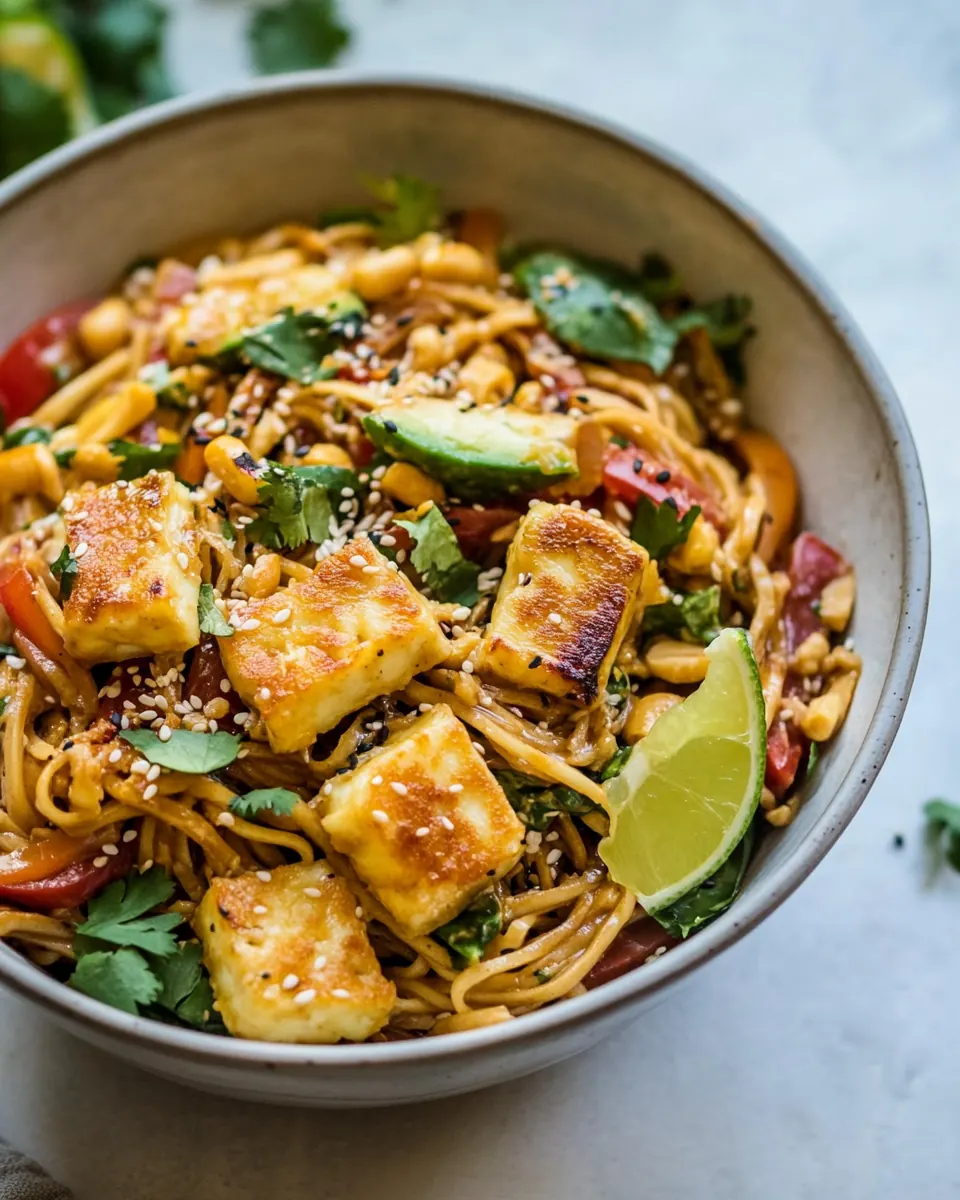
Better Than Takeout 20 Minute Peanut Noodles with Sesame Halloumi
Better Than Takeout 20 Minute Peanut Noodles with Sesame Halloumi arrived in my life on a scorchingly busy summer night when I needed comfort food that did not require a second thought.
I remember juggling work emails, a laundry load, and a growling stomach while craving something bright, nutty, and a little crunchy. I rummaged through the fridge and found a block of Halloumi, a jar of peanut butter, and a handful of colorful produce. The combination felt daring, but I trusted the flavors, so I tossed everything into a pan and let the magic happen. Within minutes, the kitchen filled with the warm scent of ginger and garlic, and the first bite convinced me this was truly better than takeout.
That evening taught me a lesson about ease and flavor married together. The chewy texture of the rice noodles paired with the creamy, slightly spicy peanut sauce, and the squeaky, golden crust on the Halloumi created a plate that felt indulgent yet simple. It became my go to for when I wanted something impressive that did not steal hours from my life. I also loved how the fresh herbs, crisp carrots, and juicy mango kept things lively, so each bite felt balanced.
Recipe Snapshot
20 mins
15 mins
5 mins
Easy
450 kcal
Asian
Vegan, Gluten-Free
Dinner
Large pot, Skillet, Blender or food processor, Colander
The Beauty of This Better Than Takeout 20 Minute Peanut Noodles with Sesame Halloumi
Bold Flavor in Minutes
I adore how Better Than Takeout 20 Minute Peanut Noodles with Sesame Halloumi delivers big, layered flavor in almost no time. The peanut sauce is creamy and savory with a touch of heat from the chili paste, and it clings to the rice noodles so every forkful is satisfying. I find this is the sort of dish that feels like you spent hours on it, even when you did not.
Textural Contrast
The contrast is a standout for me. Soft, silky noodles meet crisp shredded carrots, tender edamame, and the pleasantly squeaky, browned exterior of seared Halloumi. I love that you get multiple textures in one bowl, which keeps each bite interesting and enjoyable.
Freshness from Herbs and Fruit
I always appreciate how fresh herbs like basil and cilantro lift the rich sauce, and adding mango introduces a sweet, summery pop. These elements make the dish feel bright rather than heavy, which is perfect for warm weather meals or when you want something light enough for lunch yet hearty enough for dinner.
Flexible and Fridge Friendly
One reason I keep coming back to this recipe is how adaptable it is. You can use whatever long cut pasta or noodles you have, and the sauce stores beautifully. I often make the sauce ahead for a picnic or quick weeknight fix. It reheats well and remains creamy, which is a practical win.
Impressive, Yet Approachable
If I am hosting friends, this dish feels special without being fussy. Searing the Halloumi gives an impressive golden crust that looks and tastes fantastic, but the technique is simple enough that anyone can master it on their first try. I like recipes that are forgiving and still deliver on presentation and taste, and this one does both.
Ingredients for Better Than Takeout 20 Minute Peanut Noodles with Sesame Halloumi
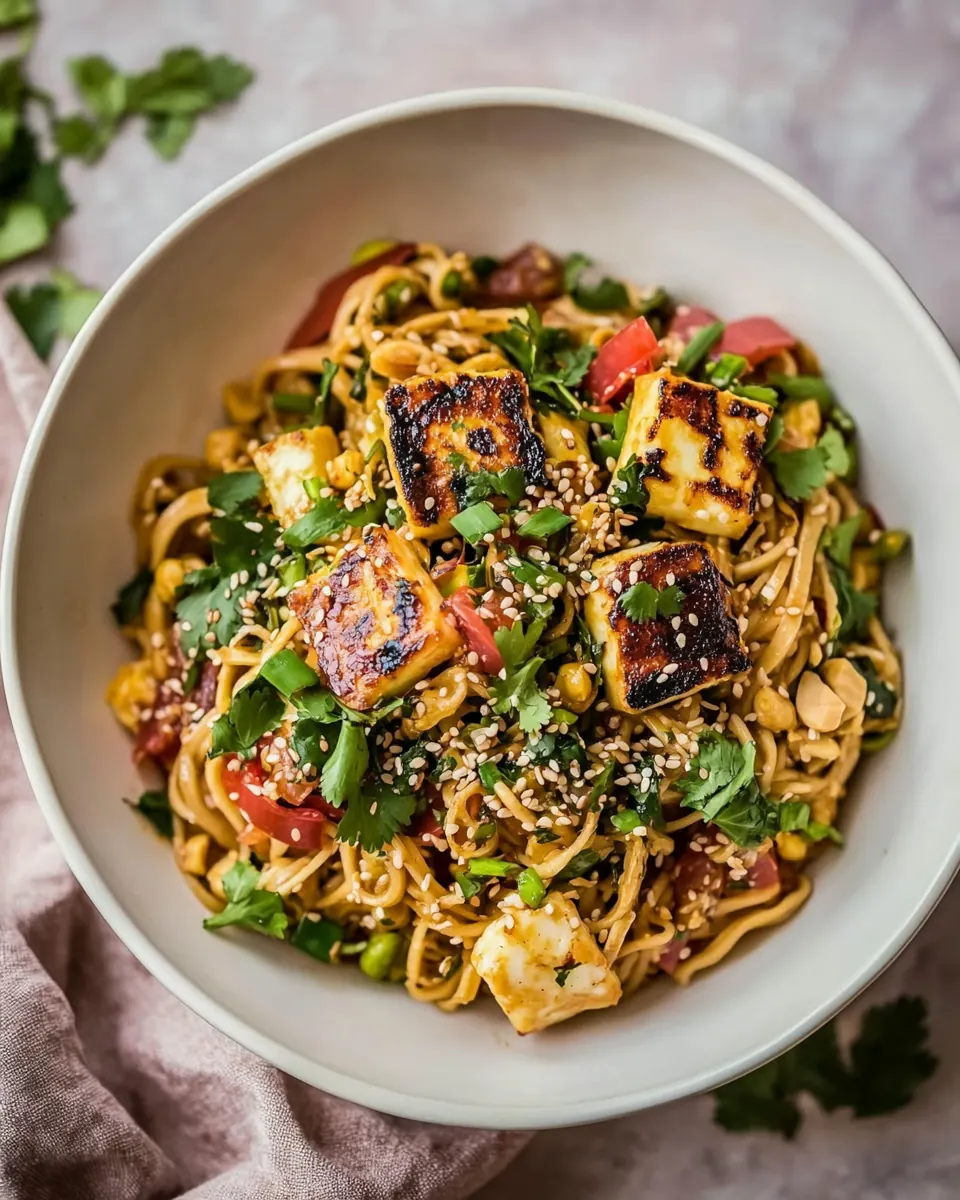
These ingredients work together to create a balance of creamy, salty, sweet, and bright elements. The base of rice noodles carries the rich peanut sauce, while fresh herbs and fruit lighten each bite. Key players like the Halloumi provide a savory and textural anchor, and aromatic components such as ginger and garlic make the sauce fragrant and layered.
- 8 ounces rice noodles or long cut pasta: Cook quickly to provide the tender, slippery base for the dish and soak up the creamy peanut sauce; choose rice noodles for authenticity or long pasta as a pantry-friendly swap and time according to package directions to avoid mushiness.
- 1/2 cup creamy peanut butter: Creamy and rich to create the peanut-forward sauce body, lending both texture and nutty flavor; whisk with liquids to form a glossy emulsion that coats the noodles evenly.
- 1/2 cup low sodium soy sauce or tamari (be sure to use low-sodium): Salty and umami-rich to balance the sweetness of the peanut butter and honey, while adding depth; use low-sodium to control overall saltiness and avoid overpowering the other flavors.
- 2 tablespoons toasted sesame oil: Toasted and aromatic, contributing a nutty backbone and intense sesame aroma that lifts the sauce; a small amount provides concentrated flavor that complements the peanut butter.
- 2 tablespoons honey: Sweet and viscous to brighten and balance savory elements, helping to smooth the sauce; honey also aids in creating a glossy finish and rounding harshness from soy.
- 1 tablespoon chili paste (I use sambal oelek): Spicy and tangy to introduce a lively kick and depth, offering layers of chili heat without overwhelming; sambal oelek contributes texture and fermented chili flavor to the sauce.
- 1 tablespoon Thai curry paste: Fragrant and complex to add savory, slightly sweet curry notes that enhance the Southeast Asian profile of the dish; a little goes a long way to deepen the sauce's aromatics.
- 2 inches fresh ginger, grated: Pungent and fresh when grated to add a bright, peppery zing that cuts through the richness of peanut butter and sesame; fresh ginger lifts the overall flavor with warming spice.
- 4 cloves garlic, minced or grated: Sharp and aromatic when minced or grated to infuse savory depth and a subtle bite; garlic melds into the sauce and lightly cooks if warmed, broadening the flavor profile.
- 2 carrots, shredded: Crunchy and sweet when shredded to add texture contrast and natural sweetness, balancing the rich sauce and salty components; carrots also contribute color and freshness to the noodles.
- 1 bell pepper, thinly sliced: Crisp and colorful when thinly sliced to provide a fresh, slightly sweet crunch and visual appeal; bell pepper adds a cooling counterpoint to the warm, saucy noodles.
- juice from 1 lime: Bright and acidic when squeezed to provide a citrus lift that cuts richness and balances the sauce; lime juice also adds a fragrant, tangy finish that ties flavors together.
- 1/2 cup fresh basil, chopped: Aromatic and herbaceous when chopped to add sweet, peppery notes and freshness, enhancing the Southeast Asian flavor profile and adding layers to each bite.
- 1/4 cup fresh cilantro, chopped: Citrusy and bright when chopped to contribute clean, herbaceous flavor and a slight citrus undertone that refreshes the palate and complements the richness of the sauce.
- 1 mango, sliced: Juicy and sweet when sliced to add a tropical, fruity contrast that lightens the dish and provides pleasant textural variation alongside savory elements.
- 1 cup shelled edamame: Protein-packed and slightly sweet when shelled to add chew and a vibrant green color; edamame contributes vegetal texture and complements the peanut flavor.
- 8 ounces Halloumi cheese cubed: Firm and salty when cubed to provide a chewy, grillable cheese component that crisps nicely when seared, offering a savory, satisfying contrast to the silky noodles.
- 1 tablespoon sesame oil: Aromatic and concentrated to finish dishes with a glossy sheen and additional sesame aroma; a small drizzle enhances nuttiness and ties the components together.
Cooking Method for Better Than Takeout 20 Minute Peanut Noodles with Sesame Halloumi
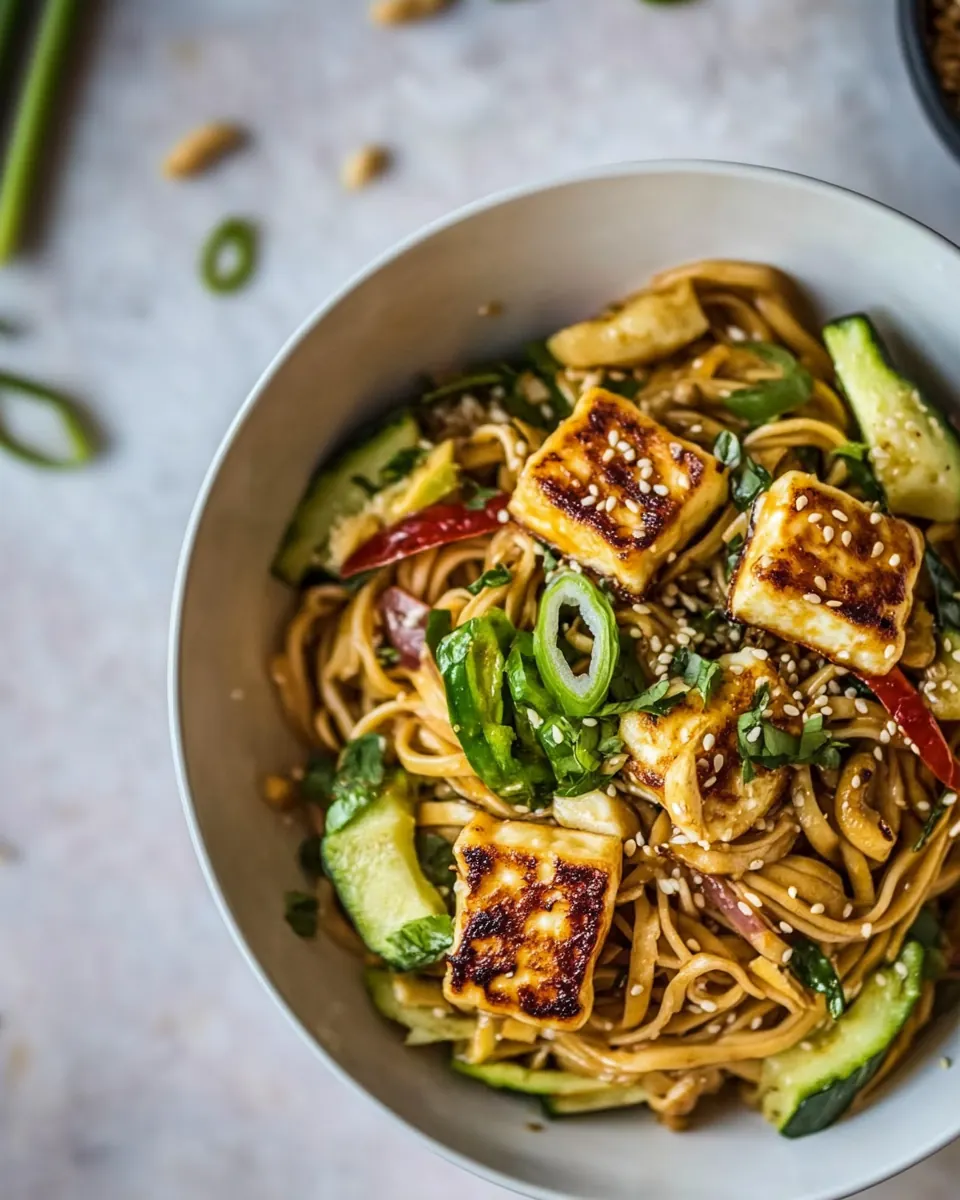
Let me walk you through the method with a relaxed, friendly tone. This meal comes together quickly, and each step highlights sensory cues so you can tell when you are on the right track. Read the descriptions and trust the small indicators like aroma, color, and texture to guide you.
- Bring a large pot of salted water to a boil. Cook the noodles according to package directions. Drain. Meanwhile, combine the peanut butter, soy sauce, sesame oil, honey, chili paste, curry paste, ginger, garlic, and 1/2 cup water. Pulse until combined and smooth. Pour the sauce over the hot noodles. Add the lime juice, basil, cilantro, carrots, bell peppers, mangos, and edamame. Toss to combine. Heat the sesame oil in a large skillet over medium heat. When the oil shimmers, add the Halloumi and cook until golden, about 5 minutes. Divide the noodles among bowls and top with Halloumi. Enjoy!: The steam will smell clean and faintly of salt, and you want the water lively so the rice noodles cook evenly. Salted water seasons the noodles from the inside out, which is important because they will be coated in sauce later. A common mistake is under salting the water, which leaves the noodles bland, or over salting, which makes the final bowl too salty.
- Cook the noodles according to package directions: As the noodles soften, watch for when they lose stiffness but still have a slight chew, often called al dente texture. Drain immediately to stop the cooking process; residual heat can over soften them. Leaving them in hot water too long will make them gluey, so be attentive and test a strand a minute before the package time ends.
- Drain: After cooking, draining removes excess water that could dilute the sauce, and you should notice the noodles look glossy and slightly translucent. Give them a quick shake to release water and return them to the pot while you finish the sauce. Do not rinse unless your recipe specifically calls for it, because rinsing can wash away starches that help the sauce adhere.
- Meanwhile, combine the peanut butter, soy sauce, sesame oil, honey, chili paste, curry paste, ginger, garlic, and 1/2 cup water: When these ingredients meet, the kitchen fills with warm spice and nutty aromas. The mixture should be smooth and pourable, and the water helps emulsify the peanut butter into a silky sauce. A common error is adding too little water, leaving the sauce thick and clumpy, so add water gradually and whisk until smooth.
- Pulse until combined and smooth: Using a blender or food processor, you will see the sauce go from chunky to velvety, and the sound of the motor will lighten as the ingredients homogenize. The goal is a glossy texture that will cling to each noodle . Over blending is rare but can heat the sauce, slightly changing the flavors, so blend just until smooth.
- Pour the sauce over the hot noodles: The warm noodles help the sauce spread and adhere, releasing steam and a fragrant mix of ginger and garlic . Tossing while hot allows the sauce to coat every strand. If the sauce feels stiff after cooling, a splash of warm water will revive its silkiness.
- Add the lime juice, basil, cilantro, carrots, bell peppers, mangos, and edamame: At this stage the bowl becomes colorful and aromatic, with citrus brightness from the lime and herb fragrance from the chopped basil and cilantro . The shredded carrots and sliced bell pepper add crunch, while the mango and edamame bring sweet and savory contrasts. Avoid adding hot oil directly onto the herbs, as it can wilt them prematurely.
- Toss to combine: Tossing distributes sauce and ingredients evenly, and you should hear a gentle swish and see the components glistening. The mixture should look cohesive, not saturated in liquid. A common issue is over tossing which can bruise delicate herbs and make the mango release too much juice, so toss gently and just enough to combine.
- Heat the sesame oil in a large skillet over medium heat: The oil will shimmer lightly when it is ready, releasing a toasted aroma. Using medium heat ensures the Halloumi gets a golden sear without burning. If the oil smokes, reduce the heat immediately to prevent bitter flavors.
- When the oil shimmers, add the Halloumi and cook until golden, about 5 minutes: The Halloumi will sizzle and begin to brown, forming a crisp, golden exterior while remaining slightly squeaky inside. You will hear a steady sizzle and see beautiful brown edges form; flip to brown the other side. A common mistake is moving the cheese too early, which prevents proper browning, so let it form a crust before turning.
- Divide the noodles among bowls and top with Halloumi: As you plate, the steam will carry the sauce aroma, and the golden Halloumi on top makes for an inviting presentation. The contrast between the warm, saucy noodles and the seared cheese is delightful. Be mindful of portioning the sauce evenly, so each bowl has the same balance of flavors.
- Enjoy: Savor the interplay of textures and flavors, from the creamy peanut sauce to the bright herbs and sweet mango . Eating immediately ensures the textures remain vibrant. Waiting too long can soften the crunchy components and mellow the aromatic herbs, so serve fresh for the best experience.
Pro Tips and Tweaks
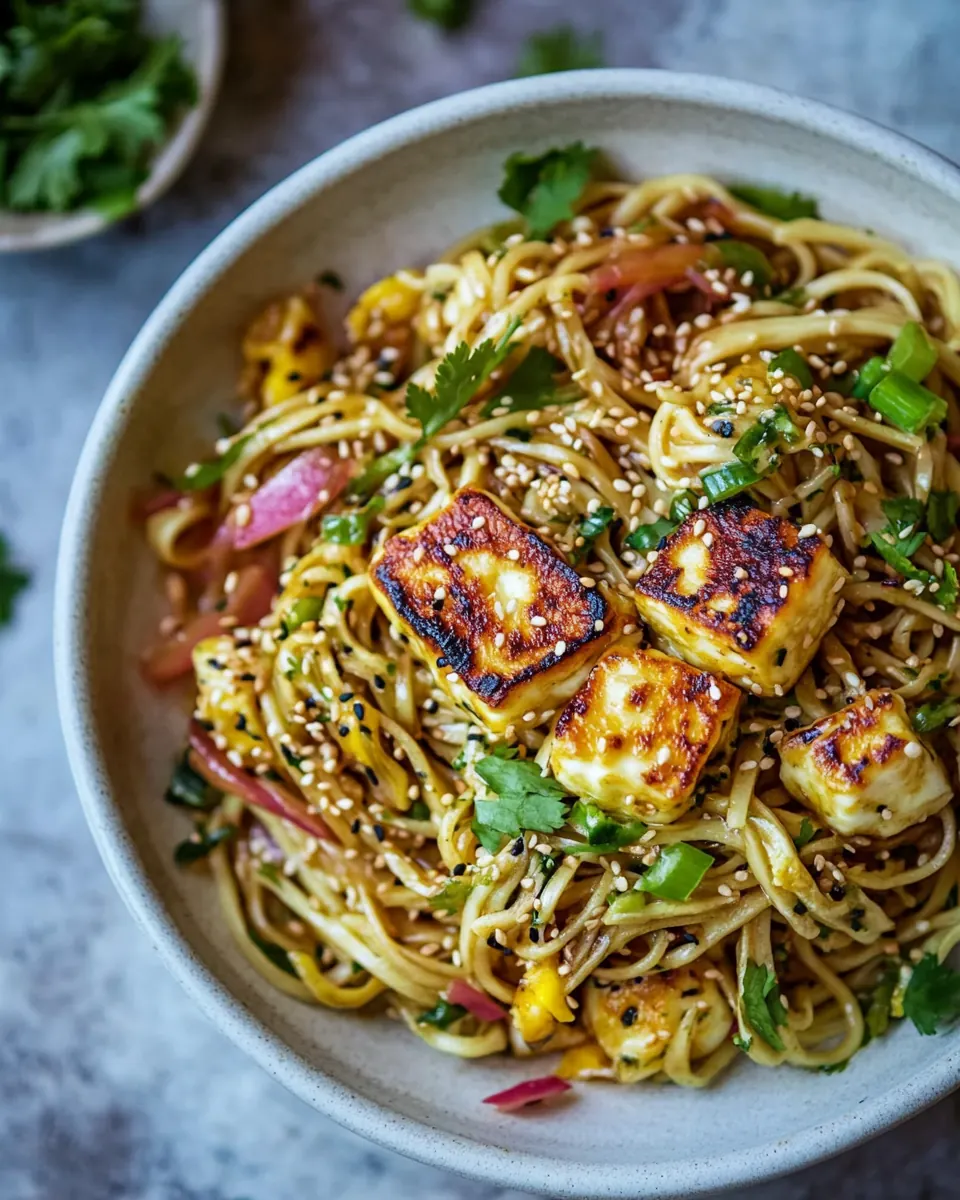
I like to think of these tips as small investments that pay off in flavor and texture. They focus on timing, ingredient handling, and presentation to keep each bowl bright and balanced.
- Room temperature peanut butter blends more easily, preventing stubborn clumps and giving you a silkier sauce without extra effort.
- Salt carefully, particularly because the soy sauce and Halloumi contribute saltiness; taste before adding extra seasoning.
- Sear the Halloumi in a hot skillet to develop a deep golden crust, which contrasts wonderfully with the creamy noodles and keeps the inside tender.
- Prep your herbs last to preserve their bright aroma and color; chop them just before tossing to avoid wilting.
- Loosen the sauce with warm water if it firms in the fridge or feels too thick, adding a little at a time until it reaches the desired pourable consistency.
Serving This Better Than Takeout 20 Minute Peanut Noodles with Sesame Halloumi
This dish is versatile enough for casual weeknight dinners and light summer entertaining. It presents beautifully in shallow bowls, and you can emphasize its freshness by adding herbs and fruit at the last minute. Below are several serving ideas and practical tips to match the occasion.
- Serve in shallow bowls so the sauce is distributed evenly across the noodles, making it easy for guests to get a balanced bite each time.
- Garnish with extra herbs like chopped basil and cilantro right before serving to enhance aroma and color.
- Offer lime wedges for guests to squeeze, letting them adjust the brightness to their preference.
- Pair with light sides such as a crisp cucumber salad or steamed greens to keep the meal balanced and refreshing.
- Make it for lunch or dinner, as it is substantial enough for an evening meal but light and bright for midday eating in warmer months.
- Store leftovers in an airtight container, keeping the sauce separate if possible; the noodles will hold for a day or two refrigerated, and the Halloumi can be re-seared to refresh the crust.
- Serve at gatherings where guests can customize bowls with extra herbs, chili paste, or lime to suit their tastes.
- Enjoy seasonally in summer when mango is ripe and herbs are abundant, making this a vibrant warm weather favorite.
FAQ
Conclusion
This recipe stands out because it pairs a luxuriously creamy peanut sauce with the satisfying chew of rice noodles and the golden, savory crunch of seared Halloumi. It is quick to assemble and layered with textures and flavors that feel much more complex than the time invested. I encourage you to give it a try on a busy evening when you want something vibrant and impressive without fuss. Bring fresh herbs and a ripe mango to the table to highlight the contrasts, and enjoy a meal that feels both comforting and celebratory.
Better Than Takeout 20 Minute Peanut Noodles with Sesame Halloumi
Equipment
- Large Pot
- Skillet
- Blender or food processor
- Colander
Ingredients
- 8 ounces rice noodles or long cut pasta Cook quickly to provide the tender, slippery base for the dish and soak up the creamy peanut sauce; choose rice noodles for authenticity or long pasta as a pantry-friendly swap and time according to package directions to avoid mushiness.
- 1/2 cup creamy peanut butter Creamy and rich to create the peanut-forward sauce body, lending both texture and nutty flavor; whisk with liquids to form a glossy emulsion that coats the noodles evenly.
- 1/2 cup low sodium soy sauce or tamari (be sure to use low-sodium) Salty and umami-rich to balance the sweetness of the peanut butter and honey, while adding depth; use low-sodium to control overall saltiness and avoid overpowering the other flavors.
- 2 tablespoons toasted sesame oil Toasted and aromatic, contributing a nutty backbone and intense sesame aroma that lifts the sauce; a small amount provides concentrated flavor that complements the peanut butter.
- 2 tablespoons honey Sweet and viscous to brighten and balance savory elements, helping to smooth the sauce; honey also aids in creating a glossy finish and rounding harshness from soy.
- 1 tablespoon chili paste (I use sambal oelek) Spicy and tangy to introduce a lively kick and depth, offering layers of chili heat without overwhelming; sambal oelek contributes texture and fermented chili flavor to the sauce.
- 1 tablespoon Thai curry paste Fragrant and complex to add savory, slightly sweet curry notes that enhance the Southeast Asian profile of the dish; a little goes a long way to deepen the sauce's aromatics.
- 2 inches fresh ginger, grated Pungent and fresh when grated to add a bright, peppery zing that cuts through the richness of peanut butter and sesame; fresh ginger lifts the overall flavor with warming spice.
- 4 cloves garlic, minced or grated Sharp and aromatic when minced or grated to infuse savory depth and a subtle bite; garlic melds into the sauce and lightly cooks if warmed, broadening the flavor profile.
- 2 carrots, shredded Crunchy and sweet when shredded to add texture contrast and natural sweetness, balancing the rich sauce and salty components; carrots also contribute color and freshness to the noodles.
- 1 bell pepper, thinly sliced Crisp and colorful when thinly sliced to provide a fresh, slightly sweet crunch and visual appeal; bell pepper adds a cooling counterpoint to the warm, saucy noodles.
- juice from 1 lime Bright and acidic when squeezed to provide a citrus lift that cuts richness and balances the sauce; lime juice also adds a fragrant, tangy finish that ties flavors together.
- 1/2 cup fresh basil, chopped Aromatic and herbaceous when chopped to add sweet, peppery notes and freshness, enhancing the Southeast Asian flavor profile and adding layers to each bite.
- 1/4 cup fresh cilantro, chopped Citrusy and bright when chopped to contribute clean, herbaceous flavor and a slight citrus undertone that refreshes the palate and complements the richness of the sauce.
- 1 mango, sliced Juicy and sweet when sliced to add a tropical, fruity contrast that lightens the dish and provides pleasant textural variation alongside savory elements.
- 1 cup shelled edamame Protein-packed and slightly sweet when shelled to add chew and a vibrant green color; edamame contributes vegetal texture and complements the peanut flavor.
- 8 ounces Halloumi cheese cubed Firm and salty when cubed to provide a chewy, grillable cheese component that crisps nicely when seared, offering a savory, satisfying contrast to the silky noodles.
- 1 tablespoon sesame oil Aromatic and concentrated to finish dishes with a glossy sheen and additional sesame aroma; a small drizzle enhances nuttiness and ties the components together.
Instructions
- Bring a large pot of salted water to a boil. Cook the noodles according to package directions. Drain. Meanwhile, combine the peanut butter, soy sauce, sesame oil, honey, chili paste, curry paste, ginger, garlic, and 1/2 cup water. Pulse until combined and smooth. Pour the sauce over the hot noodles. Add the lime juice, basil, cilantro, carrots, bell peppers, mangos, and edamame. Toss to combine. Heat the sesame oil in a large skillet over medium heat. When the oil shimmers, add the Halloumi and cook until golden, about 5 minutes. Divide the noodles among bowls and top with Halloumi. Enjoy!: The steam will smell clean and faintly of salt, and you want the water lively so the rice noodles cook evenly. Salted water seasons the noodles from the inside out, which is important because they will be coated in sauce later. A common mistake is under salting the water, which leaves the noodles bland, or over salting, which makes the final bowl too salty.
- Cook the noodles according to package directions: As the noodles soften, watch for when they lose stiffness but still have a slight chew, often called al dente texture. Drain immediately to stop the cooking process; residual heat can over soften them. Leaving them in hot water too long will make them gluey, so be attentive and test a strand a minute before the package time ends.
- Drain: After cooking, draining removes excess water that could dilute the sauce, and you should notice the noodles look glossy and slightly translucent. Give them a quick shake to release water and return them to the pot while you finish the sauce. Do not rinse unless your recipe specifically calls for it, because rinsing can wash away starches that help the sauce adhere.
- Meanwhile, combine the peanut butter, soy sauce, sesame oil, honey, chili paste, curry paste, ginger, garlic, and 1/2 cup water: When these ingredients meet, the kitchen fills with warm spice and nutty aromas. The mixture should be smooth and pourable, and the water helps emulsify the peanut butter into a silky sauce. A common error is adding too little water, leaving the sauce thick and clumpy, so add water gradually and whisk until smooth.
- Pulse until combined and smooth: Using a blender or food processor, you will see the sauce go from chunky to velvety, and the sound of the motor will lighten as the ingredients homogenize. The goal is a glossy texture that will cling to each noodle . Over blending is rare but can heat the sauce, slightly changing the flavors, so blend just until smooth.
- Pour the sauce over the hot noodles: The warm noodles help the sauce spread and adhere, releasing steam and a fragrant mix of ginger and garlic . Tossing while hot allows the sauce to coat every strand. If the sauce feels stiff after cooling, a splash of warm water will revive its silkiness.
- Add the lime juice, basil, cilantro, carrots, bell peppers, mangos, and edamame: At this stage the bowl becomes colorful and aromatic, with citrus brightness from the lime and herb fragrance from the chopped basil and cilantro . The shredded carrots and sliced bell pepper add crunch, while the mango and edamame bring sweet and savory contrasts. Avoid adding hot oil directly onto the herbs, as it can wilt them prematurely.
- Toss to combine: Tossing distributes sauce and ingredients evenly, and you should hear a gentle swish and see the components glistening. The mixture should look cohesive, not saturated in liquid. A common issue is over tossing which can bruise delicate herbs and make the mango release too much juice, so toss gently and just enough to combine.
- Heat the sesame oil in a large skillet over medium heat: The oil will shimmer lightly when it is ready, releasing a toasted aroma. Using medium heat ensures the Halloumi gets a golden sear without burning. If the oil smokes, reduce the heat immediately to prevent bitter flavors.
- When the oil shimmers, add the Halloumi and cook until golden, about 5 minutes: The Halloumi will sizzle and begin to brown, forming a crisp, golden exterior while remaining slightly squeaky inside. You will hear a steady sizzle and see beautiful brown edges form; flip to brown the other side. A common mistake is moving the cheese too early, which prevents proper browning, so let it form a crust before turning.
- Divide the noodles among bowls and top with Halloumi: As you plate, the steam will carry the sauce aroma, and the golden Halloumi on top makes for an inviting presentation. The contrast between the warm, saucy noodles and the seared cheese is delightful. Be mindful of portioning the sauce evenly, so each bowl has the same balance of flavors.
- Enjoy: Savor the interplay of textures and flavors, from the creamy peanut sauce to the bright herbs and sweet mango . Eating immediately ensures the textures remain vibrant. Waiting too long can soften the crunchy components and mellow the aromatic herbs, so serve fresh for the best experience.
Notes
- Room temperature peanut butter blends more easily, preventing stubborn clumps and giving you a silkier sauce without extra effort.
- Salt carefully, particularly because the soy sauce and Halloumi contribute saltiness; taste before adding extra seasoning.
- Sear the Halloumi in a hot skillet to develop a deep golden crust, which contrasts wonderfully with the creamy noodles and keeps the inside tender.
- Prep your herbs last to preserve their bright aroma and color; chop them just before tossing to avoid wilting.
- Loosen the sauce with warm water if it firms in the fridge or feels too thick, adding a little at a time until it reaches the desired pourable consistency.