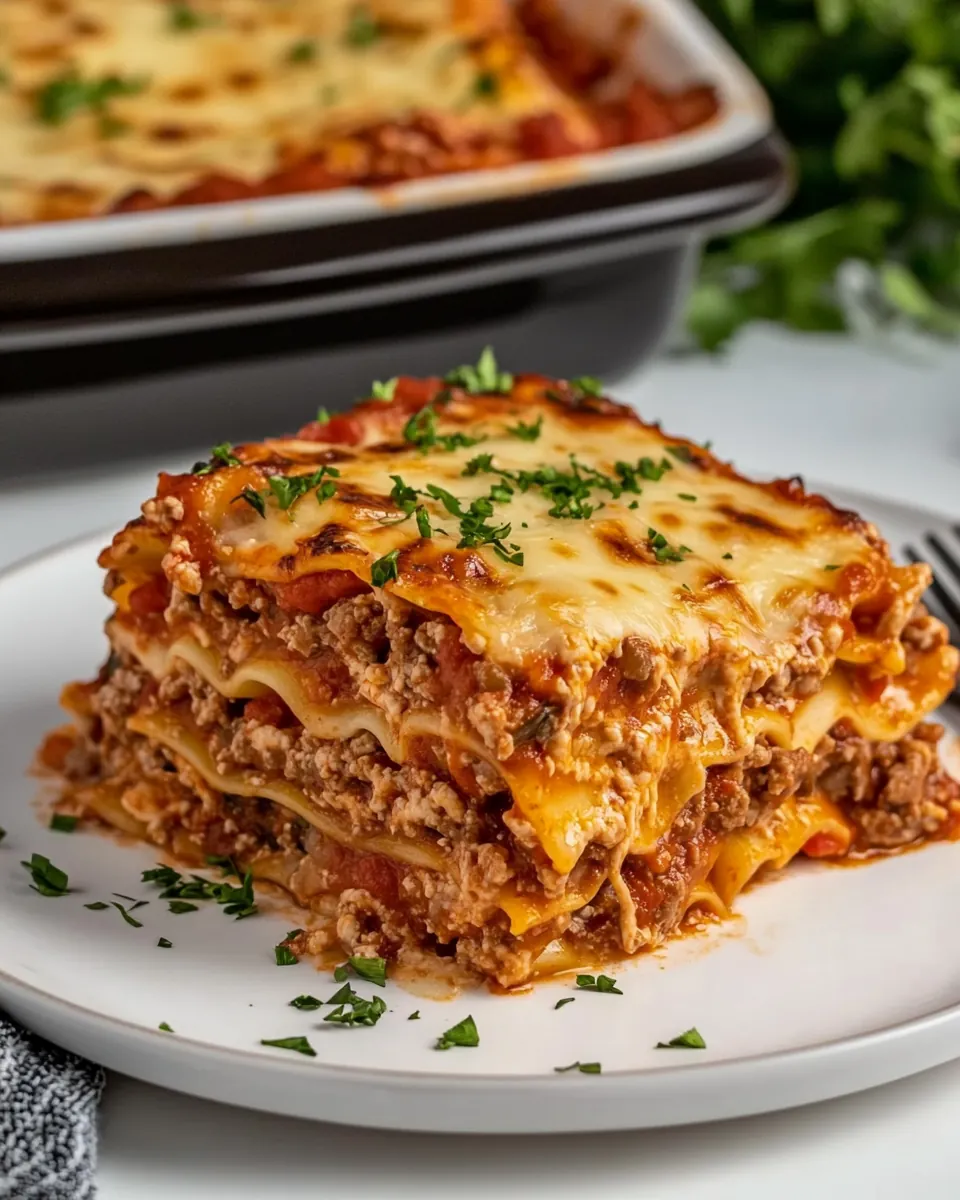
Mediterranean Spiced Beef Lasagna
Mediterranean Spiced Beef Lasagna is one of those recipes that feels like a warm conversation at the table, rooted in bold spices and slow cooked patience.
I still remember the first time I layered this casserole for friends, the kitchen filling with the savory aroma of browned beef mince and sweet onion, while a gentle hint of cinnamon and cloves threaded through the air, making everyone pause mid chat. I laughed when my neighbor asked if I had been feeding a crowd, when in reality I was testing balance and texture, aiming for sheets that held their shape and a béchamel that kissed the edges.
There is a ritual to building this dish, and I enjoy the quiet repetition of spreading béchamel, nestling lasagna sheets, and layering fragrant tomato and meat sauce. Each step feels deliberate, almost meditative, and every layer tells a bit of the story of why I love cooking in seasons when evenings invite cozy dinners.
Over time I learned to trust visual and aromatic cues more than timers, and that has turned many attempts into satisfying success. When the top is bubbling and the mozzarella and Parmesan are turning golden, I know we are close to that first glorious slice. Serve it with patience and a big knife, because it slices best when rested a little, and you reward yourself with clean, gorgeous pieces.
Recipe Snapshot
1 hr 50 mins
20 mins
90 mins
Medium
450 kcal
Mediterranean
Gluten-Free, Low FODMAP
Dinner
Large pot, Whisk, Rectangular baking dish, Oven
Why This Mediterranean Spiced Beef Lasagna Hits Different
Comfort with a Twist
I adore how Mediterranean Spiced Beef Lasagna gives you the comforting familiarity of classic lasagna while introducing warm Mediterranean spices. The cinnamon and cloves gently lift the savory beef mince, adding depth without overwhelming the dish. I find this contrast keeps the layers interesting bite after bite.
Layered Texture Pleasure
What wins me over is the play between silky béchamel and the hearty, slightly chunky meat sauce. The lasagna sheets provide a sturdy backbone, so you get that toothsome pasta with each forkful. I appreciate a balance where the sauce clings to the pasta rather than puddles, and this recipe nails that balance.
Versatile and Crowd Friendly
When I host, I value dishes that scale, and Mediterranean Spiced Beef Lasagna is forgiving. It reheats beautifully and feeds a group without fuss. I’ve brought it to potlucks and family dinners, and it’s always one of the first dishes to shrink on the buffet.
Builds Flavor Over Time
I love that the meat sauce simmers, allowing the canned chopped tomatoes and beef broth to reduce and concentrate. That slow melding teases out savory and sweet notes, while the short sauté of onion and carrot creates a subtle sweetness that complements the spices. I always feel rewarded for a little extra simmer time.
Simple Ingredients, Sophisticated Result
The ingredient list reads like staples from my pantry, yet the finished dish tastes intentionally crafted. Simple ingredients like tomato paste, butter, and all purpose flour transform into a luxurious sauce when combined correctly. I love sharing that you do not need complicated components to achieve something memorable.
Mediterranean Spiced Beef Lasagna Shopping List
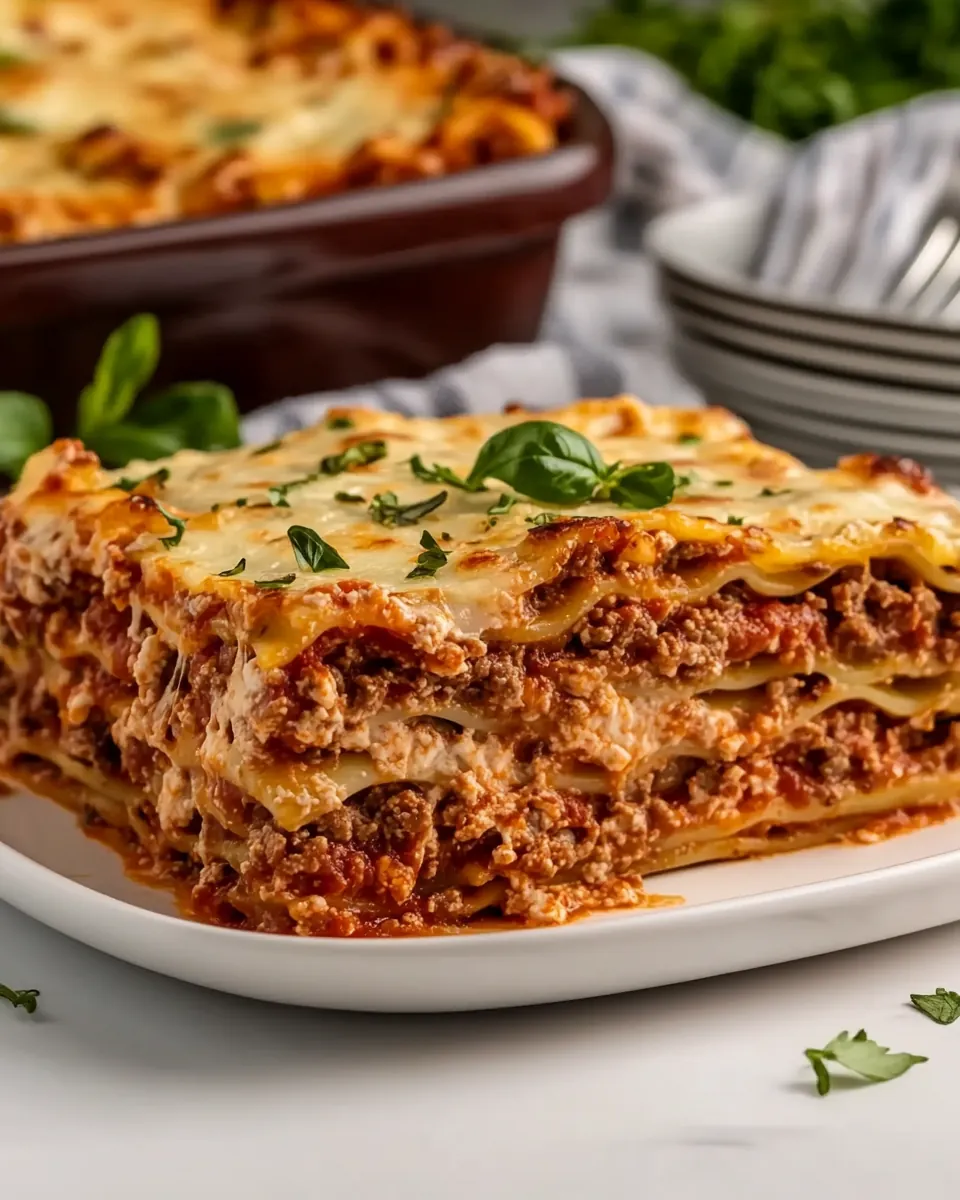
These ingredients were chosen to create layers of flavor and texture. The core philosophy is harmony: bold aromatic spices and a long simmered sauce meet a silky béchamel and melty cheeses, so each component supports another. The key players are the beef mince for depth, the chopped tomatoes and tomato paste for brightness, and the cheeses for cream and finish.
- 15 lasagna sheets: Layer and separate components using flexible, dried sheets that provide structure and absorb sauce; ensure sheets are evenly distributed to create uniform lasagna slices. Store in a cool, dry place to prevent sticking and breakage. Break or trim sheets if needed to fit baking dish edges.
- 1.2 kg beef mince: Provide rich, savory flavor and substantial protein to form the hearty meat sauce base; brown thoroughly to develop deep caramelized notes before adding liquids. Drain excess fat if overly greasy to maintain balanced texture. Season while cooking to infuse spices evenly into the mince.
- 400 g canned chopped tomatoes: Contribute bright acidity and body to the meat sauce when combined with other tomato elements; stir in after browning meat for even cooking. Use drained versions if a thicker sauce is desired, or include juices for looser consistency. Canned tomatoes add reliable flavor year-round.
- 200 g mozzarella (grated): Melt into creamy, stretchy layers that add gooey, milky richness when baked; sprinkle between layers and on top for a golden finish. Choose low-moisture varieties for less watery lasagna. Grate just before assembling for best melting characteristics.
- 200 g Parmesan (grated): Offer sharp, nutty, umami depth when grated and sprinkled between layers or on top; enhances savory complexity and helps brown the surface. Use finely grated for even distribution and melting. Adds a distinctive finishing flavor.
- 2 onions (finely chopped): Soften and sweeten when gently sautéed to form the aromatic base for the meat sauce; cook until translucent for best flavor release. Finely chop to integrate smoothly into the texture. Use medium heat to avoid burning and bitter notes.
- 2 carrots (finely chopped): Add natural sweetness, body, and subtle texture to the sauce when finely chopped and sautéed with onions; carrots help balance acidity from tomatoes. Cook until tender to meld flavors into the ragu. Grated or finely diced carrots work well for even cooking.
- 2 cloves garlic (finely chopped): Impart pungent, aromatic depth and savory complexity when finely chopped and briefly sautéed; avoid overcooking to prevent bitterness. Add toward the beginning of sauce preparation to bloom flavors in oil. Adjust amount according to preferred garlic intensity.
- 2 bay leaves: Release subtle herbal aroma and a hint of earthiness during long simmering; add whole to the sauce early and remove before assembling to avoid tough bites. Bay leaves provide background complexity that rounds out tomato and meat flavors. Use fresh or dried depending on availability.
- 2 tbsp tomato paste: Concentrate tomato richness and deepen color and flavor when stirred into the browned meat before adding liquids; balances acidity and adds umami. Use measured tablespoons to avoid overpowering the sauce. Cook briefly to remove any raw tomato paste taste.
- 1/4 tsp ground cloves: Introduce warm, slightly sweet and clove-like aromatic notes in very small amounts to accent the sauce; use sparingly due to potency. Combine with cinnamon for a subtle Mediterranean warmth. Dissolve into liquids to distribute evenly.
- 1/4 tsp ground cinnamon: Provide a warm, sweet-spicy background that complements the cloves and meat flavors; use a light sprinkle to avoid dominance. Blends well into simmered sauces to add complexity and an aromatic lift. Measure carefully because small amounts impact overall profile.
- 1.2 lb beef broth: Supply savory depth and liquid for simmering the meat sauce, adjusting richness and seasoning; use to thin or concentrate the ragu as needed. Use reduced-sodium varieties if controlling salt content. Warm slightly before adding to avoid shocking the sauce temperature.
- olive oil: Serve as the cooking fat to sauté aromatics and brown the meat, contributing fruity and peppery olive notes; regulate heat to prevent smoking. Use quality extra-virgin olive oil for flavor or standard olive oil for higher heat tolerances. Adds mouthfeel and helps spices bloom.
- salt: Enhance and balance overall flavors, bringing out sweetness and suppressing bitterness when adjusted during cooking; season gradually and taste often. Use kosher or sea salt for consistent measurement and dissolve into sauces. Also seasons béchamel and meat components.
- pepper: Provide heat and sharpness when freshly cracked or ground into dishes; season in stages to achieve desired spiciness. Add to both meat sauce and béchamel for integrated seasoning. Use freshly ground black pepper for optimal aroma.
- 100 g butter: Create a rich, buttery base for the béchamel sauce and add silkiness to assembled layers when melted; ensure it does not brown when making the roux. Measure precisely for correct sauce consistency. Use at room temperature for easier melting.
- 100 g all-purpose flour: Combine with butter to form the roux that thickens the milk into a smooth béchamel; whisk constantly to avoid lumps and ensure even cooking. Adjust flour amounts only as specified to keep the desired sauce thickness. Use all-purpose for predictable results.
- 1 l full-fat milk: Form the creamy liquid component of the béchamel, contributing richness and silky texture; warm slightly before adding to the roux to prevent curdling. Full-fat milk yields a velvety sauce that complements the meat layers. Stir continuously until smooth and thickened.
- pinch of nutmeg () (optional): Brighten and lightly nutmeg the béchamel with a subtle warm spice if used, enhancing creamy flavor without overpowering; add a pinch to taste and omit if preferred. Optional use allows customization for more traditional béchamel character. Use freshly grated for best aroma.
How to Make Mediterranean Spiced Beef Lasagna
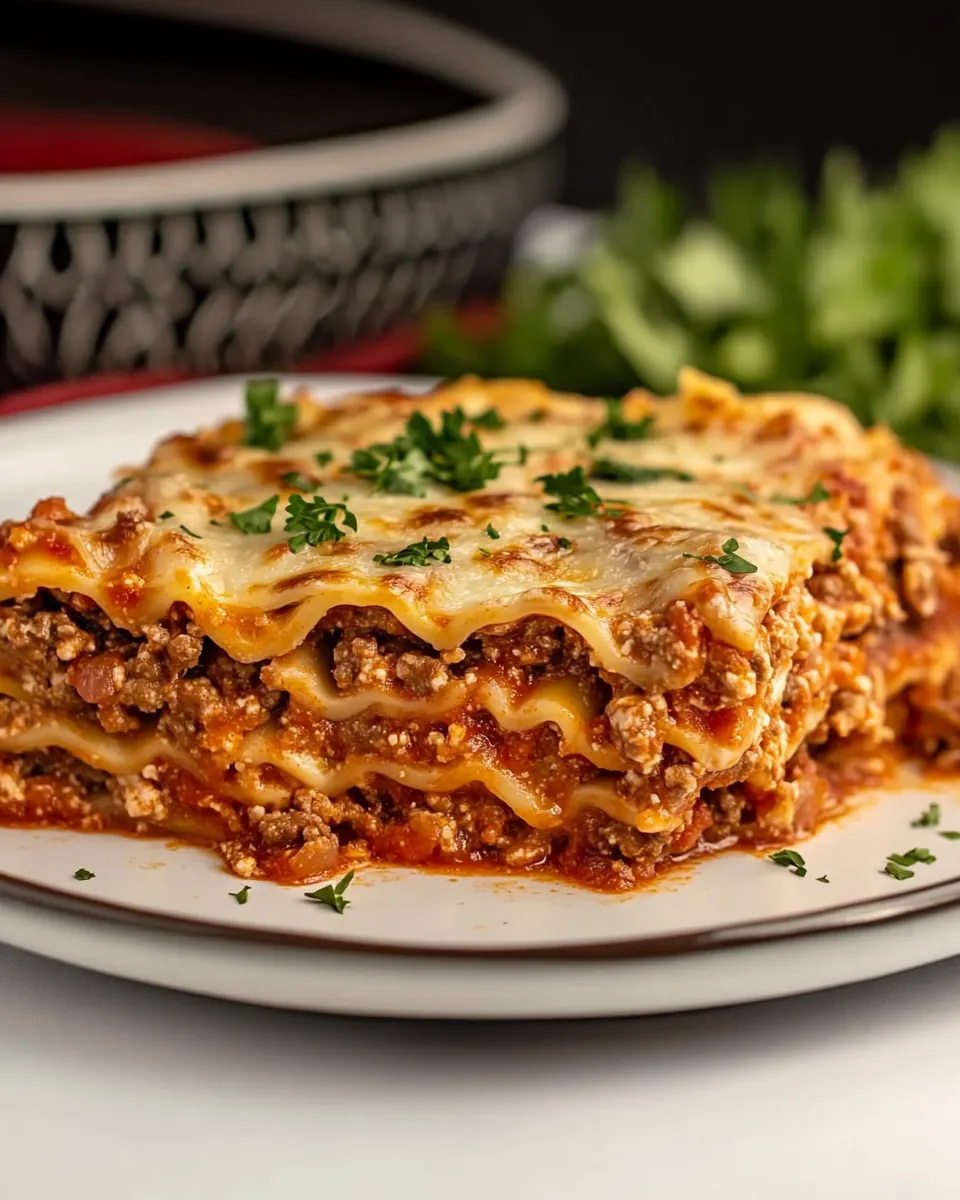
This recipe rewards patient attention. I like to move methodically through browning, simmering, and building layers so the final bake is cohesive and deeply flavorful. Below I expand each direction into rich, sensory guidance to help you nail every stage.
- Preheat the oven to 200°C/390°F, at convection mode.: You will feel the kitchen shift as the oven warms, a hint that the final melting and browning stage is imminent. The steady heated air helps even browning on the top cheese layer and ensures the interior heats uniformly, which prevents soggy edges. A common mistake is skipping preheating, which leads to uneven melting and extended bake time. If your oven runs hot, watch the first bake closely to avoid over browning.
- Heat a pot over high heat. Add some olive oil, the minced meat, and cook for 3-4 minutes until browned.: As the beef mince hits the hot pan, listen for an energetic sizzle and watch as it releases juices and begins to brown, forming rich caramelized bits on the pan. That browning creates savory fond, which is flavor gold for the sauce. Stir occasionally to expose all meat to heat, and be careful not to crowd the pot which causes steaming instead of browning. If the pan looks wet, increase heat slightly to evaporate excess liquid.
- Add the onion, garlic, and carrot, lower the heat to medium, and cook for 4-5 minutes until the vegetables caramelize.: You will notice a soft sweet aroma as the onion and carrot release sugars and the edges take on gentle color. This caramelization layers sweetness that balances the tomato acidity later. Stir frequently so the garlic does not scorch, as burned garlic tastes bitter. If the vegetables begin to stick, add a splash of water and scrape the fond to incorporate those flavors.
- Next, add the tomato paste, cinnamon, cloves, stir with a wooden spoon, and cook for 2-3 minutes.: Toasting the tomato paste and spices in the pan intensifies their flavors and removes any raw tinny notes. You should see the paste darken slightly and smell a toasted concentrated tomato scent. Stir constantly to prevent burning, especially with ground cloves and cinnamon which can scorch quickly. If you smell a bitter note, reduce heat and stir in a splash of broth to cool the pan.
- Add the bay leaves, chopped tomatoes, broth, salt, and pepper, stir, and simmer for 30 minutes until the sauce thickens and flavors develop.: As the sauce simmers, aromas deepen and the volume reduces, concentrating savory, sweet and spiced notes. Small bubbles should rise steadily without a violent boil, and the sauce will coat the back of a spoon when ready. A common error is rushing this step, which yields a watery sauce lacking complexity. Keep a gentle simmer and stir now and then to prevent sticking and to monitor seasoning.
- Place a pot over medium heat, add the butter, and let it melt. Add the flour and stir with a whisk. Pour in the milk and stir for 5 minutes until the béchamel thickens.: When the butter foams and melts, add the all purpose flour and whisk until it forms a smooth roux, cooking briefly to remove raw flour taste. You will notice the mixture become glossy and slightly nutty smelling, a cue that the roux is ready for liquid. Stir continuously to prevent lumps and browning, which would darken the béchamel and alter flavor. If lumps form, whisk vigorously or pass through a sieve later.
- Remove the pot from the heat and add 100 g/ ~1 cup of each cheese. Adjust the taste with salt, pepper and a pinch of nutmeg (optionally), and stir until the cheeses melt and the sauce is smooth.: Add the full fat milk gradually while whisking to create a silk like sauce; steam and a soft bubbling sound will accompany its thickening. The béchamel should coat a spoon and have a smooth, creamy texture without graininess. If it seems too thin, continue to simmer gently; if too thick, whisk in a little warm milk. Avoid high heat which can scorch the milk and create an off flavor.
- In a rectangular baking dish, spread 3 tbsp of minced meat. Place 3 lasagna sheets vertically, spread 3 tbsp of minced meat on top, then add 3 tbsp of béchamel.: Off the heat, stir in the grated mozzarella and Parmesan so they melt evenly into the warm béchamel without separating. You want a glossy, slightly elastic sauce that adds creamy layers to the lasagna. Overheating can cause cheese to become stringy or oily, so remove from heat before adding. Taste and adjust seasoning carefully because the Parmesan contributes saltiness.
- Repeat the process to create 5 layers of lasagna. Finish by spreading the remaining minced meat, béchamel, and cheese on top.: When assembling you will sense the tactile rhythm of layering, the slight resistance as lasagna sheets seat into sauce and the cool creaminess of béchamel smoothing over meat. This initial placement anchors subsequent layers and prevents sliding during baking. A typical mistake is over saturating sheets with sauce, causing them to break apart; keep the amounts even and gently press layers to compact but not squish.
- Cover the lasagna with aluminum foil and bake for 20 minutes. Uncover and continue baking for an additional 25-30 minutes.: Building five layers gives a pleasing ratio of pasta to filling, producing a tall, satisfying casserole. As you finish the top, spread the remaining mozzarella and Parmesan to create a golden crust. Make sure the top is evenly coated so it browns uniformly; patchy cheese coverage can lead to uneven browning and moisture loss.
- Let the lasagna cool for 10 minutes, then cut into pieces, and serve.: The foil traps steam so the interior heats through without drying, while the uncovered final stage creates a bubbling, golden top. You will hear a quiet bubbling from the center and see edges gently caramelize when ready. A common mistake is leaving foil on for the entire bake which prevents browning, or removing it too early which can dry out the top. If the top browns too quickly, tent the foil loosely.
- Let the lasagna cool for 10 minutes then cut into pieces and serve: Resting allows the layers to settle and the juices to redistribute so slices hold shape, and the aromas mellow into a cohesive perfume. You may notice steam escaping as you cut, and that smell of mingled tomato , spice and melted cheese is the hallmark of success. Cutting too soon leads to a runny presentation, so patience yields cleaner slices and better plating.
Recipe Notes about Mediterranean Spiced Beef Lasagna
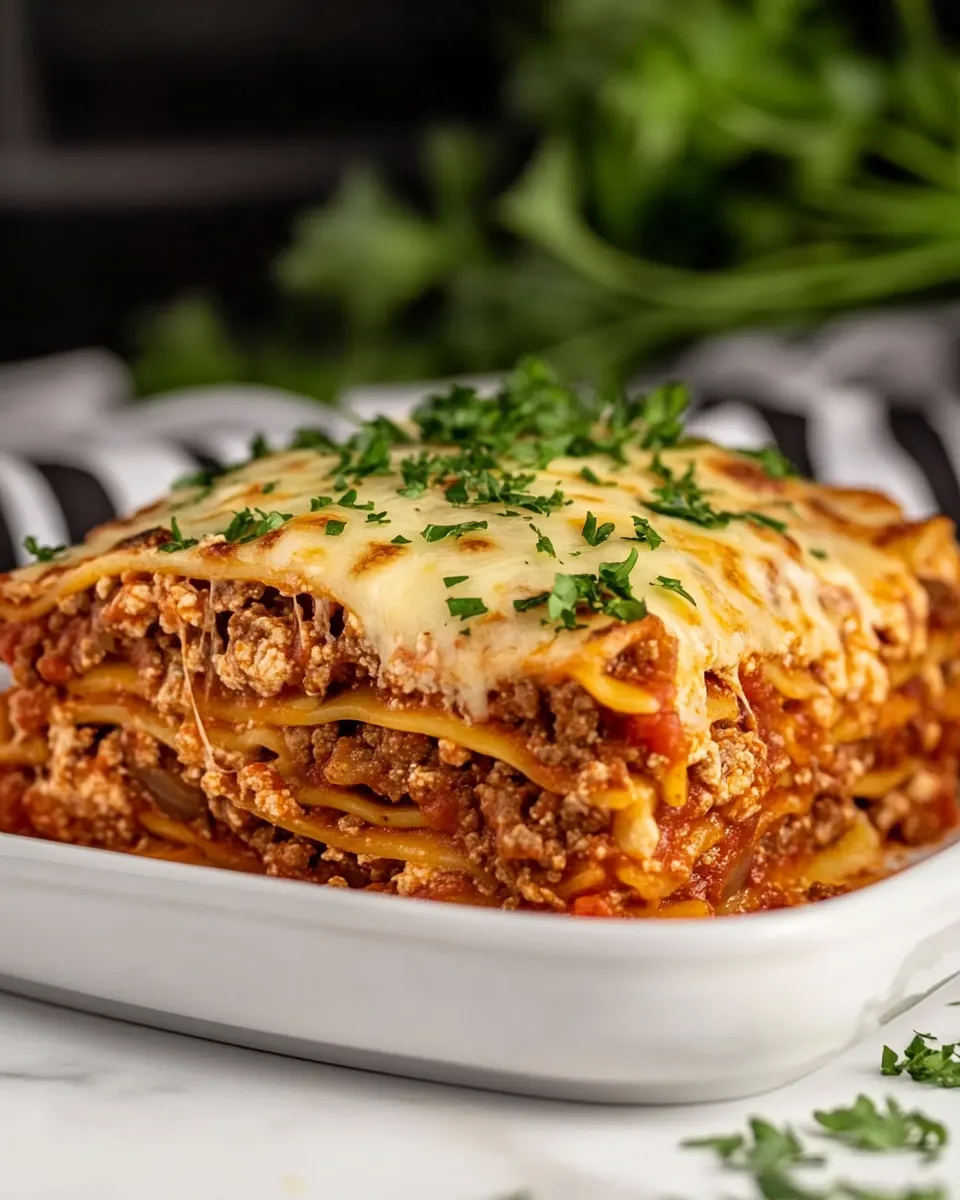
This collection of notes captures practical, kitchen tested pointers to help you achieve consistent results. Read through them before you start, and you will work smarter not harder.
- Do not pre boil the lasagna sheets, they will cook properly while baking from the moisture of the sauce and steam trapped by the foil; boiling can make them gummy and lead to over softened layers.
- Brown the meat in batches if necessary to ensure proper caramelization rather than steaming, which preserves texture and intensifies flavor.
- Control salt carefully because the Parmesan and beef broth add sodium; taste the sauce after reduction before final seasoning.
- Keep the heat moderate when making béchamel so the milk does not scorch and the sauce stays silky; high heat causes graininess or separation.
- Use freshly grated cheeses for the creamiest melt and best flavor, pre shredded packets often contain anti caking agents that affect texture.
Best Served With
This lasagna shines as a centerpiece for cozy dinners, weeknight family meals, or festive gatherings. I often pair it with simple sides that contrast texture and brightness, allowing the lasagna to remain the star. Serve warm and slice with a sturdy spatula for clean portions.
- Simple green salad with lemon dressing to cut richness and add a crisp contrast to the creamy layers.
- Warm crusty bread to soak up any extra sauce and provide a chewy counterpoint to tender layers.
- Light roasted vegetables such as seasonal roots to add earthiness and color to the plate.
- Family style dinner occasions work best, as this lasagna feeds a group and reheats beautifully, making it ideal for gatherings and relaxed meals.
- Storage tips Store leftovers covered in the refrigerator for up to three days, or freeze portions wrapped tightly to preserve flavor and texture; reheat gently covered to retain moisture.
FAQ
Conclusion
Mediterranean Spiced Beef Lasagna stands out for its comforting layers and the gentle warmth of Mediterranean spices woven into a classic format. Give it a try the next time you want a reliable showstopper that feeds a group and keeps well as leftovers. You will find the aromas and textures rewarding, and the method is forgiving enough to become a favorite repeat in your rotation. Share it with good company, and enjoy the way simple pantry ingredients transform into something memorable.

Mediterranean Spiced Beef Lasagna
Equipment
- Large Pot
- Whisk
- Rectangular Baking Dish
- Oven
Ingredients
- 15 lasagna sheets Layer and separate components using flexible, dried sheets that provide structure and absorb sauce; ensure sheets are evenly distributed to create uniform lasagna slices. Store in a cool, dry place to prevent sticking and breakage. Break or trim sheets if needed to fit baking dish edges.
- 1.2 kg beef mince Provide rich, savory flavor and substantial protein to form the hearty meat sauce base; brown thoroughly to develop deep caramelized notes before adding liquids. Drain excess fat if overly greasy to maintain balanced texture. Season while cooking to infuse spices evenly into the mince.
- 400 g canned chopped tomatoes Contribute bright acidity and body to the meat sauce when combined with other tomato elements; stir in after browning meat for even cooking. Use drained versions if a thicker sauce is desired, or include juices for looser consistency. Canned tomatoes add reliable flavor year-round.
- 200 g mozzarella (grated) Melt into creamy, stretchy layers that add gooey, milky richness when baked; sprinkle between layers and on top for a golden finish. Choose low-moisture varieties for less watery lasagna. Grate just before assembling for best melting characteristics.
- 200 g Parmesan (grated) Offer sharp, nutty, umami depth when grated and sprinkled between layers or on top; enhances savory complexity and helps brown the surface. Use finely grated for even distribution and melting. Adds a distinctive finishing flavor.
- 2 onions (finely chopped) Soften and sweeten when gently sautéed to form the aromatic base for the meat sauce; cook until translucent for best flavor release. Finely chop to integrate smoothly into the texture. Use medium heat to avoid burning and bitter notes.
- 2 carrots (finely chopped) Add natural sweetness, body, and subtle texture to the sauce when finely chopped and sautéed with onions; carrots help balance acidity from tomatoes. Cook until tender to meld flavors into the ragu. Grated or finely diced carrots work well for even cooking.
- 2 cloves garlic (finely chopped) Impart pungent, aromatic depth and savory complexity when finely chopped and briefly sautéed; avoid overcooking to prevent bitterness. Add toward the beginning of sauce preparation to bloom flavors in oil. Adjust amount according to preferred garlic intensity.
- 2 bay leaves Release subtle herbal aroma and a hint of earthiness during long simmering; add whole to the sauce early and remove before assembling to avoid tough bites. Bay leaves provide background complexity that rounds out tomato and meat flavors. Use fresh or dried depending on availability.
- 2 tbsp tomato paste Concentrate tomato richness and deepen color and flavor when stirred into the browned meat before adding liquids; balances acidity and adds umami. Use measured tablespoons to avoid overpowering the sauce. Cook briefly to remove any raw tomato paste taste.
- 1/4 tsp ground cloves Introduce warm, slightly sweet and clove-like aromatic notes in very small amounts to accent the sauce; use sparingly due to potency. Combine with cinnamon for a subtle Mediterranean warmth. Dissolve into liquids to distribute evenly.
- 1/4 tsp ground cinnamon Provide a warm, sweet-spicy background that complements the cloves and meat flavors; use a light sprinkle to avoid dominance. Blends well into simmered sauces to add complexity and an aromatic lift. Measure carefully because small amounts impact overall profile.
- 1.2 lb beef broth Supply savory depth and liquid for simmering the meat sauce, adjusting richness and seasoning; use to thin or concentrate the ragu as needed. Use reduced-sodium varieties if controlling salt content. Warm slightly before adding to avoid shocking the sauce temperature.
- olive oil Serve as the cooking fat to sauté aromatics and brown the meat, contributing fruity and peppery olive notes; regulate heat to prevent smoking. Use quality extra-virgin olive oil for flavor or standard olive oil for higher heat tolerances. Adds mouthfeel and helps spices bloom.
- salt Enhance and balance overall flavors, bringing out sweetness and suppressing bitterness when adjusted during cooking; season gradually and taste often. Use kosher or sea salt for consistent measurement and dissolve into sauces. Also seasons béchamel and meat components.
- pepper Provide heat and sharpness when freshly cracked or ground into dishes; season in stages to achieve desired spiciness. Add to both meat sauce and béchamel for integrated seasoning. Use freshly ground black pepper for optimal aroma.
- 100 g butter Create a rich, buttery base for the béchamel sauce and add silkiness to assembled layers when melted; ensure it does not brown when making the roux. Measure precisely for correct sauce consistency. Use at room temperature for easier melting.
- 100 g all-purpose flour Combine with butter to form the roux that thickens the milk into a smooth béchamel; whisk constantly to avoid lumps and ensure even cooking. Adjust flour amounts only as specified to keep the desired sauce thickness. Use all-purpose for predictable results.
- 1 l full-fat milk Form the creamy liquid component of the béchamel, contributing richness and silky texture; warm slightly before adding to the roux to prevent curdling. Full-fat milk yields a velvety sauce that complements the meat layers. Stir continuously until smooth and thickened.
- pinch of nutmeg (optional) Brighten and lightly nutmeg the béchamel with a subtle warm spice if used, enhancing creamy flavor without overpowering; add a pinch to taste and omit if preferred. Optional use allows customization for more traditional béchamel character. Use freshly grated for best aroma.
Instructions
- Preheat the oven to 200°C/390°F, at convection mode.: You will feel the kitchen shift as the oven warms, a hint that the final melting and browning stage is imminent. The steady heated air helps even browning on the top cheese layer and ensures the interior heats uniformly, which prevents soggy edges. A common mistake is skipping preheating, which leads to uneven melting and extended bake time. If your oven runs hot, watch the first bake closely to avoid over browning.
- Heat a pot over high heat. Add some olive oil, the minced meat, and cook for 3-4 minutes until browned.: As the beef mince hits the hot pan, listen for an energetic sizzle and watch as it releases juices and begins to brown, forming rich caramelized bits on the pan. That browning creates savory fond, which is flavor gold for the sauce. Stir occasionally to expose all meat to heat, and be careful not to crowd the pot which causes steaming instead of browning. If the pan looks wet, increase heat slightly to evaporate excess liquid.
- Add the onion, garlic, and carrot, lower the heat to medium, and cook for 4-5 minutes until the vegetables caramelize.: You will notice a soft sweet aroma as the onion and carrot release sugars and the edges take on gentle color. This caramelization layers sweetness that balances the tomato acidity later. Stir frequently so the garlic does not scorch, as burned garlic tastes bitter. If the vegetables begin to stick, add a splash of water and scrape the fond to incorporate those flavors.
- Next, add the tomato paste, cinnamon, cloves, stir with a wooden spoon, and cook for 2-3 minutes.: Toasting the tomato paste and spices in the pan intensifies their flavors and removes any raw tinny notes. You should see the paste darken slightly and smell a toasted concentrated tomato scent. Stir constantly to prevent burning, especially with ground cloves and cinnamon which can scorch quickly. If you smell a bitter note, reduce heat and stir in a splash of broth to cool the pan.
- Add the bay leaves, chopped tomatoes, broth, salt, and pepper, stir, and simmer for 30 minutes until the sauce thickens and flavors develop.: As the sauce simmers, aromas deepen and the volume reduces, concentrating savory, sweet and spiced notes. Small bubbles should rise steadily without a violent boil, and the sauce will coat the back of a spoon when ready. A common error is rushing this step, which yields a watery sauce lacking complexity. Keep a gentle simmer and stir now and then to prevent sticking and to monitor seasoning.
- Place a pot over medium heat, add the butter, and let it melt. Add the flour and stir with a whisk. Pour in the milk and stir for 5 minutes until the béchamel thickens.: When the butter foams and melts, add the all purpose flour and whisk until it forms a smooth roux, cooking briefly to remove raw flour taste. You will notice the mixture become glossy and slightly nutty smelling, a cue that the roux is ready for liquid. Stir continuously to prevent lumps and browning, which would darken the béchamel and alter flavor. If lumps form, whisk vigorously or pass through a sieve later.
- Remove the pot from the heat and add 100 g/ ~1 cup of each cheese. Adjust the taste with salt, pepper and a pinch of nutmeg (optionally), and stir until the cheeses melt and the sauce is smooth.: Add the full fat milk gradually while whisking to create a silk like sauce; steam and a soft bubbling sound will accompany its thickening. The béchamel should coat a spoon and have a smooth, creamy texture without graininess. If it seems too thin, continue to simmer gently; if too thick, whisk in a little warm milk. Avoid high heat which can scorch the milk and create an off flavor.
- In a rectangular baking dish, spread 3 tbsp of minced meat. Place 3 lasagna sheets vertically, spread 3 tbsp of minced meat on top, then add 3 tbsp of béchamel.: Off the heat, stir in the grated mozzarella and Parmesan so they melt evenly into the warm béchamel without separating. You want a glossy, slightly elastic sauce that adds creamy layers to the lasagna. Overheating can cause cheese to become stringy or oily, so remove from heat before adding. Taste and adjust seasoning carefully because the Parmesan contributes saltiness.
- Repeat the process to create 5 layers of lasagna. Finish by spreading the remaining minced meat, béchamel, and cheese on top.: When assembling you will sense the tactile rhythm of layering, the slight resistance as lasagna sheets seat into sauce and the cool creaminess of béchamel smoothing over meat. This initial placement anchors subsequent layers and prevents sliding during baking. A typical mistake is over saturating sheets with sauce, causing them to break apart; keep the amounts even and gently press layers to compact but not squish.
- Cover the lasagna with aluminum foil and bake for 20 minutes. Uncover and continue baking for an additional 25-30 minutes.: Building five layers gives a pleasing ratio of pasta to filling, producing a tall, satisfying casserole. As you finish the top, spread the remaining mozzarella and Parmesan to create a golden crust. Make sure the top is evenly coated so it browns uniformly; patchy cheese coverage can lead to uneven browning and moisture loss.
- Let the lasagna cool for 10 minutes, then cut into pieces, and serve.: The foil traps steam so the interior heats through without drying, while the uncovered final stage creates a bubbling, golden top. You will hear a quiet bubbling from the center and see edges gently caramelize when ready. A common mistake is leaving foil on for the entire bake which prevents browning, or removing it too early which can dry out the top. If the top browns too quickly, tent the foil loosely.
- Let the lasagna cool for 10 minutes then cut into pieces and serve: Resting allows the layers to settle and the juices to redistribute so slices hold shape, and the aromas mellow into a cohesive perfume. You may notice steam escaping as you cut, and that smell of mingled tomato , spice and melted cheese is the hallmark of success. Cutting too soon leads to a runny presentation, so patience yields cleaner slices and better plating.
Notes
- Do not pre boil the lasagna sheets, they will cook properly while baking from the moisture of the sauce and steam trapped by the foil; boiling can make them gummy and lead to over softened layers.
- Brown the meat in batches if necessary to ensure proper caramelization rather than steaming, which preserves texture and intensifies flavor.
- Control salt carefully because the Parmesan and beef broth add sodium; taste the sauce after reduction before final seasoning.
- Keep the heat moderate when making béchamel so the milk does not scorch and the sauce stays silky; high heat causes graininess or separation.
- Use freshly grated cheeses for the creamiest melt and best flavor, pre shredded packets often contain anti caking agents that affect texture.