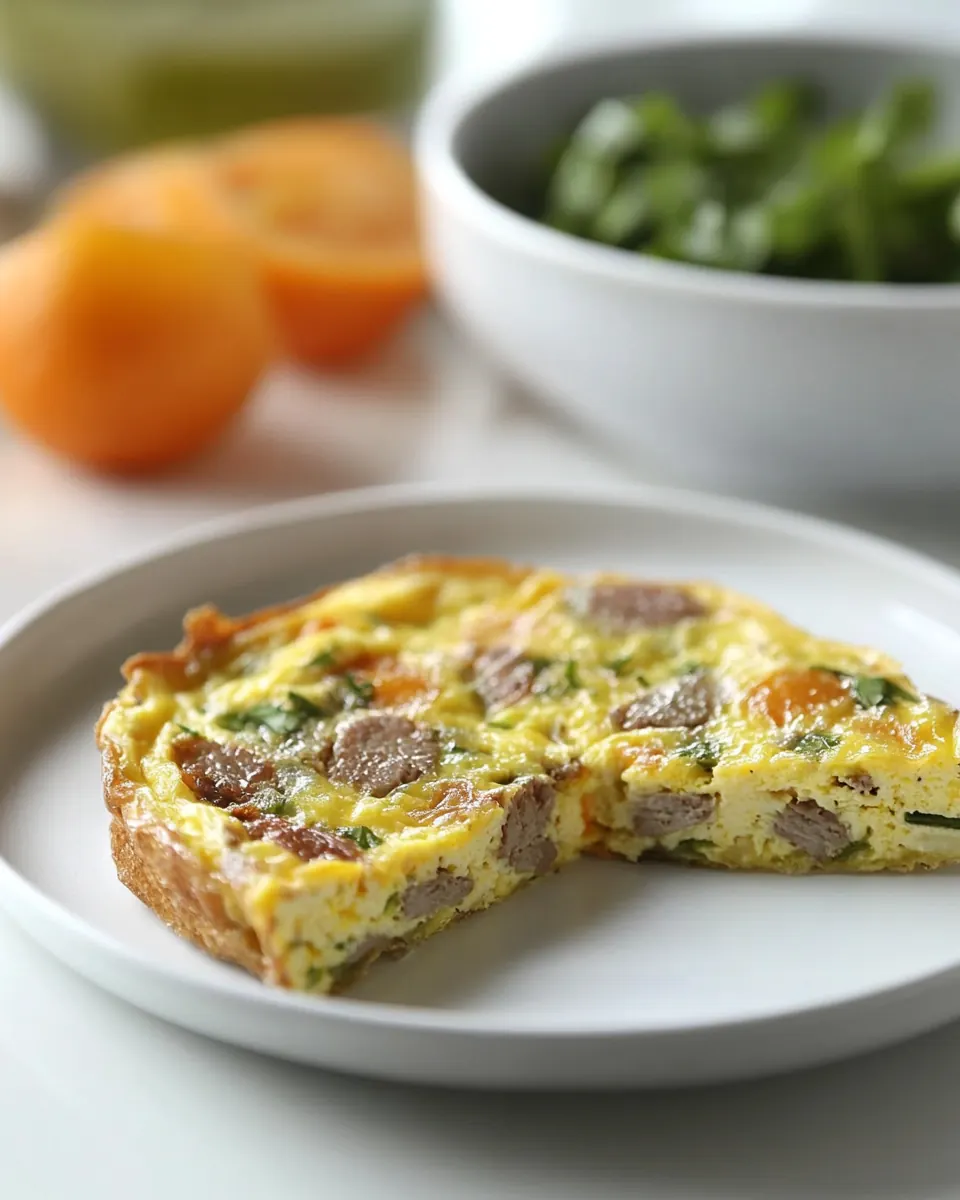
Frittata
Frittata has been my go to for easy weekend breakfasts and simple weeknight dinners when I want something that feels special without fuss. The very first time I made this dish I was short on time, but I had a bag of asparagus and a pack of breakfast sausage in the fridge, and the result felt like a weekend brunch brought to my tiny kitchen table. Over the years I learned little tweaks that make every slice sing, from how the eggs are whisked to the moment the cheese browns on top.
Some mornings I make this when I want to clear out the fridge, and other times I plan it as the center of a relaxed meal with a salad. I love how the texture shifts, soft and custardy in the middle, slightly crisp at the edges, with pockets of savory sausage and pops of tender asparagus. Each bite tells a small story about the ingredients and technique, and I enjoy that quiet sense of satisfaction.
Recipe Snapshot
30 mins
10 mins
20 mins
Easy
300 kcal
American
Keto, Gluten-Free
Breakfast
Cast iron skillet, Nonstick skillet, Oven, Whisk, Mixing bowl
What Makes This Frittata Special
Comfort with a Clean Profile
I adore how Frittata offers creamy, savory comfort without heaviness. The eggs create a custard that feels indulgent, yet the addition of asparagus and modest amounts of cheese keeps it bright. I always feel like I am giving my family something nourishing that also reads as special.
Speed and Simplicity
One of the reasons I keep coming back to Frittata is that it is fast. With straightforward prep and mostly passive oven time, I can get a hearty meal on the table in under an hour. I appreciate recipes that respect my time, and this one delivers consistent results with minimal babysitting.
Flexible and Forgiving
I find this recipe wonderfully adaptable. If you have a different vegetable or a leftover protein, you can incorporate it and still end up with a great dish. That forgiving nature makes me adventurous in the kitchen, and I often experiment with small swaps that end up pleasantly surprising.
Textural Harmony
What really makes Frittata stand out for me is the contrast between the silky egg base, the browned edges, and the melty gruyere cheese. The sausage adds savory depth and small crumbles that punctuate each bite. These layers of texture keep every forkful interesting.
Make Ahead and Shareable
I love preparing this dish ahead for gatherings. It reheats beautifully and slices into generous portions that everyone can help themselves to. That makes it ideal for casual brunches or busy holiday mornings when you want something homemade but hands off.
Essential Ingredients for Frittata
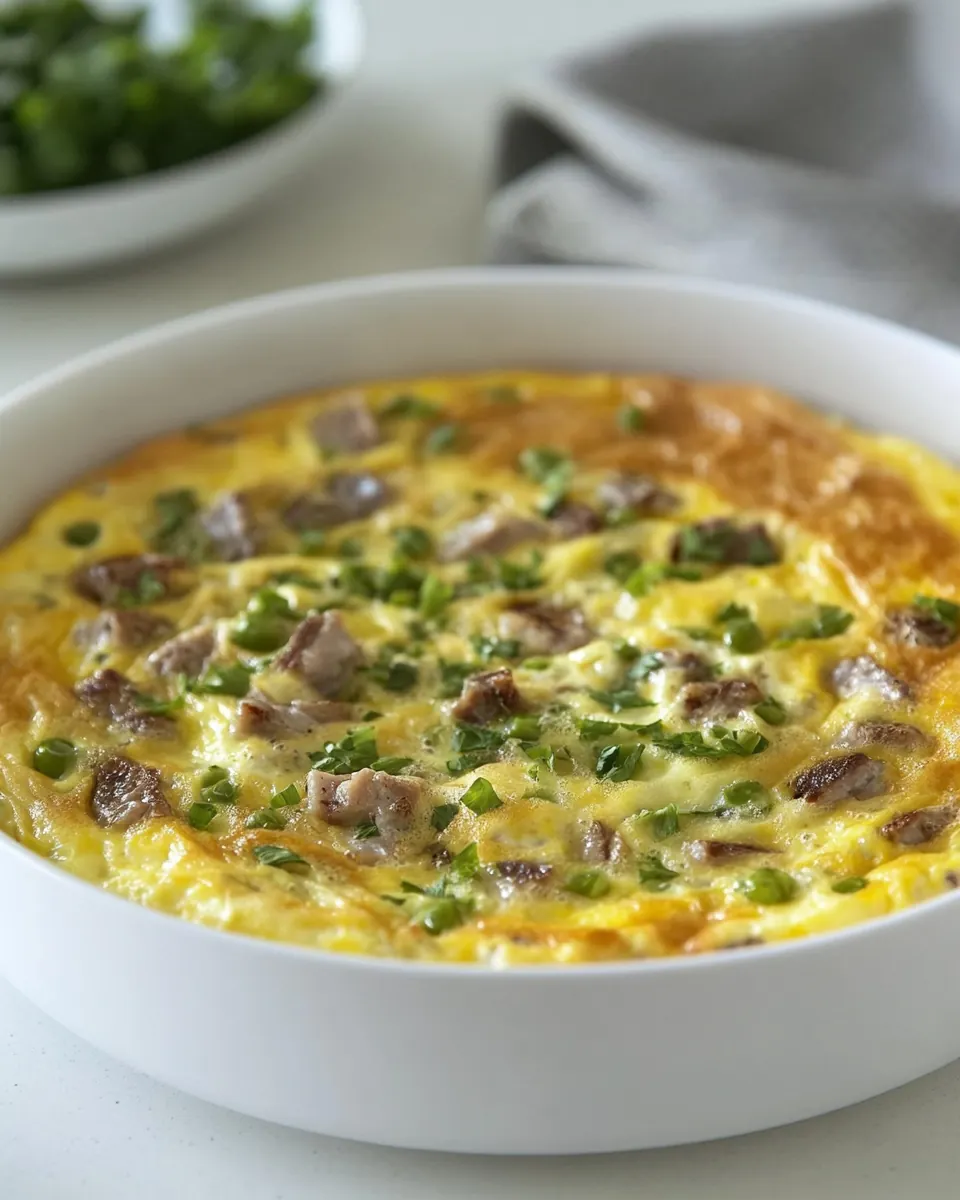
These ingredients form the backbone of the dish, working together to create a balanced, savory custard. The eggs deliver structure and creaminess, the butter and sausage provide savory richness, while the asparagus adds freshness and a textural lift. Gruyere cheese brings nutty meltiness and the cream ensures a tender, silky interior.
- 2 tablespoons butter: Melted to coat the pan and provide a rich medium for sautéing sausage and asparagus; contributes a silky mouthfeel and subtle creaminess to the frittata. Adds a hint of golden flavor and helps achieve brown edges without sticking. Can be adjusted for clarity of flavor depending on butter quality.
- 12 oz breakfast sausage: Crumpled and browned to add savory, meaty flavor and hearty texture throughout the egg base; provides saltiness and umami that balances the richness of eggs and cheese. Releases flavorful fat that helps cook the vegetables and imparts depth to the dish. Choose a cooked-through but slightly crisp texture for contrast.
- 1/2 pound asparagus: Trimmed and lightly sautéed or blanched to bring a bright, vegetal note and tender-crisp bite to the frittata; offers color, freshness, and a pleasant textural contrast. Adds subtle sweetness and pairs well with creamy eggs and cheese. Cut into uniform pieces to ensure even cooking.
- 8 large eggs: Whisked to create the custardy structure that binds all components together; delivers protein and richness that set into the classic frittata texture. Incorporates air when beaten gently to produce a light, tender interior. Season and combine evenly with dairy for consistent results.
- 1/3 cup heavy cream or whole milk: Poured into the beaten eggs to enrich the mixture and promote a smoother, creamier curd when baked or cooked slowly; adjusts custard firmness and tenderness. Contributes moisture and helps integrate flavors for a cohesive dish. Use whole milk for lighter texture or heavy cream for extra richness.
- 1 cup gruyere cheese grated: Shredded and folded into the egg mixture to infuse nutty, savory flavors and create gooey, melty pockets throughout the frittata; enhances overall creaminess and depth. Sprinkles on top can brown and form a flavorful crust during cooking. Measure to control saltiness and richness.
- salt and pepper to taste: Seasoned sparingly to balance and enhance natural flavors of eggs, sausage, asparagus, and cheese; provides essential taste contrast and highlights other ingredients. Adjust quantities to suit preference and the saltiness of the sausage and cheese. Add pepper for subtle heat and complexity.
Recipe Steps for Frittata
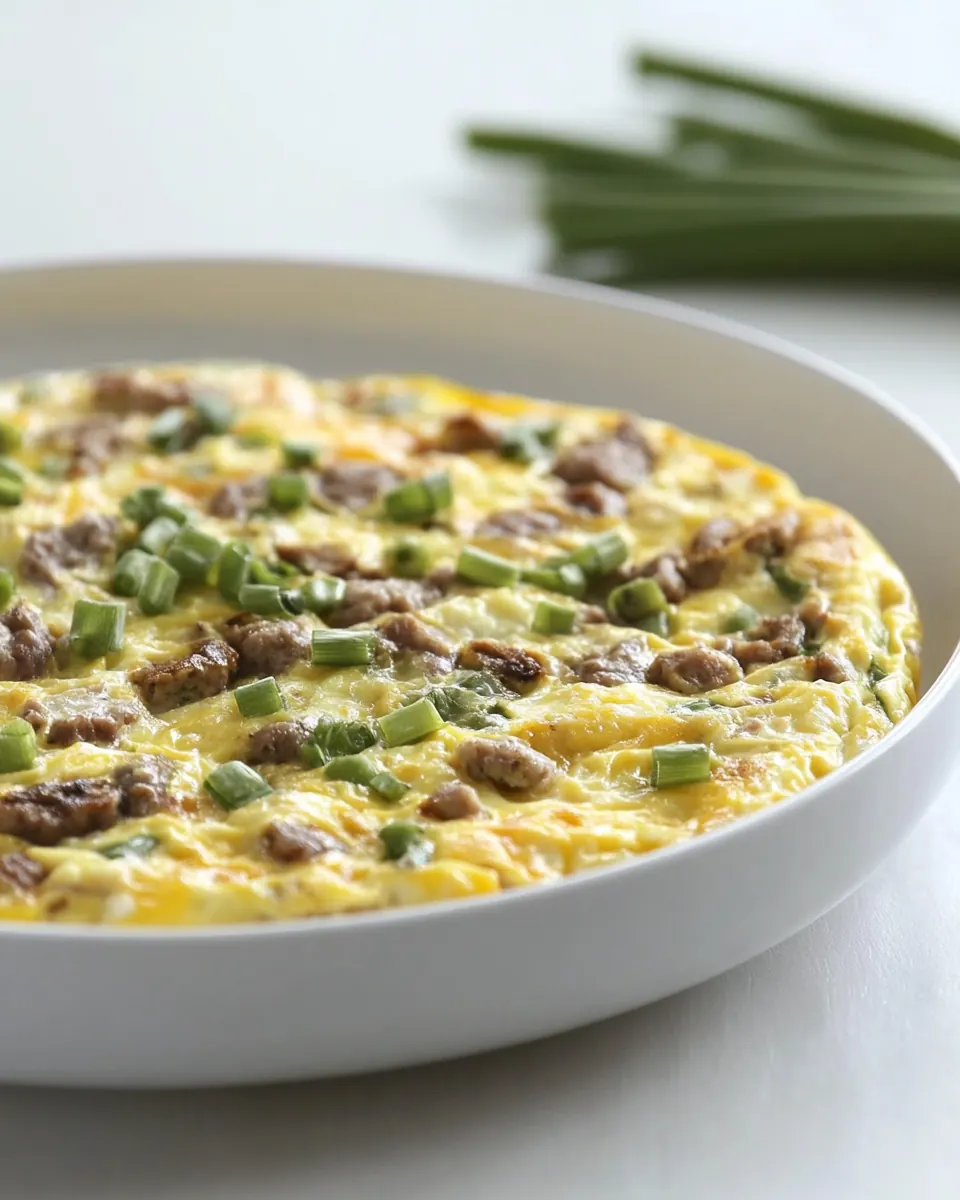
This set of steps will guide you from a warm skillet to a golden baked frittata. I like to move deliberately but confidently, paying attention to the aroma and color at each stage. Keep your oven nearby and a timer set so nothing catches and you get that perfect custard finish.
- Preheat oven to 375 degrees.: You will notice the kitchen warming slightly as the oven approaches 375 degrees , which ensures even baking when the skillet moves from stovetop to oven. This steady heat is crucial for a uniform set and preventing the center from remaining runny. A common mistake is skipping preheating, which can lead to uneven cooking and longer bake times, so always allow the oven to reach temperature before you transfer the pan.
- In a large cast iron or nonstick skillet, start browning breakfast sausage in butter over medium heat. Break sausage apart as it cooks to create small crumbles.: As the butter melts and the sausage sizzles, you will hear a lively crackle and smell savory perfume releasing from the meat. Browning develops deep flavors through caramelization, which is essential for the dish's savory profile. Stir occasionally to encourage even browning, and avoid turning the heat too high since that can burn the butter and create a bitter taste.
- While sausage is cooking, wash asparagus. Snap woody ends off and discard. Chop remaining asparagus tips into smaller, bite size pieces and add to the pan with sausage. Sprinkle with salt and pepper.: The sound of the meat breaking apart will change the pan from one mass into many small, crisped morsels that add texture. Smaller crumbles distribute flavor across every bite, preventing large clumps that can dominate a slice. A frequent error is pressing or smashing the sausage too hard, which can make it greasy rather than crisp, so gently separate it with a wooden spoon.
- In a small bowl, whisk eggs and cream together with more salt and pepper. Stir in half the grated cheese.: Rinsing the asparagus removes grit and refreshes its color, which makes the vegetable cook more evenly. You should snap the woody ends to determine where they naturally break and then chop the tender tips into bite size pieces. Leaving woody ends will yield fibrous bites, so always remove them before cooking.
- Once asparagus is tender to your liking, reduce heat to medium low and pour over the egg and cheese mixture. Gently stir the eggs in with the sausage and asparagus to coat everything evenly. Cook about 2 minutes on the stove until the eggs around the edges start to cook. Top with remaining cheese and transfer to hot oven and bake until completely set, about 12 minutes.: As you snap each stalk, you will feel the fibrous part separate from the tender tip, a simple tactile test for freshness. Discarding tough ends keeps the final texture pleasant and prevents chewy sections in the frittata. A common misstep is trimming too little, which leaves stringy bits, so err on the side of removing a little more if unsure.
- Once frittata is completely baked, cool 5-10 minutes before cutting and serving. Serve warm.: When the asparagus hits the hot skillet, it will hiss briefly and begin to soften, releasing a green, vegetal aroma. Cutting into small pieces lets them cook quickly and blend seamlessly with the sausage . Overcrowding the pan here can cause the asparagus to steam instead of sauté, so give it room to brown slightly for better flavor.
- Sprinkle with salt and pepper.: Seasoning the pan ingredients now helps build layers of flavor, drawing out moisture and enhancing natural tastes. You will notice the vegetables and meat brighten as the salt works, and the pepper adds a warm note. Be cautious with salt quantities if your sausage is already salty, to prevent over seasoning.
- In a small bowl whisk eggs and cream together with more salt and pepper.: Whisking the eggs and cream until smooth incorporates air and ensures a tender, even custard. The mixture should look uniform, slightly frothy, and glossy. Under mixing leaves streaks and pockets, while over mixing may introduce too much air, causing excessive puffing then collapsing.
- Stir in half the grated cheese.: Folding some of the gruyere cheese into the egg mixture gives melty pockets throughout the frittata and contributes to a richer flavor. The cheese will help the eggs set and lend a silky mouthfeel. If you add pre shredded clumps, they might not distribute evenly, so shred fresh if possible.
- Once asparagus is tender to your liking reduce heat to medium low and pour over the egg and cheese mixture.: At this moment the pan fills with a soft hiss as the egg mixture meets warm ingredients, and the edges will begin to cling and set. Reducing to medium low prevents the eggs from racing to set and allows for an even, glossy texture. Turning the heat too high can cause the bottom to brown excessively before the center cooks through, resulting in an uneven finish.
- Gently stir the eggs in with the sausage and asparagus to coat everything evenly.: You will feel the mixture thicken as the eggs start to warm, forming a cohesive blend of flavors. Gentle stirring distributes the fillings without deflating the mixture too much, helping for a uniform bake. Be careful not to over stir, which can break up the ingredients and prevent those lovely pockets of cheese from forming.
- Cook about 2 minutes on the stove until the eggs around the edges start to cook.: The edges will change from glossy to matte and pull slightly from the pan, a visual cue that it is ready for the oven. This brief stovetop step gives the frittata a tender rim and prevents the entire dish from collapsing in the oven. A common mistake is waiting until the whole top firms, which can lead to overcooked edges after baking.
- Top with remaining cheese and transfer to hot oven and bake until completely set about 12 minutes.: Sprinkling the rest of the gruyere cheese on top creates a golden, slightly crisp finish as the pan bakes at 375 degrees . Baking for around 12 minutes yields a set center that remains creamy, with a pleasantly browned top. Keep an eye on it in the last few minutes, since ovens vary, and avoid opening the oven door too often which can change the temperature and affect setting.
- Once frittata is completely baked cool 5 to 10 minutes before cutting and serving.: As it rests, the residual heat evens out the texture and makes slicing cleaner, while steam dissipates and flavors settle. Waiting allows the custard to firm slightly so portions hold together. Cutting too soon often causes the frittata to break apart and lose its beautiful cross section.
- Serve warm.: When you bring it to the table warm, you will notice the aromas of sausage and gruyere cheese lifting from each slice, inviting everyone to dig in. Warm servings showcase the texture best, though it also tastes great at room temperature. Reheating gently is preferable to preserve the custard, as blasting it in high heat can dry the eggs out.
Make It Your Own
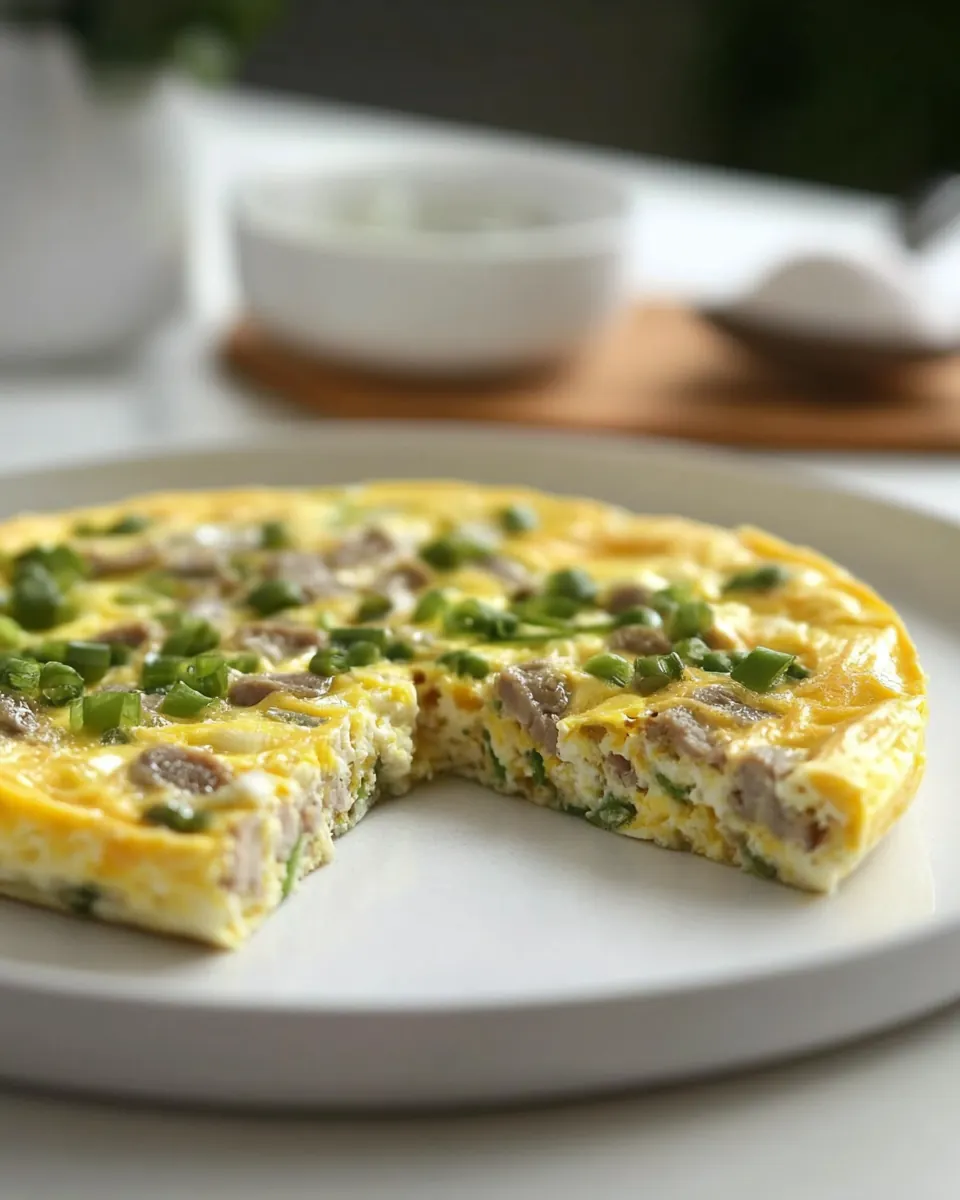
I like small adjustments to personalize this Frittata while keeping the core technique intact. These tips expand on ingredients and timing so you can tune the texture and flavor to your taste, and confidently adapt the recipe to what you have on hand.
- Swap cheese thoughtfully, choose a melty, flavorful cheese like gruyere cheese for a nutty finish; using a very mild cheese will change the flavor profile significantly.
- Adjust milk versus cream, use whole milk for a lighter custard and heavy cream for a richer, silkier texture, but avoid adding too much liquid or the frittata will not set.
- Manage sausage saltiness, taste a small cooked piece of breakfast sausage before seasoning the eggs, since some sausages are quite salty and will affect final seasoning.
- Control asparagus doneness, test a piece while sautéing to keep a pleasing tender crisp bite, overcooking will lead to loss of vibrant color and texture.
- Pan selection matters, a cast iron skillet gives a beautifully browned edge and can go straight into the oven, while a thin pan may brown too quickly.
- Preheat the oven fully, always ensure the oven is at 375 degrees before transferring the skillet to get an even set and golden top.
Serving This Frittata
The Frittata is flexible for casual meals or small gatherings, and a few thoughtful serving choices elevate the experience. Serve it warm for best texture, and pair with fresh sides to balance richness. Below are practical serving ideas, storage tips, and occasion suggestions presented as a list so you can mix and match.
- Serve warm with a crisp salad, a simple green salad dressed lightly in lemon and olive oil complements the richness of the eggs and gruyere cheese.
- Brunch centerpiece, present slices alongside roasted potatoes and fresh fruit for a crowd friendly brunch offering that travels well from kitchen to table.
- Weeknight dinner, pair with a bowl of steamed vegetables and crusty bread for a quick, satisfying evening meal that feels homey yet refined.
- Make ahead for gatherings, bake, cool, and refrigerate, then reheat gently in a low oven for a hands off warm up when guests arrive.
- Storage tips, store leftovers wrapped in the fridge for up to three days, reheat at low temperature to preserve creaminess and avoid drying.
- Seasonal pairing, enjoy during spring when asparagus is at its peak for the freshest flavor and brightest color.
FAQ
Conclusion
This Frittata brings together creamy eggs, savory sausage, tender asparagus, and nutty gruyere into a simple, satisfying dish that works for brunch or a quick dinner. I encourage you to try it soon, paying attention to the little moments like browning the sausage and letting the custard rest. It rewards a bit of patience with comforting textures and layered flavors, and once you make it a few times you will have your own favorite tweaks to call your own.

Frittata
Equipment
- Cast-Iron Skillet
- nonstick skillet
- Oven
- Whisk
- Mixing Bowl
Ingredients
- 2 tablespoons butter Melted to coat the pan and provide a rich medium for sautéing sausage and asparagus; contributes a silky mouthfeel and subtle creaminess to the frittata. Adds a hint of golden flavor and helps achieve brown edges without sticking. Can be adjusted for clarity of flavor depending on butter quality.
- 12 oz breakfast sausage Crumpled and browned to add savory, meaty flavor and hearty texture throughout the egg base; provides saltiness and umami that balances the richness of eggs and cheese. Releases flavorful fat that helps cook the vegetables and imparts depth to the dish. Choose a cooked-through but slightly crisp texture for contrast.
- 1/2 pound asparagus Trimmed and lightly sautéed or blanched to bring a bright, vegetal note and tender-crisp bite to the frittata; offers color, freshness, and a pleasant textural contrast. Adds subtle sweetness and pairs well with creamy eggs and cheese. Cut into uniform pieces to ensure even cooking.
- 8 large eggs Whisked to create the custardy structure that binds all components together; delivers protein and richness that set into the classic frittata texture. Incorporates air when beaten gently to produce a light, tender interior. Season and combine evenly with dairy for consistent results.
- 1/3 cup heavy cream or whole milk Poured into the beaten eggs to enrich the mixture and promote a smoother, creamier curd when baked or cooked slowly; adjusts custard firmness and tenderness. Contributes moisture and helps integrate flavors for a cohesive dish. Use whole milk for lighter texture or heavy cream for extra richness.
- 1 cup gruyere cheese grated Shredded and folded into the egg mixture to infuse nutty, savory flavors and create gooey, melty pockets throughout the frittata; enhances overall creaminess and depth. Sprinkles on top can brown and form a flavorful crust during cooking. Measure to control saltiness and richness.
- salt and pepper to taste Seasoned sparingly to balance and enhance natural flavors of eggs, sausage, asparagus, and cheese; provides essential taste contrast and highlights other ingredients. Adjust quantities to suit preference and the saltiness of the sausage and cheese. Add pepper for subtle heat and complexity.
Instructions
- Preheat oven to 375 degrees.: You will notice the kitchen warming slightly as the oven approaches 375 degrees , which ensures even baking when the skillet moves from stovetop to oven. This steady heat is crucial for a uniform set and preventing the center from remaining runny. A common mistake is skipping preheating, which can lead to uneven cooking and longer bake times, so always allow the oven to reach temperature before you transfer the pan.
- In a large cast iron or nonstick skillet, start browning breakfast sausage in butter over medium heat. Break sausage apart as it cooks to create small crumbles.: As the butter melts and the sausage sizzles, you will hear a lively crackle and smell savory perfume releasing from the meat. Browning develops deep flavors through caramelization, which is essential for the dish's savory profile. Stir occasionally to encourage even browning, and avoid turning the heat too high since that can burn the butter and create a bitter taste.
- While sausage is cooking, wash asparagus. Snap woody ends off and discard. Chop remaining asparagus tips into smaller, bite size pieces and add to the pan with sausage. Sprinkle with salt and pepper.: The sound of the meat breaking apart will change the pan from one mass into many small, crisped morsels that add texture. Smaller crumbles distribute flavor across every bite, preventing large clumps that can dominate a slice. A frequent error is pressing or smashing the sausage too hard, which can make it greasy rather than crisp, so gently separate it with a wooden spoon.
- In a small bowl, whisk eggs and cream together with more salt and pepper. Stir in half the grated cheese.: Rinsing the asparagus removes grit and refreshes its color, which makes the vegetable cook more evenly. You should snap the woody ends to determine where they naturally break and then chop the tender tips into bite size pieces. Leaving woody ends will yield fibrous bites, so always remove them before cooking.
- Once asparagus is tender to your liking, reduce heat to medium low and pour over the egg and cheese mixture. Gently stir the eggs in with the sausage and asparagus to coat everything evenly. Cook about 2 minutes on the stove until the eggs around the edges start to cook. Top with remaining cheese and transfer to hot oven and bake until completely set, about 12 minutes.: As you snap each stalk, you will feel the fibrous part separate from the tender tip, a simple tactile test for freshness. Discarding tough ends keeps the final texture pleasant and prevents chewy sections in the frittata. A common misstep is trimming too little, which leaves stringy bits, so err on the side of removing a little more if unsure.
- Once frittata is completely baked, cool 5-10 minutes before cutting and serving. Serve warm.: When the asparagus hits the hot skillet, it will hiss briefly and begin to soften, releasing a green, vegetal aroma. Cutting into small pieces lets them cook quickly and blend seamlessly with the sausage . Overcrowding the pan here can cause the asparagus to steam instead of sauté, so give it room to brown slightly for better flavor.
- Sprinkle with salt and pepper.: Seasoning the pan ingredients now helps build layers of flavor, drawing out moisture and enhancing natural tastes. You will notice the vegetables and meat brighten as the salt works, and the pepper adds a warm note. Be cautious with salt quantities if your sausage is already salty, to prevent over seasoning.
- In a small bowl whisk eggs and cream together with more salt and pepper.: Whisking the eggs and cream until smooth incorporates air and ensures a tender, even custard. The mixture should look uniform, slightly frothy, and glossy. Under mixing leaves streaks and pockets, while over mixing may introduce too much air, causing excessive puffing then collapsing.
- Stir in half the grated cheese.: Folding some of the gruyere cheese into the egg mixture gives melty pockets throughout the frittata and contributes to a richer flavor. The cheese will help the eggs set and lend a silky mouthfeel. If you add pre shredded clumps, they might not distribute evenly, so shred fresh if possible.
- Once asparagus is tender to your liking reduce heat to medium low and pour over the egg and cheese mixture.: At this moment the pan fills with a soft hiss as the egg mixture meets warm ingredients, and the edges will begin to cling and set. Reducing to medium low prevents the eggs from racing to set and allows for an even, glossy texture. Turning the heat too high can cause the bottom to brown excessively before the center cooks through, resulting in an uneven finish.
- Gently stir the eggs in with the sausage and asparagus to coat everything evenly.: You will feel the mixture thicken as the eggs start to warm, forming a cohesive blend of flavors. Gentle stirring distributes the fillings without deflating the mixture too much, helping for a uniform bake. Be careful not to over stir, which can break up the ingredients and prevent those lovely pockets of cheese from forming.
- Cook about 2 minutes on the stove until the eggs around the edges start to cook.: The edges will change from glossy to matte and pull slightly from the pan, a visual cue that it is ready for the oven. This brief stovetop step gives the frittata a tender rim and prevents the entire dish from collapsing in the oven. A common mistake is waiting until the whole top firms, which can lead to overcooked edges after baking.
- Top with remaining cheese and transfer to hot oven and bake until completely set about 12 minutes.: Sprinkling the rest of the gruyere cheese on top creates a golden, slightly crisp finish as the pan bakes at 375 degrees . Baking for around 12 minutes yields a set center that remains creamy, with a pleasantly browned top. Keep an eye on it in the last few minutes, since ovens vary, and avoid opening the oven door too often which can change the temperature and affect setting.
- Once frittata is completely baked cool 5 to 10 minutes before cutting and serving.: As it rests, the residual heat evens out the texture and makes slicing cleaner, while steam dissipates and flavors settle. Waiting allows the custard to firm slightly so portions hold together. Cutting too soon often causes the frittata to break apart and lose its beautiful cross section.
- Serve warm.: When you bring it to the table warm, you will notice the aromas of sausage and gruyere cheese lifting from each slice, inviting everyone to dig in. Warm servings showcase the texture best, though it also tastes great at room temperature. Reheating gently is preferable to preserve the custard, as blasting it in high heat can dry the eggs out.
Notes
- Swap cheese thoughtfully, choose a melty, flavorful cheese like gruyere cheese for a nutty finish; using a very mild cheese will change the flavor profile significantly.
- Adjust milk versus cream, use whole milk for a lighter custard and heavy cream for a richer, silkier texture, but avoid adding too much liquid or the frittata will not set.
- Manage sausage saltiness, taste a small cooked piece of breakfast sausage before seasoning the eggs, since some sausages are quite salty and will affect final seasoning.
- Control asparagus doneness, test a piece while sautéing to keep a pleasing tender crisp bite, overcooking will lead to loss of vibrant color and texture.
- Pan selection matters, a cast iron skillet gives a beautifully browned edge and can go straight into the oven, while a thin pan may brown too quickly.
- Preheat the oven fully, always ensure the oven is at 375 degrees before transferring the skillet to get an even set and golden top.
