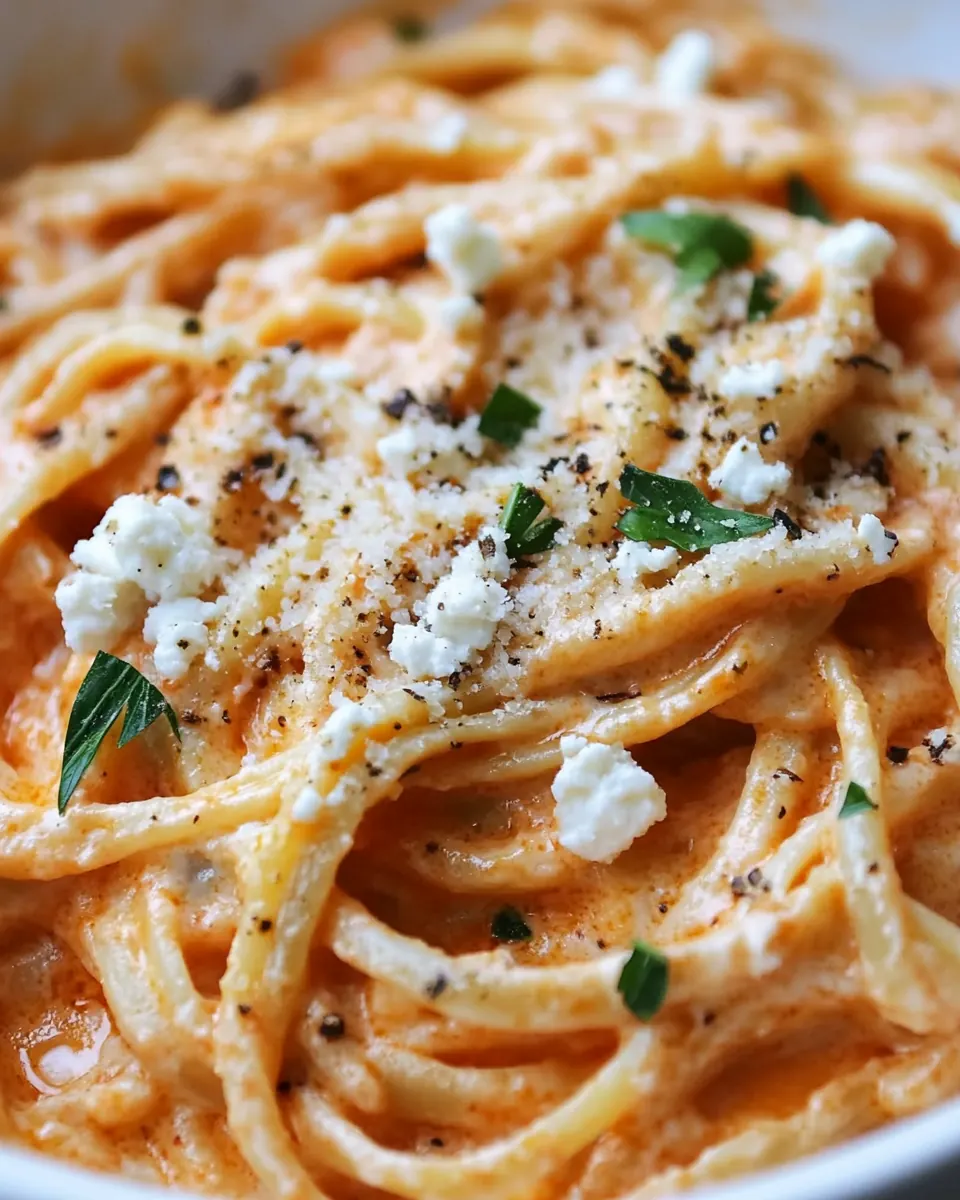
Roasted Red Pepper Goat Cheese Alfredo
Roasted Red Pepper Goat Cheese Alfredo has been one of those comforting dishes I turn to when I want something rich yet bright, simple yet a little bit special. The first time I made it, I was trying to use up a jar of goat cheese that had been languishing in the fridge, and the way the sweet char of roasted red pepper married with the tangy creaminess of goat cheese surprised me. That day, this sauce became an instant favorite for weeknight dinners when I wanted to impress without fuss.
Over the years, I have swapped in pantry staples and tweaked the balance between creamy and savory, and I’ve found a rhythm to the technique that makes the final plate sing. I love that the smoky sweetness from roasted red bell peppers lifts the lushness of the half and half and the garlic notes deepen the experience. Once you get comfortable with the steps, it becomes a reliable, cozy option whenever you want something that feels indulgent but actually comes together quickly.
Recipe Snapshot
45 mins
25 mins
20 mins
Medium
450 kcal
Italian
Keto, Gluten-Free
Dinner
Oven, Baking sheet, Foil, Skillet, Food processor or immersion blender, Saucepan
Why This Roasted Red Pepper Goat Cheese Alfredo Is So Good
Smoky, Tangy, Creamy Harmony
I adore how the roasted red bell peppers add a smoky sweetness that offsets the tang of the goat cheese. The contrast keeps each bite bright, and I find that this balance prevents the sauce from feeling heavy, even though it is luxuriously creamy.
Built for Simple Ingredients
You only really need a handful of pantry players like olive oil, garlic, and parmigiano reggiano cheese. That minimalism means you can pull this together on short notice, which I love when the week gets busy and I still want a dinner that feels thoughtful.
Flexible and Crowd Friendly
I’ve served this for couples night and casual gatherings, and it always goes fast. It scales well, and the flavors please people who like comfort food with a twist. Tossed with warm linguine, it becomes an easy weeknight dinner that still feels a little celebratory.
Texture Play
There is a lovely texture contrast between silky sauce and al dente linguine. Adding optional artichoke hearts introduces another layer, a tender bite that complements the creaminess without overwhelming the palate.
Technique That Rewards Attention
Roasting the peppers until charred and giving them a steam rest under foil transforms their flavor dramatically. I promise that taking this small extra step yields a sauce that far outshines a quick blender-only shortcut.
What You’ll Need for Roasted Red Pepper Goat Cheese Alfredo
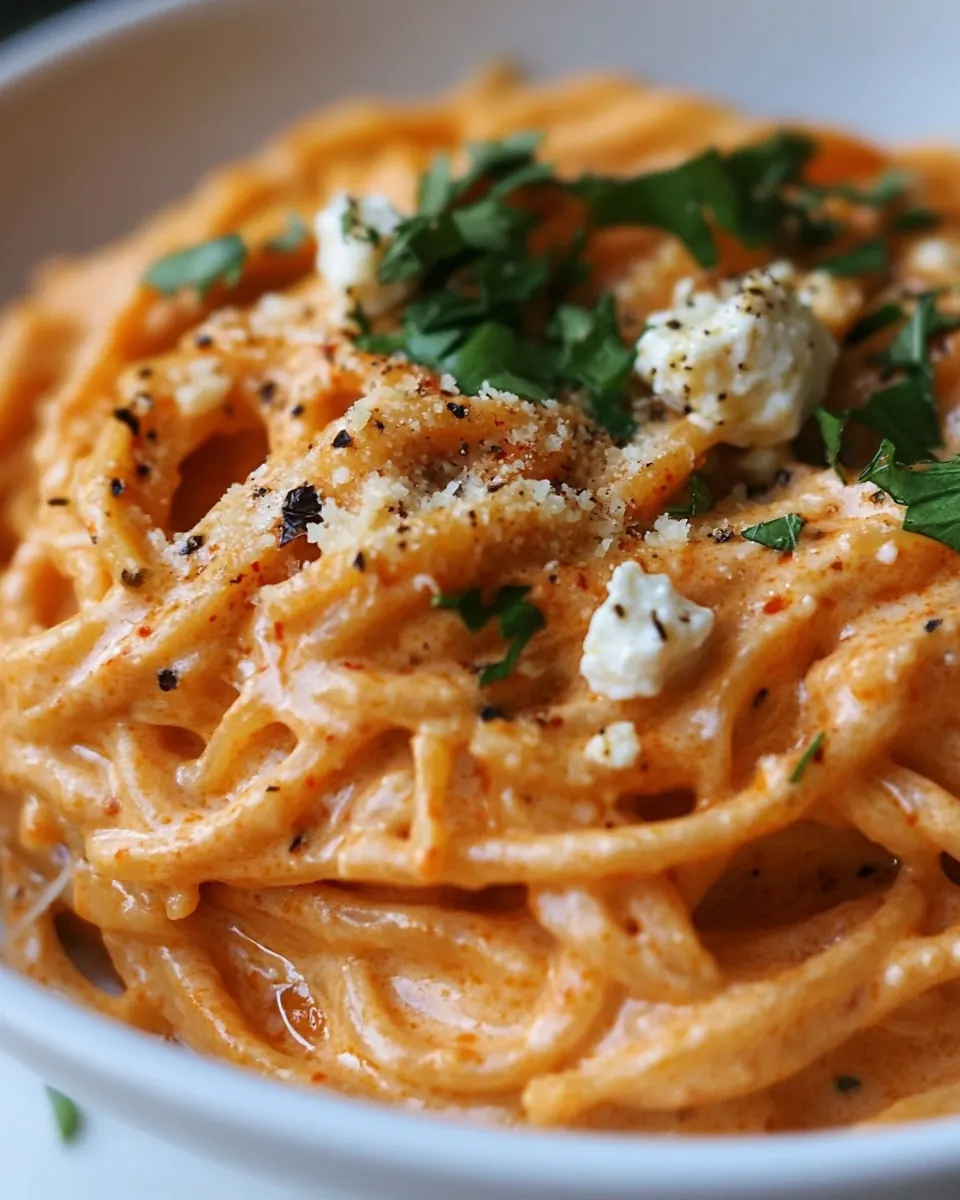
These ingredients are built around a few key players that create the sauce’s signature profile. The roasted red bell peppers bring a smoky sweetness, the goat cheese lends tangy creaminess, and the parmigiano reggiano cheese adds savory depth. The supporting cast of onion, garlic, and olive oil forms the aromatic base that carries the flavors, while the linguine provides the al dente vehicle to enjoy every silky strand.
- 2 whole red bell peppers: Roast and char to develop a deep, sweet flavor that forms the base of the sauce; peel and seed before blending for a smooth texture. Provide vibrant color and smoky notes that complement the creamy goat cheese, enhancing overall richness and complexity.
- 2 tablespoons olive oil: Drizzle or sauté to gently cook aromatics and help meld flavors; use for roasting peppers or finishing the sauce for sheen. Contribute healthy fat that carries the garlic and onion flavors throughout the Alfredo, preventing the sauce from tasting flat.
- 1 small onion diced: Dice finely to create a sweet, savory foundation when softened; sweat in oil until translucent to release natural sugars and mellow sharpness. Build layers of flavor that balance the roasted peppers and add body to the sauce without overpowering delicate cheeses.
- 2 cloves garlic minced: Mince finely to infuse a bright, pungent aroma when gently sautéed; add near the beginning of cooking to bloom its essential oils. Enhance savory depth and provide a zesty counterpoint to the creamy components of the Alfredo.
- 1 cup fat free half & half: Warm gently and whisk into cheeses to form a lighter, creamy base without the heaviness of full cream; avoid boiling to prevent separation. Offer a lower-fat dairy medium that melds with goat cheese and Parmigiano to create a smooth, cohesive sauce.
- 4 oz garlic & herb goat cheese: Crumble into the warm half & half and whisk until creamy; melt completely to impart tangy, herbaceous richness. Add distinct acidity and soft texture that lift the sauce, giving it character and balancing the salty Parmesan.
- 2/3 cup grated parmigiano reggiano cheese: Grate finely and stir into the sauce off-heat to thicken and add umami; save a small amount for garnish to add savory finishing notes. Provide sharp, nutty saltiness that deepens flavor and helps the sauce cling to pasta.
- 1/2 cup artichoke hearts (optional): Chop or halve if using and fold in for tender, briny bites; add optional artichokes at the end to preserve their delicate texture. Introduce subtle acidity and vegetal contrast that complements the roasted peppers and creamy cheeses.
- 1/2 lb linguine cooked to al dente: Cook to al dente so the noodles hold sauce without becoming mushy; reserve pasta water to adjust sauce consistency if needed. Serve as the starch base that absorbs and showcases the roasted red pepper goat cheese Alfredo, delivering satisfying chew.
- salt & pepper to taste: Season sparingly to taste at the end to balance sweetness, acidity, and richness; adjust gradually to avoid over-salting. Provide final flavor tuning so the complex sauce components harmonize without becoming one-note.
The Process for Making Roasted Red Pepper Goat Cheese Alfredo
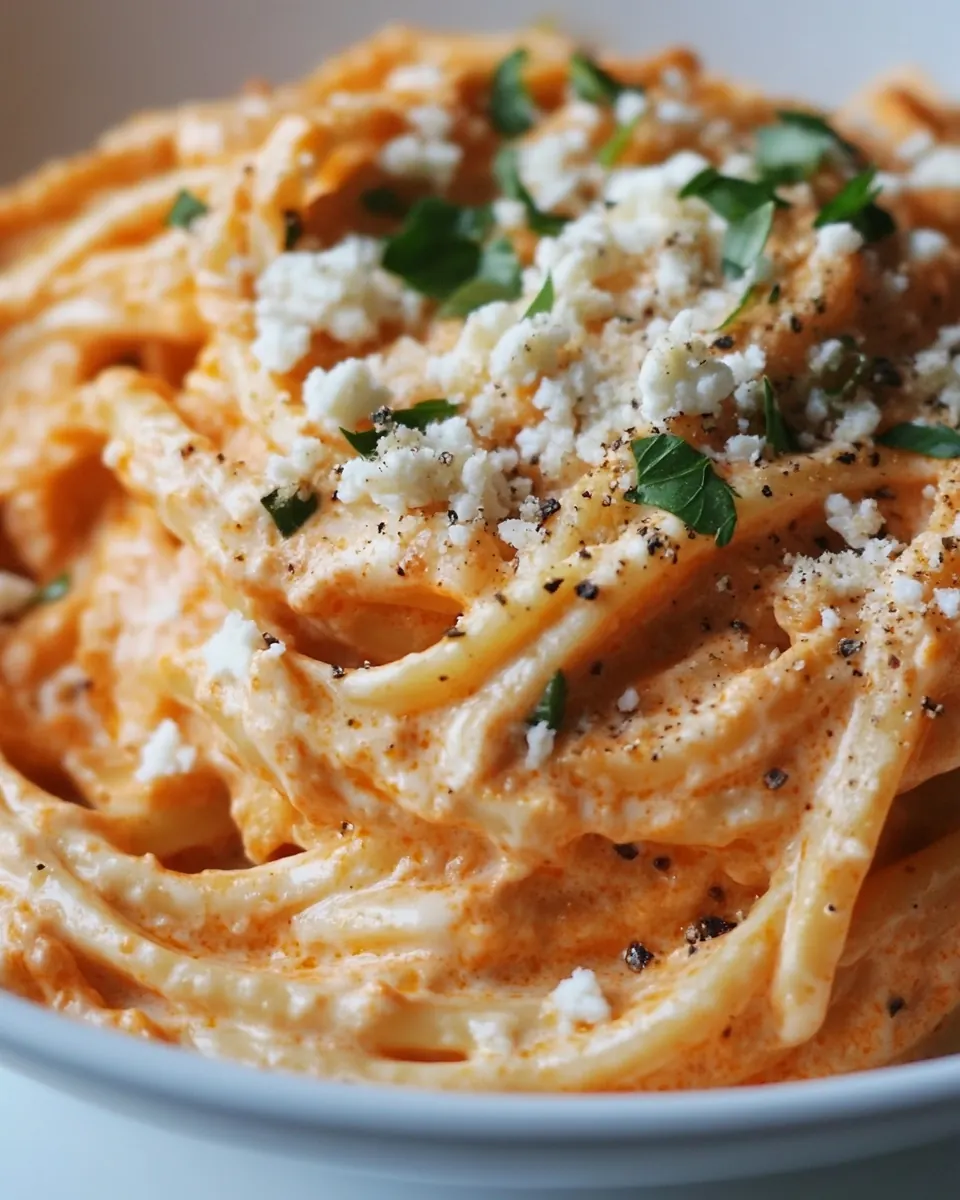
I’ll walk you through the method I use every time, focusing on sensory cues and small technique notes that improve the final sauce. Move intentionally and keep an eye on texture changes, because those little moments tell you the dish is coming together. Below, each step includes why it matters and what to avoid, so you can cook with confidence.
- Preheat oven to 500 degrees. Place red peppers on baking sheet and bake 20-30 minutes until peppers are charred. Remove from oven and cover with foil 10 minutes.: The intense oven heat is what forces the red bell peppers to blister and char quickly, producing that smoky aroma you can smell from across the kitchen. When the peppers begin to blacken, you will hear occasional pops as the skins blister, and the scent will turn sweet and toasty. This high heat shortens roasting time and preserves the pepper's juiciness, which translates to brighter flavor in the sauce. Avoid leaving them in too long, otherwise the flesh can dry and take on bitter notes.
- In the mean time, saute onions and garlic in olive oil 7 minutes or until tender. Pour in half & half, goat cheese, salt & pepper. Stir to melt goat cheese into sauce and keep warm over low heat.: Look for even blackening on most surfaces, with some deep spots where the skin separates from the flesh. You'll notice the peppers starting to soften and sag, a visual cue that the interior has cooked through. The goal is char, not ash, so rotate the pan if one side is cooking faster. A common error is using a crowded sheet, which steams the peppers instead of charring them.
- Uncover peppers, peel off skin and remove stem and seeds. Chop into large pieces and place into sauce along with parmesan cheese. Stir to melt cheese and remove from heat.: The steam trapped by the foil will loosen the skin and make peeling effortless, and you'll smell a warm, concentrated pepper perfume as they rest. This step is crucial to achieve a silky final sauce without skin flecks. If you skip the steam rest, you will struggle to peel and end up with tough, papery bits in the puree.
- Pour sauce into food processor and puree, or use an immersion blender. Place back into hot pan and toss with cooked pasta. Taste and adjust seasonings. Top with more parmesan cheese, pepper, salt and parsley, if desired.: As the onion softens, the pan will release a gentle sizzle and the aroma will shift from sharp to sweet. The garlic will bloom in the oil, perfuming the kitchen. Keep the heat moderate so you coax sweetness without browning, which would introduce a roasted flavor that competes with the peppers. A common mistake is cranking the heat and burning the garlic, which gives an unpleasant bitterness.
- Pour in half and half, goat cheese, salt and pepper: When the half and half warms and the goat cheese is introduced, the sauce will begin to look glossy and thick as the cheese melts. Stir gently to encourage smooth incorporation, and watch for tiny ribbons forming as the mixture combines. If the temperature is too high, the dairy can separate, so keep it low and steady. Avoid dumping in all the cheese at once; adding it gradually helps prevent clumping.
- Stir to melt goat cheese into sauce and keep warm over low heat: You should see the sauce become velvety and slightly loose enough to coat the back of a spoon, with an aroma of tangy cream and garlic. Holding it over low heat keeps it ready without breaking, but it will thicken as it rests. A typical pitfall is simmering too vigorously, which can cause curdling and grainy texture.
- Uncover peppers, peel off skin and remove stem and seeds: The peeled peppers will be glossy, tender, and vividly colored. Removing the seeds avoids bitter, watery pockets in the sauce. Work carefully to keep as much pepper flesh as possible, because that is the flavor gold of this dish. If you rush and leave skin attached, it creates an unpleasant chew in the silky sauce.
- Chop into large pieces and place into sauce along with parmesan cheese: Adding sizeable pepper pieces gives the sauce body and textural interest, while the parmigiano reggiano cheese layers in nutty umami. As the cheese softens, you'll see the sauce gain a sheen and the aroma deepen. Stir briefly off heat to avoid overcooking the dairy. A misstep here is overprocessing the pepper pieces too early, which removes satisfying mouthfeel.
- Stir to melt cheese and remove from heat: At this stage the sauce should smell rich and balanced, with the salt from the parmigiano reggiano cheese heightening the pepper sweetness. Removing from heat prevents the dairy from continuing to cook, which could alter texture. If you leave it on the heat, the sauce risks separating or becoming grainy.
- Pour sauce into food processor and puree, or use an immersion blender: Pureeing creates a velvety, homogeneous sauce. You will notice the color turn uniformly vibrant and the texture smooth as silk. Use short pulses if using a food processor to avoid overheating, and scrape down the bowl to achieve even consistency. Overblending can warm the sauce too much and change its mouthfeel.
- Place back into hot pan and toss with cooked pasta: Returning the sauce to gentle heat helps it cling to the linguine , and tossing creates that glossy finish. Look for ribbons of sauce that evenly coat each strand, and listen for a soft hiss as the sauce and pasta combine. If the sauce seems too thick, add reserved pasta water sparingly to loosen it without diluting flavor. A common issue is adding too much water, which thins the sauce and mutes the cheese.
- Taste and adjust seasonings: Finally, sample for balance, adding salt or pepper as needed. The parmigiano reggiano cheese and goat cheese contribute salt, so season gradually. Tasting at the end ensures you finish with harmony, rather than an over salted bowl.
- Top with more parmesan cheese, pepper, salt and parsley if desired: A final sprinkle of freshly grated parmigiano reggiano cheese and a crack of pepper brightens the plate, while parsley adds a fresh note if you have it. The textures and aromas at this point should be lively and inviting, from glossy sauce to fragrant cheese. Resist the urge to pile on too much salt at the finish.
Change It Up
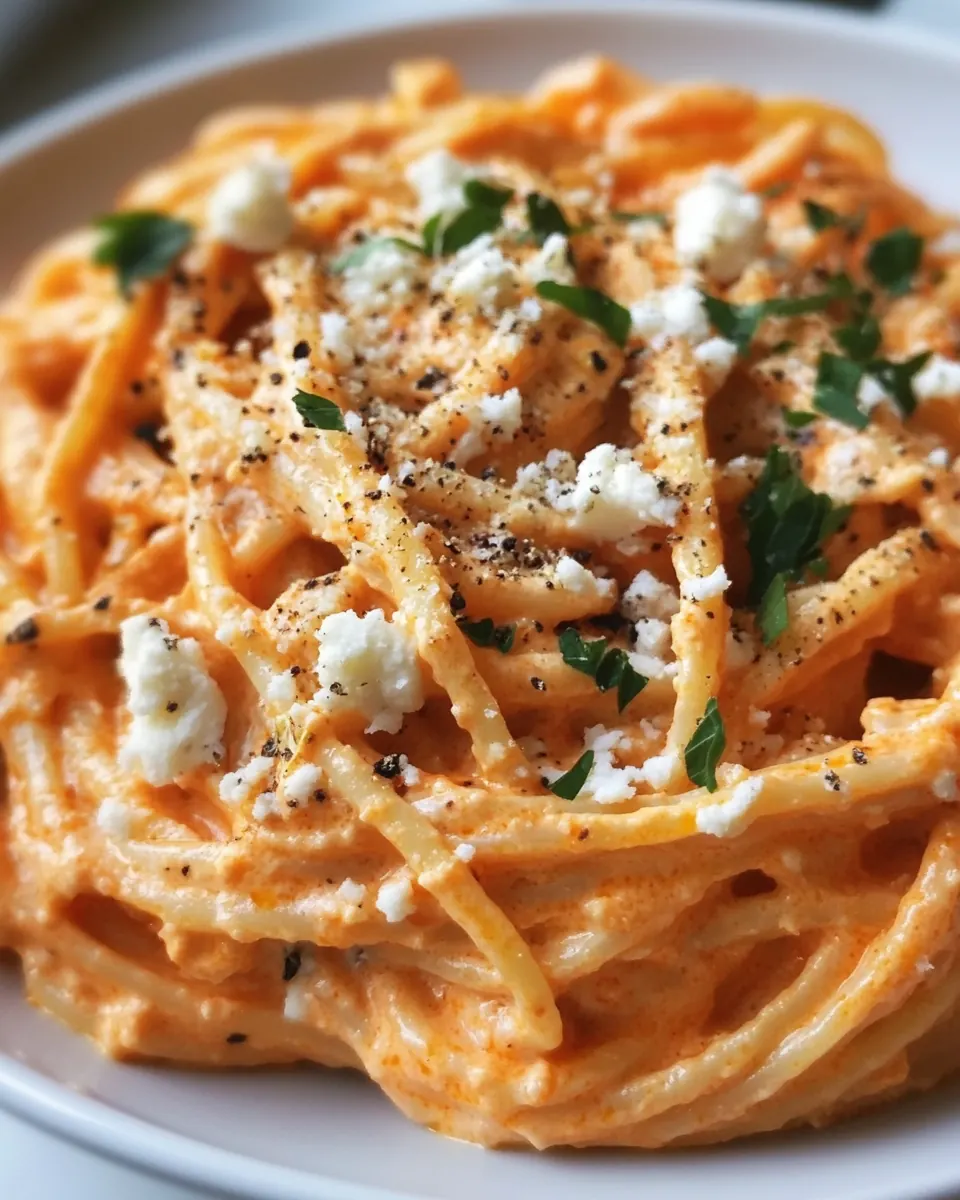
If you want to vary the dish, here are ways I’ve tweaked this sauce over time to suit mood, season, or pantry availability. These tips expand on small swaps, texture additions, and presentation ideas to help you make the recipe yours while staying true to the core flavors.
- Swap cheese styles sparingly Replace part of the goat cheese with a milder soft cheese to soften tang, but keep a portion of goat cheese for its signature brightness.
- Use roasted red peppers from a grill Grill the red bell peppers over direct flame for a deeper smoke profile, especially nice in late summer when peppers are at peak sweetness.
- Add texture with toasted nuts Stir in toasted breadcrumbs or chopped toasted nuts at serving for a pleasant crunch that contrasts the silky sauce.
- Brighten at the end Finish with a squeeze of lemon or a little extra cracked pepper to lift the flavors before serving, but add sparingly to avoid overpowering the cheeses.
- Make it ahead with care Store the sauce separately and rewarm gently before tossing with freshly cooked linguine, adding a splash of reserved pasta water if it tightens up.
Serving Ideas for Roasted Red Pepper Goat Cheese Alfredo
This sauce is versatile and pairs well with simple, fresh accompaniments. Serve it for a cozy weeknight meal or a relaxed dinner with friends. Consider the texture and temperature interplay when planning sides, and remember that small garnishes add visual appeal and a flavor lift.
- Serve with a crisp green salad A simple salad of mixed greens dressed lightly balances the creamy sauce and adds refreshing contrast.
- Offer crusty bread Warm bread is perfect for mopping up any extra sauce and makes the meal feel more indulgent and communal.
- Make it a celebratory main Plate the pasta for a relaxed dinner party, finishing with extra grated parmigiano reggiano cheese at the table for a touch of theater.
- Pack for leftovers carefully Store sauce and pasta separately, and reheat gently in a pan with a splash of water to restore creaminess without overcooking the pasta.
- Seasonal pairing This dish works all year, but I particularly like it in spring when light salads are abundant and summer when peppers are sweetest.
FAQ
Conclusion
This Roasted Red Pepper Goat Cheese Alfredo shines because of its balance between smoky roasted red bell peppers and tangy, creamy goat cheese, resulting in a silky pasta sauce that feels both indulgent and bright. Give it a try when you want a cozy, impressive meal without complicated steps. Serve it warm, enjoy the layered flavors, and remember that small technique choices like steaming the peppers and gently melting the cheeses make a big difference in the final texture and flavor.
Roasted Red Pepper Goat Cheese Alfredo
Equipment
- Oven
- Baking Sheet
- Foil
- Skillet
- Food processor or immersion blender
- Saucepan
Ingredients
- 2 whole red bell peppers Roast and char to develop a deep, sweet flavor that forms the base of the sauce; peel and seed before blending for a smooth texture. Provide vibrant color and smoky notes that complement the creamy goat cheese, enhancing overall richness and complexity.
- 2 tablespoons olive oil Drizzle or sauté to gently cook aromatics and help meld flavors; use for roasting peppers or finishing the sauce for sheen. Contribute healthy fat that carries the garlic and onion flavors throughout the Alfredo, preventing the sauce from tasting flat.
- 1 small onion diced Dice finely to create a sweet, savory foundation when softened; sweat in oil until translucent to release natural sugars and mellow sharpness. Build layers of flavor that balance the roasted peppers and add body to the sauce without overpowering delicate cheeses.
- 2 cloves garlic minced Mince finely to infuse a bright, pungent aroma when gently sautéed; add near the beginning of cooking to bloom its essential oils. Enhance savory depth and provide a zesty counterpoint to the creamy components of the Alfredo.
- 1 cup fat free half & half Warm gently and whisk into cheeses to form a lighter, creamy base without the heaviness of full cream; avoid boiling to prevent separation. Offer a lower-fat dairy medium that melds with goat cheese and Parmigiano to create a smooth, cohesive sauce.
- 4 oz garlic & herb goat cheese Crumble into the warm half & half and whisk until creamy; melt completely to impart tangy, herbaceous richness. Add distinct acidity and soft texture that lift the sauce, giving it character and balancing the salty Parmesan.
- 2/3 cup grated parmigiano reggiano cheese Grate finely and stir into the sauce off-heat to thicken and add umami; save a small amount for garnish to add savory finishing notes. Provide sharp, nutty saltiness that deepens flavor and helps the sauce cling to pasta.
- 1/2 cup artichoke hearts optional Chop or halve if using and fold in for tender, briny bites; add optional artichokes at the end to preserve their delicate texture. Introduce subtle acidity and vegetal contrast that complements the roasted peppers and creamy cheeses.
- 1/2 lb linguine cooked to al dente Cook to al dente so the noodles hold sauce without becoming mushy; reserve pasta water to adjust sauce consistency if needed. Serve as the starch base that absorbs and showcases the roasted red pepper goat cheese Alfredo, delivering satisfying chew.
- salt & pepper to taste Season sparingly to taste at the end to balance sweetness, acidity, and richness; adjust gradually to avoid over-salting. Provide final flavor tuning so the complex sauce components harmonize without becoming one-note.
Instructions
- Preheat oven to 500 degrees. Place red peppers on baking sheet and bake 20-30 minutes until peppers are charred. Remove from oven and cover with foil 10 minutes.: The intense oven heat is what forces the red bell peppers to blister and char quickly, producing that smoky aroma you can smell from across the kitchen. When the peppers begin to blacken, you will hear occasional pops as the skins blister, and the scent will turn sweet and toasty. This high heat shortens roasting time and preserves the pepper's juiciness, which translates to brighter flavor in the sauce. Avoid leaving them in too long, otherwise the flesh can dry and take on bitter notes.
- In the mean time, saute onions and garlic in olive oil 7 minutes or until tender. Pour in half & half, goat cheese, salt & pepper. Stir to melt goat cheese into sauce and keep warm over low heat.: Look for even blackening on most surfaces, with some deep spots where the skin separates from the flesh. You'll notice the peppers starting to soften and sag, a visual cue that the interior has cooked through. The goal is char, not ash, so rotate the pan if one side is cooking faster. A common error is using a crowded sheet, which steams the peppers instead of charring them.
- Uncover peppers, peel off skin and remove stem and seeds. Chop into large pieces and place into sauce along with parmesan cheese. Stir to melt cheese and remove from heat.: The steam trapped by the foil will loosen the skin and make peeling effortless, and you'll smell a warm, concentrated pepper perfume as they rest. This step is crucial to achieve a silky final sauce without skin flecks. If you skip the steam rest, you will struggle to peel and end up with tough, papery bits in the puree.
- Pour sauce into food processor and puree, or use an immersion blender. Place back into hot pan and toss with cooked pasta. Taste and adjust seasonings. Top with more parmesan cheese, pepper, salt and parsley, if desired.: As the onion softens, the pan will release a gentle sizzle and the aroma will shift from sharp to sweet. The garlic will bloom in the oil, perfuming the kitchen. Keep the heat moderate so you coax sweetness without browning, which would introduce a roasted flavor that competes with the peppers. A common mistake is cranking the heat and burning the garlic, which gives an unpleasant bitterness.
- Pour in half and half, goat cheese, salt and pepper: When the half and half warms and the goat cheese is introduced, the sauce will begin to look glossy and thick as the cheese melts. Stir gently to encourage smooth incorporation, and watch for tiny ribbons forming as the mixture combines. If the temperature is too high, the dairy can separate, so keep it low and steady. Avoid dumping in all the cheese at once; adding it gradually helps prevent clumping.
- Stir to melt goat cheese into sauce and keep warm over low heat: You should see the sauce become velvety and slightly loose enough to coat the back of a spoon, with an aroma of tangy cream and garlic. Holding it over low heat keeps it ready without breaking, but it will thicken as it rests. A typical pitfall is simmering too vigorously, which can cause curdling and grainy texture.
- Uncover peppers, peel off skin and remove stem and seeds: The peeled peppers will be glossy, tender, and vividly colored. Removing the seeds avoids bitter, watery pockets in the sauce. Work carefully to keep as much pepper flesh as possible, because that is the flavor gold of this dish. If you rush and leave skin attached, it creates an unpleasant chew in the silky sauce.
- Chop into large pieces and place into sauce along with parmesan cheese: Adding sizeable pepper pieces gives the sauce body and textural interest, while the parmigiano reggiano cheese layers in nutty umami. As the cheese softens, you'll see the sauce gain a sheen and the aroma deepen. Stir briefly off heat to avoid overcooking the dairy. A misstep here is overprocessing the pepper pieces too early, which removes satisfying mouthfeel.
- Stir to melt cheese and remove from heat: At this stage the sauce should smell rich and balanced, with the salt from the parmigiano reggiano cheese heightening the pepper sweetness. Removing from heat prevents the dairy from continuing to cook, which could alter texture. If you leave it on the heat, the sauce risks separating or becoming grainy.
- Pour sauce into food processor and puree, or use an immersion blender: Pureeing creates a velvety, homogeneous sauce. You will notice the color turn uniformly vibrant and the texture smooth as silk. Use short pulses if using a food processor to avoid overheating, and scrape down the bowl to achieve even consistency. Overblending can warm the sauce too much and change its mouthfeel.
- Place back into hot pan and toss with cooked pasta: Returning the sauce to gentle heat helps it cling to the linguine , and tossing creates that glossy finish. Look for ribbons of sauce that evenly coat each strand, and listen for a soft hiss as the sauce and pasta combine. If the sauce seems too thick, add reserved pasta water sparingly to loosen it without diluting flavor. A common issue is adding too much water, which thins the sauce and mutes the cheese.
- Taste and adjust seasonings: Finally, sample for balance, adding salt or pepper as needed. The parmigiano reggiano cheese and goat cheese contribute salt, so season gradually. Tasting at the end ensures you finish with harmony, rather than an over salted bowl.
- Top with more parmesan cheese, pepper, salt and parsley if desired: A final sprinkle of freshly grated parmigiano reggiano cheese and a crack of pepper brightens the plate, while parsley adds a fresh note if you have it. The textures and aromas at this point should be lively and inviting, from glossy sauce to fragrant cheese. Resist the urge to pile on too much salt at the finish.
Notes
- Swap cheese styles sparingly Replace part of the goat cheese with a milder soft cheese to soften tang, but keep a portion of goat cheese for its signature brightness.
- Use roasted red peppers from a grill Grill the red bell peppers over direct flame for a deeper smoke profile, especially nice in late summer when peppers are at peak sweetness.
- Add texture with toasted nuts Stir in toasted breadcrumbs or chopped toasted nuts at serving for a pleasant crunch that contrasts the silky sauce.
- Brighten at the end Finish with a squeeze of lemon or a little extra cracked pepper to lift the flavors before serving, but add sparingly to avoid overpowering the cheeses.
- Make it ahead with care Store the sauce separately and rewarm gently before tossing with freshly cooked linguine, adding a splash of reserved pasta water if it tightens up.