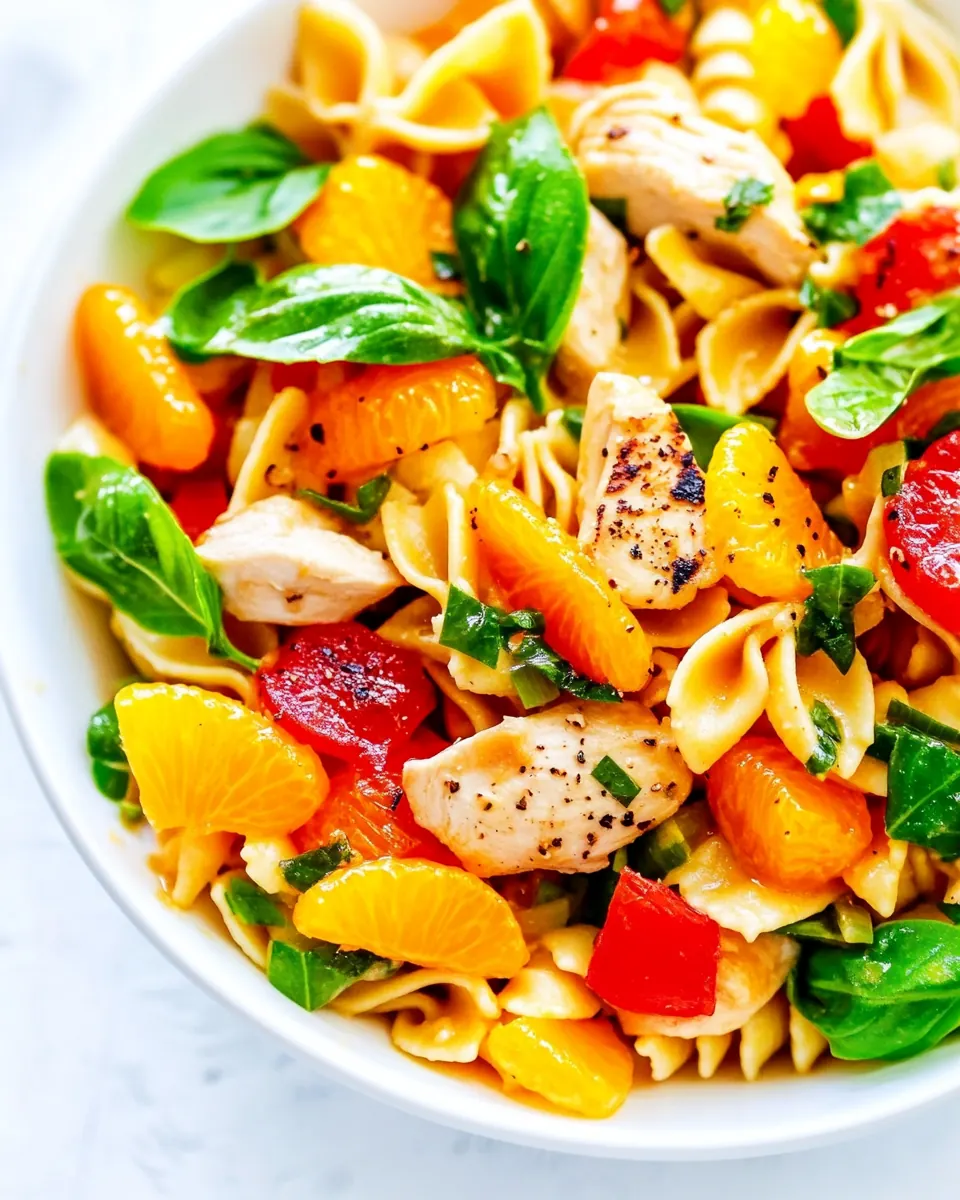
Mandarin Orange Chicken Pasta Salad
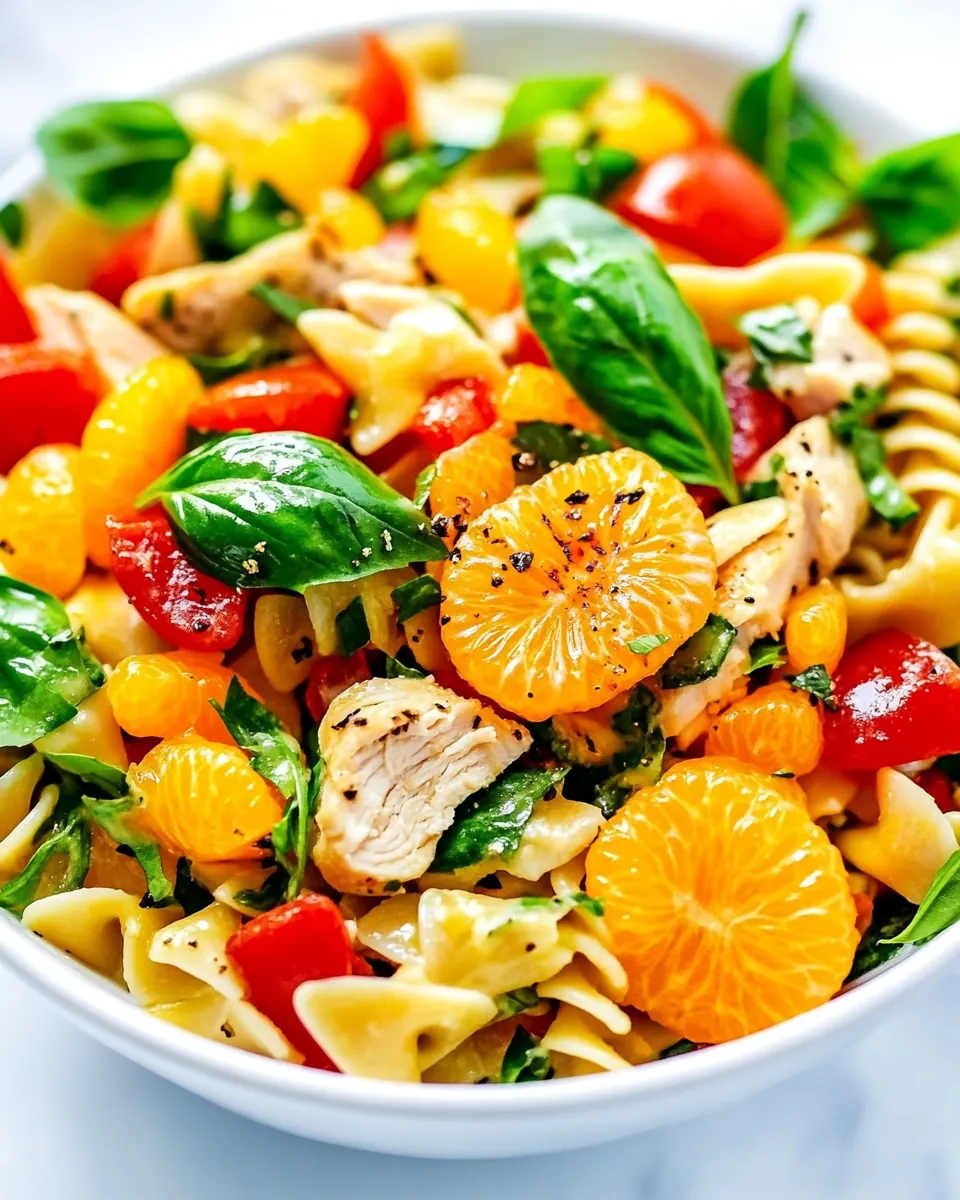
Mandarin Orange Chicken Pasta Salad is one of those recipes I reach for when I want a meal that feels like a celebration but is simple enough for a weeknight. The first time I made this salad, it was for a potluck on a humid summer afternoon, and I remember how the bright, citrusy aroma cut through the heavy air and how everyone kept coming back for more.
As I tossed the warm pasta with the juicy mandarin oranges and crisp spinach, I listened to the satisfied murmurs around the table, which told me I had found a keeper. I love recipes that balance textures, so the tender bite of chicken alongside crunchy bell pepper and shredded carrots always makes me smile. Over time I adjusted little things to suit my family, like dialing up the rice vinegar a touch when I want more brightness, or adding a pinch of cayenne to surprise the palate.
What draws me back to this Mandarin Orange Chicken Pasta Salad is its versatility. It travels well to picnics, plays nicely as a make ahead for lunches, and scales easily when guests arrive. The dressing, made with pantry staples and the juice from the canned mandarin oranges, gives everything a gentle citrus lift, while the dry onion soup mix brings a savory backbone that ties all the elements together. I often prepare the vinaigrette first, letting the flavors soften while I cook the pasta and chicken, which saves time and concentrates the aroma.
Recipe Snapshot
30 mins
15 mins
15 mins
Medium
350 kcal
American
Gluten-Free, Vegan
Salads
Lipton Recipe Secrets Soup and Dip Mix, Onion Flavor, 2 oz 2 Count
Why This Mandarin Orange Chicken Pasta Salad Hits Different
Bright Citrus Flavor That Actually Counts
I adore how the Mandarin Orange Chicken Pasta Salad uses the juice from one can of mandarin oranges to make a dressing that is vivid without tasting overly sweet. I often find citrus dressings can be cloying, but this one balances rice vinegar, sesame oil, and a hint of sugar so the citrus sings while the savory notes stay grounded. When I taste the vinaigrette, I notice a gentle, tangy lift up front and a savory finish from the dry onion soup mix.
Textural Contrast in Every Bite
One reason I reach for this salad is the way textures play together. The tender, warm pasta and diced chicken offer a hearty base, while the crunchy red bell pepper and crisp shredded carrots give lively snaps. The spinach wilts slightly when mixed, creating a pleasant silkiness, and the canned mandarin oranges provide soft, juicy bursts that brighten the whole bowl. It keeps each bite interesting, which is why people keep going back for seconds.
Built for Big Batches and Gatherings
I like that this salad scales up without losing its personality. For big family dinners or potlucks, I double the pasta and spinach, and it still dresses evenly if you stir gently and let it rest a bit. The vinaigrette clings to the surfaces of the bowtie pasta, so by the time it cools the flavors have married beautifully. I always advise starting with half the spinach and adding more as things wilt, that way you avoid an overstuffed bowl.
Fast, Friendly, and Flexible
This dish comes together quickly, which appeals to my weeknight chef instincts. You can cook the pasta and chicken simultaneously to shave minutes off the clock, and the ingredients are mostly pantry staples. I love swapping small details depending on what I have on hand, but the core idea stays intact: bright citrus, savory backbone, and lots of texture. It’s a recipe that welcomes improvisation without losing its heart.
Kid Approved, Guest Ready
Finally, families love it because the flavors are approachable, while guests appreciate the thoughtful balance. The Mandarin Orange Chicken Pasta Salad feels special without being fussy, and I find it always earns compliments wherever it goes. For me, that consistency is everything when I need a reliable dish that still feels celebratory.
Main Ingredients for Mandarin Orange Chicken Pasta Salad
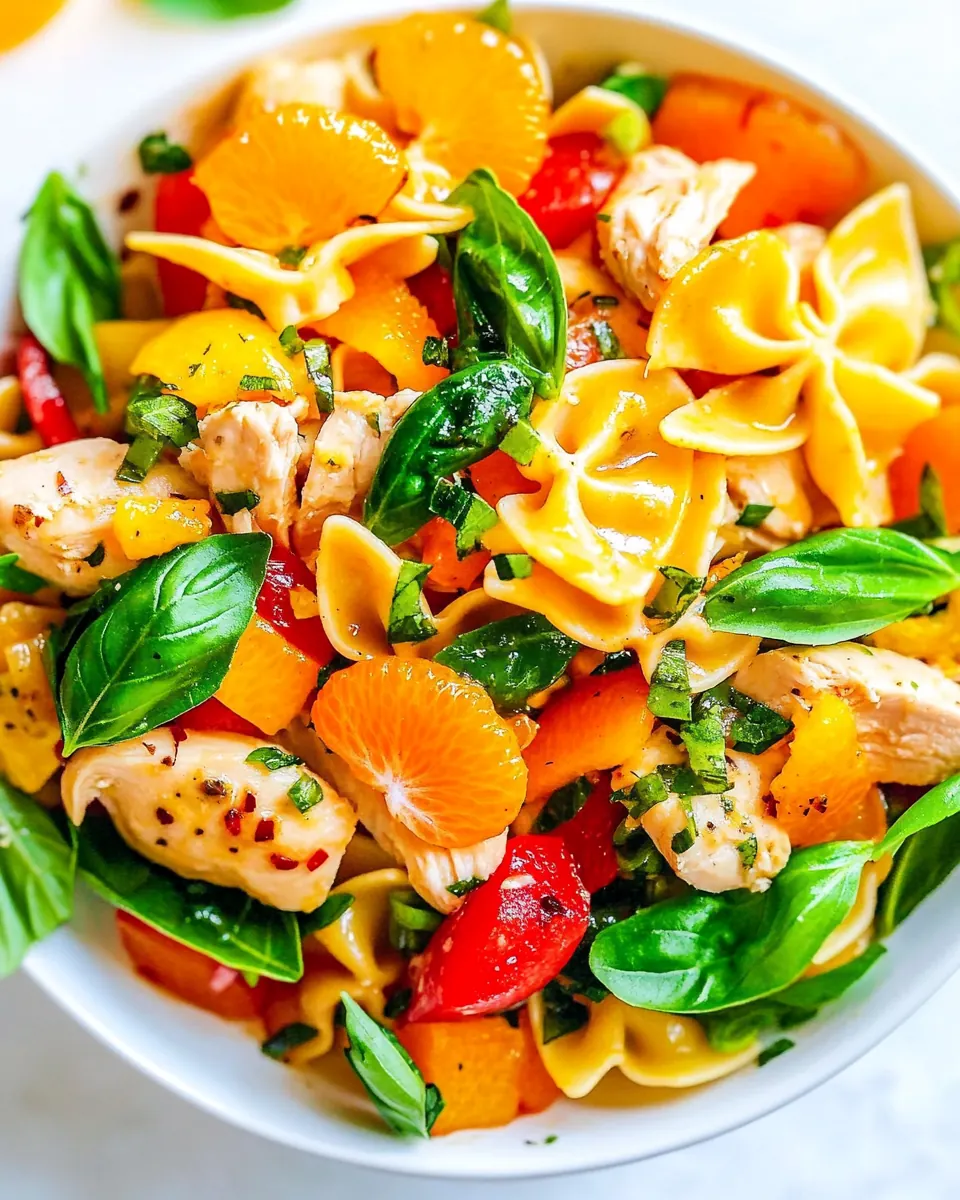
The ingredient list for this salad reads like a well balanced orchestra, where each player has a clear part. The vinaigrette elements bring tang and depth, the produce adds crunch and freshness, and the chicken and pasta provide satisfaction. Think of the dressing as the glue that lets the sweet mandarin oranges and the savory onion mix coexist harmoniously.
- 1 ounce package dry onion soup mix: Provides a savory, concentrated blend of dried onions and seasonings that forms the base flavor for the dressing and chicken seasoning; adds umami and a salty depth that blends with vinegars and oils. Dissolves easily into liquids to help season the entire salad uniformly and intensify overall savory notes.
- 2 to 3 tablespoons rice vinegar: Adds bright acidity and a subtle tang that balances the richness of oils and sweetness from mandarin oranges; helps to thin the dressing to a pourable consistency. Can be adjusted to taste to control the salad’s overall brightness and sharpness.
- 2 tablespoons sesame oil: Contributes a pronounced nutty, aromatic flavor that complements Asian-inspired seasonings and enhances the dressing’s richness; adds depth without heaviness. Used sparingly to avoid overpowering other flavors while providing fragrant complexity.
- 2 tablespoons olive oil: Supplies a mild fruity base fat that helps emulsify the dressing and carry flavors evenly through the pasta and vegetables; adds smooth mouthfeel. Works with sesame oil to create a balanced, cohesive dressing.
- juice from one 10.5-ounce can mandarin oranges, add oranges to a separate very large bowl: Provides sweet, citrusy liquid that infuses the dressing with bright orange flavor and light sweetness; the drained mandarin fruit is reserved separately to add bursts of juicy texture. Adds aromatic citrus oils and acidity that brighten the entire salad.
- 2 to 3 teaspoons granulated sugar: Contributes gentle sweetness that balances vinegar and savory components; can be adjusted to taste to reach desired sweetness level. Helps round out acidic edges and enhance the natural sweetness of mandarin oranges.
- 2 teaspoons ground ginger, or to taste: Offers warm, slightly peppery citrus notes that complement ginger-forward profiles and enhance overall flavor harmony; can be adjusted to taste for desired intensity. Adds aromatic spiciness that pairs well with sesame and soy-like elements.
- 1 teaspoon kosher salt, or to taste: Provides baseline seasoning to enhance all other flavors and ensure the chicken and salad taste balanced; can be adjusted to taste for preferred saltiness. Helps proteins and vegetables taste more savory and satisfying.
- 1 teaspoon freshly ground black pepper, or to taste: Adds mild heat and complexity while bringing out flavors in the dressing and chicken; freshly ground to maintain its aromatic qualities. Allows modulation of peppery bite without overwhelming other seasonings.
- pinch cayenne pepper (optional): Imparts an optional touch of heat to lift the flavor profile and add a subtle warm spice; used sparingly for those who enjoy a faint kick. Complements ginger and black pepper to create layered spiciness.
- 16 ounces bowtie pasta, cooked according to package directions: Serves as the primary carbohydrate and hearty base for the salad, providing tender, ribbon-like texture that holds dressing well; cooked al dente to avoid becoming mushy when chilled. Acts as the main vehicle for combining chicken, vegetables, and mandarin pieces.
- 1 to 1.25 pounds boneless skinless chicken breast, diced into bite-sized pieces, seasoned with salt and pepper: Provides lean protein and substance to the salad, offering bite–sized pieces that absorb seasonings and dressings; seasoning with salt and pepper before cooking builds savory flavor. Adds satiety and balances the dish nutritionally.
- 2 tablespoons sesame oil: Adds additional nutty, aromatic fat for cooking the chicken or for finishing the salad, reinforcing sesame flavor; contributes to a cohesive Asian-inspired taste. Helps prevent sticking during cooking and enhances mouthfeel.
- 2 tablespoons olive oil: Supplies extra fruity oil that aids in cooking and emulsifying the dressing while mellowing sesame intensity; supports a smoother texture in the finished salad. Works with sesame oil to create a balanced fat profile.
- 1 red bell pepper, diced small: Contributes crisp, sweet crunch and colorful contrast that brightens texture and visual appeal; small dice ensures even distribution throughout the salad. Adds fresh vegetable sweetness that pairs well with the mandarin pieces.
- 1 cup shredded carrots: Provides slightly sweet, tender vegetable body and color that melds with pasta and dressing; shredded form disperses flavor and texture evenly. Enhances nutritional value and adds chew and natural sweetness.
- 1/2 English cucumber, diced small: Supplies a cool, hydrating crunch and mild freshness that balances sweeter elements; diced small to integrate smoothly into each bite. Adds subtle vegetal notes and moisture without overwhelming other flavors.
- one 10.5-ounce can mandarin oranges, drained and juice discarded: Adds bite–sized bursts of sweet citrus fruit for juicy texture and bright flavor, with the juice already discarded to prevent excess dressing dilution; complements the mandarin juice used in the dressing. Provides concentrated mandarin flavor and pleasant chew.
- 4 to 6 cups fresh baby spinach, about 6 ounces: Offers a leafy, tender green base that adds volume, freshness, and a slightly earthy note to the salad; wilts slightly when tossed with warm pasta for a melded texture. Boosts color, nutrients, and a light vegetal contrast to sweeter and richer components.
Mandarin Orange Chicken Pasta Salad Instructions
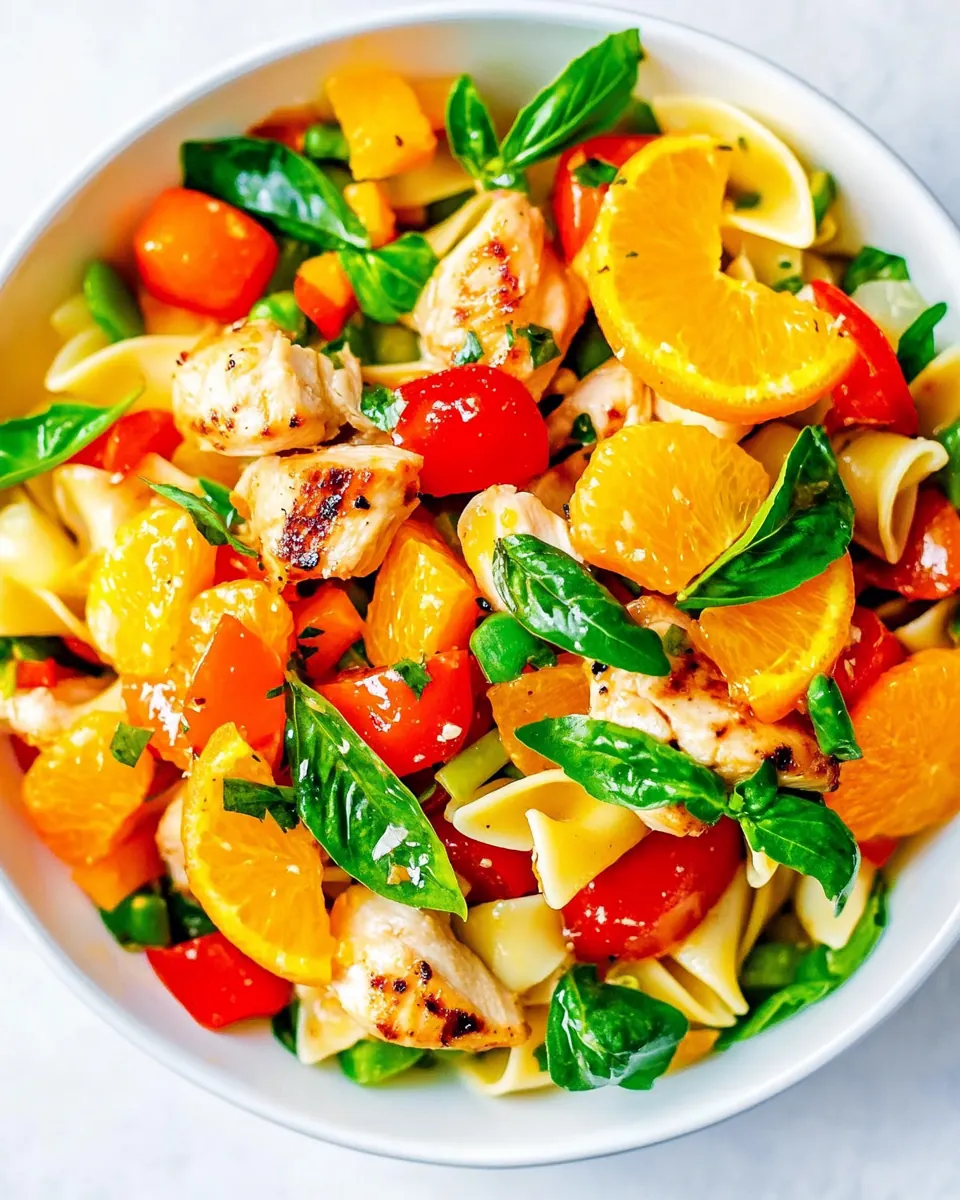
This recipe comes together in stages, and I find pacing makes all the difference. Cook the pasta and prepare the vinaigrette first, then sear the chicken, and finally combine everything with the fresh produce. The following steps will guide you closely through the sensory cues so you know you are on track.
- To a medium bowl, add all ingredients, whisk to combine; set aside.: The moment you whisk the vinaigrette you'll notice the aroma of sesame oil and rice vinegar lifting, a fragrant, slightly nutty scent that signals the dressing is coming alive. Use a whisk to emulsify the olive oil and sesame oil into the vinegar and mandarin juice, watching the liquid transform from separated droplets into a cohesive, glossy vinaigrette. This texture matters because a well emulsified dressing clings to the pasta and greens rather than pooling at the bottom. If the dressing breaks, slowly whisk in a teaspoon of warm water to bring it back together. A common mistake is adding salt too early, which can mask the delicate citrus notes, so hold off final seasoning until everything is combined.
- Note – You are only adding the juice from one can of mandarins to the vinaigrette. Add the mandarins to a separate very large bowl.: When you separate juice and fruit, the vinaigrette gets concentrated citrus flavor without the fruit making the bowl watery, and the whole fruits retain their shape and texture when tossed with warm pasta . Place the drained orange segments in a very large bowl so there is room to toss without smashing them. Overcrowding the bowl makes it hard to distribute dressing evenly and increases the chance of crushing the fruit, which would release excess liquid.
- Cook pasta according to package directions, drain, and add it to the bowl with the mandarins.: As the pasta boils, watch for the moment when it yields to a gentle bite, al dente, which gives the best mouthfeel in a tossed salad. Drain thoroughly so the residual hot water does not dilute the vinaigrette, and transfer the warm pasta into the bowl with the mandarin oranges so the citrus juices mingle with the pasta surface. The warmth helps the pasta absorb some dressing, making the final texture more cohesive. Do not rinse unless you plan to serve fully chilled, rinsing removes surface starch that helps the dressing adhere.
- While the pasta is cooking, to a large skillet add the sesame oil, olive oil, chicken, season with salt and pepper, and cook over medium-high heat for about 5 minutes, or until chicken is cooked through; stir and flip intermittently to ensure even cooking.: When the oils heat they will shimmer and release aroma; add the diced chicken and you should hear a gentle sizzle which indicates good contact and browning. Stir intermittently to form small golden edges, these little crusts lock in juices and deepen the savory flavor profile. Cook until pieces read opaque through the center, and if you slice into a piece it should have no pink core. A common error is crowding the pan which causes steaming instead of searing, so if pieces are too close, cook in batches or use a larger skillet. The cooked chicken will have a toasty scent that complements the dressing.
- Add chicken and all cooking juices to the bowl with the mandarins and pasta.: When you pour the chicken and its pan juices into the large bowl, you'll notice a savory perfume that deepens the overall salad aroma. The warm juices help meld flavors with the pasta and fruit, slightly loosening any stuck dressing so everything combines smoothly. Toss gently so the heat from the chicken loosens the vinaigrette into the pasta crevices. Avoid vigorous tossing which can break the mandarin oranges into mush; instead use a folding motion for even coating and to preserve texture.
- Add the peppers, carrots, cucumbers, additional one can of mandarins (drain juice and discard), spinach, add the vinaigrette, stir and toss to combine and coat evenly.: At this stage the bowl becomes a collage of colors and textures, and you should hear the soft rustle of the spinach as it wilts slightly when mixed with warm components. Pour the vinaigrette over everything and fold gently, allowing the dressing to cling to the pasta and vegetables. The crunch of diced red bell pepper and shredded carrots will contrast with the tender pasta and soft mandarin oranges . If the salad looks dry, add a splash more rice vinegar or a drizzle of olive oil, but add small amounts to avoid over dressing. A typical misstep is overmixing which bruises delicate produce, so stop once everything is evenly coated.
- Taste the salad and make any additional flavor adjustments such as more salt, pepper, sugar, vinegar, cayenne (doesn’t make it hot but adds flavor), etc. and either serve immediately or chill before serving.: Tasting is the final, essential act where balance is achieved. I pay attention to the interplay of sweet, salty, and acidic notes and tweak in small increments, noting how the flavors settle after a few minutes. If you plan to chill, remember cold dulls flavors slightly, so adjust seasoning a touch higher than if serving warm. One common error is over-salting early; always taste after tossing and again after chilling to decide if more seasoning is needed.
Ways to Adapt This Recipe
This Mandarin Orange Chicken Pasta Salad is forgiving and open to small adaptations that preserve the core flavor profile. Below are practical ways I tweak it depending on pantry availability, the occasion, or personal taste preferences. Each tip starts with a clear idea and then explains how to implement it.
- Swap pasta shape carefully If you do not have bowtie pasta, opt for another short pasta like rotini or penne that will hold dressing. Larger shapes may trap more dressing, so reduce the vinaigrette slightly to avoid a heavy mouthfeel.
- Adjust vinegar balance If you prefer more brightness, increase rice vinegar by a half tablespoon at a time. Taste after each adjustment, because acidity can overpower the delicate citrus if added in excess.
- Control sesame intensity If sesame oil is too pronounced, lower it to one tablespoon and add a touch more olive oil. This keeps the toasty note but prevents it from dominating the salad.
- Make it ahead but not too far ahead Prepare the components and keep the vinaigrette separate until ready to serve. Assemble up to a few hours in advance, but add spinach and dressing right before serving to preserve texture.
- Keep oranges intact Drain canned mandarin oranges thoroughly and fold them in gently at the end to avoid breaking the segments and releasing extra liquid into the salad.
- Scale with confidence This salad scales well for gatherings, but be mindful of bowl size; toss in batches if necessary to ensure even coating and prevent crushing delicate ingredients.
What to Serve Alongside Mandarin Orange Chicken Pasta Salad
This salad can anchor a meal or be part of a larger spread, and the sides you choose should either complement its bright citrus character or provide a textural contrast. Below I outline options for different occasions and how to present and store the salad for best results.
- Light grilled vegetables Grilled asparagus or zucchini add smoky contrast that pairs well with the salad’s citrus notes. Serve warm alongside the cold or room temperature salad for pleasing temperature contrast.
- Fresh crusty bread A simple loaf lets diners scoop up extra dressing and offers a hearty counterpoint to the salad’s brightness. Slice and serve on the side, optionally brushed with a bit of olive oil.
- Simple green sides A plain mixed green salad dressed lightly with olive oil and lemon can amplify the fresh quality of the meal. Keep seasonings minimal to avoid clashing with the main dish.
- Occasion ideas For summer picnics, pack the salad chilled in an airtight container and keep it on ice until serving. For casual dinners, serve it family style in a large bowl so guests can help themselves. During festive gatherings, place it alongside warm dishes to offer a refreshing counterbalance.
- Storage tips Store the salad airtight in the refrigerator for up to five days, noting that the vegetables will release some natural juices over time. If leftovers appear slightly watery, drain excess liquid and toss gently with a small splash of rice vinegar or olive oil to refresh the flavors.
- Seasonal pairings In summer, highlight the salad as a cool centerpiece for outdoor meals. In cooler months, pair it with warmer sides to create a balanced meal where the citrus notes lighten the plate.
FAQ
Conclusion
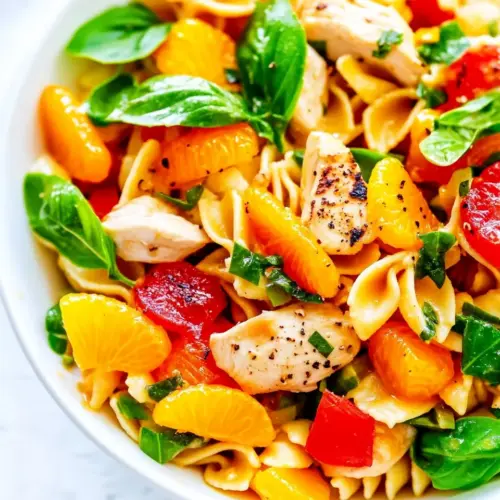
This Mandarin Orange Chicken Pasta Salad stands out for its bright citrus dressing, satisfying textures, and reliable crowd appeal. I encourage you to give it a try because it comes together quickly, scales easily, and strikes a lovely balance between sweet and savory. Whether you serve it at a picnic, bring it to a potluck, or pack it for lunches, it’s a versatile recipe that consistently earns compliments and makes meal planning feel a little easier and more joyful.
Mandarin Orange Chicken Pasta Salad
Equipment
- Lipton Recipe Secrets Soup and Dip Mix, Onion Flavor, 2 oz 2 Count
Ingredients
- 1 -ounce package dry onion soup mix Provides a savory, concentrated blend of dried onions and seasonings that forms the base flavor for the dressing and chicken seasoning; adds umami and a salty depth that blends with vinegars and oils. Dissolves easily into liquids to help season the entire salad uniformly and intensify overall savory notes.
- 2 to 3 tablespoons rice vinegar Adds bright acidity and a subtle tang that balances the richness of oils and sweetness from mandarin oranges; helps to thin the dressing to a pourable consistency. Can be adjusted to taste to control the salad’s overall brightness and sharpness.
- 2 tablespoons sesame oil Contributes a pronounced nutty, aromatic flavor that complements Asian-inspired seasonings and enhances the dressing’s richness; adds depth without heaviness. Used sparingly to avoid overpowering other flavors while providing fragrant complexity.
- 2 tablespoons olive oil Supplies a mild fruity base fat that helps emulsify the dressing and carry flavors evenly through the pasta and vegetables; adds smooth mouthfeel. Works with sesame oil to create a balanced, cohesive dressing.
- juice from one 10.5-ounce can mandarin oranges, add oranges to a separate very large bowl Provides sweet, citrusy liquid that infuses the dressing with bright orange flavor and light sweetness; the drained mandarin fruit is reserved separately to add bursts of juicy texture. Adds aromatic citrus oils and acidity that brighten the entire salad.
- 2 to 3 teaspoons granulated sugar Contributes gentle sweetness that balances vinegar and savory components; can be adjusted to taste to reach desired sweetness level. Helps round out acidic edges and enhance the natural sweetness of mandarin oranges.
- 2 teaspoons ground ginger, or to taste Offers warm, slightly peppery citrus notes that complement ginger-forward profiles and enhance overall flavor harmony; can be adjusted to taste for desired intensity. Adds aromatic spiciness that pairs well with sesame and soy-like elements.
- 1 teaspoon kosher salt, or to taste Provides baseline seasoning to enhance all other flavors and ensure the chicken and salad taste balanced; can be adjusted to taste for preferred saltiness. Helps proteins and vegetables taste more savory and satisfying.
- 1 teaspoon freshly ground black pepper, or to taste Adds mild heat and complexity while bringing out flavors in the dressing and chicken; freshly ground to maintain its aromatic qualities. Allows modulation of peppery bite without overwhelming other seasonings.
- pinch cayenne pepper, optional Imparts an optional touch of heat to lift the flavor profile and add a subtle warm spice; used sparingly for those who enjoy a faint kick. Complements ginger and black pepper to create layered spiciness.
- 16 ounces bowtie pasta, cooked according to package directions Serves as the primary carbohydrate and hearty base for the salad, providing tender, ribbon-like texture that holds dressing well; cooked al dente to avoid becoming mushy when chilled. Acts as the main vehicle for combining chicken, vegetables, and mandarin pieces.
- 1 to 1.25 pounds boneless skinless chicken breast, diced into bite-sized pieces, seasoned with salt and pepper Provides lean protein and substance to the salad, offering bite-sized pieces that absorb seasonings and dressings; seasoning with salt and pepper before cooking builds savory flavor. Adds satiety and balances the dish nutritionally.
- 2 tablespoons sesame oil Adds additional nutty, aromatic fat for cooking the chicken or for finishing the salad, reinforcing sesame flavor; contributes to a cohesive Asian-inspired taste. Helps prevent sticking during cooking and enhances mouthfeel.
- 2 tablespoons olive oil Supplies extra fruity oil that aids in cooking and emulsifying the dressing while mellowing sesame intensity; supports a smoother texture in the finished salad. Works with sesame oil to create a balanced fat profile.
- 1 red bell pepper, diced small Contributes crisp, sweet crunch and colorful contrast that brightens texture and visual appeal; small dice ensures even distribution throughout the salad. Adds fresh vegetable sweetness that pairs well with the mandarin pieces.
- 1 cup shredded carrots Provides slightly sweet, tender vegetable body and color that melds with pasta and dressing; shredded form disperses flavor and texture evenly. Enhances nutritional value and adds chew and natural sweetness.
- 1/2 English cucumber, diced small Supplies a cool, hydrating crunch and mild freshness that balances sweeter elements; diced small to integrate smoothly into each bite. Adds subtle vegetal notes and moisture without overwhelming other flavors.
- one 10.5-ounce can mandarin oranges, drained and juice discarded Adds bite-sized bursts of sweet citrus fruit for juicy texture and bright flavor, with the juice already discarded to prevent excess dressing dilution; complements the mandarin juice used in the dressing. Provides concentrated mandarin flavor and pleasant chew.
- 4 to 6 cups fresh baby spinach, about 6 ounces Offers a leafy, tender green base that adds volume, freshness, and a slightly earthy note to the salad; wilts slightly when tossed with warm pasta for a melded texture. Boosts color, nutrients, and a light vegetal contrast to sweeter and richer components.
Instructions
- To a medium bowl, add all ingredients, whisk to combine; set aside.: The moment you whisk the vinaigrette you'll notice the aroma of sesame oil and rice vinegar lifting, a fragrant, slightly nutty scent that signals the dressing is coming alive. Use a whisk to emulsify the olive oil and sesame oil into the vinegar and mandarin juice, watching the liquid transform from separated droplets into a cohesive, glossy vinaigrette. This texture matters because a well emulsified dressing clings to the pasta and greens rather than pooling at the bottom. If the dressing breaks, slowly whisk in a teaspoon of warm water to bring it back together. A common mistake is adding salt too early, which can mask the delicate citrus notes, so hold off final seasoning until everything is combined.
- Note – You are only adding the juice from one can of mandarins to the vinaigrette. Add the mandarins to a separate very large bowl.: When you separate juice and fruit, the vinaigrette gets concentrated citrus flavor without the fruit making the bowl watery, and the whole fruits retain their shape and texture when tossed with warm pasta . Place the drained orange segments in a very large bowl so there is room to toss without smashing them. Overcrowding the bowl makes it hard to distribute dressing evenly and increases the chance of crushing the fruit, which would release excess liquid.
- Cook pasta according to package directions, drain, and add it to the bowl with the mandarins.: As the pasta boils, watch for the moment when it yields to a gentle bite, al dente, which gives the best mouthfeel in a tossed salad. Drain thoroughly so the residual hot water does not dilute the vinaigrette, and transfer the warm pasta into the bowl with the mandarin oranges so the citrus juices mingle with the pasta surface. The warmth helps the pasta absorb some dressing, making the final texture more cohesive. Do not rinse unless you plan to serve fully chilled, rinsing removes surface starch that helps the dressing adhere.
- While the pasta is cooking, to a large skillet add the sesame oil, olive oil, chicken, season with salt and pepper, and cook over medium-high heat for about 5 minutes, or until chicken is cooked through; stir and flip intermittently to ensure even cooking.: When the oils heat they will shimmer and release aroma; add the diced chicken and you should hear a gentle sizzle which indicates good contact and browning. Stir intermittently to form small golden edges, these little crusts lock in juices and deepen the savory flavor profile. Cook until pieces read opaque through the center, and if you slice into a piece it should have no pink core. A common error is crowding the pan which causes steaming instead of searing, so if pieces are too close, cook in batches or use a larger skillet. The cooked chicken will have a toasty scent that complements the dressing.
- Add chicken and all cooking juices to the bowl with the mandarins and pasta.: When you pour the chicken and its pan juices into the large bowl, you'll notice a savory perfume that deepens the overall salad aroma. The warm juices help meld flavors with the pasta and fruit, slightly loosening any stuck dressing so everything combines smoothly. Toss gently so the heat from the chicken loosens the vinaigrette into the pasta crevices. Avoid vigorous tossing which can break the mandarin oranges into mush; instead use a folding motion for even coating and to preserve texture.
- Add the peppers, carrots, cucumbers, additional one can of mandarins (drain juice and discard), spinach, add the vinaigrette, stir and toss to combine and coat evenly.: At this stage the bowl becomes a collage of colors and textures, and you should hear the soft rustle of the spinach as it wilts slightly when mixed with warm components. Pour the vinaigrette over everything and fold gently, allowing the dressing to cling to the pasta and vegetables. The crunch of diced red bell pepper and shredded carrots will contrast with the tender pasta and soft mandarin oranges . If the salad looks dry, add a splash more rice vinegar or a drizzle of olive oil, but add small amounts to avoid over dressing. A typical misstep is overmixing which bruises delicate produce, so stop once everything is evenly coated.
- Taste the salad and make any additional flavor adjustments such as more salt, pepper, sugar, vinegar, cayenne (doesn’t make it hot but adds flavor), etc. and either serve immediately or chill before serving.: Tasting is the final, essential act where balance is achieved. I pay attention to the interplay of sweet, salty, and acidic notes and tweak in small increments, noting how the flavors settle after a few minutes. If you plan to chill, remember cold dulls flavors slightly, so adjust seasoning a touch higher than if serving warm. One common error is over-salting early; always taste after tossing and again after chilling to decide if more seasoning is needed.
Notes
- Swap pasta shape carefully If you do not have bowtie pasta, opt for another short pasta like rotini or penne that will hold dressing. Larger shapes may trap more dressing, so reduce the vinaigrette slightly to avoid a heavy mouthfeel.
- Adjust vinegar balance If you prefer more brightness, increase rice vinegar by a half tablespoon at a time. Taste after each adjustment, because acidity can overpower the delicate citrus if added in excess.
- Control sesame intensity If sesame oil is too pronounced, lower it to one tablespoon and add a touch more olive oil. This keeps the toasty note but prevents it from dominating the salad.
- Make it ahead but not too far ahead Prepare the components and keep the vinaigrette separate until ready to serve. Assemble up to a few hours in advance, but add spinach and dressing right before serving to preserve texture.
- Keep oranges intact Drain canned mandarin oranges thoroughly and fold them in gently at the end to avoid breaking the segments and releasing extra liquid into the salad.
- Scale with confidence This salad scales well for gatherings, but be mindful of bowl size; toss in batches if necessary to ensure even coating and prevent crushing delicate ingredients.