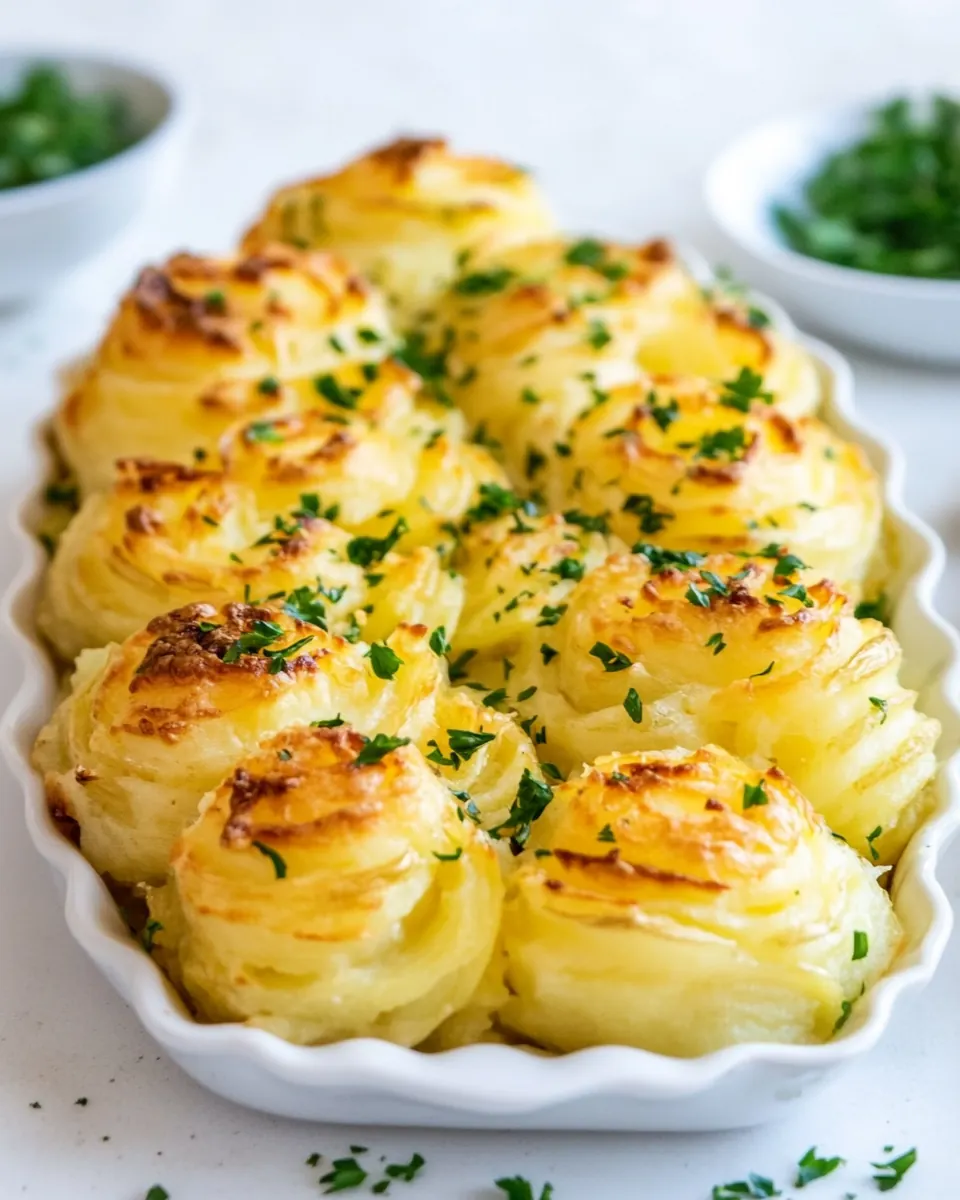
Duchess Potatoes
Duchess Potatoes have been a comfort on my table since childhood, a recipe my grandmother kept tucked in a weathered index card box. I still remember the hush in the kitchen as she piped those buttery mounds onto the baking sheet, the way the room filled with a warm, savory aroma that felt like celebration without fuss. Over the years I learned to read the potato texture by touch and by sound, and those tiny cues make all the difference when you want a perfectly light interior with a crisp, golden top.
When I make Duchess Potatoes now, I think about timing and patience, how cooking is equal parts technique and feel. There was one holiday when a power outage forced me to finish these on a gas stove and still they came out impressive, which taught me that method helps but instincts win the day. I love serving them because they look elegant, yet they are pure comfort on the plate, and guests always ask for the recipe.
Recipe Snapshot
1 hr 30 mins
30 mins
60 mins
Medium
250 kcal
American
Gluten-Free, Low FODMAP
Side Dishes
Dutch oven or large stockpot, Rimmed baking sheets, Parchment paper, Colander, Large piping bag, 1/2 inch star piping tip, Rubber spatula, Grater
The Beauty of This Duchess Potatoes
Classic presentation with a simple twist
I adore how Duchess Potatoes take humble potatoes and transform them into something that looks like it belongs at a dinner party. The piping gives each mound a decorative edge that crisps beautifully, making them feel elevated while staying approachable.
Texture that balances light and rich
The combination of whipped potatoes, room temperature butter, and warm egg yolks yields a creamy interior and a crisp exterior. I find the contrast irresistible, and it’s why I insist on the right potato variety and careful mashing.
Make ahead and freeze friendly
I love recipes that let me prep early, and these are perfect for that. You can pipe and freeze them before baking, so when guests arrive you just slide them into the oven. That flexibility has saved many busy evenings.
Customizable cheese and seasoning
With a base this reliable, swapping in a different grated cheese or adjusting the nutmeg and salt can shift the profile subtly. I often tweak the seasoning to suit the main course, and it always plays well with roasted meats or vegetarian mains.
Reliable crowd pleaser
Every time I bring out Duchess Potatoes people smile. They look special, yet they are simple to portion, which makes them ideal for gatherings. I trust this recipe whenever I want something pretty and comforting without being fussy.
Ingredients to Make Duchess Potatoes
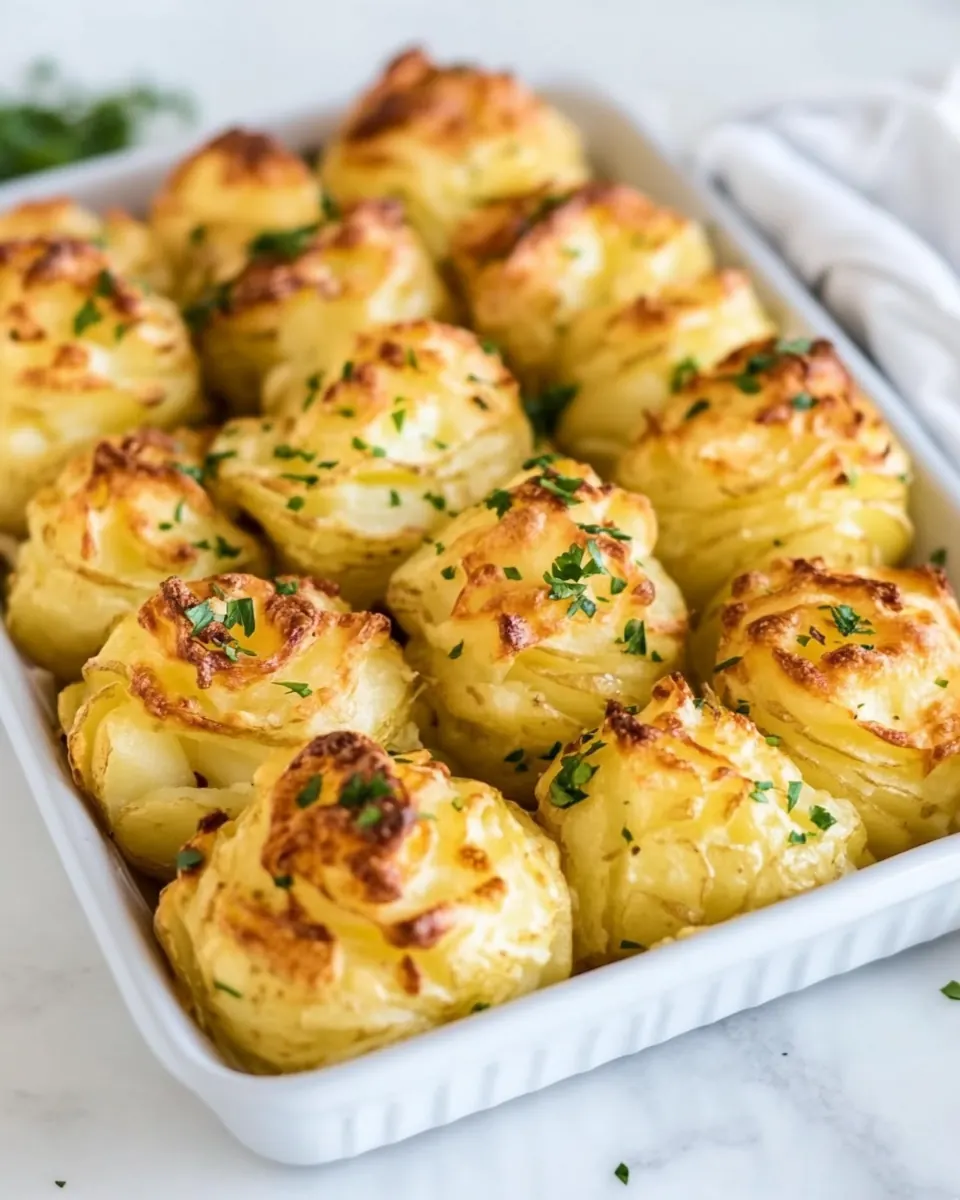
These ingredients work together to create a light, silky interior with a crisp, golden exterior. The key players are the starchy russet potatoes for fluffiness, the rich egg yolks and butter for silkiness, and the small addition of heavy cream and nutmeg for balance and aroma. The grated swiss cheese sprinkled on top melts and browns, adding an umami note without overwhelming the delicate potato flavor.
- 2 1/2 pounds russet potatoes peeled, cut into 1 1/2 inch pieces (see note 1): Boil and mash to create the fluffy potato base for duchess potatoes, providing bulk and a creamy texture when combined with egg yolks and butter. Peel and cut into uniform pieces to ensure even cooking and smooth mashing, preventing lumps in the final piped potatoes. Use starchy russets for their high starch content which yields a lighter, drier mash ideal for piping and browning.
- Salt and freshly ground black pepper: Season liberally during boiling and after mashing to enhance the overall flavor balance; salt draws out and concentrates the potato's natural taste. Grind black pepper freshly to add a bright, mildly spicy note that complements the richness of the yolks and cream. Adjust to taste while mashing to ensure seasoning is evenly distributed throughout the mixture.
- 6 egg yolks at room temperature (see note 2): Whisk and fold into the warm mashed potatoes to stabilize the mixture and provide richness and structure for piping; the proteins help set the shape when baked. Bring to room temperature before incorporating to avoid curdling and ensure they blend smoothly with the hot potatoes. Use precisely measured yolks to control richness without making the mixture too wet or heavy.
- 6 tablespoons butter cut into 8 pieces, at room temperature: Cut and soften then fold into the mashed potato mixture to add rich, buttery flavor and contribute to a smooth, glossy texture. Bring butter to room temperature so it emulsifies evenly into the potatoes, aiding in piping and preventing graininess. Distribute pieces so the butter melts uniformly, enriching both taste and mouthfeel.
- 1/4 cup heavy cream at room temperature: Warm slightly and mix in to add silkiness and moisture that helps achieve a smooth, pipeable consistency without making the mixture runny. Use heavy cream for its high fat content, which contributes to a luxurious texture and helps the duchess potatoes brown attractively in the oven. Incorporate gradually to control final firmness for shaping.
- 1/8 teaspoon ground nutmeg: Sprinkle sparingly and blend to impart a subtle warm, nutty note that complements the richness of the yolks and butter without overpowering the potatoes. Use ground nutmeg judiciously to lift flavors and add aromatic complexity to the dish. Measure carefully because its potency can quickly dominate the delicate potato profile.
- 1/2 cup swiss cheese finely grated (1 ounce, see note 3): Fold in finely grated to introduce a nutty, slightly sharp, and creamy dimension that melts into the hot mash and enhances browning. Use swiss cheese sparingly to add savory depth and a pleasant melt that binds the mixture and contributes to a golden finish. Grate finely to ensure even distribution and smooth texture when piping.
- Minced fresh parsley for garnish (optional): Chop finely and scatter over or around the finished duchess potatoes to add a fresh herbal contrast and bright color to the rich, golden bites. Use as an optional garnish to provide visual appeal and a light, grassy flavor that balances the dish's richness. Add just before serving to preserve its aroma and vivid green hue.
Step by Step Instructions for Duchess Potatoes
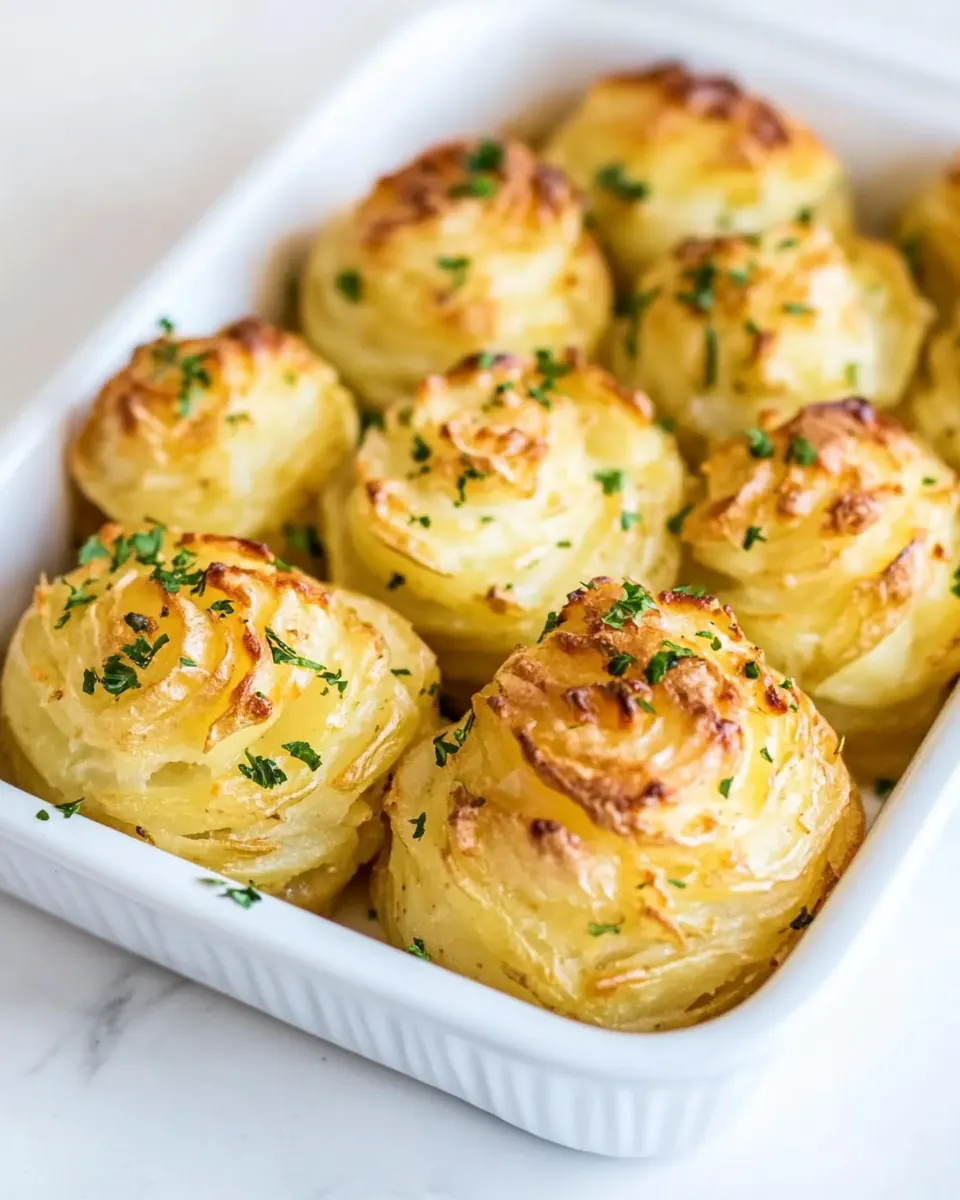
These instructions walk you through each moment from boiling the potatoes to sizzling, browned tops. I like to move deliberately, listening and tasting along the way, because subtle cues tell you when the mash is ready to transform into elegant mounds.
- Adjust oven racks to the upper middle and lower middle positions and preheat oven to 400 degrees. Line 2 rimmed baking sheets with parchment paper.: The moment you set the oven to 400 degrees , you should notice a steady hum as it warms, and the preheat ensures even browning when the pans go in. Proper rack placement gives the front and top of the mounds equal access to heat, which prevents one side from over browning while the other stays pale. A common mistake is skipping preheat, which can make the baking time inconsistent and yield soft, rather than crisp, tops.
- In a Dutch oven or large stockpot, add potatoes and 1 tablespoon salt. Add cold water to cover potatoes by 1 inch.: Lining the sheets keeps the bottoms from sticking and makes cleanup simple, and parchment encourages even browning. You will feel the texture change between bare metal and parchment when handling the sheets, and the paper helps stabilize the piped shapes so they do not slide. Avoid waxed paper, which can curl or burn; parchment is the reliable choice.
- Over medium-high heat, bring to boil and partially cover pot. Cook until potatoes are tender when pierced with a paring knife, stirring once or twice, about 10 to 15 minutes. Drain well, tossing in colander to remove excess water.: When you place the potatoes into cold water with a tablespoon of salt , the water will slowly come to temperature with the pieces, so they cook evenly without a mushy exterior. This technique prevents the outside from breaking down before the center is tender. Many people start in boiling water which can overcook the exterior and yield grainy texture.
- Wipe pot dry. Return potatoes to pot and mash until very smooth. Using a rubber spatula, fold in egg yolks one at a time, making sure each yolk is completely incorporated before adding the next.: Covering the potatoes by one inch of cold water lets them heat through uniformly, and you may notice faint bubbling as the water approaches a simmer. This gentle approach helps the interior become tender without falling apart, preserving the goal of silky mash. Overcrowding the pot can lead to uneven cooking, so use a pot large enough for consistent coverage.
- Stir in the butter, cream, nutmeg, and salt and pepper (I like 1 teaspoon salt and 1/2 teaspoon pepper) until the mixture is smooth.: As the water rises to a boil, you will hear a low, steady roar that means the heat is high enough to cook through in a timely way while a partial cover keeps splatters controlled yet allows steam to escape. Stirring once or twice prevents sticking and helps distribute heat. A common error is fully covering, which can lead to boil overs and uneven temperature control.
- Transfer to a large piping bag fitted with a 1/2-inch star piping tip and pipe 12 round mounds (2 1/2 inches wide by 2 inches tall) onto each prepared baking sheet, spacing them about 2 inches apart. Sprinkle with the cheese.: When a paring knife slides through a piece with little resistance and the surface feels slightly crumbly, the potatoes are ready. Listen for a gentle rolling boil and watch for foam; both are indicators the water is doing its job. Drain immediately when done to avoid waterlogged tubers, which will make the mash gluey.
- Place both sheets in the oven and bake for 15 minutes. Rotate the pans top to bottom and front to back and continue baking until the tops of the potatoes are light golden brown, about 10 minutes longer. Garnish with minced fresh parsley if desired.: Tossing the hot potatoes in a colander helps steam off excess moisture, and you will feel slightly drier steam release compared to when they are waterlogged. This step is crucial because excess moisture dilutes flavor and prevents the mash from holding its shape when piped. Letting them sit too long in the colander, however, can cool them down and make incorporation of fats harder.
- Wipe pot dry: Drying the pot removes lingering water and prevents reabsorption which keeps the potatoes from becoming soggy. You will notice a dry sheen on the metal versus a damp film before wiping. Skipping this invites residual water to loosen the mash, making it less pipeable.
- Return potatoes to pot and mash until very smooth: As you mash, pay attention to the sound and feel, a smooth, almost velvety drag indicates the right texture. Use a masher or ricer for best results, and avoid overworking which can activate starch and make the mixture gluey. If you hear a gummy or sticky sound, you may have overworked them.
- Using a rubber spatula fold in egg yolks one at a time making sure each yolk is completely incorporated before adding the next: Folding in room temperature egg yolks one by one creates an emulsion and gives structure to the piped mounds. You should see a glossy texture emerge as each yolk blends; it should not look curdled. If the mixture separates, it may be because ingredients were too cold, so temper them gently.
- Stir in the butter cream nutmeg and salt and pepper until the mixture is smooth: When you add the softened butter and cream , the mash should become silkier and more cohesive, and you will notice a fragrant lift from the nutmeg . Stir until smooth but do not overmix, as excessive agitation can result in an elastic texture. A common slip is adding too much liquid which will make piping difficult.
- Transfer to a large piping bag fitted with a 1/2 inch star piping tip and pipe 12 round mounds 2 1/2 inches wide by 2 inches tall onto each prepared baking sheet spacing them about 2 inches apart: Piping creates the decorative ridges that crisp and brown; as you pipe you will feel gentle resistance and watch the shape hold. Spacing is important so hot air circulates and each mound browns evenly. If the mixture is too soft to pipe, chill briefly rather than forcing it, which would flatten the shapes.
- Sprinkle with the cheese: The finely grated swiss cheese should cover the tops lightly and will melt into those ridges as it bakes, producing small browned pockets. You will see the cheese settle into crevices, which gives flavor contrast and visual appeal. Too much cheese can weigh the mounds down and prevent crisping, so use sparingly.
- Place both sheets in the oven and bake for 15 minutes: During the first 15 minutes the edges will set and the tops will begin to take on color, releasing a warm, buttery aroma. This initial bake firms the structure so you can rotate pans without collapse. Opening the oven too often will lower the temperature and lengthen baking time.
- Rotate the pans top to bottom and front to back and continue baking until the tops of the potatoes are light golden brown about 10 minutes longer: Rotating ensures even exposure and consistent browning across both sheets, and you will notice a gentle crackle as the tops finish crisping. Look for a light golden hue rather than deep brown, which indicates even heat. Leaving them in too long can dry the interior, so watch closely in these final minutes.
- Garnish with minced fresh parsley if desired: A sprinkle of minced fresh parsley adds a bright visual contrast and a hint of herbaceous freshness that balances the rich, buttery interior. Add it just before serving for maximum color and fragrance. If you garnish too early the herbs can wilt under heat, losing their appeal.
Recipe Variations about Duchess Potatoes
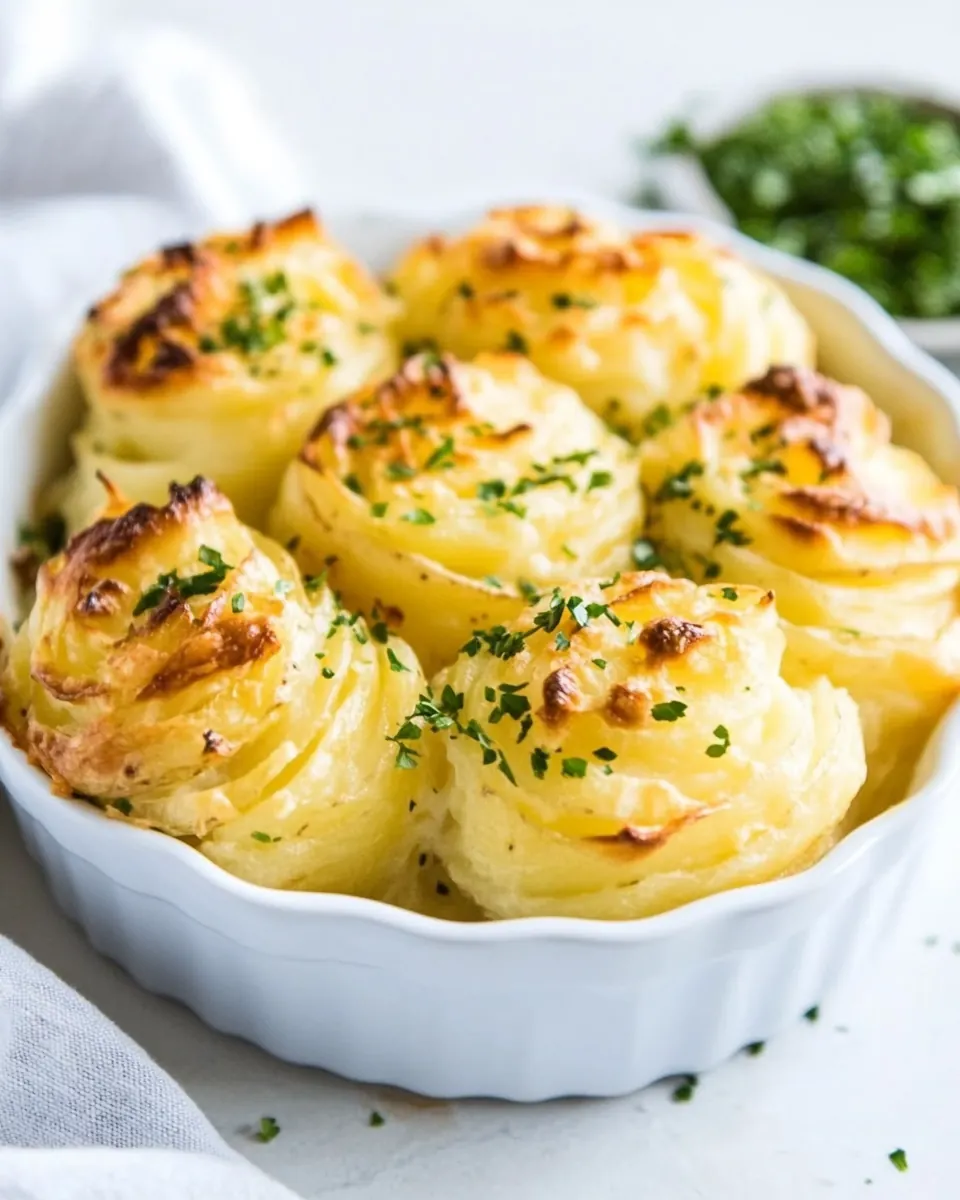
There are a few simple ways to adapt Duchess Potatoes to match your menu or crowd. Below are variations and tips that keep the technique intact while letting you personalize flavor and presentation.
- Cheese swaps: Try grating a nutty gruyère or sharp cheddar instead of swiss cheese to introduce bolder notes; use sparingly so the mounds still crisp.
- Herb fold ins: Fold a small amount of finely chopped herbs into the mash for a delicate lift, but avoid adding wet ingredients that could loosen the texture.
- Make ahead and freeze: Pipe the mounds onto a tray, freeze until firm, then transfer to a sealed bag; bake from frozen with a couple of extra minutes in the oven for best results.
- Adjusting richness: If you want a lighter version, slightly reduce the butter and cream, but keep enough fat to maintain a silky texture that holds its shape when piped.
- Presentation: Pipe taller for dramatic peaks or flatter for easier stacking on a platter; both will brown beautifully if you maintain the oven temperature.
Best Served With
These delicate mounds pair well with a range of mains and make an elegant side for celebratory meals. Below I suggest pairings, occasions, and serving notes so you can plan a harmonious plate.
- Roasted or braised mains: Serve Duchess Potatoes alongside roasted beef or braised vegetables for a contrast in texture and complementary richness.
- Holiday menus: These are perfect for holiday dinner tables because they look refined and are easy to portion for guests, making them a strong choice for Thanksgiving or special family meals.
- Weeknight elevated dinner: Make a smaller batch and serve with a simple roasted chicken or a pan seared fish for an easy weeknight dinner that feels special.
- Storage tips: Store leftovers covered in the refrigerator for up to four days; reheat in the oven to restore crispness rather than microwaving.
- Seasonal notes: In cooler months these feel especially homey, and the subtle nutmeg adds a warming note that suits fall menus.
- Plating ideas: Arrange three per plate for individual servings, or cluster them on a platter for family style; garnish with minced fresh parsley for color and freshness.
FAQ
Conclusion
Duchess Potatoes take humble ingredients and turn them into an elegant side that is both comforting and refined. They are special because of their creamy interior and crisp, decorative exterior, which makes them perfect for holidays or any time you want a little extra polish on the plate. Give them a try the next time you want a make ahead, crowd pleasing side; the piping and golden tops are always worth the few extra steps, and guests will notice the care you put into the presentation and flavor.
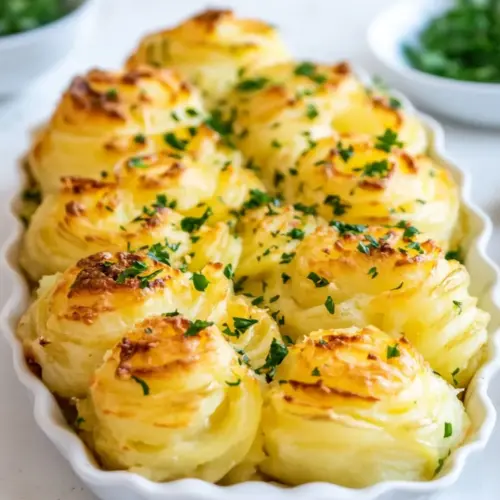
Duchess Potatoes
Equipment
- Dutch oven or large stockpot
- Rimmed baking sheets
- Parchment Paper
- Colander
- Large piping bag
- 1/2 inch star piping tip
- Rubber spatula
- Grater
Ingredients
- 2 1/2 pounds russet potatoes peeled, cut into 1 1/2 inch pieces (see note 1) Boil and mash to create the fluffy potato base for duchess potatoes, providing bulk and a creamy texture when combined with egg yolks and butter. Peel and cut into uniform pieces to ensure even cooking and smooth mashing, preventing lumps in the final piped potatoes. Use starchy russets for their high starch content which yields a lighter, drier mash ideal for piping and browning.
- Salt and freshly ground black pepper Season liberally during boiling and after mashing to enhance the overall flavor balance; salt draws out and concentrates the potato's natural taste. Grind black pepper freshly to add a bright, mildly spicy note that complements the richness of the yolks and cream. Adjust to taste while mashing to ensure seasoning is evenly distributed throughout the mixture.
- 6 egg yolks at room temperature (see note 2) Whisk and fold into the warm mashed potatoes to stabilize the mixture and provide richness and structure for piping; the proteins help set the shape when baked. Bring to room temperature before incorporating to avoid curdling and ensure they blend smoothly with the hot potatoes. Use precisely measured yolks to control richness without making the mixture too wet or heavy.
- 6 tablespoons butter cut into 8 pieces, at room temperature Cut and soften then fold into the mashed potato mixture to add rich, buttery flavor and contribute to a smooth, glossy texture. Bring butter to room temperature so it emulsifies evenly into the potatoes, aiding in piping and preventing graininess. Distribute pieces so the butter melts uniformly, enriching both taste and mouthfeel.
- 1/4 cup heavy cream at room temperature Warm slightly and mix in to add silkiness and moisture that helps achieve a smooth, pipeable consistency without making the mixture runny. Use heavy cream for its high fat content, which contributes to a luxurious texture and helps the duchess potatoes brown attractively in the oven. Incorporate gradually to control final firmness for shaping.
- 1/8 teaspoon ground nutmeg Sprinkle sparingly and blend to impart a subtle warm, nutty note that complements the richness of the yolks and butter without overpowering the potatoes. Use ground nutmeg judiciously to lift flavors and add aromatic complexity to the dish. Measure carefully because its potency can quickly dominate the delicate potato profile.
- 1/2 cup swiss cheese finely grated (1 ounce, see note 3) Fold in finely grated to introduce a nutty, slightly sharp, and creamy dimension that melts into the hot mash and enhances browning. Use swiss cheese sparingly to add savory depth and a pleasant melt that binds the mixture and contributes to a golden finish. Grate finely to ensure even distribution and smooth texture when piping.
- Minced fresh parsley for garnish, optional Chop finely and scatter over or around the finished duchess potatoes to add a fresh herbal contrast and bright color to the rich, golden bites. Use as an optional garnish to provide visual appeal and a light, grassy flavor that balances the dish's richness. Add just before serving to preserve its aroma and vivid green hue.
Instructions
- Adjust oven racks to the upper middle and lower middle positions and preheat oven to 400 degrees. Line 2 rimmed baking sheets with parchment paper.: The moment you set the oven to 400 degrees , you should notice a steady hum as it warms, and the preheat ensures even browning when the pans go in. Proper rack placement gives the front and top of the mounds equal access to heat, which prevents one side from over browning while the other stays pale. A common mistake is skipping preheat, which can make the baking time inconsistent and yield soft, rather than crisp, tops.
- In a Dutch oven or large stockpot, add potatoes and 1 tablespoon salt. Add cold water to cover potatoes by 1 inch.: Lining the sheets keeps the bottoms from sticking and makes cleanup simple, and parchment encourages even browning. You will feel the texture change between bare metal and parchment when handling the sheets, and the paper helps stabilize the piped shapes so they do not slide. Avoid waxed paper, which can curl or burn; parchment is the reliable choice.
- Over medium-high heat, bring to boil and partially cover pot. Cook until potatoes are tender when pierced with a paring knife, stirring once or twice, about 10 to 15 minutes. Drain well, tossing in colander to remove excess water.: When you place the potatoes into cold water with a tablespoon of salt , the water will slowly come to temperature with the pieces, so they cook evenly without a mushy exterior. This technique prevents the outside from breaking down before the center is tender. Many people start in boiling water which can overcook the exterior and yield grainy texture.
- Wipe pot dry. Return potatoes to pot and mash until very smooth. Using a rubber spatula, fold in egg yolks one at a time, making sure each yolk is completely incorporated before adding the next.: Covering the potatoes by one inch of cold water lets them heat through uniformly, and you may notice faint bubbling as the water approaches a simmer. This gentle approach helps the interior become tender without falling apart, preserving the goal of silky mash. Overcrowding the pot can lead to uneven cooking, so use a pot large enough for consistent coverage.
- Stir in the butter, cream, nutmeg, and salt and pepper (I like 1 teaspoon salt and 1/2 teaspoon pepper) until the mixture is smooth.: As the water rises to a boil, you will hear a low, steady roar that means the heat is high enough to cook through in a timely way while a partial cover keeps splatters controlled yet allows steam to escape. Stirring once or twice prevents sticking and helps distribute heat. A common error is fully covering, which can lead to boil overs and uneven temperature control.
- Transfer to a large piping bag fitted with a 1/2-inch star piping tip and pipe 12 round mounds (2 1/2 inches wide by 2 inches tall) onto each prepared baking sheet, spacing them about 2 inches apart. Sprinkle with the cheese.: When a paring knife slides through a piece with little resistance and the surface feels slightly crumbly, the potatoes are ready. Listen for a gentle rolling boil and watch for foam; both are indicators the water is doing its job. Drain immediately when done to avoid waterlogged tubers, which will make the mash gluey.
- Place both sheets in the oven and bake for 15 minutes. Rotate the pans top to bottom and front to back and continue baking until the tops of the potatoes are light golden brown, about 10 minutes longer. Garnish with minced fresh parsley if desired.: Tossing the hot potatoes in a colander helps steam off excess moisture, and you will feel slightly drier steam release compared to when they are waterlogged. This step is crucial because excess moisture dilutes flavor and prevents the mash from holding its shape when piped. Letting them sit too long in the colander, however, can cool them down and make incorporation of fats harder.
- Wipe pot dry: Drying the pot removes lingering water and prevents reabsorption which keeps the potatoes from becoming soggy. You will notice a dry sheen on the metal versus a damp film before wiping. Skipping this invites residual water to loosen the mash, making it less pipeable.
- Return potatoes to pot and mash until very smooth: As you mash, pay attention to the sound and feel, a smooth, almost velvety drag indicates the right texture. Use a masher or ricer for best results, and avoid overworking which can activate starch and make the mixture gluey. If you hear a gummy or sticky sound, you may have overworked them.
- Using a rubber spatula fold in egg yolks one at a time making sure each yolk is completely incorporated before adding the next: Folding in room temperature egg yolks one by one creates an emulsion and gives structure to the piped mounds. You should see a glossy texture emerge as each yolk blends; it should not look curdled. If the mixture separates, it may be because ingredients were too cold, so temper them gently.
- Stir in the butter cream nutmeg and salt and pepper until the mixture is smooth: When you add the softened butter and cream , the mash should become silkier and more cohesive, and you will notice a fragrant lift from the nutmeg . Stir until smooth but do not overmix, as excessive agitation can result in an elastic texture. A common slip is adding too much liquid which will make piping difficult.
- Transfer to a large piping bag fitted with a 1/2 inch star piping tip and pipe 12 round mounds 2 1/2 inches wide by 2 inches tall onto each prepared baking sheet spacing them about 2 inches apart: Piping creates the decorative ridges that crisp and brown; as you pipe you will feel gentle resistance and watch the shape hold. Spacing is important so hot air circulates and each mound browns evenly. If the mixture is too soft to pipe, chill briefly rather than forcing it, which would flatten the shapes.
- Sprinkle with the cheese: The finely grated swiss cheese should cover the tops lightly and will melt into those ridges as it bakes, producing small browned pockets. You will see the cheese settle into crevices, which gives flavor contrast and visual appeal. Too much cheese can weigh the mounds down and prevent crisping, so use sparingly.
- Place both sheets in the oven and bake for 15 minutes: During the first 15 minutes the edges will set and the tops will begin to take on color, releasing a warm, buttery aroma. This initial bake firms the structure so you can rotate pans without collapse. Opening the oven too often will lower the temperature and lengthen baking time.
- Rotate the pans top to bottom and front to back and continue baking until the tops of the potatoes are light golden brown about 10 minutes longer: Rotating ensures even exposure and consistent browning across both sheets, and you will notice a gentle crackle as the tops finish crisping. Look for a light golden hue rather than deep brown, which indicates even heat. Leaving them in too long can dry the interior, so watch closely in these final minutes.
- Garnish with minced fresh parsley if desired: A sprinkle of minced fresh parsley adds a bright visual contrast and a hint of herbaceous freshness that balances the rich, buttery interior. Add it just before serving for maximum color and fragrance. If you garnish too early the herbs can wilt under heat, losing their appeal.
Notes
- Cheese swaps: Try grating a nutty gruyère or sharp cheddar instead of swiss cheese to introduce bolder notes; use sparingly so the mounds still crisp.
- Herb fold ins: Fold a small amount of finely chopped herbs into the mash for a delicate lift, but avoid adding wet ingredients that could loosen the texture.
- Make ahead and freeze: Pipe the mounds onto a tray, freeze until firm, then transfer to a sealed bag; bake from frozen with a couple of extra minutes in the oven for best results.
- Adjusting richness: If you want a lighter version, slightly reduce the butter and cream, but keep enough fat to maintain a silky texture that holds its shape when piped.
- Presentation: Pipe taller for dramatic peaks or flatter for easier stacking on a platter; both will brown beautifully if you maintain the oven temperature.