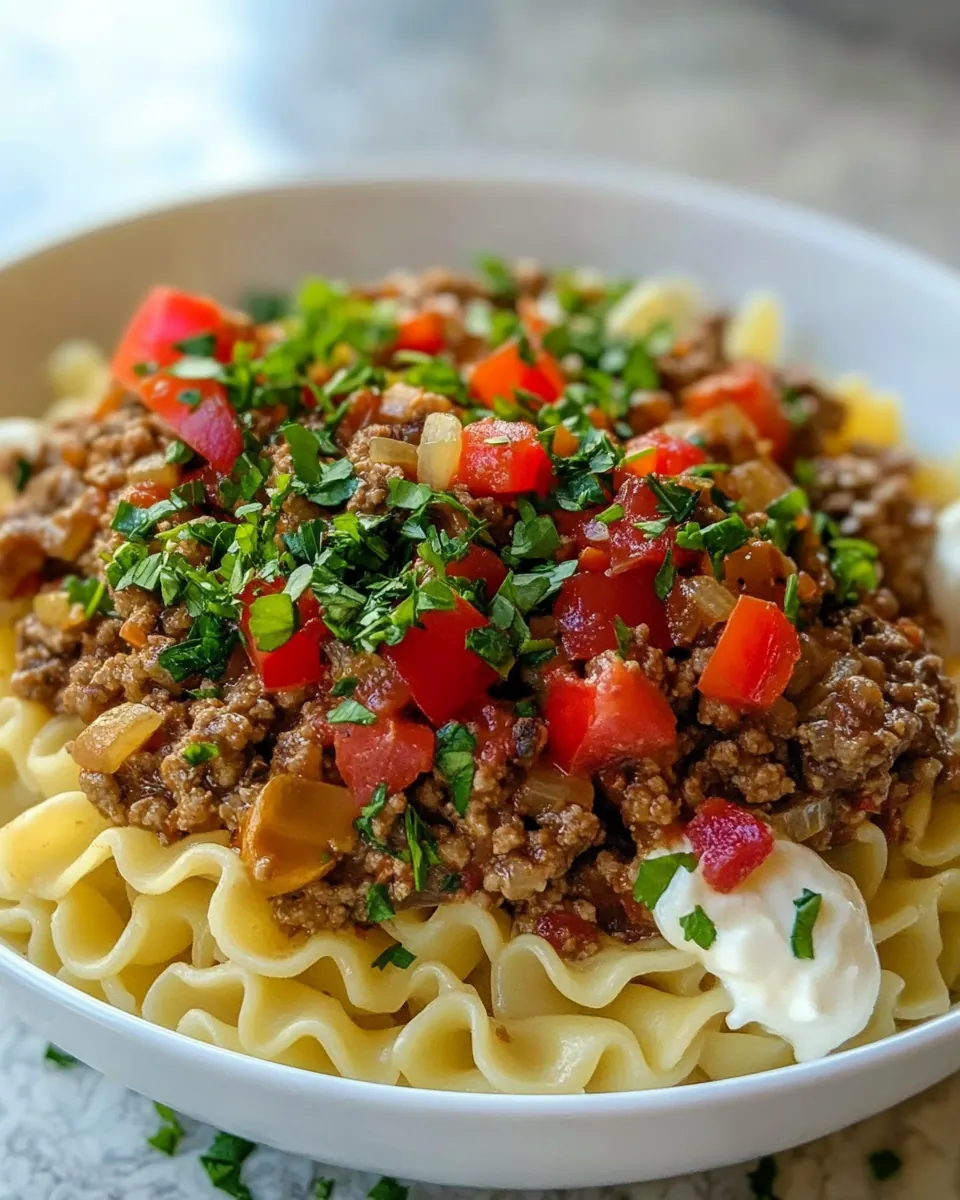
Turkish Pasta
Turkish Pasta landed on my table on a rainy evening when I wanted something comforting but unexpected. I remember stirring the tangy, garlicky yogurt and thinking how its cool creaminess would play against warm, spiced meat and buttered pasta, and that first bite instantly felt like a small celebration at home. Over the years I have nudged the balance of flavors a bit, sometimes adding more lemon, sometimes toasting extra pine nuts, but every version keeps that satisfying contrast that makes this dish memorable.
When I first cooked Turkish Pasta for friends, one of them closed their eyes and said it reminded them of street food from a different country, yet somehow more intimate and homely. I love serving it when I want to be a little creative without fuss, because the components can be prepared at the same time and assembled in an effortless bowl. It’s the kind of meal that invites conversation, a forkful of cool yogurt meeting warm, spiced beef, then a drizzle of browned butter carrying everything together.
Recipe Snapshot
45 mins
15 mins
30 mins
Medium
650 kcal
Turkish
Gluten-Free, Low FODMAP
Dinner
Glass mixing bowl, Large pot, Saucepan, Skillet, Whisk
Why This Turkish Pasta Stands Out
Contrasting Textures and Temperatures
I adore how Turkish Pasta plays with cool and warm elements, the way the chilled Greek yogurt calms the bold, warm spices of the beef. That temperature contrast keeps each bite interesting, and it also stretches simple pantry ingredients into something that feels layered and intentional.
Bold But Accessible Seasoning
We get smoky notes from smoked paprika and an earthy backbone from ground cumin. The seasoning is lively without being intimidating, so even cooks who shy away from spice feel confident. I often find this is what turns hesitant guests into repeat requesters.
Speed and Simplicity
Despite sounding composed, this recipe comes together quickly, which I love on weeknights. The components are straightforward, and you can multitask by boiling pasta while browning the beef. That practicality means you get a sophisticated plate without soaring effort.
Cultural Flair with Familiar Pantry Staples
Ingredients like dried mint and toasted pine nuts bring authentic Turkish hints while the rest of the list stays rooted in everyday items like butter and onion. I enjoy that blend of the exotic and the familiar, it makes the dish approachable yet special.
Plated Like a Meal, Served Like Comfort Food
This dish is plated but not precious. I love how you can serve it family style or in individual bowls, and either way people dig in happily. The assembly is forgiving, which encourages improvisation and joyful eating.
Ingredients Required for Turkish Pasta
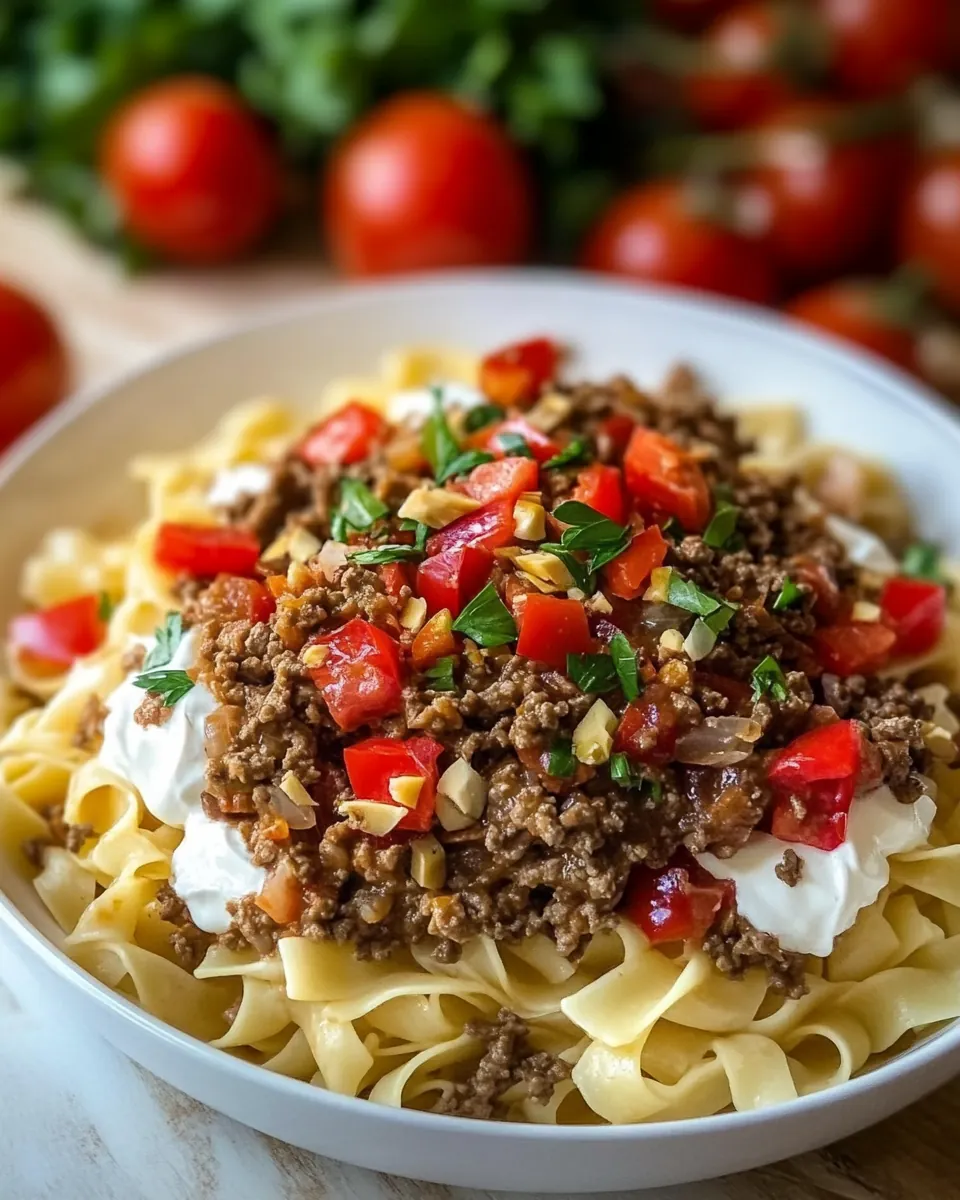
The ingredient list for Turkish Pasta is a study in balance. I like to think of the key players as the cooling element, the starch, the spiced protein, and the finishing touches. Together they form a layered bowl where each component supports the others rather than overpowering them. The yogurt brings cream and brightness, the pasta provides comfort and body, the beef introduces warmth and depth, and the butter, nuts, and herbs add luxury and crunch.
- 1 1/2 cup (220 g) Greek yogurt: Provide creamy tang and body to the sauce, balancing rich and savory components while adding moisture to the finished dish. Use strained Greek yogurt for a thick, silky texture that holds shape and complements warm spices. Chill briefly if separating risk is a concern to preserve emulsified consistency.
- 3 cloves garlic finely minced, or grated: Infuse sharp, aromatic pungency when finely minced or grated, distributing garlic flavor evenly through the yogurt and meat layers. Cook briefly with the ground beef to mellow raw bite while retaining savory depth. Adjust amount to taste for more pronounced garlicky warmth.
- 1 tablespoon lemon juice: Brighten overall flavor with high-acid citrus notes that cut through richness and enhance aromatic spices. Add to yogurt and meat mixtures to lift and balance the sauce components without adding liquid bulk. Freshly squeezed juice provides the cleanest, most vibrant profile.
- 1 teaspoon kosher salt: Enhance seasoning baseline and elevate all other flavors by providing a clear savory backbone throughout the dish. Use kosher salt to season the yogurt, meat, and pasta water incrementally to ensure balanced taste. Taste as you go to avoid oversalting.
- 1/4 teaspoon ground black pepper: Introduce subtle heat and a warm, slightly bitter counterpoint that highlights savory and tomato elements. Grind fresh black pepper over finished components to preserve volatile aromatics and add mild spice. Use sparingly to avoid overpowering delicate yogurt notes.
- 8 ounces (225 g) dried pasta: Supply the carbohydrate base and vehicle for sauce absorption, becoming the main body of the meal when cooked al dente. Choose a shape that traps meat and yogurt sauce for each bite and cook according to package instructions. Reserve some pasta water to adjust sauce consistency if needed.
- 1/4 cup (56 g) butter: Add rich, nutty fat to coat pasta and meld flavors while lending glossy finish and velvety mouthfeel to the dish. Melt butter with paprika to bloom spices before combining with pasta for deeper flavor. Use unsalted or adjust added salt accordingly.
- 1/2 teaspoon sweet paprika: Contribute sweet, mild heat and warm color when dusted into melted butter or the meat mixture to accentuate Turkish flavor notes. Toast briefly in fat to release essential oils and soften raw spice edge. Balance with smoked paprika for layered pepper character.
- 1 pound (450 g) ground beef 90/100: Provide hearty protein and savory depth as the primary meaty component that pairs with spices and tomato paste. Brown ground beef thoroughly to develop fond and rich caramelized flavor before simmering with aromatics. Choose lean ratio to reduce excess grease while keeping juiciness.
- 1 medium yellow onion diced: Deliver aromatic sweetness and a moisture base when diced and sautéed with garlic and spices, forming the flavor foundation for the meat sauce. Cook until translucent and slightly golden to maximize sweetness and reduce raw onion sharpness. Uniform dicing ensures even cooking.
- 1 teaspoon smoked paprika: Impart smoky, slightly sweet depth that complements sweet paprika and enhances the grilled, earthy character of the meat. Add to the meat toward the end of browning or when simmering to preserve smoky aromatics. Use measured amount to avoid overpowering other spices.
- 1 teaspoon ground cumin: Introduce warm, earthy undertones with a gentle citrus-like note that pairs well with tomato and beef. Sprinkle into the meat mixture to reinforce savory complexity and provide regional authenticity. Toast briefly in fat to amplify its aroma before adding liquid.
- 1/4 teaspoon dried mint: Offer fragrant, cooling menthol notes in small measure to provide a traditional Turkish accent and brighten meat sauce complexity. Use sparingly to prevent herbal dominance, especially combined with bold paprika and cumin. Add during simmering to allow subtle infusion.
- 1 tablespoon tomato paste: Concentrate tomato umami and add color while thickening the sauce base; provides sweet-tart backbone to bind spices and meat. Fry briefly in oil with spices to caramelize and deepen flavor before adding water or other liquids. Dissolve fully to avoid pastey pockets.
- 2 cloves garlic: Add a second layer of pungency when included in the cooked meat mixture, complementing the minced garlic in the yogurt for cohesive garlic profile. Sauté with onions to mellow and integrate flavor into the sauce. Adjust quantity based on desired garlic intensity.
- 1/2 teaspoon kosher salt: Season the meat sauce with a moderate amount of salt to ensure savory balance alongside the yogurt and pasta. Use kosher salt for consistent grain size and dissolve into liquids evenly while simmering. Taste before serving and adjust if other components are salted.
- 1/2 cup water: Provide a small amount of liquid to deglaze the pan and create sauce consistency, allowing tomato paste and spices to disperse evenly. Use to control thickness of the meat mixture and prevent sticking while simmering. Add gradually until desired texture is reached.
- 1 tablespoon (15 ml) olive oil: Serve as the cooking fat for toasting pine nuts or sautéing aromatics, imparting fruity, slightly peppery notes and a light sheen to finished pasta. Use extra-virgin olive oil for flavor or regular olive oil for a neutral profile. Heat gently to avoid smoking and flavor loss.
- 2 tablespoons (18 g) pine nuts toasted: Contribute crunchy, buttery texture and a subtly resinous, piney flavor when toasted, providing contrast to creamy yogurt and tender pasta. Toast until golden and fragrant in a dry or lightly oiled pan to maximize aroma without burning. Sprinkle over finished dish for garnish and textural lift.
- 3/4 cup cherry tomatoes: Add fresh, juicy bursts of sweetness and acidity that lighten rich components and provide a pop of color and freshness. Halve or leave whole depending on size and stir in at the end or serve raw for textural contrast. Choose ripe tomatoes for best flavor impact.
- 2 tablespoons chopped fresh parsley: Provide bright herbal freshness and a mild peppery note to finish the dish, cutting through richness and enhancing visual appeal. Chop just before serving to preserve color and aroma and scatter over the plated pasta as a final garnish. Adjust amount to taste.
Instructions for Turkish Pasta
These instructions expand the short directions into a full, sensory narrative so you can cook with confidence. Move through each stage deliberately, paying attention to aroma and texture, and keep a close eye on color cues. I like to work with the yogurt sauce ready first, then handle pasta and meat simultaneously to serve everything warm.
- Prepare the Yogurt Sauce: In a bowl, whisk together Greek yogurt, garlic, lemon juice, salt, and pepper. Set aside.: The yogurt mixture should smell bright and pungent with fresh garlic and lemon juice , and you will notice the texture become glossy as you whisk. Start by placing the measured Greek yogurt in a bowl and add the finely minced garlic , then the lemon juice , kosher salt , and ground black pepper . As you whisk, the sauce will loosen slightly and take on a silky sheen, releasing citrus notes and the pungent green aroma of raw garlic . This is why whisking matters, it smooths the yogurt and distributes the aromatics so every spoonful tastes balanced. A common mistake is underseasoning early, so taste and adjust salt carefully. Avoid leaving large pieces of raw garlic which can create hot, uneven bites; grate or mince very fine for an even distribution.
- Cook the Pasta: Boil the pasta according to package instructions until al dente. Drain, then toss with 1 tablespoon butter, salt, and pepper. Set aside.: Properly cooked pasta should be tender yet firm to the bite, and boiling will release a comforting wheaty aroma into the kitchen. Bring a large pot of salted water to a robust boil, add the dried pasta , and cook according to package instructions until al dente. Once drained, return the pasta to the pot off the heat and toss it with 1 tablespoon of butter , plus a pinch of salt and ground black pepper , which will coat each strand or shape and give a glossy finish. The residual heat helps the butter melt evenly and carry seasoning into the noodles. A helpful tactile cue is to taste a piece for that slight resistance in the center. Commonly people overcook the pasta , making it mushy, so test early and often near the target time.
- Make the Paprika Butter: In a small saucepan, melt the butter over medium heat until it turns golden and develops a toasty aroma. Stir in the sweet paprika, remove from heat, and transfer to a bowl.: The browned butter will smell intensely nutty and toasty, with small amber bits forming, signaling it is ready. In a small saucepan over medium heat, melt the measured butter and stir gently. Watch as the foam rises and then subsides, then wait for the milk solids to turn a golden brown color while producing a warm, almost caramel aroma. Once you see this color, remove from heat and stir in the sweet paprika , which will bloom in the hot fat and release a mild, fragrant smokiness and vivid color. Transfer the mixture to a bowl so the butter does not continue cooking. Why this matters is that browned butter adds depth and a slightly toasted note that lifts the whole dish. The key mistake to avoid is walking away; browned butter can go from perfect to burnt in moments, leaving a bitter taste.
- Cook the Ground Beef: Heat olive oil in a skillet over medium heat. Add the pine nuts and toast until golden. Remove and set aside.: The first sizzle when the ground beef hits the hot skillet should be lively, releasing savory aromas as it breaks apart and browns. Heat the olive oil in a skillet over medium heat, add the pine nuts first and toast until golden, listening for a gentle popping and smelling a warm nuttiness, then remove them to a plate to avoid burning. Keeping the same skillet, add the ground beef and diced onion ; use a spatula to break the meat into small pieces so it browns evenly and the onion softens and sweetens. As the meat browns, you will notice a rich, savory scent and small browned bits forming on the pan surface; those bits add deep flavor. A common pitfall is crowding the pan which steams the meat instead of browning it, so work in batches if needed.
- In the same skillet, add ground beef and onion. Cook, breaking the meat into small pieces, until no longer pink.: At this point the pan will be fragrant, and adding these ingredients will thicken and intensify the mix, producing a warmly spiced aroma. Stir in the minced garlic , smoked paprika , ground cumin , and dried mint followed by the tomato paste and the measured kosher salt . The spices will bloom in the warm fat, releasing layered aromas while the tomato paste deepens and darkens the mixture slightly. Cook until the raw edge of the paste softens and the spices smell toasted, which helps integrate their flavors into the ground beef . People sometimes add these while the pan is too cool; ensure the skillet is hot enough so the paste and spices caramelize a bit rather than taste raw.
- Add garlic, smoked paprika, cumin, dried mint (if using), tomato paste, and salt. Stir to combine.: The brief simmer should produce a slightly saucier texture and concentrate flavors as steam lifts savory notes. Add the measured water to the skillet and bring the mixture to a gentle simmer for about 3 to 4 minutes until slightly thickened. The liquid will deglaze the pan, picking up those browned bits and distributing them into the sauce, which enhances umami. Watch for a glossy, cohesive texture rather than thin broth or completely dry crumbles. A common error is adding too much liquid, which dilutes flavor, so stick to the recommended amount and simmer until reduced to the ideal clingy consistency.
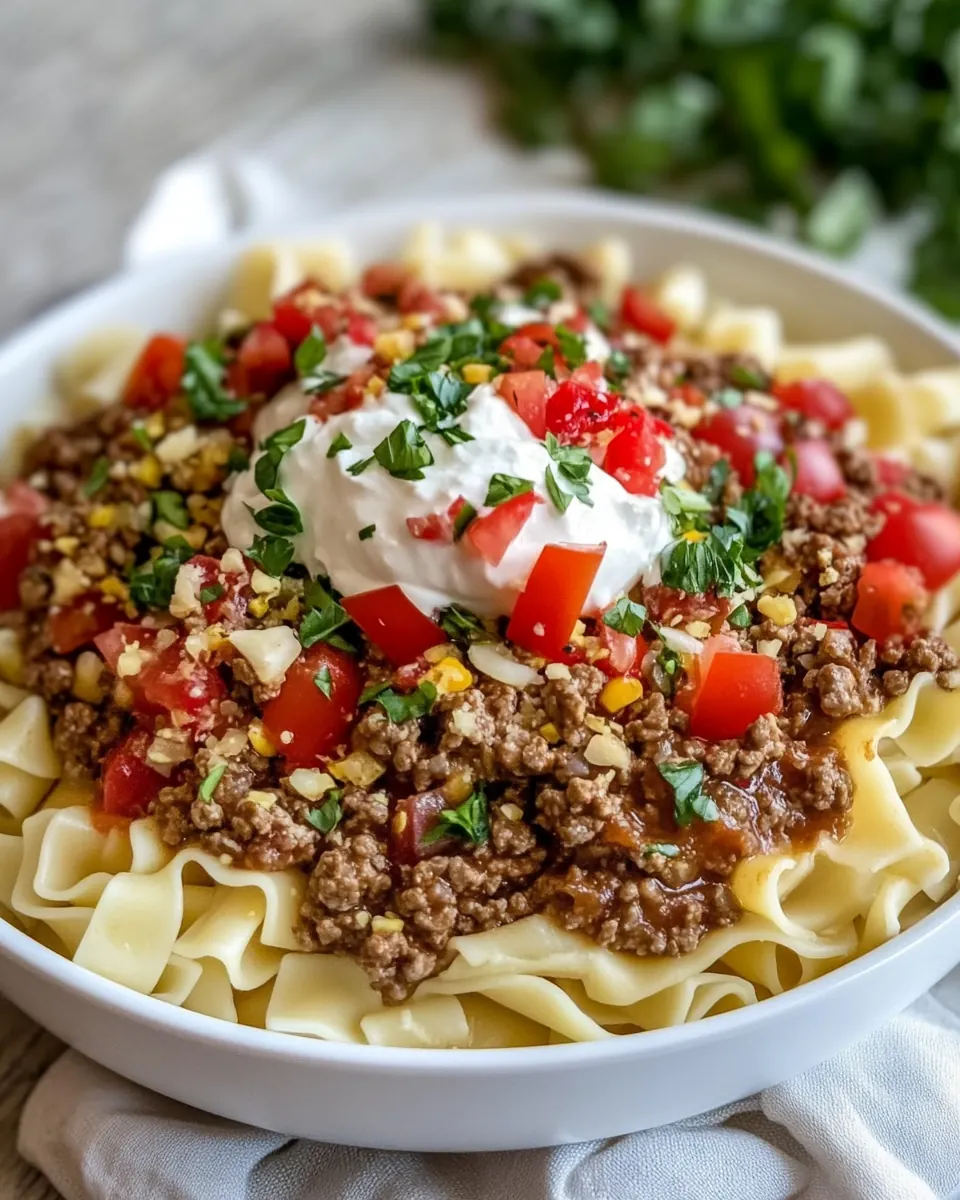
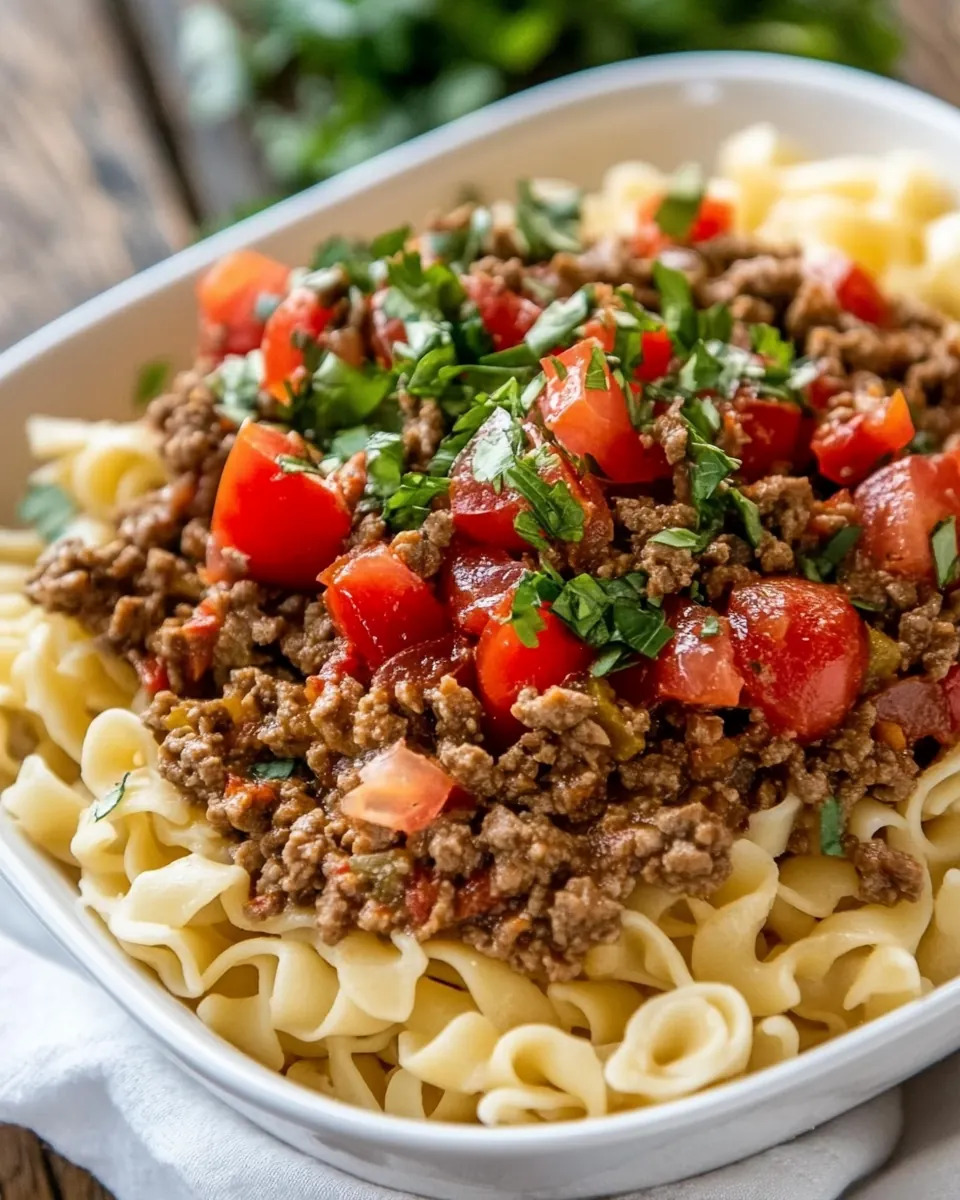
- Pour in the water and simmer for 3-4 minutes until the mixture thickens slightly.: The final assembly should look vibrant, with creamy white yogurt, warm brown meat, red cherry tomatoes, and glossy paprika butter drizzles. Place a layer of the warm, buttered pasta into bowls or plates, spoon a generous portion of the chilled yogurt on top so it creates a cooling pool, then add the spiced ground beef mixture. Drizzle the browned butter infused with sweet paprika over the top to add aroma and richness, then garnish with halved cherry tomatoes , toasted pine nuts , and chopped parsley . The contrast between the glossy butter and cooling yogurt creates a striking visual and mouthfeel. Avoid mixing everything too early on the plate if you want distinct layers; if you prefer integration, toss gently just before serving. One common mistake is adding hot meat directly into the yogurt and expecting it to stay cool; instead, place the yogurt first so the hot ingredients warm the pasta but not overwhelm the yogurt's temperature.
Recipe Variations about Turkish Pasta
There are many small adjustments you can make to tailor Turkish Pasta to your pantry or taste. Below are ideas that respect the original flavors while offering approachable swaps and enhancements.
- Herb Swap Replace some of the chopped parsley with fresh mint for a brighter finish that echoes the dried mint in the meat.
- Nuttier Crunch If you cannot find pine nuts, use toasted walnuts or slivered almonds to add texture and a different nutty note.
- Pasta Choice Use a short shape that traps sauce, like penne or fusilli, to hold the yogurt and meat together on each forkful.
- Lean Meat Option Substitute the ground beef with ground turkey for a lighter version while keeping the same spice profile.
- Make Ahead Prepare the yogurt sauce and browned butter up to two days ahead and store separately to save time on the day you serve.
- Extra Tang Stir a little more lemon juice into the yogurt if you want a brighter finish that cuts richer bites.
- Smokier Flavor Increase the amount of smoked paprika slightly for a deeper smoky character, but taste as you go to avoid overpowering the yogurt.
Side Dish Ideas for Turkish Pasta
Turkish Pasta works well with simple sides that complement its textures and flavors. Think light, crisp vegetable sides and fresh herbs to balance the rich meat and butter. The following list explores serving styles, occasions, and storage suggestions to help you present this dish beautifully.
- Simple Green Salad A crisp salad of mixed greens dressed with lemon and olive oil provides a bright counterpoint that cuts through the richness of the dish.
- Roasted Vegetables Seasonal roasted carrots or eggplant add earthy depth and pair naturally with the warm spices in the meat.
- Flatbreads Serve with warm flatbreads to scoop up yogurt and meat, creating a hands on, communal eating experience suitable for family style dinners.
- Occasion Suggestion This makes a lovely weeknight dinner for four, yet it is also special enough for casual gatherings or Ramadan if served after sundown as a comforting main course.
- Make Ahead and Storage Store components separately in airtight containers, the yogurt sauce and browned butter in the refrigerator for up to two days, and the spiced ground beef for three days. Reheat gently to preserve texture.
- Seasonal Pairings In summer, emphasize fresh cherry tomatoes and herbs for brightness; in cooler months, serve with roasted root vegetables and extra toasted nuts for warmth.
- Serving Style Offer family style bowls so guests can assemble their own, or pre-build individual bowls for an elegant presentation that highlights the layered components.
- Garnish Ideas Add a final sprinkle of chopped parsley and a few whole toasted pine nuts to each bowl for contrast and visual appeal.
- Leftover Use Leftover assembled bowls can be refreshed by adding a squeeze of lemon juice and a light drizzle of olive oil before reheating gently in the oven or a skillet.
- Pairing Notes Keep sides simple and fresh to let the main flavors of yogurt, spiced beef, and browned butter shine, rather than competing with strong sauces or heavy starches.
FAQ
Conclusion
Turkish Pasta stands out because it brings together cool, tangy yogurt and warm, spiced beef with a buttery, aromatic drizzle for a truly layered bowl. Give it a try on a busy weeknight when you want something special without heavy lifting, or serve it to friends for a memorable twist on pasta night. It’s approachable, flexible, and comforting, and I hope it earns a spot in your regular rotation.
Turkish Pasta
Equipment
- Glass mixing bowl
- Large Pot
- Saucepan
- Skillet
- Whisk
Ingredients
- 1 1/2 cup (220 g) Greek yogurt Provide creamy tang and body to the sauce, balancing rich and savory components while adding moisture to the finished dish. Use strained Greek yogurt for a thick, silky texture that holds shape and complements warm spices. Chill briefly if separating risk is a concern to preserve emulsified consistency.
- 3 cloves garlic finely minced, or grated Infuse sharp, aromatic pungency when finely minced or grated, distributing garlic flavor evenly through the yogurt and meat layers. Cook briefly with the ground beef to mellow raw bite while retaining savory depth. Adjust amount to taste for more pronounced garlicky warmth.
- 1 tablespoon lemon juice Brighten overall flavor with high-acid citrus notes that cut through richness and enhance aromatic spices. Add to yogurt and meat mixtures to lift and balance the sauce components without adding liquid bulk. Freshly squeezed juice provides the cleanest, most vibrant profile.
- 1 teaspoon kosher salt Enhance seasoning baseline and elevate all other flavors by providing a clear savory backbone throughout the dish. Use kosher salt to season the yogurt, meat, and pasta water incrementally to ensure balanced taste. Taste as you go to avoid oversalting.
- 1/4 teaspoon ground black pepper Introduce subtle heat and a warm, slightly bitter counterpoint that highlights savory and tomato elements. Grind fresh black pepper over finished components to preserve volatile aromatics and add mild spice. Use sparingly to avoid overpowering delicate yogurt notes.
- 8 ounces (225 g) dried pasta Supply the carbohydrate base and vehicle for sauce absorption, becoming the main body of the meal when cooked al dente. Choose a shape that traps meat and yogurt sauce for each bite and cook according to package instructions. Reserve some pasta water to adjust sauce consistency if needed.
- 1/4 cup (56 g) butter Add rich, nutty fat to coat pasta and meld flavors while lending glossy finish and velvety mouthfeel to the dish. Melt butter with paprika to bloom spices before combining with pasta for deeper flavor. Use unsalted or adjust added salt accordingly.
- 1/2 teaspoon sweet paprika Contribute sweet, mild heat and warm color when dusted into melted butter or the meat mixture to accentuate Turkish flavor notes. Toast briefly in fat to release essential oils and soften raw spice edge. Balance with smoked paprika for layered pepper character.
- 1 pound (450 g) ground beef 90/100 Provide hearty protein and savory depth as the primary meaty component that pairs with spices and tomato paste. Brown ground beef thoroughly to develop fond and rich caramelized flavor before simmering with aromatics. Choose lean ratio to reduce excess grease while keeping juiciness.
- 1 medium yellow onion diced Deliver aromatic sweetness and a moisture base when diced and sautéed with garlic and spices, forming the flavor foundation for the meat sauce. Cook until translucent and slightly golden to maximize sweetness and reduce raw onion sharpness. Uniform dicing ensures even cooking.
- 1 teaspoon smoked paprika Impart smoky, slightly sweet depth that complements sweet paprika and enhances the grilled, earthy character of the meat. Add to the meat toward the end of browning or when simmering to preserve smoky aromatics. Use measured amount to avoid overpowering other spices.
- 1 teaspoon ground cumin Introduce warm, earthy undertones with a gentle citrus-like note that pairs well with tomato and beef. Sprinkle into the meat mixture to reinforce savory complexity and provide regional authenticity. Toast briefly in fat to amplify its aroma before adding liquid.
- 1/4 teaspoon dried mint Offer fragrant, cooling menthol notes in small measure to provide a traditional Turkish accent and brighten meat sauce complexity. Use sparingly to prevent herbal dominance, especially combined with bold paprika and cumin. Add during simmering to allow subtle infusion.
- 1 tablespoon tomato paste Concentrate tomato umami and add color while thickening the sauce base; provides sweet-tart backbone to bind spices and meat. Fry briefly in oil with spices to caramelize and deepen flavor before adding water or other liquids. Dissolve fully to avoid pastey pockets.
- 2 cloves garlic Add a second layer of pungency when included in the cooked meat mixture, complementing the minced garlic in the yogurt for cohesive garlic profile. Sauté with onions to mellow and integrate flavor into the sauce. Adjust quantity based on desired garlic intensity.
- 1/2 teaspoon kosher salt Season the meat sauce with a moderate amount of salt to ensure savory balance alongside the yogurt and pasta. Use kosher salt for consistent grain size and dissolve into liquids evenly while simmering. Taste before serving and adjust if other components are salted.
- 1/2 cup water Provide a small amount of liquid to deglaze the pan and create sauce consistency, allowing tomato paste and spices to disperse evenly. Use to control thickness of the meat mixture and prevent sticking while simmering. Add gradually until desired texture is reached.
- 1 tablespoon (15 ml) olive oil Serve as the cooking fat for toasting pine nuts or sautéing aromatics, imparting fruity, slightly peppery notes and a light sheen to finished pasta. Use extra-virgin olive oil for flavor or regular olive oil for a neutral profile. Heat gently to avoid smoking and flavor loss.
- 2 tablespoons (18 g) pine nuts toasted Contribute crunchy, buttery texture and a subtly resinous, piney flavor when toasted, providing contrast to creamy yogurt and tender pasta. Toast until golden and fragrant in a dry or lightly oiled pan to maximize aroma without burning. Sprinkle over finished dish for garnish and textural lift.
- 3/4 cup cherry tomatoes Add fresh, juicy bursts of sweetness and acidity that lighten rich components and provide a pop of color and freshness. Halve or leave whole depending on size and stir in at the end or serve raw for textural contrast. Choose ripe tomatoes for best flavor impact.
- 2 tablespoons chopped fresh parsley Provide bright herbal freshness and a mild peppery note to finish the dish, cutting through richness and enhancing visual appeal. Chop just before serving to preserve color and aroma and scatter over the plated pasta as a final garnish. Adjust amount to taste.
Instructions
- Prepare the Yogurt Sauce: In a bowl, whisk together Greek yogurt, garlic, lemon juice, salt, and pepper. Set aside.: The yogurt mixture should smell bright and pungent with fresh garlic and lemon juice , and you will notice the texture become glossy as you whisk. Start by placing the measured Greek yogurt in a bowl and add the finely minced garlic , then the lemon juice , kosher salt , and ground black pepper . As you whisk, the sauce will loosen slightly and take on a silky sheen, releasing citrus notes and the pungent green aroma of raw garlic . This is why whisking matters, it smooths the yogurt and distributes the aromatics so every spoonful tastes balanced. A common mistake is underseasoning early, so taste and adjust salt carefully. Avoid leaving large pieces of raw garlic which can create hot, uneven bites; grate or mince very fine for an even distribution.
- Cook the Pasta: Boil the pasta according to package instructions until al dente. Drain, then toss with 1 tablespoon butter, salt, and pepper. Set aside.: Properly cooked pasta should be tender yet firm to the bite, and boiling will release a comforting wheaty aroma into the kitchen. Bring a large pot of salted water to a robust boil, add the dried pasta , and cook according to package instructions until al dente. Once drained, return the pasta to the pot off the heat and toss it with 1 tablespoon of butter , plus a pinch of salt and ground black pepper , which will coat each strand or shape and give a glossy finish. The residual heat helps the butter melt evenly and carry seasoning into the noodles. A helpful tactile cue is to taste a piece for that slight resistance in the center. Commonly people overcook the pasta , making it mushy, so test early and often near the target time.
- Make the Paprika Butter: In a small saucepan, melt the butter over medium heat until it turns golden and develops a toasty aroma. Stir in the sweet paprika, remove from heat, and transfer to a bowl.: The browned butter will smell intensely nutty and toasty, with small amber bits forming, signaling it is ready. In a small saucepan over medium heat, melt the measured butter and stir gently. Watch as the foam rises and then subsides, then wait for the milk solids to turn a golden brown color while producing a warm, almost caramel aroma. Once you see this color, remove from heat and stir in the sweet paprika , which will bloom in the hot fat and release a mild, fragrant smokiness and vivid color. Transfer the mixture to a bowl so the butter does not continue cooking. Why this matters is that browned butter adds depth and a slightly toasted note that lifts the whole dish. The key mistake to avoid is walking away; browned butter can go from perfect to burnt in moments, leaving a bitter taste.
- Cook the Ground Beef: Heat olive oil in a skillet over medium heat. Add the pine nuts and toast until golden. Remove and set aside.: The first sizzle when the ground beef hits the hot skillet should be lively, releasing savory aromas as it breaks apart and browns. Heat the olive oil in a skillet over medium heat, add the pine nuts first and toast until golden, listening for a gentle popping and smelling a warm nuttiness, then remove them to a plate to avoid burning. Keeping the same skillet, add the ground beef and diced onion ; use a spatula to break the meat into small pieces so it browns evenly and the onion softens and sweetens. As the meat browns, you will notice a rich, savory scent and small browned bits forming on the pan surface; those bits add deep flavor. A common pitfall is crowding the pan which steams the meat instead of browning it, so work in batches if needed.
- In the same skillet, add ground beef and onion. Cook, breaking the meat into small pieces, until no longer pink.: At this point the pan will be fragrant, and adding these ingredients will thicken and intensify the mix, producing a warmly spiced aroma. Stir in the minced garlic , smoked paprika , ground cumin , and dried mint followed by the tomato paste and the measured kosher salt . The spices will bloom in the warm fat, releasing layered aromas while the tomato paste deepens and darkens the mixture slightly. Cook until the raw edge of the paste softens and the spices smell toasted, which helps integrate their flavors into the ground beef . People sometimes add these while the pan is too cool; ensure the skillet is hot enough so the paste and spices caramelize a bit rather than taste raw.
- Add garlic, smoked paprika, cumin, dried mint (if using), tomato paste, and salt. Stir to combine.: The brief simmer should produce a slightly saucier texture and concentrate flavors as steam lifts savory notes. Add the measured water to the skillet and bring the mixture to a gentle simmer for about 3 to 4 minutes until slightly thickened. The liquid will deglaze the pan, picking up those browned bits and distributing them into the sauce, which enhances umami. Watch for a glossy, cohesive texture rather than thin broth or completely dry crumbles. A common error is adding too much liquid, which dilutes flavor, so stick to the recommended amount and simmer until reduced to the ideal clingy consistency.
- Pour in the water and simmer for 3-4 minutes until the mixture thickens slightly.: The final assembly should look vibrant, with creamy white yogurt, warm brown meat, red cherry tomatoes, and glossy paprika butter drizzles. Place a layer of the warm, buttered pasta into bowls or plates, spoon a generous portion of the chilled yogurt on top so it creates a cooling pool, then add the spiced ground beef mixture. Drizzle the browned butter infused with sweet paprika over the top to add aroma and richness, then garnish with halved cherry tomatoes , toasted pine nuts , and chopped parsley . The contrast between the glossy butter and cooling yogurt creates a striking visual and mouthfeel. Avoid mixing everything too early on the plate if you want distinct layers; if you prefer integration, toss gently just before serving. One common mistake is adding hot meat directly into the yogurt and expecting it to stay cool; instead, place the yogurt first so the hot ingredients warm the pasta but not overwhelm the yogurt's temperature.
Notes
- Herb Swap Replace some of the chopped parsley with fresh mint for a brighter finish that echoes the dried mint in the meat.
- Nuttier Crunch If you cannot find pine nuts, use toasted walnuts or slivered almonds to add texture and a different nutty note.
- Pasta Choice Use a short shape that traps sauce, like penne or fusilli, to hold the yogurt and meat together on each forkful.
- Lean Meat Option Substitute the ground beef with ground turkey for a lighter version while keeping the same spice profile.
- Make Ahead Prepare the yogurt sauce and browned butter up to two days ahead and store separately to save time on the day you serve.
- Extra Tang Stir a little more lemon juice into the yogurt if you want a brighter finish that cuts richer bites.
- Smokier Flavor Increase the amount of smoked paprika slightly for a deeper smoky character, but taste as you go to avoid overpowering the yogurt.