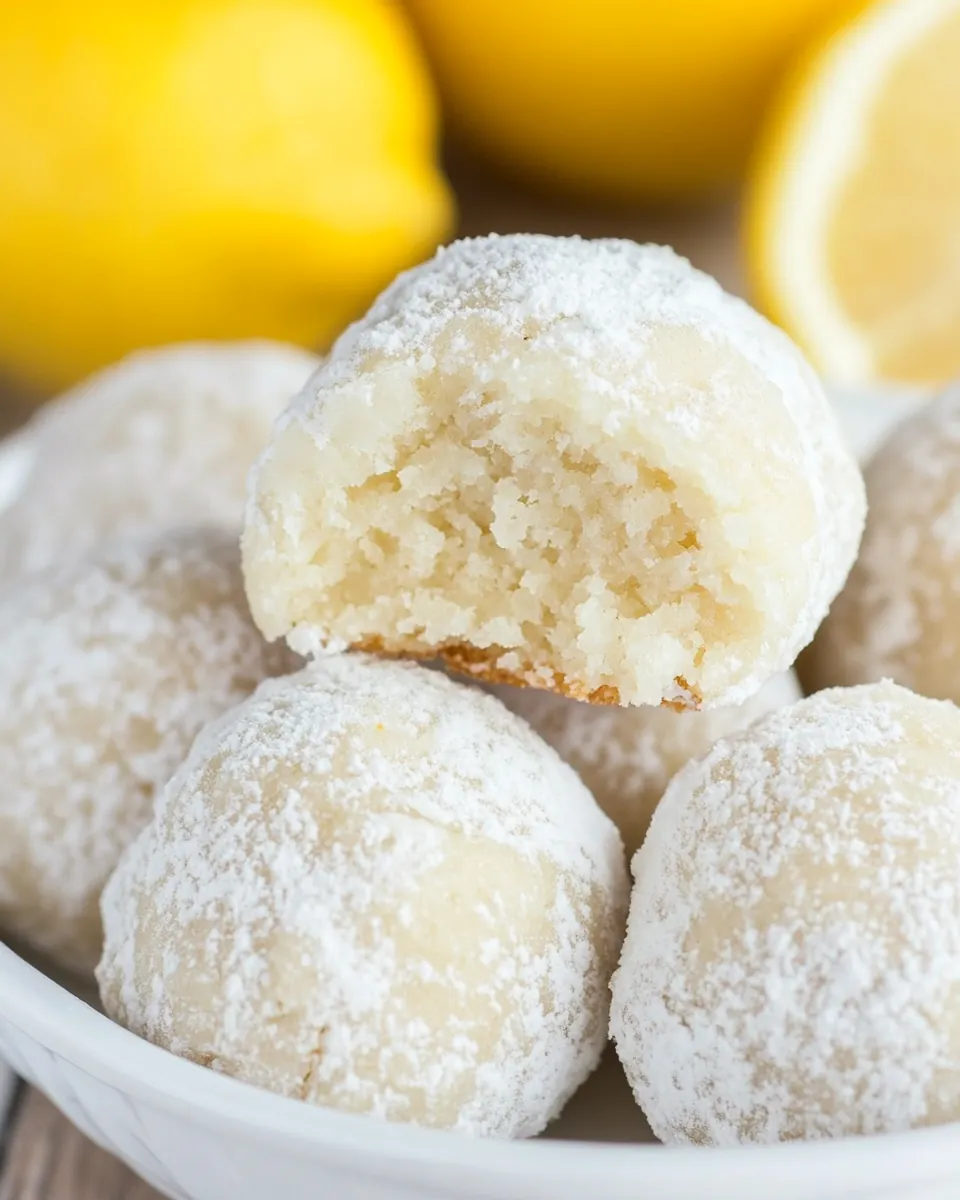
Lemon Snowball Cookies
Lemon Snowball Cookies have been my go to for every late winter gathering and bright spring afternoon, a little family tradition that started with a box of lemons and a stubborn sweet tooth. The first time I made these, I was chasing a gentle lemon aroma through my kitchen, and the soft powdered sugar crust reminded me of childhood cookie trays. Over the years I adjusted zest amounts and rolling techniques until the balance felt just right, and now they show up whenever I want a small, elegant treat that feels both festive and homemade.
I remember bringing a tin of Lemon Snowball Cookies to a neighbor’s tea and watching a quiet parade of smiles as people bit through the delicate outer coating into a tender, buttery center. They’re unassuming yet refined, a cookie that travels well and keeps its charm whether presented on a holiday platter or tucked into a lunchbox. I like how they pair with simple things, and how making the dough itself is almost meditative, folding flour into butter until it becomes a cohesive, slightly crumbly mass. The lemon zest lifts the whole cookie, adding brightness without overpowering the buttery base.
Recipe Snapshot
60 mins
45 mins
15 mins
Medium
150 kcal
American
Gluten-Free, Low FODMAP
Desserts
Oven, Mixing bowl, Stand mixer or hand mixer, Cookie sheets, Parchment paper or silicone baking mats, Measuring cups and spoons, Spatula
What You’ll Enjoy About This Lemon Snowball Cookies
Bright, Balanced Flavor
I love Lemon Snowball Cookies because the lemon zest and juice cut through the richness of the butter, giving a fresh, lively note. The result is a cookie that never tastes heavy, even when you reach for a second one.
Buttery, Tender Texture
These cookies are all about that tender crumb. When the flour is gently mixed in, you end up with a dough that bakes into a melt in your mouth center. I make sure not to overwork it, because a light touch preserves the soft texture.
Pretty Presentation Without Fuss
Rolling the cookies in the powdered sugar and lemon mixture gives them an elegant, snowy look. They come out photo ready, which I appreciate when I want something that looks special but is actually very simple to prepare.
Versatile and Crowd Friendly
You can easily scale the batch up, and they transport well, so they work for potlucks, tea time, or cookie exchanges. I like that they keep their shape and sweetness when stored in an airtight container.
Reliable Technique
The method for Lemon Snowball Cookies is forgiving. A short chill, careful baking until they are set but not browned, and a thoughtful roll in sugar are the small steps that consistently deliver great results. I find the repeatability very comforting.
What to Buy for Lemon Snowball Cookies
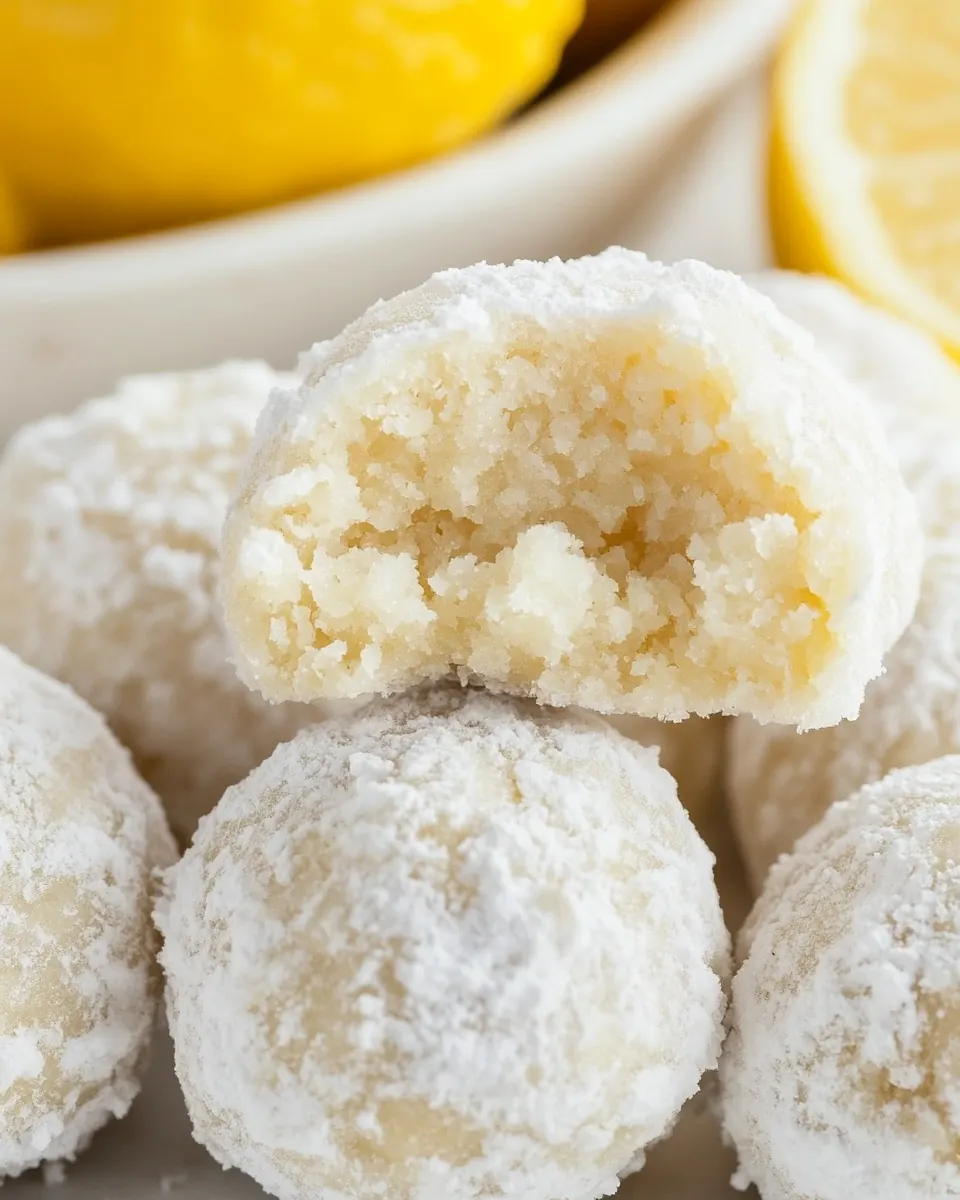
Think of the ingredient list as a small ensemble where each player supports the delicate lemon butter base. The focus is on high quality butter and fresh lemon elements, while the powdered sugar dresses the cookies with a snowy finish. The simplicity here is deliberate, letting texture and citrus shine through without clutter.
- 1 cup unsalted butter room temperature: Soften to room temperature to ensure easy creaming and even incorporation with sugar; provides a rich, tender crumb and carries flavor throughout the dough.
- 1/2 cup powdered sugar: Sweeten and lighten the dough while contributing to a delicate, melt-in-your-mouth texture; also assists in creating a smooth coating when dusted on finished cookies.
- 1 teaspoon lemon juice: Brighten the dough with a touch of acidity that balances sweetness; helps activate any slight leavening and enhances the lemon flavor profile.
- 1/4 teaspoon lemon extract (optional): Amplify and concentrate lemon flavor without adding extra liquid; use sparingly to avoid overpowering the balance and to intensify aroma.
- 1/2 teaspoon salt: Season and enhance overall flavor while controlling sweetness; also helps strengthen gluten slightly to improve cookie structure.
- 2 teaspoons lemon zest: Infuse fresh citrus aroma and bright flavor that defines the cookie; adds little bursts of lemon oil for a lively finish.
- 2 1/4 cups flour: Provide structure and bulk to the cookie dough; combine carefully to avoid overworking, which can create toughness.
- 1 2 cups powdered sugar + 2 teaspoons lemon zest for rolling: Create a tangy, snowy coating for finishing; combine the powdered sugar and lemon zest to deliver both sweetness and a lemon-kissed exterior.
How to Make Lemon Snowball Cookies
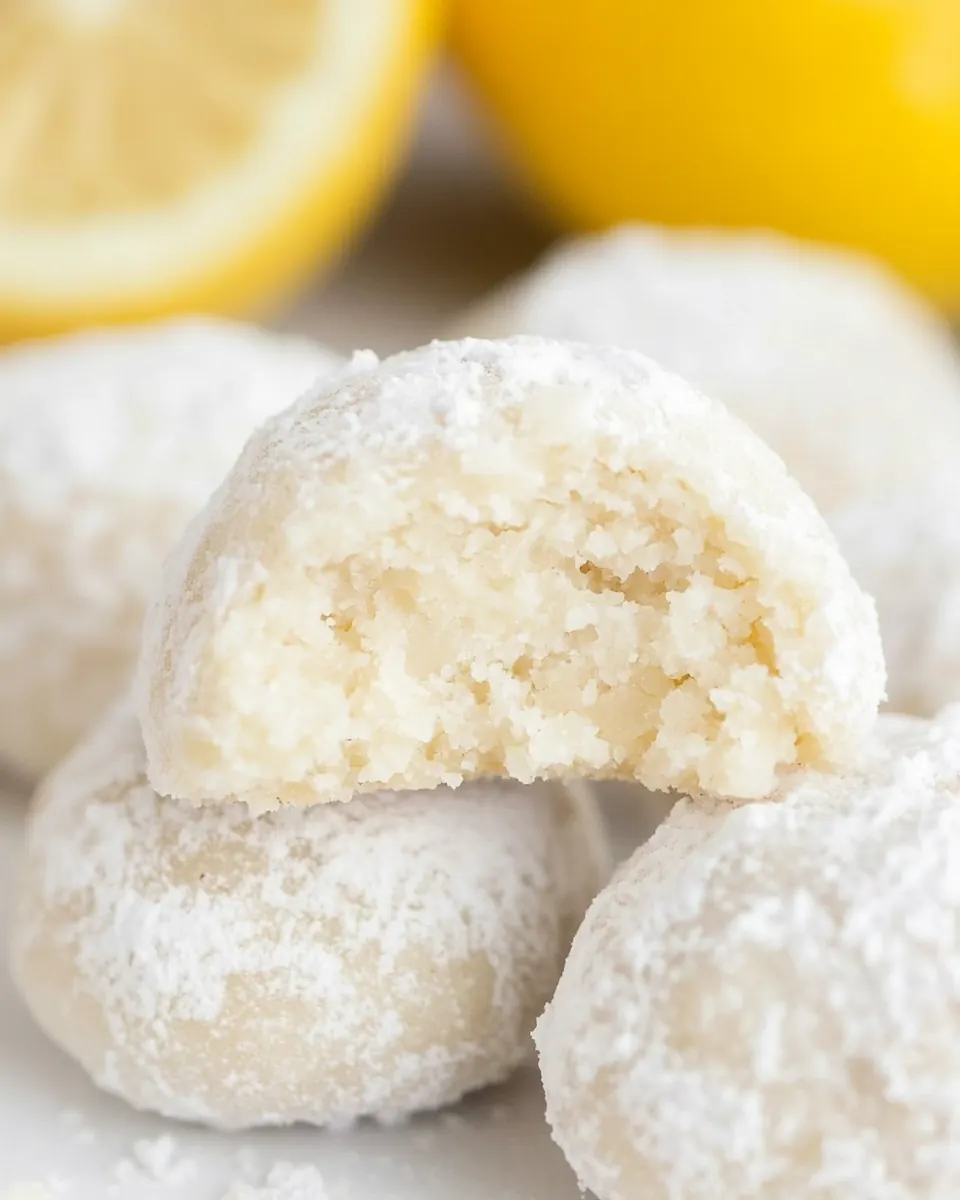
These instructions walk you through each moment, from preheating to the last sugary roll. I like to stay present while baking these, paying attention to visual cues and aroma so the cookies come out with the right tender interior and soft snowy finish.
- Preheat oven to 350°F. Line two cookie sheets with parchment paper or silicone baking mats.: You will notice the kitchen gradually warming and a dry, toasty scent as the oven comes up to temperature, which primes the bake for even heat. Lining the pans prevents sticking and helps cookies maintain their pale color, which is important for these delicate rounds. A common error is skipping the lining and ending up with browned bottoms, so take the minute to prepare the sheets. Also, ensure the oven rack is centered so heat circulates evenly, and if your oven runs hot, consider lowering the temperature slightly by 10 degrees to avoid overbrowning.
- Beat butter, powdered sugar, lemon juice, lemon extract, and salt until smooth, then stir in lemon zest. Add the flour and mix until a stiff dough forms. If you’re using a stand mixer, this will just take a minute or so. If you’re using a hand mixer it will take much longer.: Right away you'll smell the bright citrus lifting from the bowl, and the texture will change from clumpy butter to a creamy, ribbon like mixture as air is incorporated. This aeration contributes to a tender crumb, which is why beating until smooth matters. When the mixture looks cohesive and glossy, fold in the grated lemon zest so that the oils distribute through the batter. A mistake here is to overbeat once the flour is added, which can develop gluten and make cookies tough, so stop as soon as smoothness is achieved.
- Scoop tablespoon sized cookies onto your cookie sheet. These don’t spread so you can crowd them a bit, leaving about 1-2" between cookies. Bake for 8-12 minutes, rotating pans halfway through baking, until the cookies are no longer wet looking. Cool 10 minutes before rolling in powdered sugar.: As you add the flour , the texture moves from creamy to crumbly, then comes together into a dough that holds its shape. The sound will change to a lower pitch, and you may see the dough pulling away from the bowl sides. Work gently to avoid overworking the flour , because that keeps the cookies tender. If the dough feels greasy or too loose, refrigerate briefly to firm it up; conversely if it is dry, a teaspoon of lemon juice can help bind it. Avoid adding extra flour beyond the measured amount, which can make results dense.
- Stir powdered sugar and lemon zest together in a bowl. Roll cookies to coat. If desired, do a second roll once they’re completely cool, so they’re perfectly white.: When you portion the dough, it should hold a round mound that retains its shape. As they bake, you will see the surface set without significant spreading, and the edges will remain pale rather than turning brown. Rotating the pans ensures even coloring, especially if your oven has hot spots. Listen for quiet settling sounds, and trust the visual cue that they look set, not glossy. If you take them out too early they may crumble when rolled, and if you bake them too long they will dry out, so watch closely during the last few minutes.
- Store cookies in an airtight container for up to 3 days or freeze for up to one month.: The warmth of the cookies helps the sugary coating adhere, releasing a faint burst of lemon aroma as you roll. The texture becomes pillowy once coated, and a second roll after cooling yields a cleaner, snow like finish. One oversight is rolling while the cookies are too hot, which can dissolve the sugar into a paste, so allow the initial cool down. Use a shallow bowl for easy rolling, and gently press to ensure even coverage without crushing the cookie.
- Store cookies in an airtight container for up to 3 days or freeze for up to one month.: Proper storage preserves the powdered sugar finish and the tender interior. In an airtight container they retain texture and flavor for a few days, and freezing is a great option if you want to make ahead, placing a sheet between layers to prevent sticking. When thawing, bring them to room temperature before serving so the sugar coating looks fresh. A common mistake is storing them in a humid spot, which can cause the sugar to absorb moisture and become tacky, so keep the container sealed and cool.
How to Switch It Up
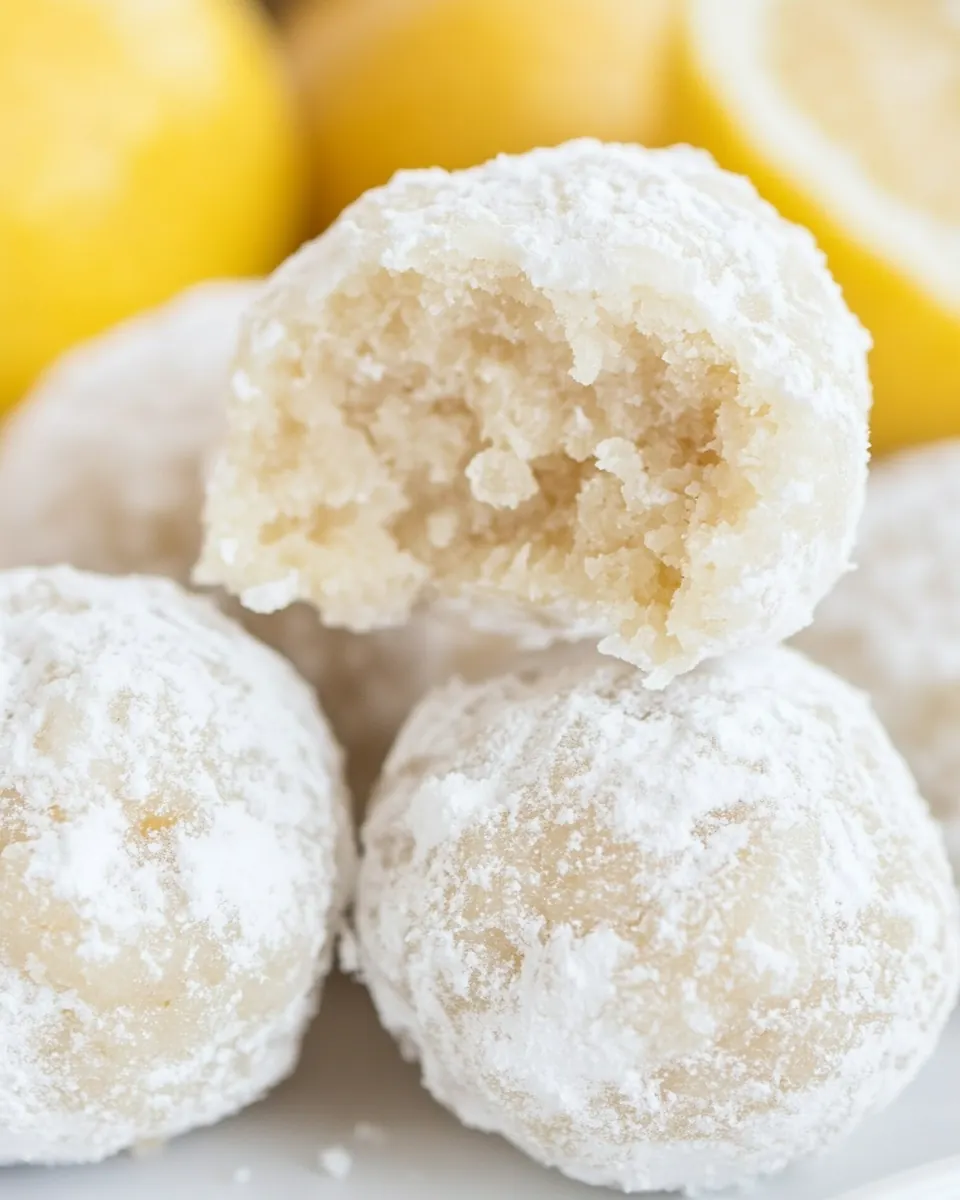
These ideas will help you adapt the core cookie without changing the simple technique. Small swaps or presentation tweaks let you personalize the batch for different occasions, while keeping the familiar tender center and lemony brightness.
- Boost the lemon aroma: Increase the lemon zest by half a teaspoon for a stronger citrus perfume without altering texture.
- Make smaller cookies: Use a teaspoon scoop for bite sized treats, then reduce bake time slightly and watch for the surface to set.
- Double roll for presentation: After the first warm roll, wait until fully cool and roll again to achieve a showroom white exterior.
- Freeze unrolled cookies: Arrange shaped dough on a tray and freeze, then roll in the sugar mix after baking for fresher coating.
- Transport friendly packing: Layer cookies with parchment between rows in an airtight tin to prevent rubbing off the powdered sugar.
- Adjust sweetness: Reduce the finishing powdered sugar slightly if you prefer a more subtle exterior sweetness while keeping the interior balance.
What to Serve Alongside Lemon Snowball Cookies
These cookies are flexible companions for many occasions. Here are ideas for pairings, occasions, and storage that highlight their delicate profile and practical portability.
- Tea service: Pair with a mild black tea or a light herbal infusion so the cup complements rather than competes with the citrus notes.
- Brunch addition: Serve on a pastry board alongside scones and fresh fruit for a bright sweet note during late morning gatherings.
- Holiday cookie tray: Include them on a mixed cookie platter where their white finish adds visual variety among richer, darker cookies.
- Gift tin: Layer cookies with parchment and present them as a hostess gift, they travel well and look elegant packaged.
- Storage tip: Keep in an airtight container at room temperature for up to three days, or freeze for up to one month, separating layers so the powdered sugar stays intact.
- Seasonal pairing: Bright citrus makes them suitable for winter through spring, especially when you want a lighter sweet to balance heavier desserts.
FAQ
Conclusion
What makes these Lemon Snowball Cookies special is the marriage of tender, buttery texture with bright, fresh lemon notes and a delicate snowy finish. They feel elegant without being fussy, and the technique is forgiving enough for bakers of any level. Give them a try when you want a light, citrusy treat that travels well and appeals to many palates. I hope they become one of your reliable go to cookies for gatherings and quiet afternoons alike.
Lemon Snowball Cookies
Equipment
- Oven
- Mixing Bowl
- Stand mixer or hand mixer
- Cookie Sheets
- Parchment paper or silicone baking mats
- Measuring Cups and Spoons
- Spatula
Ingredients
- 1 cup unsalted butter room temperature Soften to room temperature to ensure easy creaming and even incorporation with sugar; provides a rich, tender crumb and carries flavor throughout the dough.
- 1/2 cup powdered sugar Sweeten and lighten the dough while contributing to a delicate, melt-in-your-mouth texture; also assists in creating a smooth coating when dusted on finished cookies.
- 1 teaspoon lemon juice Brighten the dough with a touch of acidity that balances sweetness; helps activate any slight leavening and enhances the lemon flavor profile.
- 1/4 teaspoon lemon extract optional Amplify and concentrate lemon flavor without adding extra liquid; use sparingly to avoid overpowering the balance and to intensify aroma.
- 1/2 teaspoon salt Season and enhance overall flavor while controlling sweetness; also helps strengthen gluten slightly to improve cookie structure.
- 2 teaspoons lemon zest Infuse fresh citrus aroma and bright flavor that defines the cookie; adds little bursts of lemon oil for a lively finish.
- 2 1/4 cups flour Provide structure and bulk to the cookie dough; combine carefully to avoid overworking, which can create toughness.
- 1 -2 cups powdered sugar + 2 teaspoons lemon zest for rolling Create a tangy, snowy coating for finishing; combine the powdered sugar and lemon zest to deliver both sweetness and a lemon-kissed exterior.
Instructions
- Preheat oven to 350°F. Line two cookie sheets with parchment paper or silicone baking mats.: You will notice the kitchen gradually warming and a dry, toasty scent as the oven comes up to temperature, which primes the bake for even heat. Lining the pans prevents sticking and helps cookies maintain their pale color, which is important for these delicate rounds. A common error is skipping the lining and ending up with browned bottoms, so take the minute to prepare the sheets. Also, ensure the oven rack is centered so heat circulates evenly, and if your oven runs hot, consider lowering the temperature slightly by 10 degrees to avoid overbrowning.
- Beat butter, powdered sugar, lemon juice, lemon extract, and salt until smooth, then stir in lemon zest. Add the flour and mix until a stiff dough forms. If you’re using a stand mixer, this will just take a minute or so. If you’re using a hand mixer it will take much longer.: Right away you'll smell the bright citrus lifting from the bowl, and the texture will change from clumpy butter to a creamy, ribbon like mixture as air is incorporated. This aeration contributes to a tender crumb, which is why beating until smooth matters. When the mixture looks cohesive and glossy, fold in the grated lemon zest so that the oils distribute through the batter. A mistake here is to overbeat once the flour is added, which can develop gluten and make cookies tough, so stop as soon as smoothness is achieved.
- Scoop tablespoon sized cookies onto your cookie sheet. These don’t spread so you can crowd them a bit, leaving about 1-2" between cookies. Bake for 8-12 minutes, rotating pans halfway through baking, until the cookies are no longer wet looking. Cool 10 minutes before rolling in powdered sugar.: As you add the flour , the texture moves from creamy to crumbly, then comes together into a dough that holds its shape. The sound will change to a lower pitch, and you may see the dough pulling away from the bowl sides. Work gently to avoid overworking the flour , because that keeps the cookies tender. If the dough feels greasy or too loose, refrigerate briefly to firm it up; conversely if it is dry, a teaspoon of lemon juice can help bind it. Avoid adding extra flour beyond the measured amount, which can make results dense.
- Stir powdered sugar and lemon zest together in a bowl. Roll cookies to coat. If desired, do a second roll once they’re completely cool, so they’re perfectly white.: When you portion the dough, it should hold a round mound that retains its shape. As they bake, you will see the surface set without significant spreading, and the edges will remain pale rather than turning brown. Rotating the pans ensures even coloring, especially if your oven has hot spots. Listen for quiet settling sounds, and trust the visual cue that they look set, not glossy. If you take them out too early they may crumble when rolled, and if you bake them too long they will dry out, so watch closely during the last few minutes.
- Store cookies in an airtight container for up to 3 days or freeze for up to one month.: The warmth of the cookies helps the sugary coating adhere, releasing a faint burst of lemon aroma as you roll. The texture becomes pillowy once coated, and a second roll after cooling yields a cleaner, snow like finish. One oversight is rolling while the cookies are too hot, which can dissolve the sugar into a paste, so allow the initial cool down. Use a shallow bowl for easy rolling, and gently press to ensure even coverage without crushing the cookie.
- Store cookies in an airtight container for up to 3 days or freeze for up to one month.: Proper storage preserves the powdered sugar finish and the tender interior. In an airtight container they retain texture and flavor for a few days, and freezing is a great option if you want to make ahead, placing a sheet between layers to prevent sticking. When thawing, bring them to room temperature before serving so the sugar coating looks fresh. A common mistake is storing them in a humid spot, which can cause the sugar to absorb moisture and become tacky, so keep the container sealed and cool.
Notes
- Boost the lemon aroma: Increase the lemon zest by half a teaspoon for a stronger citrus perfume without altering texture.
- Make smaller cookies: Use a teaspoon scoop for bite sized treats, then reduce bake time slightly and watch for the surface to set.
- Double roll for presentation: After the first warm roll, wait until fully cool and roll again to achieve a showroom white exterior.
- Freeze unrolled cookies: Arrange shaped dough on a tray and freeze, then roll in the sugar mix after baking for fresher coating.
- Transport friendly packing: Layer cookies with parchment between rows in an airtight tin to prevent rubbing off the powdered sugar.
- Adjust sweetness: Reduce the finishing powdered sugar slightly if you prefer a more subtle exterior sweetness while keeping the interior balance.