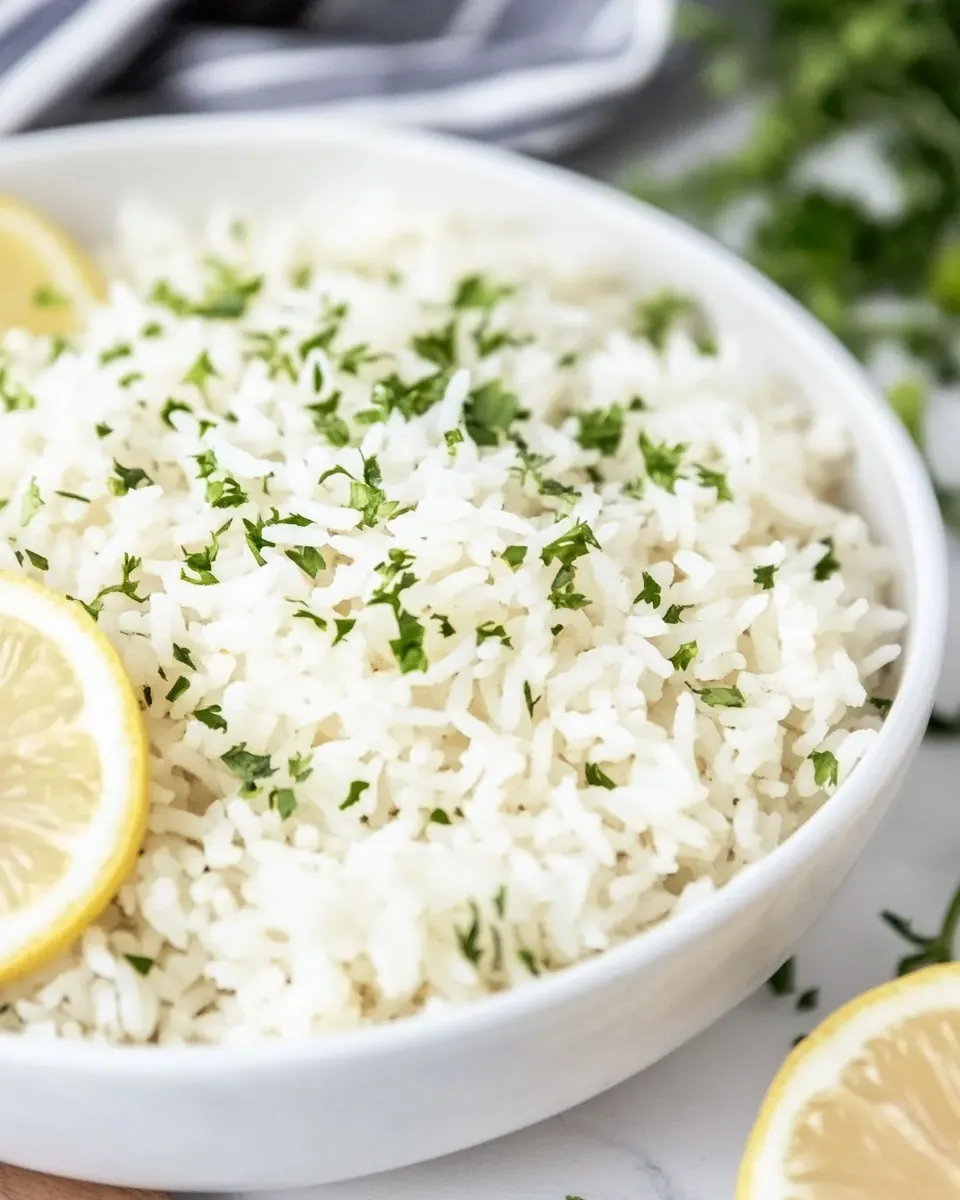
Lemon Rice
Lemon Rice is the kind of dish I turn to when I want something bright, comforting, and surprisingly elegant with very little fuss. The first time I made Lemon Rice I was racing the clock between errands and a late afternoon visit from a friend, and the citrus lift paired with steaming fluffy rice felt like a small celebration in the middle of a busy day. I remember the aroma of warm chicken broth mingling with fresh herbs filling the kitchen, and how that scent made the whole apartment feel instantly welcoming.
I learned early on that simple techniques can transform humble ingredients, and Lemon Rice is a proud example. The balance between tangy lemon juice, silky olive oil, and the herbaceous punch from parsley, basil, cilantro, and dill makes each forkful interesting. I often vary the herb mix depending on what I have on hand, and every variation feels intentional rather than spare. Cooking the rice gently in warm broth creates a plush texture that soaks up flavor without getting gummy.
There is also something satisfying about a recipe that scales naturally. I can double the batch for a small gathering, or make a single serving for a weekday lunch and still have it taste like I cared. When friends come over, I serve Lemon Rice with simple grilled vegetables or a light protein, and they always ask for the recipe. That kind of response is what keeps this dish in my quick rotation, because I want meals that are fast, flavorful, and shareable.
Recipe Snapshot
25 mins
5 mins
20 mins
Easy
250 kcal
American
Gluten-Free, Low FODMAP
Side Dishes
Heavy bottomed pot, Lid, Fork
What’s Great About This Lemon Rice
Bright, fresh flavor that awakens the palate
I love how Lemon Rice brings a burst of citrus to every bite. The lemon juice cuts through the natural starchiness of the rice, making it feel lighter and more vibrant. For me, that brightness is what turns plain grains into a memorable side or light main. It pairs easily with many dishes, and I often reach for it when I want something that refreshes without overpowering.
Speed and simplicity for busy cooks
One reason I keep returning to Lemon Rice is the minimal effort required. With a short simmer and a few simple finishes like olive oil and fresh herbs, you get a layered result without fuss. I appreciate recipes that respect my time, and this one reliably delivers comfort with a small time investment. It’s the sort of recipe I recommend to friends who want a fast, satisfying side for weeknight dinners.
Versatile herb profile
The mix of parsley, basil, cilantro, and dill in Lemon Rice gives you options. I often use just one herb for clarity, or combine two for complexity. The herbs brighten the chicken broth base, adding an aromatic top note that makes the dish sing. This flexibility is why I like to call it a pantry-friendly showstopper, because small tweaks change the character while keeping the core deliciousness intact.
Comforting texture with a polished finish
Cooking the rice in warm broth results in tender, separate grains, not a mushy pot. The finishing stir of olive oil and lemon juice adds silk and lift, creating a pleasing mouthfeel. I enjoy how it feels both homey and refined, which makes it suitable for casual family meals or when I want to impress with minimal effort.
Great for make ahead and scaling
I often prepare Lemon Rice ahead of time because it reheats beautifully. The flavors hold up and sometimes even deepen after resting. Whether I’m preparing for a weekday meal or entertaining a few friends, the recipe scales predictably. That reliability makes it one of my trusted recipes to lean on when planning menus.
Lemon Rice Shopping List
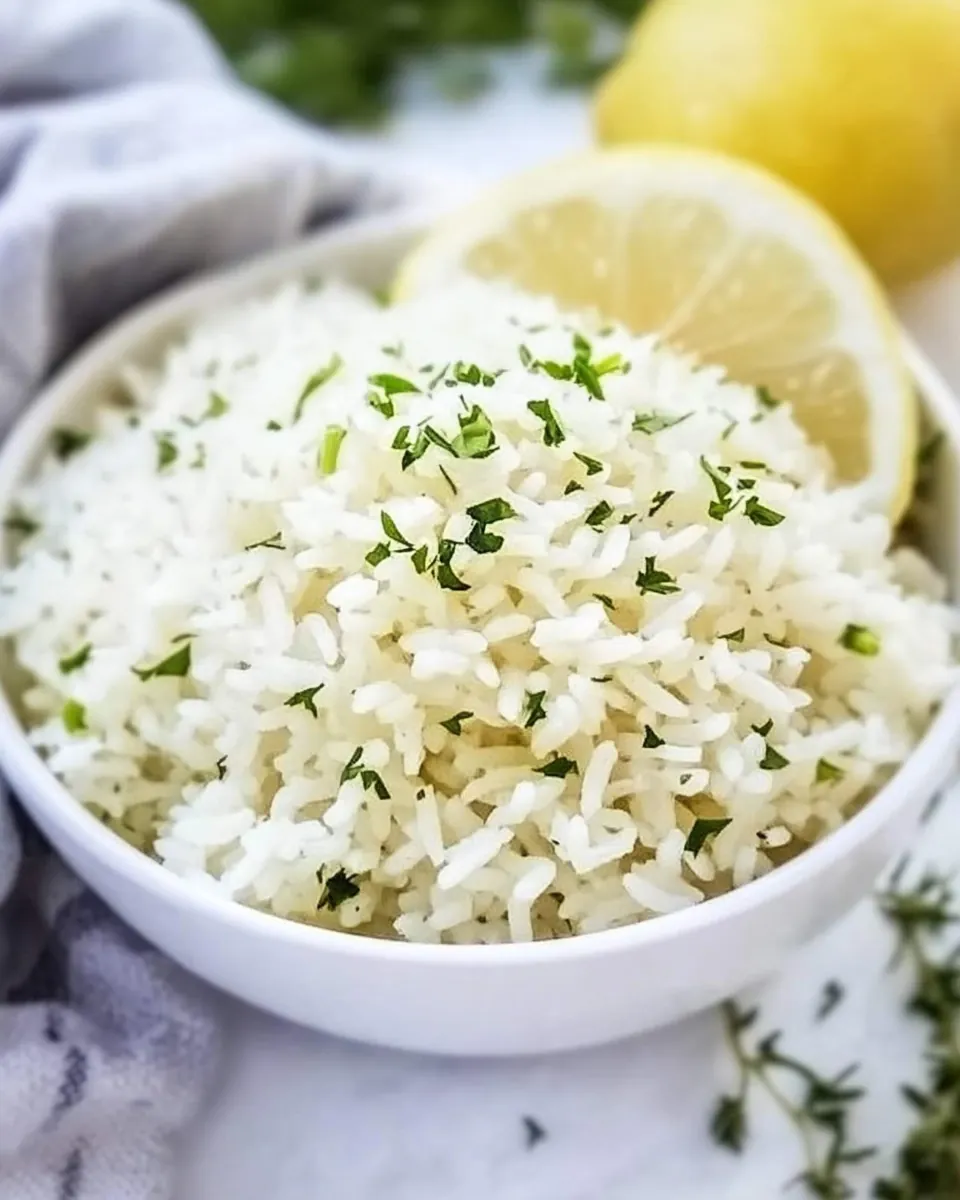
For me, ingredients should work together like a small orchestra, each playing a clear role. The base of this dish is warm, flavorful liquid and good quality rice, while lemon juice and fresh herbs add brightness. Olive oil rounds the finish, and a touch of salt ties everything together. These are simple, everyday players that combine to create something more elegant than the sum of its parts.
- 1 cup long grain white rice: Cook to tender grains acting as the primary starch base for the dish; rinse before cooking to remove excess starch and ensure fluffy, separate rice once finished.
- 1.5 cups chicken broth, see note: Provide savory liquid for cooking and infuse umami depth; choose a low-sodium chicken broth if controlling salt and bring to a simmer before adding rice for even cooking.
- 1 tablespoon olive oil: Add a light fruity fat to lightly saute or coat the rice, preventing sticking and contributing subtle richness; heat gently to bloom flavors without smoking.
- 2 tablespoons fresh lemon juice: Brighten and acidify the cooked rice to lend fresh citrus notes and balance richness; squeeze just before tossing to preserve bright lemon flavor and aroma.
- salt, to taste, I use about 1/2 teaspoon: Season to enhance overall flavor and bring out natural tastes; adjust gradually while tasting since broth may already contain salt.
- 2 tablespoons finely chopped parsley: Freshly chop to introduce herbaceous, slightly peppery green notes and a clean finish; stir in at the end to retain color and vibrancy.
- 2 tablespoons finely chopped basil: Freshly chop to contribute aromatic, sweet-savory notes with a mild peppery undertone; add near the end of cooking to preserve delicate leaf texture.
- 2 tablespoons finely chopped cilantro: Freshly chop to lend bright, citrusy, and slightly peppery undertones that complement lemon; mix in after cooking to keep its fresh flavor intact.
- 2 tablespoons finely chopped dill: Freshly chop to supply delicate anise-like, slightly grassy flavors that enhance herb complexity; fold in at the end to avoid wilting and preserve fragrance.
The Process for Making Lemon Rice
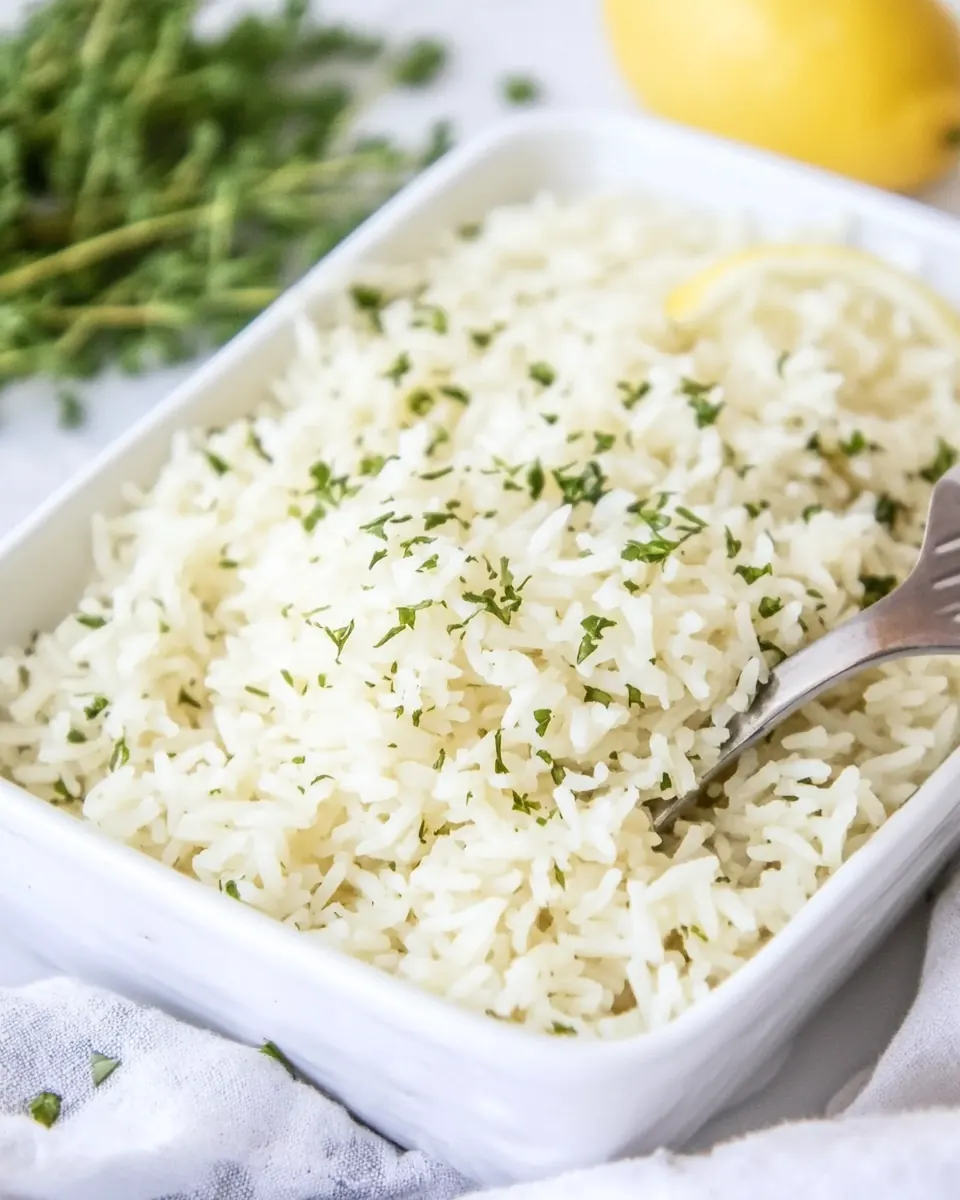
I like to keep the cooking conversation light and focused because the method is straightforward but precise. The steps below expand each instruction into sensory-driven guidance, so you can read the pot and know when the rice is exactly where it should be. I’ll walk you through what you should see, smell, and hear at each point, and I’ll point out common pitfalls to help you avoid them.
- Bring the chicken broth to boil in a heavy bottomed pot.: You will notice the surface moving and small bubbles forming as the chicken broth comes up to a boil, and the aroma will become savory and inviting. A heavy bottomed pot helps distribute heat evenly, preventing hotspots that can scorch the bottom. Once it reaches a rolling boil, the steam will carry more of the broth scent, which is a good cue that the pot is ready. Avoid using too high a flame that causes furious bubbling, because aggressive boil can evaporate liquid unevenly and concentrate saltiness. If the broth splatters, lower the heat and skim any foam, ensuring a clean cooking environment and steady temperature for the rice to absorb liquid properly.
- Once boiling, add the rice, cover, and reduce heat to low. Let simmer for 15-20 minutes or until the rice is tender.: You will hear the rice settling and a softer simmer sound under the lid, like gentle whispering, which signals a delicate steam cooking. After adding the rice , stir briefly to distribute the grains and then cover to trap steam. The simmer should be gentle so the grains absorb liquid gradually, achieving a tender interior and intact shape. Visual cues include the grains swelling and the surface calming as the liquid lowers. Resist the urge to lift the lid frequently, because steam loss will lengthen cooking time and lead to uneven texture. A common mistake is stirring too often during simmering, which can make the rice sticky; let patience do the work here.
- Remove from heat and immediately stir in olive oil and lemon juice. Salt the rice to taste, then last, stir in the freshly chopped parsley. Let sit 5 minutes.: As you remove the pot from heat, you will sense a brighter, sharper citrus aroma when the lemon juice hits the warm grains, and the olive oil lends a gentle gloss and silk. This immediate stir helps the liquids disperse evenly into the pockets of absorbed broth, ensuring each grain carries flavor. The temperature at this moment prevents the citrus from cooking off, preserving its lively character. If you wait too long to add these finishes, the lemon note will be less pronounced, so timing matters. Also, add the oil slowly so it emulsifies with the hot rice rather than pooling on the surface.
- Let sit 5 minutes.: After finishing with olive oil and lemon juice , slowly incorporate salt in small increments, tasting as you go, because the broth already imparts sodium and you do not want to over-season. When you fold in the finely chopped parsley , you will see flecks of green brighten the pale grains, and the aroma will gain a fresh herb layer. Letting the rice rest for five minutes off heat allows flavors to meld and the texture to set, giving you moist, separate grains. A common misstep is skipping the rest, which can leave rice feeling gummy or under-integrated in flavor.
- Serve warm. Enjoy!: During this short rest period, steam trapped inside the pot continues to redistribute moisture, rounding out the texture and allowing the citrus and herb notes to integrate. You may notice a softened, cohesive aroma as the components marry. Resist uncovering the pot immediately, because releasing steam short-circuits the settling process. If you uncover too soon, the top layer can dry out; instead, maintain the covered rest and then gently fluff when ready to serve.
- Serve warm. Enjoy!: Serving while the rice is warm brings out the full bouquet of lemon juice and fresh herbs, and you will appreciate the glossy finish from the olive oil . As you plate, fluff with a fork to separate the grains and ensure even distribution of herbs and seasoning. The sound of a fork combing through fluffy rice is subtle but satisfying, and the visual of individual grains with green flecks is inviting. A typical error is holding the rice too long before serving, which lets it cool and clump; serve promptly for best texture and flavor.
Tips and Variations
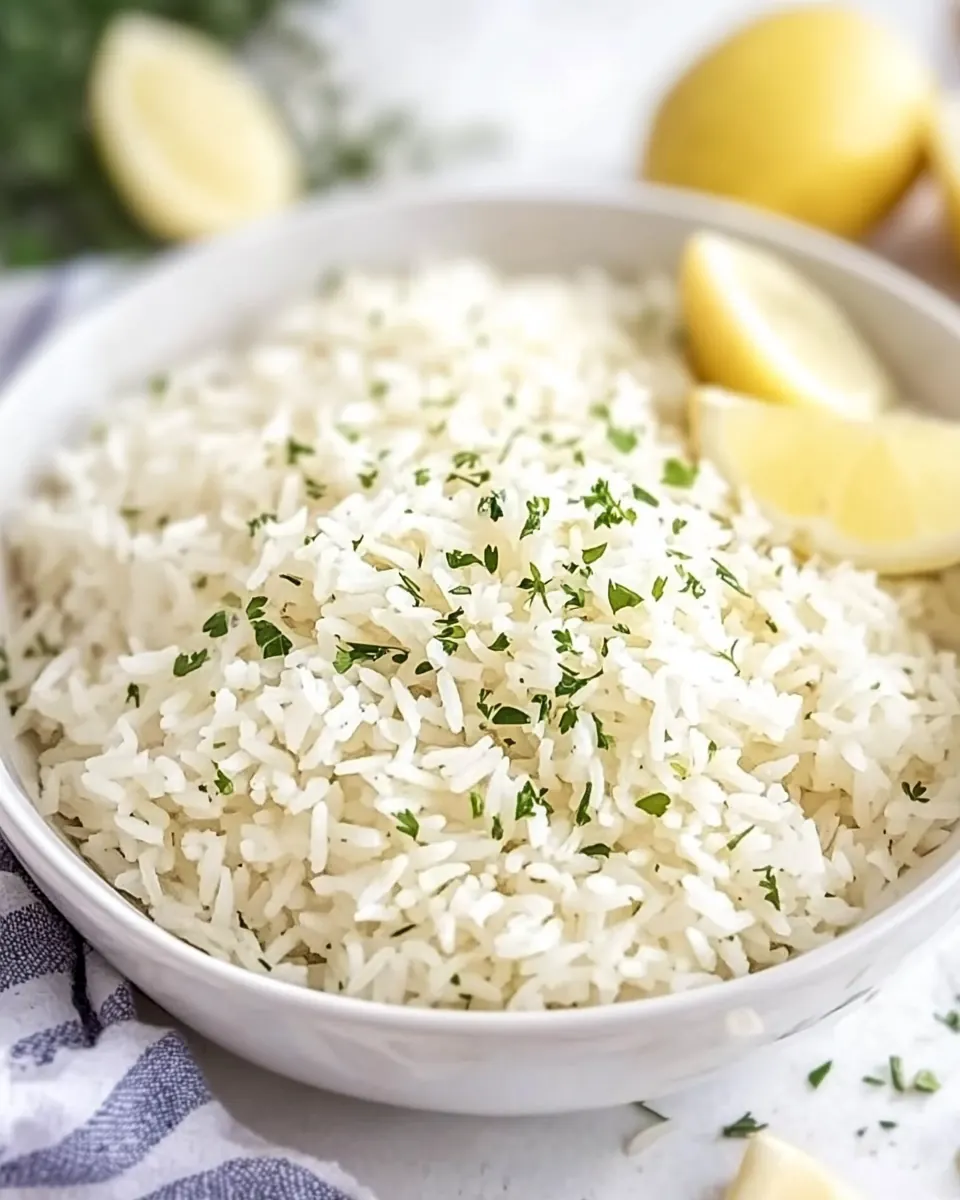
I like to think of tips as small experiments that help you make Lemon Rice your own. Below are trusted ideas and variations I use depending on time, mood, and what herbs I have available. Each tip highlights a practical starting phrase so you can scan fast and choose what suits your meal.
- Prefer one herb: If you want simplicity, pick one herb such as parsley and use the full two tablespoons to keep the flavor focused and bright.
- Combine herbs for complexity: Blend two herbs like basil and cilantro for a layered profile that enhances both sweetness and citrus notes.
- Control sodium: Use low sodium chicken broth and add salt gradually at the end to prevent over-salting and to better balance the lemon finish.
- Make it vegan-friendly: Substitute vegetable broth for chicken broth to keep the same savory base while accommodating plant based diets.
- Warm the broth first: Heating the liquid before adding to rice maintains steady cooking and shortens the overall time to tender grains.
- Use good quality olive oil: A fruity extra virgin olive oil elevates the finish, but use it sparingly so it complements rather than overwhelms the lemon and herbs.
Accompaniments for Lemon Rice
Lemon Rice is flexible and pairs well across many occasions. Whether you are serving a casual family dinner, a light lunch, or a festive spread, this rice adapts. Below are serving ideas, storage notes, and occasion suggestions to help you present it confidently.
- Simple weeknight pairing: Serve warm Lemon Rice alongside roasted or steamed vegetables for an easy, balanced dinner. The citrus and herbs add brightness that complements a wide variety of veggie textures and flavors.
- Light lunch option: Plate Lemon Rice with a side salad and a wedge of lemon for a refreshing midday meal. The rice reheats well in a microwave or gently on the stovetop with a splash of water to revive moisture.
- Occasion friendly: For small gatherings or holiday meals in spring, present Lemon Rice in a warmed serving bowl topped with a few extra chopped herbs. It looks fresh and festive on a buffet or family style table.
- Storage tips: Cool the rice quickly after serving and store in an airtight container in the refrigerator for up to three days. To reheat, sprinkle a little water over the rice and warm gently to restore softness without drying out.
- Seasonal pairings: In spring, pair Lemon Rice with young greens and tender spring vegetables. The bright citrus presence harmonizes with light, green flavors and fresh herbs.
FAQ
Conclusion
Lemon Rice stands out for its bright citrus character, tender, separate grains, and the fresh herb lift that makes a simple plate feel special. Give it a try when you want a fast, flavorful side that complements many meals, from light spring dinners to casual weeknight spreads. It is forgiving, scales easily, and rewards small attentions such as warming the broth and adding herbs at the end. I hope you enjoy making it as much as I do, and that it becomes one of those reliable recipes you return to again and again.
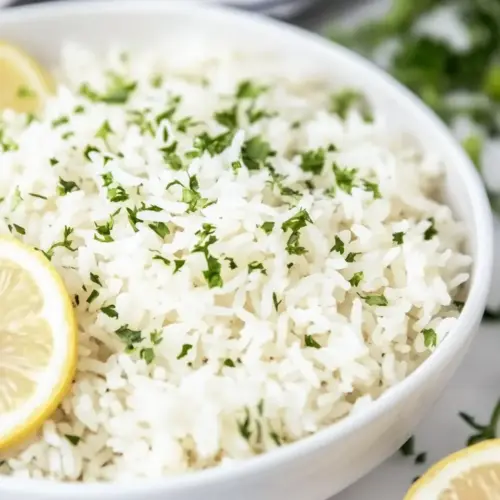
Lemon Rice
Equipment
- Heavy-bottomed pot
- Lid
- Fork
Ingredients
- 1 cup long grain white rice Cook to tender grains acting as the primary starch base for the dish; rinse before cooking to remove excess starch and ensure fluffy, separate rice once finished.
- 1.5 cups chicken broth, see note Provide savory liquid for cooking and infuse umami depth; choose a low-sodium chicken broth if controlling salt and bring to a simmer before adding rice for even cooking.
- 1 tablespoon olive oil Add a light fruity fat to lightly saute or coat the rice, preventing sticking and contributing subtle richness; heat gently to bloom flavors without smoking.
- 2 tablespoons fresh lemon juice Brighten and acidify the cooked rice to lend fresh citrus notes and balance richness; squeeze just before tossing to preserve bright lemon flavor and aroma.
- salt, to taste, I use about 1/2 teaspoon Season to enhance overall flavor and bring out natural tastes; adjust gradually while tasting since broth may already contain salt.
- 2 tablespoons finely chopped parsley Freshly chop to introduce herbaceous, slightly peppery green notes and a clean finish; stir in at the end to retain color and vibrancy.
- 2 tablespoons finely chopped basil Freshly chop to contribute aromatic, sweet-savory notes with a mild peppery undertone; add near the end of cooking to preserve delicate leaf texture.
- 2 tablespoons finely chopped cilantro Freshly chop to lend bright, citrusy, and slightly peppery undertones that complement lemon; mix in after cooking to keep its fresh flavor intact.
- 2 tablespoons finely chopped dill Freshly chop to supply delicate anise-like, slightly grassy flavors that enhance herb complexity; fold in at the end to avoid wilting and preserve fragrance.
Instructions
- Bring the chicken broth to boil in a heavy bottomed pot.: You will notice the surface moving and small bubbles forming as the chicken broth comes up to a boil, and the aroma will become savory and inviting. A heavy bottomed pot helps distribute heat evenly, preventing hotspots that can scorch the bottom. Once it reaches a rolling boil, the steam will carry more of the broth scent, which is a good cue that the pot is ready. Avoid using too high a flame that causes furious bubbling, because aggressive boil can evaporate liquid unevenly and concentrate saltiness. If the broth splatters, lower the heat and skim any foam, ensuring a clean cooking environment and steady temperature for the rice to absorb liquid properly.
- Once boiling, add the rice, cover, and reduce heat to low. Let simmer for 15-20 minutes or until the rice is tender.: You will hear the rice settling and a softer simmer sound under the lid, like gentle whispering, which signals a delicate steam cooking. After adding the rice , stir briefly to distribute the grains and then cover to trap steam. The simmer should be gentle so the grains absorb liquid gradually, achieving a tender interior and intact shape. Visual cues include the grains swelling and the surface calming as the liquid lowers. Resist the urge to lift the lid frequently, because steam loss will lengthen cooking time and lead to uneven texture. A common mistake is stirring too often during simmering, which can make the rice sticky; let patience do the work here.
- Remove from heat and immediately stir in olive oil and lemon juice. Salt the rice to taste, then last, stir in the freshly chopped parsley. Let sit 5 minutes.: As you remove the pot from heat, you will sense a brighter, sharper citrus aroma when the lemon juice hits the warm grains, and the olive oil lends a gentle gloss and silk. This immediate stir helps the liquids disperse evenly into the pockets of absorbed broth, ensuring each grain carries flavor. The temperature at this moment prevents the citrus from cooking off, preserving its lively character. If you wait too long to add these finishes, the lemon note will be less pronounced, so timing matters. Also, add the oil slowly so it emulsifies with the hot rice rather than pooling on the surface.
- Let sit 5 minutes.: After finishing with olive oil and lemon juice , slowly incorporate salt in small increments, tasting as you go, because the broth already imparts sodium and you do not want to over-season. When you fold in the finely chopped parsley , you will see flecks of green brighten the pale grains, and the aroma will gain a fresh herb layer. Letting the rice rest for five minutes off heat allows flavors to meld and the texture to set, giving you moist, separate grains. A common misstep is skipping the rest, which can leave rice feeling gummy or under-integrated in flavor.
- Serve warm. Enjoy!: During this short rest period, steam trapped inside the pot continues to redistribute moisture, rounding out the texture and allowing the citrus and herb notes to integrate. You may notice a softened, cohesive aroma as the components marry. Resist uncovering the pot immediately, because releasing steam short-circuits the settling process. If you uncover too soon, the top layer can dry out; instead, maintain the covered rest and then gently fluff when ready to serve.
- Serve warm. Enjoy!: Serving while the rice is warm brings out the full bouquet of lemon juice and fresh herbs, and you will appreciate the glossy finish from the olive oil . As you plate, fluff with a fork to separate the grains and ensure even distribution of herbs and seasoning. The sound of a fork combing through fluffy rice is subtle but satisfying, and the visual of individual grains with green flecks is inviting. A typical error is holding the rice too long before serving, which lets it cool and clump; serve promptly for best texture and flavor.
Notes
- Prefer one herb: If you want simplicity, pick one herb such as parsley and use the full two tablespoons to keep the flavor focused and bright.
- Combine herbs for complexity: Blend two herbs like basil and cilantro for a layered profile that enhances both sweetness and citrus notes.
- Control sodium: Use low sodium chicken broth and add salt gradually at the end to prevent over-salting and to better balance the lemon finish.
- Make it vegan-friendly: Substitute vegetable broth for chicken broth to keep the same savory base while accommodating plant based diets.
- Warm the broth first: Heating the liquid before adding to rice maintains steady cooking and shortens the overall time to tender grains.
- Use good quality olive oil: A fruity extra virgin olive oil elevates the finish, but use it sparingly so it complements rather than overwhelms the lemon and herbs.