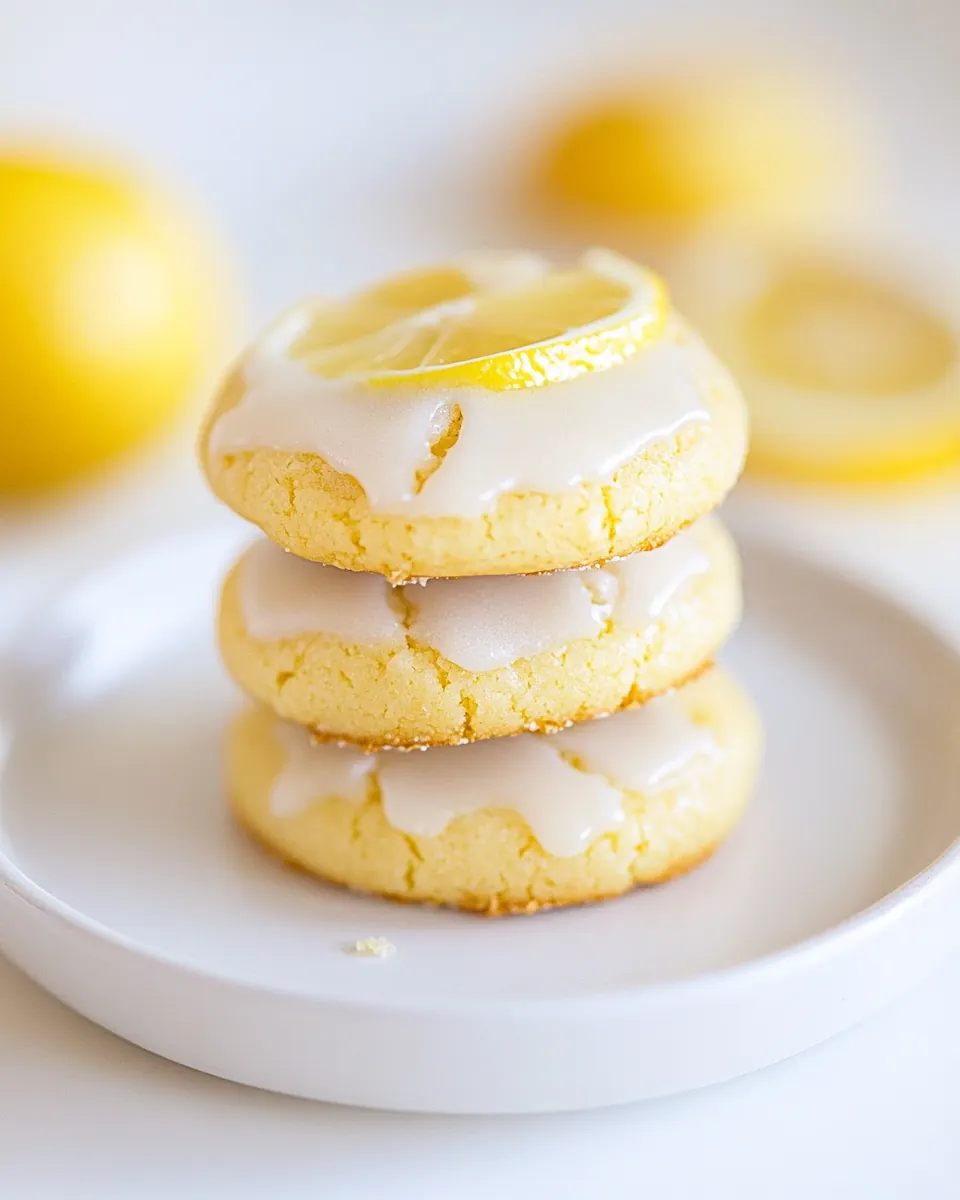
Lemon Cookies
Lemon Cookies are the kind of treat I reach for when I want something bright, tender, and a little nostalgic. The first time I made these, a friend had gifted me a jar of lemons from her backyard, and I turned them into a batch that vanished before the coffee cooled. I remember the kitchen filling with citrus perfume while the dough came together, and how each bite felt like sunshine wrapped in sugar.
Over the years I have tweaked this recipe until it feels effortless, the kind you can pull out for a casual afternoon visit or a small celebration. I love that these Lemon Cookies balance a soft crumb with a silky glaze, and that the lemon zest gives a bright pop without being overpowering. When guests ask for the recipe, I tell them the trick is gentle mixing and really using fresh lemon zest and juice.
One of my favorite memories with these cookies is baking them with my niece, who insisted on measuring everything herself. She watched the butter and sugar cream into fluffy clouds and later helped spoon the glaze over each cookie, delighted by the way the powdered sugar melted into the tart lemon juice. Those small hands and big laughs turned a simple baking session into something I want to recreate again and again. Whether you bake them for a potluck or an ordinary Tuesday, these Lemon Cookies are a gentle reminder that small rituals can feel like celebrations.
Recipe Snapshot
27 mins
15 mins
12 mins
Medium
150 kcal
American
Gluten-Free, Low FODMAP
Desserts
Electric mixer, Mixing bowls, Measuring cups, Parchment paper, Wire rack, Baking sheet, Spatula
Why This Lemon Cookies Hits Different
Bright but balanced flavor
I adore how Lemon Cookies deliver immediate citrus brightness without being cloying. The combination of fresh lemon zest in the dough and a tangy powdered sugar glaze creates layered flavor, so each bite starts lively and finishes smooth. I often find myself stopping between batches to taste just one more.
Simple pantry ingredient profile
One big win is that these cookies rely on straightforward ingredients like all purpose flour, unsalted butter, and granulated sugar. That means I can make them on short notice. I appreciate recipes that don’t require specialty items, because they are more likely to become household staples.
Perfect texture balance
The texture is what keeps me coming back. The dough traps just enough air during creaming so the cookies become tender, not cakey, and the edges take on a faint golden color for slight chew. I love sharing them because they remain soft even a day later when stored correctly, which I always mention to friends.
Easy to scale and adapt
I often double the batch for gatherings, and the recipe scales up cleanly. It also adapts if you want stronger lemon punch by adding a touch more zest or thinning the glaze for a glossy finish. I enjoy having a base cookie I can tweak based on mood, crowd, or season.
Great for baking moments with others
Finally, these cookies are perfect for teaching someone to bake. The steps are clear, and there are plenty of sensory cues to guide a novice, from the look of creamed butter and sugar to the scent of baked lemon. I love handing the whisk to a friend and watching their face light up when the aroma fills the kitchen.
What to Gather for Lemon Cookies

These ingredients play specific roles, working together to make a cookie that is tender, bright, and lightly sweet. The dry elements build structure, the butter brings richness and moisture, and the lemon components supply the signature citrus lift. I think of the flour and baking powder as the backbone, while the sugar and glaze shape the final sweetness and mouthfeel.
- 2 1/4 cups all-purpose flour: Provides structure and bulk to the cookie dough, creating the crumb and determining texture; sift or whisk to ensure even distribution and prevent lumps. Balances moisture absorption from fats and liquids, so measuring by weight yields the most consistent results for uniform cookies. Works with leavening to set the final shape during baking and supports incorporation of flavoring components.
- 3/4 teaspoon baking powder: Leavens the dough subtly to give a slight lift and tender crumb without creating large air pockets; whisk into dry ingredients for even distribution. Reacts with acidic elements to produce carbon dioxide, contributing to lightness while maintaining cookie density. Use the stated amount to avoid over-rising or a cakey texture.
- 1/4 teaspoons salt: Enhances overall flavor and balances sweetness while strengthening gluten slightly; dissolve into dry ingredients for even seasoning. Controls fermentation of any leavening reactions and highlights citrus notes, improving the cookie's savory-sweet profile. Keep quantity precise to prevent a salty aftertaste that would overpower delicate lemon flavors.
- 1 cup unsalted butter softened: Adds richness, moisture, and mouthfeel to the dough while aiding in spread during baking; soften to room temperature for easier creaming with sugar. Contributes to tenderness and helps trap air when creamed with sugar, promoting a light yet buttery texture. Use unsalted to control sodium level precisely and ensure the intended balance of flavors.
- 3/4 cup granulated sugar: Sweetens the cookies and assists in creaming with butter to incorporate air for lighter texture; cream thoroughly for better volume and even distribution. Influences spread and browning through caramelization during baking, enhancing color and flavor depth. Adjusting granulation affects texture, but use the specified amount for intended sweetness.
- 2 tablespoons lemon zest: Concentrates bright citrus oil for intense lemon aroma and flavor without adding extra liquid; finely grate just the yellow peel avoiding bitter pith. Elevates freshness and complexity, pairing with lemon juice to amplify tartness while contributing fragrant top notes. Zest distribution throughout the dough ensures consistent lemon presence in every bite.
- 1 large egg: Binds the ingredients together and contributes moisture, richness, and a bit of structure from the proteins; beat lightly before adding for uniform incorporation. Adds emulsifying properties that help fat and liquid combine, improving dough cohesion and final texture. Use the specified size to maintain consistent moisture and binding.
- 1 1/3 cups powdered sugar: Forms a smooth, sweet coating or glaze when combined with lemon juice, adding additional sweetness and a soft exterior sheen; sift to remove lumps for a silky finish. Creates a delicate contrast in texture and intensifies sweetness without graininess, allowing for drizzling or spreading depending on consistency. Can be adjusted slightly in quantity to reach desired thickness while keeping sweetness balanced.
- 2 3 tablespoons fresh lemon juice: Provides acidic brightness and thinning power to the glaze, sharpening lemon flavor and balancing powdered sugar sweetness; add gradually to reach desired consistency. Reacts with baking components if present and complements lemon zest for a pronounced citrus profile, enhancing overall freshness. Use fresh juice for the best aromatic and flavor impact in the glaze.
Cooking Instructions for Lemon Cookies
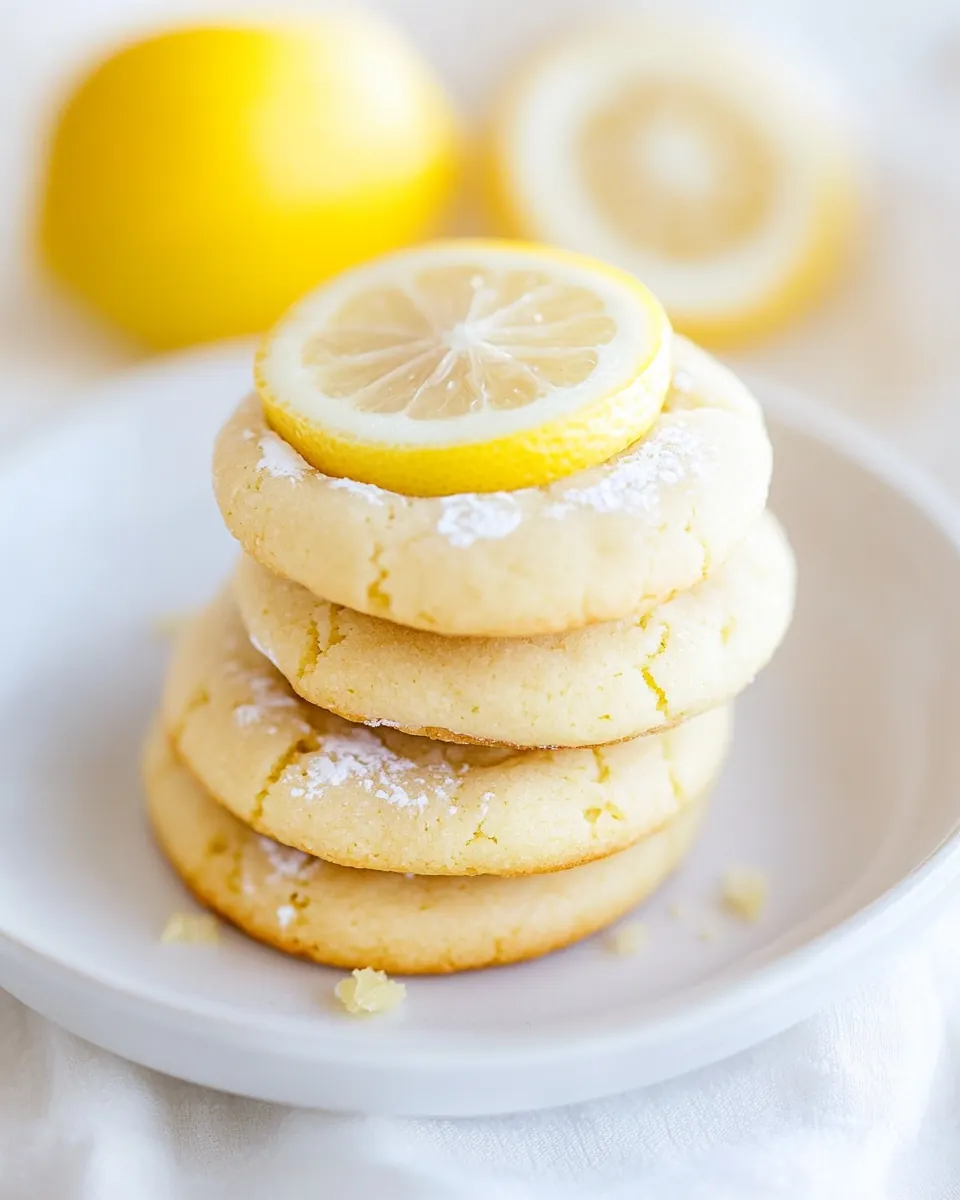
I like to move deliberately through these steps, focusing on texture and sensory cues. Take your time during creaming so the dough traps air, and watch the oven carefully because these cookies shift from perfect to overbaked quickly. Keep a cooling rack handy and plan a little extra time for the glaze to set.
- Preheat the oven to 350°F.: The warm, oven air should feel steady and even when you open the door, and you will notice a gentle heat radiating into the kitchen, which primes the baking sheets. Preheating ensures the cookies begin baking immediately and get that delicate rise before spreading, resulting in tender centers with slightly crisp edges. A common mistake is placing unbaked dough into an oven that is not fully preheated, which can cause uneven texture and excessive spreading. If your oven runs hot or cool, use an oven thermometer to confirm the true temperature and rotate the sheets halfway through baking for even color and doneness.
- In a small bowl, whisk together flour, baking powder, and salt. Set aside.: When you whisk these dry ingredients , you will see the lighter color of the flour and the tiny specs of baking powder blend uniformly, which helps prevent pockets of leavening. Sifting or whisking aerates the mixture slightly, making for a softer crumb. Mixing them first also speeds up the next steps since the dry mix is ready to be folded in. Avoid overmixing after adding the wet ingredients, as that can develop too much gluten, resulting in tougher cookies.
- In a large bowl, use an electric mixer to beat together the butter, sugar, and lemon zest until light and fluffy, about 3 minutes.: As you beat, the butter will transform from pale and dense to airy and whipped, and the granulated sugar will begin to dissolve, while the bright aroma of lemon zest will fill the bowl. This creaming step is crucial because the air incorporated here creates lift and tenderness in the final cookie. If you under-cream, the cookies may be compact; if you over-cream, they might spread too much. Scrape the bowl occasionally to ensure even texture and check that the mixture looks visibly lighter and smoother before continuing.
- Beat in the egg until well combined.: Once added, the egg will create a glossy, cohesive batter, and you may notice a faint change in color and sheen. The egg helps bind and add structure, so mix until the texture is uniform but stop as soon as no streaks remain. Overbeating can introduce excess air and alter the crumb, while under-mixing can leave pockets of unmixed egg , so aim for a smooth, slightly glossy mixture.
- Gradually add the dry ingredients to the wet mixture, mixing until just incorporated.: As you fold in the dry mix, you will see the dough come together into a soft, slightly stiffer mass. This gradual addition prevents lumps and ensures an even distribution of leavening and salt. The reason we stop at just incorporated is to avoid developing gluten, which keeps the cookies tender. A common pitfall is mixing too long, which yields dense cookies, so use a gentle folding motion and pause when no visible streaks of flour remain.
- Drop 1 1/2 tablespoon-sized balls of dough onto baking sheets lined with parchment paper, spacing them 2 inches apart.: When portioning, the dough will be slightly sticky but should hold its shape in a rounded mound; you may press the top gently for an even bake. Spacing matters to allow room for slight spread, and the parchment helps prevent sticking and promotes even browning. Be careful not to overcrowd the sheet, which leads to merged cookies with uneven edges. If your dough is too soft to portion, chill for a short time until scoopable.
- Bake for 12-14 minutes or until cookies are just set and slightly golden at the edges.: During baking, expect the aroma of butter and lemon to fill your kitchen and for the cookie tops to look matte and set while the edges take on a faint golden hue. The centers may appear slightly underbaked, which is ideal because they will continue to firm on the hot sheet. Avoid the temptation to bake until deeply brown, which dries them out. Overbaked cookies will be crisp rather than tender, so check at the earlier time and add small increments if needed.
- Allow cookies to cool on the baking sheet for 5 minutes before transferring to a wire rack to cool completely.: Those first minutes on the sheet let the cookies finish setting and become firm enough to move without breaking, and you may notice a gentle settling sound as steam escapes. Transferring too soon risks deformation, while leaving them too long can create extra moisture under the cookies. Use a thin spatula to lift them carefully, and arrange them on a wire rack so air circulates underneath, preventing sogginess.
- Mix powdered sugar and lemon juice to form a thick but pourable glaze. Start with less lemon juice and gradually add more to reach the right consistency. Spoon over each cookie and let set for at least 30 minutes.: As you stir the powdered sugar with fresh lemon juice, the glaze will shift from chalky to glossy, releasing a clean citrus perfume. The goal is a glaze that holds shape but still spreads slightly when spooned, giving a shiny coat that sets to a delicate crust. If the glaze is too thin, it will run off the cookie; if too thick, it will clump. Work gently and let the cookies rest undisturbed so the glaze firms up to a pleasant snap to the touch.
Variations to Try
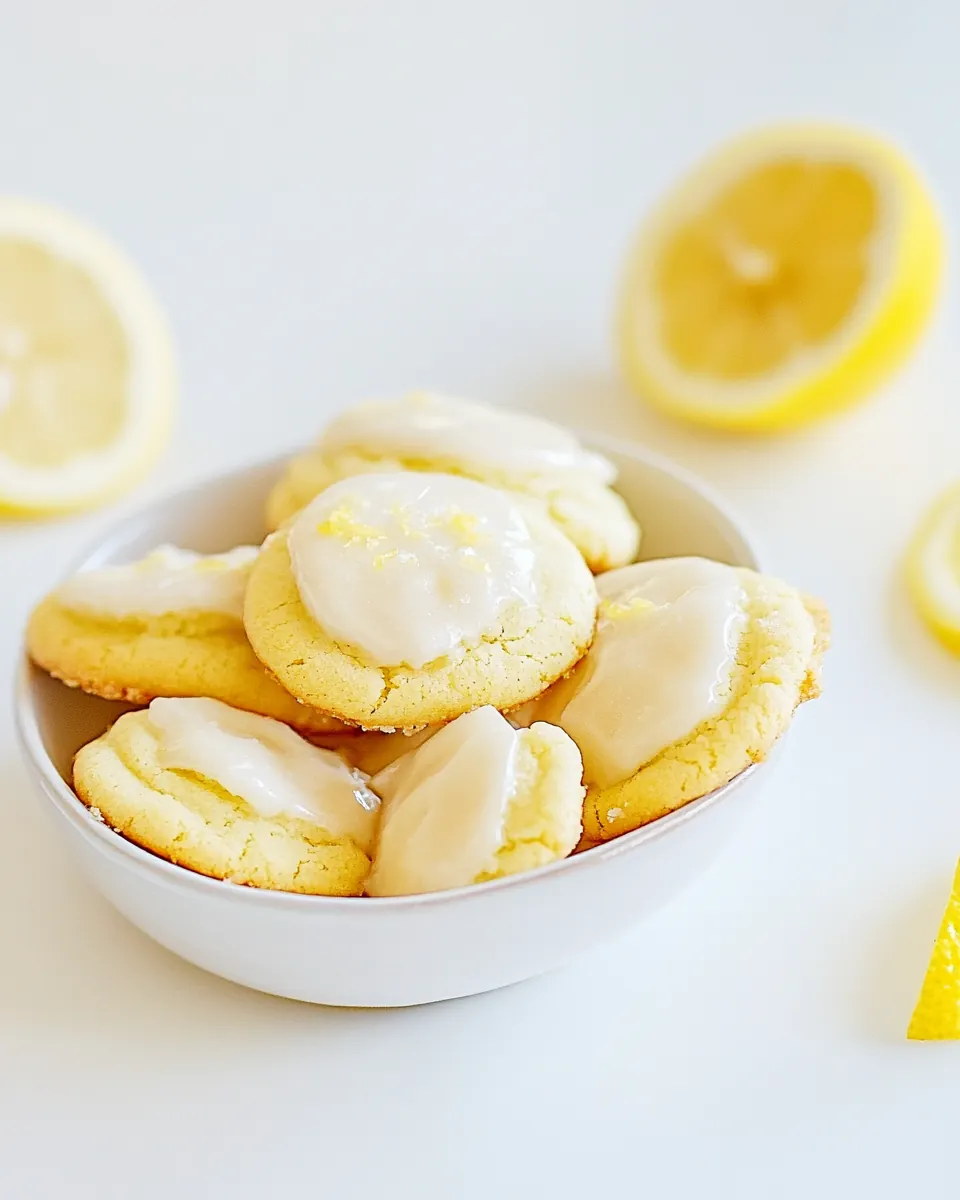
If you love experimenting, these variations let you play with texture and intensity while keeping the core cookie intact. Below are ideas I have tried or enjoyed from friends, expanded into practical changes you can make.
- Stronger Lemon Zest — Increase the amount of fresh lemon zest by up to one additional tablespoon for a more aromatic cookie, taking care not to include the bitter pith.
- Thinner Glaze — Use a bit more fresh lemon juice to thin the powdered sugar glaze for a shinier, thinner coating that will set faster but be less opaque.
- Glaze with a Twist — Stir a tiny pinch of finely grated lemon zest into the glaze for flecks of citrus and added texture, making each bite visually appealing.
- Smaller Bites — Scoop teaspoon-sized portions and reduce bake time by a few minutes for delicate, tea party style cookies that are crisp at the edges and tender inside.
- Make Ahead Dough — Prepare the dough and chill it overnight, which deepens flavor and makes portioning easier in the morning for fresher tasting cookies.
What to Serve With Lemon Cookies
These cookies pair beautifully with light beverages and are versatile enough for many occasions. Below I map out serving suggestions, storage ideas, and suitable pairings for seasonal gatherings or leisurely afternoons. Use the list as a guide to create thoughtful pairings.
- Serve with hot tea — A cup of mild black or herbal tea complements the tangy glaze and offers a soothing contrast to the bright lemon notes, perfect for afternoon visits.
- Offer with coffee — A milky coffee provides a creamy backdrop that balances the cookie’s citrus, making it a lovely option for brunch or a casual coffee break.
- Pack for picnics — These cookies travel well when placed in a single layer with parchment between layers; they are easy to share outdoors on a sunny day.
- Occasion pairing — They work well for baby showers, bridal showers, or light dessert spreads; the bright flavor feels celebratory without being heavy, suitable for daytime events.
- Storage tips — Store cooled, glazed cookies in an airtight container at room temperature for up to three days; to keep glaze intact, layer with parchment. For longer storage, freeze unglazed dough balls and bake from frozen, adding a couple of minutes to bake time.
- Seasonal notes — While these shine in spring and summer due to their citrus qualities, they are also refreshing at holiday gatherings when you want a lighter option among richer desserts.
FAQ
Conclusion
These Lemon Cookies stand out for their balance of bright citrus flavor and tender, buttery texture. They are easy to make with pantry staples, yet special enough for small celebrations or everyday treats, and the glaze elevates each bite. Give them a try this week, and enjoy how a few fresh lemons can turn a simple cookie into a memorable moment. Share them with friends, store them carefully, and savor the little lift of sunshine they bring to your day.

Lemon Cookies
Equipment
- Electric Mixer
- Mixing Bowls
- Measuring Cups
- Parchment Paper
- Wire Rack
- Baking Sheet
- Spatula
Ingredients
- 2 1/4 cups all-purpose flour Provides structure and bulk to the cookie dough, creating the crumb and determining texture; sift or whisk to ensure even distribution and prevent lumps. Balances moisture absorption from fats and liquids, so measuring by weight yields the most consistent results for uniform cookies. Works with leavening to set the final shape during baking and supports incorporation of flavoring components.
- 3/4 teaspoon baking powder Leavens the dough subtly to give a slight lift and tender crumb without creating large air pockets; whisk into dry ingredients for even distribution. Reacts with acidic elements to produce carbon dioxide, contributing to lightness while maintaining cookie density. Use the stated amount to avoid over-rising or a cakey texture.
- 1/4 teaspoons salt Enhances overall flavor and balances sweetness while strengthening gluten slightly; dissolve into dry ingredients for even seasoning. Controls fermentation of any leavening reactions and highlights citrus notes, improving the cookie's savory-sweet profile. Keep quantity precise to prevent a salty aftertaste that would overpower delicate lemon flavors.
- 1 cup unsalted butter softened Adds richness, moisture, and mouthfeel to the dough while aiding in spread during baking; soften to room temperature for easier creaming with sugar. Contributes to tenderness and helps trap air when creamed with sugar, promoting a light yet buttery texture. Use unsalted to control sodium level precisely and ensure the intended balance of flavors.
- 3/4 cup granulated sugar Sweetens the cookies and assists in creaming with butter to incorporate air for lighter texture; cream thoroughly for better volume and even distribution. Influences spread and browning through caramelization during baking, enhancing color and flavor depth. Adjusting granulation affects texture, but use the specified amount for intended sweetness.
- 2 tablespoons lemon zest Concentrates bright citrus oil for intense lemon aroma and flavor without adding extra liquid; finely grate just the yellow peel avoiding bitter pith. Elevates freshness and complexity, pairing with lemon juice to amplify tartness while contributing fragrant top notes. Zest distribution throughout the dough ensures consistent lemon presence in every bite.
- 1 large egg Binds the ingredients together and contributes moisture, richness, and a bit of structure from the proteins; beat lightly before adding for uniform incorporation. Adds emulsifying properties that help fat and liquid combine, improving dough cohesion and final texture. Use the specified size to maintain consistent moisture and binding.
- 1 1/3 cups powdered sugar Forms a smooth, sweet coating or glaze when combined with lemon juice, adding additional sweetness and a soft exterior sheen; sift to remove lumps for a silky finish. Creates a delicate contrast in texture and intensifies sweetness without graininess, allowing for drizzling or spreading depending on consistency. Can be adjusted slightly in quantity to reach desired thickness while keeping sweetness balanced.
- 2 -3 tablespoons fresh lemon juice Provides acidic brightness and thinning power to the glaze, sharpening lemon flavor and balancing powdered sugar sweetness; add gradually to reach desired consistency. Reacts with baking components if present and complements lemon zest for a pronounced citrus profile, enhancing overall freshness. Use fresh juice for the best aromatic and flavor impact in the glaze.
Instructions
- Preheat the oven to 350°F.: The warm, oven air should feel steady and even when you open the door, and you will notice a gentle heat radiating into the kitchen, which primes the baking sheets. Preheating ensures the cookies begin baking immediately and get that delicate rise before spreading, resulting in tender centers with slightly crisp edges. A common mistake is placing unbaked dough into an oven that is not fully preheated, which can cause uneven texture and excessive spreading. If your oven runs hot or cool, use an oven thermometer to confirm the true temperature and rotate the sheets halfway through baking for even color and doneness.
- In a small bowl, whisk together flour, baking powder, and salt. Set aside.: When you whisk these dry ingredients , you will see the lighter color of the flour and the tiny specs of baking powder blend uniformly, which helps prevent pockets of leavening. Sifting or whisking aerates the mixture slightly, making for a softer crumb. Mixing them first also speeds up the next steps since the dry mix is ready to be folded in. Avoid overmixing after adding the wet ingredients, as that can develop too much gluten, resulting in tougher cookies.
- In a large bowl, use an electric mixer to beat together the butter, sugar, and lemon zest until light and fluffy, about 3 minutes.: As you beat, the butter will transform from pale and dense to airy and whipped, and the granulated sugar will begin to dissolve, while the bright aroma of lemon zest will fill the bowl. This creaming step is crucial because the air incorporated here creates lift and tenderness in the final cookie. If you under-cream, the cookies may be compact; if you over-cream, they might spread too much. Scrape the bowl occasionally to ensure even texture and check that the mixture looks visibly lighter and smoother before continuing.
- Beat in the egg until well combined.: Once added, the egg will create a glossy, cohesive batter, and you may notice a faint change in color and sheen. The egg helps bind and add structure, so mix until the texture is uniform but stop as soon as no streaks remain. Overbeating can introduce excess air and alter the crumb, while under-mixing can leave pockets of unmixed egg , so aim for a smooth, slightly glossy mixture.
- Gradually add the dry ingredients to the wet mixture, mixing until just incorporated.: As you fold in the dry mix, you will see the dough come together into a soft, slightly stiffer mass. This gradual addition prevents lumps and ensures an even distribution of leavening and salt. The reason we stop at just incorporated is to avoid developing gluten, which keeps the cookies tender. A common pitfall is mixing too long, which yields dense cookies, so use a gentle folding motion and pause when no visible streaks of flour remain.
- Drop 1 1/2 tablespoon-sized balls of dough onto baking sheets lined with parchment paper, spacing them 2 inches apart.: When portioning, the dough will be slightly sticky but should hold its shape in a rounded mound; you may press the top gently for an even bake. Spacing matters to allow room for slight spread, and the parchment helps prevent sticking and promotes even browning. Be careful not to overcrowd the sheet, which leads to merged cookies with uneven edges. If your dough is too soft to portion, chill for a short time until scoopable.
- Bake for 12-14 minutes or until cookies are just set and slightly golden at the edges.: During baking, expect the aroma of butter and lemon to fill your kitchen and for the cookie tops to look matte and set while the edges take on a faint golden hue. The centers may appear slightly underbaked, which is ideal because they will continue to firm on the hot sheet. Avoid the temptation to bake until deeply brown, which dries them out. Overbaked cookies will be crisp rather than tender, so check at the earlier time and add small increments if needed.
- Allow cookies to cool on the baking sheet for 5 minutes before transferring to a wire rack to cool completely.: Those first minutes on the sheet let the cookies finish setting and become firm enough to move without breaking, and you may notice a gentle settling sound as steam escapes. Transferring too soon risks deformation, while leaving them too long can create extra moisture under the cookies. Use a thin spatula to lift them carefully, and arrange them on a wire rack so air circulates underneath, preventing sogginess.
- Mix powdered sugar and lemon juice to form a thick but pourable glaze. Start with less lemon juice and gradually add more to reach the right consistency. Spoon over each cookie and let set for at least 30 minutes.: As you stir the powdered sugar with fresh lemon juice, the glaze will shift from chalky to glossy, releasing a clean citrus perfume. The goal is a glaze that holds shape but still spreads slightly when spooned, giving a shiny coat that sets to a delicate crust. If the glaze is too thin, it will run off the cookie; if too thick, it will clump. Work gently and let the cookies rest undisturbed so the glaze firms up to a pleasant snap to the touch.
Notes
- Stronger Lemon Zest — Increase the amount of fresh lemon zest by up to one additional tablespoon for a more aromatic cookie, taking care not to include the bitter pith.
- Thinner Glaze — Use a bit more fresh lemon juice to thin the powdered sugar glaze for a shinier, thinner coating that will set faster but be less opaque.
- Glaze with a Twist — Stir a tiny pinch of finely grated lemon zest into the glaze for flecks of citrus and added texture, making each bite visually appealing.
- Smaller Bites — Scoop teaspoon-sized portions and reduce bake time by a few minutes for delicate, tea party style cookies that are crisp at the edges and tender inside.
- Make Ahead Dough — Prepare the dough and chill it overnight, which deepens flavor and makes portioning easier in the morning for fresher tasting cookies.