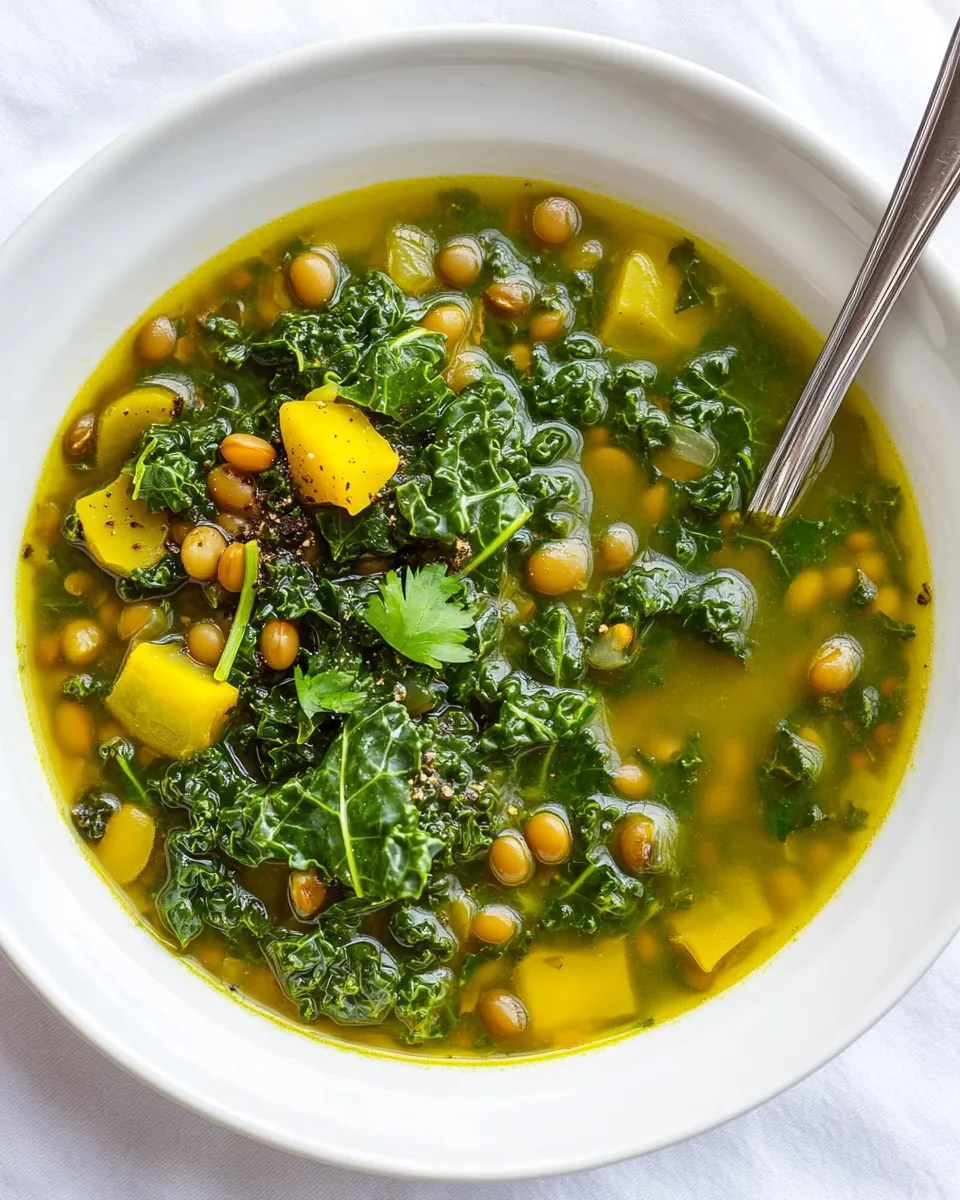
Mung Bean and Kale Soup
Mung Bean and Kale Soup is the kind of bowl I come back to when I want comfort without heaviness, a meal that warms you and feels good afterward. The first time I made Mung Bean and Kale Soup, it was a raw winter evening and I had a bag of mung beans and a stubborn bunch of kale in the fridge. I remember standing over the stove, the kitchen filling with the perfume of toasted coriander and turmeric, sensing that simple pantry items could turn into something quietly nourishing.
Later that night, I kept thinking about the texture contrast between the tender, slightly creamy mung beans and the leafy, chew of kale. I stirred the pot often, tasting for seasoning as if the flavors were people at a dinner party, letting them mingle until everyone felt right. Over time I tweaked the spices and technique, and now this version is what I reach for when I want a bowl that soothes without being fussy.
There are meals that shout and meals that whisper, and Mung Bean and Kale Soup is in that latter group. It’s humble, honest, and deceptively complex. When friends come over on chilly nights, I’ll ladle it into bowls, drizzle a little olive oil over the top, and watch them close their eyes on the first sip. That quiet satisfaction is why I keep this recipe in my regular rotation.
Recipe Snapshot
50 mins
10 mins
40 mins
Medium
220 kcal
American
Vegan, Gluten-Free
Soups
Large pot, Wooden spoon, Measuring cups
Why This Mung Bean and Kale Soup Works
Comfort with Lightness
I love that Mung Bean and Kale Soup offers real comfort without leaving you weighed down. The combination of tender mung beans and bright kale creates a bowl that feels restorative, perfect for cold evenings when you want warmth and clarity at the same time.
Layered, Balanced Flavor
The spices in this soup, from turmeric to cumin and toasted coriander, build depth without complexity. I enjoy how each spoonful evolves on the palate, starting savory, finishing with an earthy warmth. Because the flavors are layered, the soup never tastes one note, even though the ingredient list is straightforward.
Simple Pantry Cooking
This recipe thrives on pantry staples. You don’t need fancy ingredients, just good technique. I often make it on busy nights when I want a wholesome dinner that is dependable, and that reliability makes it a go to for weeknight cooking.
Textural Harmony
The contrast between the creamy mung beans and the gently wilted kale is why this soup works. Every spoonful has body and freshness, which keeps the bowl interesting from the first spoon to the last. I’ve found that this balance helps the soup pair well with simple sides like crusty bread.
Flexible and Forgiving
I appreciate how forgiving the recipe is. If the beans take a minute longer to soften, or if the kale cooks a touch more, the soup still turns out great. That generosity makes it perfect for cooks who want reliable results without rigid timing.
Mung Bean and Kale Soup Ingredients
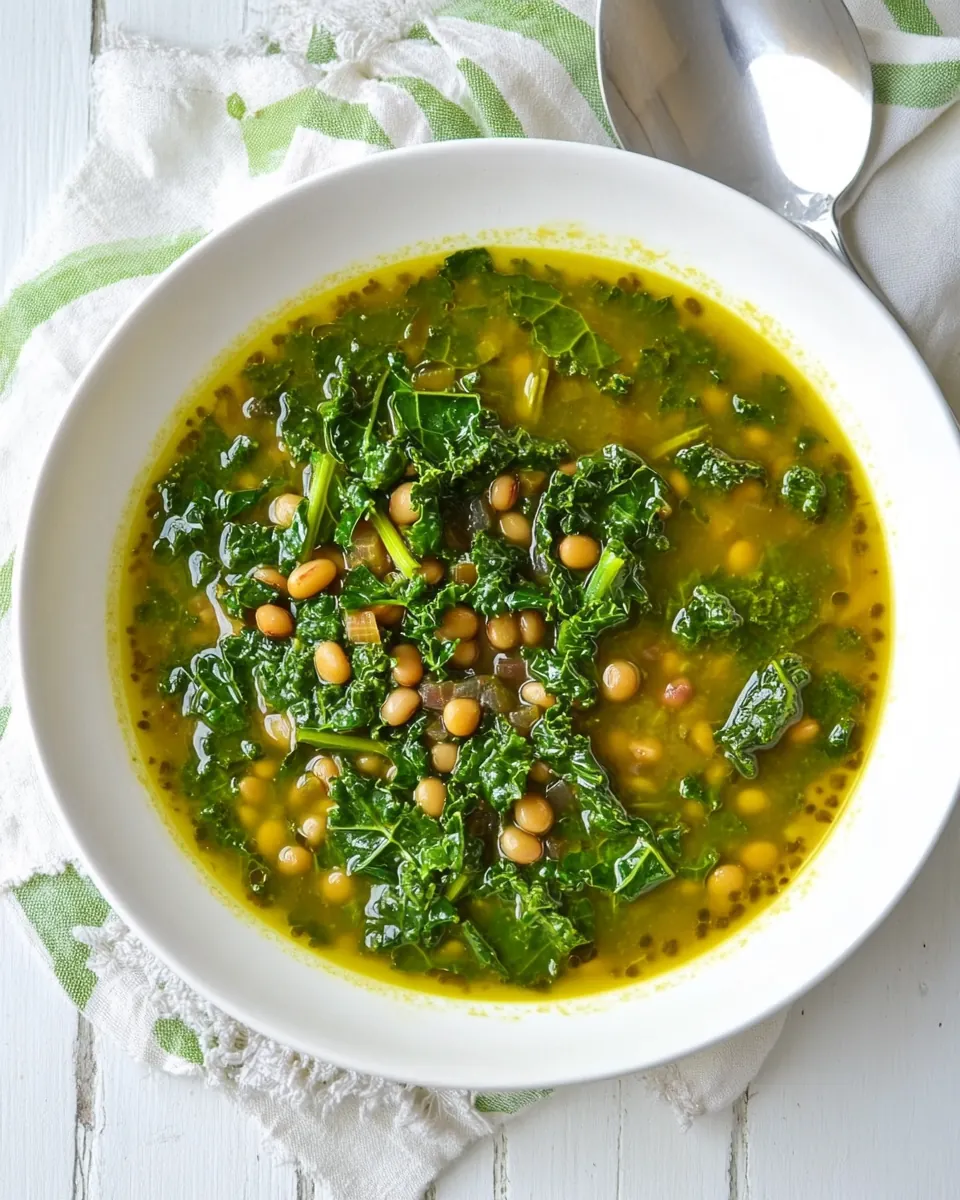
These ingredients are chosen for clarity and harmony. The mung beans bring earthy body, the kale brings bright color and texture, and the spices knit everything together. A little olive oil starts the flavor base, while onion and garlic provide aromatics that set the tone. Together they form a bowl that is balanced, comforting, and nourishing.
- 3 tablespoons olive oil: Heat gently to create the flavor base and for sautéing aromatics; provides richness and helps bloom spices. Use at the start to soften onions and garlic and to carry fat-soluble flavors throughout the soup.
- 1/4 cup onion chopped: Sauté until translucent to add sweetness and body; contributes aromatic depth and texture to the broth. Chop finely so it breaks down during simmering and melds with the mung beans for a cohesive mouthfeel.
- 3 garlic cloves minced: Crush or mince to release pungent oils that brighten the soup; provides pungency and aromatic lift. Add early while sautéing to infuse the oil with savory, garlicky flavor without burning.
- 1 cup mung beans dry split peas (optional): Rinse and simmer as the primary protein and starch component; adds creamy texture, subtle nuttiness, and heartiness. Use as written or substitute with dry split peas for a similar legume-based bulk and mouthfeel.
- 7 cups water: Simmer to hydrate and cook the legumes and vegetables; serves as the cooking medium and dilutes flavors to an appropriate soup consistency. Adjust quantity as needed for desired thickness and to ensure beans become tender.
- 2 cups kale chopped: Toss in toward the end to provide vibrant color, earthy bitterness, and leafy texture; contributes nutrients and a fresh counterpoint to the beans. Chop so it wilts evenly and retains some chew without overpowering the broth.
- 1 teaspoon ground turmeric: Sprinkle to give warm, slightly bitter, earthy notes and anti-inflammatory properties; enhances color and pairs well with legumes. Use modestly to avoid overpowering the delicate mung flavor while adding depth.
- 1 teaspoon ground cumin: Add to introduce warm, nutty, and slightly smoky notes that complement legumes and vegetables; helps round the spice profile. Toasting lightly before adding can intensify aroma and create a balanced background flavor.
- 1 tablespoon coriander toasted and grind: Grind and sprinkle to add citrusy, floral, and herbaceous warmth; contributes complexity and a bright, aromatic lift. Toasting whole coriander seeds beforehand enhances essential oils and deepens the spice character.
- salt and pepper: Season to taste to balance and enhance all other flavors; controls savoriness and overall brightness of the soup. Adjust gradually during cooking and at the end to achieve the desired flavor profile.
How to Make Mung Bean and Kale Soup
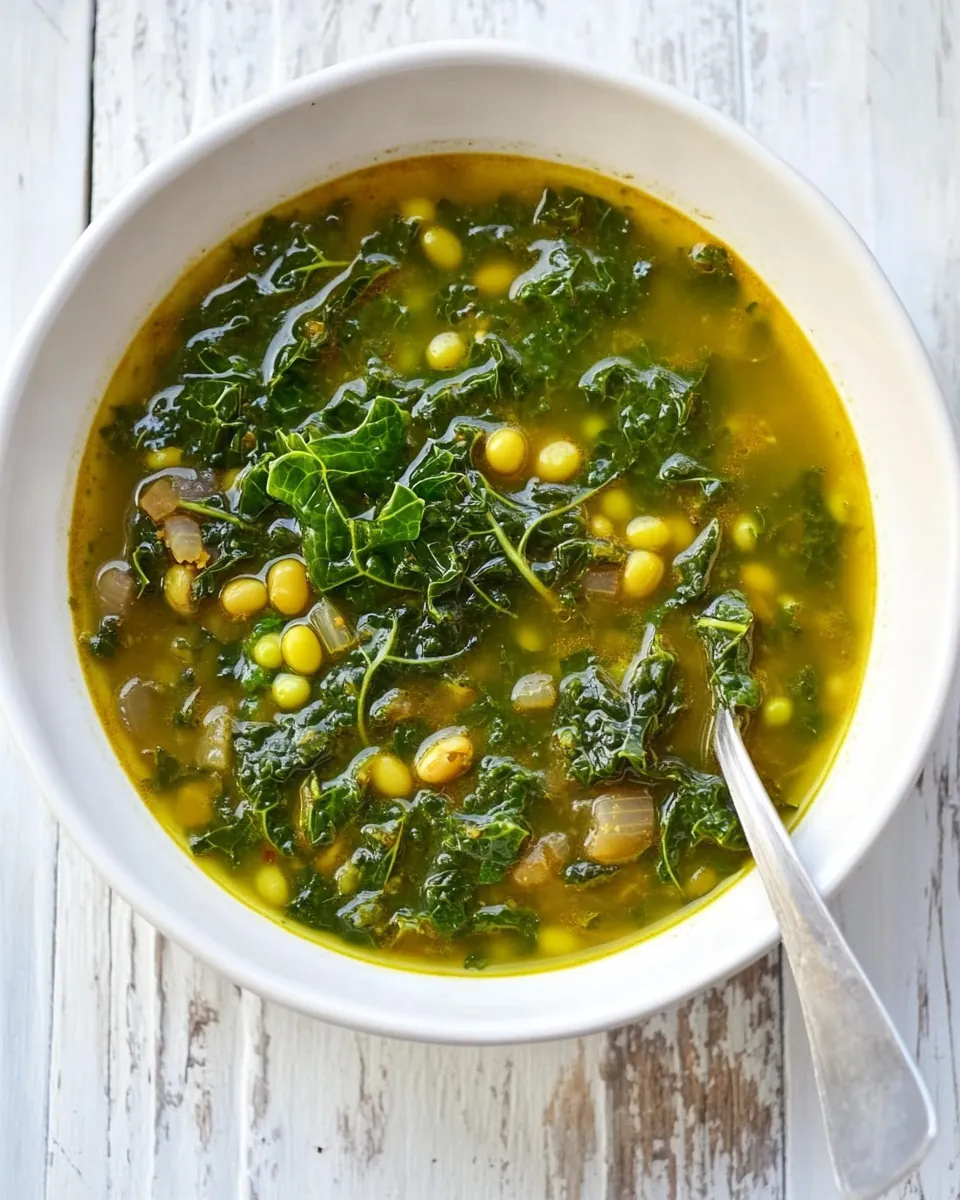
This method is straightforward and built for confidence. Follow the flow of heating, aromatics, simmering, and finishing with greens, and you will come away with a cozy, balanced soup. I like to stay nearby while it simmers, tasting and adjusting so the final bowl feels personal.
- In a large pot, heat the olive oil and add the onions. Cook for 3 minutes. Add the garlic and cook for another minute. Add the mung beans, spices, salt and pepper, stir well to combine. Add water, cover and cook until the beans are tender, approximately 35 to 40 minutes. Check the beans after 20 minutes to make sure they have enough water. When the beans are ready, taste and adjust salt and liquid if needed. Add the kale and cook for 5 minutes more. Serve with bread.: Warmth, a faint shimmer and the early hiss of oil tells you the pan is ready. As the olive oil heats, it becomes a fragrant carrier for the onion . You will notice the oil become glossy and the aroma change from neutral to slightly fruity. This matters because it helps the onion release sugars gently, creating a sweet base. If the oil smokes, the heat is too high which will char the aromatics and create a bitter note; lower the heat and start again if that happens. Keep the pot size roomy so the onion cooks evenly, and use medium heat rather than cranking it up to finish faster which risks burning.
- Cook for 3 minutes: At this point the onion should soften and become translucent, releasing a savory sweetness. You will see the edges go glossy and the texture become tender. This short cook time sets the foundation for flavor, because properly softened onion integrates smoothly into the broth. A common misstep is undercooking the onion , which leaves a raw sharpness; if the pieces still feel firm, give them another minute or two. Stir occasionally so the heat distributes evenly.
- Add the garlic and cook for another minute: When you add minced garlic , it should sizzle softly and perfume the kitchen. That quick minute is enough to bloom its flavor into the oil without browning. You will smell a warm, aromatic lift that signals readiness for the next ingredients. If the garlic browns, it will turn bitter, so reduce heat immediately and stir. Use a wooden spoon to scrape up any flavor that clings to the pot.
- Add the mung beans spices salt and pepper stir well to combine: With the garlic fragrant, add the rinsed mung beans , turmeric , cumin , toasted and ground coriander , plus salt and pepper . As you stir, you should see the spices coat the legumes and aromatics, releasing their layered scents. This step matters because it allows the spices to bloom on the surface of the beans before adding liquid, deepening the final broth. Take care not to over salt now, because flavors concentrate as they cook; you can always adjust later. A frequent oversight is dumping spices directly into cold liquid which dulls their impact.
- Add water cover and cook until the beans are tender approximately 35 to 40 minutes: Once the water is added and the pot is covered, the magic of slow hydration begins. You will hear a gentle simmer and see the surface move with soft bubbles. Over the next half hour the mung beans will swell, soften and release starches that slightly thicken the broth. This long gentle cook is essential because it transforms dry legumes into creamy, tender morsels. If the simmer is too vigorous, the beans may break apart irregularly; keep it at a gentle boil. Expect the total time here to be in the stated window, but check visually for tenderness.
- Check the beans after 20 minutes to make sure they have enough water: Midway through cooking, take a spoon and part the broth to see bean progress and liquid level. Beans can absorb water unpredictably depending on age and temperature, so this checkpoint avoids drying. You may hear the pot shift from bubbling to a quieter simmer, which indicates liquid is reducing. If you notice the beans sitting exposed or the pot sounding drier, add small amounts of hot water to maintain a gentle simmer. A common mistake is not checking and ending up with undercooked, chewy beans.
- When the beans are ready taste and adjust salt and liquid if needed: At this stage, the broth has developed and needs tasting. Your palate will tell you whether it needs more salt for brightness or extra water for a looser texture. I usually add seasoning in increments because it is easier to add than to correct. Also notice if the spices feel buried or prominent and balance accordingly. Avoid oversalting by tasting from the pot and adjusting slowly; oversalting is a common regret.
- Add the kale and cook for 5 minutes more: Adding the chopped kale at the end preserves its color and pleasant chew. As it hits the warm broth, you will see it wilt and soften, turning a brighter green. Five minutes is enough to tenderize while maintaining structure. This step is important because overcooked kale loses vibrancy and becomes mushy. If your leaves are large, give them a minute or two more, but avoid cooking so long that the texture disappears.
- Serve with bread: Ladling the soup into bowls releases a steam that carries the spice aroma, and I like the contrast of a tear of crusty bread with each spoonful. The sensory experience matters here, the warmth on your hands, the steam on your face, and the first sip showing the soup has depth. If you skip the bread, the bowl still stands alone, but a starch makes it meal like. A mistake some people make is serving immediately off heat without tasting again; always do a final check for seasoning before plating.
Making Adjustments
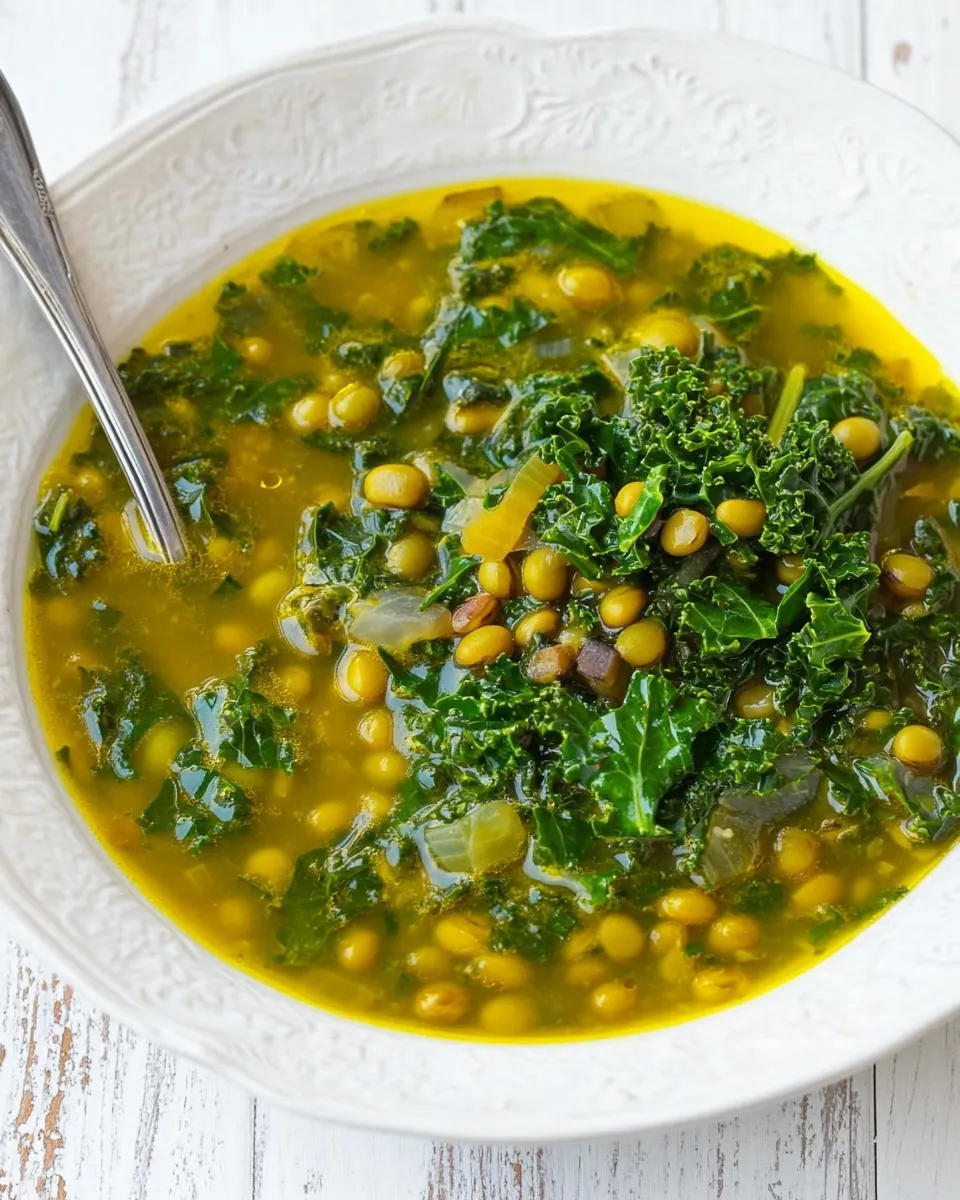
This section covers practical adjustments and variations to tailor the soup to your pantry and taste. Each tip starts with a bold opener so you can find what matters quickly. These ideas will help you adapt the soup without steering it away from its spirit.
- Reduce salt gradually — Start with a small amount of salt and season more after the beans have softened, because the flavor concentrates; this prevents oversalting and preserves balance.
- Use split peas option — If you prefer or only have split peas, use them as noted in the ingredient line; they will yield a slightly different texture that is still satisfying and creamy.
- Adjust thickness with water — For a thinner broth add hot water in small increments while simmering, and for a thicker texture let the soup reduce gently without a lid for a short period.
- Control spice level — If you want a milder profile, reduce the turmeric or cumin slightly; for more warmth, add an extra pinch of cumin toward the end and taste before serving.
- Prep ahead — You can cook the mung beans fully and refrigerate, then reheat and add kale just before serving to save time while preserving texture.
Serve This Mung Bean and Kale Soup With
This soup is versatile and works for many meals. It can be a simple weeknight dinner or part of a casual lunch spread. Below are serving ideas, occasions, and storage tips presented as practical suggestions you can use right away.
- Crusty bread for dipping — A warm, crusty loaf pairs beautifully with the soup, offering a satisfying contrast in texture and an easy way to soak up the broth.
- Light salad on the side — Serve with a simple green salad to introduce a crisp contrast and lighten the meal, ideal for lunch or a lighter dinner.
- Occasion suggestions — This bowl is perfect for cozy winter dinners or informal gatherings where you want nourishing food without fuss, and it travels well to potlucks.
- Storage advice — Refrigerate leftovers in an airtight container for up to three days, and reheat gently on the stove, adding a splash of water if the soup has thickened.
- Seasonal pairing — In winter, pair the soup with roasted root vegetables or a simple grain to make the meal heartier and seasonally appropriate.
FAQ
Conclusion
Mung Bean and Kale Soup stands out because it combines simple pantry ingredients into a bowl that is both comforting and light. The tender legumes, bright greens, and warm spices create a balanced, nourishing meal that is easy to make and reliably satisfying. I encourage you to give it a try on a chilly evening, taste and adjust as it simmers, and make it your own with small tweaks. It’s a recipe that rewards gentle attention and becomes more familiar with each pot you make.
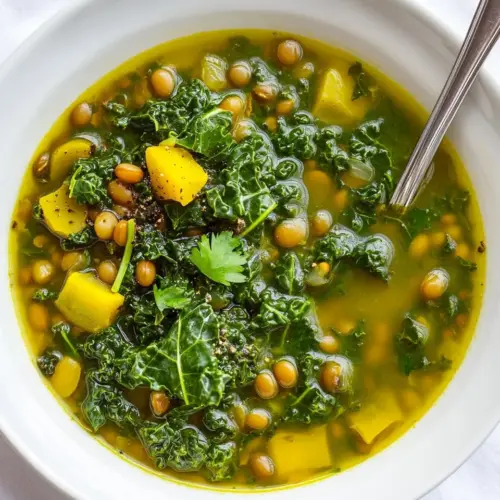
Mung Bean and Kale Soup
Equipment
- Large Pot
- Wooden Spoon
- Measuring Cups
Ingredients
- 3 tablespoons olive oil Heat gently to create the flavor base and for sautéing aromatics; provides richness and helps bloom spices. Use at the start to soften onions and garlic and to carry fat-soluble flavors throughout the soup.
- 1/4 cup onion chopped Sauté until translucent to add sweetness and body; contributes aromatic depth and texture to the broth. Chop finely so it breaks down during simmering and melds with the mung beans for a cohesive mouthfeel.
- 3 garlic cloves minced Crush or mince to release pungent oils that brighten the soup; provides pungency and aromatic lift. Add early while sautéing to infuse the oil with savory, garlicky flavor without burning.
- 1 cup mung beans optional dry split peas Rinse and simmer as the primary protein and starch component; adds creamy texture, subtle nuttiness, and heartiness. Use as written or substitute with dry split peas for a similar legume-based bulk and mouthfeel.
- 7 cups water Simmer to hydrate and cook the legumes and vegetables; serves as the cooking medium and dilutes flavors to an appropriate soup consistency. Adjust quantity as needed for desired thickness and to ensure beans become tender.
- 2 cups kale chopped Toss in toward the end to provide vibrant color, earthy bitterness, and leafy texture; contributes nutrients and a fresh counterpoint to the beans. Chop so it wilts evenly and retains some chew without overpowering the broth.
- 1 teaspoon ground turmeric Sprinkle to give warm, slightly bitter, earthy notes and anti-inflammatory properties; enhances color and pairs well with legumes. Use modestly to avoid overpowering the delicate mung flavor while adding depth.
- 1 teaspoon ground cumin Add to introduce warm, nutty, and slightly smoky notes that complement legumes and vegetables; helps round the spice profile. Toasting lightly before adding can intensify aroma and create a balanced background flavor.
- 1 tablespoon coriander toasted and grind Grind and sprinkle to add citrusy, floral, and herbaceous warmth; contributes complexity and a bright, aromatic lift. Toasting whole coriander seeds beforehand enhances essential oils and deepens the spice character.
- salt and pepper Season to taste to balance and enhance all other flavors; controls savoriness and overall brightness of the soup. Adjust gradually during cooking and at the end to achieve the desired flavor profile.
Instructions
- In a large pot, heat the olive oil and add the onions. Cook for 3 minutes. Add the garlic and cook for another minute. Add the mung beans, spices, salt and pepper, stir well to combine. Add water, cover and cook until the beans are tender, approximately 35 to 40 minutes. Check the beans after 20 minutes to make sure they have enough water. When the beans are ready, taste and adjust salt and liquid if needed. Add the kale and cook for 5 minutes more. Serve with bread.: Warmth, a faint shimmer and the early hiss of oil tells you the pan is ready. As the olive oil heats, it becomes a fragrant carrier for the onion . You will notice the oil become glossy and the aroma change from neutral to slightly fruity. This matters because it helps the onion release sugars gently, creating a sweet base. If the oil smokes, the heat is too high which will char the aromatics and create a bitter note; lower the heat and start again if that happens. Keep the pot size roomy so the onion cooks evenly, and use medium heat rather than cranking it up to finish faster which risks burning.
- Cook for 3 minutes: At this point the onion should soften and become translucent, releasing a savory sweetness. You will see the edges go glossy and the texture become tender. This short cook time sets the foundation for flavor, because properly softened onion integrates smoothly into the broth. A common misstep is undercooking the onion , which leaves a raw sharpness; if the pieces still feel firm, give them another minute or two. Stir occasionally so the heat distributes evenly.
- Add the garlic and cook for another minute: When you add minced garlic , it should sizzle softly and perfume the kitchen. That quick minute is enough to bloom its flavor into the oil without browning. You will smell a warm, aromatic lift that signals readiness for the next ingredients. If the garlic browns, it will turn bitter, so reduce heat immediately and stir. Use a wooden spoon to scrape up any flavor that clings to the pot.
- Add the mung beans spices salt and pepper stir well to combine: With the garlic fragrant, add the rinsed mung beans , turmeric , cumin , toasted and ground coriander , plus salt and pepper . As you stir, you should see the spices coat the legumes and aromatics, releasing their layered scents. This step matters because it allows the spices to bloom on the surface of the beans before adding liquid, deepening the final broth. Take care not to over salt now, because flavors concentrate as they cook; you can always adjust later. A frequent oversight is dumping spices directly into cold liquid which dulls their impact.
- Add water cover and cook until the beans are tender approximately 35 to 40 minutes: Once the water is added and the pot is covered, the magic of slow hydration begins. You will hear a gentle simmer and see the surface move with soft bubbles. Over the next half hour the mung beans will swell, soften and release starches that slightly thicken the broth. This long gentle cook is essential because it transforms dry legumes into creamy, tender morsels. If the simmer is too vigorous, the beans may break apart irregularly; keep it at a gentle boil. Expect the total time here to be in the stated window, but check visually for tenderness.
- Check the beans after 20 minutes to make sure they have enough water: Midway through cooking, take a spoon and part the broth to see bean progress and liquid level. Beans can absorb water unpredictably depending on age and temperature, so this checkpoint avoids drying. You may hear the pot shift from bubbling to a quieter simmer, which indicates liquid is reducing. If you notice the beans sitting exposed or the pot sounding drier, add small amounts of hot water to maintain a gentle simmer. A common mistake is not checking and ending up with undercooked, chewy beans.
- When the beans are ready taste and adjust salt and liquid if needed: At this stage, the broth has developed and needs tasting. Your palate will tell you whether it needs more salt for brightness or extra water for a looser texture. I usually add seasoning in increments because it is easier to add than to correct. Also notice if the spices feel buried or prominent and balance accordingly. Avoid oversalting by tasting from the pot and adjusting slowly; oversalting is a common regret.
- Add the kale and cook for 5 minutes more: Adding the chopped kale at the end preserves its color and pleasant chew. As it hits the warm broth, you will see it wilt and soften, turning a brighter green. Five minutes is enough to tenderize while maintaining structure. This step is important because overcooked kale loses vibrancy and becomes mushy. If your leaves are large, give them a minute or two more, but avoid cooking so long that the texture disappears.
- Serve with bread: Ladling the soup into bowls releases a steam that carries the spice aroma, and I like the contrast of a tear of crusty bread with each spoonful. The sensory experience matters here, the warmth on your hands, the steam on your face, and the first sip showing the soup has depth. If you skip the bread, the bowl still stands alone, but a starch makes it meal like. A mistake some people make is serving immediately off heat without tasting again; always do a final check for seasoning before plating.
Notes
- Reduce salt gradually — Start with a small amount of salt and season more after the beans have softened, because the flavor concentrates; this prevents oversalting and preserves balance.
- Use split peas option — If you prefer or only have split peas, use them as noted in the ingredient line; they will yield a slightly different texture that is still satisfying and creamy.
- Adjust thickness with water — For a thinner broth add hot water in small increments while simmering, and for a thicker texture let the soup reduce gently without a lid for a short period.
- Control spice level — If you want a milder profile, reduce the turmeric or cumin slightly; for more warmth, add an extra pinch of cumin toward the end and taste before serving.
- Prep ahead — You can cook the mung beans fully and refrigerate, then reheat and add kale just before serving to save time while preserving texture.
