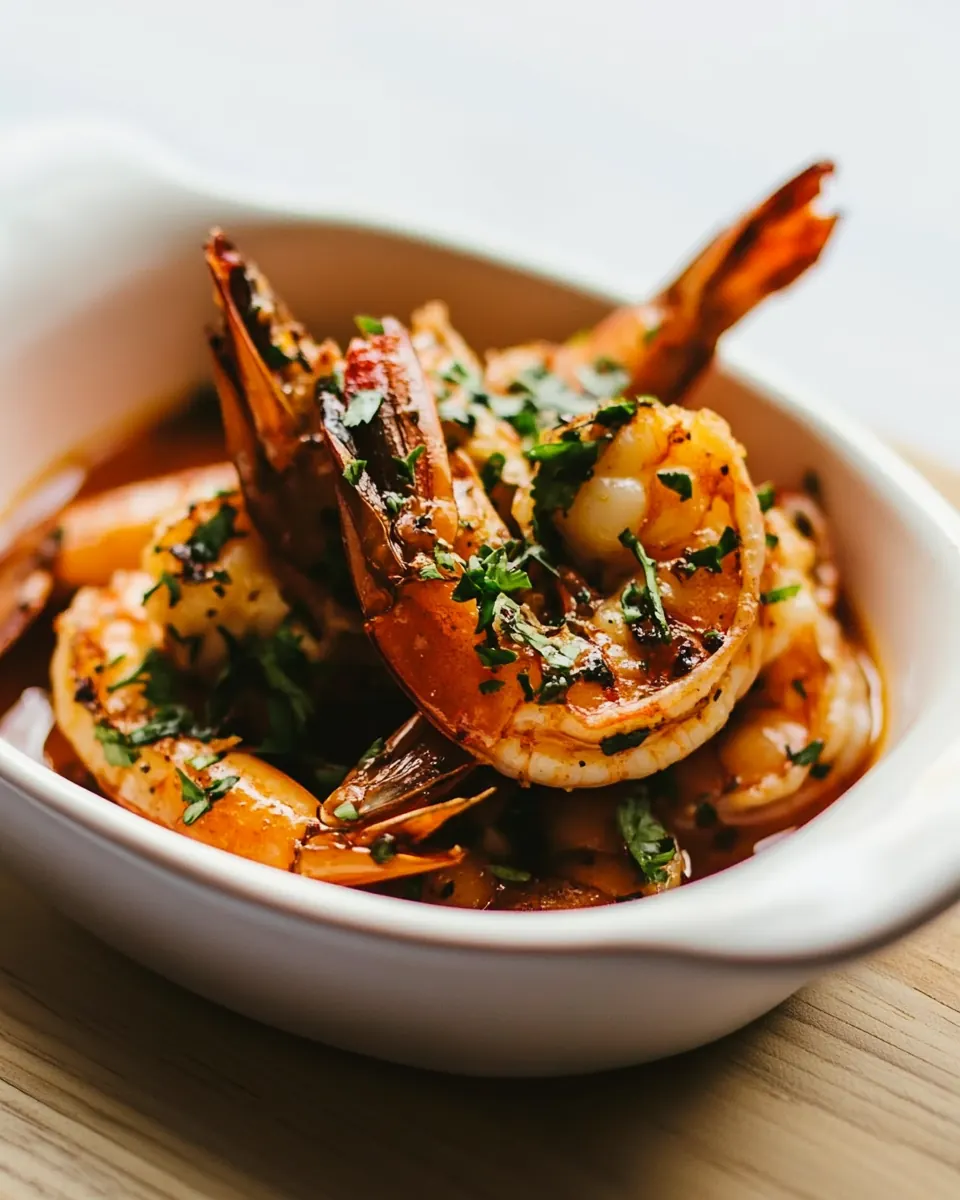
Garlic Shrimp
Garlic Shrimp came into my weeknight rotation the moment I discovered how quickly a handful of pantry staples can deliver bright, bold flavor that feels fancy without the fuss.
I remember the first time I made Garlic Shrimp for friends who had popped by on a wet Tuesday evening. We cleared the coffee table, grabbed mismatched plates, and I tossed a skillet together while music played low in the background. The kitchen filled with the heady aroma of sizzling garlic and warm olive oil, and everyone leaned in, drawn by that irresistible scent. The conversation slowed, people reached for bread, and for a few delicious minutes the city noise outside faded away. That night taught me that simple food can create small rituals, and that a good pan of Garlic Shrimp is more than a dish, it is an invitation to linger.
Since then I make this dish when I want something speedy but impressive, the kind of plate you serve when you want to celebrate an ordinary day. The balance of citrus, heat, and butter makes each bite sing, and the method is forgiving enough that you can chat with guests without worrying about overcooking. For me, Garlic Shrimp is the recipe I turn to when I want to feel like I tried, without spending hours in the kitchen.
Recipe Snapshot
10 mins
5 mins
5 mins
Easy
300 kcal
Mediterranean
Keto, Gluten-Free
Dinner
Sauté pan, Spatula, Measuring cups
Why You Need This Garlic Shrimp
Bright and Fast
I love that Garlic Shrimp takes almost no time yet tastes like you spent hours. The combination of garlic, olive oil, and butter creates a glossy sauce that clings to each piece of shrimp, delivering immediate flavor. When I need an easy weeknight dinner, this is my go to because it proves speed does not mean sacrificing taste.
Layered Flavor Without Fuss
What stands out for me is how layering small, high impact ingredients builds complexity. The smoky whisper of Spanish smoked paprika and the bright pop from lemon juice play off the richness of butter, and a pinch of red pepper flakes introduces a gentle heat. I like dishes that reward simple techniques, and this one does just that.
Versatile and Shareable
I reach for Garlic Shrimp for lots of occasions. It works as a casual appetizer, an elegant starter, or the centerpiece of a small meal. I often serve it with bread to sop up the sauce, but you can also nestle it into rice or a light pasta. Its flexibility makes it one of my favorite last minute options.
Comfort with a Gourmet Touch
There is a little theatricality in pouring the hot oil and butter into a serving dish for dipping. Friends always smile when I do that. The textures are comforting yet refined, and you get crunchy seared edges on the shrimp with tender centers when you pay attention to heat and timing.
Minimal Ingredients, Maximum Impact
I appreciate recipes that respect good ingredients, and Garlic Shrimp is deliberately simple. A short list of quality items produces a dish that feels honest and satisfying. When I am cooking for people I want the technique and the ingredients to shine, and this recipe delivers that balance reliably.
Garlic Shrimp Shopping List
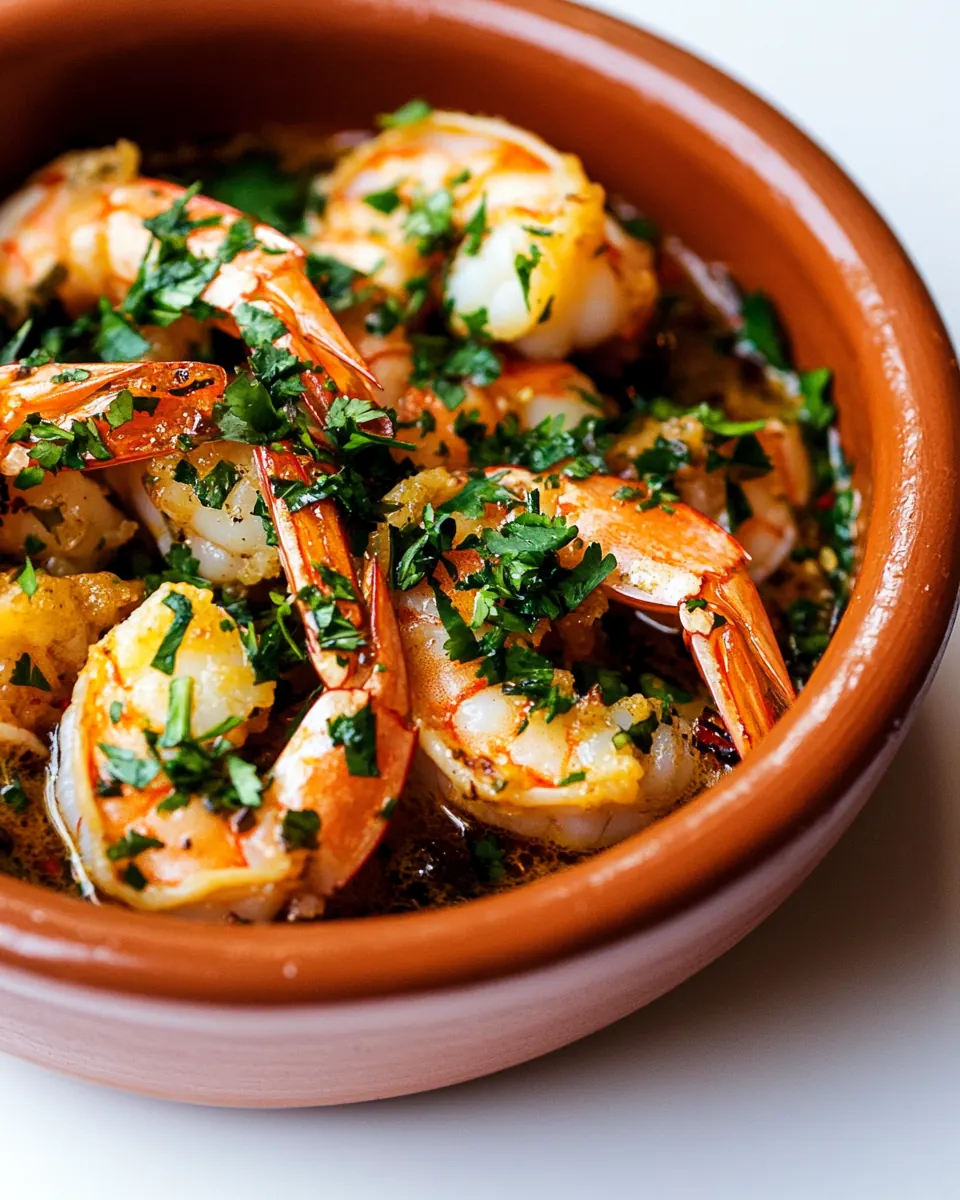
These ingredients are chosen to produce a bright, buttery sauce that accentuates the natural sweetness of the shrimp. The key players are the trio of butter, olive oil, and garlic, which form the flavor base, while lemon juice and paprika lift and color the dish. Small seasonings like red pepper flakes, salt, and pepper are there to highlight the seafood, and the optional parsley adds a fresh finishing note.
- 1 pound large raw shrimp: Provide a meaty, sweet base for the dish and cook quickly; devein and peel unless preferred with shells, and pat dry to ensure proper browning and even absorption of flavors.
- 1/4 cup olive oil: Add a fruity, slightly bitter richness and help carry aromatics; warm gently with butter to create a smooth cooking fat that prevents sticking and enhances mouthfeel.
- 1/4 cup unsalted butter: Contribute a creamy, rich mouth-coating fat and help form an emulsion with oil and lemon; melt into the pan to create a silky sauce that binds seasonings to the shrimp.
- 1/4 cup fresh lemon juice: Deliver bright acidity to balance richness and lift flavors; squeeze fresh and add toward the end of cooking to preserve its vibrant citrus character.
- 4 6 garlic cloves minced: Impart pungent, savory aromatics that build the dish's primary flavor; mince finely so it releases oils quickly and sautés briefly to avoid burning and bitterness.
- 1 teaspoon Spanish smoked paprika: Introduce warm, smoky depth and a subtle sweetness that complements seafood; sprinkle sparingly to enhance color and provide a distinctive Spanish note.
- 1/2 teaspoon red pepper flakes or to taste: Provide adjustable heat and a subtle fruity background spice; control the intensity by varying the amount and add gradually to suit taste.
- salt: Season for taste and enhance all other flavors; add incrementally while cooking and taste to reach the desired salinity without overpowering.
- pepper: Contribute sharpness and balance; freshly ground pepper added toward the end brightens the overall profile and complements the lemon and garlic.
- chopped parsley for garnish (optional): Offer a fresh, herbaceous finish and visual contrast; chop and sprinkle just before serving to retain color and a burst of fragrant brightness.
Cooking Method for Garlic Shrimp
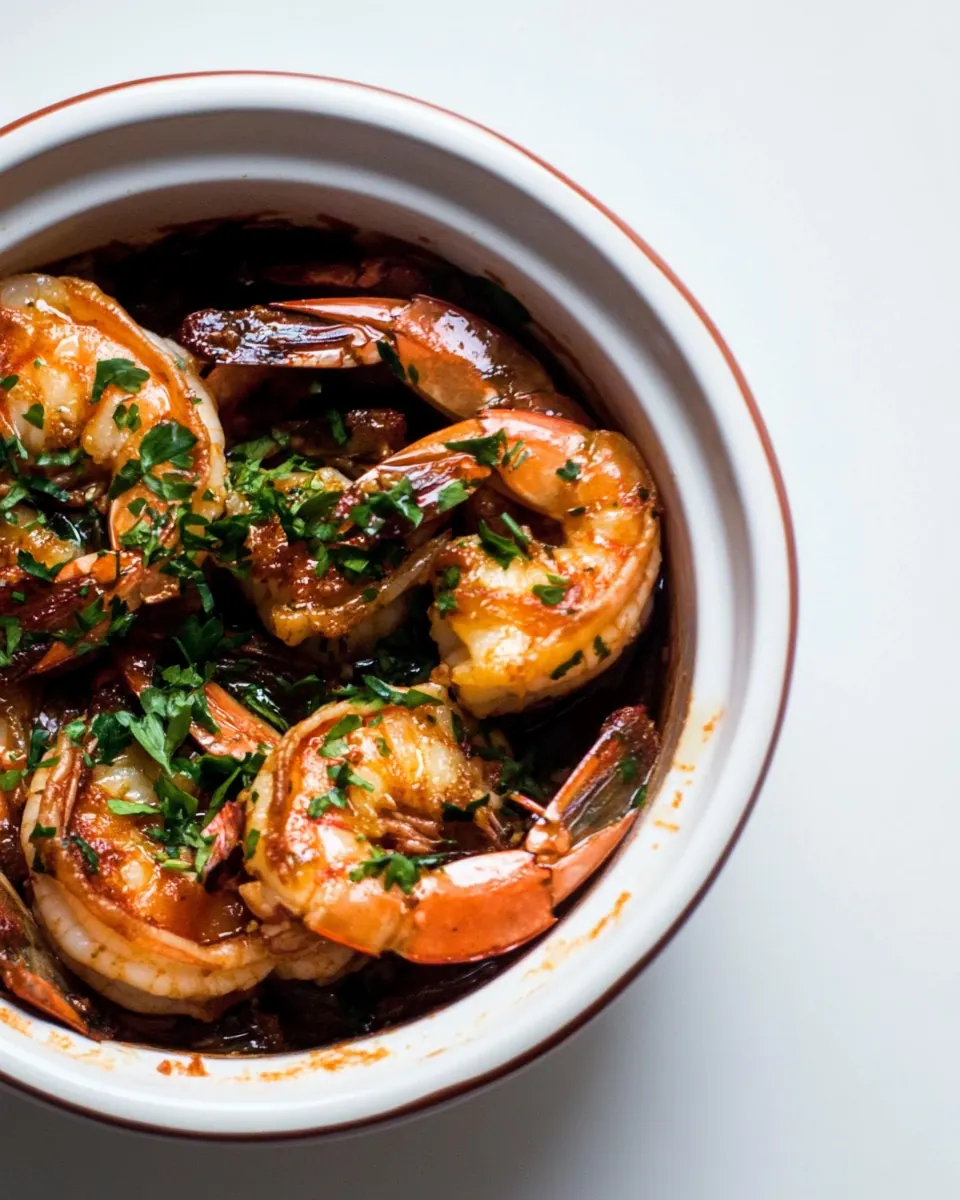
I like to keep the cooking introduction short and conversational because timing is everything with Garlic Shrimp. This dish moves fast, so have everything measured and within reach before the pan hits the heat. The goal is a fragrant, glossy sauce and plump shrimp with just a touch of char where they kissed the pan.
- Add butter, olive oil, garlic and red pepper flakes to a sauté pan and heat over medium heat.: Close your eyes for a second and breathe in the beginning aroma, you should smell the warm, savory scent of melting butter mingling with the fruitiness of the olive oil as the pan becomes glossy; the tiny pops of the oil will quiet into a gentle shimmer, and as the minced garlic hits the hot fat it will release an intense, nutty, aromatic perfume that signals the sauce is forming. The reason we begin with both butter and olive oil is to marry flavor and raise the overall smoke threshold so the butter does not burn instantly. Keep the heat at medium so you can coax flavor out of the garlic without allowing it to crisp to an acrid brown. A common mistake here is turning the heat too high, which scorches the garlic and leaves a bitter flavor, so adjust early and give the pan a gentle swirl to coat evenly.
- Sauté for about 1 minute or until garlic becomes fragrant, being careful not to burn it.: As you sauté, listen for a soft sizzle and look for tiny bubbles forming around the edges of the garlic , and the aroma should blossom from sharp to warm and inviting; this is the moment the fat has absorbed the garlic flavor and is ready to flavor the shrimp . Timing is short here because minced garlic cooks fast, and the goal is translucence and fragrance rather than browning. Stir gently to prevent hot spots and watch the color closely because the window between fragrant and burnt is narrow. If you smell bitterness, reduce heat immediately and consider starting over with fresh oil, since burnt garlic can taint the whole pan.
- Add the paprika, lemon juice and shrimp and sauté for 2-3 minutes, until shrimp are pink and cooked through.: Right after adding the paprika and lemon juice , the pan will hiss softly as the acid hits the hot fat, releasing a bright citrus note that lifts the smoky paprika; add the shrimp in a single layer so each one kisses the pan and begins to change color from translucent to opaque with pink edges. As they cook, you should see the flesh firm and curl slightly, and the surface may take on tiny caramelized spots where the proteins meet the hot oil. This quick sear concentrates flavor while keeping the center tender, which is why high heat control matters. A common error is overcooking, which yields rubbery shrimp , so rely on visual cues rather than a timer alone and remove them the moment they are uniformly pink and firm to the touch.
- Season with salt and pepper, and pour shrimp and oil into serving dish. Top with parsley if desired and serve with crusty bread for dipping.: After removing from heat, the sizzling will calm and the sauce will look glossy and slightly thickened; seasoning now lets you fine tune the balance because the flavors have melded. Taste a piece of shrimp and add salt a pinch at a time as needed, then a few turns of freshly ground pepper to lift the profile. Pouring the contents into a shallow serving dish traps the warm oil for dipping and showcases the golden bits of garlic and paprika flecks, which is visually appealing. Avoid over seasoning at the start, because once salted it cannot be removed, and if the dish tastes flat after resting briefly, a squeeze more of lemon juice can brighten it immediately.
- Top with parsley if desired and serve with crusty bread for dipping: Right before serving, scatter the chopped parsley which adds a fresh green contrast and a herbal lift against the buttery sauce; the smell of the herbs against warm oil is irresistibly inviting. Serving with crusty bread allows everyone to mop up the sauce, transforming those final bites into the best part of the meal. If you skip the bread, consider a neutral starch instead, but be aware that bread is how you get the full comforting experience. One pitfall is letting the dish sit too long after plating, which cools the oil and dulls the aromatics, so serve immediately for the most vibrant texture and aroma.
Tips and Tricks about Garlic Shrimp
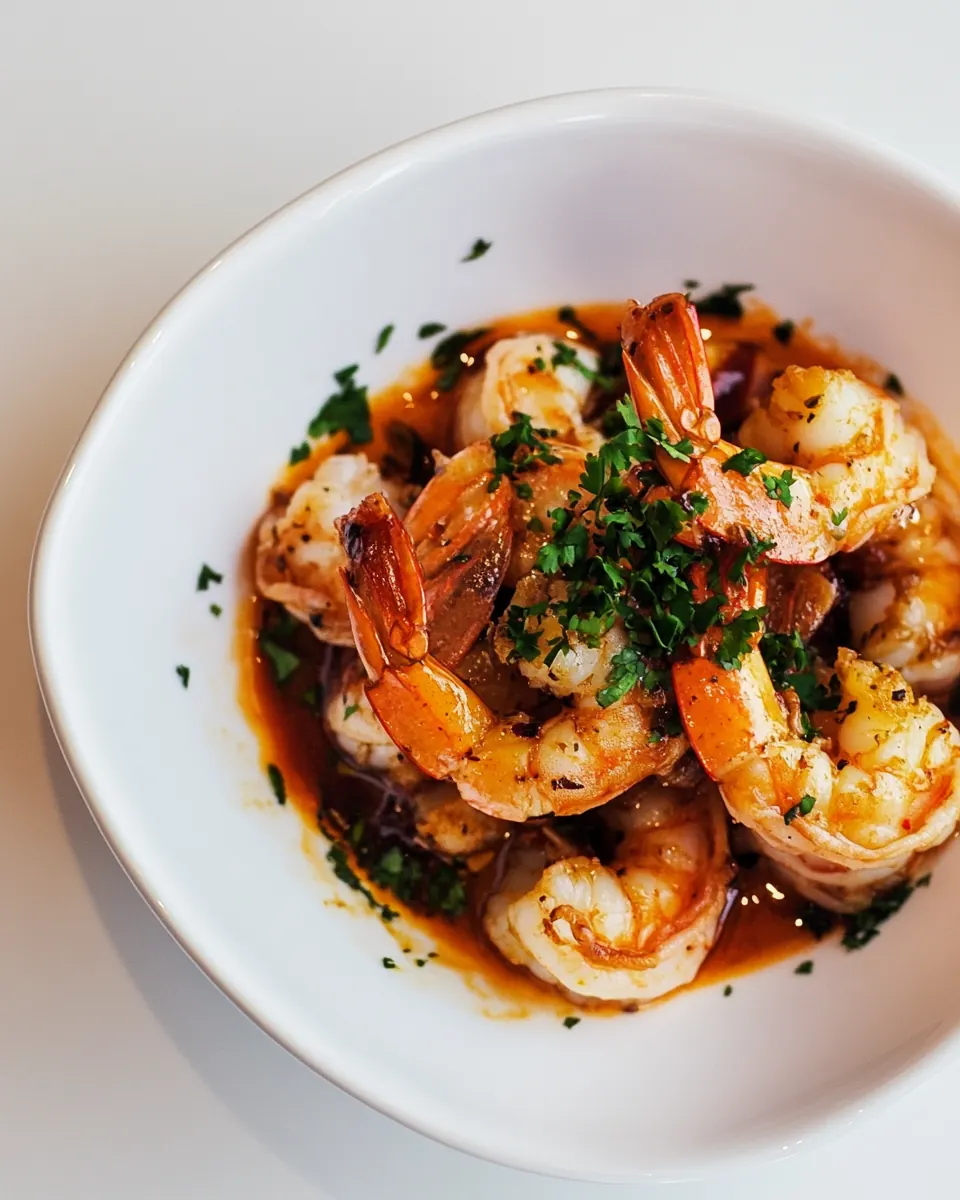
I like to keep my tips practical and rooted in what actually happens when you cook this dish at home. These pointers are the ones I rely on to keep the texture perfect and the flavors balanced, and they reflect little adjustments that make a big difference when you are moving quickly at the stove.
- Prep everything first. Have the shrimp peeled and dried, the garlic minced, and the lemon juice measured before you heat the pan to avoid scrambling once the oil is hot.
- Pat shrimp dry. Removing surface moisture helps the shrimp sear instead of steam, resulting in better color and texture.
- Adjust heat rather than time. If the pan is getting too hot, lower it; rushing with high heat often burns the garlic and overcooks the shrimp.
- Use fresh lemon. Fresh lemon juice brightens the sauce in a way bottled juice cannot, giving a cleaner citrus note.
- Serve immediately. This dish is best hot, so plan to have your serving vessel ready and any sides prepped so you can plate and serve at peak temperature.
What to Serve With Garlic Shrimp
Garlic Shrimp pairs beautifully with simple sides that soak up the sauce and complement the bright, buttery flavors. Think bread for dipping, a light grain, or a crisp green component; the idea is to present contrasts in texture and temperature so each bite feels balanced and complete.
- Crusty bread for dipping. A warm, crusty loaf is my top choice because it soaks up the fragrant oil and makes eating communal and casual, perfect for an informal gathering.
- Steamed rice or couscous. These neutral grains absorb the sauce and turn the shrimp into a more substantial main for weeknight dinners or a relaxed weekend lunch.
- Simple green salad. A lightly dressed salad with crisp leaves provides a refreshing counterpoint to the warm, rich shrimp, creating a balanced meal for warmer months.
- Roasted vegetables. If you want more substance, roasted vegetables offer a hearty side and a contrasting texture that pairs well with the soft shrimp.
- Occasions and serving style. I serve Garlic Shrimp for casual dinner parties, date nights at home, or as a star starter during family meals. It is especially lovely for small gatherings because it feels elevated without requiring elaborate prep.
- Storage tips. Leftovers keep for a day or two in an airtight container in the refrigerator; reheat gently on low heat to avoid overcooking the shrimp, and add a splash of water or lemon juice if the sauce tightens while chilled.
- Seasonal pairings. In spring and summer I serve it with lighter sides like salads and chilled grains; in cooler months I lean toward roasted roots and warm grains to make a more comforting plate.
FAQ
Conclusion
What makes this recipe special is its ability to deliver bold, layered flavors in a very short time. When life is busy, this dish gives you a silky, garlicky sauce, just seasoned and brightened by lemon, and plump shrimp that cook in minutes. Give it a try the next time you want something effortless yet impressive, serve it hot, and enjoy how a few quality ingredients can transform an ordinary evening into something memorable.
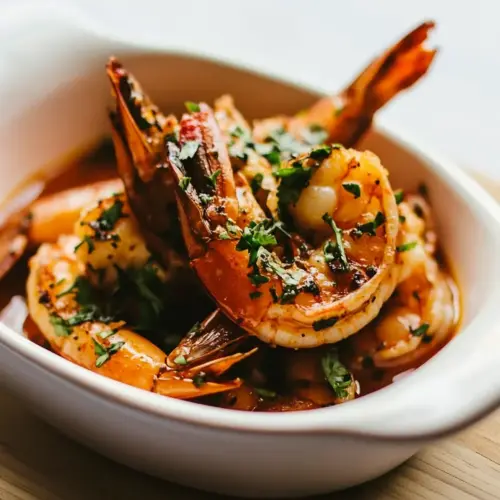
Garlic Shrimp
Equipment
- Sauté Pan
- Spatula
- Measuring Cups
Ingredients
- 1 pound large raw shrimp Provide a meaty, sweet base for the dish and cook quickly; devein and peel unless preferred with shells, and pat dry to ensure proper browning and even absorption of flavors.
- 1/4 cup olive oil Add a fruity, slightly bitter richness and help carry aromatics; warm gently with butter to create a smooth cooking fat that prevents sticking and enhances mouthfeel.
- 1/4 cup unsalted butter Contribute a creamy, rich mouth-coating fat and help form an emulsion with oil and lemon; melt into the pan to create a silky sauce that binds seasonings to the shrimp.
- 1/4 cup fresh lemon juice Deliver bright acidity to balance richness and lift flavors; squeeze fresh and add toward the end of cooking to preserve its vibrant citrus character.
- 4 -6 garlic cloves minced Impart pungent, savory aromatics that build the dish's primary flavor; mince finely so it releases oils quickly and sautés briefly to avoid burning and bitterness.
- 1 teaspoon Spanish smoked paprika Introduce warm, smoky depth and a subtle sweetness that complements seafood; sprinkle sparingly to enhance color and provide a distinctive Spanish note.
- 1/2 teaspoon red pepper flakes or to taste Provide adjustable heat and a subtle fruity background spice; control the intensity by varying the amount and add gradually to suit taste.
- salt Season for taste and enhance all other flavors; add incrementally while cooking and taste to reach the desired salinity without overpowering.
- pepper Contribute sharpness and balance; freshly ground pepper added toward the end brightens the overall profile and complements the lemon and garlic.
- chopped parsley for garnish optional Offer a fresh, herbaceous finish and visual contrast; chop and sprinkle just before serving to retain color and a burst of fragrant brightness.
Instructions
- Add butter, olive oil, garlic and red pepper flakes to a sauté pan and heat over medium heat.: Close your eyes for a second and breathe in the beginning aroma, you should smell the warm, savory scent of melting butter mingling with the fruitiness of the olive oil as the pan becomes glossy; the tiny pops of the oil will quiet into a gentle shimmer, and as the minced garlic hits the hot fat it will release an intense, nutty, aromatic perfume that signals the sauce is forming. The reason we begin with both butter and olive oil is to marry flavor and raise the overall smoke threshold so the butter does not burn instantly. Keep the heat at medium so you can coax flavor out of the garlic without allowing it to crisp to an acrid brown. A common mistake here is turning the heat too high, which scorches the garlic and leaves a bitter flavor, so adjust early and give the pan a gentle swirl to coat evenly.
- Sauté for about 1 minute or until garlic becomes fragrant, being careful not to burn it.: As you sauté, listen for a soft sizzle and look for tiny bubbles forming around the edges of the garlic , and the aroma should blossom from sharp to warm and inviting; this is the moment the fat has absorbed the garlic flavor and is ready to flavor the shrimp . Timing is short here because minced garlic cooks fast, and the goal is translucence and fragrance rather than browning. Stir gently to prevent hot spots and watch the color closely because the window between fragrant and burnt is narrow. If you smell bitterness, reduce heat immediately and consider starting over with fresh oil, since burnt garlic can taint the whole pan.
- Add the paprika, lemon juice and shrimp and sauté for 2-3 minutes, until shrimp are pink and cooked through.: Right after adding the paprika and lemon juice , the pan will hiss softly as the acid hits the hot fat, releasing a bright citrus note that lifts the smoky paprika; add the shrimp in a single layer so each one kisses the pan and begins to change color from translucent to opaque with pink edges. As they cook, you should see the flesh firm and curl slightly, and the surface may take on tiny caramelized spots where the proteins meet the hot oil. This quick sear concentrates flavor while keeping the center tender, which is why high heat control matters. A common error is overcooking, which yields rubbery shrimp , so rely on visual cues rather than a timer alone and remove them the moment they are uniformly pink and firm to the touch.
- Season with salt and pepper, and pour shrimp and oil into serving dish. Top with parsley if desired and serve with crusty bread for dipping.: After removing from heat, the sizzling will calm and the sauce will look glossy and slightly thickened; seasoning now lets you fine tune the balance because the flavors have melded. Taste a piece of shrimp and add salt a pinch at a time as needed, then a few turns of freshly ground pepper to lift the profile. Pouring the contents into a shallow serving dish traps the warm oil for dipping and showcases the golden bits of garlic and paprika flecks, which is visually appealing. Avoid over seasoning at the start, because once salted it cannot be removed, and if the dish tastes flat after resting briefly, a squeeze more of lemon juice can brighten it immediately.
- Top with parsley if desired and serve with crusty bread for dipping: Right before serving, scatter the chopped parsley which adds a fresh green contrast and a herbal lift against the buttery sauce; the smell of the herbs against warm oil is irresistibly inviting. Serving with crusty bread allows everyone to mop up the sauce, transforming those final bites into the best part of the meal. If you skip the bread, consider a neutral starch instead, but be aware that bread is how you get the full comforting experience. One pitfall is letting the dish sit too long after plating, which cools the oil and dulls the aromatics, so serve immediately for the most vibrant texture and aroma.
Notes
- Prep everything first. Have the shrimp peeled and dried, the garlic minced, and the lemon juice measured before you heat the pan to avoid scrambling once the oil is hot.
- Pat shrimp dry. Removing surface moisture helps the shrimp sear instead of steam, resulting in better color and texture.
- Adjust heat rather than time. If the pan is getting too hot, lower it; rushing with high heat often burns the garlic and overcooks the shrimp.
- Use fresh lemon. Fresh lemon juice brightens the sauce in a way bottled juice cannot, giving a cleaner citrus note.
- Serve immediately. This dish is best hot, so plan to have your serving vessel ready and any sides prepped so you can plate and serve at peak temperature.
