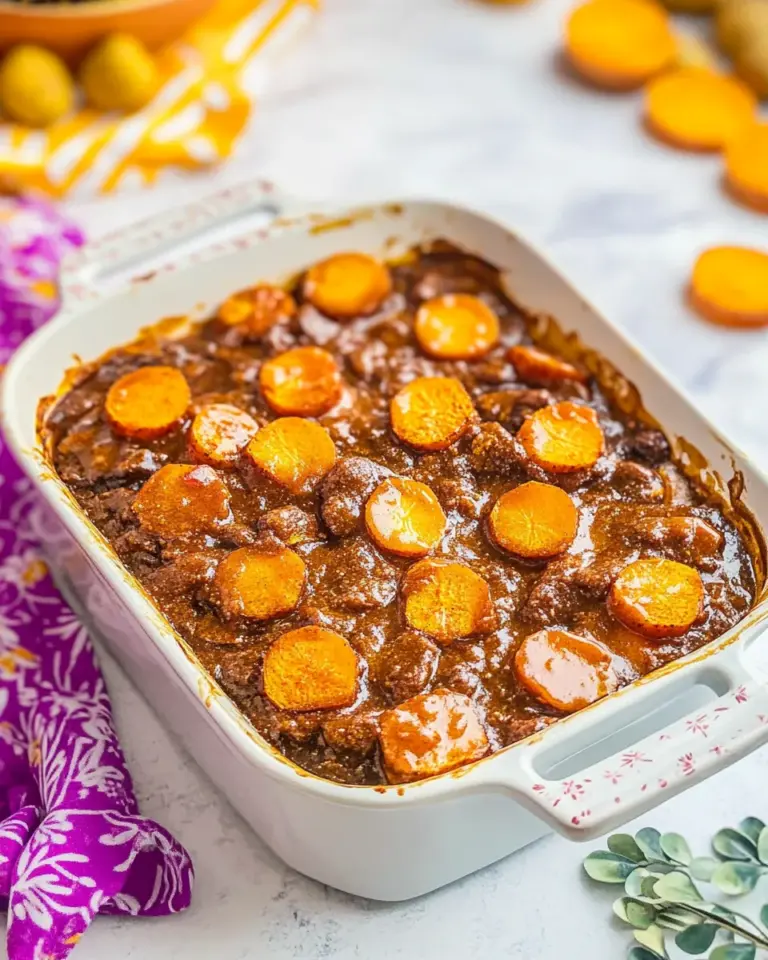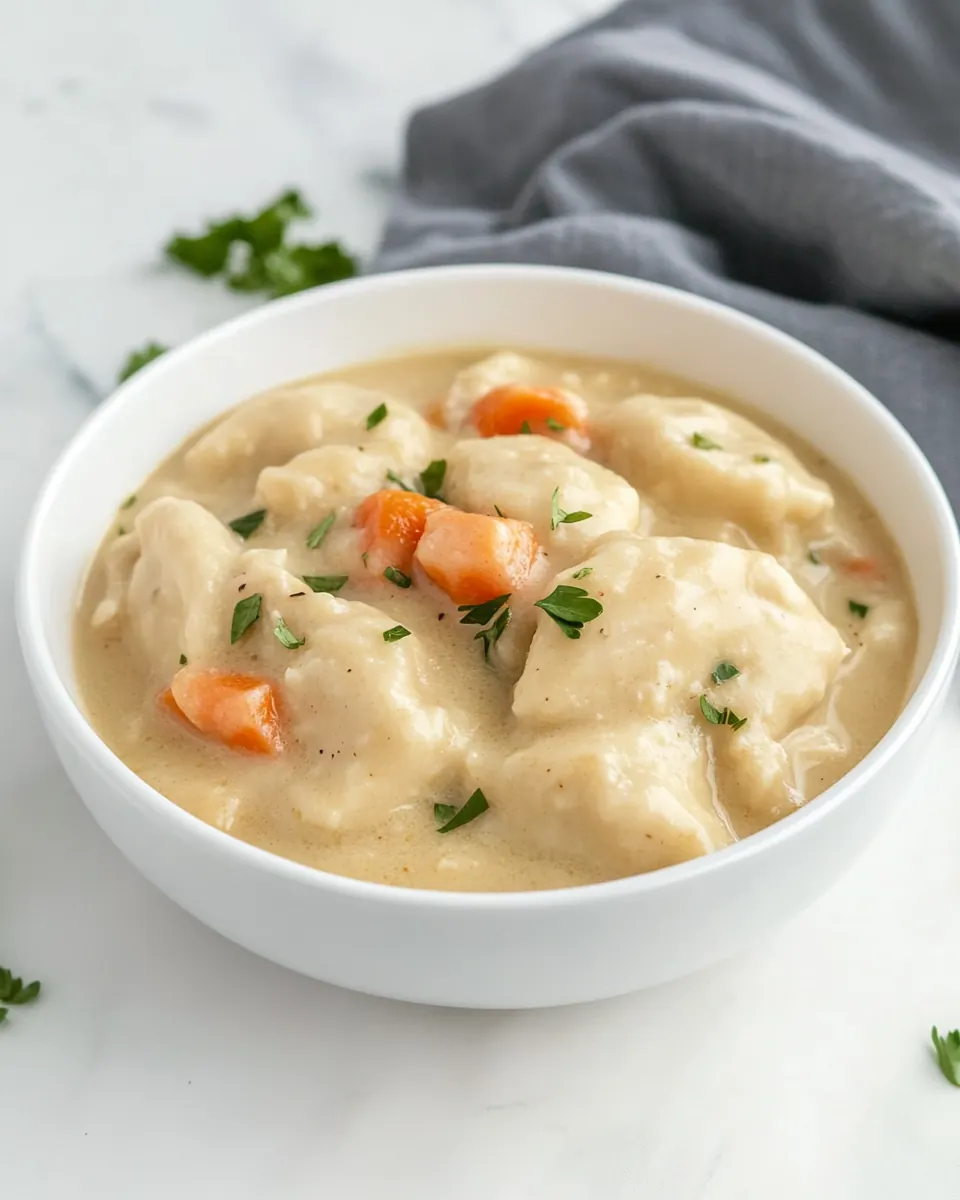
Chicken and Dumplings
Chicken and Dumplings has always been the kind of food that finds its way into my kitchen when the weather presses cold and I need something to hug my family from the inside out.
I remember the first time I made Chicken and Dumplings for a Sunday dinner and how the whole house smelled of warm butter and cooked vegetables, a scent that made everyone slow down and gather. I had leftover broth and some canned biscuits in the pantry, and I decided to improvise. That evening turned into hours of laughter as we tore into soft dumplings spoon by spoon. It felt less like serving a meal and more like handing out comfort in bowls. Over the years I refined small things, learning how the right sauté of onion and carrot gives the broth a backbone, and how the biscuits should be handled so they plump without collapsing.
On particularly busy weeks I still reach for this recipe because it is forgiving, but it also rewards attentiveness. I like the ritual of shredding chicken right in the cooker, watching the strands soak up the savory liquid. It is one of those dishes that can be humble and celebratory at once, a weekday hero or the star of a cozy Sunday. I always tell guests, bring an appetite and leave room for seconds because the dumplings somehow disappear first. Each time I make Chicken and Dumplings I discover a small improvement, whether it is a touch more butter in the sauté or an extra minute of simmering, and that search for better is part of what keeps this dish in heavy rotation.
Recipe Snapshot
4 hr 20 mins
20 mins
240 mins
Hard
450 kcal
American
Gluten-Free, Low FODMAP
Dinner
Slow Cooker, Large Skillet, Forks, Kitchen Shears
Why This Chicken and Dumplings Works
Hearty, not heavy
I love how Chicken and Dumplings manages to feel indulgent without weighing you down. Because the base is a rich broth built from sautéed vegetables and simple seasonings, the mouthfeel is creamy and comforting, yet it never feels greasy. The slow cooker method lets flavors meld while the chicken releases juices that deepen the broth, producing a bowl that warms you from the first spoonful.
Comfort food with shortcuts
Using canned biscuit dough for the dumplings is one of my favorite shortcuts. It saves time and yields tender dumplings that soak up gravy. I know some purists will argue for from scratch dough, but the canned option keeps the recipe approachable, especially on nights when you want homemade taste without the fuss.
Great for feeding a crowd
I often make a double batch when friends are coming over because this dish scales beautifully. The slow cooker holds everything together, and people love dishing up generous bowls. The texture of the dumplings and shredded chicken makes it feel like a meal everyone remembers.
Versatile and forgiving
One of the reasons this recipe stands out is how forgiving it is. If the biscuit pieces are a touch large, they still cook through. If the broth reduces a bit more than intended, the dumplings will pick up the flavor. Small variations in cooking time or biscuit size change the final dish in subtle ways, so you can make it your own without fear.
Seasonal soul food
This recipe shines in cold months, which is why it became my go to during winter evenings. The combination of warm broth, tender chicken, and soft dumplings creates a sense of ritual that fits holiday gatherings or low key weeknights alike. I keep coming back to it because it covers so many needs at once, comfort and practicality included.
Chicken and Dumplings Shopping List
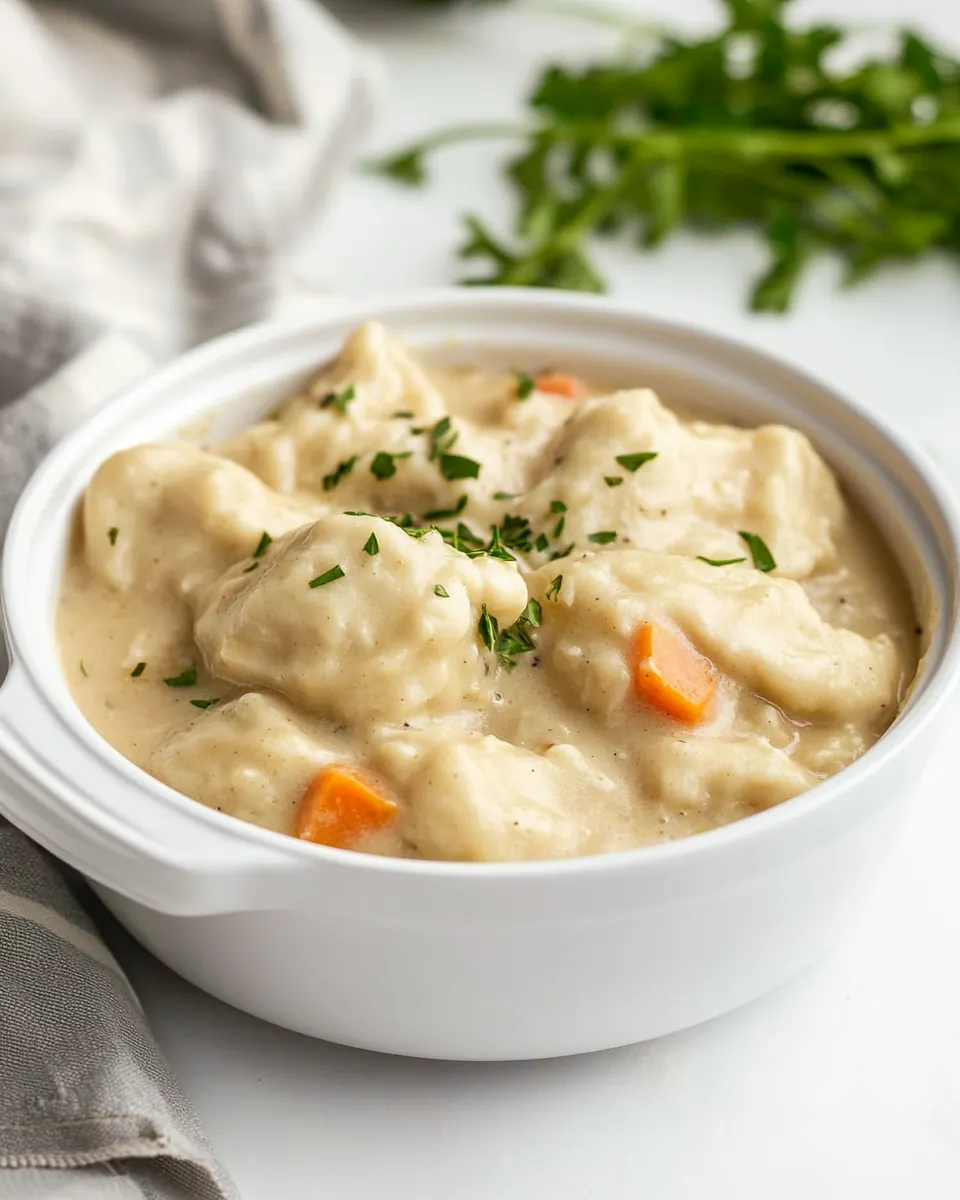
These ingredients are built around one simple philosophy, use familiar pantry staples to create deep savory flavor. The key players are the chicken for body, the butter and sautéed vegetables for aromatic depth, the flour to thicken, and the biscuit dough to create tender dumplings. Together they create a balanced bowl where each element supports the others without overpowering.
- 2 1/2 – 3 pounds boneless chicken breasts and/or chicken thighs: Provide tender cooked chicken as the primary protein, shredded or diced to create the hearty base of the stew; adjust between 2 1/2 and 3 pounds depending on family size and desired meatiness. Ensure breasts or thighs are cooked through and seasoned before adding to the broth so they impart rich flavor and texture to the dumplings.
- 6 tablespoons butter: Add rich butter to sauté vegetables and form the roux, contributing creaminess and depth of flavor to the broth; melt gently to avoid browning. Use full tablespoons to balance the fat needed for a smooth gravy and to coat the vegetables for even cooking.
- 1 large onion peeled and chopped: Sauté chopped onion until soft and translucent to build aromatic sweetness and savory backbone in the stew; finely chop for even distribution. Cook long enough to release natural sugars which will enhance the broth and complement the dumplings.
- 1 cup chopped celery: Sauté chopped celery to add mild, aromatic crunch and a subtle herbal note that balances sweeter vegetables; dice uniformly for consistent texture. Cook with the onion to release flavor into the base and contribute to the overall mouthfeel of the finished dish.
- 1 cup chopped carrots: Cook chopped carrots to bring natural sweetness, color, and a tender bite to the stew; cut into even pieces so they simmer evenly. Combine with other aromatics so the sugar from the carrots helps enrich and thicken the broth over time.
- 4 6 cloves garlic minced: Mince several garlic cloves to introduce pungent, savory depth and a warm aromatic lift to the base; adjust between 4 and 6 cloves for preferred intensity. Add during sautéing to bloom the oils and avoid burning, ensuring a balanced garlic presence throughout the dish.
- 1/4 cup all-purpose flour: Use all-purpose flour to thicken the cooking liquid when combined with butter into a roux or sprinkled directly to create velvety gravy for the dumplings to cook in. Measure carefully to achieve the right consistency so the broth coats the back of a spoon without becoming pasty.
- 3 cups chicken broth: Pour chicken broth as the flavorful cooking liquid that melds all ingredients and cooks the dumplings through; use three cups for adequate simmering volume. Choose a low-sodium option if possible to control final seasoning, and warm the broth before adding to maintain simmer.
- 5 teaspoons poultry seasoning: Season with poultry seasoning to infuse classic herbaceous flavor notes like sage, thyme, and rosemary that complement chicken and dumplings; use five teaspoons for pronounced warmth. Add gradually and taste as it simmers so the herbs enhance rather than overpower the broth.
- 12 14 ounces canned buttermilk biscuits or raw frozen biscuits, thawed: Layer in canned or thawed raw biscuits to form the dumplings, whether using flaky buttermilk biscuits or thawed frozen varieties; 12 to 14 ounces yields a generous topping. Tear or cut into portions and nestle into the simmering broth to steam or bake into tender, pillowy dumplings.
- 2 tablespoons chopped parsley: Stir in chopped parsley to add fresh, bright herbal lift and a pop of color just before serving; use as a finishing garnish to preserve flavor. Chop finely so the small pieces distribute evenly, enhancing aroma and cutting through the richness of the stew.
- Salt and pepper: Season with salt and pepper to balance and enhance all flavors throughout the dish; adjust to taste after simmering and dumplings have cooked. Use coarse or fine grind as preferred and season gradually to avoid oversalting the concentrated broth.
Step by Step Instructions for Chicken and Dumplings
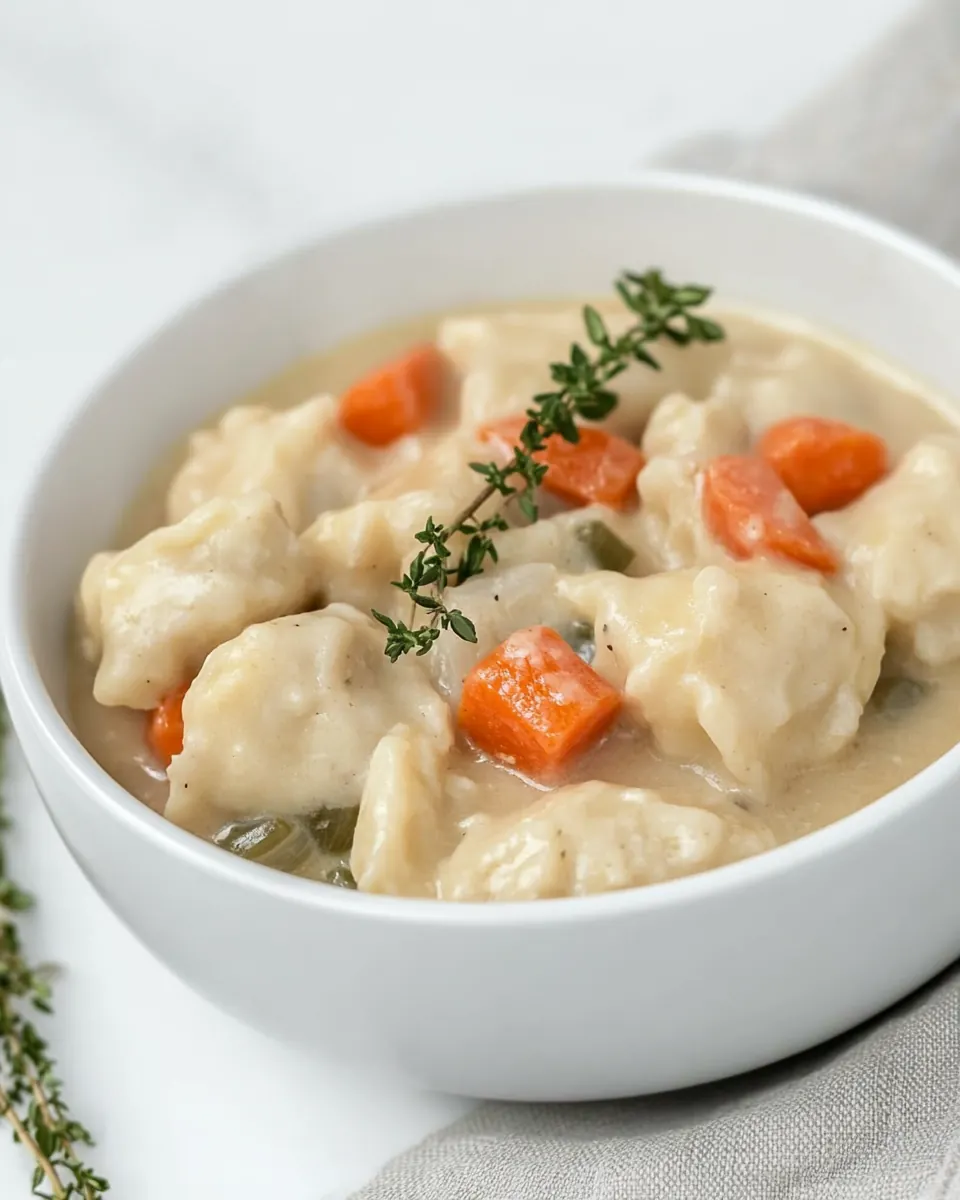
These instructions walk you through the entire process from sauté to slow cooker finish. I like to approach this methodically, because small choices at each stage shape the final texture and flavor. Keep a spoon and a pair of forks handy, and trust your senses more than the clock alone.
- Set out a large 6-8 quart slow cooker. Then set a large skillet (or sautéed pan) on the stovetop over medium heat.: The room fills with anticipation as the skillet warms, and you can almost hear the slight pop of air when a properly preheated pan meets butter. This prep step ensures you have everything within reach so the sauté moves smoothly, preventing burned garlic or rushed chopping which would dull flavors. A common mistake is using too small a slow cooker which leads to crowding, uneven cooking, and slower heat distribution.
- Add the butter, chopped onion, celery, carrots, and garlic to the skillet. Stir and sauté for 2-3 minutes. Then add the flour, and stir and sauté for another 2-3 minutes until the flour is golden-brown. Turn off the heat.: At this stage the butter should foam gently and the vegetables will begin to soften, releasing a fragrant, savory aroma that hints at sweetness. When you add the flour it will coat the veg and begin to toast, producing a subtle toasty scent that signals the raw edge is gone. The visual cue is glossy, slightly translucent onions and a light tan dusting of flour rather than white powder. The reason for this technique is to remove raw flour flavor and start the thickening process, resulting in a smoother gravy later. Avoid rushing the sauté, as undercooked flour can lend a chalky texture to the final dish.
- Scoop the vegetable mixture into the slow cooker. Add the chicken pieces, and pour in the chicken broth. Then sprinkle the tops of the chicken breast with 5 teaspoons of poultry seasoning, 1 teaspoon of salt, and 1/2 a teaspoon of black pepper.: As you transfer the sauté, notice how the hot skillet aromas mingle with the cooler broth, creating an inviting steam. The broth will pick up the sautéed bits from the pan, which is flavor gold. Even seasoning across the chicken ensures every bite is seasoned through rather than just the surface. One mistake to avoid is adding all seasonings to the broth only, which can leave chicken pieces under seasoned at their center.
- Cover and cook the chicken on LOW for 4 to 6 hours, or on HIGH for 2 to 3 hours. Once the chicken is fork-tender, use forks to shred the chicken into bite-size pieces, leaving them in the slow cooker.: As the cooker hums, the aroma deepens and the broth reduces slightly, concentrating the flavors into a cozy, savory scent. Fork tender means you can easily pull the meat apart without resistance and the juices run clear. Shredding in the cooker lets the meat reabsorb juices and keeps the strands moist. A frequent error is overcooking until the meat is dry, so check early within the time window if unsure.
- At this point, if you were cooking the chicken on low, turn the crockpot to HIGH so that it simmers around the edges.: Raising the temperature produces a gentle simmer which is critical for the dumplings to cook through without turning gummy. You will see small, steady bubbles at the perimeter and feel warmth radiate from the crock. The simmer helps the biscuit pieces set into dumplings rather than dissolving. A mistake is leaving it on LOW which may prevent the dumplings from cooking fully and lead to doughiness.
- Pop open the can of buttermilk biscuits. Roll the biscuits flat. Then use kitchen shears to cut each biscuit into six wedges.: The tactile act of rolling and cutting releases a subtle yeasty scent and gives you uniform wedges that will cook uniformly. Smaller, even pieces are key for consistent texture; too large and the centers may remain undercooked, too small and they might disintegrate. Be gentle when handling the dough to avoid compressing it into dense dumplings.
- Gently stir the biscuit wedges into the crockpot. Once they are all coated and gravy, stop stirring. The more you stir the dumplings, the more likely they are just to disintegrate into the gravy.: When you first stir them in the surface will look glossy as gravy clings to the dough, and small pockets of steam will rise as the dumplings start absorbing liquid. The why is simple, stirring breaks the forming structure of the dumpling; minimal movement allows a tender interior and a cohesive exterior. Many cooks overwork this step out of nervousness, leading to a porridge like texture instead of distinct dumplings.
- Cook the chicken and dumplings for another 60-90 minutes. The dumplings will absorb the liquid in the crock and thicken the gravy. They should be soft but fully cooked through when ready to serve.: During this period you will notice the broth thicken and the dumplings swell, taking on a pillowy softness. The scent will shift to a deeper, more rounded aroma as starches hydrate and meld with the seasoned broth. This time allows the interior of the dumplings to cook through while the exterior sets. Resist lifting the lid often because heat loss slows cooking and can extend the time needed.
- Sprinkle the top of the chicken and dumplings with fresh parsley and serve warm.: The final touch of chopped parsley adds a bright herbal note and a color contrast against the creamy stew, enhancing both flavor and presentation. Serving warm ensures the dumplings maintain their texture and the broth carries its full aroma. A common slip is waiting too long to serve, which can cause the dumplings to absorb too much liquid and become overly soft; plate and enjoy while the textures are distinct.
Change It Up
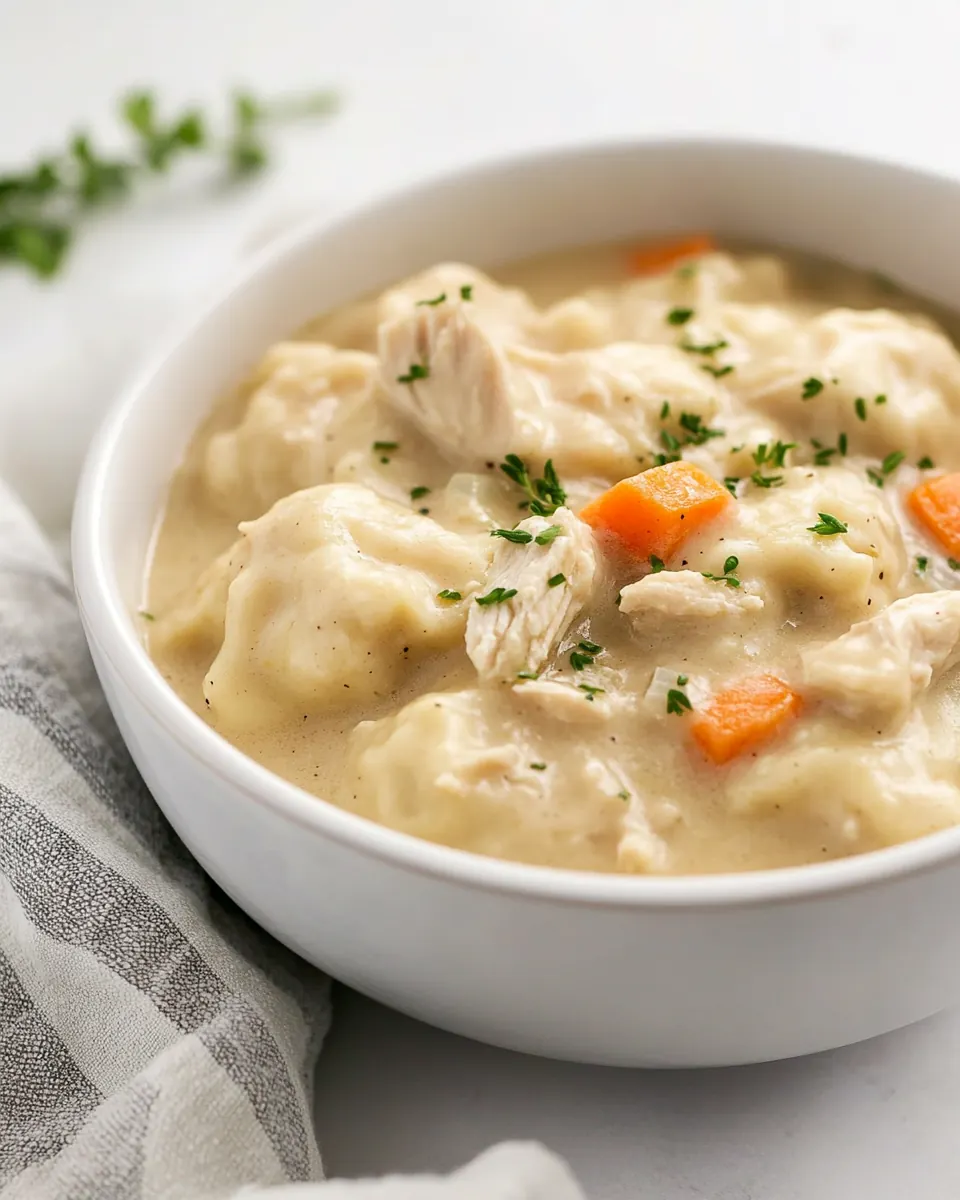
If you want to tweak the recipe, these ideas keep the spirit intact while introducing small variety. I like options that are easy to execute and maintain the dish of soft dumplings and savory broth. Here are practical variations and storage tips to make this recipe fit your schedule and taste.
- Switch up biscuits Use different brands of canned biscuits to slightly alter texture and flavor; some brands yield lighter dumplings while others are denser.
- Make ahead You can prepare the sautéed vegetable and flour mixture a day ahead, refrigerate it, and add it to the slow cooker when you start, saving time on busy days.
- Control thickness If you prefer a saucier result, reduce the initial broth by a cup; for thicker gravy, allow the cooker to simmer uncovered for a short time before adding dumplings.
- Use only thighs or breasts Selecting only chicken thighs yields a richer mouthfeel, while only breasts make it leaner and lighter, both valid depending on preference.
- Par-cook dumplings If you worry about undercooked centers, bake the biscuit wedges briefly for a few minutes before adding to the crockpot so they retain shape and finish reliably.
- Freeze smart Cool completely before freezing in an airtight container; wrap the container for extra protection from freezer burn and thaw overnight in the fridge before reheating gently.
Pairing Suggestions for Chicken and Dumplings
Chicken and Dumplings is a hearty centerpiece that pairs beautifully with simple, fresh sides and seasonal beverages. Whether it is a family dinner or a winter gathering, think textures and contrasts that complement the soft dumplings and savory broth. Serve it in bowls and offer warm bread if you want more to soak up the gravy.
- Light green salad A crisp salad with a bright vinaigrette cuts through the richness and adds a refreshing counterpoint to the warm bowl.
- Buttered vegetables Steamed green beans or sautéed peas give a pop of color and a fresh vegetal note that balances the dish.
- Crusty bread A rustic loaf or sliced baguette allows guests to mop up gravy and adds a pleasing chew against the soft dumplings.
- Family dinners This recipe is ideal for casual gatherings and holiday lunches where comforting, shareable food is the goal.
- Storage tips Store cooled leftovers in an airtight container in the refrigerator for up to 3 to 4 days. For longer storage, freeze in a freezer safe container for up to 3 months.
- Reheating Reheat gently in the microwave at reduced power or on the stovetop over low heat, stirring carefully to avoid breaking up the dumplings.
- Seasonal fit This dish is especially suited to winter evenings, when a warm, filling bowl is most welcome.
- Occasions Serve it for weeknight family dinners, Sunday suppers, or when you need a comforting dish for a gathering.
FAQ
Conclusion
What makes this recipe special is its combination of familiar pantry ingredients that transform into a deeply comforting bowl of creamy broth, tender shredded chicken, and soft dumplings. I encourage you to give it a try on a chilly evening or when you need food that feels like a warm hug. It is forgiving, scales well for guests, and stores beautifully so you can enjoy leftovers without losing the heart of the dish. Take your time with the sauté and the dumplings, savor the aromas as they develop, and enjoy the simple pleasure of a meal that gathers people together.
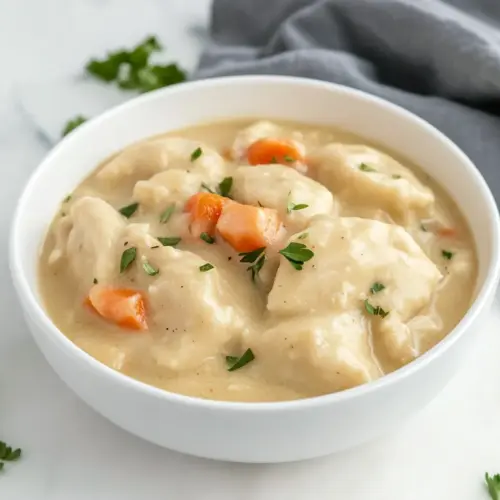
Chicken and Dumplings
Equipment
- Slow Cooker
- Large Skillet
- Forks
- Kitchen shears
Ingredients
- 2 1/2 – 3 pounds boneless chicken breasts and/or chicken thighs Provide tender cooked chicken as the primary protein, shredded or diced to create the hearty base of the stew; adjust between 2 1/2 and 3 pounds depending on family size and desired meatiness. Ensure breasts or thighs are cooked through and seasoned before adding to the broth so they impart rich flavor and texture to the dumplings.
- 6 tablespoons butter Add rich butter to sauté vegetables and form the roux, contributing creaminess and depth of flavor to the broth; melt gently to avoid browning. Use full tablespoons to balance the fat needed for a smooth gravy and to coat the vegetables for even cooking.
- 1 large onion peeled and chopped Sauté chopped onion until soft and translucent to build aromatic sweetness and savory backbone in the stew; finely chop for even distribution. Cook long enough to release natural sugars which will enhance the broth and complement the dumplings.
- 1 cup chopped celery Sauté chopped celery to add mild, aromatic crunch and a subtle herbal note that balances sweeter vegetables; dice uniformly for consistent texture. Cook with the onion to release flavor into the base and contribute to the overall mouthfeel of the finished dish.
- 1 cup chopped carrots Cook chopped carrots to bring natural sweetness, color, and a tender bite to the stew; cut into even pieces so they simmer evenly. Combine with other aromatics so the sugar from the carrots helps enrich and thicken the broth over time.
- 4 -6 cloves garlic minced Mince several garlic cloves to introduce pungent, savory depth and a warm aromatic lift to the base; adjust between 4 and 6 cloves for preferred intensity. Add during sautéing to bloom the oils and avoid burning, ensuring a balanced garlic presence throughout the dish.
- 1/4 cup all-purpose flour Use all-purpose flour to thicken the cooking liquid when combined with butter into a roux or sprinkled directly to create velvety gravy for the dumplings to cook in. Measure carefully to achieve the right consistency so the broth coats the back of a spoon without becoming pasty.
- 3 cups chicken broth Pour chicken broth as the flavorful cooking liquid that melds all ingredients and cooks the dumplings through; use three cups for adequate simmering volume. Choose a low-sodium option if possible to control final seasoning, and warm the broth before adding to maintain simmer.
- 5 teaspoons poultry seasoning Season with poultry seasoning to infuse classic herbaceous flavor notes like sage, thyme, and rosemary that complement chicken and dumplings; use five teaspoons for pronounced warmth. Add gradually and taste as it simmers so the herbs enhance rather than overpower the broth.
- 12 -14 ounces canned buttermilk biscuits or raw frozen biscuits, thawed Layer in canned or thawed raw biscuits to form the dumplings, whether using flaky buttermilk biscuits or thawed frozen varieties; 12 to 14 ounces yields a generous topping. Tear or cut into portions and nestle into the simmering broth to steam or bake into tender, pillowy dumplings.
- 2 tablespoons chopped parsley Stir in chopped parsley to add fresh, bright herbal lift and a pop of color just before serving; use as a finishing garnish to preserve flavor. Chop finely so the small pieces distribute evenly, enhancing aroma and cutting through the richness of the stew.
- Salt and pepper Season with salt and pepper to balance and enhance all flavors throughout the dish; adjust to taste after simmering and dumplings have cooked. Use coarse or fine grind as preferred and season gradually to avoid oversalting the concentrated broth.
Instructions
- Set out a large 6-8 quart slow cooker. Then set a large skillet (or sautéed pan) on the stovetop over medium heat.: The room fills with anticipation as the skillet warms, and you can almost hear the slight pop of air when a properly preheated pan meets butter. This prep step ensures you have everything within reach so the sauté moves smoothly, preventing burned garlic or rushed chopping which would dull flavors. A common mistake is using too small a slow cooker which leads to crowding, uneven cooking, and slower heat distribution.
- Add the butter, chopped onion, celery, carrots, and garlic to the skillet. Stir and sauté for 2-3 minutes. Then add the flour, and stir and sauté for another 2-3 minutes until the flour is golden-brown. Turn off the heat.: At this stage the butter should foam gently and the vegetables will begin to soften, releasing a fragrant, savory aroma that hints at sweetness. When you add the flour it will coat the veg and begin to toast, producing a subtle toasty scent that signals the raw edge is gone. The visual cue is glossy, slightly translucent onions and a light tan dusting of flour rather than white powder. The reason for this technique is to remove raw flour flavor and start the thickening process, resulting in a smoother gravy later. Avoid rushing the sauté, as undercooked flour can lend a chalky texture to the final dish.
- Scoop the vegetable mixture into the slow cooker. Add the chicken pieces, and pour in the chicken broth. Then sprinkle the tops of the chicken breast with 5 teaspoons of poultry seasoning, 1 teaspoon of salt, and 1/2 a teaspoon of black pepper.: As you transfer the sauté, notice how the hot skillet aromas mingle with the cooler broth, creating an inviting steam. The broth will pick up the sautéed bits from the pan, which is flavor gold. Even seasoning across the chicken ensures every bite is seasoned through rather than just the surface. One mistake to avoid is adding all seasonings to the broth only, which can leave chicken pieces under seasoned at their center.
- Cover and cook the chicken on LOW for 4 to 6 hours, or on HIGH for 2 to 3 hours. Once the chicken is fork-tender, use forks to shred the chicken into bite-size pieces, leaving them in the slow cooker.: As the cooker hums, the aroma deepens and the broth reduces slightly, concentrating the flavors into a cozy, savory scent. Fork tender means you can easily pull the meat apart without resistance and the juices run clear. Shredding in the cooker lets the meat reabsorb juices and keeps the strands moist. A frequent error is overcooking until the meat is dry, so check early within the time window if unsure.
- At this point, if you were cooking the chicken on low, turn the crockpot to HIGH so that it simmers around the edges.: Raising the temperature produces a gentle simmer which is critical for the dumplings to cook through without turning gummy. You will see small, steady bubbles at the perimeter and feel warmth radiate from the crock. The simmer helps the biscuit pieces set into dumplings rather than dissolving. A mistake is leaving it on LOW which may prevent the dumplings from cooking fully and lead to doughiness.
- Pop open the can of buttermilk biscuits. Roll the biscuits flat. Then use kitchen shears to cut each biscuit into six wedges.: The tactile act of rolling and cutting releases a subtle yeasty scent and gives you uniform wedges that will cook uniformly. Smaller, even pieces are key for consistent texture; too large and the centers may remain undercooked, too small and they might disintegrate. Be gentle when handling the dough to avoid compressing it into dense dumplings.
- Gently stir the biscuit wedges into the crockpot. Once they are all coated and gravy, stop stirring. The more you stir the dumplings, the more likely they are just to disintegrate into the gravy.: When you first stir them in the surface will look glossy as gravy clings to the dough, and small pockets of steam will rise as the dumplings start absorbing liquid. The why is simple, stirring breaks the forming structure of the dumpling; minimal movement allows a tender interior and a cohesive exterior. Many cooks overwork this step out of nervousness, leading to a porridge like texture instead of distinct dumplings.
- Cook the chicken and dumplings for another 60-90 minutes. The dumplings will absorb the liquid in the crock and thicken the gravy. They should be soft but fully cooked through when ready to serve.: During this period you will notice the broth thicken and the dumplings swell, taking on a pillowy softness. The scent will shift to a deeper, more rounded aroma as starches hydrate and meld with the seasoned broth. This time allows the interior of the dumplings to cook through while the exterior sets. Resist lifting the lid often because heat loss slows cooking and can extend the time needed.
- Sprinkle the top of the chicken and dumplings with fresh parsley and serve warm.: The final touch of chopped parsley adds a bright herbal note and a color contrast against the creamy stew, enhancing both flavor and presentation. Serving warm ensures the dumplings maintain their texture and the broth carries its full aroma. A common slip is waiting too long to serve, which can cause the dumplings to absorb too much liquid and become overly soft; plate and enjoy while the textures are distinct.
Notes
- Switch up biscuits Use different brands of canned biscuits to slightly alter texture and flavor; some brands yield lighter dumplings while others are denser.
- Make ahead You can prepare the sautéed vegetable and flour mixture a day ahead, refrigerate it, and add it to the slow cooker when you start, saving time on busy days.
- Control thickness If you prefer a saucier result, reduce the initial broth by a cup; for thicker gravy, allow the cooker to simmer uncovered for a short time before adding dumplings.
- Use only thighs or breasts Selecting only chicken thighs yields a richer mouthfeel, while only breasts make it leaner and lighter, both valid depending on preference.
- Par-cook dumplings If you worry about undercooked centers, bake the biscuit wedges briefly for a few minutes before adding to the crockpot so they retain shape and finish reliably.
- Freeze smart Cool completely before freezing in an airtight container; wrap the container for extra protection from freezer burn and thaw overnight in the fridge before reheating gently.