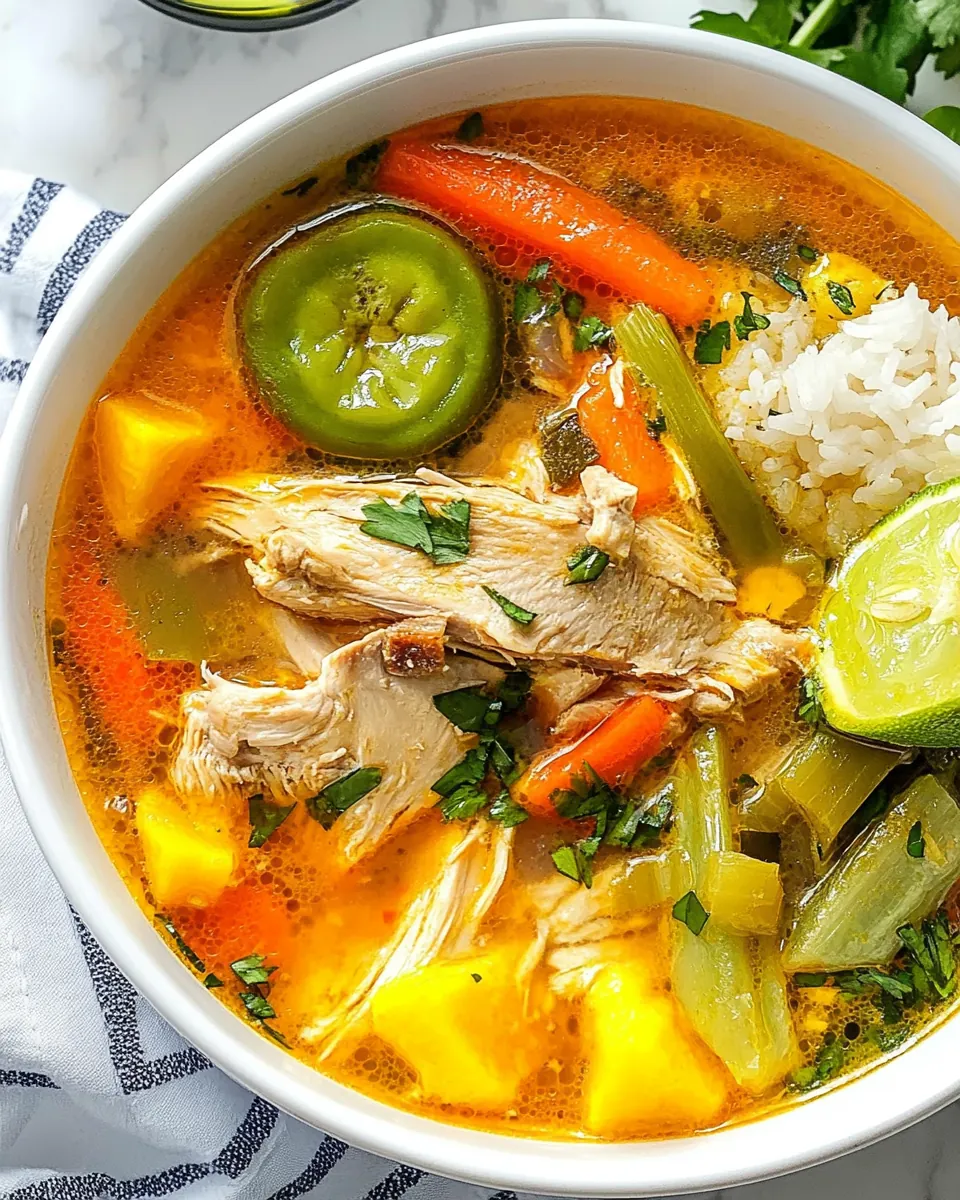
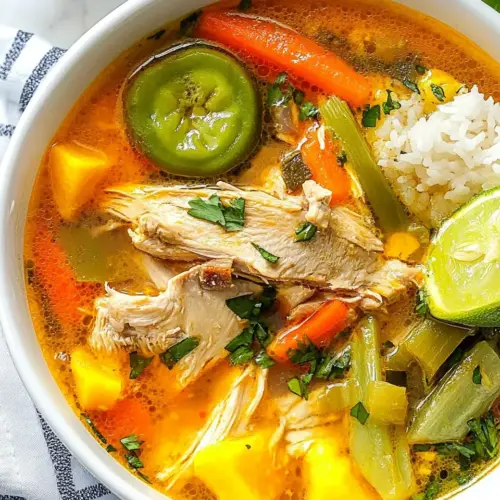
Caldo de Pollo
Caldo de Pollo has always been the bowl I reach for when I need comfort, warmth, and honest flavor.
Growing up, my family would gather around a steaming pot while rain tapped the windows, and that memory is stitched into every spoonful I make. Over the years I learned little rituals, like skimming the surface, or tasting for salt before adding a squeeze of citrus. Those small habits turn a simple soup into something that feels like home.
When I make Caldo de Pollo now, I often think of the way the kitchen fills with the scent of chicken and caramelizing onion, then how the tomatoes brighten the whole pot. Each ingredient plays a clear role, and I enjoy the deliberate pace of building flavors, one gentle simmer at a time.
Recipe Snapshot
50 mins
15 mins
35 mins
Medium
350 kcal
Mexican
Gluten-Free, Paleo
Soups
Large pot, Blender, Fine strainer
What We Adore About This Caldo de Pollo
Authentic, Honest Flavor
I adore how Caldo de Pollo captures deep, comforting notes from simple ingredients. The long simmer extracts every bit of taste from the chicken and aromatics, creating a broth that feels rustic yet refined. I like that it does not require fancy pantry items, just patience and respect for the basics.
Flexible and Family Friendly
I’ve watched picky eaters come around to a bowl of Caldo de Pollo because it is gentle and nourishing. You can easily serve it for a casual weeknight or a family gathering, and it scales up without drama. I often vary garnishes to suit who is at the table, which keeps it fresh meal after meal.
Nutrient Rich, Comforting Broth
One of the reasons I return to this recipe is the way the broth concentrates protein and minerals. After simmering, the liquid becomes a warm, restorative sip, perfect when someone needs a pick me up. The mix of potato, corn, and carrot gives texture and substance, so it serves as a full meal rather than just a starter.
Technique Meets Simplicity
I love that the technique is approachable yet rewarding. A short initial simmer extracts clear, savory flavors, then blending roasted or cooked vegetables adds body without complicated steps. I find that small technique choices, like straining solids before blending, elevate the final texture and mouthfeel.
Comfort That Travels
This recipe holds up beautifully for leftovers, so it becomes more delicious the next day. I often make a big pot knowing it will feed lunches during a busy week, which is why Caldo de Pollo feels like both a weekend treat and a practical weekday solution.
Ingredients You’ll Need for Caldo de Pollo
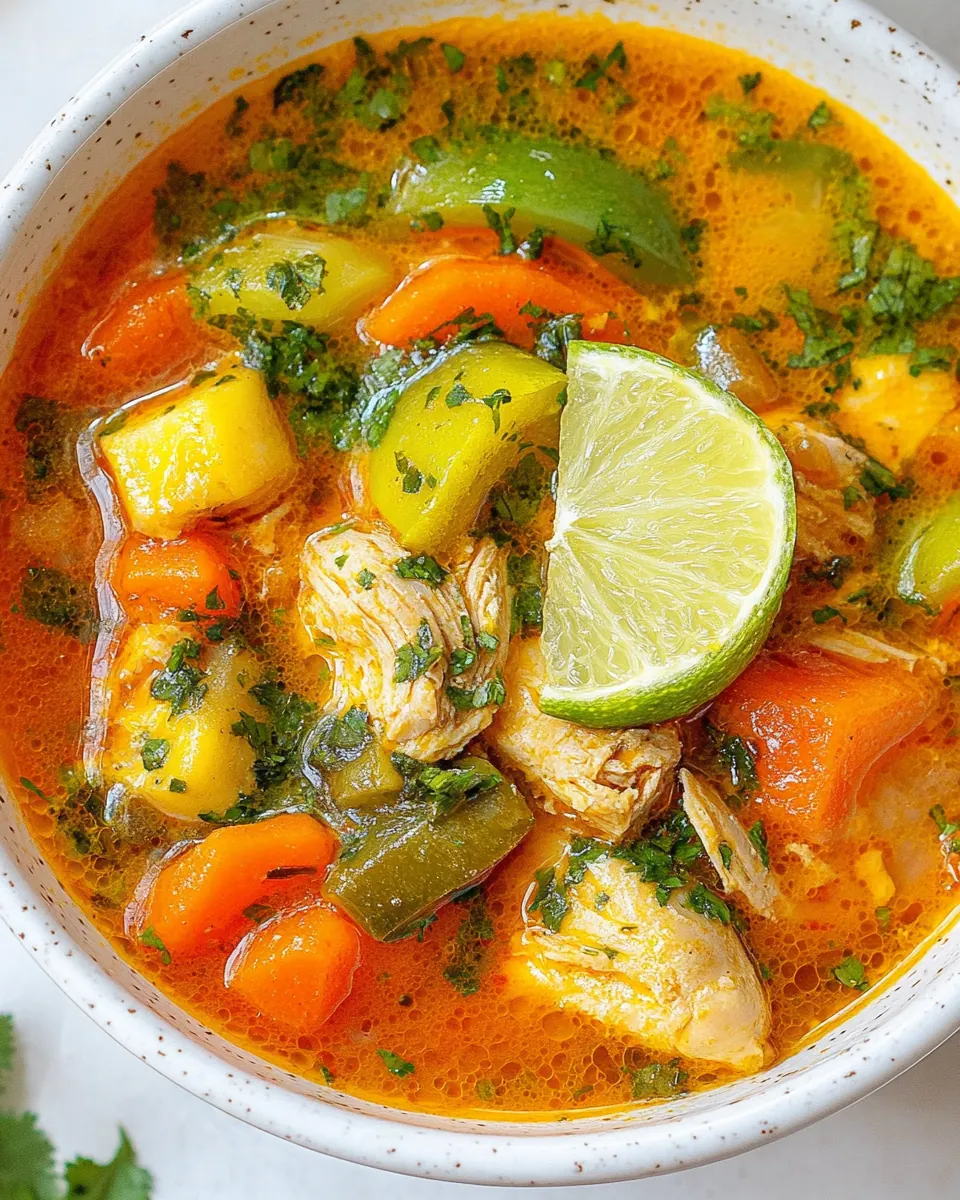
These ingredients work together to build a clear yet flavorful broth, hearty vegetables, and tender chicken. The chicken and aromatics form the base, while the blended tomatoes and aromatics add body. Starchy potato and sweet corn make the bowl filling, and fresh garnish brightens each spoonful.
- 6 boneless skinless chicken thighs, or your favorite chicken pieces: Provide rich, tender protein and flavor; use boneless skinless chicken thighs or preferred chicken pieces to create a succulent base for the caldo, releasing collagen and savory juices during simmering that enrich the broth.
- 8 cups water: Contribute the liquid foundation and cooking medium; add 8 cups of water to properly cover the chicken and vegetables, allowing flavors to meld and form a comforting, well-balanced soup.
- 1 medium onion, quartered: Add aromatic sweetness and depth; quarter a medium onion to infuse the broth with savory, slightly sweet notes while cooking down and complementing the other aromatics.
- 1 jalapeño pepper, seeded and halved: Bring mild heat and bright vegetal flavor; seed and halve a jalapeño pepper to introduce subtle spiciness and a fresh, green note that enhances overall complexity without overpowering.
- 4 cloves garlic: Provide pungent aromatic depth; use four cloves of garlic to impart savory, slightly sweet and earthy flavors that deepen the soup’s umami character as they simmer.
- 2 teaspoons salt: Season and enhance overall taste; measure 2 teaspoons of salt to balance flavors, help extract moisture from ingredients, and make the broth savory and satisfying.
- 1 teaspoon pepper: Add mild warmth and savory balance; use 1 teaspoon of pepper to offer a subtle earthy heat that complements the other spices without dominating the palate.
- 1 teaspoon chicken bouillon powder: Boost concentrated savory umami; dissolve 1 teaspoon of chicken bouillon powder to intensify the poultry flavor and round out the broth for a fuller taste profile.
- 1 teaspoon oregano: Provide herbal, aromatic notes; add 1 teaspoon of oregano to contribute slightly peppery, earthy flavors that pair well with the tomatoes and chicken in the caldo.
- 3 Roma tomatoes: Contribute acidity, sweetness, and body; include three Roma tomatoes to add bright tomato flavor and a touch of natural sweetness that helps balance the savory broth.
- 3 medium chopped carrots: Offer sweet, tender texture and color; chop three medium carrots to release natural sugars into the soup while providing a pleasing bite and vibrant orange hue.
- 3 ribs chopped celery: Add crisp, savory vegetal layers; chop three ribs of celery to infuse the broth with aromatic, slightly bitter notes and maintain a pleasant texture in the finished dish.
- 3 ears corn, halved: Provide sweet, starchy kernels and visual appeal; halve three ears of corn to release corn sweetness into the broth and add substantial, rustic pieces for eating.
- 2 large chopped russet potatoes, peeled: Give hearty, creamy body and substance; chop two large russet potatoes and peel them to contribute comforting starchiness that thickens the broth slightly and makes the soup more filling.
- chopped cilantro and lime, for garnish (optional): Finish with fresh brightness and acidity; chop cilantro and squeeze lime as optional garnish to add lively herbal notes and a citrus lift that brightens each spoonful.
The Process for Making Caldo de Pollo
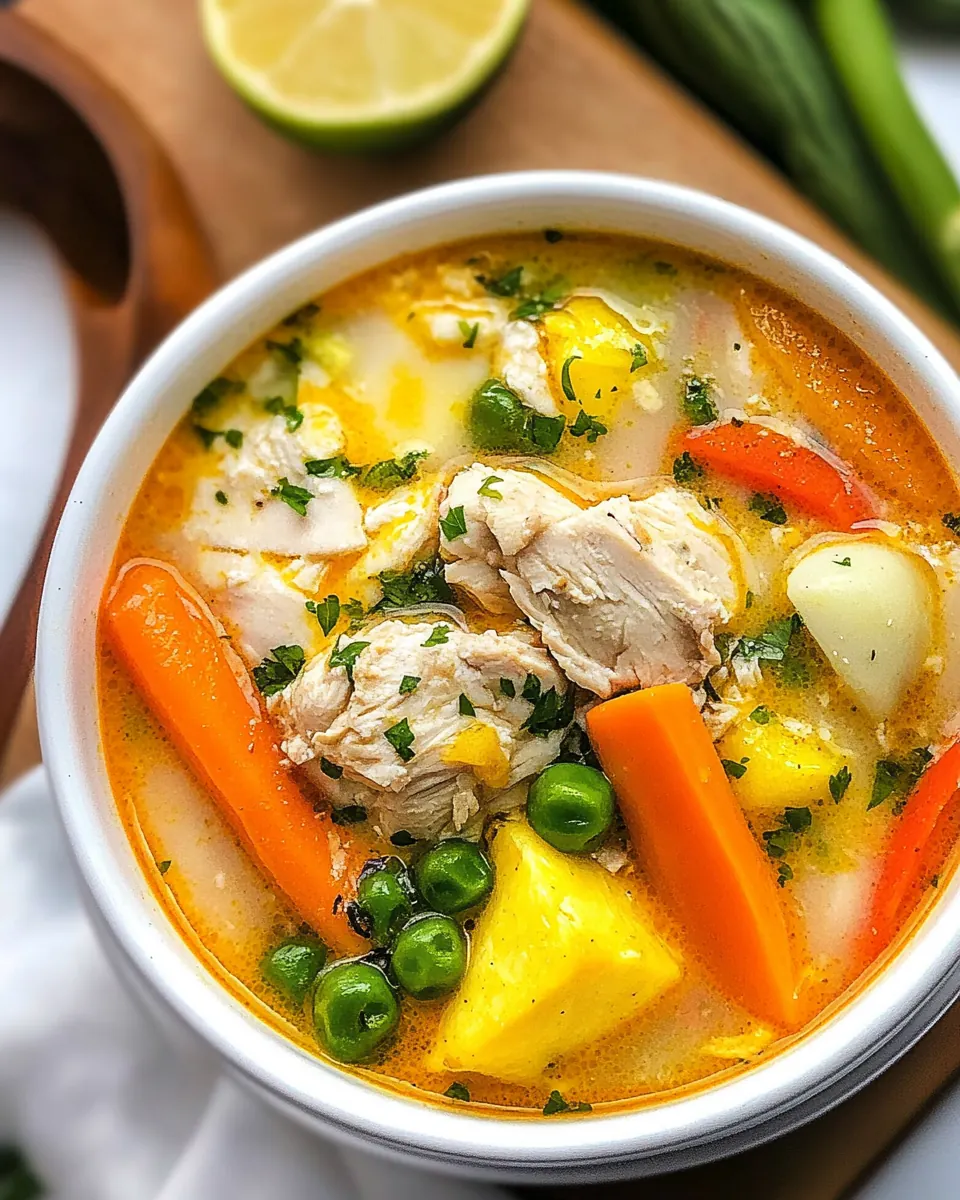
I like to think of the cooking as a gentle story told in layers, starting with the broth and building toward a finished, comforting bowl. Keep your senses tuned, and adjust as you go, because small decisions make a big difference in the final flavor. Below I expand each step so you can follow along confidently.
- Heat the 8 cups water in a large pot on the stove over medium-high heat. Add the 6 boneless skinless chicken thighs, 1 medium onion, 1 jalapeño pepper, 4 cloves garlic, 2 teaspoons salt, and 1 teaspoon pepper to the water. Bring to a boil, reduce the heat to medium-low, cover, and gently boil for 20 minutes.: As the water warms, you will notice steam rising and the surface beginning to shimmer, this is when the pot is ready to receive the aromatics; starting in cold water lets the chicken warm gradually, which helps extract gelatin and flavor without toughening the meat. Listen for a gentle bubbling as the temperature approaches a simmer, and expect a mild meaty scent to perfume the kitchen. One common mistake is cranking the heat too high, which can cloud the broth and make it greasy, so aim for a steady medium-high that leads to a calm boil.
- Remove 1 cup of the broth and pour it into a blender. Use a small strainer to remove the onion, jalapeño, and garlic from the water then add them to the blender. Add 1 teaspoon chicken bouillon powder, 1 teaspoon oregano, and 3 Roma tomatoes. Blend the vegetables until smooth.: The moment these go in the pot, the liquid will quickly take on savory aromas; the onion and garlic release sweet sulfur notes while the jalapeño contributes an earthy, green heat. Give the pot a gentle stir so the seasonings distribute evenly. I avoid crowding the pot to ensure even heat circulation, and I taste the liquid after ten minutes to confirm the salt balance. A typical slip here is adding too much salt at the start, so err on the lighter side and adjust later.
- Take the chicken from the pot and shred it using two forks.: You will see the surface transition to steady bubbles, not a violent churn; that gentle boil extracts flavor evenly and keeps the broth clear. Covering the pot traps aromatics, intensifying the scent that fills the kitchen. At around fifteen minutes, peek and skim any foam for a cleaner presentation. Over boiling is a frequent error, it can make the chicken stringy and the broth cloudy, so maintain a gentle movement on the surface.
- Return the shredded chicken to the pot along with the vegetable puree, 3 medium chopped carrots, 3 ribs chopped celery, 3 ears corn, and 2 large chopped russet potatoes. Cover and gently boil until the vegetables are tender, about 10-15 minutes.: The warm broth in the blender helps carry the blended vegetables smoothly, creating a silkier puree when combined with the cooked aromatics. Be cautious when blending hot liquids, venting the lid slightly and holding it down with a towel to prevent splatter. A common misstep is blending too fast without venting, which can cause hot bursts, so take it slow and steady.
- Serve the soup fresh with toppings like cilantro, lime, hot sauce, or Mexican Rice.: Straining prevents large bits from floating back into the pot while ensuring you capture the softened aromatics for pureeing. The strained pieces will be softened and aromatic, and blending them concentrates their flavor. If you skip straining, you risk uneven texture and stray bits in the broth, so take the extra moment to strain carefully.
- Add 1 teaspoon chicken bouillon powder, 1 teaspoon oregano, and 3 Roma tomatoes: These additions in the blender build savory depth and herbal warmth, and the tomatoes contribute acidity that balances the broth's richness. Once blended, the tomato puree should be smooth and fragrant, carrying a bright red hue. A mistake I often warn against is adding too much bouillon, which can make the soup taste artificial, so stick to the measured amount and taste before modifying.
- Blend the vegetables until smooth: As you blend, watch the texture shift from chunky to velvety, and notice the aroma becoming brighter and fresher; the sound changes to a consistent motor hum indicating uniform puree. This smoothness adds body to the broth without altering the clear look too much. Over-blending at a high speed can warm the puree excessively, so pulse and check the texture often.
- Take the chicken from the pot and shred it using two forks: After removing the chicken , the meat should feel tender and pull apart easily into moist strands, which is perfect for absorbing broth flavors. Shredding by hand gives varied textures that feel homely and satisfying in the bowl. A common error is shredding too early while the meat is still hot in the pot, which can lead to small, dry pieces, so cool slightly before shredding if needed.
- Return the shredded chicken to the pot along with the vegetable puree, 3 medium chopped carrots, 3 ribs chopped celery, 3 ears corn, and 2 large chopped russet potatoes: As you add these, the pot becomes layered with color and texture; the vegetable puree will swirl into the clear broth, adding body, while the raw vegetables will steep and soften. The aroma should bloom with sweetness from the carrots and corn, and earthy potato starch will slightly thicken the soup as it cooks. Avoid dropping everything in at the same time without stirring, which can create uneven cooking pockets, so stir gently after each addition.
- Cover and gently boil until the vegetables are tender, about 10 to 15 minutes: Watch the pot as the vegetables move from firm to yielding, check by piercing a potato chunk with a fork; when it slides in easily, you are done. The soup will smell full and rounded, with the sweetness of the corn and carrots balancing the savory broth. A typical mistake is overcooking, which turns vegetables mushy and loses textural contrast, so test early and often.
- Serve the soup fresh with toppings like cilantro, lime, hot sauce, or Mexican Rice: When you ladle the bowl, the steam will carry a bright citrusy note if you add lime, and chopped cilantro will provide a fresh green pop. I like to offer garnishes so each person customizes their bowl. Avoid adding garnishes too early when storing, as they wilt, so reserve them for right before serving.
Customization Ideas
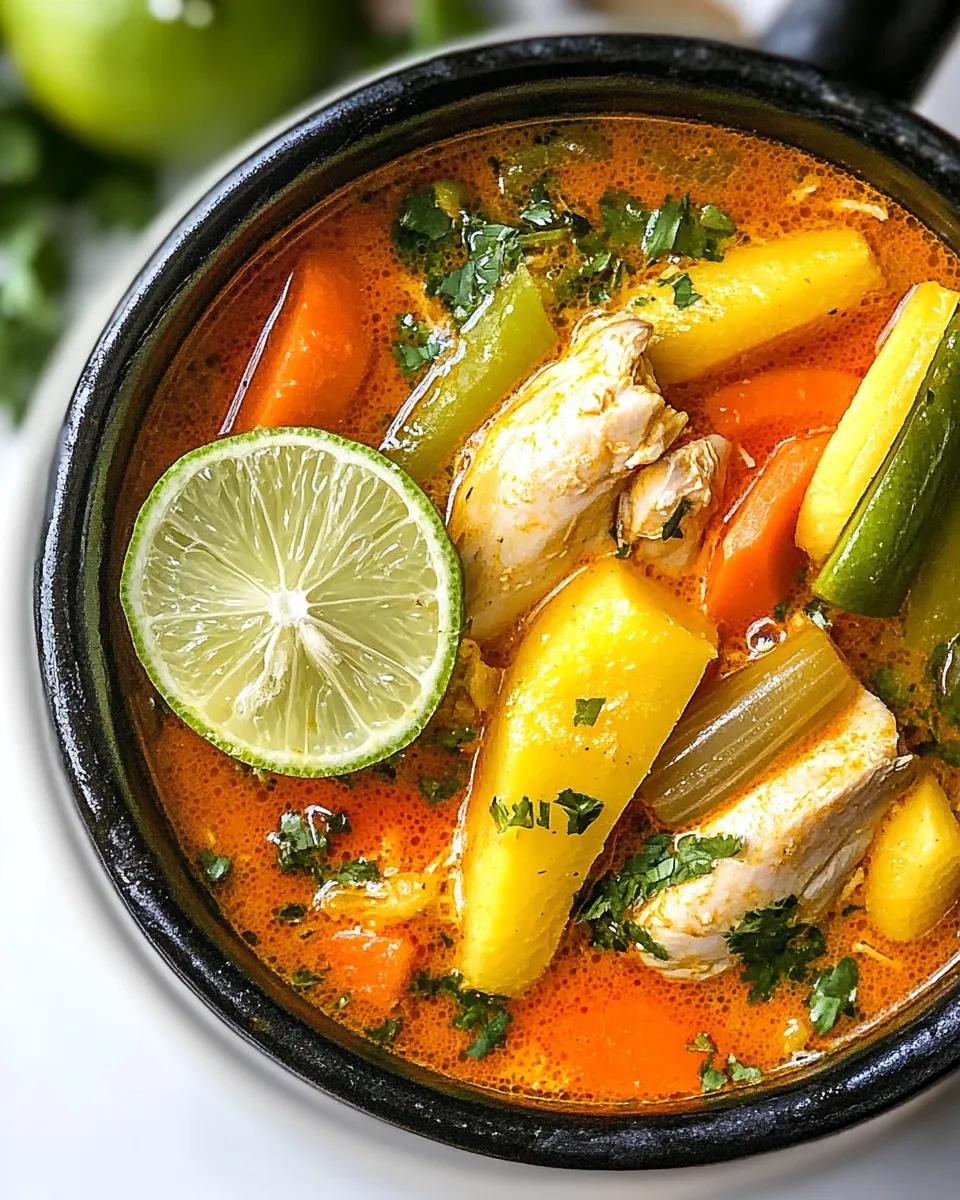
If you want to personalize Caldo de Pollo, these ideas will help you tailor the bowl to your tastes. Each tip begins with a focused suggestion and expands on how it changes texture, flavor, or presentation.
- Swap chicken cuts: Use bone in pieces if you prefer a richer, more gelatinous broth; this increases body and mouthfeel, though cooking times may extend slightly.
- Adjust heat level: Keep the seeds in the jalapeño for more kick, or add sliced fresh chiles at service for controlled spice that will not dominate the base flavors.
- Make it heartier: Add extra chopped potatoes or a handful of rice at the end for a more substantial stew like experience; monitor liquid levels as starches absorb broth.
- Brighten with citrus: Serve lime wedges so each diner can brighten their bowl, the acid lifts the savory base and highlights aromatics.
- Garnish creatively: Offer chopped cilantro, sliced radish, or a drizzle of hot sauce to add texture contrasts and visual appeal at the table.
How to Serve Caldo de Pollo
Caldo de Pollo is versatile and comforting, suited to a quiet family dinner or a large gathering. I like to present bowls warm, with small plates of garnishes so guests customize their bowls. Below are thoughtful serving ideas, storage tips, and occasion pairing suggestions.
- Family dinners: Serve the soup in deep bowls with lime wedges and chopped cilantro on the side, letting everyone adjust brightness and herbiness to taste.
- Weeknight comfort: Pair with warm tortillas for a low fuss, filling meal where each spoonful feels like a complete plate.
- Ramadan or special occasions: This soup makes a gentle iftar starter, great after a day of fasting, because it is nourishing and easy on the stomach.
- Storage: Cool to room temperature, then refrigerate up to three days; reheat gently on the stove to preserve texture and avoid overcooking the vegetables.
- Make ahead: The flavors deepen overnight, so preparing a day ahead can yield an even more cohesive taste, just refresh garnishes before serving.
- Seasonal pairing: In colder months, serve with warm crusty bread or a simple salad to balance the warmth of the bowl.
- Presentation: Ladle the broth first, then add shredded chicken and vegetables so the bowl looks layered and inviting.
FAQ
Conclusion
Caldo de Pollo shines because it combines simple pantry ingredients into a deeply satisfying, nourishing bowl that feels like home. Give it a try when you want something warm, restorative, and adaptable to the people you are feeding. With modest effort and attention to layering flavors, you will have a soup that comforts and delights, ready for small family dinners or to share with friends who need a little culinary kindness.
Caldo de Pollo
Equipment
- Large Pot
- Blender
- Fine strainer
Ingredients
- 6 boneless skinless chicken thighs, or your favorite chicken pieces Provide rich, tender protein and flavor; use boneless skinless chicken thighs or preferred chicken pieces to create a succulent base for the caldo, releasing collagen and savory juices during simmering that enrich the broth.
- 8 cups water Contribute the liquid foundation and cooking medium; add 8 cups of water to properly cover the chicken and vegetables, allowing flavors to meld and form a comforting, well-balanced soup.
- 1 medium onion, quartered Add aromatic sweetness and depth; quarter a medium onion to infuse the broth with savory, slightly sweet notes while cooking down and complementing the other aromatics.
- 1 jalapeño pepper, seeded and halved Bring mild heat and bright vegetal flavor; seed and halve a jalapeño pepper to introduce subtle spiciness and a fresh, green note that enhances overall complexity without overpowering.
- 4 cloves garlic Provide pungent aromatic depth; use four cloves of garlic to impart savory, slightly sweet and earthy flavors that deepen the soup’s umami character as they simmer.
- 2 teaspoons salt Season and enhance overall taste; measure 2 teaspoons of salt to balance flavors, help extract moisture from ingredients, and make the broth savory and satisfying.
- 1 teaspoon pepper Add mild warmth and savory balance; use 1 teaspoon of pepper to offer a subtle earthy heat that complements the other spices without dominating the palate.
- 1 teaspoon chicken bouillon powder Boost concentrated savory umami; dissolve 1 teaspoon of chicken bouillon powder to intensify the poultry flavor and round out the broth for a fuller taste profile.
- 1 teaspoon oregano Provide herbal, aromatic notes; add 1 teaspoon of oregano to contribute slightly peppery, earthy flavors that pair well with the tomatoes and chicken in the caldo.
- 3 Roma tomatoes Contribute acidity, sweetness, and body; include three Roma tomatoes to add bright tomato flavor and a touch of natural sweetness that helps balance the savory broth.
- 3 medium chopped carrots Offer sweet, tender texture and color; chop three medium carrots to release natural sugars into the soup while providing a pleasing bite and vibrant orange hue.
- 3 ribs chopped celery Add crisp, savory vegetal layers; chop three ribs of celery to infuse the broth with aromatic, slightly bitter notes and maintain a pleasant texture in the finished dish.
- 3 ears corn, halved Provide sweet, starchy kernels and visual appeal; halve three ears of corn to release corn sweetness into the broth and add substantial, rustic pieces for eating.
- 2 large chopped russet potatoes, peeled Give hearty, creamy body and substance; chop two large russet potatoes and peel them to contribute comforting starchiness that thickens the broth slightly and makes the soup more filling.
- chopped cilantro and lime, optional for garnish Finish with fresh brightness and acidity; chop cilantro and squeeze lime as optional garnish to add lively herbal notes and a citrus lift that brightens each spoonful.
Instructions
- Heat the 8 cups water in a large pot on the stove over medium-high heat. Add the 6 boneless skinless chicken thighs, 1 medium onion, 1 jalapeño pepper, 4 cloves garlic, 2 teaspoons salt, and 1 teaspoon pepper to the water. Bring to a boil, reduce the heat to medium-low, cover, and gently boil for 20 minutes.: As the water warms, you will notice steam rising and the surface beginning to shimmer, this is when the pot is ready to receive the aromatics; starting in cold water lets the chicken warm gradually, which helps extract gelatin and flavor without toughening the meat. Listen for a gentle bubbling as the temperature approaches a simmer, and expect a mild meaty scent to perfume the kitchen. One common mistake is cranking the heat too high, which can cloud the broth and make it greasy, so aim for a steady medium-high that leads to a calm boil.
- Remove 1 cup of the broth and pour it into a blender. Use a small strainer to remove the onion, jalapeño, and garlic from the water then add them to the blender. Add 1 teaspoon chicken bouillon powder, 1 teaspoon oregano, and 3 Roma tomatoes. Blend the vegetables until smooth.: The moment these go in the pot, the liquid will quickly take on savory aromas; the onion and garlic release sweet sulfur notes while the jalapeño contributes an earthy, green heat. Give the pot a gentle stir so the seasonings distribute evenly. I avoid crowding the pot to ensure even heat circulation, and I taste the liquid after ten minutes to confirm the salt balance. A typical slip here is adding too much salt at the start, so err on the lighter side and adjust later.
- Take the chicken from the pot and shred it using two forks.: You will see the surface transition to steady bubbles, not a violent churn; that gentle boil extracts flavor evenly and keeps the broth clear. Covering the pot traps aromatics, intensifying the scent that fills the kitchen. At around fifteen minutes, peek and skim any foam for a cleaner presentation. Over boiling is a frequent error, it can make the chicken stringy and the broth cloudy, so maintain a gentle movement on the surface.
- Return the shredded chicken to the pot along with the vegetable puree, 3 medium chopped carrots, 3 ribs chopped celery, 3 ears corn, and 2 large chopped russet potatoes. Cover and gently boil until the vegetables are tender, about 10-15 minutes.: The warm broth in the blender helps carry the blended vegetables smoothly, creating a silkier puree when combined with the cooked aromatics. Be cautious when blending hot liquids, venting the lid slightly and holding it down with a towel to prevent splatter. A common misstep is blending too fast without venting, which can cause hot bursts, so take it slow and steady.
- Serve the soup fresh with toppings like cilantro, lime, hot sauce, or Mexican Rice.: Straining prevents large bits from floating back into the pot while ensuring you capture the softened aromatics for pureeing. The strained pieces will be softened and aromatic, and blending them concentrates their flavor. If you skip straining, you risk uneven texture and stray bits in the broth, so take the extra moment to strain carefully.
- Add 1 teaspoon chicken bouillon powder, 1 teaspoon oregano, and 3 Roma tomatoes: These additions in the blender build savory depth and herbal warmth, and the tomatoes contribute acidity that balances the broth's richness. Once blended, the tomato puree should be smooth and fragrant, carrying a bright red hue. A mistake I often warn against is adding too much bouillon, which can make the soup taste artificial, so stick to the measured amount and taste before modifying.
- Blend the vegetables until smooth: As you blend, watch the texture shift from chunky to velvety, and notice the aroma becoming brighter and fresher; the sound changes to a consistent motor hum indicating uniform puree. This smoothness adds body to the broth without altering the clear look too much. Over-blending at a high speed can warm the puree excessively, so pulse and check the texture often.
- Take the chicken from the pot and shred it using two forks: After removing the chicken , the meat should feel tender and pull apart easily into moist strands, which is perfect for absorbing broth flavors. Shredding by hand gives varied textures that feel homely and satisfying in the bowl. A common error is shredding too early while the meat is still hot in the pot, which can lead to small, dry pieces, so cool slightly before shredding if needed.
- Return the shredded chicken to the pot along with the vegetable puree, 3 medium chopped carrots, 3 ribs chopped celery, 3 ears corn, and 2 large chopped russet potatoes: As you add these, the pot becomes layered with color and texture; the vegetable puree will swirl into the clear broth, adding body, while the raw vegetables will steep and soften. The aroma should bloom with sweetness from the carrots and corn, and earthy potato starch will slightly thicken the soup as it cooks. Avoid dropping everything in at the same time without stirring, which can create uneven cooking pockets, so stir gently after each addition.
- Cover and gently boil until the vegetables are tender, about 10 to 15 minutes: Watch the pot as the vegetables move from firm to yielding, check by piercing a potato chunk with a fork; when it slides in easily, you are done. The soup will smell full and rounded, with the sweetness of the corn and carrots balancing the savory broth. A typical mistake is overcooking, which turns vegetables mushy and loses textural contrast, so test early and often.
- Serve the soup fresh with toppings like cilantro, lime, hot sauce, or Mexican Rice: When you ladle the bowl, the steam will carry a bright citrusy note if you add lime, and chopped cilantro will provide a fresh green pop. I like to offer garnishes so each person customizes their bowl. Avoid adding garnishes too early when storing, as they wilt, so reserve them for right before serving.
Notes
- Swap chicken cuts: Use bone in pieces if you prefer a richer, more gelatinous broth; this increases body and mouthfeel, though cooking times may extend slightly.
- Adjust heat level: Keep the seeds in the jalapeño for more kick, or add sliced fresh chiles at service for controlled spice that will not dominate the base flavors.
- Make it heartier: Add extra chopped potatoes or a handful of rice at the end for a more substantial stew like experience; monitor liquid levels as starches absorb broth.
- Brighten with citrus: Serve lime wedges so each diner can brighten their bowl, the acid lifts the savory base and highlights aromatics.
- Garnish creatively: Offer chopped cilantro, sliced radish, or a drizzle of hot sauce to add texture contrasts and visual appeal at the table.