Maroulosalata Greek Lettuce Salad
Maroulosalata Greek Lettuce Salad is one of those recipes I fall back on whenever I want something bright, herbaceous, and utterly uncomplicated. I first learned it from a neighbor who grew a jungle of herbs on her balcony, and she showed me how a few simple, fresh ingredients could turn ordinary lettuce into something remarkably elegant. From that day, this salad became my go to when friends pop by unexpectedly or when I need a light counterpoint to a richer main.
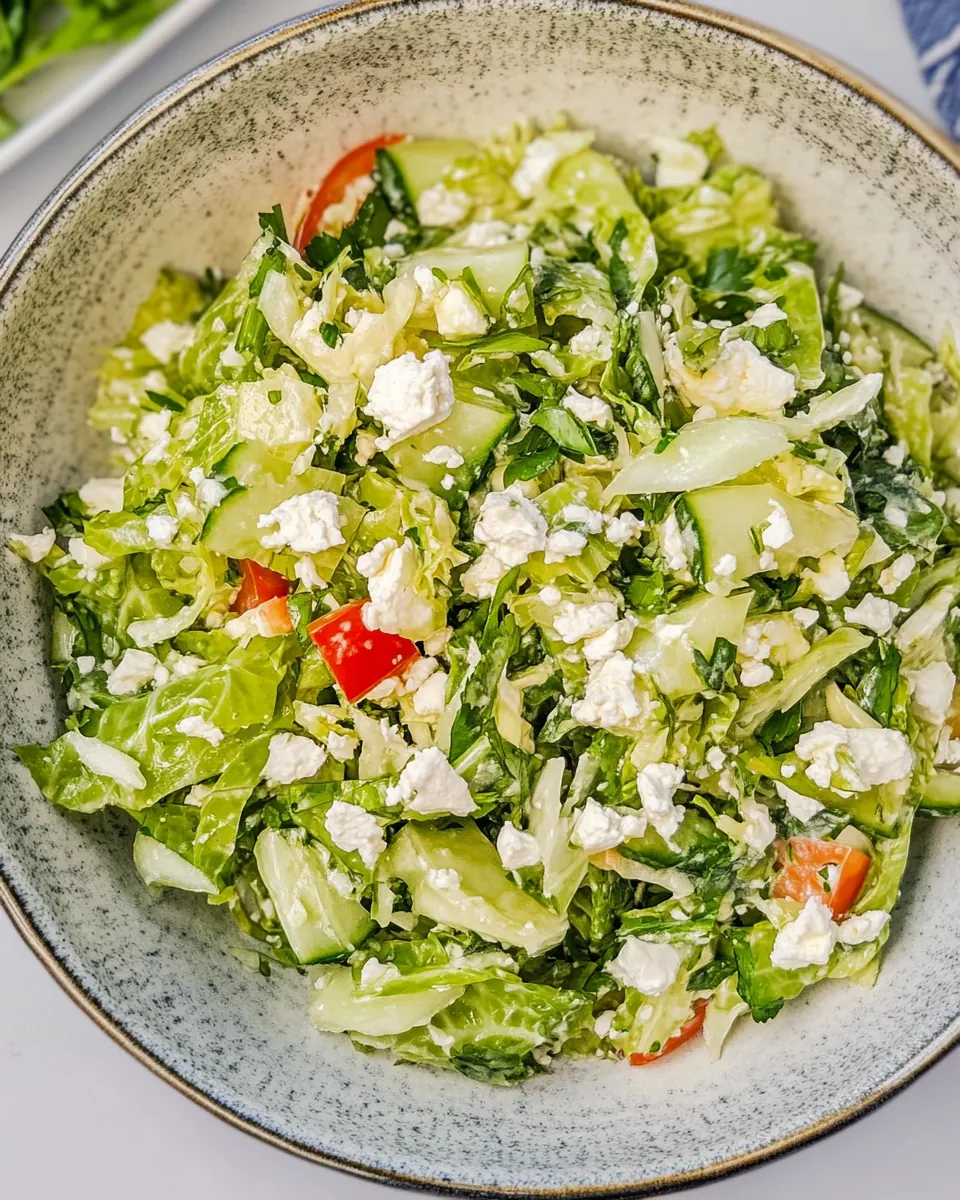
There is a quiet joy in shredding the lettuce so thin it almost melts in your mouth, and in whisking a dressing that balances citrus, olive oil, and a hint of sweetness. I love how the herbs scatter like small green fireworks, and how the crumbled feta cheese adds creamy pops between the ribbons of romaine lettuce. It’s the kind of salad I make when I want people to notice freshness without fuss, and when I want to feel like I ate something wholesome and honest.
Every time I toss the components together I remember late spring lunches on a shaded terrace, where this salad paired perfectly with grilled vegetables and crusty bread. It’s forgiving, too, so when life gets hectic I still manage to produce something that looks and tastes impressive. I’ll sometimes prepare the dressing a touch ahead and then assemble at the last minute to keep the leaves crisp, because texture matters to me as much as flavor.
Recipe Snapshot
15 mins
15 mins
Easy
250 kcal
Mediterranean
Gluten-Free, Low FODMAP
Side Dishes
Large bowl, Small bowl, Whisk, Knife, Cutting board
Why You’ll Love This Maroulosalata Greek Lettuce Salad
Vibrant, fresh flavors that sing
I love how Maroulosalata Greek Lettuce Salad presents a bright, herby profile that feels lively on the palate. The interplay between the sharpness of lemon juice, the grassy warmth of extra virgin olive oil, and the sweet lift from honey turns every forkful into a lively bite. The herbs make the difference, and when they are fresh the salad almost sparkles.
Textural contrast that keeps you coming back
The thinly sliced romaine lettuce gives a crisp, nearly shreddy base that soaks up dressing without turning soggy. When you add the creamy crumbles of feta cheese, each mouthful alternates between crisp, creamy, and slightly chewy from the herbs. I find this contrast irresistible, and it makes the salad feel like a composed dish rather than a simple side.
Speed and simplicity for everyday cooking
I often reach for Maroulosalata Greek Lettuce Salad when time is tight. The recipe comes together in minutes, and yet it looks and tastes thoughtful. For weeknight dinners when I want an easy weeknight dinner that still feels homemade, this is my shortcut to something satisfying and light.
Flexible and forgiving
While I follow the ingredients faithfully most of the time, this salad forgives small substitutions and timing adjustments. You can whisk the dressing quickly and adjust it to your taste. If herbs are abundant, I add a bit more to amplify the freshness. It’s a forgiving recipe that rewards attention to small details like slicing and seasoning.
Perfect for sharing and seasonal menus
I appreciate how well Maroulosalata Greek Lettuce Salad fits into spring menus, brunches, and casual dinner spreads. It pairs beautifully with grilled dishes, roasted vegetables, or as a light starter. When I serve it, guests often ask for seconds, which is the surest sign it works.
Ingredient List for Maroulosalata Greek Lettuce Salad
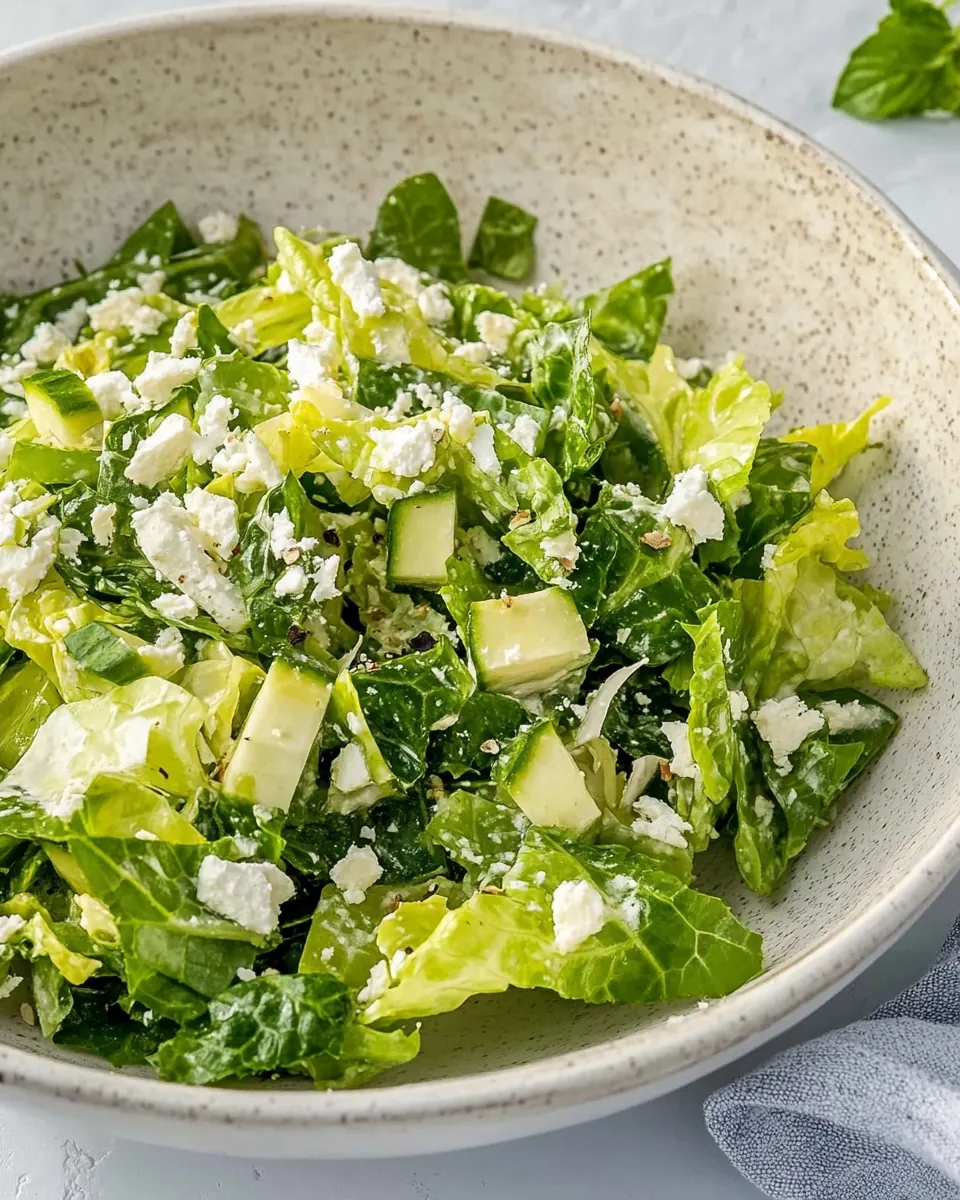
These ingredients are chosen to highlight freshness and simplicity. The recipe relies on a few key players: crisp romaine lettuce for structure, fragrant herbs to lift the flavor, creamy feta cheese for salty richness, and a bright dressing that ties everything together. Each item plays a clear role so the salad feels balanced without requiring complicated prep.
- 2 large heads romaine lettuce (finely sliced, almost shredded): Provide a crisp, sturdy base with a slightly bitter, fresh flavor; finely sliced to create light, airy texture that holds dressing well and contrasts softer herbs and cheese. Offer substantial volume and crunch, helping transform the salad into a satisfying main or side dish. Pair well with tangy and sweet elements in the dressing to balance its natural bitterness.
- 4 green onions (thinly sliced): Add a mild oniony zest and tender crunch when thinly sliced; contribute subtle sharpness that brightens the overall flavor without overpowering delicate herbs. Offer small aromatic bursts throughout each bite and complement creamy feta and citrusy dressing components. Can be kept crisp by adding last to avoid wilting.
- 1/4 cup fresh dill (chopped): Deliver a bright, herbaceous fragrance and slightly grassy flavor when chopped; enhance the salad with aromatic freshness that complements mint and lemon. Provide visual appeal and a light, feathery texture that blends into the greens. Work well in small amounts to avoid overwhelming the balance of flavors.
- 1/4 cup fresh mint (chopped): Bring a cool, slightly sweet and menthol-like note when chopped; contribute refreshing contrast that lifts the salad’s overall profile and pairs especially well with lemon and dill. Add layered complexity and aromatic depth while offering a pleasant counterpoint to salty feta. Use chopped uniformly for even distribution.
- 1/2 cup feta cheese (crumbled): Contribute creamy saltiness and tangy richness when crumbled over the salad; create savory pockets that contrast with sweet and acidic dressing elements. Add a soft, slightly grainy texture and boost umami character, helping to round out the greens and herbs. Use moderate quantity so the cheese enhances without dominating.
- 1/3 cup extra virgin olive oil: Provide a fruity, peppery base fat that emulsifies the dressing and coats the leaves evenly; add depth and a silky mouthfeel that carries flavors across the salad. Offer healthful monounsaturated fats and a subtle complexity that complements citrus and honey. Combine with lemon juice to create a balanced vinaigrette.
- 3 tablespoons lemon juice (freshly squeezed): Deliver bright acidity and fresh citrus brightness when freshly squeezed; cut through richness and tame sweetness while enlivening herbs and greens. Help to emulsify with olive oil to create a tangy, cohesive dressing that lifts all components. Use fresh juice for the cleanest, most vibrant flavor.
- 2 tablespoons honey: Bring balanced sweetness and a mellow floral note to the dressing; round out the lemon’s acidity and soften the feta’s saltiness. Aid in creating a harmonious vinaigrette that clings to the lettuce and herbs, enhancing overall palatability. Adjust quantity to achieve desired sweetness level without masking other flavors.
- salt and pepper (to taste): Season to personal preference to enhance and balance flavors across the salad; salt amplifies savory and herb notes while pepper adds subtle heat and aromatic depth. Use sparingly then adjust after tossing to avoid over-seasoning, taking into account the feta’s saltiness. Distribute evenly for consistent seasoning in every bite.
Instructions for Maroulosalata Greek Lettuce Salad
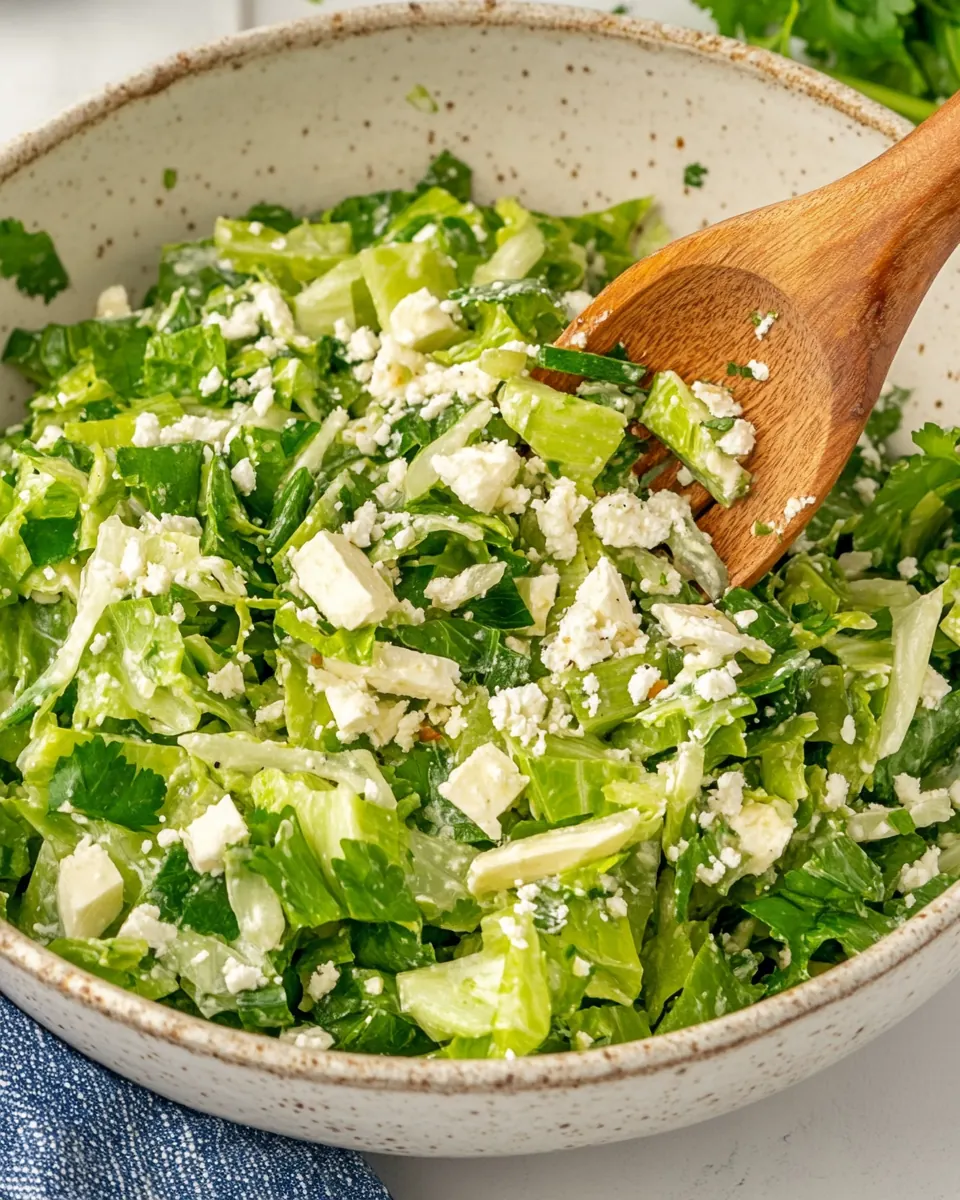
I like to keep the instruction flow relaxed and conversational, guiding you step by step while explaining sensory cues so you know you are on track. Read through once, then move through each step while paying attention to textures and aroma; that is where the magic is.
- In a large bowl, combine the shredded romaine, sliced green onions, chopped dill, and chopped mint.: When you bring these ingredients together, you should see a lively mix of pale green ribbons and darker herb flecks. The aroma will shift from merely leafy to herb forward, with a light anise note from the dill and a cool lift from the mint . Use your hands or tongs to gently toss so the herbs nestle among the romaine lettuce strands, making sure the slices stay airy rather than compacted. If the lettuce compresses, it will not absorb dressing uniformly, so avoid pressing down hard. A common mistake here is overhandling the leaves which bruises them, so be gentle and patient while assembling.
- In a small bowl, whisk together the olive oil, lemon juice, honey, salt, and pepper until well combined.: As you whisk, you should notice the dressing emulsify into a glossy, slightly thickened liquid that catches the light. The citrus scent will rise and the sweetness of the honey will smooth the sharpness of the lemon juice . Whisk vigorously to encourage the oil to suspend in the acid, creating a cohesive dressing that clings to the leaves. If the dressing separates, keep whisking or add a tiny extra splash of lemon juice to bring it back together. Avoid under seasoning, which often results in a flat tasting salad; taste and adjust before adding to the greens.
- Pour the dressing over the salad and toss gently to coat.: When the dressing hits the greens you should see the leaves glisten, not pool in liquid. Toss with a lifting motion so every ribbon gets a thin, even veil of dressing. The sound is subtle, a light rustle of leaves against bowl, and visually you want even sheen without soggy spots. If you pour too much dressing at once you risk saturating a few areas, so pour gradually and toss as you go. A frequent error is overdressing, which masks the herb flavors, so stop once you see even coverage.
- Top with crumbled feta cheese. Serve immediately or chill for 10–15 minutes before serving.: Scatter the feta cheese last so its creamy salty pieces remain distinct against the green ribbons. The contrast between the soft white crumbles and vivid herbs is visually appealing and delivers intermittent bursts of savory richness. Use your fingers to crumble the cheese over the salad for natural, uneven pieces that add texture. If you add the feta cheese too early, it will dissolve into the dressing and lose those delightful concentrated bites, so wait until the final toss or sprinkle.
- Serve immediately or chill for 10 to 15 minutes before serving.: Serving right away preserves maximum crispness, while a brief chill lets the flavors meld slightly and the dressing settle into the leaves. If you choose to chill, cover the bowl lightly so the herbs stay fresh. When you take it out of the fridge, give it a quick gentle toss to redistribute any dressing that pooled. Avoid chilling for too long, which makes the lettuce limp and diminishes the texture that defines the salad.
Tips for Success
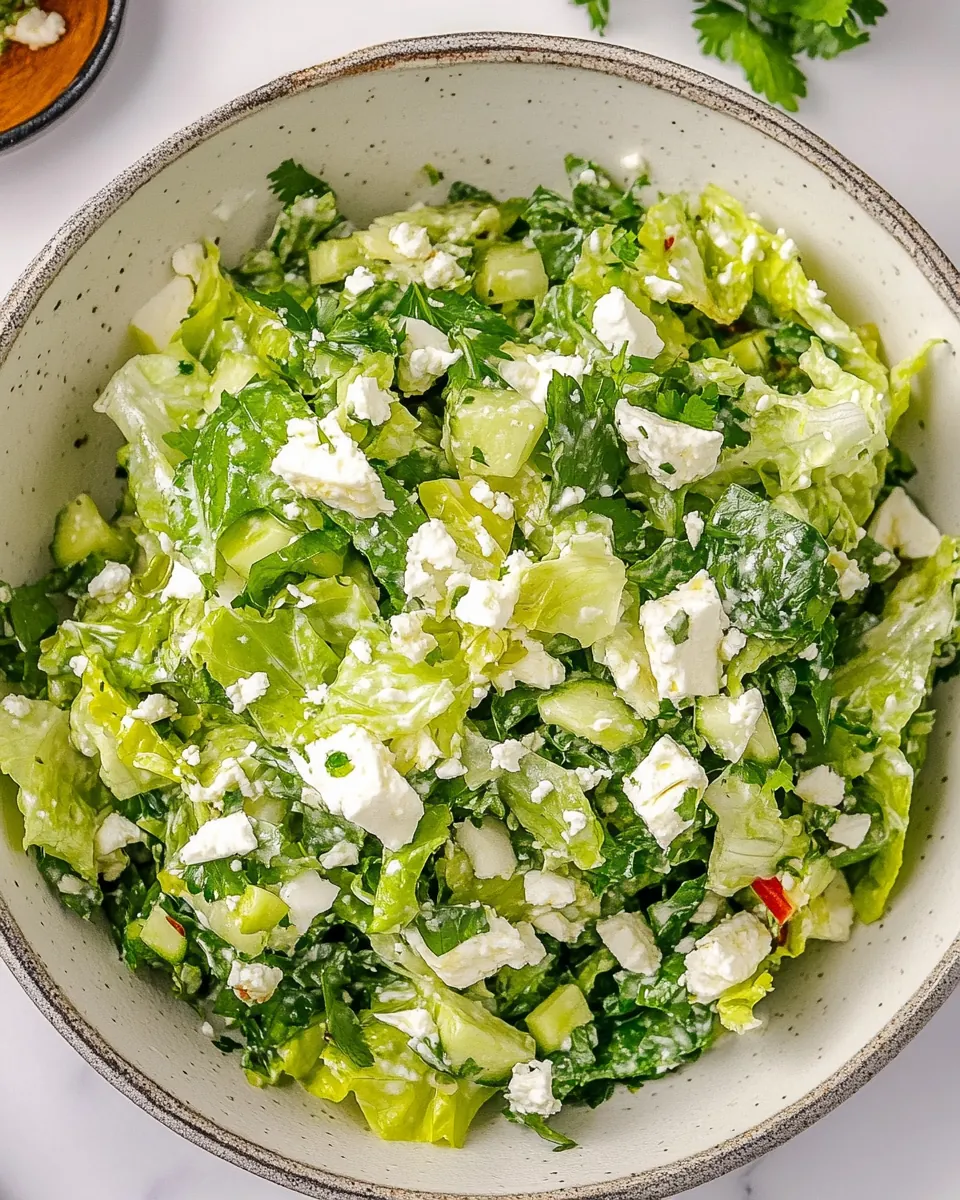
I like to offer practical guidance that keeps the salad fresh and vibrant. These tips expand on the notes and help you avoid small mistakes that change texture or flavor.
- Thin slicing matters: Take the time to slice the romaine lettuce into fine ribbons so the dressing clings and each bite feels delicate rather than bulky.
- Herb handling: Chop the dill and mint finely and add them last if you need them to stay bright and avoid wilting from salt or acid contact.
- Dress gradually: Pour small amounts of dressing while tossing, so you can achieve even coverage without overdressing any part of the salad.
- Adjust the sweet tart balance: Taste the dressing before adding it; tweak with a bit more honey if too tart or more lemon juice if too sweet.
- Feta placement: Add the feta cheese at the end to preserve creamy pockets of flavor rather than letting it dissolve into the dressing.
Accompaniments for Maroulosalata Greek Lettuce Salad
This salad is versatile and can be paired with many dishes to form a complete meal, or served as a fresh starter for gatherings. Below are serving suggestions, occasions where it shines, storage tips, and seasonal pairings to help integrate it into your menus.
- Serve with grilled vegetables: Pair the salad with simply grilled zucchini or eggplant, letting the herbs and lemon cut through the smoky notes for a balanced plate perfect for spring or summer dinners.
- Light lunch option: Arrange the salad on a wide plate with warm pita or crusty bread for an easy lunch that feels substantial yet bright and healthy.
- Part of a mezze spread: Include the salad among other small plates for a casual gathering, serving it alongside olives, marinated vegetables, and cheeses to create variety and color.
- Seasonal pairing: Best during spring when herbs are at their peak, the salad also works well in early summer when lettuce and citrus are fresh and vibrant.
- Storage tips: Keep the dressing separate if you need to store leftovers; refrigerate the greens and add the dressing just before serving to preserve crispness and texture.
- Occasions: Ideal for lunch, light dinners, brunches, and gatherings during springtime, when you want a bright, herb forward dish that complements heavier mains.
FAQ
Conclusion
Maroulosalata Greek Lettuce Salad shines because it transforms simple, fresh ingredients into a layered, flavorful dish with minimal effort. The combination of thinly shredded romaine, bright herbs, and a balanced lemon honey dressing produces a salad that is both refreshing and satisfying. I encourage you to give it a try the next time you want a light, herb centered dish that comes together quickly and feels thoughtful. It’s an excellent way to showcase seasonal herbs and make a weeknight meal feel special without a lot of fuss.
Maroulosalata Greek Lettuce Salad
Equipment
- Large Bowl
- Small Bowl
- Whisk
- Knife
- Cutting Board
Ingredients
- 2 large heads romaine lettuce (finely sliced, almost shredded) Provide a crisp, sturdy base with a slightly bitter, fresh flavor; finely sliced to create light, airy texture that holds dressing well and contrasts softer herbs and cheese. Offer substantial volume and crunch, helping transform the salad into a satisfying main or side dish. Pair well with tangy and sweet elements in the dressing to balance its natural bitterness.
- 4 green onions (thinly sliced) Add a mild oniony zest and tender crunch when thinly sliced; contribute subtle sharpness that brightens the overall flavor without overpowering delicate herbs. Offer small aromatic bursts throughout each bite and complement creamy feta and citrusy dressing components. Can be kept crisp by adding last to avoid wilting.
- 1/4 cup fresh dill (chopped) Deliver a bright, herbaceous fragrance and slightly grassy flavor when chopped; enhance the salad with aromatic freshness that complements mint and lemon. Provide visual appeal and a light, feathery texture that blends into the greens. Work well in small amounts to avoid overwhelming the balance of flavors.
- 1/4 cup fresh mint (chopped) Bring a cool, slightly sweet and menthol-like note when chopped; contribute refreshing contrast that lifts the salad’s overall profile and pairs especially well with lemon and dill. Add layered complexity and aromatic depth while offering a pleasant counterpoint to salty feta. Use chopped uniformly for even distribution.
- 1/2 cup feta cheese (crumbled) Contribute creamy saltiness and tangy richness when crumbled over the salad; create savory pockets that contrast with sweet and acidic dressing elements. Add a soft, slightly grainy texture and boost umami character, helping to round out the greens and herbs. Use moderate quantity so the cheese enhances without dominating.
- 1/3 cup extra virgin olive oil Provide a fruity, peppery base fat that emulsifies the dressing and coats the leaves evenly; add depth and a silky mouthfeel that carries flavors across the salad. Offer healthful monounsaturated fats and a subtle complexity that complements citrus and honey. Combine with lemon juice to create a balanced vinaigrette.
- 3 tablespoons lemon juice (freshly squeezed) Deliver bright acidity and fresh citrus brightness when freshly squeezed; cut through richness and tame sweetness while enlivening herbs and greens. Help to emulsify with olive oil to create a tangy, cohesive dressing that lifts all components. Use fresh juice for the cleanest, most vibrant flavor.
- 2 tablespoons honey Bring balanced sweetness and a mellow floral note to the dressing; round out the lemon’s acidity and soften the feta’s saltiness. Aid in creating a harmonious vinaigrette that clings to the lettuce and herbs, enhancing overall palatability. Adjust quantity to achieve desired sweetness level without masking other flavors.
- salt and pepper (to taste) Season to personal preference to enhance and balance flavors across the salad; salt amplifies savory and herb notes while pepper adds subtle heat and aromatic depth. Use sparingly then adjust after tossing to avoid over-seasoning, taking into account the feta’s saltiness. Distribute evenly for consistent seasoning in every bite.
Instructions
- In a large bowl, combine the shredded romaine, sliced green onions, chopped dill, and chopped mint.: When you bring these ingredients together, you should see a lively mix of pale green ribbons and darker herb flecks. The aroma will shift from merely leafy to herb forward, with a light anise note from the dill and a cool lift from the mint . Use your hands or tongs to gently toss so the herbs nestle among the romaine lettuce strands, making sure the slices stay airy rather than compacted. If the lettuce compresses, it will not absorb dressing uniformly, so avoid pressing down hard. A common mistake here is overhandling the leaves which bruises them, so be gentle and patient while assembling.
- In a small bowl, whisk together the olive oil, lemon juice, honey, salt, and pepper until well combined.: As you whisk, you should notice the dressing emulsify into a glossy, slightly thickened liquid that catches the light. The citrus scent will rise and the sweetness of the honey will smooth the sharpness of the lemon juice . Whisk vigorously to encourage the oil to suspend in the acid, creating a cohesive dressing that clings to the leaves. If the dressing separates, keep whisking or add a tiny extra splash of lemon juice to bring it back together. Avoid under seasoning, which often results in a flat tasting salad; taste and adjust before adding to the greens.
- Pour the dressing over the salad and toss gently to coat.: When the dressing hits the greens you should see the leaves glisten, not pool in liquid. Toss with a lifting motion so every ribbon gets a thin, even veil of dressing. The sound is subtle, a light rustle of leaves against bowl, and visually you want even sheen without soggy spots. If you pour too much dressing at once you risk saturating a few areas, so pour gradually and toss as you go. A frequent error is overdressing, which masks the herb flavors, so stop once you see even coverage.
- Top with crumbled feta cheese. Serve immediately or chill for 10–15 minutes before serving.: Scatter the feta cheese last so its creamy salty pieces remain distinct against the green ribbons. The contrast between the soft white crumbles and vivid herbs is visually appealing and delivers intermittent bursts of savory richness. Use your fingers to crumble the cheese over the salad for natural, uneven pieces that add texture. If you add the feta cheese too early, it will dissolve into the dressing and lose those delightful concentrated bites, so wait until the final toss or sprinkle.
- Serve immediately or chill for 10 to 15 minutes before serving.: Serving right away preserves maximum crispness, while a brief chill lets the flavors meld slightly and the dressing settle into the leaves. If you choose to chill, cover the bowl lightly so the herbs stay fresh. When you take it out of the fridge, give it a quick gentle toss to redistribute any dressing that pooled. Avoid chilling for too long, which makes the lettuce limp and diminishes the texture that defines the salad.
Notes
- Thin slicing matters: Take the time to slice the romaine lettuce into fine ribbons so the dressing clings and each bite feels delicate rather than bulky.
- Herb handling: Chop the dill and mint finely and add them last if you need them to stay bright and avoid wilting from salt or acid contact.
- Dress gradually: Pour small amounts of dressing while tossing, so you can achieve even coverage without overdressing any part of the salad.
- Adjust the sweet tart balance: Taste the dressing before adding it; tweak with a bit more honey if too tart or more lemon juice if too sweet.
- Feta placement: Add the feta cheese at the end to preserve creamy pockets of flavor rather than letting it dissolve into the dressing.