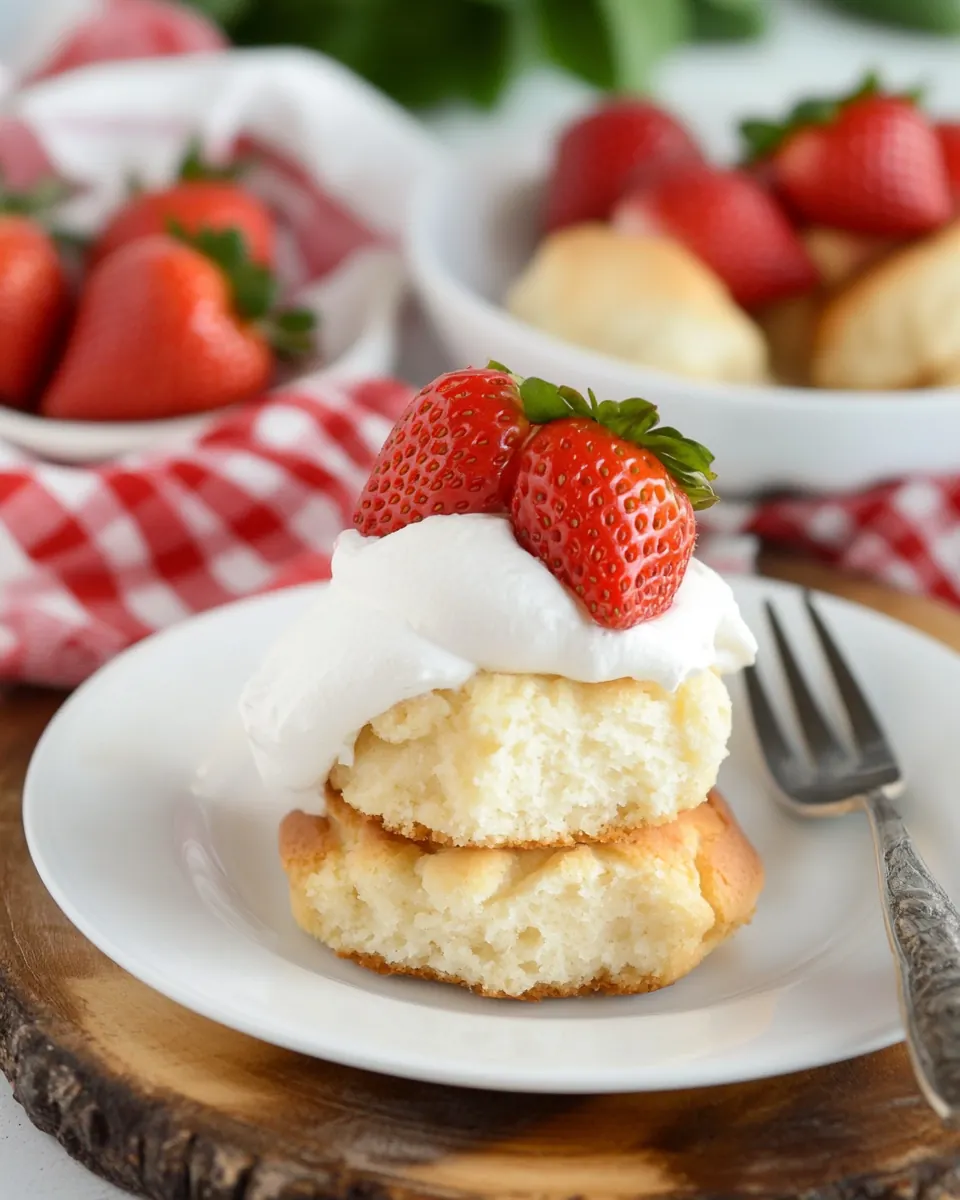
Double Strawberry and Rose Shortcakes
Double Strawberry and Rose Shortcakes has been a perfume filled obsession of mine ever since I first tasted sugared rose petals alongside bright, sun warmed strawberries.
Years ago I was experimenting with floral flavors for a small gathering and decided to pair preserved rose petals with a simple sweet fruit, and the result felt like a secret handed to friends. I remember the way the room changed when the plate arrived, conversations pausing so people could breathe in the scent before tasting. That memory is why I keep revisiting this combination, refining how the petals are candied and how the strawberries are treated so the fruit stays juicy and the roses stay crisp.
What I love about Double Strawberry and Rose Shortcakes is how it balances textures, the slight crunch of a sugar kissed petal against the soft, yielding fruit. It is the kind of thing I make when I want a dessert that reads as special but does not feel fussy, something to serve at a small brunch or a quiet tea with a friend. You’ll find there is an almost meditative rhythm to preparing the petals and letting them dry, and that slow work pays off in an elegant finish that tastes like spring.
Recipe Snapshot
45 mins
45 mins
Medium
150 kcal
American
Gluten-Free, Low FODMAP
Desserts
Small bowl, Parchment paper, Silicone baking mat, Whisk
What We Adore About This Double Strawberry and Rose Shortcakes
Floral depth that does not overwhelm
I fell for this recipe because the floral note from the roses is present but restrained. When you candy the petals correctly, the aroma becomes rounded and fragrant, adding a unique layer that complements, rather than competes with, the bright strawberries.
Simple technique, impressive result
One reason I keep this in my repertoire is how small technique changes transform the outcome. A single whipped egg white can turn delicate petals into crisp, crystalline accents. The method looks delicate, yet it is forgiving if you follow a few tactile cues.
Textural contrast that delights
The interplay between crunchy candied petals and soft fruit gives each bite a little surprise. I like serving this when I want people to pause and comment on the texture, it elevates humble ingredients into something memorable.
Highly adaptable and seasonal
This is a recipe I return to in spring, when roses and strawberries are at their best, but it’s flexible. You can scale the process up for a party or keep it intimate for two. I often change quantities depending on the occasion, and the technique holds up either way.
A gentle showpiece
I make this when I want a dessert that feels like a small celebration. It is ideal for romantic occasions like Valentine’s Day, or any time you want to gift someone a plate that looks thoughtful without being overworked. The preparation invites calm, and the final presentation reads as effortless elegance.
What Goes Into Double Strawberry and Rose Shortcakes
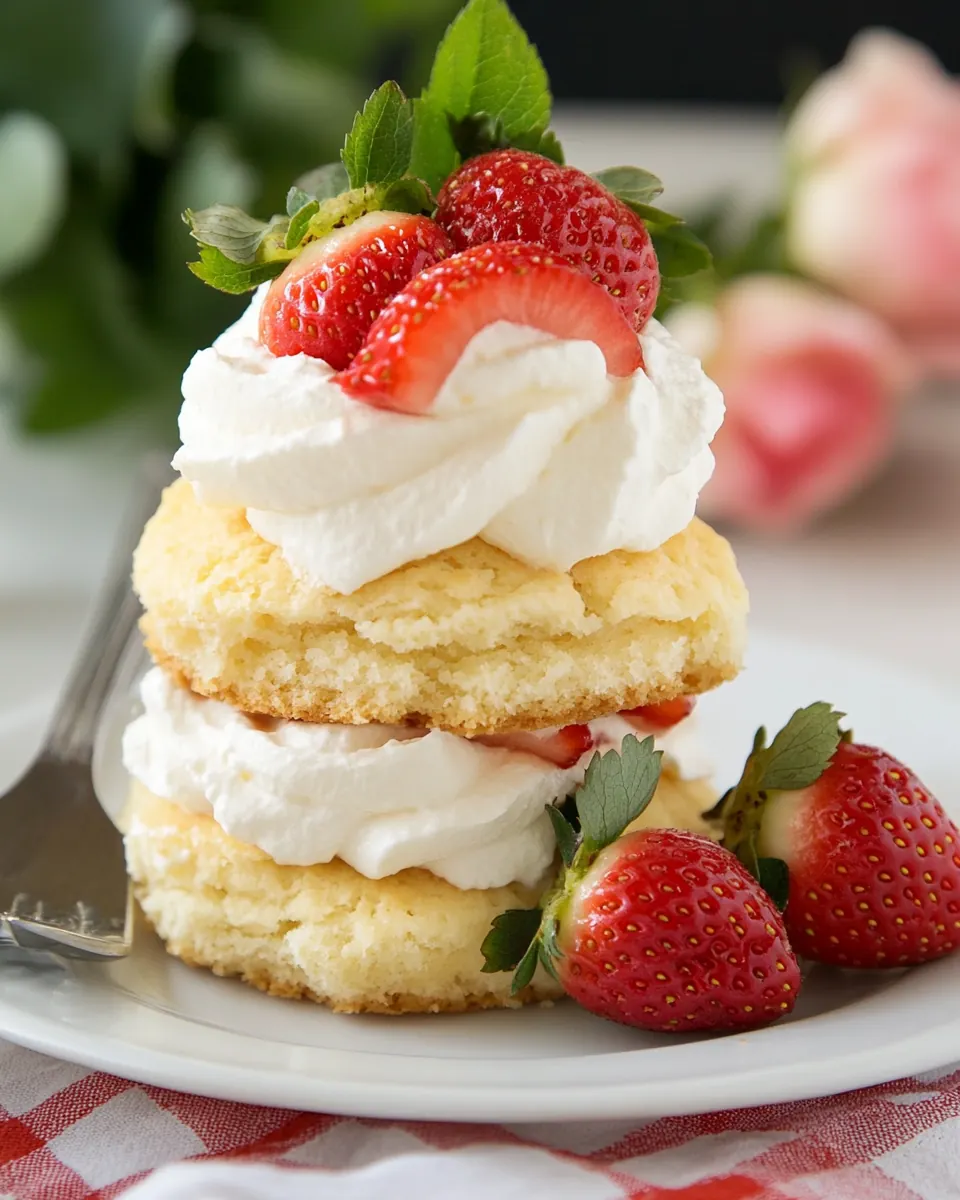
These ingredients are about subtlety and harmony. A few well chosen items work together to create a dessert that is floral, bright, and textural. The focus is on freshness and gentle handling, especially with the delicate roses and the airy use of egg whites. Each component plays a clear role, from adding crunchy sweetness to highlighting the fruit.
- 3 unsprayed roses: Delicately harvest and use only pristine petals to infuse a floral aroma and subtle flavor into the shortcakes; gently rinse and pat dry to remove any dirt or tiny insects. Preserve visual appeal by selecting unsprayed roses for edible use, and consider chiffonading or lightly bruising petals to release fragrance during assembly.
- 1 to 2 very fresh organic egg whites: Whisk gently until slightly foamy to provide structure and lightness to fillings or meringue components; use very fresh organic egg whites for optimal whipping volume and stability. Adjust number between one and two based on desired texture and consistency, taking care to avoid any yolk contamination that would prevent proper aeration.
- granulated sugar or store-bought candied rose petals: Sweeten and decorate by sprinkling granulated sugar or using store–bought candied rose petals to add crunchy sweetness and an elegant finish. Enhance presentation and balance the floral notes by choosing a fine sugar for dusting or ready-made candied petals for an instant, professional-looking garnish.
Directions for Double Strawberry and Rose Shortcakes
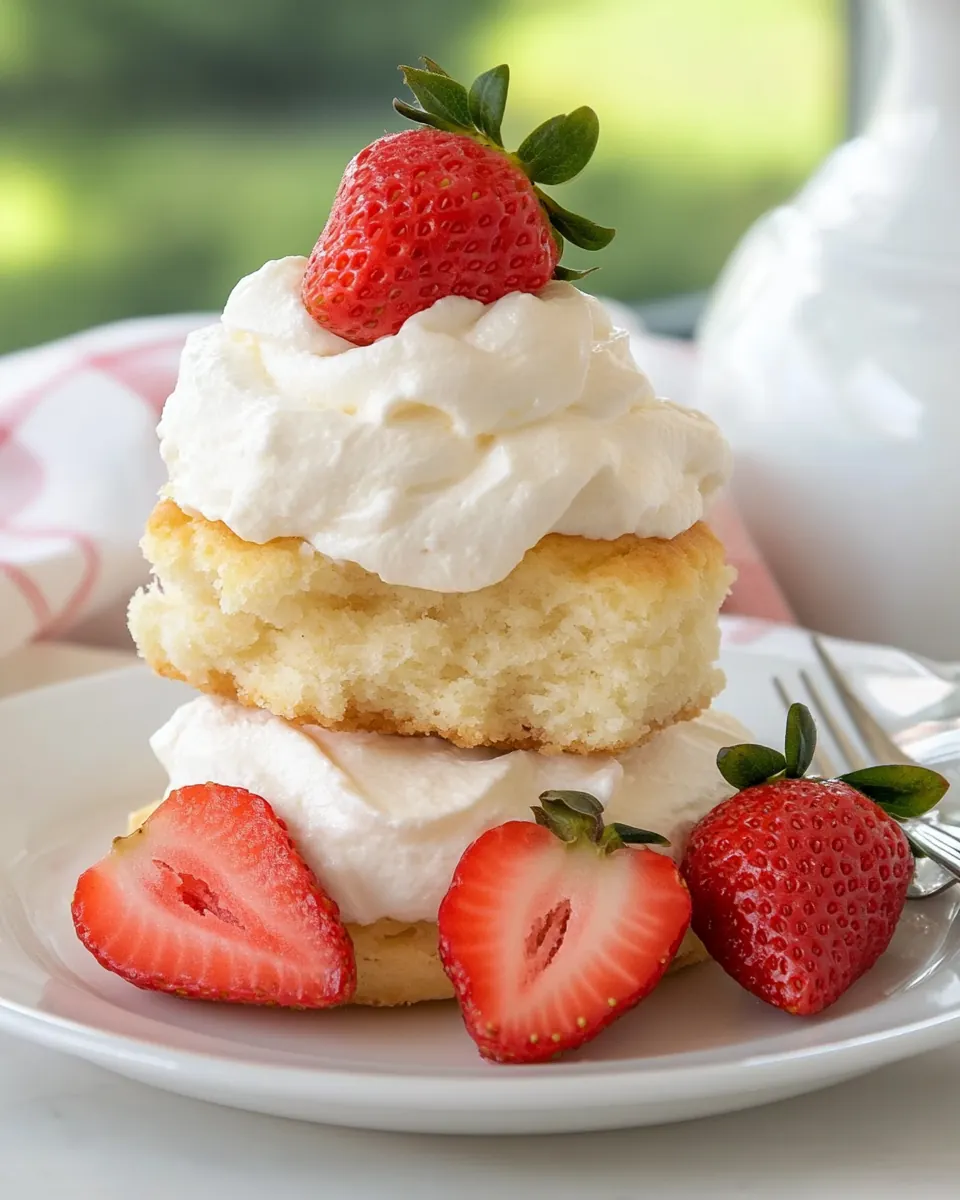
These directions take you through the slow, satisfying process of candying rose petals, the foundational technique that makes this dessert sing. Move deliberately, watch the textures, and give the petals the time they need to dry fully.
- Several hours ahead or the day before, separate the rose petals, rinse them quickly in cold water and pat them dry. Put one egg white in a small bowl and whisk until it's foamy. (You may or may not need the second white.) Put the sugar in another small bowl and place a sheet of parchment paper or a silicone baking mat on the counter. One at a time, dip a petal into the white and let the excess drip back into the bowl. Drag the petal through the sugar to coat both sides very lightly. Dry the petals on the paper or mat in a cool, non-humid place for at least 6 hours or for as long as overnight.: The air after that quick rinse is cool and fragrant, almost minty from the petals, and the act of patting them dry should be gentle so you do not bruise the tissue. Use a soft towel and press rather than rub, feeling for residual damp spots. This step matters because any lingering moisture will keep the sugar from adhering and can make the petals limp, rather than crisp. A common mistake is rushing and leaving tiny wet patches which lead to sticky, uneven sugar, so take your time to feel each petal until it is dry to the touch.
- Put one egg white in a small bowl and whisk until it's foamy: As you whisk the egg white , notice the transition from glossy liquid to a pale, foamy sheen, the volume increasing and small bubbles forming. This foam provides a slightly tacky surface that helps the sugar cling without weighing the petals down. If the white seems too runny, give it a few more gentle lifts with your whisk, but avoid vigorous beating that creates stiff, meringue like peaks, which will leave a cakey residue on the petals. The typical error here is overbeating, which changes the coating texture drastically, so stop when it is uniformly foamy.
- You may or may not need the second white: Keep the second egg white in reserve, assessing the consistency of the first as you work. If you find the foam thins quickly or you have more petals than expected, add the second for consistent coverage. This on hand approach prevents waste and helps you maintain an even film on each petal. Avoid adding the second white prematurely, which can make the bowl overly full and difficult to manage, leading to splashing and messy handling.
- Put the sugar in another small bowl and place a sheet of parchment paper or a silicone baking mat on the counter: The sugar should be in a shallow bowl so you can drag the petals through it easily, and the parchment or silicone mat gives you a clean, dry surface for drying. The sound of sugar shifting as you run a petal across it is faint and satisfying, and the sheet gathers any excess for reuse. This setup matters because a porous surface will wick moisture away, ruining the crisping process, so use non absorbent parchment or silicone. A frequent misstep is using a spongey towel underneath which soaks up the sugar and causes clumping on the underside of the petals.
- One at a time, dip a petal into the white and let the excess drip back into the bowl: As you dip each petal into the foam, tilt the bowl so gravity helps remove excess, watching the thin film cling like a sheen. The tactile cue is light tack without heavy pooling. This thin coating is why the petals become delicately glassy when sugared, rather than weighed down. If you rush and leave large beads of white on the petal, the drying will be uneven and you will end up with soft spots. Take a moment to let each petal settle so it releases extra foam back into the bowl.
- Drag the petal through the sugar to coat both sides very lightly: Running the petal across the sugar should feel almost like dusting a feather, with a whisper of crystalline texture adhering to both surfaces. Rotate the petal gently to catch underside coverage, and tap off any heavy granules. This light coating creates a thin crunchy shell after drying, and the visual effect is a faint shimmer along each petal edge. The common error here is pressing the petal into the sugar too forcefully, which buries the texture and destroys the delicate silhouette.
- Dry the petals on the paper or mat in a cool, non-humid place for at least 6 hours or for as long as overnight: Over the drying period you will notice the petals lose tack and gain a subtle, glass like sheen, and the room will take on a soft floral aroma. Choosing a cool, dry spot avoids sticky humidity that prevents crisping, and patience here results in a satisfying snap when you bite. If you rush the drying with heat you risk browning or wilting the petals, which ruins the delicate balance. Keep them covered lightly from dust, but allow air circulation so they dry evenly, and resist handling until they feel dry and crisp.
Change It Up
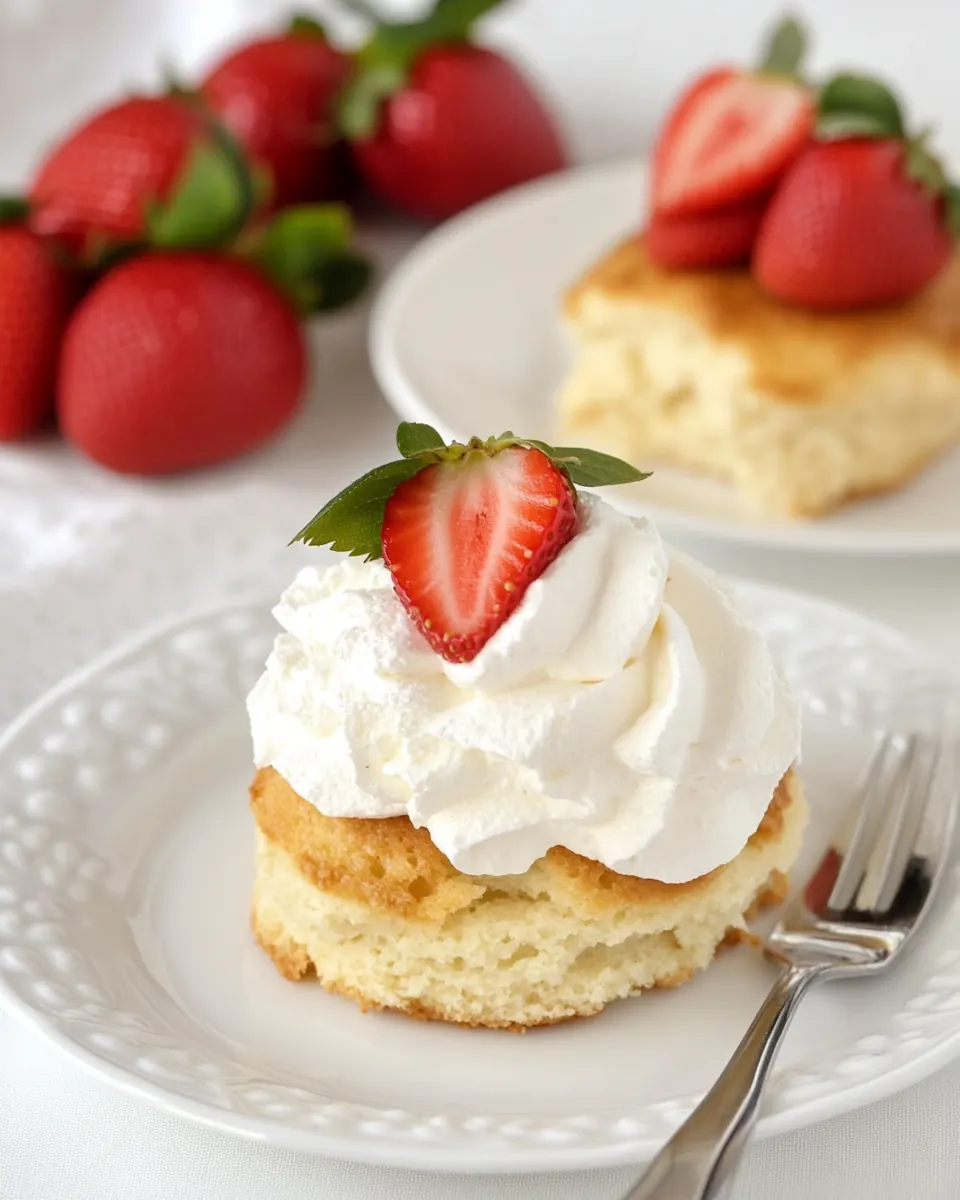
There are small ways to vary this recipe while keeping the essence of floral and fruit intact. Below are ideas to tweak presentation, flavor intensity, and technique while staying true to the original concept.
- Boost fragrance by selecting the most aromatic unsprayed roses you can find, the headier the bloom the more floral notes will come through.
- Adjust sweetness by choosing finer or coarser sugar; finer sugar yields a more even, subtle sparkle while coarser sugar gives a pronounced crunch.
- Reserve whites by testing one egg white first and using the second only if needed, this prevents waste and keeps coatings consistent.
- Dry longer for extra crisp by leaving petals overnight in a cool place if your climate is humid, longer drying helps them snap cleanly.
- Make ahead by preparing candied petals a day early, storing them in an airtight box so they are ready to top assembled shortcakes.
- Presentation trick place a single candied petal at the peak of each plated shortcake to signal elegance and to provide a fragrant first impression.
What Complements This Double Strawberry and Rose Shortcakes
This dessert pairs beautifully with light accompaniments and lends itself to romantic or seasonal occasions. Think about textures and temperatures that enhance, not overwhelm, the floral and fruity profile.
- Serve with lightly whipped cream dolloped beside the shortcake, the cool cream cuts through sweetness and highlights the floral notes.
- Offer a bright fruit salad made from the same strawberries and a touch of citrus zest to amplify freshness without masking the roses.
- Ideal for spring gatherings when roses and strawberries are in season, this dish shines at brunches, tea parties, and intimate lunches.
- Romantic occasions such as Valentine’s Day are perfect, the petals add visual romance and a delicate perfumed finish.
- Storage tip keep candied petals separate in an airtight container at room temperature and assemble the dessert just before serving to preserve crisp textures.
- Seasonal pairing serve with a light iced herbal tea in warm months to keep the palate refreshed and to echo the floral theme.
FAQ
Conclusion
This recipe shines because it turns modest ingredients into an elegant, fragrant dessert that tastes like spring. Give the process a little time and care, and you will be rewarded with crisp, floral accents and bright fruit that read as special but remain effortlessly achieved. Try making these candied petals ahead of your next gathering, and assemble just before serving to keep textures lively. I hope this inspires you to explore floral notes in the kitchen and to share a plate that smells as lovely as it looks.
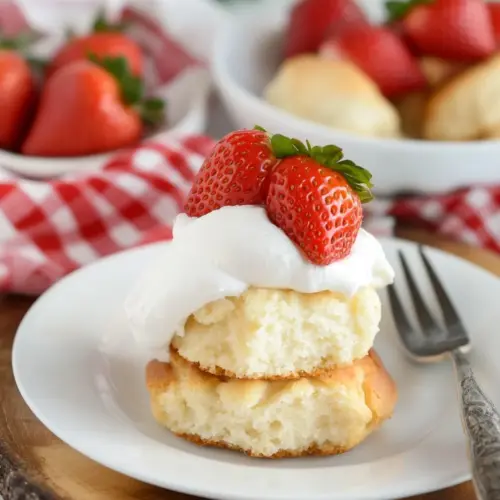
Double Strawberry and Rose Shortcakes
Equipment
- Small Bowl
- Parchment Paper
- Silicone Baking Mat
- Whisk
Ingredients
- 3 unsprayed roses Delicately harvest and use only pristine petals to infuse a floral aroma and subtle flavor into the shortcakes; gently rinse and pat dry to remove any dirt or tiny insects. Preserve visual appeal by selecting unsprayed roses for edible use, and consider chiffonading or lightly bruising petals to release fragrance during assembly.
- 1 to 2 very fresh organic egg whites Whisk gently until slightly foamy to provide structure and lightness to fillings or meringue components; use very fresh organic egg whites for optimal whipping volume and stability. Adjust number between one and two based on desired texture and consistency, taking care to avoid any yolk contamination that would prevent proper aeration.
- granulated sugar or store-bought candied rose petals Sweeten and decorate by sprinkling granulated sugar or using store-bought candied rose petals to add crunchy sweetness and an elegant finish. Enhance presentation and balance the floral notes by choosing a fine sugar for dusting or ready-made candied petals for an instant, professional-looking garnish.
Instructions
- Several hours ahead or the day before, separate the rose petals, rinse them quickly in cold water and pat them dry. Put one egg white in a small bowl and whisk until it's foamy. (You may or may not need the second white.) Put the sugar in another small bowl and place a sheet of parchment paper or a silicone baking mat on the counter. One at a time, dip a petal into the white and let the excess drip back into the bowl. Drag the petal through the sugar to coat both sides very lightly. Dry the petals on the paper or mat in a cool, non-humid place for at least 6 hours or for as long as overnight.: The air after that quick rinse is cool and fragrant, almost minty from the petals, and the act of patting them dry should be gentle so you do not bruise the tissue. Use a soft towel and press rather than rub, feeling for residual damp spots. This step matters because any lingering moisture will keep the sugar from adhering and can make the petals limp, rather than crisp. A common mistake is rushing and leaving tiny wet patches which lead to sticky, uneven sugar, so take your time to feel each petal until it is dry to the touch.
- Put one egg white in a small bowl and whisk until it's foamy: As you whisk the egg white , notice the transition from glossy liquid to a pale, foamy sheen, the volume increasing and small bubbles forming. This foam provides a slightly tacky surface that helps the sugar cling without weighing the petals down. If the white seems too runny, give it a few more gentle lifts with your whisk, but avoid vigorous beating that creates stiff, meringue like peaks, which will leave a cakey residue on the petals. The typical error here is overbeating, which changes the coating texture drastically, so stop when it is uniformly foamy.
- You may or may not need the second white: Keep the second egg white in reserve, assessing the consistency of the first as you work. If you find the foam thins quickly or you have more petals than expected, add the second for consistent coverage. This on hand approach prevents waste and helps you maintain an even film on each petal. Avoid adding the second white prematurely, which can make the bowl overly full and difficult to manage, leading to splashing and messy handling.
- Put the sugar in another small bowl and place a sheet of parchment paper or a silicone baking mat on the counter: The sugar should be in a shallow bowl so you can drag the petals through it easily, and the parchment or silicone mat gives you a clean, dry surface for drying. The sound of sugar shifting as you run a petal across it is faint and satisfying, and the sheet gathers any excess for reuse. This setup matters because a porous surface will wick moisture away, ruining the crisping process, so use non absorbent parchment or silicone. A frequent misstep is using a spongey towel underneath which soaks up the sugar and causes clumping on the underside of the petals.
- One at a time, dip a petal into the white and let the excess drip back into the bowl: As you dip each petal into the foam, tilt the bowl so gravity helps remove excess, watching the thin film cling like a sheen. The tactile cue is light tack without heavy pooling. This thin coating is why the petals become delicately glassy when sugared, rather than weighed down. If you rush and leave large beads of white on the petal, the drying will be uneven and you will end up with soft spots. Take a moment to let each petal settle so it releases extra foam back into the bowl.
- Drag the petal through the sugar to coat both sides very lightly: Running the petal across the sugar should feel almost like dusting a feather, with a whisper of crystalline texture adhering to both surfaces. Rotate the petal gently to catch underside coverage, and tap off any heavy granules. This light coating creates a thin crunchy shell after drying, and the visual effect is a faint shimmer along each petal edge. The common error here is pressing the petal into the sugar too forcefully, which buries the texture and destroys the delicate silhouette.
- Dry the petals on the paper or mat in a cool, non-humid place for at least 6 hours or for as long as overnight: Over the drying period you will notice the petals lose tack and gain a subtle, glass like sheen, and the room will take on a soft floral aroma. Choosing a cool, dry spot avoids sticky humidity that prevents crisping, and patience here results in a satisfying snap when you bite. If you rush the drying with heat you risk browning or wilting the petals, which ruins the delicate balance. Keep them covered lightly from dust, but allow air circulation so they dry evenly, and resist handling until they feel dry and crisp.
Notes
- Boost fragrance by selecting the most aromatic unsprayed roses you can find, the headier the bloom the more floral notes will come through.
- Adjust sweetness by choosing finer or coarser sugar; finer sugar yields a more even, subtle sparkle while coarser sugar gives a pronounced crunch.
- Reserve whites by testing one egg white first and using the second only if needed, this prevents waste and keeps coatings consistent.
- Dry longer for extra crisp by leaving petals overnight in a cool place if your climate is humid, longer drying helps them snap cleanly.
- Make ahead by preparing candied petals a day early, storing them in an airtight box so they are ready to top assembled shortcakes.
- Presentation trick place a single candied petal at the peak of each plated shortcake to signal elegance and to provide a fragrant first impression.