30 Minute Pasta e Fagioli
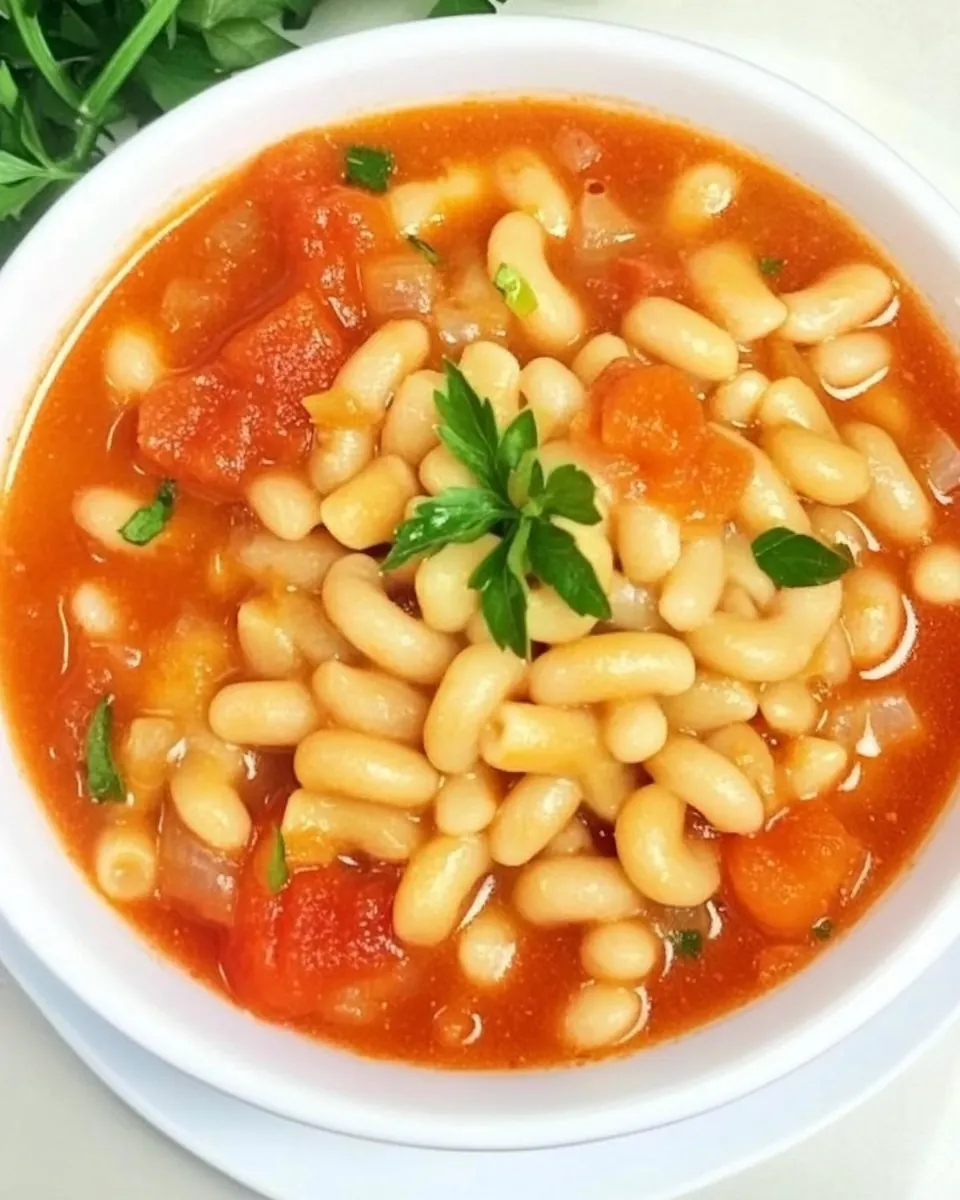
30 Minute Pasta e Fagioli is the kind of soup I reach for when I want something that tastes like home but comes together fast.
On a damp winter afternoon I pulled a few staples from the pantry and fridge, and within half an hour my kitchen smelled like a small trattoria. I love how the beans lend a creamy body while the tomatoes and herbs keep everything bright, and that little sprinkle of cheese at the end feels indulgent without fuss. Over the years I have learned tiny tricks, like rinsing canned beans to wash away the canning liquid, and gently simmering pasta right in the broth so it soaks up flavor rather than fighting it in a separate pot. Those small choices change the texture and the comfort factor, and they make this a recipe I turn to when I want something cozy but not complicated.
My family appreciates how adaptable the recipe is, and I enjoy telling the story of how this dish bridged weekday hurry and weekend warmth. When guests arrive unexpectedly, I can lean on the pantry items that make this so reliable. There is a rhythm to stirring, tasting, and adjusting that feels almost meditative, and the rewards are immediate: a bowl that is both filling and bright. I hope you find the same balance of speed and soul in this version of 30 Minute Pasta e Fagioli as I do.
Recipe Snapshot
30 mins
15 mins
15 mins
Medium
320 kcal
Italian
Gluten-Free, Paleo
Dinner
Large pot, Wooden spoon, Knife, Cutting board
Why We Love This 30 Minute Pasta e Fagioli
Comfort in a Bowl
I adore how 30 Minute Pasta e Fagioli delivers deep, homey comfort without demanding hours at the stove. The combination of creamy cannellini beans and starchy pasta creates a satisfying mouthfeel that feels like a hug, and yet the tomatoes and herbs keep the soup from feeling heavy. I often make it when I want to soothe a tired afternoon or serve something simple but memorable to friends.
Pantry Friendly and Fast
This recipe shines because it uses accessible pantry items, so you can pull it together quickly. Canned tomatoes and beans, dried macaroni pasta, and basic aromatics make it ideal for an easy weeknight dinner. I love that it respects time without sacrificing layered flavors, so you get a soulful bowl in about the time it takes to catch up on messages.
Layered, Balanced Flavor
We build flavor by sweating the vegetables first, blooming the dried oregano, and letting the broth and tomatoes simmer briefly with the beans. That short simmer marries acidity and creaminess, while fresh parsley added at the end lifts the whole pot. These small steps make each spoonful complex yet approachable.
Textural Harmony
The interplay between tender pasta, soft but intact beans, and al dente bites creates interest in every mouthful. I often watch for the pasta to become just cooked, because overcooked noodles will collapse and cloud the broth, while undercooked pasta will feel chalky. Hitting that window is what makes this recipe feel professional and comforting at once.
Family Friendly and Versatile
We can stretch this recipe for a crowd or portion it for two. It performs well as a solo lunch, a family dinner, or a welcome addition to a casual gathering. The straightforward ingredient list also makes it easy for cooks of any skill level to succeed, and the final grate of Parmesan cheese turns it from humble to celebratory.
30 Minute Pasta e Fagioli Shopping List
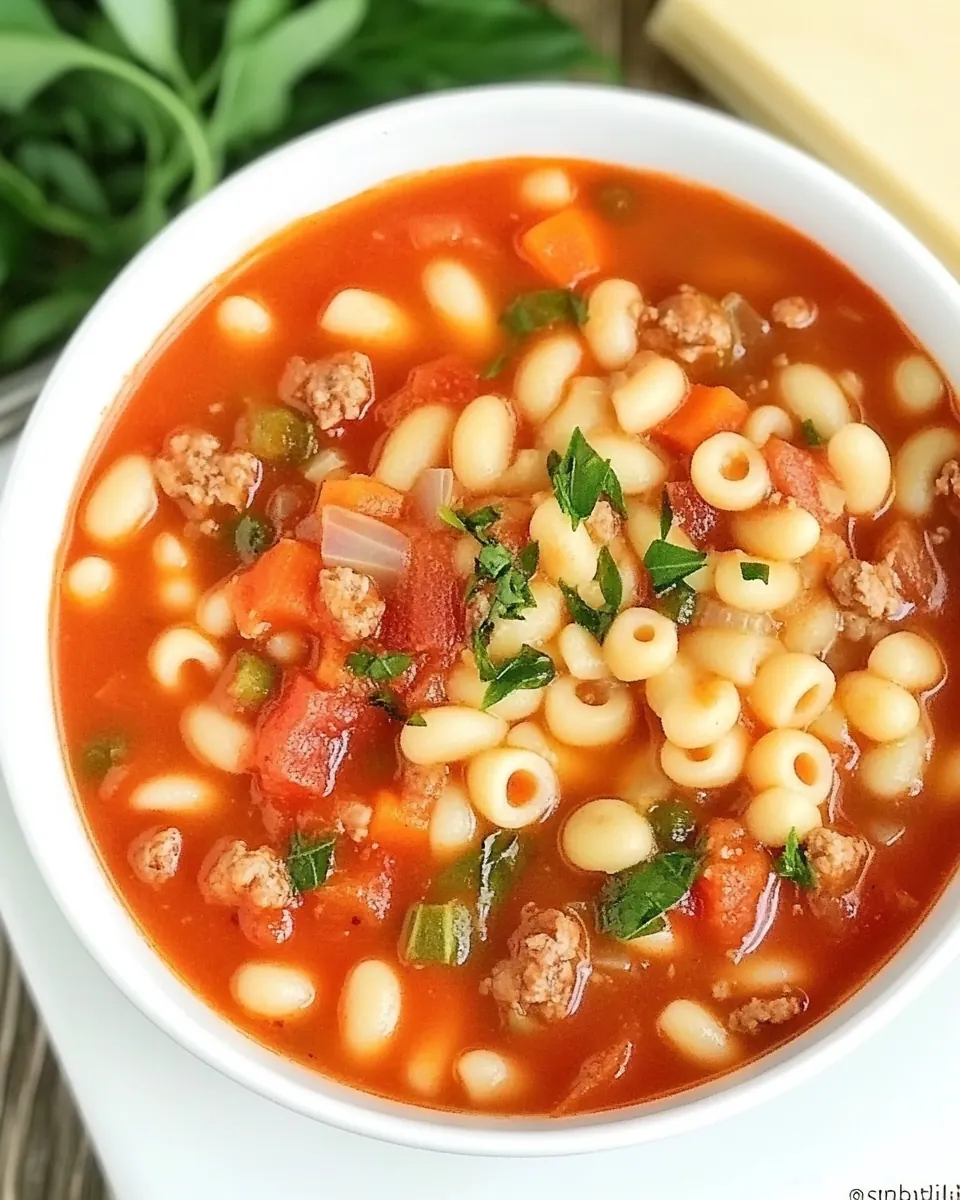
These ingredients are chosen to create a balanced, comforting soup with depth and speed. I rely on a few heroes: starchy cannellini beans for creaminess, canned crushed tomatoes for bright acidity, and dried macaroni pasta to add body. Fresh aromatics like carrot, celery, onion, and garlic form the flavor base, while herbs and Parmesan cheese polish the finish.
- 2 medium carrot: Chopped finely and sautéed until tender to add natural sweetness and body to the soup; carrots also provide texture contrast and color, balancing acidity from tomatoes. Carrots contribute subtle earthy flavor and nutritional vitamin A, enriching the broth for a heartier result.
- 2 stalk celery: Sliced thin and softened to build aromatic depth and savory backbone; celery contributes a mild bitterness that brightens the overall flavor profile. Celery also adds aromatic crunch and moisture, supporting the mirepoix base alongside carrots and onion.
- 1/2 medium onion: Diced small and cooked until translucent to form the aromatic base that melds flavors; onion provides sweetness and umami when caramelized lightly. Onions help thicken and round the broth while enhancing the soup's savory complexity.
- 28 ounce cannellini (white kidney) beans, canned: Drained and rinsed, then added to supply creamy texture, protein, and fiber; canned cannellini beans create a hearty, comforting mouthfeel. Beans also absorb flavors from the broth and seasonings, making the dish more filling and nutritious.
- 2 clove garlic: Minced and briefly sautéed to release pungent aroma and sharp savory notes that elevate the soup; garlic adds warmth and depth. Garlic also complements herbs and tomatoes, brightening the overall flavor when cooked gently.
- 2 tablespoon olive oil: Heated to sauté aromatics and vegetables, imparting a fruity, savory base while preventing sticking; olive oil also helps extract and carry fat-soluble flavors. Oil contributes a smooth mouthfeel and subtle richness to the finished soup.
- 1/2 teaspoon rosemary, fresh: Chopped finely and added early to infuse a piney, resinous note that pairs well with tomato and beans; fresh rosemary lends aromatic intensity. Rosemary should be used sparingly to avoid overpowering other delicate flavors.
- 1/2 teaspoon oregano, dried: Sprinkled in to introduce warm, slightly bitter Mediterranean flavor that complements tomatoes and beans; dried oregano holds up well during simmering. Oregano enhances the herbaceous profile and brings cohesive seasoning to the soup.
- 32 ounce chicken broth, low-sodium: Poured in as the main cooking liquid to provide savory depth and a slightly salty backbone; low-sodium chicken broth balances other salty elements while allowing control over final seasoning. Broth also carries flavors and hydrates pasta and beans during the brief simmer.
- 28 ounce crushed tomatoes, canned: Added to contribute acidity, sweetness, and body that form the tomato base of the soup; crushed canned tomatoes create a rich, cohesive sauce-like broth. Tomatoes also provide color and umami, helping to meld the ingredients into a classic pasta e fagioli.
- 1 cup macaroni pasta, dry: Cooked directly in the simmering broth to add tender pasta bites that absorb surrounding flavors; macaroni contributes starch that slightly thickens the soup. Pasta adds bulk and comfort, making the dish more satisfying and texturally varied.
- 2 tablespoon parsley, fresh: Chopped and stirred in near the end to add fresh brightness, color, and a clean herbal lift that balances the rich broth. Parsley also provides aromatic contrast and a hint of bitterness that refreshes each spoonful.
- 1/4 teaspoons salt: Sprinkled carefully to season and enhance overall taste while controlling salinity; small amount of salt rounds flavors without overpowering delicate herbs. Salt also promotes flavor release from vegetables, beans, and tomatoes.
- 1/4 teaspoon black pepper, ground: Ground and added to provide mild heat and aromatic warmth that elevates savory elements; black pepper sharpens and accents other seasonings. Pepper adds subtle complexity and helps balance the richness of the broth and cheese.
- 1/4 cup Parmesan cheese, grated: Grated and served as a finishing garnish to introduce umami, nuttiness, and creamy saltiness; Parmesan enriches mouthfeel and adds savory depth. Cheese also melts slightly into hot soup, boosting flavor and creating a pleasing, cohesive finish.
Step by Step Instructions for 30 Minute Pasta e Fagioli
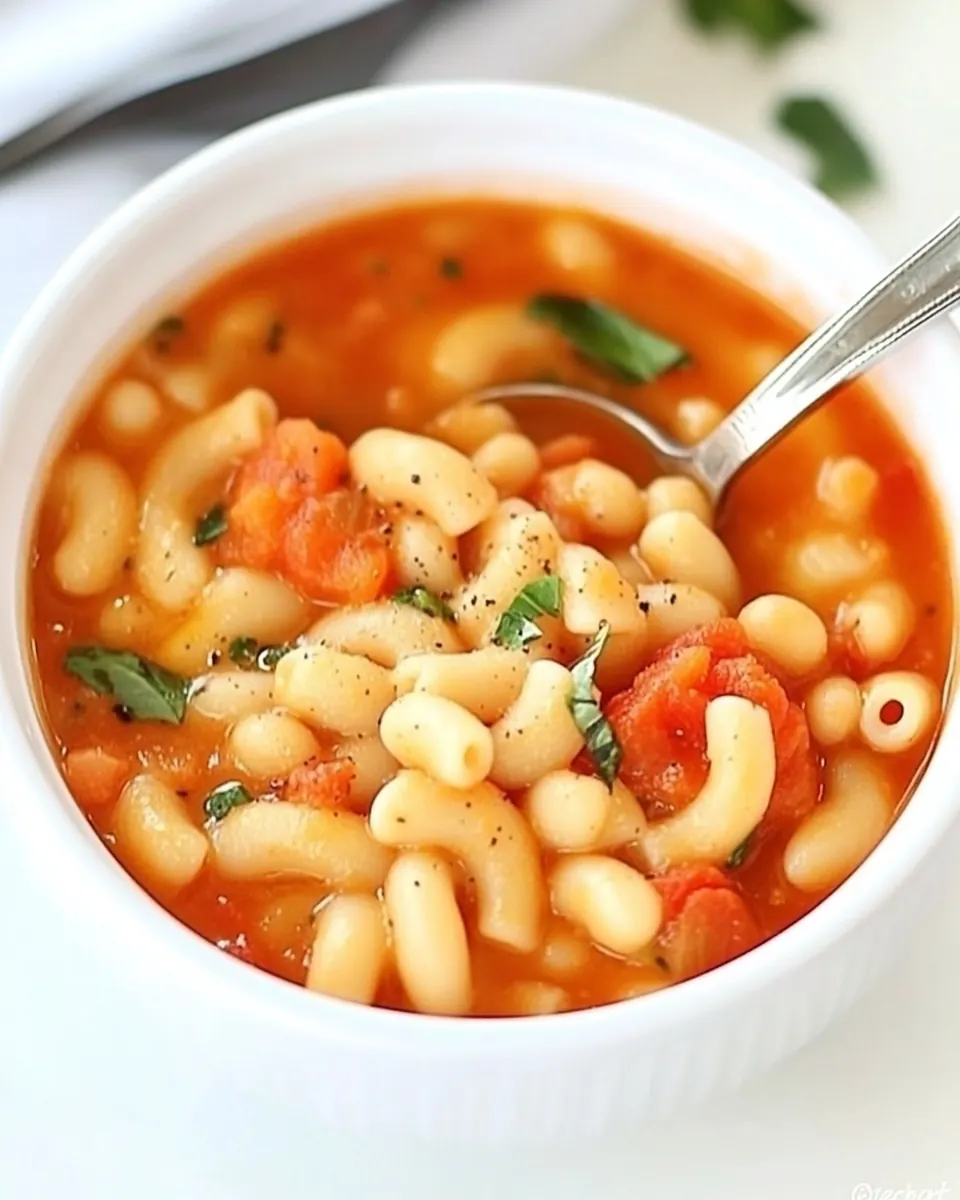
These directions will guide you through a straightforward, sensory-rich cooking process. I like to keep attention on aroma, texture, and timing so the final bowl has balanced flavors and an inviting mouthfeel. Read each step fully before you begin, and have your ingredients prepped for smooth sequencing.
- Peel and finely chop carrots. Finely chop celery and onion. Rinse and drain beans and mince garlic.: The air will fill with vegetal sweetness as you chop carrot , celery , and onion , and rinsing the cannellini beans will wash away any metallic can notes. Finely chopping ensures even softening during the sauté, and mincing the garlic releases its aroma without creating large pungent bites. When you rinse the beans, watch for excess liquid, and drain thoroughly so you don't thin the broth. A frequent misstep is uneven chopping, which leads to some pieces overcooking while others stay raw, so aim for consistent size to hit the same tenderness at the same moment.
- Heat the oil in a large pot over medium heat, then add onions, carrots, and celery, and saute 5 minutes, until starting to soften.: As the olive oil warms, it becomes glossy and fragrant, and when the diced vegetables hit the pot you should hear a gentle sizzle that signals moisture releasing. The aroma will deepen to a soft, sweet savory note as the vegetables sweat, and their edges will lose translucency without heavy browning. This step builds the soup's flavor base by coaxing out sugars and aromatics. Be mindful of the heat, because too high a flame will brown the vegetables quickly and change the flavor profile; medium heat is what keeps the flavors clean and balanced.
- Add the garlic, minced rosemary, and oregano, and saute one minute more.: When you add minced garlic and herbs, the pot will release a bright, savory perfume, and the oils will carry those flavors throughout the base. One minute is enough to bloom the herbs and mellow raw garlic, producing a layered aroma without bitterness. Watch closely, as garlic can burn in moments and develop an acrid note; if you see rapid browning, reduce the heat immediately. This brief step deepens complexity and prepares the base for the liquids that follow.
- Pour in the broth, tomatoes, and beans, then cover and simmer ten minutes.: Adding the chicken broth and crushed tomatoes creates a steaming, fragrant cloud as they meet the hot pot, and stirring in the rinsed beans distributes creamy body through the liquid. Covering the pot traps steam, helping the flavors marry and soften any remaining vegetable bits. You will notice the broth turning slightly thicker and the aromas melding into a unified savory-tomato scent. A common error here is simmering too vigorously; a rolling boil can break down the beans and make the broth cloudy, so maintain a gentle simmer for even melding.
- Add macaroni noodles and simmer uncovered about 7 more minutes, until pasta is just cooked.: When you stir in the dry macaroni pasta , the surface will go from glossy to matte as the noodles hydrate, and the broth will thicken as starch leaches out, creating a clingy texture that ties everything together. Leaving the pot uncovered allows you to watch the pasta and prevent the broth from overflowing. Stir occasionally to keep the pasta moving and to avoid it sticking to the bottom. The key is to cook until the pasta is al dente, offering slight chew, because overcooked pasta will disintegrate and make the soup heavy. If the pasta absorbs too much liquid, add a splash of broth to restore consistency.
- Stir in parsley, taste, and adjust salt and pepper as needed.: Fresh parsley folded in at the end brightens the aroma and adds a green lift against the tomato base, and tasting now lets you correct seasoning with salt and black pepper . Your palate will pick up subtle changes after the pasta cooks, so small adjustments are more effective than large ones. A common oversight is adding all the salt at the start; because canned ingredients vary, seasoning at the end helps you avoid oversalting. Add increments and taste between additions.
- Serve hot with a sprinkle of cheese on top.: Ladling the soup into bowls releases warm steam and the first spoonful will show the marriage of textures, from creamy beans to tender pasta . A scattering of grated Parmesan cheese melts on contact, adding umami and a silky finish. Present it immediately while the aromas are most alive. If you let the soup cool too long before serving, the pasta will continue to absorb liquid and the texture will change, so serve promptly for peak enjoyment.
Pro Tips and Tweaks
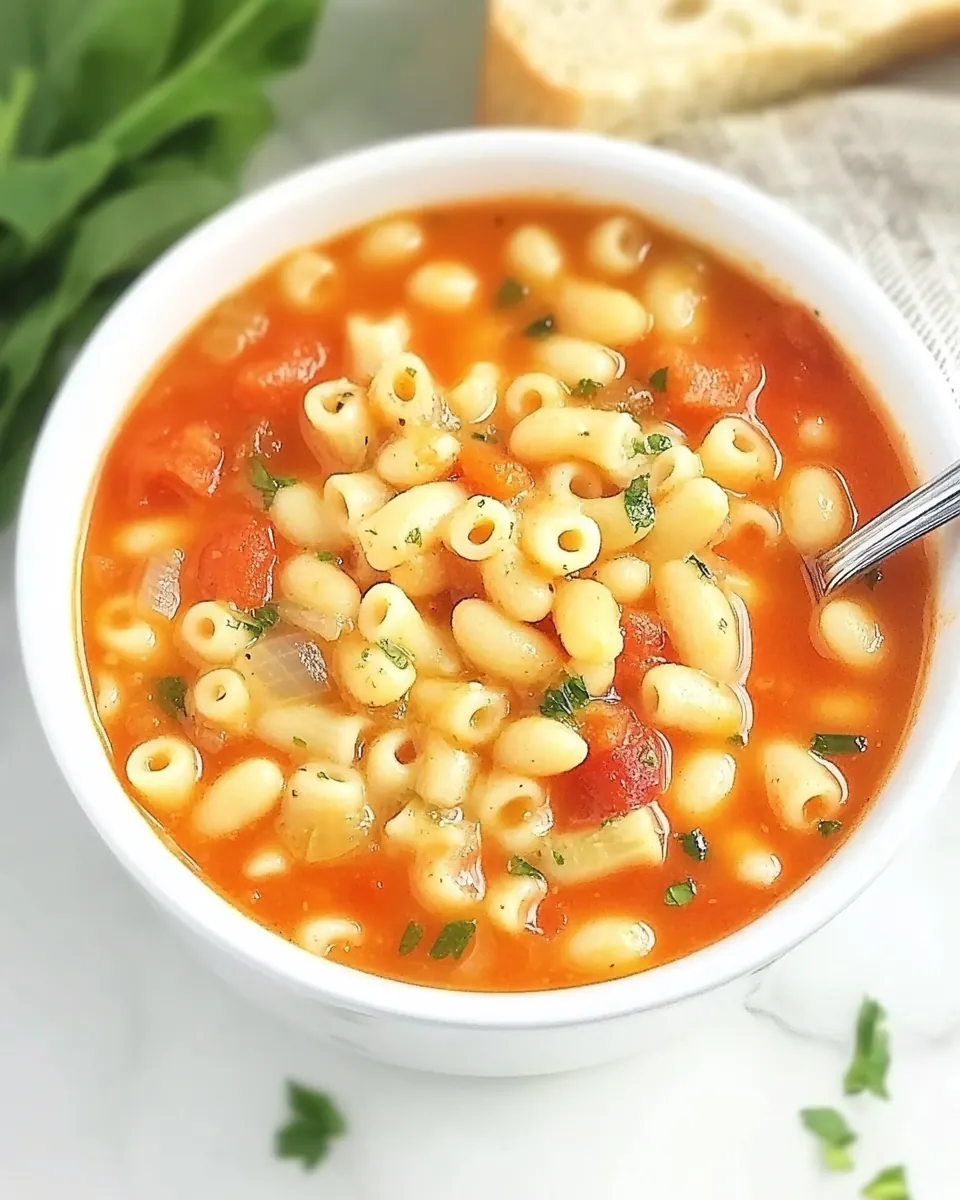
I like to think of these tips as small investments that yield big returns for flavor and texture. They focus on timing, seasoning, and preservation so your soup is consistently excellent.
- Control sodium from the start by using low-sodium chicken broth and rinsing canned items; this gives you room to season thoughtfully at the end.
- Watch your heat when sautéing the aromatics; medium heat keeps the onion, carrot, and celery from browning and preserves a clean, sweet base.
- Add pasta later so the macaroni pasta finishes al dente and the soup does not become gummy as it sits.
- Use fresh herbs sparingly at the finish; a little parsley brightens without overpowering the balanced flavors.
- Adjust texture with reserved liquid if the pasta absorbs too much broth, add a splash of hot broth to loosen the soup without diluting the flavor.
- Serve immediately to enjoy the ideal interplay of hot broth, creamy beans, and al dente pasta, as leftovers will thicken over time.
How to Serve 30 Minute Pasta e Fagioli
This soup is wonderfully versatile for lunch or dinner and suits casual family meals as well as a simple starter for guests. Serving it thoughtfully elevates the experience and helps keep the textures right.
- Individual bowls, ladled hot and finished with a generous sprinkle of grated Parmesan cheese, are the classic way to present this soup for dinner service.
- Family style, served from the pot with a small bowl of extra grated Parmesan cheese at the table, invites everyone to tailor their portion and seasoning.
- Occasions: This works well for cozy winter lunches, weeknight dinners, or during Ramadan evenings when a nourishing, warming soup is comforting after breaking fast.
- Accompaniments such as crusty bread or a simple green salad pair naturally, providing contrast in texture and temperature.
- Storage: Refrigerate leftovers in an airtight container for up to three days; the pasta will absorb broth, so stir in a splash of hot broth when reheating to restore the desired consistency.
- Reheating on the stovetop over low heat with a splash of broth preserves the soups texture better than microwaving for long periods.
FAQ
Conclusion
This version of 30 Minute Pasta e Fagioli stands out for its balance of speed and soulful flavor, delivering creamy beans, bright tomatoes, and tender pasta in one satisfying bowl. If you love a quick, comforting meal that still tastes thoughtful, this is a recipe worth keeping in your weeknight rotation. Give it a try on a chilly evening, and you may find it becomes a reliable favorite for both busy nights and low key gatherings.
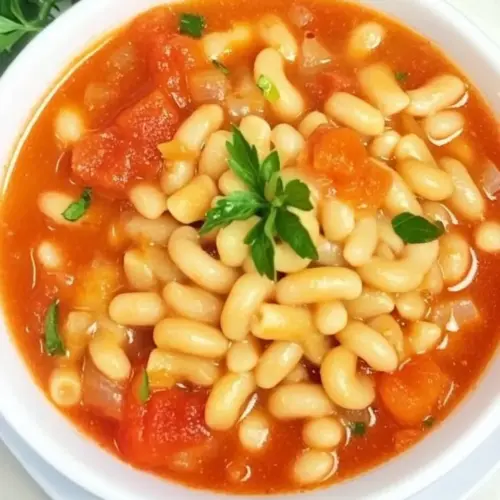
30 Minute Pasta e Fagioli
Equipment
- Large Pot
- Wooden Spoon
- Knife
- Cutting Board
Ingredients
- 2 medium carrot Chopped finely and sautéed until tender to add natural sweetness and body to the soup; carrots also provide texture contrast and color, balancing acidity from tomatoes. Carrots contribute subtle earthy flavor and nutritional vitamin A, enriching the broth for a heartier result.
- 2 stalk celery Sliced thin and softened to build aromatic depth and savory backbone; celery contributes a mild bitterness that brightens the overall flavor profile. Celery also adds aromatic crunch and moisture, supporting the mirepoix base alongside carrots and onion.
- 1/2 medium onion Diced small and cooked until translucent to form the aromatic base that melds flavors; onion provides sweetness and umami when caramelized lightly. Onions help thicken and round the broth while enhancing the soup's savory complexity.
- 28 ounce cannellini (white kidney) beans, canned Drained and rinsed, then added to supply creamy texture, protein, and fiber; canned cannellini beans create a hearty, comforting mouthfeel. Beans also absorb flavors from the broth and seasonings, making the dish more filling and nutritious.
- 2 clove garlic Minced and briefly sautéed to release pungent aroma and sharp savory notes that elevate the soup; garlic adds warmth and depth. Garlic also complements herbs and tomatoes, brightening the overall flavor when cooked gently.
- 2 tablespoon olive oil Heated to sauté aromatics and vegetables, imparting a fruity, savory base while preventing sticking; olive oil also helps extract and carry fat-soluble flavors. Oil contributes a smooth mouthfeel and subtle richness to the finished soup.
- 1/2 teaspoon rosemary, fresh Chopped finely and added early to infuse a piney, resinous note that pairs well with tomato and beans; fresh rosemary lends aromatic intensity. Rosemary should be used sparingly to avoid overpowering other delicate flavors.
- 1/2 teaspoon oregano, dried Sprinkled in to introduce warm, slightly bitter Mediterranean flavor that complements tomatoes and beans; dried oregano holds up well during simmering. Oregano enhances the herbaceous profile and brings cohesive seasoning to the soup.
- 32 ounce chicken broth, low-sodium Poured in as the main cooking liquid to provide savory depth and a slightly salty backbone; low-sodium chicken broth balances other salty elements while allowing control over final seasoning. Broth also carries flavors and hydrates pasta and beans during the brief simmer.
- 28 ounce crushed tomatoes, canned Added to contribute acidity, sweetness, and body that form the tomato base of the soup; crushed canned tomatoes create a rich, cohesive sauce-like broth. Tomatoes also provide color and umami, helping to meld the ingredients into a classic pasta e fagioli.
- 1 cup macaroni pasta, dry Cooked directly in the simmering broth to add tender pasta bites that absorb surrounding flavors; macaroni contributes starch that slightly thickens the soup. Pasta adds bulk and comfort, making the dish more satisfying and texturally varied.
- 2 tablespoon parsley, fresh Chopped and stirred in near the end to add fresh brightness, color, and a clean herbal lift that balances the rich broth. Parsley also provides aromatic contrast and a hint of bitterness that refreshes each spoonful.
- 1/4 teaspoons salt Sprinkled carefully to season and enhance overall taste while controlling salinity; small amount of salt rounds flavors without overpowering delicate herbs. Salt also promotes flavor release from vegetables, beans, and tomatoes.
- 1/4 teaspoon black pepper, ground Ground and added to provide mild heat and aromatic warmth that elevates savory elements; black pepper sharpens and accents other seasonings. Pepper adds subtle complexity and helps balance the richness of the broth and cheese.
- 1/4 cup Parmesan cheese, grated Grated and served as a finishing garnish to introduce umami, nuttiness, and creamy saltiness; Parmesan enriches mouthfeel and adds savory depth. Cheese also melts slightly into hot soup, boosting flavor and creating a pleasing, cohesive finish.
Instructions
- Peel and finely chop carrots. Finely chop celery and onion. Rinse and drain beans and mince garlic.: The air will fill with vegetal sweetness as you chop carrot , celery , and onion , and rinsing the cannellini beans will wash away any metallic can notes. Finely chopping ensures even softening during the sauté, and mincing the garlic releases its aroma without creating large pungent bites. When you rinse the beans, watch for excess liquid, and drain thoroughly so you don't thin the broth. A frequent misstep is uneven chopping, which leads to some pieces overcooking while others stay raw, so aim for consistent size to hit the same tenderness at the same moment.
- Heat the oil in a large pot over medium heat, then add onions, carrots, and celery, and saute 5 minutes, until starting to soften.: As the olive oil warms, it becomes glossy and fragrant, and when the diced vegetables hit the pot you should hear a gentle sizzle that signals moisture releasing. The aroma will deepen to a soft, sweet savory note as the vegetables sweat, and their edges will lose translucency without heavy browning. This step builds the soup's flavor base by coaxing out sugars and aromatics. Be mindful of the heat, because too high a flame will brown the vegetables quickly and change the flavor profile; medium heat is what keeps the flavors clean and balanced.
- Add the garlic, minced rosemary, and oregano, and saute one minute more.: When you add minced garlic and herbs, the pot will release a bright, savory perfume, and the oils will carry those flavors throughout the base. One minute is enough to bloom the herbs and mellow raw garlic, producing a layered aroma without bitterness. Watch closely, as garlic can burn in moments and develop an acrid note; if you see rapid browning, reduce the heat immediately. This brief step deepens complexity and prepares the base for the liquids that follow.
- Pour in the broth, tomatoes, and beans, then cover and simmer ten minutes.: Adding the chicken broth and crushed tomatoes creates a steaming, fragrant cloud as they meet the hot pot, and stirring in the rinsed beans distributes creamy body through the liquid. Covering the pot traps steam, helping the flavors marry and soften any remaining vegetable bits. You will notice the broth turning slightly thicker and the aromas melding into a unified savory-tomato scent. A common error here is simmering too vigorously; a rolling boil can break down the beans and make the broth cloudy, so maintain a gentle simmer for even melding.
- Add macaroni noodles and simmer uncovered about 7 more minutes, until pasta is just cooked.: When you stir in the dry macaroni pasta , the surface will go from glossy to matte as the noodles hydrate, and the broth will thicken as starch leaches out, creating a clingy texture that ties everything together. Leaving the pot uncovered allows you to watch the pasta and prevent the broth from overflowing. Stir occasionally to keep the pasta moving and to avoid it sticking to the bottom. The key is to cook until the pasta is al dente, offering slight chew, because overcooked pasta will disintegrate and make the soup heavy. If the pasta absorbs too much liquid, add a splash of broth to restore consistency.
- Stir in parsley, taste, and adjust salt and pepper as needed.: Fresh parsley folded in at the end brightens the aroma and adds a green lift against the tomato base, and tasting now lets you correct seasoning with salt and black pepper . Your palate will pick up subtle changes after the pasta cooks, so small adjustments are more effective than large ones. A common oversight is adding all the salt at the start; because canned ingredients vary, seasoning at the end helps you avoid oversalting. Add increments and taste between additions.
- Serve hot with a sprinkle of cheese on top.: Ladling the soup into bowls releases warm steam and the first spoonful will show the marriage of textures, from creamy beans to tender pasta . A scattering of grated Parmesan cheese melts on contact, adding umami and a silky finish. Present it immediately while the aromas are most alive. If you let the soup cool too long before serving, the pasta will continue to absorb liquid and the texture will change, so serve promptly for peak enjoyment.
Notes
- Control sodium from the start by using low-sodium chicken broth and rinsing canned items; this gives you room to season thoughtfully at the end.
- Watch your heat when sautéing the aromatics; medium heat keeps the onion, carrot, and celery from browning and preserves a clean, sweet base.
- Add pasta later so the macaroni pasta finishes al dente and the soup does not become gummy as it sits.
- Use fresh herbs sparingly at the finish; a little parsley brightens without overpowering the balanced flavors.
- Adjust texture with reserved liquid if the pasta absorbs too much broth, add a splash of hot broth to loosen the soup without diluting the flavor.
- Serve immediately to enjoy the ideal interplay of hot broth, creamy beans, and al dente pasta, as leftovers will thicken over time.