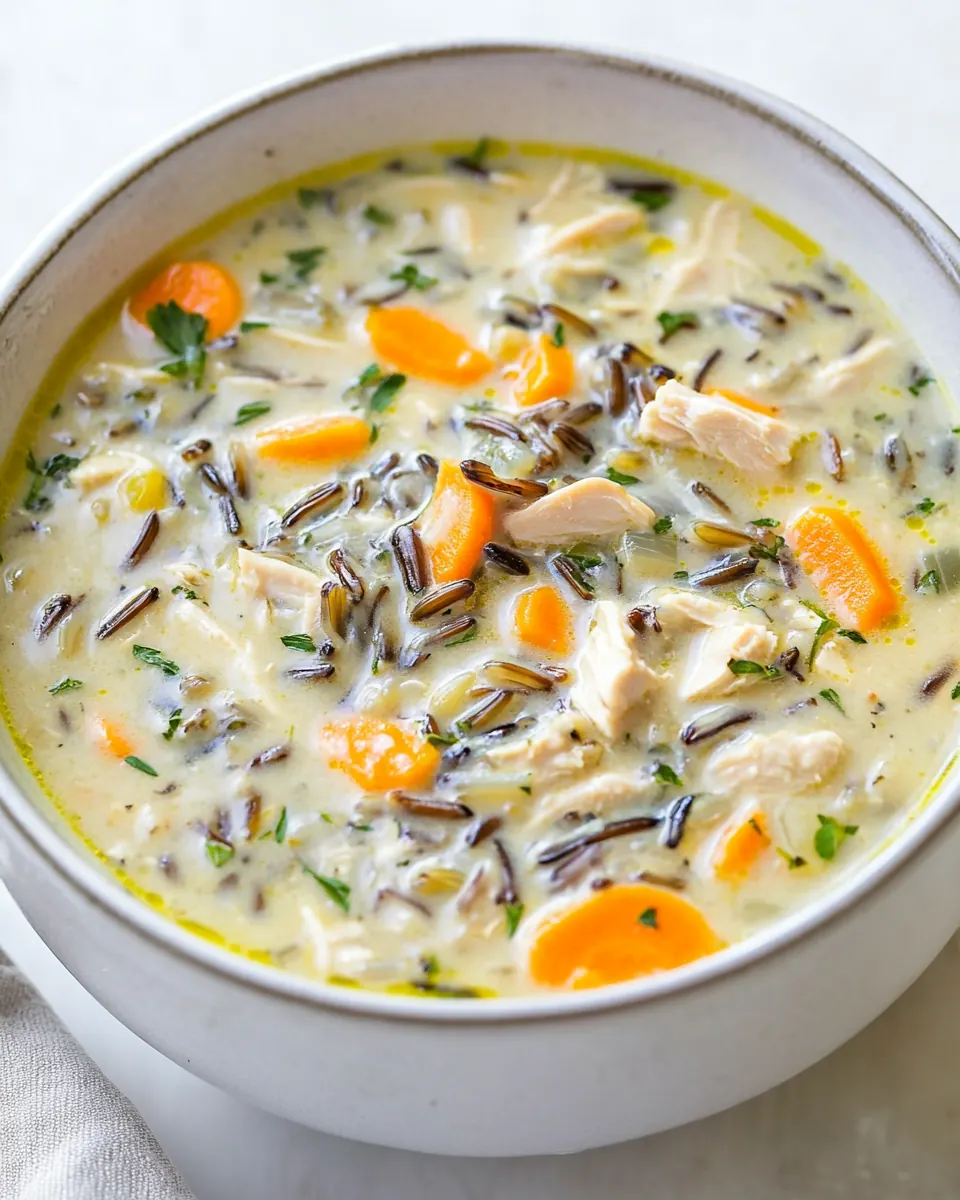
Leftover Turkey Wild Rice Soup
Leftover Turkey Wild Rice Soup is the kind of bowl I reach for when the house smells like late autumn and I want something soothing, honest, and a little nostalgic.
There was one chilly evening after Thanksgiving when I opened the fridge and saw a container of shredded turkey and a half eaten loaf of crusty bread. Instead of reheating slices, I turned those leftovers into a pot of warm comfort. The soup simmered for a long while, and as the wild rice softened, the kitchen filled with an earthy aroma that felt like a soft blanket. I remember stirring, tasting, and adjusting seasoning until the balance felt right, and that first spoonful tasted better than I expected.
I like this recipe because it honors the leftover turkey rather than hiding it. The texture of the wild rice adds a pleasing chew, while sautéed onion, carrots, and celery give the broth a savory backbone. When I add a splash of cream at the end, the soup becomes silky without losing its rustic character. Every family has their own way of doing this, and I hope my version inspires you to make use of what you already have in the fridge.
Recipe Snapshot
55 mins
15 mins
40 mins
Medium
350 kcal
American
Gluten-Free, Paleo
Soups
Large soup pot, Whisk, Knife, Cutting board
Why You’ll Love This Leftover Turkey Wild Rice Soup
Hearty leftover rescue
I love that Leftover Turkey Wild Rice Soup turns Thanksgiving remnants into a meal that feels special. Using cooked turkey lets you get dinner on the table quickly, and the combination of textures means every spoonful is rewarding. I often find myself reaching for this recipe when I want to stretch a roast without making something boring.
Texture contrast and mouthfeel
The wild rice provides a nutty chew that stands up to the tender turkey and soft vegetables. I appreciate how the rice keeps the soup from feeling thin, and how the occasional bite of mushroom adds an umami note. This contrast makes it feel like a composed dish rather than just reheated meat in broth.
Comfort without fuss
This soup is a low stress dish to pull together. A quick sauté, a whisk with flour and broth, and a simmer do the heavy lifting. I value recipes that deliver depth of flavor without demanding elaborate steps, and this one fits that need perfectly.
Flexible and forgiving
I often adapt quantities based on what I have, and the soup tolerates little tweaks. Add more carrots if you like sweetness, or more mushrooms for earthiness. It’s the kind of formula that encourages experimentation, and I enjoy the creative freedom it offers.
Seasonal and nostalgic
There is something quietly celebratory about turning holiday leftovers into a new tradition. I find that serving this soup in late fall comforts guests, and it often prompts stories about family meals. It’s both practical and sentimental, which is why I keep coming back to it.
Key Ingredients for Leftover Turkey Wild Rice Soup
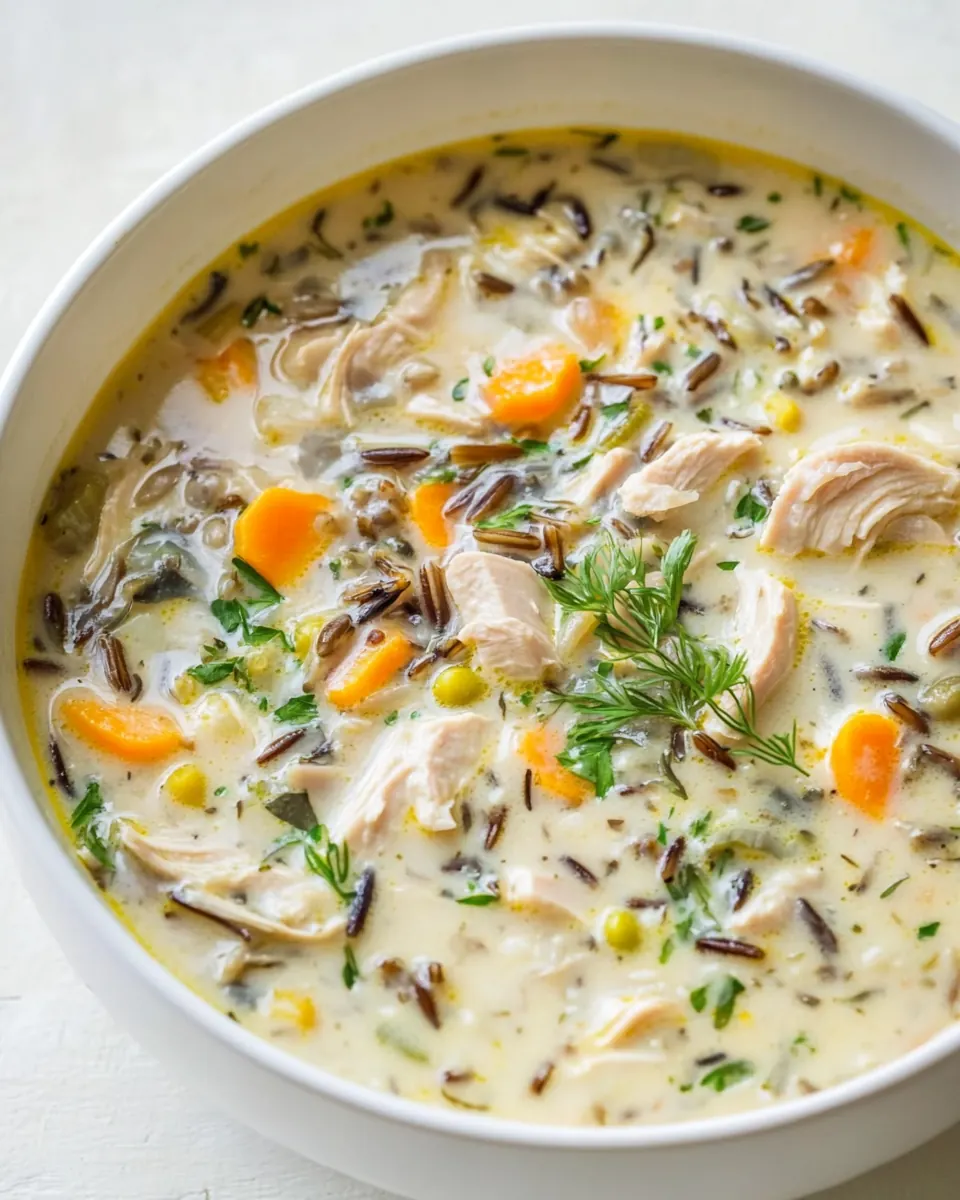
These ingredients work together to create a bowl that is creamy, savory, and textured. The base trio of onion, carrots, and celery builds aromatic depth, while wild rice gives structure. The combination of butter and olive oil helps develop flavor during sautéing, and the optional heavy/whipping cream rounds out the mouthfeel.
- 1 medium onion chopped: Sauté chopped to soften and release sweetness while forming the aromatic base for the soup; cook until translucent to enhance overall flavor. Provide structure and balance to the broth, melding with other vegetables and aromatics. Help build a savory backbone that complements the turkey and rice.
- 2 medium carrots peeled & chopped: Simmer peeled and chopped to add natural sweetness, texture, and body; cook until tender so it melds into the broth. Contribute subtle earthy sweetness that brightens the savory components. Help thicken the soup slightly as they break down and integrate.
- 3 sticks celery chopped: Chop to add crunchy texture and a savory vegetal flavor that pairs well with onions and carrots; cook until softened to release aroma. Provide aromatic depth and contribute to the classic mirepoix base. Bring a fresh, slightly peppery note that balances richer ingredients.
- 1 tablespoon olive oil: Heat in the pot to sauté vegetables and prevent sticking while imparting a fruity, slightly bitter olive flavor. Act as the primary fat for initial cooking and flavor development. Help carry fat-soluble flavors and create a pleasant mouthfeel.
- 2 tablespoons butter: Melt to enrich the soup with a creamy, buttery depth and to help form a roux with the flour for thickening. Add richness and glossy texture to the broth, balancing acidity and herbs. Enhance overall savory umami and give a comforting finish.
- 3 cloves garlic minced: Mince to release a pungent, aromatic punch that lifts the soup’s savory profile; add near the end of sautéing to avoid burning. Provide sharpness and depth and help meld other flavors together. Infuse the broth with characteristic garlic warmth.
- 1/4 teaspoon Italian seasoning or more to taste: Sprinkle to introduce a fragrant blend of herbs that complements poultry and vegetables; adjust quantity to taste to control herbaceousness. Add Italian seasoning to provide oregano, basil, thyme, and rosemary notes that enhance the soup’s complexity. Bind flavors and provide an aromatic background.
- 3 heaping tablespoons flour: Whisk in heaping tablespoons to create a roux that thickens the soup and gives it a silky texture; cook briefly to remove raw flour taste. Serve as the base for a creamy mouthfeel that helps suspend ingredients like rice and turkey in the broth. Control thickness by varying amount and cooking time.
- 6 cups chicken broth: Pour as the primary liquid to simmer the rice and vegetables while contributing savory depth; use low-sodium if preferred to control salt levels. Act as the soup’s flavor foundation and cooking medium for the wild rice. Combine with the roux and turkey juices to form a cohesive broth.
- 1 cup uncooked wild rice: Add uncooked to provide chewy, nutty texture and hearty graininess that complements tender turkey; cook until tender according to package instructions. Serve as the soup’s substantial carbohydrate component that absorbs flavors and thickens the broth slightly. Offer a rustic, satisfying bite.
- 2 cups (or more) cooked turkey meats shredded/cut up: Stir in cooked and shredded to supply protein, savory flavor, and meaty texture; add near the end to avoid overcooking and drying out. Replace or augment turkey to create a traditional leftover-based soup with familiar poultry taste. Provide substance and make the dish a complete meal.
- 7 ounces cremini mushrooms sliced: Slice to contribute earthy, meaty flavor and tender texture; sauté with vegetables to develop brown, umami-rich notes. Enhance aroma and add a pleasant chew that complements both rice and turkey. Absorb the broth and roux, boosting overall savory complexity.
- Salt & pepper to taste: Season to taste to enhance and balance all flavors; add gradually and taste frequently to avoid over-salting. Provide saltiness and control seasoning level while pepper adds mild heat and aromatic lift. Adjust final seasoning to personal preference.
- 1/2 cup heavy/whipping cream (optional): Finish optional to add richness, silkiness, and a slightly sweet dairy note when stirred in at the end; warm gently to avoid curdling. Contribute creamy mouthfeel and mellow sharpness of the broth, making the soup more luxurious. Allow flexibility for lighter or richer versions.
Directions for Leftover Turkey Wild Rice Soup
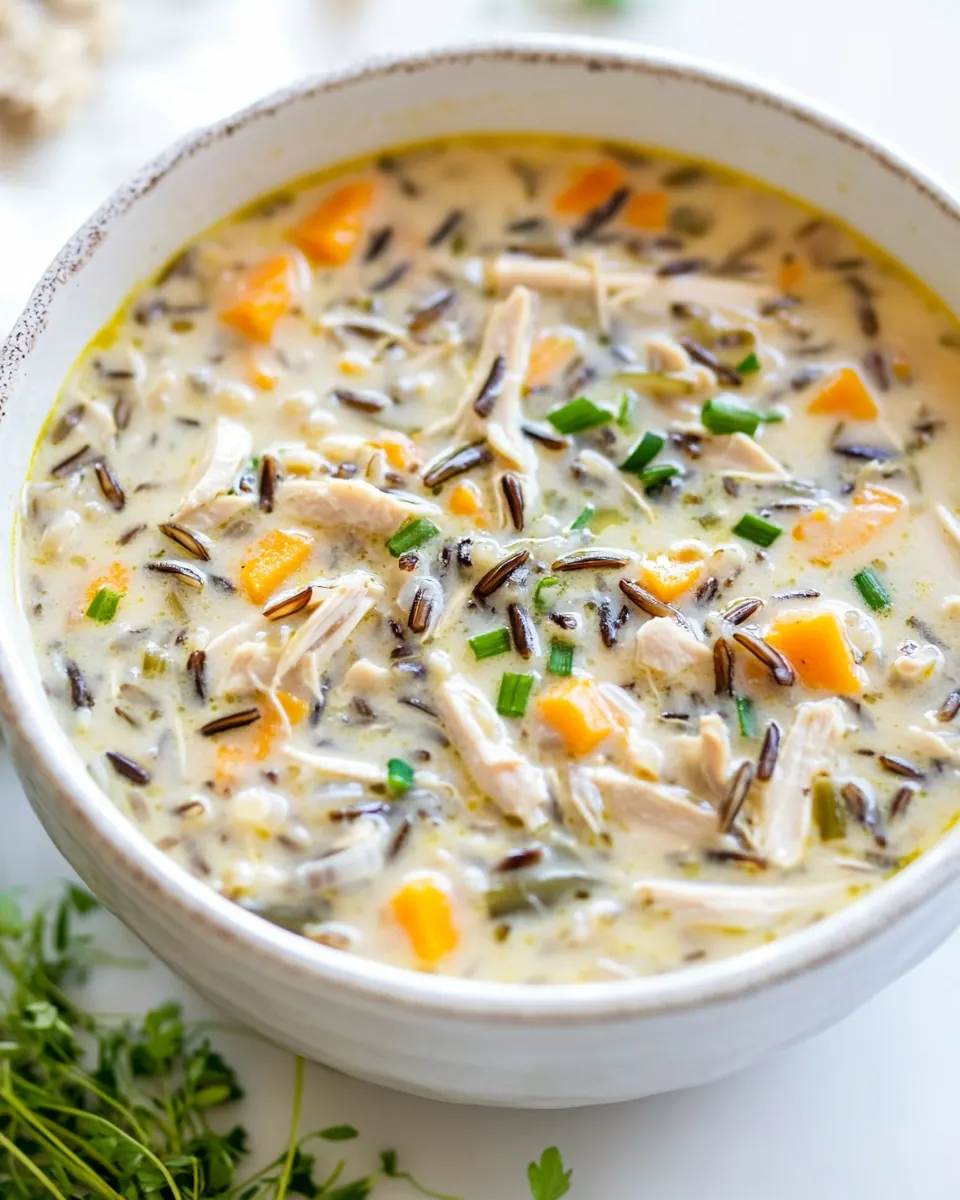
I like to move deliberately through these steps, savoring the aromas and adjusting seasoning as the soup comes together. You will be sautéing, forming a light roux, and coaxing the wild rice to tenderness while preserving the texture of the turkey.
- Prep your onion, carrots, and celery. I just roughly chopped the carrots and celery.: The kitchen greets you with the bright, vegetal scent of chopped onion , carrots , and celery , and that freshness is crucial because these aromatics form the soup’s base. Use a sharp knife so the pieces are uniform, which helps them soften at the same rate and avoids inconsistent bites. You should hear a crisp chop and see the colors pop against the cutting board. A common mistake is rushing the knife work and ending up with uneven sizes, which leads to some pieces being undercooked while others are mushy.
- Add the oil and butter to a large soup pot over medium-high heat. Add the onion, carrots, and celery. Sauté for 7 minutes, stirring occasionally.: Early on the pan should shimmer with olive oil and foam from the butter , releasing a nutty scent as it warms. As the vegetables hit the pot you will hear a soft sizzle and see the edges of the onion turn translucent, the carrots begin to soften, and the celery wilt. Stir every couple of minutes to prevent sticking and to promote even browning, which deepens flavor through the Maillard reaction. If your heat is too high, the vegetables will brown too fast and taste bitter, so lower it if you notice rapid darkening.
- Stir in the garlic, Italian seasoning, and flour. Cook for 1-2 minutes.: When you add minced garlic and dried herbs, an immediate fragrant lift should sweep through the kitchen, but this phase is brief to avoid burning the garlic . Sprinkle the flour and stir constantly so it coats the vegetables, forming a light roux that will thicken the broth. The mixture will feel slightly pasty on the spoon which is exactly what you want, and cooking for a minute releases the raw flour flavor. Watch carefully because too long here will darken the roux and change the taste profile undesirably.
- Whisk in the chicken broth until the flour is dissolved.: As you pour in the chicken broth , whisk briskly so there are no lumps and the roux integrates into a smooth liquid. The aroma will shift from toasty notes to a fuller, soup like scent as the broth heats. You should see the mixture become glossy and slightly thickened. A common pitfall is adding the liquid too quickly which can create clumps, so whisk steadily and scrape the pot bottom to lift any caramelized bits for maximum flavor.
- Stir in the rice.: Once the broth is smooth, add the uncooked wild rice , which will begin to hydrate and swell. The grains will sink initially and later float as they absorb liquid, and you will notice the broth becoming subtly clouded. Give it a stir to ensure the rice is evenly distributed so it cooks uniformly. A mistake to avoid is adding too little liquid, which can cause the rice to cook unevenly and stick to the pot.
- Increase the heat to high and bring the soup to a boil. Once it's just boiling, cover the pot with the lid slightly ajar. Reduce the heat so it's gently boiling for 15 minutes.: Bring the pot up to a rolling boil where you will see steady bubbles across the surface and feel heat radiating. Then lower the flame until bubbles are gentle and rhythmic, a simmer that encourages gradual hydration of the wild rice . Covering with the lid slightly ajar traps steam but prevents overpressure, which keeps the texture tender. If you leave it fully covered, the liquid may boil too vigorously and reduce too quickly, leading to undercooked rice or a too thick soup.
- If you haven't already prepped the turkey and mushrooms, you can do it now.: This is the moment to slice the cremini mushrooms and shred or cut up the cooked turkey . The mushrooms should be clean and sliced to a consistent thickness so they cook evenly, and the turkey should be in bite sized pieces for balanced distribution. You should notice a dry, earthy mushroom scent when sliced, and the turkey will give a savory reminder of the original roast. Avoid cutting pieces too large, which can make the soup awkward to eat.
- Add the turkey and mushrooms to the soup. Increase the heat again so it just comes to a boil, then reduce the heat so it's simmering again and continue cooking the soup for another 15-20 minutes (cover with lid slightly ajar) or until the rice is tender (wild rice does have a bit of "chew" to it, though).: When you drop in the turkey and mushrooms , the pot will release a richer aroma as the ingredients mingle. Bringing it briefly to a boil helps ensure the turkey heats through, and the simmer that follows coax the wild rice to reach its ideal chew, which is tender with a bit of resistance. Stir occasionally to prevent sticking and to check rice doneness. A frequent error is overcooking the turkey , which dries the meat, so watch the timing and remove from heat when the rice is done.
- Stir in the cream (if using). Season soup with salt & pepper as needed.: Adding the heavy/whipping cream at the end imparts a silky finish and softens the flavors, transforming the broth into something more luxurious. Warm the cream gently into the soup and notice how it mellows acidity and ties ingredients together. Taste and finish with salt and pepper , adding in small increments to avoid over seasoning. If you oversalt, dilute with a bit more broth or a peeled potato to absorb excess salt, which is a salvage technique to keep in mind.
Helpful Notes about Leftover Turkey Wild Rice Soup
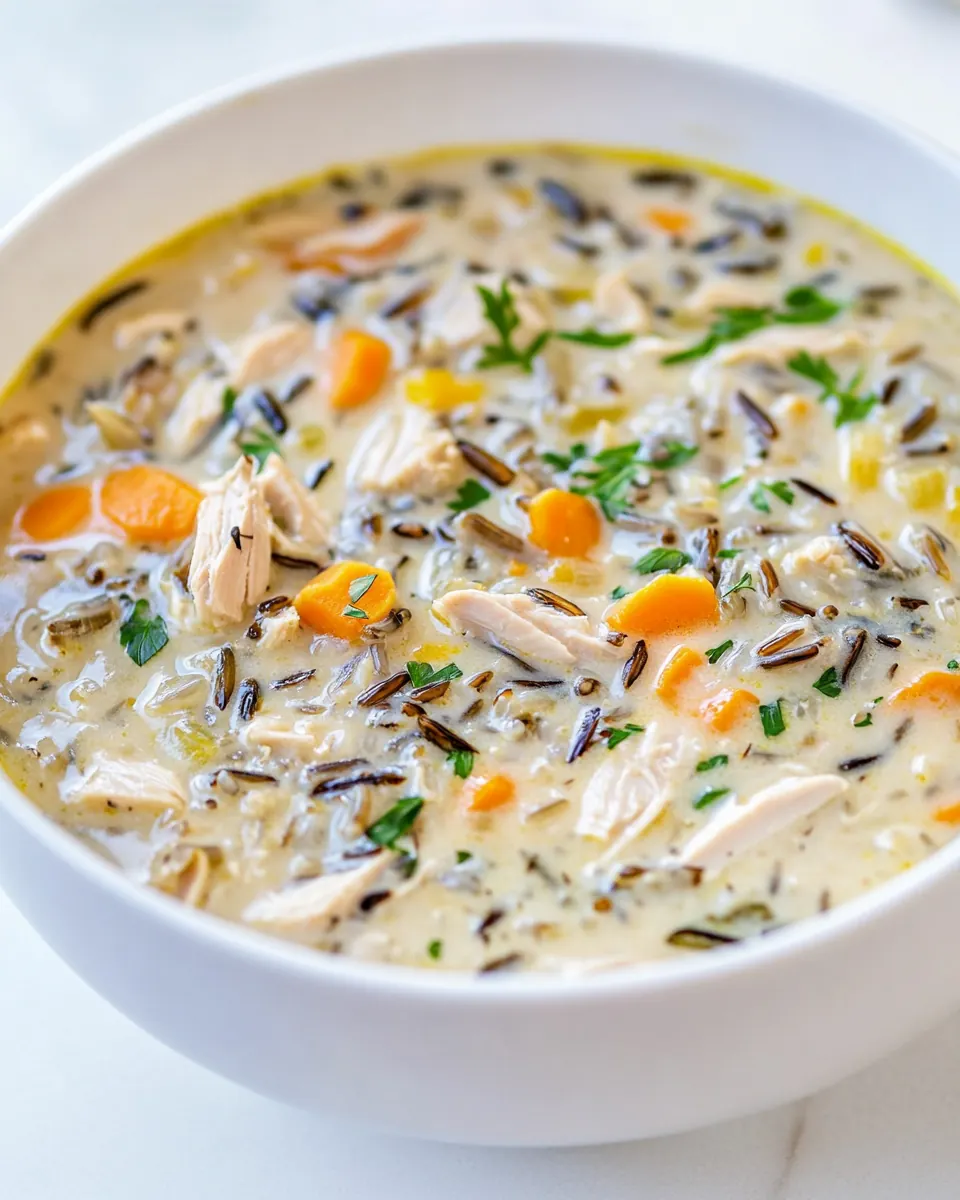
I often jot quick reminders for myself and this section collects the practical details I rely on. These tips expand on technique, timing, and small adjustments that make the soup consistently comforting.
- Start with quality broth, because a flavorful chicken broth provides the foundation and reduces the need for heavy seasoning later. If your broth is low on flavor, simmer it with extra aromatics briefly to boost depth.
- Toast the flour slightly in the fat until it smells nutty, this ensures the roux thickens without leaving a raw taste. Stir constantly during this step to prevent scorching.
- Don’t overcook the turkey, add it near the end so the meat remains tender. Overlong simmering can make cooked poultry dry and stringy, losing its appeal in the soup.
- Rinse wild rice if dusty, a quick rinse under cold water removes any grit and helps the grains cook more evenly. Drain well so the broth does not become diluted.
- Adjust cream at the end, adding it slowly and warming gently avoids curdling and lets you control richness. If you prefer a lighter soup, omit the cream and rely on butter for silkiness.
What Complements This Leftover Turkey Wild Rice Soup
This soup pairs well with simple sides and occasions where comfort matters. I often serve it for casual family dinners or after holiday gatherings because it stretches leftovers into something celebratory. Below are ideas for accompaniments, storage, and serving style to elevate the meal.
- Crusty bread for dunking, such as a torn baguette or country loaf. The chewy crust contrasts the soup’s creaminess and soaks up the broth for added satisfaction.
- Green salad with a bright vinaigrette to cut richness, providing a crisp counterpoint to the warm, satisfying bowl.
- Shredded cheese on the side, let guests add a sprinkle if they want more savory richness, though be mindful since cheese is not listed as an ingredient in the recipe itself.
- Serve for lunch or dinner, this soup is versatile for a comforting lunch or a relaxed weeknight dinner when you want something nourishing without a lot of fuss.
- Make ahead and refrigerate, the flavors often marry overnight. Store in an airtight container for up to three days, then reheat gently on the stove to preserve texture.
- Freeze in portions without the cream, freeze up to three months, and add the cream when reheating for the best texture and flavor retention.
- Seasonal pairing, ideal in fall when wild rice and roasted poultry are abundant, the soup feels particularly comforting at cooler temperatures.
FAQ
Conclusion
Leftover Turkey Wild Rice Soup brings together savory turkey, nutty wild rice, and classic aromatics for a bowl that is both comforting and substantial. This recipe respects leftovers while offering a warming, textured meal that feels like a small celebration of simple ingredients. Give it a try the next time you have cooked poultry on hand, and enjoy how a modest pot can transform scraps into something nourishing and memorable. I hope it becomes one of your go to dishes when you want something cozy and satisfying.
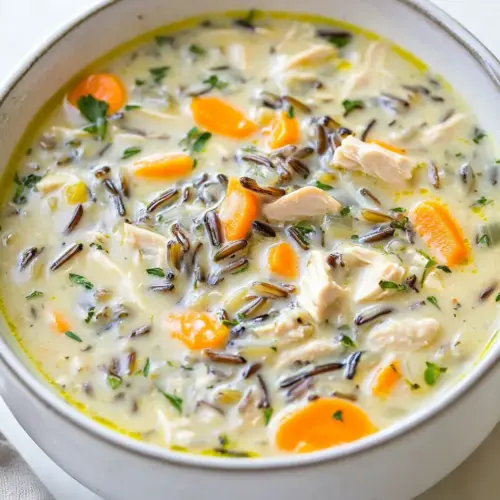
Leftover Turkey Wild Rice Soup
Equipment
- Large soup pot
- Whisk
- Knife
- Cutting Board
Ingredients
- 1 medium onion chopped Sauté chopped to soften and release sweetness while forming the aromatic base for the soup; cook until translucent to enhance overall flavor. Provide structure and balance to the broth, melding with other vegetables and aromatics. Help build a savory backbone that complements the turkey and rice.
- 2 medium carrots peeled & chopped Simmer peeled and chopped to add natural sweetness, texture, and body; cook until tender so it melds into the broth. Contribute subtle earthy sweetness that brightens the savory components. Help thicken the soup slightly as they break down and integrate.
- 3 sticks celery chopped Chop to add crunchy texture and a savory vegetal flavor that pairs well with onions and carrots; cook until softened to release aroma. Provide aromatic depth and contribute to the classic mirepoix base. Bring a fresh, slightly peppery note that balances richer ingredients.
- 1 tablespoon olive oil Heat in the pot to sauté vegetables and prevent sticking while imparting a fruity, slightly bitter olive flavor. Act as the primary fat for initial cooking and flavor development. Help carry fat-soluble flavors and create a pleasant mouthfeel.
- 2 tablespoons butter Melt to enrich the soup with a creamy, buttery depth and to help form a roux with the flour for thickening. Add richness and glossy texture to the broth, balancing acidity and herbs. Enhance overall savory umami and give a comforting finish.
- 3 cloves garlic minced Mince to release a pungent, aromatic punch that lifts the soup’s savory profile; add near the end of sautéing to avoid burning. Provide sharpness and depth and help meld other flavors together. Infuse the broth with characteristic garlic warmth.
- 1/4 teaspoon Italian seasoning or more to taste Sprinkle to introduce a fragrant blend of herbs that complements poultry and vegetables; adjust quantity to taste to control herbaceousness. Add Italian seasoning to provide oregano, basil, thyme, and rosemary notes that enhance the soup’s complexity. Bind flavors and provide an aromatic background.
- 3 heaping tablespoons flour Whisk in heaping tablespoons to create a roux that thickens the soup and gives it a silky texture; cook briefly to remove raw flour taste. Serve as the base for a creamy mouthfeel that helps suspend ingredients like rice and turkey in the broth. Control thickness by varying amount and cooking time.
- 6 cups chicken broth Pour as the primary liquid to simmer the rice and vegetables while contributing savory depth; use low-sodium if preferred to control salt levels. Act as the soup’s flavor foundation and cooking medium for the wild rice. Combine with the roux and turkey juices to form a cohesive broth.
- 1 cup uncooked wild rice Add uncooked to provide chewy, nutty texture and hearty graininess that complements tender turkey; cook until tender according to package instructions. Serve as the soup’s substantial carbohydrate component that absorbs flavors and thickens the broth slightly. Offer a rustic, satisfying bite.
- 2 cups (or more) cooked turkey meats shredded/cut up Stir in cooked and shredded to supply protein, savory flavor, and meaty texture; add near the end to avoid overcooking and drying out. Replace or augment turkey to create a traditional leftover-based soup with familiar poultry taste. Provide substance and make the dish a complete meal.
- 7 ounces cremini mushrooms sliced Slice to contribute earthy, meaty flavor and tender texture; sauté with vegetables to develop brown, umami-rich notes. Enhance aroma and add a pleasant chew that complements both rice and turkey. Absorb the broth and roux, boosting overall savory complexity.
- Salt & pepper to taste Season to taste to enhance and balance all flavors; add gradually and taste frequently to avoid over-salting. Provide saltiness and control seasoning level while pepper adds mild heat and aromatic lift. Adjust final seasoning to personal preference.
- 1/2 cup heavy/whipping cream optional Finish optional to add richness, silkiness, and a slightly sweet dairy note when stirred in at the end; warm gently to avoid curdling. Contribute creamy mouthfeel and mellow sharpness of the broth, making the soup more luxurious. Allow flexibility for lighter or richer versions.
Instructions
- Prep your onion, carrots, and celery. I just roughly chopped the carrots and celery.: The kitchen greets you with the bright, vegetal scent of chopped onion , carrots , and celery , and that freshness is crucial because these aromatics form the soup’s base. Use a sharp knife so the pieces are uniform, which helps them soften at the same rate and avoids inconsistent bites. You should hear a crisp chop and see the colors pop against the cutting board. A common mistake is rushing the knife work and ending up with uneven sizes, which leads to some pieces being undercooked while others are mushy.
- Add the oil and butter to a large soup pot over medium-high heat. Add the onion, carrots, and celery. Sauté for 7 minutes, stirring occasionally.: Early on the pan should shimmer with olive oil and foam from the butter , releasing a nutty scent as it warms. As the vegetables hit the pot you will hear a soft sizzle and see the edges of the onion turn translucent, the carrots begin to soften, and the celery wilt. Stir every couple of minutes to prevent sticking and to promote even browning, which deepens flavor through the Maillard reaction. If your heat is too high, the vegetables will brown too fast and taste bitter, so lower it if you notice rapid darkening.
- Stir in the garlic, Italian seasoning, and flour. Cook for 1-2 minutes.: When you add minced garlic and dried herbs, an immediate fragrant lift should sweep through the kitchen, but this phase is brief to avoid burning the garlic . Sprinkle the flour and stir constantly so it coats the vegetables, forming a light roux that will thicken the broth. The mixture will feel slightly pasty on the spoon which is exactly what you want, and cooking for a minute releases the raw flour flavor. Watch carefully because too long here will darken the roux and change the taste profile undesirably.
- Whisk in the chicken broth until the flour is dissolved.: As you pour in the chicken broth , whisk briskly so there are no lumps and the roux integrates into a smooth liquid. The aroma will shift from toasty notes to a fuller, soup like scent as the broth heats. You should see the mixture become glossy and slightly thickened. A common pitfall is adding the liquid too quickly which can create clumps, so whisk steadily and scrape the pot bottom to lift any caramelized bits for maximum flavor.
- Stir in the rice.: Once the broth is smooth, add the uncooked wild rice , which will begin to hydrate and swell. The grains will sink initially and later float as they absorb liquid, and you will notice the broth becoming subtly clouded. Give it a stir to ensure the rice is evenly distributed so it cooks uniformly. A mistake to avoid is adding too little liquid, which can cause the rice to cook unevenly and stick to the pot.
- Increase the heat to high and bring the soup to a boil. Once it's just boiling, cover the pot with the lid slightly ajar. Reduce the heat so it's gently boiling for 15 minutes.: Bring the pot up to a rolling boil where you will see steady bubbles across the surface and feel heat radiating. Then lower the flame until bubbles are gentle and rhythmic, a simmer that encourages gradual hydration of the wild rice . Covering with the lid slightly ajar traps steam but prevents overpressure, which keeps the texture tender. If you leave it fully covered, the liquid may boil too vigorously and reduce too quickly, leading to undercooked rice or a too thick soup.
- If you haven't already prepped the turkey and mushrooms, you can do it now.: This is the moment to slice the cremini mushrooms and shred or cut up the cooked turkey . The mushrooms should be clean and sliced to a consistent thickness so they cook evenly, and the turkey should be in bite sized pieces for balanced distribution. You should notice a dry, earthy mushroom scent when sliced, and the turkey will give a savory reminder of the original roast. Avoid cutting pieces too large, which can make the soup awkward to eat.
- Add the turkey and mushrooms to the soup. Increase the heat again so it just comes to a boil, then reduce the heat so it's simmering again and continue cooking the soup for another 15-20 minutes (cover with lid slightly ajar) or until the rice is tender (wild rice does have a bit of "chew" to it, though).: When you drop in the turkey and mushrooms , the pot will release a richer aroma as the ingredients mingle. Bringing it briefly to a boil helps ensure the turkey heats through, and the simmer that follows coax the wild rice to reach its ideal chew, which is tender with a bit of resistance. Stir occasionally to prevent sticking and to check rice doneness. A frequent error is overcooking the turkey , which dries the meat, so watch the timing and remove from heat when the rice is done.
- Stir in the cream (if using). Season soup with salt & pepper as needed.: Adding the heavy/whipping cream at the end imparts a silky finish and softens the flavors, transforming the broth into something more luxurious. Warm the cream gently into the soup and notice how it mellows acidity and ties ingredients together. Taste and finish with salt and pepper , adding in small increments to avoid over seasoning. If you oversalt, dilute with a bit more broth or a peeled potato to absorb excess salt, which is a salvage technique to keep in mind.
Notes
- Start with quality broth, because a flavorful chicken broth provides the foundation and reduces the need for heavy seasoning later. If your broth is low on flavor, simmer it with extra aromatics briefly to boost depth.
- Toast the flour slightly in the fat until it smells nutty, this ensures the roux thickens without leaving a raw taste. Stir constantly during this step to prevent scorching.
- Don’t overcook the turkey, add it near the end so the meat remains tender. Overlong simmering can make cooked poultry dry and stringy, losing its appeal in the soup.
- Rinse wild rice if dusty, a quick rinse under cold water removes any grit and helps the grains cook more evenly. Drain well so the broth does not become diluted.
- Adjust cream at the end, adding it slowly and warming gently avoids curdling and lets you control richness. If you prefer a lighter soup, omit the cream and rely on butter for silkiness.