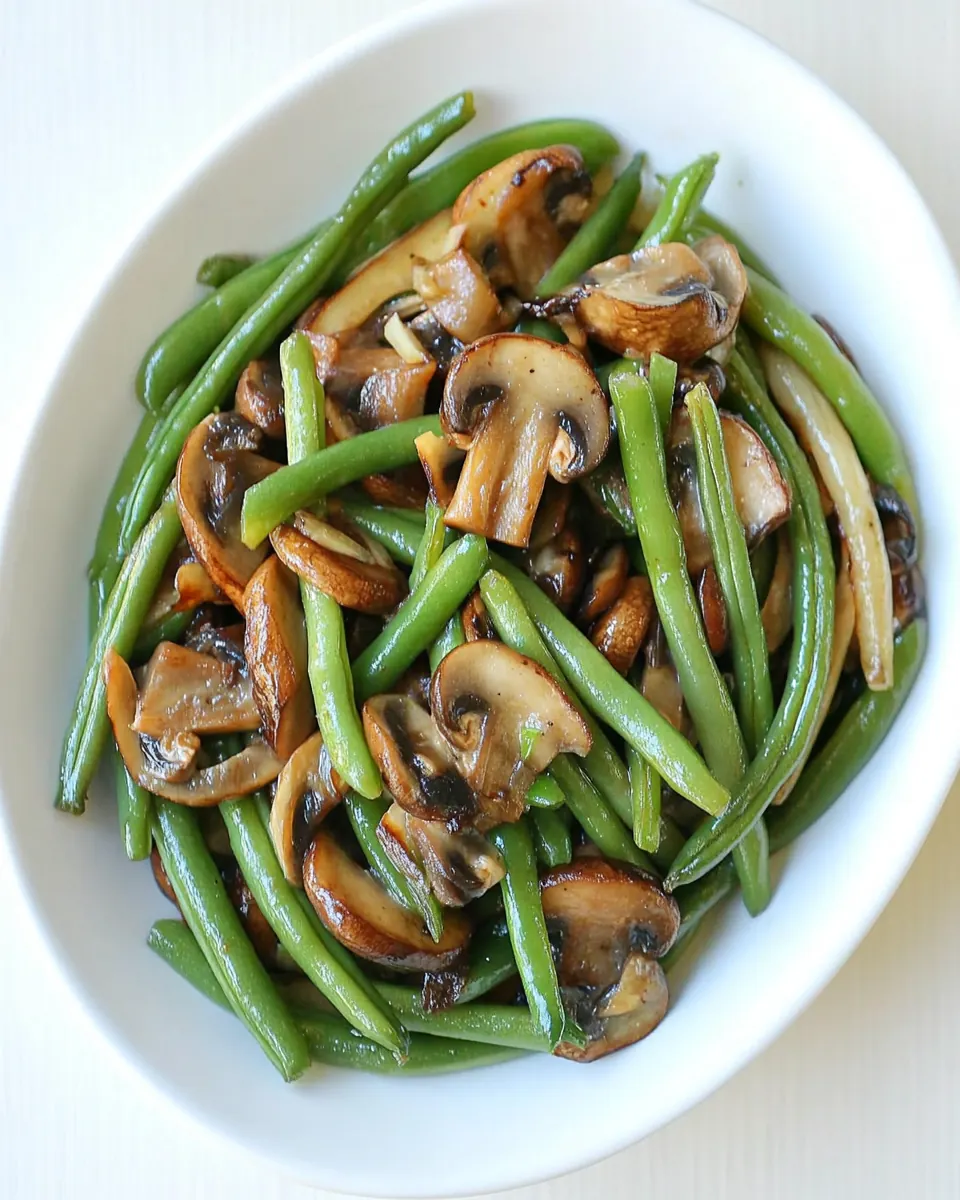
Green Beans with Mushrooms and Shallots
Green Beans with Mushrooms and Shallots has been one of those dishes I fall back on when I want something vegetable forward but fully satisfying. The first time I made it, I was cooking for a friend who loves simple, honest food, and the way the green beans snapped and the mushrooms turned richly browned convinced us both that vegetables can headline a meal. I remember standing at the stove, tongs in hand, listening to the gentle hiss from the pan as aromas unfurled, and feeling glad I had kept the technique straightforward.
Since then, this version of Green Beans with Mushrooms and Shallots has become my go to when I need a quick side that still feels special. The balance of tender crisp green beans, silky shallots, and earthy mushrooms hits a comforting, grounded place that pairs easily with many mains. I like to plate it simply, letting the vegetables speak for themselves, because the flavors are honest and layered without being fussy.
When I share this with guests, people often ask how the mushrooms get that concentrated, savory richness. It comes down to patience and heat control, and knowing when to let the water evaporate so the mushrooms can brown. Little choices like that turn a quick vegetable side into something that feels intentionally cooked, and that’s what I aim for when I make Green Beans with Mushrooms and Shallots on a busy weeknight or for a relaxed weekend dinner.
Recipe Snapshot
40 mins
20 mins
20 mins
Easy
150 kcal
American
Vegan, Gluten-Free
Side Dishes
Steamer insert, Pan, Large nonstick skillet, Tongs
What We Adore About This Green Beans with Mushrooms and Shallots
Flavor Harmony
I love how Green Beans with Mushrooms and Shallots balances textures and tastes. The green beans bring a bright, vegetal snap, while the mushrooms add an earthy, meaty depth, and the shallots give a gentle oniony sweetness. Together they create a savory loop that keeps each bite interesting, and I often notice guests reaching for seconds.
Speed Without Sacrifice
This recipe feels fast, yet it rewards small, mindful steps. Steaming the green beans keeps them vibrantly colored and perfectly tender, and taking the time to brown the mushrooms concentrates flavor. I always appreciate a dish that respects busy evenings, and this one delivers a refined result with minimal fuss.
Versatility at the Table
I often use Green Beans with Mushrooms and Shallots as a complement to many mains. It can play a supporting role beside roasted proteins, or stand in as the vegetable center for a plant forward meal. Its neutral but layered profile means it adapts to various cuisines, and I frequently tweak accompanying spices without losing the core identity.
Approachable Technique
The methods here are straightforward, which is why I keep coming back to this dish. If you can steam and sauté, you can make this with confidence. I like teaching this to friends who want to elevate their vegetable game because the outcomes are predictable and satisfying.
Seasonal Appeal
During spring, when fresh green beans and a variety of market mushrooms are plentiful, this dish sings. I find it showcases whatever small seasonal variations I encounter at the market, and that makes it feel timely and personal when I serve it.
Ingredients for Green Beans with Mushrooms and Shallots
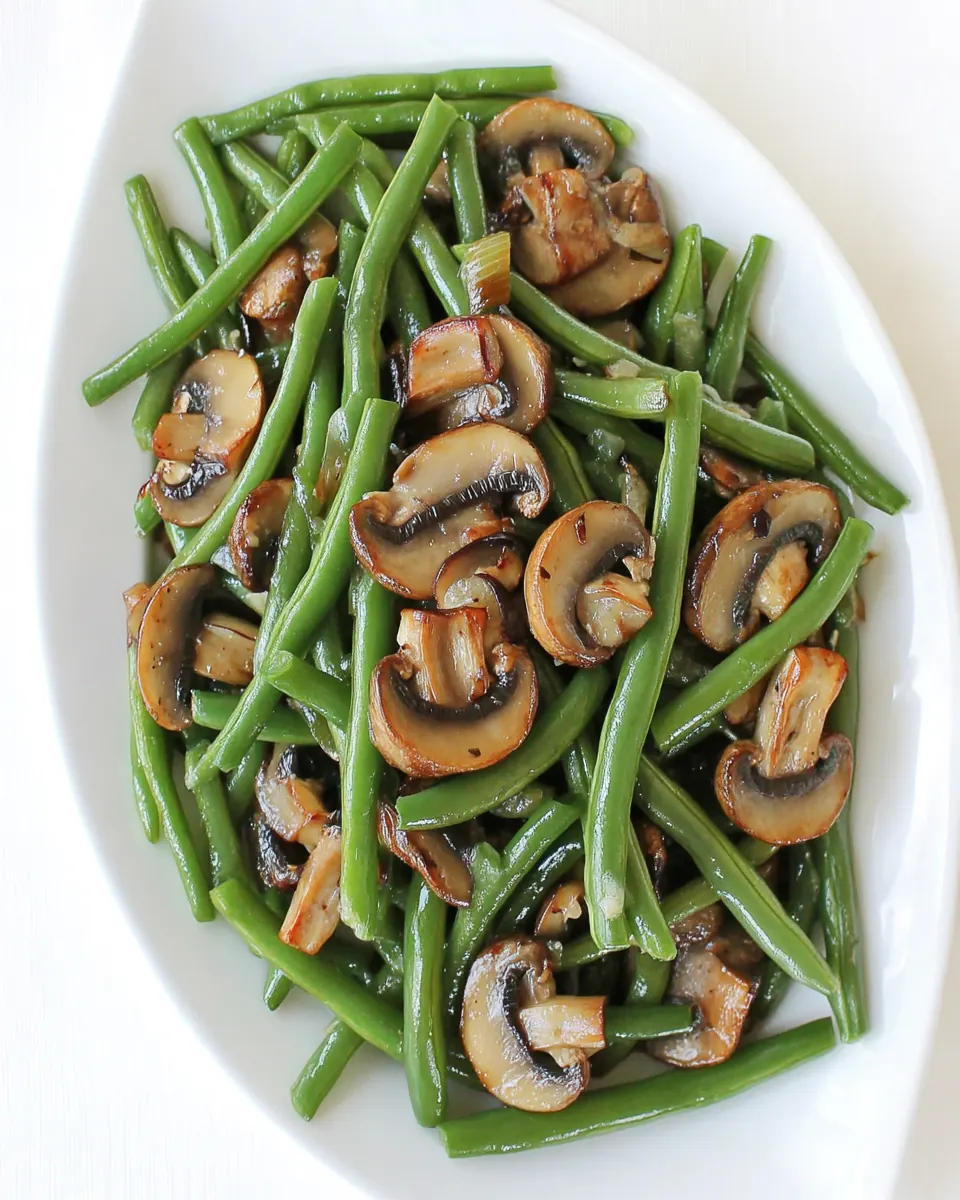
The ingredient list for Green Beans with Mushrooms and Shallots is intentionally short and focused. Each component plays a clear role: the green beans provide fresh crunch, the olive oil carries heat and sheen, the shallots offer sweet aromatic lift, and the mushrooms contribute savory depth. Salt and black pepper tie everything together, letting the natural flavors sing. This is a philosophy I return to often, valuing quality and technique over complexity.
- 1 pound fresh green beans, trimmed and cut into 1-inch pieces: Trimmed and cut into 1-inch pieces to provide a crisp-tender vegetable base that holds texture when sautéed; contributes bright color and fresh flavor to the dish. Offers a nutritious boost of fiber and vitamins while balancing the earthiness of mushrooms and the sweetness of shallots. Retains a pleasant snap when cooked properly, preventing sogginess in the final presentation.
- 2 tablespoons olive oil: Coated lightly to enable even cooking and to help carry flavors; used for sautéing shallots, mushrooms, and green beans while adding a mild fruity richness. Provides a cooking medium that helps develop gentle browning and prevents sticking, enhancing mouthfeel without overpowering other ingredients. Supports a smoother finish and helps distribute seasoning across the vegetables.
- 2 medium shallots, sliced (about 1/3 cup): Sliced to release a delicate sweet and aromatic profile during cooking; adds subtle onion-like complexity without overpowering the other vegetables. Caramelizes quickly when sautéed, contributing depth and a touch of natural sweetness that complements mushrooms and green beans. Enhances the overall savory balance and aroma of the finished dish.
- 12 ounces assorted sliced fresh mushrooms: Sliced assorted varieties to introduce a range of textures and deep, earthy flavors that pair well with shallots and green beans. Browned mushrooms add umami and moisture, helping to create a rich, savory backbone for the recipe. Absorb oil and seasonings, intensifying the overall complexity while offering meaty bite and visual variety.
- salt and freshly ground black pepper, to taste: Seasoned to taste to heighten and balance the natural flavors of the vegetables; used sparingly to avoid masking delicate notes. Salt helps draw out moisture and concentrate flavors during cooking, while freshly ground black pepper adds a bright, mildly pungent finish. Adjusted at the end ensures proper seasoning and enhances overall harmony of the dish.
Making Green Beans with Mushrooms and Shallots
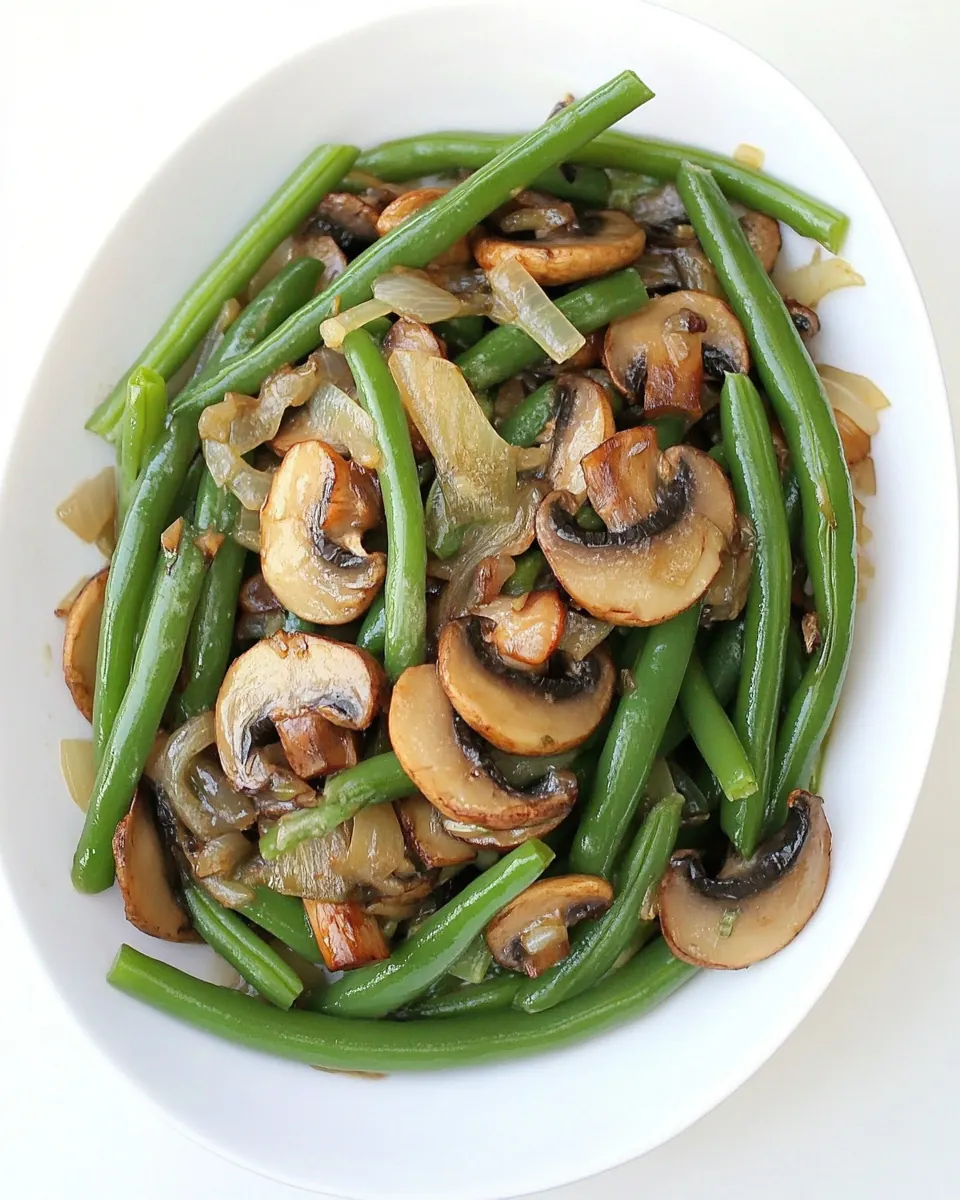
These steps are conversational and meant to guide you through the process with sensory cues and practical reasons behind each move. I break down each action so you can replicate the results and understand why timing and heat matter to the final texture and flavor.
- Place the green beans in a steamer insert placed in a pan above a small amount of boiling water. Cover and steam until tender but not squishy (or however you desire them to be).: The gentle steam will envelop the green beans , preserving their bright color and keeping their interior tender while maintaining a satisfying snap. You should hear a soft simmer from the pot rather than a vigorous boil, which prevents water from sloshing onto the beans. A common mistake is overcrowding the steamer, which can cause uneven cooking, so give them a single layer if possible. Visually, look for the beans to turn a more vibrant green and for the skin to lose its raw sheen. If they steam too long, the texture becomes limp rather than pleasantly tender.
- While the beans are steaming, heat the oil over medium-high heat in a large nonstick skillet. Add the shallots and cook, stirring, until softened slightly, about 2 minutes. Add the mushrooms and cook, stirring occasionally, until the water they release has evaporated and they begin to brown, about 10 minutes. Add the green beans and stir to combine and rewarm. Season with salt and pepper and serve.: Steam times vary by bean thickness, so test one after about 4 to 6 minutes to check for the texture you prefer. There will be a subtle pop when you bite into a properly steamed bean, and the aroma will be clean and green. Oversteaming leads to a dull color and a mushy mouthfeel, so err on the side of slightly underdone if you plan to finish them in the pan. If your beans are older and tougher, extend the steaming slightly, but avoid letting them sit in hot water which makes them soggy.
- While the beans are steaming, heat the oil over medium high heat in a large nonstick skillet: Heating the olive oil until it shimmers ensures an even sear on the shallots and mushrooms . The pan should be hot enough that the aromatics sizzle when they hit the surface, but not so hot that the oil smokes. If the oil smokes, lower the heat and let it calm before adding ingredients, as high heat can create burnt flavors. The sound you want is a steady sizzle, and the aroma should begin to smell warmly savory.
- Add the shallots and cook, stirring, until softened slightly, about 2 minutes: The shallots should become translucent and fragrant without browning aggressively at this stage. Stirring helps them cook evenly and release their natural sugars. A frequent pitfall is rushing this step at too high a heat, which causes the shallots to char and taste bitter. The proper sensory cue is a gentle sweet scent and a softening texture that still holds form, which creates a flavorful base layer for the mushrooms.
- Add the mushrooms and cook, stirring occasionally, until the water they release has evaporated and they begin to brown, about 10 minutes: As the mushrooms heat, they will exude liquid that first makes the pan look wet, then slowly reduces. Patience here yields golden edges and concentrated umami. You will notice the pan go from steamy to dry and hear the sizzling intensify as browning begins. Avoid crowding the pan, as too many mushrooms at once will steam rather than brown, losing that caramelized flavor. Stir occasionally to promote even color and prevent sticking, and when they reach a deep, golden brown, they are ready.
- Add the green beans and stir to combine and rewarm: When you fold the steamed green beans into the browned mushrooms and softened shallots , the pan will release a bright fresh scent and a gentle steam as everything comes together. Tossing briefly ensures even coating and reheating without overcooking. If you leave them in the pan too long, the beans will lose their snap, so move quickly to combine and check seasoning. The ideal mouthfeel pairs warm, tender beans with the chewy, caramelized mushroom bites.
- Season with salt and pepper and serve: Seasoning at the end lets you calibrate salt and black pepper after flavors have concentrated. Taste and adjust in small increments, because mushroom varieties can vary in natural saltiness. A common error is over salting early, which becomes more pronounced as liquids reduce. Serve while warm so the textures remain distinct, and notice how the final aroma bridges vegetal brightness and savory depth.
Helpful Notes about Green Beans with Mushrooms and Shallots
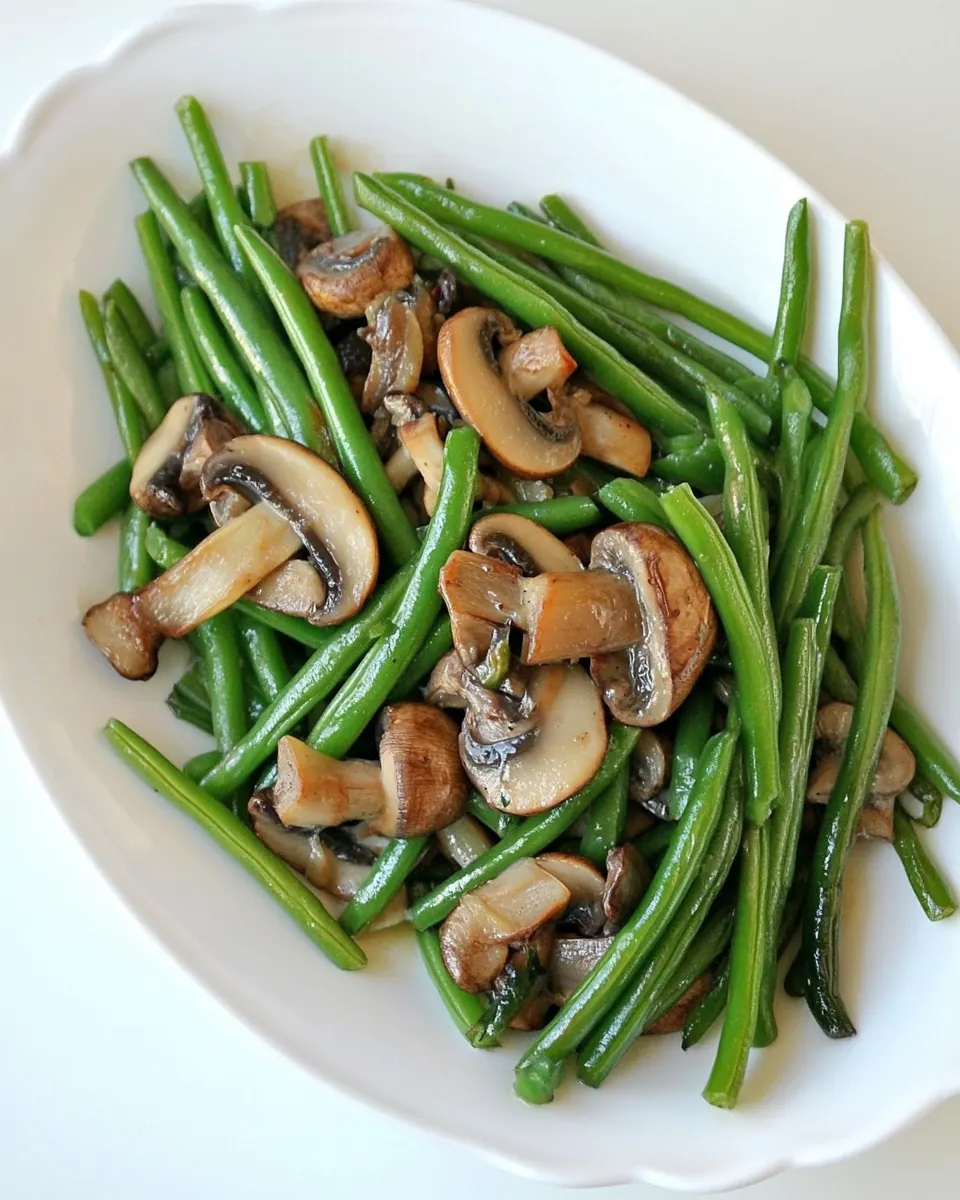
These notes will help you make the most of your pan time and ingredient choices. I wrote them based on what I do when I want reliable, repeatable results and a dish that feels both effortless and intentional.
- Choose fresh green beans for the best texture, look for ones that snap cleanly and avoid limp or spotted pods, as freshness is key to achieving that bright, crisp bite.
- Dry mushrooms thoroughly before slicing to reduce initial pan moisture and speed up the browning process, pat them with paper towels to remove excess water.
- Use medium high heat for sautéing to encourage caramelization on the mushrooms, but lower the heat if the oil starts to smoke to prevent bitterness.
- Trim ends consistently from your green beans so they cook evenly, uneven ends can cause some pieces to be over or underdone.
- Finish with a final taste check for salt and black pepper so you can adjust after the flavors have concentrated, seasoning slowly to avoid over salting.
How to Serve Green Beans with Mushrooms and Shallots
This dish is versatile enough to complement many menus, and how you present it can shift the meal mood from casual to refined. Below are detailed serving ideas, storage suggestions, and pairing notes to help you match the moment.
- Serve as a spring vegetable side alongside roasted chicken or grilled fish for an easy weeknight dinner, the fresh green beans emphasize seasonal produce.
- Plate for a family meal in a shallow bowl or on a platter so guests can help themselves, the warm mushrooms and tender green beans make a comforting complement to grains like rice or quinoa.
- Occasion friendly for holiday tables or dinner parties, keep it warm in a shallow serving dish and finish with a light drizzle of oil and a crack of black pepper before passing.
- Storage tip refrigerate leftovers in an airtight container for up to 3 days, reheat gently in a skillet to revive texture rather than microwaving which can make the green beans limp.
- Seasonal pairing emphasizes spring produce, so include light salads or citrus forward sides to brighten the overall meal and complement the earthy mushrooms.
- Serving temperature is warm, bring the dish to table soon after cooking to enjoy the contrast between tender crisp green beans and caramelized mushrooms.
FAQ
Conclusion
This version of Green Beans with Mushrooms and Shallots shines because it elevates simple, fresh ingredients with straightforward technique. The combination of crisp green beans, caramelized mushrooms, and sweet shallots feels both comforting and refined, making it a reliable side for many occasions. I encourage you to try it soon, paying attention to the visual and aromatics cues I described, and enjoy how such minimal ingredients can produce a memorable plate. It’s a dish that rewards patience and attention, and it often becomes a favorite once you taste the concentrated flavors.
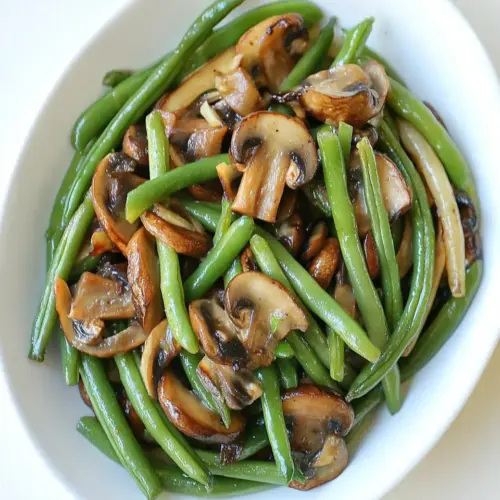
Green Beans with Mushrooms and Shallots
Equipment
- Steamer insert
- Pan
- Large Nonstick Skillet
- Tongs
Ingredients
- 1 pound fresh green beans, trimmed and cut into 1-inch pieces Trimmed and cut into 1-inch pieces to provide a crisp-tender vegetable base that holds texture when sautéed; contributes bright color and fresh flavor to the dish. Offers a nutritious boost of fiber and vitamins while balancing the earthiness of mushrooms and the sweetness of shallots. Retains a pleasant snap when cooked properly, preventing sogginess in the final presentation.
- 2 tablespoons olive oil Coated lightly to enable even cooking and to help carry flavors; used for sautéing shallots, mushrooms, and green beans while adding a mild fruity richness. Provides a cooking medium that helps develop gentle browning and prevents sticking, enhancing mouthfeel without overpowering other ingredients. Supports a smoother finish and helps distribute seasoning across the vegetables.
- 2 medium shallots, sliced (about 1/3 cup) Sliced to release a delicate sweet and aromatic profile during cooking; adds subtle onion-like complexity without overpowering the other vegetables. Caramelizes quickly when sautéed, contributing depth and a touch of natural sweetness that complements mushrooms and green beans. Enhances the overall savory balance and aroma of the finished dish.
- 12 ounces assorted sliced fresh mushrooms Sliced assorted varieties to introduce a range of textures and deep, earthy flavors that pair well with shallots and green beans. Browned mushrooms add umami and moisture, helping to create a rich, savory backbone for the recipe. Absorb oil and seasonings, intensifying the overall complexity while offering meaty bite and visual variety.
- salt and freshly ground black pepper, to taste Seasoned to taste to heighten and balance the natural flavors of the vegetables; used sparingly to avoid masking delicate notes. Salt helps draw out moisture and concentrate flavors during cooking, while freshly ground black pepper adds a bright, mildly pungent finish. Adjusted at the end ensures proper seasoning and enhances overall harmony of the dish.
Instructions
- Place the green beans in a steamer insert placed in a pan above a small amount of boiling water. Cover and steam until tender but not squishy (or however you desire them to be).: The gentle steam will envelop the green beans , preserving their bright color and keeping their interior tender while maintaining a satisfying snap. You should hear a soft simmer from the pot rather than a vigorous boil, which prevents water from sloshing onto the beans. A common mistake is overcrowding the steamer, which can cause uneven cooking, so give them a single layer if possible. Visually, look for the beans to turn a more vibrant green and for the skin to lose its raw sheen. If they steam too long, the texture becomes limp rather than pleasantly tender.
- While the beans are steaming, heat the oil over medium-high heat in a large nonstick skillet. Add the shallots and cook, stirring, until softened slightly, about 2 minutes. Add the mushrooms and cook, stirring occasionally, until the water they release has evaporated and they begin to brown, about 10 minutes. Add the green beans and stir to combine and rewarm. Season with salt and pepper and serve.: Steam times vary by bean thickness, so test one after about 4 to 6 minutes to check for the texture you prefer. There will be a subtle pop when you bite into a properly steamed bean, and the aroma will be clean and green. Oversteaming leads to a dull color and a mushy mouthfeel, so err on the side of slightly underdone if you plan to finish them in the pan. If your beans are older and tougher, extend the steaming slightly, but avoid letting them sit in hot water which makes them soggy.
- While the beans are steaming, heat the oil over medium high heat in a large nonstick skillet: Heating the olive oil until it shimmers ensures an even sear on the shallots and mushrooms . The pan should be hot enough that the aromatics sizzle when they hit the surface, but not so hot that the oil smokes. If the oil smokes, lower the heat and let it calm before adding ingredients, as high heat can create burnt flavors. The sound you want is a steady sizzle, and the aroma should begin to smell warmly savory.
- Add the shallots and cook, stirring, until softened slightly, about 2 minutes: The shallots should become translucent and fragrant without browning aggressively at this stage. Stirring helps them cook evenly and release their natural sugars. A frequent pitfall is rushing this step at too high a heat, which causes the shallots to char and taste bitter. The proper sensory cue is a gentle sweet scent and a softening texture that still holds form, which creates a flavorful base layer for the mushrooms.
- Add the mushrooms and cook, stirring occasionally, until the water they release has evaporated and they begin to brown, about 10 minutes: As the mushrooms heat, they will exude liquid that first makes the pan look wet, then slowly reduces. Patience here yields golden edges and concentrated umami. You will notice the pan go from steamy to dry and hear the sizzling intensify as browning begins. Avoid crowding the pan, as too many mushrooms at once will steam rather than brown, losing that caramelized flavor. Stir occasionally to promote even color and prevent sticking, and when they reach a deep, golden brown, they are ready.
- Add the green beans and stir to combine and rewarm: When you fold the steamed green beans into the browned mushrooms and softened shallots , the pan will release a bright fresh scent and a gentle steam as everything comes together. Tossing briefly ensures even coating and reheating without overcooking. If you leave them in the pan too long, the beans will lose their snap, so move quickly to combine and check seasoning. The ideal mouthfeel pairs warm, tender beans with the chewy, caramelized mushroom bites.
- Season with salt and pepper and serve: Seasoning at the end lets you calibrate salt and black pepper after flavors have concentrated. Taste and adjust in small increments, because mushroom varieties can vary in natural saltiness. A common error is over salting early, which becomes more pronounced as liquids reduce. Serve while warm so the textures remain distinct, and notice how the final aroma bridges vegetal brightness and savory depth.
Notes
- Choose fresh green beans for the best texture, look for ones that snap cleanly and avoid limp or spotted pods, as freshness is key to achieving that bright, crisp bite.
- Dry mushrooms thoroughly before slicing to reduce initial pan moisture and speed up the browning process, pat them with paper towels to remove excess water.
- Use medium high heat for sautéing to encourage caramelization on the mushrooms, but lower the heat if the oil starts to smoke to prevent bitterness.
- Trim ends consistently from your green beans so they cook evenly, uneven ends can cause some pieces to be over or underdone.
- Finish with a final taste check for salt and black pepper so you can adjust after the flavors have concentrated, seasoning slowly to avoid over salting.
